
Foster Hirsch
Author of The dark side of the screen : film noir
About the Author
Foster Hirsch is a professor of film at Brooklyn college and the author of sixteen books on film and theater, including The Dark Side of the Screen: Film Noir, A Method to Their Madness: The History of the Actors Studio, and Kurt Weill on Stage: From Berlin to Broadway.
Image credit: Vera Jaffe
Works by Foster Hirsch
Tagged
Common Knowledge
- Legal name
- Hirsch, Foster Lance
- Birthdate
- 1943-12-20
- Gender
- male
- Education
- Stanford University (BA|1965)
Columbia University (MFA|1966, MA|1967, PhD|1971) - Nationality
- USA
- Birthplace
- New York, New York, USA
- Places of residence
- New York, New York, USA
- Associated Place (for map)
- New York, New York, USA
Members
Reviews
Hollywood and the Movies of the Fifties: The Collapse of the Studio System, the Thrill of Cinerama, and the Invasion of the Ultimate Body Snatcher--Television by Foster Hirsch
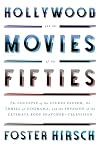
The five sections of Hirsch's book are devoted to:
A quick history of each major studio during the 1950s.
The major changes facing the industry, both in technology (wide screen formats, 3-D) and in the types of movies being made (foreign and arthouse cinema, exploitation films, movies about race).
The McCarthy committee and the blacklist.
The winding down of careers for the stars of earlier decades and the rise of a new generation of actors.
A quick overview of each major film genre, whether on show more the decline (film noir, ancient-world epics) or on the rise (science fiction).
Any one of those could be the subject of a large book; most of them already have been. Heck, any of the chapters on individual studios could easily be expanded to book length. And all of them feel cramped here, even in a 640-page book.
Hirsch is at his best when he's talking about the movies themselves. He is remembering his own childhood at the cinema, and his youthful enthusiasm for some movies occasionally overwhelms his more maturely developed critical sense. But he is sharply aware of the ways in which the world has changed since the 1950s, and does a fine job of balancing awareness of (and cautionary notes about) the aspects of some movies that seem unenlightened by modern standards, with an insistence that we still have to be able to appreciate the technical and artistic merits of those movies. He argues that while we should certainly be aware of the sexism, racism, homophobia, etc. (and etc. and etc. and etc.) of older movies, we should not overly punish them for failing to live up to standards that did not apply when they were made.
As far as which movies get discussed, Hirsch is content mostly to skim the surface, focusing mostly on the acknowledged classics and only occasionally digging deeper in search of the unjustly forgotten or undervalued titles. That's a shame, because the few passages in which he does bring an obscurity to light are among the book's highlights, and I would have enjoyed more of them.
Ultimately, I can't recommend this one. There are better books available on virtually every subject Hirsch deals with, and you'd be better served by those longer and more focused examinations than by Hirsch's rapid-fire scattershot approach. show less
A quick history of each major studio during the 1950s.
The major changes facing the industry, both in technology (wide screen formats, 3-D) and in the types of movies being made (foreign and arthouse cinema, exploitation films, movies about race).
The McCarthy committee and the blacklist.
The winding down of careers for the stars of earlier decades and the rise of a new generation of actors.
A quick overview of each major film genre, whether on show more the decline (film noir, ancient-world epics) or on the rise (science fiction).
Any one of those could be the subject of a large book; most of them already have been. Heck, any of the chapters on individual studios could easily be expanded to book length. And all of them feel cramped here, even in a 640-page book.
Hirsch is at his best when he's talking about the movies themselves. He is remembering his own childhood at the cinema, and his youthful enthusiasm for some movies occasionally overwhelms his more maturely developed critical sense. But he is sharply aware of the ways in which the world has changed since the 1950s, and does a fine job of balancing awareness of (and cautionary notes about) the aspects of some movies that seem unenlightened by modern standards, with an insistence that we still have to be able to appreciate the technical and artistic merits of those movies. He argues that while we should certainly be aware of the sexism, racism, homophobia, etc. (and etc. and etc. and etc.) of older movies, we should not overly punish them for failing to live up to standards that did not apply when they were made.
As far as which movies get discussed, Hirsch is content mostly to skim the surface, focusing mostly on the acknowledged classics and only occasionally digging deeper in search of the unjustly forgotten or undervalued titles. That's a shame, because the few passages in which he does bring an obscurity to light are among the book's highlights, and I would have enjoyed more of them.
Ultimately, I can't recommend this one. There are better books available on virtually every subject Hirsch deals with, and you'd be better served by those longer and more focused examinations than by Hirsch's rapid-fire scattershot approach. show less
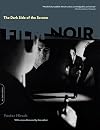
This is a well-written overview of the genre, designed for the general reader and not academics. As such, there is no in-depth analysis of individual films, but it provides some insight into what makes a film noir, such as lighting, camera movement, casting, direction. Immensely readable, Hirsch lays out some background - the influences of art and literature, the German Expressionist films, etc. Individual chapters concern the major directors, actors, styles. If you're looking for show more film-class-worthy erudition, you might look for one of those collections of essays written by academics; this book is more of an introduction to the genre with the major films described, and can be useful for someone fairly new to the genre.
Despite its modest goals, the book is pretty engaging; although I think I've seen over 150 films noirs, I still found myself noting films that I would like to see, such as the bizarre pairing of two musical stars in "Christmas Holiday" (Gene Kelly and Deanna Durbin). This large format book includes an abundance of interesting stills from many films, nice crisp reproductions in black and white. The appendix lists the film credits for 112 films selected by Hirsch, which is not exhaustive; noir encyclopedias by Alain Silver have listed over 400 films.
A typical complaint by readers of noir literature is the inclusion of crime/gangster films, which may use elements of noir, such as the use of shadows, but do not fit into the plot lines that define noir as a distinct genre. Hirsch isn't perfect either; I don't consider films like "White Heat" (gangster), "The Breaking Point" (crime), and "Clash By Night" (romantic melodrama) to be noir.
The other wrinkle of the selection process is the omission of major films in his discussion of noir directors. The most egregious example of that is the inexplicable oversight of omitting "In a Lonely Place" in the section on Nicholas Ray. The Criterion Collection selected the film for its release as an example of the quintessential film noir. It gets some mention later in the book, but one would hardly think this gem even matters from Hirsch's treatment of it.
I do take Hirsch to task on his disapproval of the neo-noirs; certainly some of these films are either too cartoony or too strained, but as of his writing there were two excellent ones that he didn't care for: "Chinatown" and "The Long Goodbye". In the hands of talented directors, the genre can be tweaked in creative ways, but it is a risky endeavor.
Despite its minor flaws, I still give the highest rating to the book, since it succeeds very well for its intended audience, us regular movie fans, and points us at the major films and why they are worth watching. And what to watch for when viewing.
By the way, my copy is the original 1981 publication. show less
Despite its modest goals, the book is pretty engaging; although I think I've seen over 150 films noirs, I still found myself noting films that I would like to see, such as the bizarre pairing of two musical stars in "Christmas Holiday" (Gene Kelly and Deanna Durbin). This large format book includes an abundance of interesting stills from many films, nice crisp reproductions in black and white. The appendix lists the film credits for 112 films selected by Hirsch, which is not exhaustive; noir encyclopedias by Alain Silver have listed over 400 films.
A typical complaint by readers of noir literature is the inclusion of crime/gangster films, which may use elements of noir, such as the use of shadows, but do not fit into the plot lines that define noir as a distinct genre. Hirsch isn't perfect either; I don't consider films like "White Heat" (gangster), "The Breaking Point" (crime), and "Clash By Night" (romantic melodrama) to be noir.
The other wrinkle of the selection process is the omission of major films in his discussion of noir directors. The most egregious example of that is the inexplicable oversight of omitting "In a Lonely Place" in the section on Nicholas Ray. The Criterion Collection selected the film for its release as an example of the quintessential film noir. It gets some mention later in the book, but one would hardly think this gem even matters from Hirsch's treatment of it.
I do take Hirsch to task on his disapproval of the neo-noirs; certainly some of these films are either too cartoony or too strained, but as of his writing there were two excellent ones that he didn't care for: "Chinatown" and "The Long Goodbye". In the hands of talented directors, the genre can be tweaked in creative ways, but it is a risky endeavor.
Despite its minor flaws, I still give the highest rating to the book, since it succeeds very well for its intended audience, us regular movie fans, and points us at the major films and why they are worth watching. And what to watch for when viewing.
By the way, my copy is the original 1981 publication. show less
Hollywood and the Movies of the Fifties: The Collapse of the Studio System, the Thrill of Cinerama, and the Invasion of the Ultimate Body Snatcher--Television by Foster Hirsch
Highly entertaining -- and quite personal -- analysis of the American movie industry and its output in the 1950s, along with certain tends, such as the Red Scare, that had an impact on it. It's quite well organized and logical in its structure. There aren't any real surprises or revelations in the book, though there is the exploration of some less obvious films and less obvious actors and actresses. Well worth a read.
I have no prior knowledge of the topic, so this book may have gaping holes, but I found it an enjoyable read and an interesting introduction to noir. I hope to spend a lot of time with the filmography in the course of this year. The author's style is occasionally a bit overwrought, not at all shy about expressing firmly held opinions, but I did not find those impediments to enjoyment.
The Kindle edition has a ton of formatting errors, but that's not the author's fault.
The Kindle edition has a ton of formatting errors, but that's not the author's fault.
Lists
Entertainment (1)
Awards


You May Also Like


Statistics
- Works
- 20
- Members
- 598
- Popularity
- #42,015
- Rating
- 3.8
- Reviews
- 7
- ISBNs
- 41
- Languages
- 3