
James Finley
Author of Merton's Palace of Nowhere
About the Author
James Finley is a former Trappist monk who studied closely with Thomas Merton. He is the author of Merton's Palace of Nowhere and The Contemplative Heart. Finley is a clinical psychologist with a private practice in Santa Monica, California, and he leads retreats and workshops on a regular basis show more throughout North America show less
Works by James Finley
Associated Works
Tagged
Common Knowledge
- Canonical name
- Finley, James
- Birthdate
- 1943-05-30
- Gender
- male
- Education
- University of Akron (BA)
St. John's College (Cleveland|MA)
Fuller Theological Seminary (PhD) - Occupations
- clinical psychologist
Trappist Monk (6 years)
retreat leader
Merton Scholar - Organizations
- Roman Catholic Church
Institute of Spiritual Healing
Abbey of Gethsemani - Nationality
- USA
- Birthplace
- Akron, Ohio, USA
- Places of residence
- Santa Monica, California, USA
- Associated Place (for map)
- USA
Members
Reviews
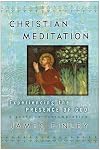
This is a very difficult book to review. James Findley is an extremely experienced meditator who is deeply immersed in the Christian tradition while remaining ecumenical as well. I heard him speak in the 90's, so I hear his slow, quiet, thoughtful voice as I read his words now. I would counsel anyone considering this book to (1) read the table of contents, and (2) to consider it a meditative work in itself. That is, it is to be read slowly and in small digestible bites. There is much show more hard-won wisdom here, but it is not a page-turner. show less
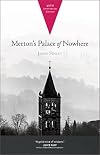
An exploration into a systemic presentation of some of Thomas Merton's conceptions of the false self vs. the true self in light of the contemplative tradition.
The author had personal experience working with Merton and was manifestly profoundly influenced by him. He has taken on the mantle by attempting to systematize a bit of what Merton was exploring regarding the contemplative tradition and the search for relationship with God.
The premise of the book is the existence of the "false self" show more versus the "true self" - the "false self" being the one we have constructed in our fallenness, and the "true self" the person within we ought to be in full communion with God. The author explores the challenges and complexities of the construction of the false self and the great difficulty it requires to get glimpses of the true self. The value and power of the contemplative tradition is examined in light of this. The goal, it would seem, is to become okay with one's essential no-thing-ness in light of God being no-thing, and this leads to the idea of Merton's "palace of nowhere," finding full relationship in God through a recognition of our complete inability to stand before God by anything of our own merit and developing a relationship with God in prayer based in silence, meditation, and the "nothingness" that may seem to transpire in it, to arrive at nowhere in particular but in the light of God's presence.
The book is full of anecdotes and quotations of Merton. I cannot attest to how effectively the author has channeled Merton's thought process; while the strict duality of the "true" and "false" self causes me to blanch a bit, concerned about a little bit of Gnosticism which may be present, the conceits and deceits of the "false self" as described are real enough, and the mystical tradition is something which may have a word to speak in the current trials and distress of life.
An interesting exploration.
**--galley received as part of early review program show less
The author had personal experience working with Merton and was manifestly profoundly influenced by him. He has taken on the mantle by attempting to systematize a bit of what Merton was exploring regarding the contemplative tradition and the search for relationship with God.
The premise of the book is the existence of the "false self" show more versus the "true self" - the "false self" being the one we have constructed in our fallenness, and the "true self" the person within we ought to be in full communion with God. The author explores the challenges and complexities of the construction of the false self and the great difficulty it requires to get glimpses of the true self. The value and power of the contemplative tradition is examined in light of this. The goal, it would seem, is to become okay with one's essential no-thing-ness in light of God being no-thing, and this leads to the idea of Merton's "palace of nowhere," finding full relationship in God through a recognition of our complete inability to stand before God by anything of our own merit and developing a relationship with God in prayer based in silence, meditation, and the "nothingness" that may seem to transpire in it, to arrive at nowhere in particular but in the light of God's presence.
The book is full of anecdotes and quotations of Merton. I cannot attest to how effectively the author has channeled Merton's thought process; while the strict duality of the "true" and "false" self causes me to blanch a bit, concerned about a little bit of Gnosticism which may be present, the conceits and deceits of the "false self" as described are real enough, and the mystical tradition is something which may have a word to speak in the current trials and distress of life.
An interesting exploration.
**--galley received as part of early review program show less
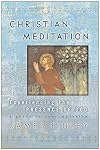
This is an interesting book and I did learn from it some things about meditation – what it is like and the how of it. But there are two big reservations that I have about it: First, it tends to focus on self. Secondly, the essence of what's advocated is called "centering prayer". “Centering Prayer” advocates that one empty his or her mind to gain spiritual peace and growth. This practice of ‘emptying of the mind’ can be dangerous. Even as one does it, there is this slight sense or show more intuition within indicating that it just isn’t right, something is amiss. At least part of the reason for this unsettled sense is that one is trying to abandon healthy safeguards that are there to protect and safeguard the soul. It is likely the Spirit of God speaking subtlety through our spirit within us urging us not to make ourselves vulnerable to spiritual adversaries to our soul. The opposite of peace (confusion and turmoil) have often occurred for those who have been successful in emptying their minds. There are numerous accounts of this – testimonies, if you will, that bear this out. “Centering prayer” is often advocated by the Trappist monks. However, this in no way means that ‘meditation’ in general is bad. In fact good and healthy meditation is vital to spiritual growth and to having peace. However it must have its object; for the Christian, it is God the Father, the Son and the Holy Spirit. If one reads this book with this premise, he/she can avoid its pitfalls and gain some good nuggets concerning meditation. show less
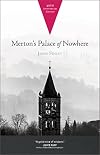
An excellent compilation of material from Thomas Merton on the subject of contemplative prayer and the true self in union with God. Finley also draws on his personal interactions with Merton during Finley's formation as a monk in the monastery under Merton's direction.
You May Also Like


Associated Authors
Statistics
- Works
- 24
- Also by
- 1
- Members
- 1,107
- Popularity
- #23,219
- Rating
- 3.9
- Reviews
- 13
- ISBNs
- 41
- Languages
- 2
