

Gianni Rodari (1920–1980)
Author of Telephone Tales
About the Author
Image credit: Gianni Rodari http://www.giannirodari.it/biografia/index.html
Works by Gianni Rodari
The Grammar of Fantasy: An Introduction to the Art of Inventing Stories (1973) 464 copies, 3 reviews
O QUE E PRECISO 22 copies
Grammatica della fantasia. Introduzione all'arte di inventare storie. 50 anni. Ediz. a colori (2023) 5 copies
Favole dell'amicizia [tratte dalla] Enciclopedia delle favole a cura di Gianni Rodari: Illustrazioni di Pedro Scassa (2003) 3 copies
Il gatto viaggiatore 2 copies
Il soldato con la pistola ad acqua 2 copies
Enciclopedia Della Favola: Fiabe di tutto il Mondo Raccolte da Vladislav Stanovsky e Jan Vladislav 2 copies
A góndola fantasma (Infantil E Xuvenil - Sopa De Libros - De 10 Anos En Diante) (Galician Edition) (2005) 1 copy
Приключенията на Лукчо 1 copy
I nani imperiali 1 copy
Большая книга сказок 1 copy
Giữa trời chiếc bánh Gato 1 copy
Dongeng Telepon 1 copy
Il pianeta di AccaZeta 1 copy
2 1 copy
Il libro dei perché. Animali 1 copy
ცეცხლოვანი ციკლი 1 copy
Maiarzu Garù e ateros contos 1 copy
P175 - Gramática da fantasia 1 copy
Marco és Mirkó kalandjai 1 copy
Filastrocca del Natale 1 copy
Los Enanos de Mantua 1 copy
Kocia gwiazda 1 copy
Interesy Pana Kota 1 copy
''Todo modo'' e il PCI 1 copy
Sporcarsi o non sporcarsi 1 copy
En wat er toen gebeurde.... 1 copy
Fiabe per tutto l'anno 1 copy
Rodari Gianni 1 copy
Breda, marzo 1950: l'intervento del sindaco Giobatta Gianquinto, le cronache di Gianni Rodari 1 copy
DINASTIA DEI POLTRONI 1 copy
Il dissenso giovanile 1 copy
Pequenos Vagabundos 1 copy
IL CIELO E' DI TUTTI 1 copy
En Gip dins del televisor 1 copy
Els negocis del senyor gat / The Business Mr. Cat (Cuentos, Mitos Y Libros-Regalo) (Catalan Edition) (2005) 1 copy
IL LABORATORIO DI GELSOMINO 1 copy
IL MONDO IN UN UOVO 1 copy
Associated Works
Cricket Magazine, Vol. 1, No. 4, December 1973 — Contributor — 5 copies
Tagged
Common Knowledge
- Canonical name
- Rodari, Gianni
- Legal name
- Rodari, Giovanni Francesco
- Other names
- Aricocchi, Francesco
- Birthdate
- 1920-10-23
- Date of death
- 1980-04-14
- Gender
- male
- Occupations
- scrittore
pedagogista
giornalista
poeta - Awards and honors
- Hans Christian Andersen Award (Writing, 1970)
- Cause of death
- complications from surgery
- Nationality
- Italy
- Birthplace
- Omegna, Italia
- Place of death
- Roma, Italy
- Burial location
- Cimitero del Verano, Roma, Italia
- Map Location
- Italy
- Associated Place (for map)
- Italia
Members
Reviews
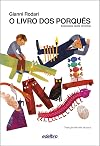
Por que os cabelos crescem? Por que o mar é salgado? Por que que eu sou eu? Neste livro, “porque sim” não é resposta. O autor mostra de um jeito divertido que tudo tem explicação. Mas, prepare-se: ela pode ser lógica e objetiva e também repleta de imaginação e poesia. O autor, o premiado italiano Gianni Rodari, escolheu como profissão escrever para aqueles que não se cansam de perguntar. As respostas contidas neste livro confortam os corações inquietos porque oferecem uma show more chave para perceber os sentidos do mundo: mirá-lo de forma solidária, poética, bem-humorada e livre. show less
Gramática da fantasia: Uma introdução à arte de inventar histórias (Portuguese Edition) by Gianni Rodari
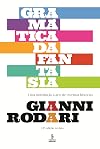
Dediquei algumas semanas à leitura dessa obra não pelo texto difícil ou falta de tempo, mas para saborear cada reflexão do autor e suas propostas de exercícios. Seu convite para brincar com as palavras é irresistível.
Gianni Rodaria, o autor deste livro, alerta a certa altura: “Sou um simples leitor. Não um especialista.” O fato é que esse jornalista, escritor e professor italiano nos deixou essa obra deliciosa, que exalta a criatividade espontânea das crianças, a importância show more dos contos de fada e outros elementos da cultura popular que o chamado mundo adulto vai deixando para traz.
A partir de sua vivência com crianças em escolas de pequenas cidades da Itália, Gianni Rodaria revela – sem pretensões acadêmicas – como destravar e exercitar bloqueios criativos. Limericks, adivinhas, fábulas e técnicas do OuLiPo – Ouvroir de Littérature Potentielle, ou oficina de literatura potencial são ferramentas básicas para quem quer fugir do convencional e do clichê.
“Gramática Criativa” é um livro muito recomendado para quem escreve, professores, pais e educadores. show less
Gianni Rodaria, o autor deste livro, alerta a certa altura: “Sou um simples leitor. Não um especialista.” O fato é que esse jornalista, escritor e professor italiano nos deixou essa obra deliciosa, que exalta a criatividade espontânea das crianças, a importância show more dos contos de fada e outros elementos da cultura popular que o chamado mundo adulto vai deixando para traz.
A partir de sua vivência com crianças em escolas de pequenas cidades da Itália, Gianni Rodaria revela – sem pretensões acadêmicas – como destravar e exercitar bloqueios criativos. Limericks, adivinhas, fábulas e técnicas do OuLiPo – Ouvroir de Littérature Potentielle, ou oficina de literatura potencial são ferramentas básicas para quem quer fugir do convencional e do clichê.
“Gramática Criativa” é um livro muito recomendado para quem escreve, professores, pais e educadores. show less
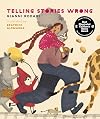
A grandfather tells his granddaughter the story of Little Red Riding Hood...or does he? This felt like my own grandfather coming to life again -- he used to put silly twists on fairy tales and popular stories when I was a kid so this was all sorts of heartwarming for me. All of Gianni Rodari's books need to be translated. All of them.
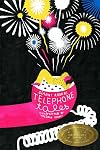
A collection of very short, very silly stories for kids, framed by the narrative that they were told by a business-traveling father over the phone to his child every night.
Meh. In the vein of Lear's Book of Nonsense; likely absolutely hilarious to little ones, but loses most of its appeal at older ages.
Meh. In the vein of Lear's Book of Nonsense; likely absolutely hilarious to little ones, but loses most of its appeal at older ages.
Lists
Awards


You May Also Like


Associated Authors
Statistics
- Works
- 349
- Also by
- 3
- Members
- 4,171
- Popularity
- #6,037
- Rating
- 4.0
- Reviews
- 73
- ISBNs
- 899
- Languages
- 27
- Favorited
- 8