
Daniel Pennac
Author of The Rights of the Reader
About the Author
Series
Works by Daniel Pennac
Gaffobobo, le serpent électrique - Sélection du Comité des mamans Hiver 2002 (3-6 ans) (2001) 3 copies
Il paradiso degli orchi-La fata carabina-La prosivendola-Signor Malaussène-Ultime notizie dalla famiglia-La passione secondo Thérèse (2017) 2 copies
VIRADOR 2 copies
Una lezione d'ignoranza 1 copy
Tesekkur Ederim 1 copy
Kamo, l' idea del secolo 1 copy
Abbiare stanca 1 copy
Mi hermano 2018 1 copy
O olho do lobo 1 copy
Mano la Fee Carabine 1 copy
KAMÔ E A IDÉIA DO SÉCULO. 1 copy
[From the cover of the box : Stylographe : Dessins de Daniel Pennac 25 cartes postales Tome 2] 1 copy
Il paradiso degli oceani 1 copy
Saga la fée carabine en 3 tomes : 1 La fée carabine - 2 a Au bonheur des ogres - 3 La petite marchande de prose (2004) 1 copy
Gardiens et passeurs 1 copy
Excelentíssimas crianças 1 copy
Associated Works
Tagged
Common Knowledge
- Legal name
- Pennacchioni, Daniel
- Other names
- Nacray, J. B. (pseudonym)
- Birthdate
- 1944-12-01
- Gender
- male
- Education
- Université de Nice (Maîtrise, Lettres)
- Occupations
- teacher
writer - Organizations
- Collège d'Hulst, Paris (Professeur, Français)
Collège à Nice (Professeur, Français)
Collège Saint-Paul, Soissons (Professeur, Français, 1969) - Awards and honors
- Grinzane Cavour Prize (2002)
Honorary Degree (University of Bologna) (pedagogy) - Nationality
- France
- Birthplace
- Casablanca, Morocco
- Places of residence
- Casablanca, Morocco
Djibouti
Ethiopia
Algeria
French Equatorial Africa
Indochina (show all 8)
Nice, Alpes-Maritimes, France
La Colle-sur-Loup, France - Map Location
- France
Members
Reviews
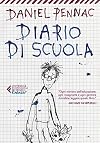
Un libro che non pensavo avrei apprezzato così tanto dato che solitamente io non leggo saggi. Ma questo è stata veramente uno shock in senso positivo.
Pennac rivive la sua infanzia, di come sia stato salvato da tre professori che lo hanno riportato *sulla retta via*, che gli hanno mostrato come uno studente dovrebbe essere, tutto fuorchè un somaro come lui.
Da studentessa che anch'essa è stata salvata da un professore di matematica tra la terza e la quinta liceo, questo libro mi ha toccato show more a fondo. Era come leggere i miei pensieri messi su carta.
Nel mio caso andavo male quasi solo in matematica, raramente toccavo la sufficienza. Poi ho incontrato lui, il professore di matematica (che poi in realtà era un fisico, e ci teneva a ribadirlo sempre) che capì che somara in matematica non ero, ed è solo grazie a lui che oggi faccio il secondo anno di ingegneria senza il terrore di essere una nullità. Se sono riuscita a scegliere una strada è solo grazie a lui.
Pennac è riuscito a racchiudere in un libricino di appena 270 pagine la storia che accomuna da centenari migliaia di bambini che per la scuola e la società erano considerati un fallimento, ma non agli occhi dei professori. Di come a volte basta andare oltre le apparenze, a farsi forza nel chiedere certe domande che alcuni non avrebbero mai il coraggio di pronunciare.
Io ringrazio Pennac. Che mi ha fatto rivivere un pezzo della mia storia ormai passata a cui oggigiorno riesco a rivolgergli un sorriso sincero, perché come il *lui* somaro ha gettato le basi del suo cambiamento anche il *mio* essere negata in certe materie mi ha fatto diventare la persona che sono adesso. show less
Pennac rivive la sua infanzia, di come sia stato salvato da tre professori che lo hanno riportato *sulla retta via*, che gli hanno mostrato come uno studente dovrebbe essere, tutto fuorchè un somaro come lui.
Da studentessa che anch'essa è stata salvata da un professore di matematica tra la terza e la quinta liceo, questo libro mi ha toccato show more a fondo. Era come leggere i miei pensieri messi su carta.
Nel mio caso andavo male quasi solo in matematica, raramente toccavo la sufficienza. Poi ho incontrato lui, il professore di matematica (che poi in realtà era un fisico, e ci teneva a ribadirlo sempre) che capì che somara in matematica non ero, ed è solo grazie a lui che oggi faccio il secondo anno di ingegneria senza il terrore di essere una nullità. Se sono riuscita a scegliere una strada è solo grazie a lui.
Pennac è riuscito a racchiudere in un libricino di appena 270 pagine la storia che accomuna da centenari migliaia di bambini che per la scuola e la società erano considerati un fallimento, ma non agli occhi dei professori. Di come a volte basta andare oltre le apparenze, a farsi forza nel chiedere certe domande che alcuni non avrebbero mai il coraggio di pronunciare.
Io ringrazio Pennac. Che mi ha fatto rivivere un pezzo della mia storia ormai passata a cui oggigiorno riesco a rivolgergli un sorriso sincero, perché come il *lui* somaro ha gettato le basi del suo cambiamento anche il *mio* essere negata in certe materie mi ha fatto diventare la persona che sono adesso. show less
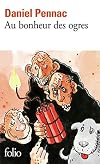
Une relecture de toute la saga Malaussène avant d'attaquer [b: Ils m'ont menti|33512781|Ils m'ont menti|Daniel Pennac|https://images.gr-assets.com/books/1482175953s/33512781.jpg|54273112], premier de la nouvelle série "le cas Malaussène".
J'ai dévoré la saga quand j'étais gamine (pas si longtemps après sa sortie), j'avais adoré. D'où interrogation pour la relecture: vais-je aimer? Vais-je kiffer? La gamine que j'étais avait-elle bon goût en matière de livres?
Les réponses sont show more oui, mais oui, bah apparemment oui.
C'est chouette, c'est déluré, c'est improbable, c'est drôle (très drôle parfois), ça se lit comme on mange une tartine de beurre (facilement et avec délectation), les personnages sont incroyables, plus vrais que nature. Comme à la première lecture, j'ai envie de tous les connaître, de taper la discut' avec toute la smala et leurs satellites.
Ça n'empêche pas le vaguement gore, le un peu cra-cra, l'histoire pas nette (avec un grand H, l'histoire, aussi, parfois) et je découvre, aussi, en tant qu'adulte, un brin de sensualité qui m'avait globalement échappé quand j'étais jeune et innocente (pas que je sois vieille et criminelle maintenant, mais bon).
Allez, un petit reproche pour la route: on regrettera les quelques clichés de genre: "les femmes sont comme ci, les hommes sont comme ça", ça va que tous ces gens sont avant tout humains.
En tout cas, une semaine pour lire un livre, ça faisait longtemps que ça ne m'était pas arrivé. Et la suite de la saga semble suivre le même chemin! Je vais dévorer Malaussène. show less
J'ai dévoré la saga quand j'étais gamine (pas si longtemps après sa sortie), j'avais adoré. D'où interrogation pour la relecture: vais-je aimer? Vais-je kiffer? La gamine que j'étais avait-elle bon goût en matière de livres?
Les réponses sont show more oui, mais oui, bah apparemment oui.
C'est chouette, c'est déluré, c'est improbable, c'est drôle (très drôle parfois), ça se lit comme on mange une tartine de beurre (facilement et avec délectation), les personnages sont incroyables, plus vrais que nature. Comme à la première lecture, j'ai envie de tous les connaître, de taper la discut' avec toute la smala et leurs satellites.
Ça n'empêche pas le vaguement gore, le un peu cra-cra, l'histoire pas nette (avec un grand H, l'histoire, aussi, parfois) et je découvre, aussi, en tant qu'adulte, un brin de sensualité qui m'avait globalement échappé quand j'étais jeune et innocente (pas que je sois vieille et criminelle maintenant, mais bon).
Allez, un petit reproche pour la route: on regrettera les quelques clichés de genre: "les femmes sont comme ci, les hommes sont comme ça", ça va que tous ces gens sont avant tout humains.
En tout cas, une semaine pour lire un livre, ça faisait longtemps que ça ne m'était pas arrivé. Et la suite de la saga semble suivre le même chemin! Je vais dévorer Malaussène. show less

Comme un roman is a short book — an extended essay, really — about the pleasure of reading and the risk we run of losing that pleasure as adolescents in the hands of the school system. As a parent, a teacher, a writer and a former adolescent, Pennac is able to put himself in turn into all the different roles involved in the epic struggle between the teenager and Madame Bovary (which refuses to advance beyond page 48, whilst the book-report is due to be handed in tomorrow morning), and as show more a novelist he can't resist dramatising those scenes for us, so it's fun to read, but there's a real message there as well.
Pennac insists that what kills the desire to read for pleasure is not parental apathy or video games, television or the Walkman, but the way school turns reading into a task that is scored and evaluated, with production quotas and the expectation that we should be able to make the correct sort of intelligent comments about what we have read, and the corresponding fear of being labelled ignorant or lazy if we don't accomplish the task in the right way. He describes his strategy — borrowed from the actor/poet Georges Perros — for overcoming that hurdle by reading aloud ("gratuitously and unconditionally") to his teenage students to reintroduce them to the idea that books contain stories written to entertain the reader. He waits until they have been bitten by the bug and started to read again on their own account before moving on to the books he's supposed to be teaching. And the book concludes with his charter of "basic rights of the reader", which starts, significantly, with the right not to read. show less
Pennac insists that what kills the desire to read for pleasure is not parental apathy or video games, television or the Walkman, but the way school turns reading into a task that is scored and evaluated, with production quotas and the expectation that we should be able to make the correct sort of intelligent comments about what we have read, and the corresponding fear of being labelled ignorant or lazy if we don't accomplish the task in the right way. He describes his strategy — borrowed from the actor/poet Georges Perros — for overcoming that hurdle by reading aloud ("gratuitously and unconditionally") to his teenage students to reintroduce them to the idea that books contain stories written to entertain the reader. He waits until they have been bitten by the bug and started to read again on their own account before moving on to the books he's supposed to be teaching. And the book concludes with his charter of "basic rights of the reader", which starts, significantly, with the right not to read. show less

La fée carabine is the second book in the Malaussène saga - Benjamin finds himself mixed up in another criminal investigation, and more than likely to be wrongly accused, with a serial-killer cutting the throats of old ladies in Belleville. Meanwhile, Benjamin's girlfriend the investigative reporter Julia is on the trail of a gang of drug-dealers who specialise in supplying elderly addicts. And it's not at all clear whose side the police are on...
Pennac avoids the trap of repeating all the show more jokes from the first book by putting a lot less weight on Benjamin's family and his job as a professional scapegoat, although both are still there, of course, and still very funny. A lot of the story focusses on a couple of new characters, Inspector Pastor, a pullover-knitting policeman of almost Adamsbergish vagueness, and his cunning - but possibly schizophrenic - old colleague, Inspector Van Thian (alias the widow Ho). And there's also a new Malaussène sibling, a baby named - with good reason - after a First World War battle...
Lots of sharp comments about modern French society, a strong message about our common need for humanity, tolerance, love and storytelling, and plenty of jokes. Very enjoyable, but you shouldn't come looking for a technically perfect detective story - for that, Pennac would have to overcome his fondness for taking us by surprise by breaking the rules at inappropriate moments. show less
Pennac avoids the trap of repeating all the show more jokes from the first book by putting a lot less weight on Benjamin's family and his job as a professional scapegoat, although both are still there, of course, and still very funny. A lot of the story focusses on a couple of new characters, Inspector Pastor, a pullover-knitting policeman of almost Adamsbergish vagueness, and his cunning - but possibly schizophrenic - old colleague, Inspector Van Thian (alias the widow Ho). And there's also a new Malaussène sibling, a baby named - with good reason - after a First World War battle...
Lots of sharp comments about modern French society, a strong message about our common need for humanity, tolerance, love and storytelling, and plenty of jokes. Very enjoyable, but you shouldn't come looking for a technically perfect detective story - for that, Pennac would have to overcome his fondness for taking us by surprise by breaking the rules at inappropriate moments. show less
Lists
Awards


You May Also Like


Associated Authors
Statistics
- Works
- 95
- Also by
- 3
- Members
- 13,161
- Popularity
- #1,772
- Rating
- 3.7
- Reviews
- 246
- ISBNs
- 610
- Languages
- 26
- Favorited
- 32


