
Tessa de Loo
Author of The Twins
About the Author
Works by Tessa de Loo
Còn Chị Còn Em 1 copy
Associated Works
De Nederlandse en Vlaamse literatuur vanaf 1880 in 60 lange verhalen (2006) — Contributor — 43 copies, 2 reviews
Breekbare dagen 4 en 5 mei door de jaren heen — Contributor — 5 copies
Lekker lui 1994 — Contributor — 3 copies
Elle Literaire Verhalen Special — Contributor — 1 copy
Tagged
Common Knowledge
- Canonical name
- Loo, Tessa de
- Legal name
- Duyvené de Wit, Johanna Martina
- Birthdate
- 1946-10-15
- Gender
- female
- Education
- Utrecht University
- Occupations
- writer
- Nationality
- Netherlands
- Birthplace
- Bussum, Netherlands
- Places of residence
- France
Portugal - Map Location
- Netherlands
Members
Reviews

Twin sisters, Anna and Lotte, born in 1916 Cologne, are orphaned and separated at the age of 6. Anna was in good health whilst Lotte was suspected of having tuberculosis which killed their father. As a result Anna is sent to live on her grandfather's German farm whereas Lotte is parcelled off to live a less demanding life with an uncle in the Netherlands. Poor relationships between the extended family and the intervening war means that the two sisters loose touch with one another.
Now in show more their 70's, they meet by chance at the Belgian health resort of Spa. As the two sisters spend more and more time together they begin to relate their very differing experiences of the war. Anna married a, if reluctant one, SS officer whilst Lotte's family hid Jews so as to prevent them being deported. They tell their stories using a series of flashbacks and the contrasts between their lives soon becomes very apparent. From her somewhat sheltered viewpoint Lotte is initially very sceptical about Anna's accounts of the war but she is gradually forced to confront the realities of the sufferings of the ordinary Germans during the war leading her to wonder what would have happened if the twins' roles had been reversed?
In many respects the central theme of this novel, Nazism and the resistance to it, is not a particularly novel one as it has been visited on numerous occasions. However, I found this a well written and engrossing read due mainly to the contrasts between the two sisters. Anna seems much more vibrant and raw in her approach to life always willing to challenge expectations whereas Lotte is much more sensitive and considered unwilling to abandon her preconceived ideas. However, what de Loo does extremely well is to avoid the pitfalls of stereotypes and leaving difficult ethical questions about the ordinary German citizens involvement in the war for the reader unresolved. I found this a very enjoyable read that deserves to be on the 1001 list. show less
Now in show more their 70's, they meet by chance at the Belgian health resort of Spa. As the two sisters spend more and more time together they begin to relate their very differing experiences of the war. Anna married a, if reluctant one, SS officer whilst Lotte's family hid Jews so as to prevent them being deported. They tell their stories using a series of flashbacks and the contrasts between their lives soon becomes very apparent. From her somewhat sheltered viewpoint Lotte is initially very sceptical about Anna's accounts of the war but she is gradually forced to confront the realities of the sufferings of the ordinary Germans during the war leading her to wonder what would have happened if the twins' roles had been reversed?
In many respects the central theme of this novel, Nazism and the resistance to it, is not a particularly novel one as it has been visited on numerous occasions. However, I found this a well written and engrossing read due mainly to the contrasts between the two sisters. Anna seems much more vibrant and raw in her approach to life always willing to challenge expectations whereas Lotte is much more sensitive and considered unwilling to abandon her preconceived ideas. However, what de Loo does extremely well is to avoid the pitfalls of stereotypes and leaving difficult ethical questions about the ordinary German citizens involvement in the war for the reader unresolved. I found this a very enjoyable read that deserves to be on the 1001 list. show less

The 1987 Boekenweek novella. Barbara, divorced and teaching French in a small town in the Catholic South of the Netherlands, ill-advisedly allows herself to get into a love affair with her star pupil Guido whilst they are studying Colette’s Chéri — asking for trouble, you might say, and of course it doesn’t end well. Or rather start well, since this is the late 1980s and writing a story with the chapters in reverse chronological order was still the height of fashion.
It’s quite show more cleverly done, the reverse chronology gets over some of the problems with the predictable flow of this kind of storyline, and de Loo gets in some witty jabs at the petty-minded world of the school staff-room and has fun with Guido’s enthusiasm for acting out scenes from French fiction (playing all the parts himself). Nothing very substantial, but entertaining. show less
It’s quite show more cleverly done, the reverse chronology gets over some of the problems with the predictable flow of this kind of storyline, and de Loo gets in some witty jabs at the petty-minded world of the school staff-room and has fun with Guido’s enthusiasm for acting out scenes from French fiction (playing all the parts himself). Nothing very substantial, but entertaining. show less
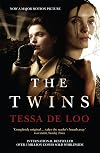
Twins Anna and Lotte are orphaned at an early age and are sent to live with distant relatives, Anna in Germany and Lotte in Holland. They lose touch with each other, and only accidently reunite when as elderly woman they meet at a Belgian health resort.
Their life experiences have been vastly different. The bulk of the book focuses on their World War II experiences. Lotte was involved with and risked her life for the Dutch resistance, while Anna, purporting to hate the Nazis, married an SS show more officer.
As the sisters exchange stories, Lotte is distant and wary of Anna, the twin she adored as a child. Lotte believes that she would have acted differently in Anna's place. While this is a story of reconciliation and forgiveness, those don't come easily to Lotte.
This book is on the 1001 list, and is highly readable. I especially liked the portion of the book involving the girls' early lives together with their adoring parents. However, when the novel turns to the sisters' war experiences, inexplicably it becomes mundane and ordinary. This book did not say anything that dozens of other books have not said better and more vividly. The book is not a bad read, just not a great one. show less
Their life experiences have been vastly different. The bulk of the book focuses on their World War II experiences. Lotte was involved with and risked her life for the Dutch resistance, while Anna, purporting to hate the Nazis, married an SS show more officer.
As the sisters exchange stories, Lotte is distant and wary of Anna, the twin she adored as a child. Lotte believes that she would have acted differently in Anna's place. While this is a story of reconciliation and forgiveness, those don't come easily to Lotte.
This book is on the 1001 list, and is highly readable. I especially liked the portion of the book involving the girls' early lives together with their adoring parents. However, when the novel turns to the sisters' war experiences, inexplicably it becomes mundane and ordinary. This book did not say anything that dozens of other books have not said better and more vividly. The book is not a bad read, just not a great one. show less
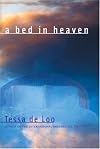
Wow. This is not at all what I expected when I opened the book and read the first paragraph about a sister in bed with her father's son. This is about family, but not in a "family saga" sort of way. It is a historic novel, but not "sweeping" in the long-winded fashion of so many historic novels. The text is brief, but each word is precise. This is a translation from original Dutch, so perhaps the tightness of the prose is a product of the translation, though I don't think so. I think this show more the author's intention. She tells a story blending the now, the near past, and the long past, without wasting a single word.
I am reminded of Ocean Sea by Alessandro Baricco.
Amazing. show less
I am reminded of Ocean Sea by Alessandro Baricco.
Amazing. show less
Lists
Awards


You May Also Like


Associated Authors
Statistics
- Works
- 25
- Also by
- 6
- Members
- 2,326
- Popularity
- #11,030
- Rating
- 3.4
- Reviews
- 64
- ISBNs
- 145
- Languages
- 11
- Favorited
- 1