
Renate Dorrestein (1954–2018)
Author of A Heart of Stone
About the Author
Renate Dorrestein is an internationally acclaimed author and one of Holland's best loved novelists. She was a journalist before writing her first novel, Outsiders, which was published in 1983. Her books have regularly appeared at the top of Dutch bestseller lists ever since. The recipient of show more numerous awards, her novels have been published in more than fifteen countries. She lives in the Netherlands Hester Velmans was born in the Netherlands and now lives outside New York City with her husband and two children. She has translated Edith's Story by Edith Velmans, The Lily Theater by Lulu Wang, and Dorrestein's A Heart of Stone, which received the prestigious Vondel Translation Prize show less
Works by Renate Dorrestein
Voorleesboek voor planten 3 copies
De zwarte hand 2 copies
La obscuridad que nos separa 1 copy
Het tiende inzicht 1 copy
Associated Works
Joods-Amerikaanse literatuur — Contributor — 6 copies
Tagged
Common Knowledge
- Legal name
- Dorrestein, Renate Maria
- Birthdate
- 1954-01-25
- Date of death
- 2018-05-04
- Gender
- female
- Occupations
- writer
journalist - Awards and honors
- Annie Romein prijs (1993)
- Cause of death
- esophageal cancer
- Nationality
- Netherlands
- Birthplace
- Amsterdam, Netherlands
- Places of residence
- Amsterdam, Netherlands
Aerdenhout, Netherlands - Place of death
- Aerdenhout, Netherlands
- Burial location
- R.K. Begraafplaats St. Adelbert, Bloemendaal, Nederland.
- Map Location
- Netherlands
- Associated Place (for map)
- Aerdenhout, Netherlands
Members
Reviews

Een mozaïek van verhalen
"Want dit is mijn lichaam" is geen eenvoudig verhaal, maar eerder een verzameling van verhalen die met elkaar verweven zijn. Dorrestein neemt ons mee op een reis door de levens van verschillende vrouwen, elk met hun eigen worsteling met hun lichaam en hun plaats in de wereld.
Centrale thema's
* Lichaam en identiteit: Het boek onderzoekt op een intieme manier de relatie tussen ons lichaam en wie we zijn. Hoe beïnvloedt ons lichaam onze identiteit, en hoe gaan we om show more met de veranderingen die ons lichaam ondergaat?
* Religie en spiritualiteit: Dorrestein verweeft religieuze en spirituele thema's door het hele verhaal. Ze stelt vragen over de betekenis van het leven, de rol van God en de zoektocht naar zingeving.
* Maatschappelijke verwachtingen: Het boek toont aan hoe maatschappelijke verwachtingen en normen ons beeld van ons lichaam en onze seksualiteit beïnvloeden.
* Verlies en rouw: Verschillende personages in het boek ervaren verlies en rouw, zowel fysiek als emotioneel.
Verhaalstructuur
Het verhaal is opgebouwd uit verschillende hoofdstukken, elk met een eigen focus. De hoofdstukken zijn met elkaar verbonden door terugkerende thema's en personages. Deze structuur zorgt voor een mozaïekachtig geheel, waarbij de lezer zelf de verbanden tussen de verschillende verhalen moet leggen.
Stijl van schrijven
Dorrestein's schrijfstijl is poëtisch en beeldend. Ze gebruikt vaak metaforen en symbolen om de diepere betekenis van haar verhaal te onthullen. Haar taalgebruik is zowel intiem als krachtig, waardoor de lezer zich verbonden voelt met de personages.
Waarom dit boek de moeite waard is
* Actuele thema's: Het boek behandelt thema's die nog steeds relevant zijn, zoals lichaamsbeeld, seksualiteit en genderidentiteit.
* Veelzijdige personages: De verschillende personages in het boek zijn complex en gelaagd, waardoor de lezer zich met hen kan identificeren.
* Prachtige taal: Dorrestein's taalgebruik is een feest voor de zintuigen.
* Aanleiding tot reflectie: Het boek nodigt de lezer uit om na te denken over eigen ervaringen en over de maatschappij waarin we leven. show less
"Want dit is mijn lichaam" is geen eenvoudig verhaal, maar eerder een verzameling van verhalen die met elkaar verweven zijn. Dorrestein neemt ons mee op een reis door de levens van verschillende vrouwen, elk met hun eigen worsteling met hun lichaam en hun plaats in de wereld.
Centrale thema's
* Lichaam en identiteit: Het boek onderzoekt op een intieme manier de relatie tussen ons lichaam en wie we zijn. Hoe beïnvloedt ons lichaam onze identiteit, en hoe gaan we om show more met de veranderingen die ons lichaam ondergaat?
* Religie en spiritualiteit: Dorrestein verweeft religieuze en spirituele thema's door het hele verhaal. Ze stelt vragen over de betekenis van het leven, de rol van God en de zoektocht naar zingeving.
* Maatschappelijke verwachtingen: Het boek toont aan hoe maatschappelijke verwachtingen en normen ons beeld van ons lichaam en onze seksualiteit beïnvloeden.
* Verlies en rouw: Verschillende personages in het boek ervaren verlies en rouw, zowel fysiek als emotioneel.
Verhaalstructuur
Het verhaal is opgebouwd uit verschillende hoofdstukken, elk met een eigen focus. De hoofdstukken zijn met elkaar verbonden door terugkerende thema's en personages. Deze structuur zorgt voor een mozaïekachtig geheel, waarbij de lezer zelf de verbanden tussen de verschillende verhalen moet leggen.
Stijl van schrijven
Dorrestein's schrijfstijl is poëtisch en beeldend. Ze gebruikt vaak metaforen en symbolen om de diepere betekenis van haar verhaal te onthullen. Haar taalgebruik is zowel intiem als krachtig, waardoor de lezer zich verbonden voelt met de personages.
Waarom dit boek de moeite waard is
* Actuele thema's: Het boek behandelt thema's die nog steeds relevant zijn, zoals lichaamsbeeld, seksualiteit en genderidentiteit.
* Veelzijdige personages: De verschillende personages in het boek zijn complex en gelaagd, waardoor de lezer zich met hen kan identificeren.
* Prachtige taal: Dorrestein's taalgebruik is een feest voor de zintuigen.
* Aanleiding tot reflectie: Het boek nodigt de lezer uit om na te denken over eigen ervaringen en over de maatschappij waarin we leven. show less
A claustrophobic family drama centred around the tumbledown home — in an anarchic, peripheral community poised on the edge of the modern world — of the widowed artist Job and his crippled daughter Maria, his housekeeper and only model for many years. All sorts of generation-bending tensions come out into the open when Job brings his new and very young girlfriend Felicity into the mix, whilst Maria's son and daughter-in-law (Cas and Xandra!) are busy having a designer baby.
There's a lot show more of symbolism going on, some heavy biblical references and apocalyptic weather, and a lot of fierce criticism of our (modern?) drive to control our own bodies and environments as well as the male possession and control of women's bodies.
Dorrestein explains in an endnote that Job's painting in the story is based on Andrew Wyeth's "Christina's World" (1948, in the MOMA collection), but the characters are her own. show less
There's a lot show more of symbolism going on, some heavy biblical references and apocalyptic weather, and a lot of fierce criticism of our (modern?) drive to control our own bodies and environments as well as the male possession and control of women's bodies.
Dorrestein explains in an endnote that Job's painting in the story is based on Andrew Wyeth's "Christina's World" (1948, in the MOMA collection), but the characters are her own. show less

Het duister dat ons scheidt: Een intrigerend verhaal met een onbevredigende afronding
Renate Dorrestein weet met "Het duister dat ons scheidt" een mysterieuze sfeer te creëren rondom een kleine gemeenschap en een gruwelijke moord. Het verhaal wordt verteld vanuit het perspectief van Loes, een jong meisje dat probeert de waarheid te achterhalen over de gebeurtenissen die haar leven op zijn kop hebben gezet.
Waarom 3 sterren?
* Intrigerend mysterie: Het boek weet de nieuwsgierigheid van de show more lezer te prikkelen. De moord op Thomas' vader en de beschuldigingen aan Loes' moeder zorgen voor een spannende plot.
* Mooie beschrijvingen: Dorrestein heeft een talent voor het beschrijven van sfeer en emoties. De setting van het kleine dorp en de complexiteit van de relaties tussen de personages worden levendig neergezet.
* Interessant thema: Het boek gaat over zware thema's als schuld, onschuld en de zoektocht naar de waarheid.
Waarom geen hogere waardering?
* Onbevredigende afronding: Hoewel het verhaal veel vragen oproept, blijft er toch een gevoel van onafgerondheid achter. Sommige plotpunten worden niet volledig uitgewerkt en de ontknoping voelt enigszins abrupt aan.
* Voorspelbare elementen: Ondanks de mysterieuze sfeer, zijn er bepaalde elementen in het verhaal die vrij voorspelbaar zijn.
* Complexiteit van de personages: Hoewel de personages complex zijn, hadden ze soms meer diepgang kunnen hebben.
Kortom: "Het duister dat ons scheidt" is een interessante roman die je aan het denken zet over schuld, onschuld en de kracht van verhalen. Hoewel het boek veel potentie heeft, wordt dit niet altijd volledig waargemaakt. Het blijft een boek dat je na het lezen nog even bijblijft. show less
Renate Dorrestein weet met "Het duister dat ons scheidt" een mysterieuze sfeer te creëren rondom een kleine gemeenschap en een gruwelijke moord. Het verhaal wordt verteld vanuit het perspectief van Loes, een jong meisje dat probeert de waarheid te achterhalen over de gebeurtenissen die haar leven op zijn kop hebben gezet.
Waarom 3 sterren?
* Intrigerend mysterie: Het boek weet de nieuwsgierigheid van de show more lezer te prikkelen. De moord op Thomas' vader en de beschuldigingen aan Loes' moeder zorgen voor een spannende plot.
* Mooie beschrijvingen: Dorrestein heeft een talent voor het beschrijven van sfeer en emoties. De setting van het kleine dorp en de complexiteit van de relaties tussen de personages worden levendig neergezet.
* Interessant thema: Het boek gaat over zware thema's als schuld, onschuld en de zoektocht naar de waarheid.
Waarom geen hogere waardering?
* Onbevredigende afronding: Hoewel het verhaal veel vragen oproept, blijft er toch een gevoel van onafgerondheid achter. Sommige plotpunten worden niet volledig uitgewerkt en de ontknoping voelt enigszins abrupt aan.
* Voorspelbare elementen: Ondanks de mysterieuze sfeer, zijn er bepaalde elementen in het verhaal die vrij voorspelbaar zijn.
* Complexiteit van de personages: Hoewel de personages complex zijn, hadden ze soms meer diepgang kunnen hebben.
Kortom: "Het duister dat ons scheidt" is een interessante roman die je aan het denken zet over schuld, onschuld en de kracht van verhalen. Hoewel het boek veel potentie heeft, wordt dit niet altijd volledig waargemaakt. Het blijft een boek dat je na het lezen nog even bijblijft. show less
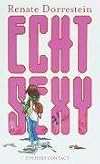
Echt sexy: Een misplaatste stem
Renate Dorrestein's "Echt sexy" probeert een stem te geven aan de complexe wereld van pubers, maar slaagt hier helaas niet in. Het verhaal, dat draait om de verdwijning van een meisje en de zoektocht van haar beste vriendin, had veel potentie, maar blijft aan de oppervlakte.
Waarom slechts 2 sterren?
* Onnatuurlijke dialoog: De pogingen om de taal van tieners na te bootsen voelen geforceerd en onrealistisch aan. De dialogen klinken vaak houterig en missen show more authenticiteit.
* Oppervlakkige karakterontwikkeling: De personages, met name de hoofdpersoon Fiebie, blijven tweedimensionaal. Er wordt weinig diepgang geboden in hun emoties en motivaties.
* Schokkende elementen zonder impact: Het boek bevat schokkende elementen, zoals geweld en seksueel misbruik, maar deze worden niet op een geloofwaardige of emotioneel aansprekende manier uitgewerkt.
* Ontbrekende thematiek: Ondanks de zware onderwerpen mist het boek een duidelijke boodschap of thema. Het verhaal lijkt meer gericht op het schokken van de lezer dan op het vertellen van een betekenisvolle geschiedenis.
Kortom: "Echt sexy" is een teleurstellende roman die niet recht doet aan de complexiteit van de adolescentie. Het boek had veel meer kunnen zijn, maar blijft steken in een oppervlakkige en onrealistische vertelling. show less
Renate Dorrestein's "Echt sexy" probeert een stem te geven aan de complexe wereld van pubers, maar slaagt hier helaas niet in. Het verhaal, dat draait om de verdwijning van een meisje en de zoektocht van haar beste vriendin, had veel potentie, maar blijft aan de oppervlakte.
Waarom slechts 2 sterren?
* Onnatuurlijke dialoog: De pogingen om de taal van tieners na te bootsen voelen geforceerd en onrealistisch aan. De dialogen klinken vaak houterig en missen show more authenticiteit.
* Oppervlakkige karakterontwikkeling: De personages, met name de hoofdpersoon Fiebie, blijven tweedimensionaal. Er wordt weinig diepgang geboden in hun emoties en motivaties.
* Schokkende elementen zonder impact: Het boek bevat schokkende elementen, zoals geweld en seksueel misbruik, maar deze worden niet op een geloofwaardige of emotioneel aansprekende manier uitgewerkt.
* Ontbrekende thematiek: Ondanks de zware onderwerpen mist het boek een duidelijke boodschap of thema. Het verhaal lijkt meer gericht op het schokken van de lezer dan op het vertellen van een betekenisvolle geschiedenis.
Kortom: "Echt sexy" is een teleurstellende roman die niet recht doet aan de complexiteit van de adolescentie. Het boek had veel meer kunnen zijn, maar blijft steken in een oppervlakkige en onrealistische vertelling. show less
Lists
Awards


You May Also Like


Associated Authors
Statistics
- Works
- 62
- Also by
- 5
- Members
- 3,791
- Popularity
- #6,685
- Rating
- 3.4
- Reviews
- 105
- ISBNs
- 304
- Languages
- 9
- Favorited
- 17

