
About the Author
Bob Drury is an American journalist and author who has been nominated for three National Magazine Awards and a Pulitzer Prize. He has reported from Iraq, Afghanistan, Liberia, Bosnia, Northern Ireland, and Darfur. He is also the author, co-author, or editor of nine nonfiction books, including the show more New York Times bestselling Halsey's Typhoon and Last Men Out. In 2015, his nonfiction book, The Heart of Everything That Is: The Untold Story of Red Cloud, An American Legend, also became a bestseller. (Bowker Author Biography) show less
Image credit: SIMON & SCHUSTER
Works by Bob Drury
The Heart of Everything That Is: The Untold Story of Red Cloud, An American Legend (2013) 828 copies, 16 reviews
Blood and Treasure: Daniel Boone and the Fight for America's First Frontier (2021) — Author — 445 copies, 16 reviews
Halsey’s typhoon : the true story of a fighting admiral, an epic storm, and an untold rescue (2007) — Author — 444 copies, 14 reviews
The Last Hill: The Epic Story of a Ranger Battalion and the Battle That Defined WWII (2022) 182 copies, 2 reviews
A Dog's Gift: The Inspirational Story of Veterans and Children Healed by Man's Best Friend (2015) 34 copies, 2 reviews
Associated Works
Reader's Digest Today's Best Nonfiction 65 — Author — 1 copy
Tagged
Common Knowledge
- Birthdate
- 20th century
- Gender
- male
- Education
- Fairfield University, Fairfield, Connecticut, USA
- Occupations
- contributing editor, Men's Health
military journalist - Awards and honors
- General Wallace M. Greene Jr. Award for nonfiction (Marine Corps Heritage Foundation)
- Short biography
- See Bob Drury's bio & picture at Simon and Schuster http://authors.simonandschuster.com/B...
Bio also at Grove/Atlantic Inc http://groveatlantic.com/#page=author... - Nationality
- USA
- Associated Place (for map)
- USA
Members
Reviews
Halsey's Typhoon: The True Story of a Fighting Admiral, an Epic Storm, and an Untold Rescue by Robert Drury

Dramatic true story of a maritime military operation interrupted by an enormous typhoon. Admiral Halsey’s fleet was preparing to support MacArthur’s invasion of Luzon in the Philippines in 1944, when they steered directly into the course of Typhoon Cobra with its 90-foot waves and over 100 knot gusting winds. This book tells an inspiring story of sailors confronting life-or-death situations. Though much of the story is tragic, the highlight is a valiant rescue effort by a relatively show more inexperienced captain and crew of a small Destroyer Escort.
The first part of the book sets up the military objectives and participants. The second part tells of the gathering storm, leadership decisions, and the ships’ maneuvers. The rescue effort is riveting, and it is worth reading the book just for this portion. The travails of the sailors contending with the elements, wounds, sharks, madness induced from drinking saltwater, and numerous miseries are heart-wrenching. Though the authors do not dwell on the carnage, the graphic descriptions are not for the faint-hearted.
The authors are journalists, trying to determine if the sinking of ships and loss of life was preventable. The transcripts of the U.S. Naval Court of Inquiry had been recently declassified and formed much of the basis of their analysis, along with survivors’ stories and in-depth research. These stories jump around a bit, and it is sometimes difficult to keep track of which ship is being referenced. The personal anecdotes are particularly effective in showing what the sailors encountered as their ships were battered by the storm.
Two examples of these personal accounts include:
“Clinging to the top of the Cape Esperance’s center mast with every muscle in his body, Paul Schlener was not sure what to do as the storm increased in intensity. His watch was technically over, but whether through oversight or intention, no crewmate had relieved him and no officer had signaled for him to climb down. In fact, the scud was so thick that he could barely make out the deck sixty feet below. He was petrified.”
and
“Kosco sat upright in his bunk. He was overwhelmed “with a feeling of great, leaden weights pressing on [my] shoulders.” He threw on his heavy weather gear and scrambled up the iron skipper’s ladder to the navigation deck. Leaning into the wind and listening to the pounding surf, he surveyed the otherworldly tableau; giant, mottled whitecaps stretched endless in every direction under a black, starless dome. If the dark side of the moon were covered by sea, he thought, this is what it would look like.”
I am very glad that meteorology has progressed since WWII, and it is unlikely that a fleet would be unaware of the location of such a large storm today. There are definitely lessons in leadership to be gleaned from this book, primarily related crisis management. It definitely creates food for thought on how the reader would react in a similar situation. Part military analysis, part man vs. nature, part survival story, this book is filled with peril, catastrophe, and heroism. I read it in observance of Veterans’ Day and found it a powerful tribute to the Brotherhood of the Sea. show less
The first part of the book sets up the military objectives and participants. The second part tells of the gathering storm, leadership decisions, and the ships’ maneuvers. The rescue effort is riveting, and it is worth reading the book just for this portion. The travails of the sailors contending with the elements, wounds, sharks, madness induced from drinking saltwater, and numerous miseries are heart-wrenching. Though the authors do not dwell on the carnage, the graphic descriptions are not for the faint-hearted.
The authors are journalists, trying to determine if the sinking of ships and loss of life was preventable. The transcripts of the U.S. Naval Court of Inquiry had been recently declassified and formed much of the basis of their analysis, along with survivors’ stories and in-depth research. These stories jump around a bit, and it is sometimes difficult to keep track of which ship is being referenced. The personal anecdotes are particularly effective in showing what the sailors encountered as their ships were battered by the storm.
Two examples of these personal accounts include:
“Clinging to the top of the Cape Esperance’s center mast with every muscle in his body, Paul Schlener was not sure what to do as the storm increased in intensity. His watch was technically over, but whether through oversight or intention, no crewmate had relieved him and no officer had signaled for him to climb down. In fact, the scud was so thick that he could barely make out the deck sixty feet below. He was petrified.”
and
“Kosco sat upright in his bunk. He was overwhelmed “with a feeling of great, leaden weights pressing on [my] shoulders.” He threw on his heavy weather gear and scrambled up the iron skipper’s ladder to the navigation deck. Leaning into the wind and listening to the pounding surf, he surveyed the otherworldly tableau; giant, mottled whitecaps stretched endless in every direction under a black, starless dome. If the dark side of the moon were covered by sea, he thought, this is what it would look like.”
I am very glad that meteorology has progressed since WWII, and it is unlikely that a fleet would be unaware of the location of such a large storm today. There are definitely lessons in leadership to be gleaned from this book, primarily related crisis management. It definitely creates food for thought on how the reader would react in a similar situation. Part military analysis, part man vs. nature, part survival story, this book is filled with peril, catastrophe, and heroism. I read it in observance of Veterans’ Day and found it a powerful tribute to the Brotherhood of the Sea. show less
Halsey's typhoon : The True Story of a Fighting Admiral, an Epic Storm, and an Untold Rescue by Robert Drury
My feelings about the book overall would rate it a four out of five stars, however there were so many characters that it was work keeping people straight. I felt that the author could have made changes that would have the characters easier to follow.
It is a very gripping story of the typhoon that destroyed three destroyers in the Third Fleet during WWII - the USS Hull, Monagham and Spence. Admiral Halsey was aboard his flagship the New Jersey. The typhoon Cobra, the first typhoon to be show more named, was a horrendous storm. When the ships were lost almost 800 men went into the ocean. Four days later the last survivor, the 93rd, was lifted out of the water.
A heroic rescue operation was carried out, almost on its own, by the destroyer escort Tabberer, affectionately known by its crew as "Tabby", who rescued 55 of the 93 survivors.
The description of the storm and the efforts of the men in the water to survive was spell-binding. However, my anger at Halsey grew to such bounds that I wanted to scream. Military minds call him a 'fighting admiral' and today people are inclined to feel that in the circumstances at the time, with the weather forecasting abilities that they had Halsey was not accountable. To me, the book showed that his incredible ego played a very large part in his decision making process and his directing the fleet directly into the path of the typhoon.
Some justice comes at the end of the book, as the heroic, battered, little destroyer escort "Tabby" came to berth in Ulithi. She received a blinker message from the battleship New Jersey saying, "What type of ship are you?" With no hesitation the Tabby blinked back "Destroyer escort. What type are you? show less
It is a very gripping story of the typhoon that destroyed three destroyers in the Third Fleet during WWII - the USS Hull, Monagham and Spence. Admiral Halsey was aboard his flagship the New Jersey. The typhoon Cobra, the first typhoon to be show more named, was a horrendous storm. When the ships were lost almost 800 men went into the ocean. Four days later the last survivor, the 93rd, was lifted out of the water.
A heroic rescue operation was carried out, almost on its own, by the destroyer escort Tabberer, affectionately known by its crew as "Tabby", who rescued 55 of the 93 survivors.
The description of the storm and the efforts of the men in the water to survive was spell-binding. However, my anger at Halsey grew to such bounds that I wanted to scream. Military minds call him a 'fighting admiral' and today people are inclined to feel that in the circumstances at the time, with the weather forecasting abilities that they had Halsey was not accountable. To me, the book showed that his incredible ego played a very large part in his decision making process and his directing the fleet directly into the path of the typhoon.
Some justice comes at the end of the book, as the heroic, battered, little destroyer escort "Tabby" came to berth in Ulithi. She received a blinker message from the battleship New Jersey saying, "What type of ship are you?" With no hesitation the Tabby blinked back "Destroyer escort. What type are you? show less
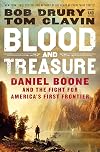
In my youth Daniel Boone was a hot commodity, as were Lewis and Clark, Crockett, Custer, Carson, and a long list of other figures whose lives made America’s dream of manifest destiny a reality. At my young age, Boone’s adventures in opening the wilderness were a thrill, but that is all they were, adventures. The authors of the books I read back then did little to provide context to his deeds.
Over the years, America’s attitudes towards its interactions with native Americans underwent a show more quantum shift. The publication of books such as Dee Brown’s Bury My Heart at Wounded Knee changed our view from that of Indian wars to genocidal extermination. In the final decades of the twentieth century the heroic luster of early American explorers and pioneers tarnished in the face of unrelenting condemnation to the point where my daughters, both in their twenties, had never heard of Daniel Boone before today.
Fortunately, the new millennium has brought us a new generation of historians whose interests lie more in telling an accurate, unbiased story than in glorifying one side or the other. Authors such as Nathaniel Philbrick and Erik Larson have made careers out of taking all we think we know about famous people and events and turning it on its head by the simple expedient of telling the unvarnished truth. High on this list of authors are Bob Drury and Tom Clavin who have cowritten books spanning U.S. history from Valley Forge to Vietnam, including a biography of Oglala Sioux Chief Red Cloud. Their newest book, Blood and Treasure, relates the events surrounding Daniel Boone’s settlement of Kentucky and his role in the American Revolutionary War.
It has been fifty years since I last read a book about him. Back then, books told the story of Daniel Boone, the legend. Now, I finally get a chance to learn about Daniel Boone, the man. It is not a ‘warts and all’ exposé aimed at trashing his reputation, but a skillfully researched account of his life provided in the context of the times in which he lived.
Many of the more memorable stories of him are about Boone the Indian fighter, his close calls and escapes, but they leave out the fact that these events were part of a larger war. During the Revolution, the British actively recruited warriors from numerous tribes to make war on the American settlers. By opening up a western front, they hoped to pull men and resources away from George Washington’s army and thereby end the war. To this end, the British Army offered bounties for American scalps. When the Shawnee and several other tribes besieged Boonesborough in 1778 they were accompanied by forty to fifty British and and Canadians and fought under the Union Jack. Had the siege succeeded, they could have easily taken several smaller settlements and “flank the coastal revolutionaries from the rear, forcing Washington’s Continental Army to defend two fronts. Gen. Cornwallis was already planning to open a southern theater, and it is easy to imagine he and Hamilton crushing the southern rebels between them”. In the Shawnees’ defense, The British were offering them the one thing that their survival depended on, all the land west of the Alleghenies and laws prohibiting white settlements in Indian lands. Stamp Acts and ‘taxation without representation’ be damned. This vast expanse of unsettled land is what the war was all about.
Bottom line: Drury and Clavin penned an amazing book that revisits a history that has been all but forgotten. As a genealogist, I appreciate the tremendous amount of research that went into it. I highly recommend this book.
*Quotations are cited from an advanced reading copy and may not be the same as appears in the final published edition. The review was based on an advanced reading copy obtained at no cost from the publisher in exchange for an unbiased review. While this does take any ‘not worth what I paid for it’ statements out of my review, it otherwise has no impact on the content of my review.
FYI: On a 5-point scale I assign stars based on my assessment of what the book needs in the way of improvements:
*5 Stars – Nothing at all. If it ain’t broke, don’t fix it.
*4 Stars – It could stand for a few tweaks here and there but it’s pretty good as it is.
*3 Stars – A solid C grade. Some serious rewriting would be needed in order for this book to be considered great or memorable.
*2 Stars – This book needs a lot of work. A good start would be to change the plot, the character development, the writing style and the ending.
*1 Star – The only thing that would improve this book is a good bonfire. show less
Over the years, America’s attitudes towards its interactions with native Americans underwent a show more quantum shift. The publication of books such as Dee Brown’s Bury My Heart at Wounded Knee changed our view from that of Indian wars to genocidal extermination. In the final decades of the twentieth century the heroic luster of early American explorers and pioneers tarnished in the face of unrelenting condemnation to the point where my daughters, both in their twenties, had never heard of Daniel Boone before today.
Fortunately, the new millennium has brought us a new generation of historians whose interests lie more in telling an accurate, unbiased story than in glorifying one side or the other. Authors such as Nathaniel Philbrick and Erik Larson have made careers out of taking all we think we know about famous people and events and turning it on its head by the simple expedient of telling the unvarnished truth. High on this list of authors are Bob Drury and Tom Clavin who have cowritten books spanning U.S. history from Valley Forge to Vietnam, including a biography of Oglala Sioux Chief Red Cloud. Their newest book, Blood and Treasure, relates the events surrounding Daniel Boone’s settlement of Kentucky and his role in the American Revolutionary War.
It has been fifty years since I last read a book about him. Back then, books told the story of Daniel Boone, the legend. Now, I finally get a chance to learn about Daniel Boone, the man. It is not a ‘warts and all’ exposé aimed at trashing his reputation, but a skillfully researched account of his life provided in the context of the times in which he lived.
Many of the more memorable stories of him are about Boone the Indian fighter, his close calls and escapes, but they leave out the fact that these events were part of a larger war. During the Revolution, the British actively recruited warriors from numerous tribes to make war on the American settlers. By opening up a western front, they hoped to pull men and resources away from George Washington’s army and thereby end the war. To this end, the British Army offered bounties for American scalps. When the Shawnee and several other tribes besieged Boonesborough in 1778 they were accompanied by forty to fifty British and and Canadians and fought under the Union Jack. Had the siege succeeded, they could have easily taken several smaller settlements and “flank the coastal revolutionaries from the rear, forcing Washington’s Continental Army to defend two fronts. Gen. Cornwallis was already planning to open a southern theater, and it is easy to imagine he and Hamilton crushing the southern rebels between them”. In the Shawnees’ defense, The British were offering them the one thing that their survival depended on, all the land west of the Alleghenies and laws prohibiting white settlements in Indian lands. Stamp Acts and ‘taxation without representation’ be damned. This vast expanse of unsettled land is what the war was all about.
Bottom line: Drury and Clavin penned an amazing book that revisits a history that has been all but forgotten. As a genealogist, I appreciate the tremendous amount of research that went into it. I highly recommend this book.
*Quotations are cited from an advanced reading copy and may not be the same as appears in the final published edition. The review was based on an advanced reading copy obtained at no cost from the publisher in exchange for an unbiased review. While this does take any ‘not worth what I paid for it’ statements out of my review, it otherwise has no impact on the content of my review.
FYI: On a 5-point scale I assign stars based on my assessment of what the book needs in the way of improvements:
*5 Stars – Nothing at all. If it ain’t broke, don’t fix it.
*4 Stars – It could stand for a few tweaks here and there but it’s pretty good as it is.
*3 Stars – A solid C grade. Some serious rewriting would be needed in order for this book to be considered great or memorable.
*2 Stars – This book needs a lot of work. A good start would be to change the plot, the character development, the writing style and the ending.
*1 Star – The only thing that would improve this book is a good bonfire. show less
historical-figures, historical-places-events, historical-research, history-and-culture, colonial America, American Rev War, Native American, explorers, family-dynamics, facing-death, firearms, fraud, friendship, fur-trade
I just gave up on giving this book the attention I wanted to give it and pre-ordered the audio version! This is nonfiction with mild embellishments. The facts are well researched but the embellishments are author comments and clarifications that make it so much more readable show more and memorable than a Charles River Editors thesis. It is so much more than a simple recounting of facts in a timeline fashion but a marginally fictionalized (read conversations) humanization of the people of the time. This is history at its finest in my book (sorry about the pun) warts and all. If you have time and attention to give the visual page, more power to you, I did not. But as I've said, I will simply have to wait until the more portable form is released. Well worth every penny!
I requested and received a free temporary ebook from St. Martin's Press via NetGalley. Thank you! show less
I just gave up on giving this book the attention I wanted to give it and pre-ordered the audio version! This is nonfiction with mild embellishments. The facts are well researched but the embellishments are author comments and clarifications that make it so much more readable show more and memorable than a Charles River Editors thesis. It is so much more than a simple recounting of facts in a timeline fashion but a marginally fictionalized (read conversations) humanization of the people of the time. This is history at its finest in my book (sorry about the pun) warts and all. If you have time and attention to give the visual page, more power to you, I did not. But as I've said, I will simply have to wait until the more portable form is released. Well worth every penny!
I requested and received a free temporary ebook from St. Martin's Press via NetGalley. Thank you! show less
Lists
Awards


You May Also Like


Associated Authors
Statistics
- Works
- 16
- Also by
- 3
- Members
- 2,964
- Popularity
- #8,605
- Rating
- 4.1
- Reviews
- 67
- ISBNs
- 92
- Languages
- 5