
Amy Guglielmo
Author of Pocket Full of Colors: The Magical World of Mary Blair, Disney Artist Extraordinaire
Series
Works by Amy Guglielmo
Pocket Full of Colors: The Magical World of Mary Blair, Disney Artist Extraordinaire (2017) 212 copies, 10 reviews
The Met Frida Kahlo: She Painted Her World in Self-Portraits (What the Artist Saw) (2023) 7 copies, 1 review
Pocket Full of Colors: The Magical World of Mary Blair, Disney Artist Extraordinaire (2017) 2 copies, 1 review
Tagged
Common Knowledge
There is no Common Knowledge data for this author yet. You can help.
Members
Reviews
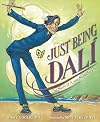
Always a little eccentric but always very confident in himself, Salvador Dali lives his life and makes his art the way he wants. This picture book biography takes the refrain of "being himself" and runs with it as the text chronicles Dali's life from childhood through fame as an artist. The illustrations really sell the book, presented in a style that is both whimsical and sturdy all at once, while subtly adding in key components of Dali's personality and the art world around him. An show more author's note gives a few more details about the aspects of Dali's life touched upon in the book, with fact and figures included here.
There is no mention anywhere about Dali's rather extreme political beliefs, which perhaps is best to shield young children from but also leaves this book making him seem a little bit like a hero for charting one's own course -- and doesn't let the reader know about his admiration for dictators. I've been burned before with these picture book biographies that make everything appear rosy and it's only with later further digging that I discover the subjects are Nazi sympathizers or believers in eugenics. I get not making that the focal point of the story, but readers should be advised of it somewhere, even if only in a footnote. This book is therefore dinged half a star for that negligence. show less
There is no mention anywhere about Dali's rather extreme political beliefs, which perhaps is best to shield young children from but also leaves this book making him seem a little bit like a hero for charting one's own course -- and doesn't let the reader know about his admiration for dictators. I've been burned before with these picture book biographies that make everything appear rosy and it's only with later further digging that I discover the subjects are Nazi sympathizers or believers in eugenics. I get not making that the focal point of the story, but readers should be advised of it somewhere, even if only in a footnote. This book is therefore dinged half a star for that negligence. show less
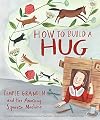
Apicture book explores Temple Grandin’s first innovation, a personalized hug machine.
When she was a child, Temple Grandin couldn’t stand hugs. To her, they “felt like being stuffed inside the scratchiest sock in the world.” While she craved the comfort she saw others receiving from hugs, she found physical contact with others to be overstimulating and actively unpleasant. During one summer at her aunt’s ranch, she observed the squeeze chutes that ranchers used to calm cows during show more examinations and realized she could give it a try herself. She fashioned her own device out of wood and cushions, using a pulley to make it adjustable from within—all the comfort of a hug without the overstimulation! Guglielmo and Tourville present Grandin’s story with respect and enthusiasm. The narrative concludes when her machine breaks. “And she knew that only one thing could cheer her up: // A HUG.” A quote from Grandin concludes the text: “I’m into hugging people now.” While Grandin has become comfortable with hugs, it’s not totally clear how this has come to pass, and for some readers, this ending’s emphasis on neurotypical behavior may feel out of place. Potter’s watercolor illustrations are typical of her style, with flat faces (almost all of them white), realistic colors, and full-bleed spreads. An authors’ note provides more detailed background on Grandin’s life and work, and only here is it mentioned that Grandin is on the autism spectrum.
Imperfect but still lovely. (Picture book/biography. 5-9) show less
When she was a child, Temple Grandin couldn’t stand hugs. To her, they “felt like being stuffed inside the scratchiest sock in the world.” While she craved the comfort she saw others receiving from hugs, she found physical contact with others to be overstimulating and actively unpleasant. During one summer at her aunt’s ranch, she observed the squeeze chutes that ranchers used to calm cows during show more examinations and realized she could give it a try herself. She fashioned her own device out of wood and cushions, using a pulley to make it adjustable from within—all the comfort of a hug without the overstimulation! Guglielmo and Tourville present Grandin’s story with respect and enthusiasm. The narrative concludes when her machine breaks. “And she knew that only one thing could cheer her up: // A HUG.” A quote from Grandin concludes the text: “I’m into hugging people now.” While Grandin has become comfortable with hugs, it’s not totally clear how this has come to pass, and for some readers, this ending’s emphasis on neurotypical behavior may feel out of place. Potter’s watercolor illustrations are typical of her style, with flat faces (almost all of them white), realistic colors, and full-bleed spreads. An authors’ note provides more detailed background on Grandin’s life and work, and only here is it mentioned that Grandin is on the autism spectrum.
Imperfect but still lovely. (Picture book/biography. 5-9) show less
Apicture book explores Temple Grandin’s first innovation, a personalized hug machine.
When she was a child, Temple Grandin couldn’t stand hugs. To her, they “felt like being stuffed inside the scratchiest sock in the world.” While she craved the comfort she saw others receiving from hugs, she found physical contact with others to be overstimulating and actively unpleasant. During one summer at her aunt’s ranch, she observed the squeeze chutes that ranchers used to calm cows during show more examinations and realized she could give it a try herself. She fashioned her own device out of wood and cushions, using a pulley to make it adjustable from within—all the comfort of a hug without the overstimulation! Guglielmo and Tourville present Grandin’s story with respect and enthusiasm. The narrative concludes when her machine breaks. “And she knew that only one thing could cheer her up: // A HUG.” A quote from Grandin concludes the text: “I’m into hugging people now.” While Grandin has become comfortable with hugs, it’s not totally clear how this has come to pass, and for some readers, this ending’s emphasis on neurotypical behavior may feel out of place. Potter’s watercolor illustrations are typical of her style, with flat faces (almost all of them white), realistic colors, and full-bleed spreads. An authors’ note provides more detailed background on Grandin’s life and work, and only here is it mentioned that Grandin is on the autism spectrum.
Imperfect but still lovely. (Picture book/biography. 5-9)
-Kirkus Review show less
When she was a child, Temple Grandin couldn’t stand hugs. To her, they “felt like being stuffed inside the scratchiest sock in the world.” While she craved the comfort she saw others receiving from hugs, she found physical contact with others to be overstimulating and actively unpleasant. During one summer at her aunt’s ranch, she observed the squeeze chutes that ranchers used to calm cows during show more examinations and realized she could give it a try herself. She fashioned her own device out of wood and cushions, using a pulley to make it adjustable from within—all the comfort of a hug without the overstimulation! Guglielmo and Tourville present Grandin’s story with respect and enthusiasm. The narrative concludes when her machine breaks. “And she knew that only one thing could cheer her up: // A HUG.” A quote from Grandin concludes the text: “I’m into hugging people now.” While Grandin has become comfortable with hugs, it’s not totally clear how this has come to pass, and for some readers, this ending’s emphasis on neurotypical behavior may feel out of place. Potter’s watercolor illustrations are typical of her style, with flat faces (almost all of them white), realistic colors, and full-bleed spreads. An authors’ note provides more detailed background on Grandin’s life and work, and only here is it mentioned that Grandin is on the autism spectrum.
Imperfect but still lovely. (Picture book/biography. 5-9)
-Kirkus Review show less
Pocket Full of Colors: The Magical World of Mary Blair, Disney Artist Extraordinaire by Amy Guglielmo

This picture book tells the story of Mary Blair, a visionary artist who was one of the first females to work at Walt Disney Studios and was responsible for Disneyland's iconic "It's a Small World" ride. This delightful book focuses on Mary's lifelong love of bright, vibrant colors and how she brought that to her artistic work. The text is straightforward but pleasingly poetic, even with a lack of rhymes. Meanwhile, the artwork is understandably bright -- brilliantly popping off the pages show more with a variety of hues and shades. I thoroughly enjoyed this book and so did my 7-year-old niece, who asked to hear it repeatedly and later retold the story to others. show less
Lists
Five in a Row (1)
Awards


You May Also Like


Associated Authors
Statistics
- Works
- 18
- Members
- 635
- Popularity
- #39,693
- Rating
- 4.2
- Reviews
- 23
- ISBNs
- 31
- Languages
- 2