

Allegra Goodman
Author of The Cookbook Collector
About the Author
Allegra Goodman lives with her family in Cambridge, Massachusetts. (Publisher Provided) Allegra Goodman was born in Brooklyn New York in 1967, but grew up in Honolulu, Hawaii. She received a bachelor's degree from Harvard University in 1989 and a PhD in English literature from Stanford University show more in 1997. Her first story, Variant Text, was accepted by Commentary magazine in 1985. While at Harvard University, she continued to publish short stories in Commentary and her first book, a collection of stories, was published the day she graduated. She wrote her second book, The Family Markowitz, while at Stanford University. Her other works include Intuition, Kaaterskill Falls, Paradise Park, and The Other Side of the Island. She teaches a writing workshop in the graduate program in Creative Writing at Boston University. (Bowker Author Biography) show less
Image credit: Credit: Nina Subin
Works by Allegra Goodman
The descendants 1 copy
Associated Works
Writers on Writing, 2: More Collected Essays from the New York Times (2003) — Contributor — 200 copies, 3 reviews
Genesis as It Is Written: Contemporary Writers on Our First Stories (1996) — Contributor — 69 copies
Here I Am: Contemporary Jewish Stories from Around the World (1998) — Contributor — 57 copies, 1 review
Tagged
Common Knowledge
- Birthdate
- 1967-07-05
- Gender
- female
- Education
- Punahou School (1985)
Harvard University (BA)
Stanford University (PhD, English Literature) - Occupations
- novelist
- Awards and honors
- Whiting Writers' Award (1991)
- Relationships
- Karger, David (husband)
- Short biography
- Allegra Goodman and her husband have four children.
- Nationality
- USA
- Birthplace
- Brooklyn, New York, USA
- Places of residence
- Cambridge, Massachusetts, USA
Honolulu, Hawaii, USA - Associated Place (for map)
- USA
Members
Reviews

When their sister is expected to die within a few days, Helen and Sylvia rush to her side, along with their husbands, children and grandchildren. But Jeanne hangs on, long enough for family members to wonder if they should leave, worrying that they would have to travel back immediately for the funeral. They all wait for Jeanne to utter wise words, but Jeanne would just like to have fewer people around. As the wait drags on, a little competitive baking happens and turns into an estrangement show more between the sisters, one that is and isn't about apple cake.
This book combines two things that will get me every time. Interconnected short stories and novels about large, messy families. The first story focuses on the sisters and the rest of the family mills about in an impossible to keep track of way, but the stories build from there, with some family members being the center of a few stories, some remain on the outskirts, but the stories work together to build a picture of this family and how they relate to one another. Goodman here has created a cast of characters who feel very real and interact in very believable ways. And running as an undercurrent through the stories is the how much the sisters miss each other and how each fully believes themselves to be the injured party and is just waiting for an apology to set all that unpleasantness behind them.
This is a stellar collection of stories, I don't think it could be improved, although I would have liked several more of them. show less
This book combines two things that will get me every time. Interconnected short stories and novels about large, messy families. The first story focuses on the sisters and the rest of the family mills about in an impossible to keep track of way, but the stories build from there, with some family members being the center of a few stories, some remain on the outskirts, but the stories work together to build a picture of this family and how they relate to one another. Goodman here has created a cast of characters who feel very real and interact in very believable ways. And running as an undercurrent through the stories is the how much the sisters miss each other and how each fully believes themselves to be the injured party and is just waiting for an apology to set all that unpleasantness behind them.
This is a stellar collection of stories, I don't think it could be improved, although I would have liked several more of them. show less
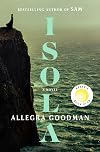
This was a fun, engaging read that kept me turning the pages. It takes place in 16th century France, when young, wealthy Marguerite is orphaned. Her guardian, Roberval, uses her inheritance to fund an expedition attempt to New France (basically Canada) to try to colonize the newly discovered land. Marguerite is a young woman when he leaves, and he forces her and her servant, Damienne, to go along. Marguerite is uncertain of Roberval's intentions towards her. On the boat she falls in love show more with another man. Feeling betrayed, Roberval strands Marguerite, her lover, and Damienne on an island off the coast of the new world. There they spend two years fighting the elements and wildlife. To not give away too much of the plot, I'll just say that Marguerite does end up making her way back to France where her connection with Queen will decide her ultimate fate.
I really loved this. It's great escapist writing that sucked me into Marguerite's story. And it's based on a true story, which makes it even more fun. I'm a sucker for this sort of historical fiction writing and this did not disappoint. show less
I really loved this. It's great escapist writing that sucked me into Marguerite's story. And it's based on a true story, which makes it even more fun. I'm a sucker for this sort of historical fiction writing and this did not disappoint. show less
Isola, Allegra Goodman, author, Fiona Hardingham, narrator
There is little known about the real person Marguerite de la Rocque, but this author has woven her own intricate tale about the young woman’s life, using beautiful prose, very authentic for the 1500’s, incorporating the cultural mores that existed then and coupling it with the class divide so prevalent and shameful, while she also addresses the appalling way that women were treated almost as non-entities, having no autonomy or any show more rights to speak of, which forced them to be totally beholden to their male guardians. There was little opportunity for redress.
As a young child, when Marguerite, an orphan and heir to a fortune, was placed under the guardianship of her cousin, de Roberval, she was forced to deal with a taskmaster who was unscrupulous, brutally cruel, and interested more in his own pleasures and ambitions than in caring for her. Rather than attending to her welfare, he attended to his own. He stole and squandered her fortune for his own seafaring adventures and extracted a terrible price for what he perceived as her sins with his secretary, Auguste. He had forbidden their relationship, which was star crossed and inappropriate, and perhaps because of his own desires, as well. Marguerite and Auguste were completely smitten with each other, however, and unable to resist their attraction, they crossed acceptable lines of behavior and crossed de Roberval. They had had the audacity to fall in love. As punishment, while on their voyage to the new world, he banished them to an uninhabited island, together with Marguerite’s devoted and loyal nursemaid, Damienne. They could only bring the provisions they could carry with them. Somehow, though, despite the odds, they all managed to survive for a time, finding the courage and skills to feed and shelter themselves. Soon, though, one by one, they began to succumb to the harsh environment. Even the child that Marguerite bore soon passed on, for she was unable to provide enough milk to nourish him. Marguerite found herself alone on the island and was forced to fight for her survival with whatever skills she had already amassed or necessity would teach. From where did her courage come? Was she faithful? Was she simply lucky? Was she stronger than anyone thought a woman could be?
Using what little is known from the two published descriptions of Marguerite’s life, the author combined the bits and pieces and envisaged her existence, and beyond, as she was forced to embark on a journey to the New World with her guardian. It is a tale of courage and faith that few would have shown, even today. The description of their lives on the remote uninhabited island is riveting. Marguerite survives, and even after burying her only child, she manages to fight on in an environment that is cruel and unknown. The author has created an imaginative and really interesting version of her life, exploring the hardships faced and the dangers overcome.
Based lightly on what little is known of the true story, the author has put words on paper to paint a picture for us of Marguerite’s life and rescue. Using her ingenuity and clever tongue, Marguerite convinces the captain of a small Basque fishing expedition to take her, with his crew, back to France. Thus, she again endured the hardships at sea, but soon was successfully reunited with her dear friend Claire and Claire’s mother who had been her former teacher. Sanctioned and funded by the Queen, Marguerite, Claire and her mother were then able to start a school to educate females and the poor, a practice once forbidden or believed to be useless and ridiculous.
The most interesting aspect of the tale, for me, was the illustration of the life of a woman, at that time, and the effort needed for her to free herself from the bonds of the man who tried so desperately to control her. Women were neither ignorant, nor were they weak. They were illustrious and capable of far more than given credit for as Marguerite definitely proved with her survival on an island that offered no creature comforts whatsoever. She was resilient and brave, intelligent and resourceful. Kudos to her and to all women who stood up, then and now, for their rights in a world determined to keep them down.
In a world in which the church played so large a role, it is sad that it did not recognize the strength of women except as subservient beings. Further, even those living in poverty looked down upon those who were poor and uneducated. They did little to advance their own cause, which kept them from becoming upwardly mobile and more equal to the elite who were above them in stature. The poor ridiculed their own when they worked for the rich; their allegiance was to their employer, not their peers. There was little compassion shown for those less fortunate, instigating a disadvantaged, impoverished lifestyle that perpetuated itself.
This was a story of survival under the harshest of conditions; that it could be obeyed and imposed upon a defenseless group, for such an infraction, was hard to believe. That anyone could survive what amounted to a death sentence was even more difficult to believe. The times were different, and thank goodness they have changed. No one could be castaway like that today for the crime of love, although some might disagree with that conclusion in light of how we are treating our criminal illegal aliens, no matter how justified, for whatever crimes they have committed. show less
There is little known about the real person Marguerite de la Rocque, but this author has woven her own intricate tale about the young woman’s life, using beautiful prose, very authentic for the 1500’s, incorporating the cultural mores that existed then and coupling it with the class divide so prevalent and shameful, while she also addresses the appalling way that women were treated almost as non-entities, having no autonomy or any show more rights to speak of, which forced them to be totally beholden to their male guardians. There was little opportunity for redress.
As a young child, when Marguerite, an orphan and heir to a fortune, was placed under the guardianship of her cousin, de Roberval, she was forced to deal with a taskmaster who was unscrupulous, brutally cruel, and interested more in his own pleasures and ambitions than in caring for her. Rather than attending to her welfare, he attended to his own. He stole and squandered her fortune for his own seafaring adventures and extracted a terrible price for what he perceived as her sins with his secretary, Auguste. He had forbidden their relationship, which was star crossed and inappropriate, and perhaps because of his own desires, as well. Marguerite and Auguste were completely smitten with each other, however, and unable to resist their attraction, they crossed acceptable lines of behavior and crossed de Roberval. They had had the audacity to fall in love. As punishment, while on their voyage to the new world, he banished them to an uninhabited island, together with Marguerite’s devoted and loyal nursemaid, Damienne. They could only bring the provisions they could carry with them. Somehow, though, despite the odds, they all managed to survive for a time, finding the courage and skills to feed and shelter themselves. Soon, though, one by one, they began to succumb to the harsh environment. Even the child that Marguerite bore soon passed on, for she was unable to provide enough milk to nourish him. Marguerite found herself alone on the island and was forced to fight for her survival with whatever skills she had already amassed or necessity would teach. From where did her courage come? Was she faithful? Was she simply lucky? Was she stronger than anyone thought a woman could be?
Using what little is known from the two published descriptions of Marguerite’s life, the author combined the bits and pieces and envisaged her existence, and beyond, as she was forced to embark on a journey to the New World with her guardian. It is a tale of courage and faith that few would have shown, even today. The description of their lives on the remote uninhabited island is riveting. Marguerite survives, and even after burying her only child, she manages to fight on in an environment that is cruel and unknown. The author has created an imaginative and really interesting version of her life, exploring the hardships faced and the dangers overcome.
Based lightly on what little is known of the true story, the author has put words on paper to paint a picture for us of Marguerite’s life and rescue. Using her ingenuity and clever tongue, Marguerite convinces the captain of a small Basque fishing expedition to take her, with his crew, back to France. Thus, she again endured the hardships at sea, but soon was successfully reunited with her dear friend Claire and Claire’s mother who had been her former teacher. Sanctioned and funded by the Queen, Marguerite, Claire and her mother were then able to start a school to educate females and the poor, a practice once forbidden or believed to be useless and ridiculous.
The most interesting aspect of the tale, for me, was the illustration of the life of a woman, at that time, and the effort needed for her to free herself from the bonds of the man who tried so desperately to control her. Women were neither ignorant, nor were they weak. They were illustrious and capable of far more than given credit for as Marguerite definitely proved with her survival on an island that offered no creature comforts whatsoever. She was resilient and brave, intelligent and resourceful. Kudos to her and to all women who stood up, then and now, for their rights in a world determined to keep them down.
In a world in which the church played so large a role, it is sad that it did not recognize the strength of women except as subservient beings. Further, even those living in poverty looked down upon those who were poor and uneducated. They did little to advance their own cause, which kept them from becoming upwardly mobile and more equal to the elite who were above them in stature. The poor ridiculed their own when they worked for the rich; their allegiance was to their employer, not their peers. There was little compassion shown for those less fortunate, instigating a disadvantaged, impoverished lifestyle that perpetuated itself.
This was a story of survival under the harshest of conditions; that it could be obeyed and imposed upon a defenseless group, for such an infraction, was hard to believe. That anyone could survive what amounted to a death sentence was even more difficult to believe. The times were different, and thank goodness they have changed. No one could be castaway like that today for the crime of love, although some might disagree with that conclusion in light of how we are treating our criminal illegal aliens, no matter how justified, for whatever crimes they have committed. show less
Isola is one of those rare novels that feels both mythic and intimate — a story that begins as a historical survival tale and slowly reveals itself to be something deeper, older, and more elemental. Goodman writes with the quiet confidence of someone who trusts the land, the sea, and the human heart to carry the weight of the narrative, and they do.
At its center is Marguerite, a girl who is not fragile but feral — a young woman shaped by wind, water, and a father whose ghost lingers in show more every choice she makes. Goodman gives her a kind of wild agency that never feels performative. She is not a heroine built for spectacle; she is a survivor built from lineage, instinct, and the memory of a man who taught her to read the world like a map.
Goodman draws a quiet but devastating contrast between the ending medieval world — a world of connection between people and the land, of custom and courtesy — and the early modern conqueror, a man who believes power is something you seize, not something you are entrusted with. Marguerite embodies the old code: loyalty, protection, custodianship. Roberval embodies the new: ambition, ego, domination.
Marguerite becomes the battleground between those two worldviews, and the island becomes the crucible where she decides which lineage she will carry forward.
The survival elements are beautifully rendered — tactile, sensory, rooted in the rhythms of tide and hunger and weather — but the emotional survival is what lingers. Goodman understands that exile is not just physical; it is spiritual. It is the stripping away of everything except the self, and then the slow, painful rebuilding of that self in the image of the person you choose to become.
The prose is spare but lyrical, the pacing deliberate, the emotional beats earned. And the book’s moral architecture — the tension between stewardship and possession, between duty and ego, between the old world and the new — gives the story a resonance that extends far beyond its historical setting.
A haunting, atmospheric, quietly powerful novel about lineage, land, and the kind of strength that doesn’t announce itself — it endures. show less
At its center is Marguerite, a girl who is not fragile but feral — a young woman shaped by wind, water, and a father whose ghost lingers in show more every choice she makes. Goodman gives her a kind of wild agency that never feels performative. She is not a heroine built for spectacle; she is a survivor built from lineage, instinct, and the memory of a man who taught her to read the world like a map.
Goodman draws a quiet but devastating contrast between the ending medieval world — a world of connection between people and the land, of custom and courtesy — and the early modern conqueror, a man who believes power is something you seize, not something you are entrusted with. Marguerite embodies the old code: loyalty, protection, custodianship. Roberval embodies the new: ambition, ego, domination.
Marguerite becomes the battleground between those two worldviews, and the island becomes the crucible where she decides which lineage she will carry forward.
The survival elements are beautifully rendered — tactile, sensory, rooted in the rhythms of tide and hunger and weather — but the emotional survival is what lingers. Goodman understands that exile is not just physical; it is spiritual. It is the stripping away of everything except the self, and then the slow, painful rebuilding of that self in the image of the person you choose to become.
The prose is spare but lyrical, the pacing deliberate, the emotional beats earned. And the book’s moral architecture — the tension between stewardship and possession, between duty and ego, between the old world and the new — gives the story a resonance that extends far beyond its historical setting.
A haunting, atmospheric, quietly powerful novel about lineage, land, and the kind of strength that doesn’t announce itself — it endures. show less
Lists
Awards


You May Also Like


Associated Authors
Statistics
- Works
- 15
- Also by
- 15
- Members
- 6,337
- Popularity
- #3,878
- Rating
- 3.6
- Reviews
- 303
- ISBNs
- 114
- Languages
- 6
- Favorited
- 7
