
About the Author
Series
Works by Pascal Fauliot
Martial Arts Teaching Tales of Power and Paradox: Freeing the Mind, Focusing Chi, and Mastering the Self (1981) 31 copies, 1 review
Die Kunst zu siegen, ohne zu kämpfen: Geheimnisse und Geschichten über die Kampfkünste (2001) 10 copies
racconti dei saggi buddhisti 2 copies
Tagged
Common Knowledge
- Birthdate
- 1959
- Gender
- male
- Occupations
- martial arts instructor
storyteller - Nationality
- France
- Places of residence
- France
- Associated Place (for map)
- France
Members
Reviews

Rrëfenja të të urtëve japonezë sjellin takime paradoksale dhe të mençura mes samurajëve dhe murgjve, mjeshtërve të çajit ose të arteve marciale, piktorëve dhe poetëve, njerëzve të famshëm dhe atyre anonimë. Tridhjetë e tre rrëfenja, njëherazi edhe mësime të çmuara jete, të cilat na mësojnë të shohim përtej sipërfaqes dhe anëve të jashtme, të stërvitim durimin, harmoninë, paqen dhe dhembshurinë. Ashtu si librat e tjerë të këtij koleksioni, në këtë show more libër teksti hyn në bisedë me imazhet që janë marrë nga botime, piktura zen dhe kaligrafi të tjera për të na zhytur kështu në botën legjendare japoneze show less
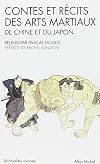
Des contes selectionnes tires de l'histiure millenaire des arts martiaux en Chine et Japon.They are short, very short stories, true and “legendary” true coming from Chinese and Japanese traditions. To learn more about the nature of the sword, to escape from the mortal danger with Yang Lu Chan, to learn about Tea Ceremony and how it helps in Bu Do (?) – and many other stories to read, meditate on and share with brothers and children.
Martial Arts Teaching Tales of Power and Paradox-Freeing the Mind, Focusing Chi, and Mastering the Self by Pascal Fauliot
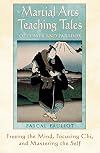
from cover
True martial arats should never be confused with simple combat techniques. Rather, martial arts are a way that an individual, after a long and difficult apprenticeship, can gain a profound understanding of the true nature of reality and one's place in it. Over time the apprentice discovers the laws governing the subtle forces of life and realizes that their mastery is only possible after one has mastered oneself. 'He who has mastered the Art doesn't use his sword: he compels his show more adversary to kill himself.' This quote from renowned sword master Tajima no Kami perfectly expresses the paradoxical nature of martial arts teachings in China and Japan. These teaching stories are not moral fables; in fact they have nothing to prove. Their purpose is actually to insprire questions and insights that will aid the student to achieve self-realization.
Most of the stories in this book are based on actual events in the lives of martial arts teachers who have achieved legendary status. The almost superhuman abilities of some of the masters described here are evidence of the secret powers that can be wielded by those whose martial arts training is not simply the learning of phyysical techniques but involves mastering subtle energies of the mind and body. Master of the art of archery Kenzo Awa could hit the center of a target even when shooting in total darkness. Assailants of Tai chi master Yang Lu Chan found their blows did more damage to themselves than to their would-be victim. By reading-and comprehending-the tales in this book, we can acquire the same essential knowledge that these masters had-that extraordinary forces are within the grasp of those who have achieved inner peace and self-mastery.
Contents
Preface by Michel Random
1 The Message of the Stories
2 On the Threshold of the Mystery-The invisible target; The sixth sense; Bokuden and his three sons; The warrior's eye; Infallible concentration; The incredibale power of Chi; The secret of proficiency; The magic coat; Like sword maker, like sword
3 Confronting the Mountain-Nots so stupid; An accelerated teaching; The thief of knowledge; The master of the three peaks; The Image of Asari
4 The Snare of Appearances-The old warrior's wager; The law of balance; The dreadful secret of the little Bonze; The champion and the master; A time bomb
5 The Great Test-The fissure; In the hands of fate; The condemned man; A master with no technique; The tea master and the ronin; At the edge of the abyss
6 Lessons of the Zen masters-At the gate of heaven; From the hand of the master; An original form of conversion; The test; The archer and the monk
7 Winning without fighting-Humor, the wise man's weapon; The school of unarmed combat; Three flies; The disarmed assassin; A convincing demonstration; The heart of the willow; Letting the rooster mature
8 The Ultimate Secret-The look of disillusionment; The teachings of the venerable cat show less
True martial arats should never be confused with simple combat techniques. Rather, martial arts are a way that an individual, after a long and difficult apprenticeship, can gain a profound understanding of the true nature of reality and one's place in it. Over time the apprentice discovers the laws governing the subtle forces of life and realizes that their mastery is only possible after one has mastered oneself. 'He who has mastered the Art doesn't use his sword: he compels his show more adversary to kill himself.' This quote from renowned sword master Tajima no Kami perfectly expresses the paradoxical nature of martial arts teachings in China and Japan. These teaching stories are not moral fables; in fact they have nothing to prove. Their purpose is actually to insprire questions and insights that will aid the student to achieve self-realization.
Most of the stories in this book are based on actual events in the lives of martial arts teachers who have achieved legendary status. The almost superhuman abilities of some of the masters described here are evidence of the secret powers that can be wielded by those whose martial arts training is not simply the learning of phyysical techniques but involves mastering subtle energies of the mind and body. Master of the art of archery Kenzo Awa could hit the center of a target even when shooting in total darkness. Assailants of Tai chi master Yang Lu Chan found their blows did more damage to themselves than to their would-be victim. By reading-and comprehending-the tales in this book, we can acquire the same essential knowledge that these masters had-that extraordinary forces are within the grasp of those who have achieved inner peace and self-mastery.
Contents
Preface by Michel Random
1 The Message of the Stories
2 On the Threshold of the Mystery-The invisible target; The sixth sense; Bokuden and his three sons; The warrior's eye; Infallible concentration; The incredibale power of Chi; The secret of proficiency; The magic coat; Like sword maker, like sword
3 Confronting the Mountain-Nots so stupid; An accelerated teaching; The thief of knowledge; The master of the three peaks; The Image of Asari
4 The Snare of Appearances-The old warrior's wager; The law of balance; The dreadful secret of the little Bonze; The champion and the master; A time bomb
5 The Great Test-The fissure; In the hands of fate; The condemned man; A master with no technique; The tea master and the ronin; At the edge of the abyss
6 Lessons of the Zen masters-At the gate of heaven; From the hand of the master; An original form of conversion; The test; The archer and the monk
7 Winning without fighting-Humor, the wise man's weapon; The school of unarmed combat; Three flies; The disarmed assassin; A convincing demonstration; The heart of the willow; Letting the rooster mature
8 The Ultimate Secret-The look of disillusionment; The teachings of the venerable cat show less
Le format de cette collection, la mise en page et les illustrations font que chacun des livres est vraiment chouettos. Voilà pour la forme. Pour le fond, une sélection très bien vue de textes courts ou plus longs qui font vraiment ressortir l'âme du taoïsme. Je recommande souvent ce livre à mes connaissances qui souhaitent s'initier au taoïsme (avec le Tao Te King et le Yi Jing bien sûr :-D)
Awards

You May Also Like


Associated Authors
Statistics
- Works
- 29
- Members
- 210
- Popularity
- #105,677
- Rating
- 4.1
- Reviews
- 10
- ISBNs
- 39
- Languages
- 5