
Tomás González
Author of In the Beginning Was the Sea
About the Author
Works by Tomás González
Primero estaba el mar 4 copies
Temporal 1 copy
CAMPEÓN (Spanish Edition) 1 copy
Associated Works
Tagged
Common Knowledge
- Canonical name
- González, Tomás
- Birthdate
- 1950
- Gender
- male
- Education
- Universidad Nacional de Colombia
- Occupations
- bartender
translator
fiction writer
poet - Nationality
- Colombia
- Birthplace
- Medellín, Colombia
- Places of residence
- Bogotá, Colombia
Miami, Florida, USA
New York, New York, USA - Associated Place (for map)
- Colombia
Members
Reviews
Real Rating: 3.75* of five
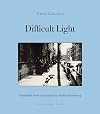
The Publisher Says: Grappling with his son’s death, the painter David explores his grief through art and writing, etching out the rippled landscape of his loss.
Over twenty years after his son’s death, nearly blind and unable to paint, David turns to writing to examine the deep shades of his loss. Despite his acute pain, or perhaps because of it, David observes beauty in the ordinary: in the resemblance of a woman to Egyptian portraits, in the horseshoe crabs show more that wash up on Coney Island, in the foam gathering behind a ferry propeller; in these moments, González reveals the world through a painter’s eyes. From one of Colombia’s greatest contemporary novelists, Difficult Light is a daring meditation on grief, written in candid, arresting prose.
I RECEIVED A DRC FROM THE PUBLISHER VIA EDELWEISS+. THANK YOU.
My Review: Waiting to die. Needing to die. Suffering that no one in a god-run universe should be required to bear. Taking one's power back from an uncaring (or cruel) Providence and giving the order to extinguish suffering and life both. It is what David is doing; it is what Jacobo, his son, did.
David, a painter now going blind, is in his last days, revisiting in his mind the horrifying moment his severely injured, agonized son's assisted suicide is finally released from his torment.
It was a horrible thing to read; it is there from literal page-one introduction to the story. The amount of torment in reading a book about the death of your young-adult child, one capable of making this decision for himself legally (in Colombia, anyway), was terrible. After five years I can come tell you I think the writing as translated by Andrea Rosenberg is lovely, spare and evocative; the story involving; but in the end, what I felt was the overwhelming grief and outrage at the cruelty of life.
Catharsis? Yes, but in a curious way, no...how cathartic is death on a storybook's page, really? For me it's more the intensity of a father looking at blindness, death, and the awful unanswered question "why?" directly for the last time. There are moments of squick, as David is a bog-standard boomer man misogyny and all; his wife tells some jokes that clang in twenty-first century ears; there are unpleasant ethnic humor moments.
Granting those facts their weight, your decision about reading the book is better guided by your ability to be in the headspace of a man who can't quite ever feel at peace with a world so vicious as to take his child and leave him behind to mourn.
Right there with you, my dude. show less
The Publisher Says: Grappling with his son’s death, the painter David explores his grief through art and writing, etching out the rippled landscape of his loss.
Over twenty years after his son’s death, nearly blind and unable to paint, David turns to writing to examine the deep shades of his loss. Despite his acute pain, or perhaps because of it, David observes beauty in the ordinary: in the resemblance of a woman to Egyptian portraits, in the horseshoe crabs show more that wash up on Coney Island, in the foam gathering behind a ferry propeller; in these moments, González reveals the world through a painter’s eyes. From one of Colombia’s greatest contemporary novelists, Difficult Light is a daring meditation on grief, written in candid, arresting prose.
I RECEIVED A DRC FROM THE PUBLISHER VIA EDELWEISS+. THANK YOU.
My Review: Waiting to die. Needing to die. Suffering that no one in a god-run universe should be required to bear. Taking one's power back from an uncaring (or cruel) Providence and giving the order to extinguish suffering and life both. It is what David is doing; it is what Jacobo, his son, did.
In summer at a certain point you have the illusion that the days last forever. I didn't want night to come, because then I'd have to acknowledge that time was passing; that life was passing us over, crushing us with its wheels and gears. But only light, ever elusive, is eternal. And the light on the water beside the churning propeller of the boat, however much I studied it and reworked it, I was unable to find a way to capture it completely – that light that contains shadows, that contains death, and is so contained within them."
David, a painter now going blind, is in his last days, revisiting in his mind the horrifying moment his severely injured, agonized son's assisted suicide is finally released from his torment.
It was a horrible thing to read; it is there from literal page-one introduction to the story. The amount of torment in reading a book about the death of your young-adult child, one capable of making this decision for himself legally (in Colombia, anyway), was terrible. After five years I can come tell you I think the writing as translated by Andrea Rosenberg is lovely, spare and evocative; the story involving; but in the end, what I felt was the overwhelming grief and outrage at the cruelty of life.
Catharsis? Yes, but in a curious way, no...how cathartic is death on a storybook's page, really? For me it's more the intensity of a father looking at blindness, death, and the awful unanswered question "why?" directly for the last time. There are moments of squick, as David is a bog-standard boomer man misogyny and all; his wife tells some jokes that clang in twenty-first century ears; there are unpleasant ethnic humor moments.
Granting those facts their weight, your decision about reading the book is better guided by your ability to be in the headspace of a man who can't quite ever feel at peace with a world so vicious as to take his child and leave him behind to mourn.
Right there with you, my dude. show less

"I slept almost four hours straight, dreamlessly, until I was awakened at seven by the knot of grief in my belly at the death of my son Jacobo, which we’d scheduled for seven that night, Portland time, ten o’clock in New York."
By the time the first very short chapter (there are 33 of them and the first is the shortest) closes with this sentence, we know that the narrator, David, is in New York and not in Portland and we know that most of the family is there with him while Jacobo and his show more brother Pablo are making their way to Portland. So why is Jacobo scheduled to die, why is it happening away from home and why is the family not with him?
Instead of relying on alternating chapters, Tomás González uses alternating paragraphs in most of his chapters to jump around the timeline. The here and now is a small Colombian village, La Mesa de Juan Díaz, in 2018. But that time shares the spotlight with New York in 1999 on the day his son died and we get glimpses of other times in David's life.
In 2018, David is a widower, living alone and employing a local family to help him after having lost his wife Sara 2 years earlier and now slowly starting to loose his eyesight. He still gets visitors and his sons and friends call often but he is nevertheless alone. In 1999, he was a successful painter, with a loving wife, 3 sons and a circle of friends.
Unable to paint anymore due to the damage to his eyes, the old man takes to writing and starts a memoir. What we read is a mix between the memoir and his current thoughts, without separators and without indication of which part belongs to what. It feels a bit disjointed at first but when the rhythm settles, it starts feeling like the thought of a man in his later years - now he thinks about his housekeeper, now he is back in time with his dead wife.
It is a story of grief and loss - the grief of losing a child, the grief of losing a wife, the grief of losing your eyesight when you had made beauty and the visual arts your life. David's voice is melancholic and as he is telling the story of the life he lived, he is able to see and appreciate the things he could have done better. But under it all runs the inevitable - Jacobo always dies, Sara can never come back and even the doctors are surprised with the rapid loss of his eyesight. And yet, it never feels hopeless and part of it is David's attitude to life and its surprises, all the way to that last sentence which he cannot even write himself anymore and needs someone else to write and yet it summarizes his life: "Wunderful!" (creative spelling fully intended - read the novella/short novel to learn why). show less
By the time the first very short chapter (there are 33 of them and the first is the shortest) closes with this sentence, we know that the narrator, David, is in New York and not in Portland and we know that most of the family is there with him while Jacobo and his show more brother Pablo are making their way to Portland. So why is Jacobo scheduled to die, why is it happening away from home and why is the family not with him?
Instead of relying on alternating chapters, Tomás González uses alternating paragraphs in most of his chapters to jump around the timeline. The here and now is a small Colombian village, La Mesa de Juan Díaz, in 2018. But that time shares the spotlight with New York in 1999 on the day his son died and we get glimpses of other times in David's life.
In 2018, David is a widower, living alone and employing a local family to help him after having lost his wife Sara 2 years earlier and now slowly starting to loose his eyesight. He still gets visitors and his sons and friends call often but he is nevertheless alone. In 1999, he was a successful painter, with a loving wife, 3 sons and a circle of friends.
Unable to paint anymore due to the damage to his eyes, the old man takes to writing and starts a memoir. What we read is a mix between the memoir and his current thoughts, without separators and without indication of which part belongs to what. It feels a bit disjointed at first but when the rhythm settles, it starts feeling like the thought of a man in his later years - now he thinks about his housekeeper, now he is back in time with his dead wife.
It is a story of grief and loss - the grief of losing a child, the grief of losing a wife, the grief of losing your eyesight when you had made beauty and the visual arts your life. David's voice is melancholic and as he is telling the story of the life he lived, he is able to see and appreciate the things he could have done better. But under it all runs the inevitable - Jacobo always dies, Sara can never come back and even the doctors are surprised with the rapid loss of his eyesight. And yet, it never feels hopeless and part of it is David's attitude to life and its surprises, all the way to that last sentence which he cannot even write himself anymore and needs someone else to write and yet it summarizes his life: "Wunderful!" (creative spelling fully intended - read the novella/short novel to learn why). show less

Kolumbien, eine idyllische Ferienanlage am Meer. Doch schaut man genauer hin, ist es alles andere als ein Idyll. Javier und Mario, Zwillinge in den Zwanzigern, betreiben die Anlage mit einem Restaurant gemeinsam mit ihrem Vater. Offen verachtet er die Beiden, und dafür hassen sie ihn, aber auch weil er ihre geliebte Mutter schon immer schamlos betrog, und sie mittlerweile psychisch krank ist.
Der Roman umfasst 27 Stunden, von vier Uhr morgens bis sechs Uhr des nächsten Tages, jede Stunde show more ein Kapitel. Jede Stunde wird die Geschichte aus einer anderen Perspektive erzählt. Man hört die Mutter, die überall Stimmen vernimmt; die Gäste der Ferienanlage; und natürlich auch die Söhne und ihren Vater, die alle ihrer unbändigen Wut und ihrem Zorn freien Lauf lassen. Sie sind gemeinsam zum Fischfang aufgebrochen, während ein schweres Unwetter heraufzieht . Nach und nach steigt die Anspannung zwischen den Dreien im Boot, so wie nach und nach das Unwetter stetig näher rückt. Mit jeder Seite steigt die Ahnung, dass etwas Dramatisches bevorsteht....
Tomás González ist ein ungemein präziser Erzähler, dem es trotz kaum vorhandener Handlung gelingt, ebenso eine immense Spannung aufzubauen wie den Figuren soviel Leben zu verleihen, dass man sie genau vor Augen hat, auch wenn man nicht unbedingt ihre Beweggründe verstehen mag. Vieles mag für europäische, insbesondere deutsche LeserInnen unverständlich bleiben, doch sollte man sich beim Lesen immer klar machen: Es ist eine kolumbianische Geschichte!
Gerade mal 150 Seiten hat dieses schmale Büchlein, sodass man es fast zwangsläufig in einem Rutsch durchliest - was schade wäre. Denn so, wie sich das ganze Drama nach und nach entfaltet, sollte man auch diese Geschichte lesen. Für mich hat sich beinahe jeder Abschnitt durch etwas Zeitabstand neu dargestellt, insbesondere das Ende, das ich direkt nach dem Lesen als ziemlich unbefriedigend empfand. Doch mit etwas Distanz sah ich plötzlich auch etwas völlig Anderes: Menschlichkeit, wo sie nicht zu erwarten war. show less
Der Roman umfasst 27 Stunden, von vier Uhr morgens bis sechs Uhr des nächsten Tages, jede Stunde show more ein Kapitel. Jede Stunde wird die Geschichte aus einer anderen Perspektive erzählt. Man hört die Mutter, die überall Stimmen vernimmt; die Gäste der Ferienanlage; und natürlich auch die Söhne und ihren Vater, die alle ihrer unbändigen Wut und ihrem Zorn freien Lauf lassen. Sie sind gemeinsam zum Fischfang aufgebrochen, während ein schweres Unwetter heraufzieht . Nach und nach steigt die Anspannung zwischen den Dreien im Boot, so wie nach und nach das Unwetter stetig näher rückt. Mit jeder Seite steigt die Ahnung, dass etwas Dramatisches bevorsteht....
Tomás González ist ein ungemein präziser Erzähler, dem es trotz kaum vorhandener Handlung gelingt, ebenso eine immense Spannung aufzubauen wie den Figuren soviel Leben zu verleihen, dass man sie genau vor Augen hat, auch wenn man nicht unbedingt ihre Beweggründe verstehen mag. Vieles mag für europäische, insbesondere deutsche LeserInnen unverständlich bleiben, doch sollte man sich beim Lesen immer klar machen: Es ist eine kolumbianische Geschichte!
Gerade mal 150 Seiten hat dieses schmale Büchlein, sodass man es fast zwangsläufig in einem Rutsch durchliest - was schade wäre. Denn so, wie sich das ganze Drama nach und nach entfaltet, sollte man auch diese Geschichte lesen. Für mich hat sich beinahe jeder Abschnitt durch etwas Zeitabstand neu dargestellt, insbesondere das Ende, das ich direkt nach dem Lesen als ziemlich unbefriedigend empfand. Doch mit etwas Distanz sah ich plötzlich auch etwas völlig Anderes: Menschlichkeit, wo sie nicht zu erwarten war. show less
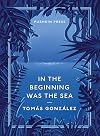
I grabbed this book from the library shelves because of its small format (I love tiny books! Plus, French flaps!), then was pleased to see it was from Pushkin Press, which I've been meaning to read more from. Then was delighted to see it was from a Columbian author, as I've been struggling to find a second book by a South American author for book bingo. So into the check-out pile it went.
It was kind of mesmerizing, kind of familiar, a tiny bit underwhelming in points, but also fascinating. show more It was often to difficult to decide if I was rooting for the characters or not. The book is mostly from J.'s point of view, and while we are given opportunities to empathize with Elena, we never really understand her. Which is not really a criticism, it is appropriate for this book.
Based on a true story, J. and Elena abandon a city life of parties and fast-paced living to buy a small property in a remote location. There's culture shock, cash flow problems, and a mounting series of misunderstandings and misjudgments that seem impossible to dig back out of. J. is almost always too optimistic, and Elena too bitter. It slowly unravels, and you know it is all going to end in tragedy, but to what extent? and how?
An absorbing little book that will make you reexamine any impulse you've ever had about running away to the country. show less
It was kind of mesmerizing, kind of familiar, a tiny bit underwhelming in points, but also fascinating. show more It was often to difficult to decide if I was rooting for the characters or not. The book is mostly from J.'s point of view, and while we are given opportunities to empathize with Elena, we never really understand her. Which is not really a criticism, it is appropriate for this book.
Based on a true story, J. and Elena abandon a city life of parties and fast-paced living to buy a small property in a remote location. There's culture shock, cash flow problems, and a mounting series of misunderstandings and misjudgments that seem impossible to dig back out of. J. is almost always too optimistic, and Elena too bitter. It slowly unravels, and you know it is all going to end in tragedy, but to what extent? and how?
An absorbing little book that will make you reexamine any impulse you've ever had about running away to the country. show less
Awards


You May Also Like


Associated Authors
Statistics
- Works
- 25
- Also by
- 2
- Members
- 476
- Popularity
- #51,803
- Rating
- 4.1
- Reviews
- 18
- ISBNs
- 85
- Languages
- 7