
Harriet Reisen
Author of Louisa May Alcott: The Woman Behind Little Women
About the Author
Image credit: Photo by Liane Brandon, at author's website
Works by Harriet Reisen
Associated Works
Louisa May Alcott: The Woman Behind Little Women [2008 TV episode] (2015) — Original book — 21 copies
Tagged
Common Knowledge
- Gender
- female
Members
Reviews

Could any woman with a shelf full of books by and about Louisa May Alcott resist a new biography* of her? What about one who devours Little Women and other titles yearly? Who is known to have corrected a docent at Orchard House who mistakenly called Beth the youngest of the March sisters? One who thrilled to the discovery of Alcott's thrillers, and leapt on a previously unknown (to her) bit of juvenile fiction? (A pause here to give thanks to the late Madeleine B. Stern.) This one couldn't. show more And pleased I am that I gave way to the blandishments of Amazon Vine, because this is a marvelous addition to the aforesaid shelf.
Louisa May Alcott was the second of four daughters born to the Transcendentalist philosopher, Bronson Alcott, and his wife, Abigail May Alcott (Abby). Alcott was one of those men with grand ideas and a head in the clouds, but little practical sense. (It has been fashionable to view Bronson Alcott as a bit of a villain in relation to his family, particularly Louisa. Reisen, I think, gives a more balanced portrait of him. Her description of his ups and downs, and the family history, suggests the possibility of bipolar disorder or depressive episodes, but she quite rightly does not draw that conclusion.)
So the family's financial situation was always unstable, and, as a result, so was their living situation. They moved four times in the first year and a half of Louisa's life, and many more after that. While living in poor circumstances themselves, the Alcotts had wealthy relatives, and that contrast clearly affected Louisa. She was driven to succeed, at least in part, to provide for her parents (particularly the beloved Abby) and sisters. But where the real Alcott wealth lay was in the life of the mind, in their connections to the intellectual and literary world of the New England of their day. They had regular and intimate contact with people such as Ralph Waldo Emerson, Henry David Thoreau, Margaret Fuller and others, who would appear, sometimes only slightly disguised, in Louisa's fiction.
Reisen does not merely tell us how Louisa lived. She also does an exemplary job of showing how that life, and the people with whom she shared it, showed up in her books. And she shows, too, how Louisa's day-to-day life affected what and when she wrote. Those blood-and-thunder thrillers, written as "A.M. Barnard" and rediscovered by Stern and Leona Rostenberg, helped fill the family coffers when times were tight, but they also gave Louisa an outlet for her desire for adventure and action, something difficult for a young woman of her class and time to find in the real world. She couldn't fight a war (though she could nurse, to the detriment of her own health), she couldn't run away to sea or "go west, young man!", but she could write.
In later life, Louisa suffered greatly from a variety of medical problems. Reisen revisits, with the assistance of medical experts, the question of what caused these problems and (ultimately) her death. Louisa herself, and her doctors, attributed her troubles to mercury poisoning resulting from the use of calomel as a curative during her service as a nurse. The doctors Reisen consulted show, quite conclusively, that this is not the case, and she posits that Alcott may have been suffering from lupus. Her arguments are convincing, but, again, she rightly does not insist upon the diagnosis.
Written in connection with the PBS documentary of the same name, this book is extremely well-researched and documented**, with an extensive bibliography and notes. It is one that I would recommend to anyone who has loved Alcott's work.
*Kudos to Reisen for correcting, on her LibraryThing profile (and elsewhere, for all I know), the publisher's erroneous cover blurb describing this as "the first complete biography" of Alcott.
**Here's serendipity for you! The late Madelon Bedell, in her book The Alcotts: Biography of a Family, makes reference to an interview she conducted with the then-96-year-old Lulu Neiriker Rasim, Louisa's niece. Try as she might, Reisen couldn't find the interview or a surviving Bedell. Then, well, let Reisen tell it: "One day I picked up a used copy of The Alcotts, and out of it tumbled a carbon copy of an August 1980 letter written by Bedell herself to Michael Sterne, then the travel editor of the New York Times, proposing a story. At the bottom of the letter was a return address in Brooklyn where, more than two decades later, Madelon Bedell's widower still lived." He helped Reisen locate and recover Bedell's papers, now on their way to Orchard House. show less
Louisa May Alcott was the second of four daughters born to the Transcendentalist philosopher, Bronson Alcott, and his wife, Abigail May Alcott (Abby). Alcott was one of those men with grand ideas and a head in the clouds, but little practical sense. (It has been fashionable to view Bronson Alcott as a bit of a villain in relation to his family, particularly Louisa. Reisen, I think, gives a more balanced portrait of him. Her description of his ups and downs, and the family history, suggests the possibility of bipolar disorder or depressive episodes, but she quite rightly does not draw that conclusion.)
So the family's financial situation was always unstable, and, as a result, so was their living situation. They moved four times in the first year and a half of Louisa's life, and many more after that. While living in poor circumstances themselves, the Alcotts had wealthy relatives, and that contrast clearly affected Louisa. She was driven to succeed, at least in part, to provide for her parents (particularly the beloved Abby) and sisters. But where the real Alcott wealth lay was in the life of the mind, in their connections to the intellectual and literary world of the New England of their day. They had regular and intimate contact with people such as Ralph Waldo Emerson, Henry David Thoreau, Margaret Fuller and others, who would appear, sometimes only slightly disguised, in Louisa's fiction.
Reisen does not merely tell us how Louisa lived. She also does an exemplary job of showing how that life, and the people with whom she shared it, showed up in her books. And she shows, too, how Louisa's day-to-day life affected what and when she wrote. Those blood-and-thunder thrillers, written as "A.M. Barnard" and rediscovered by Stern and Leona Rostenberg, helped fill the family coffers when times were tight, but they also gave Louisa an outlet for her desire for adventure and action, something difficult for a young woman of her class and time to find in the real world. She couldn't fight a war (though she could nurse, to the detriment of her own health), she couldn't run away to sea or "go west, young man!", but she could write.
In later life, Louisa suffered greatly from a variety of medical problems. Reisen revisits, with the assistance of medical experts, the question of what caused these problems and (ultimately) her death. Louisa herself, and her doctors, attributed her troubles to mercury poisoning resulting from the use of calomel as a curative during her service as a nurse. The doctors Reisen consulted show, quite conclusively, that this is not the case, and she posits that Alcott may have been suffering from lupus. Her arguments are convincing, but, again, she rightly does not insist upon the diagnosis.
Written in connection with the PBS documentary of the same name, this book is extremely well-researched and documented**, with an extensive bibliography and notes. It is one that I would recommend to anyone who has loved Alcott's work.
*Kudos to Reisen for correcting, on her LibraryThing profile (and elsewhere, for all I know), the publisher's erroneous cover blurb describing this as "the first complete biography" of Alcott.
**Here's serendipity for you! The late Madelon Bedell, in her book The Alcotts: Biography of a Family, makes reference to an interview she conducted with the then-96-year-old Lulu Neiriker Rasim, Louisa's niece. Try as she might, Reisen couldn't find the interview or a surviving Bedell. Then, well, let Reisen tell it: "One day I picked up a used copy of The Alcotts, and out of it tumbled a carbon copy of an August 1980 letter written by Bedell herself to Michael Sterne, then the travel editor of the New York Times, proposing a story. At the bottom of the letter was a return address in Brooklyn where, more than two decades later, Madelon Bedell's widower still lived." He helped Reisen locate and recover Bedell's papers, now on their way to Orchard House. show less
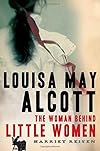
When I read the preface to this book and learned of the author's longstanding admiration for Alcott, I worried that the text would be as hagiographical as the front matter. It wasn't, thankfully. Reisen provides a full-scale biography of Alcott, capturing the bizarre family dynamic she grew up with, the cultural context of her life and times, and the methods by which she was able to make her living as a successful writer in a variety of genres (some pseudonymously, as Reisen explores). I'll show more mention my usual quibble: the references are not indicated in the text. Overall, an accessible and readable biography. show less
Despite never having read "Little Women," I managed to obtain, over the years, a general understanding of the book's plot and characters by reading about its author and her most famous novel. The Alcott family, with its numerous connections to the literary elite and thinkers of its day, has long fascinated me but it is only in recent years that I have become curious about the work of Louisa May Alcott herself. My interest was particularly peaked, I think, by Geraldine Brooks' "March," a show more wonderful fictional account of what Mr. March was up to during the times he left the four little women and their mother home alone to fend for themselves. Now, "Louisa May Alcott: The Woman Behind Little Women" has convinced me that it is finally time to sit down and read "Little Women" for myself.
Harriet Reisen reminds us that, in her day, Louisa May Alcott was as big, if not bigger, than Mark Twain. Her books sold in astonishing numbers, eventually making her a very wealthy woman who was able to support her entire extended family with the royalties they earned. She was perhaps the J.K. Rowling of her day - but life was not always so kind to Louisa May Alcott.
Born to a father who never quite figured out how to earn enough to support his family, life for Louisa and her sisters was difficult. The girls often ended the day hungry and there was seldom any money for dresses or housing comparable to those of their friends and relatives. The Alcott family, in fact, was dependent on those same friends and relatives for the loans and gifts without which they might not have survived as an intact family. And what a list of friends and relatives they had, among them, Ralph Waldo Emerson, Henry David Thoreau, Margaret Fuller and supporters of the Transcendentalist movement in which Bronson Alcott played such an important role.
Bronson Alcott may have been the genius his friends believed him to be, but he was also the kind of dreamer who could never turn his dreams into the reality he envisioned for them. Bronson, however, had great faith that his family would somehow be provided for despite how little effort he made to support them himself. He was always willing to accept whatever monetary help his generous friends offered but his second-born daughter Louisa was determined that the family would one day earn its own way and repay all the debts her father had ignored for so long.
From the beginning Louisa was motivated by the money she could earn from her writing, seeing her efforts as the best chance to bring her family to financial respectability Determined to make it happen, she wrote quickly in marathon stretches that would often leave her bedridden and unable to write again for several weeks or months. But despite her illnesses, which grew more serious after her experience as a Civil War hospital nurse, Louisa earned enough money to give both her immediate and extended families the luxurious lifestyle none of them could have ever expected to see.
"The Woman Behind Little Women" offers remarkable insights into the inner workings of the Alcott family and Louisa's role as provider and near-matriarch of the family. Fans of "Little Women" will be naturally drawn to the biography and coming PBS Alcott documentary, but I suspect that others lucky enough to discover "The Woman Behind Little Women" will be just as intrigued by what they learn. There is so much here that even the biggest Alcott fan will come away with a new appreciation of what this great writer accomplished in her relatively short lifetime.
Rated at: 5.0 show less
Harriet Reisen reminds us that, in her day, Louisa May Alcott was as big, if not bigger, than Mark Twain. Her books sold in astonishing numbers, eventually making her a very wealthy woman who was able to support her entire extended family with the royalties they earned. She was perhaps the J.K. Rowling of her day - but life was not always so kind to Louisa May Alcott.
Born to a father who never quite figured out how to earn enough to support his family, life for Louisa and her sisters was difficult. The girls often ended the day hungry and there was seldom any money for dresses or housing comparable to those of their friends and relatives. The Alcott family, in fact, was dependent on those same friends and relatives for the loans and gifts without which they might not have survived as an intact family. And what a list of friends and relatives they had, among them, Ralph Waldo Emerson, Henry David Thoreau, Margaret Fuller and supporters of the Transcendentalist movement in which Bronson Alcott played such an important role.
Bronson Alcott may have been the genius his friends believed him to be, but he was also the kind of dreamer who could never turn his dreams into the reality he envisioned for them. Bronson, however, had great faith that his family would somehow be provided for despite how little effort he made to support them himself. He was always willing to accept whatever monetary help his generous friends offered but his second-born daughter Louisa was determined that the family would one day earn its own way and repay all the debts her father had ignored for so long.
From the beginning Louisa was motivated by the money she could earn from her writing, seeing her efforts as the best chance to bring her family to financial respectability Determined to make it happen, she wrote quickly in marathon stretches that would often leave her bedridden and unable to write again for several weeks or months. But despite her illnesses, which grew more serious after her experience as a Civil War hospital nurse, Louisa earned enough money to give both her immediate and extended families the luxurious lifestyle none of them could have ever expected to see.
"The Woman Behind Little Women" offers remarkable insights into the inner workings of the Alcott family and Louisa's role as provider and near-matriarch of the family. Fans of "Little Women" will be naturally drawn to the biography and coming PBS Alcott documentary, but I suspect that others lucky enough to discover "The Woman Behind Little Women" will be just as intrigued by what they learn. There is so much here that even the biggest Alcott fan will come away with a new appreciation of what this great writer accomplished in her relatively short lifetime.
Rated at: 5.0 show less
Louisa May Alcott: The Woman Behind Little Women, by Harriet Reisen
"Louisa May Alcott: The Woman Behind Little Women" is a fascinating biography into the life of the author of the classic "Little Women," and also an in-depth look at her family. Reisen provides an extremely complete picture of Louisa's unusual childhood, and how it influenced her later publications.
The beginning of the book focuses on her father, Bronson Alcott, an unusual man for his time; he was one of the early show more Transcendentalists, and counted Emerson and Thoreau among his friends. Bronson focused on philosophy, experimental teaching, and lecturing rather than supporting his family; the Alcotts moved over twenty times while Louisa was a child. Often a wild, unruly child, Louisa had a rocky relationship with her father, but was a mini clone of her mother. It was Abby Alcott, Louisa's mother, who encouraged her to write as a way to express her feelings.
Well aware of her family's financial troubles as a child, Louisa's goal as an adult was to fully support her family, while trying to have a measure of independence for herself. Her start in writing came after publishing a book of children's stories, and indeed, her most successful novels would be written for youngsters. But Reisen explains to readers that Louisa wrote thrillers under pseudonyms, and they were rather popular - and likely her preferred format. Louisa would strive all of her adult life to write one great novel that she could be proud of, and never thought "Little Women" was that book, even though it was her biggest cashcow. And with Louisa's drive to earn earn earn, money was often the deciding factor in what she wrote.
Louisa is a tragic figure: she spent her entire life being pushed one way or another, feeling obligated to help family and friends at the expense of her own personal life. She literally wore herself out and died at the relatively young age of 55. She took care of her sisters, mother, father, and friends; and even when she was fully supported by her writing, she never really got to enjoy the fruit of her labor.
Reisen paints an interesting and educational picture of Louisa's life. While remembered mainly for "Little Women," Louisa was so much more than just a children's author. She was a feminist, an abolitionist, a poet, a Civil War nurse, philanthropist, and so on. I learned so much while reading this book, and not just about Louisa, but also about the Transcendentalists and the Civil War era. And while it could be easy to fall into hero worship, Reisen is careful to point out the flaws in Louisa's character, penning a realistic image.
The biography starts out a little slow, but if you give it a chance for a few chapters, I think you'll be pulled into a wonderful tale. Reisen makes use of abundant source material, including many quotes from Louisa's journals and poetry, but weaves them seamlessly into the narrative. I learned a lot, and had an enjoyable time doing so.
4/5. show less
"Louisa May Alcott: The Woman Behind Little Women" is a fascinating biography into the life of the author of the classic "Little Women," and also an in-depth look at her family. Reisen provides an extremely complete picture of Louisa's unusual childhood, and how it influenced her later publications.
The beginning of the book focuses on her father, Bronson Alcott, an unusual man for his time; he was one of the early show more Transcendentalists, and counted Emerson and Thoreau among his friends. Bronson focused on philosophy, experimental teaching, and lecturing rather than supporting his family; the Alcotts moved over twenty times while Louisa was a child. Often a wild, unruly child, Louisa had a rocky relationship with her father, but was a mini clone of her mother. It was Abby Alcott, Louisa's mother, who encouraged her to write as a way to express her feelings.
Well aware of her family's financial troubles as a child, Louisa's goal as an adult was to fully support her family, while trying to have a measure of independence for herself. Her start in writing came after publishing a book of children's stories, and indeed, her most successful novels would be written for youngsters. But Reisen explains to readers that Louisa wrote thrillers under pseudonyms, and they were rather popular - and likely her preferred format. Louisa would strive all of her adult life to write one great novel that she could be proud of, and never thought "Little Women" was that book, even though it was her biggest cashcow. And with Louisa's drive to earn earn earn, money was often the deciding factor in what she wrote.
Louisa is a tragic figure: she spent her entire life being pushed one way or another, feeling obligated to help family and friends at the expense of her own personal life. She literally wore herself out and died at the relatively young age of 55. She took care of her sisters, mother, father, and friends; and even when she was fully supported by her writing, she never really got to enjoy the fruit of her labor.
Reisen paints an interesting and educational picture of Louisa's life. While remembered mainly for "Little Women," Louisa was so much more than just a children's author. She was a feminist, an abolitionist, a poet, a Civil War nurse, philanthropist, and so on. I learned so much while reading this book, and not just about Louisa, but also about the Transcendentalists and the Civil War era. And while it could be easy to fall into hero worship, Reisen is careful to point out the flaws in Louisa's character, penning a realistic image.
The biography starts out a little slow, but if you give it a chance for a few chapters, I think you'll be pulled into a wonderful tale. Reisen makes use of abundant source material, including many quotes from Louisa's journals and poetry, but weaves them seamlessly into the narrative. I learned a lot, and had an enjoyable time doing so.
4/5. show less
Lists
Awards


You May Also Like


Associated Authors
Statistics
- Works
- 1
- Also by
- 1
- Members
- 403
- Popularity
- #60,269
- Rating
- 4.0
- Reviews
- 19
- ISBNs
- 8