
About the Author
Eve LaPlante -- a direct descendant of Hutchinson's -- has degrees from Princeton and Harvard. She has written for The Atlantic, the New York Times, Ladies' Home Journal, Gourmet, and Boston Magazine. She lives with her family in Massachusetts
Image credit: Historic Bostons
Works by Eve LaPlante
American Jezebel: The Uncommon Life of Anne Hutchinson, the Woman Who Defied the Puritans (2004) 520 copies, 10 reviews
Marmee and Louisa: The Untold Story of Louisa May Alcott and Her Mother (2012) 334 copies, 15 reviews
Seized: Temporal Lobe Epilepsy as a Medical, Historical, and Artistic Phenomenon (1993) 46 copies, 1 review
Tagged
Common Knowledge
- Birthdate
- 1958
- Gender
- female
- Education
- Princeton University (BA ∙ 1980)
Harvard University - Occupations
- teacher
freelance writer
biographer
author - Agent
- Lane Zachary (Zachary Schuster Harmsworth)
- Relationships
- Alcott, Abigail May (great-aunt)
Alcott, Louisa May (cousin) - Short biography
- Eve LaPlante is a great-niece of Abigail "Abby" May Alcott and cousin of Louisa May Alcott. She is the editor of a collection of Abby May Alcott's private papers. She lives with her family in New England. [from Marmee and Louisa (2012) www.loc.gov]
- Nationality
- USA
- Places of residence
- Brookline, Massachusetts, USA
- Associated Place (for map)
- Massachusetts, USA
Members
Reviews
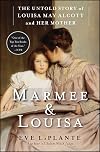
Almost more than a biography, Eve LaPlante's Marmee and Louisa reads like a romance novel: a love affair between a mother and a daughter; a love affair between Eve LaPlante and her great-aunt, Abigail May Alcott. It occurs to me that LaPlante fell in love with her great-aunt the day she discovered Abigail's forgotten letters, in the attic of her home. The act of discovery itself reads like an early Louisa May romance.
I, too, fell in love with the real Marmee, if truth be told. Within these show more pages we find an intelligent, imaginative and resourceful woman who was weighed down by the rigorous strictures of 19th century mores of women. To add insult to injury, she was burdened with the added weight of a self-obsessed wastrel of a husband who could do nothing more than sigh in corners and wring his hands in dismay, if ever there was work to be done.
It is difficult to recognize the Bronson Alcott who was much touted as "great American" philosopher, educator, reformer, advocate and all-round "swell guy" in the lazy, dissolute reprobate who had nothing but contempt for the hard work required to raise a family. He would disappear from the family for months, to give himself over to "thinking". Early in their marriage, he in fact disappeared for a period of eighteen months, and "...spent most of his time in a room near the Philadelphia public library immersed in Coleridge, Wordsworth, Spenser, Carlyle and in translation of Goethe, Schiller, Dante and Kant." Meanwhile, at home, Abigail mothered two-year old Anna, and infant Louisa and made every conceivable sacrifice so that she and the children could keep body and soul together. Bronson encouraged her in these sacrifices, admiring her womanly duty, and loving his wife ardently. He loved her dearly, he wrote, because she loved him.
This early separation set the precedent for their marriage and Bronson would spend most of his life apart from his family -- more time apart, in fact, than he was with them. Near the end of his life, after Abigail had died, he was stricken to find in her journals how much she had suffered from his neglect. He gave himself over to vast amounts of guilt -- for about a minute and a half. In the end, it is safe to say he wasted his life -- and made damn certain his wife wasted hers in ministering to him.
It was Abigail who could have emerged as the true woman of letters, given half the opportunity. She was a devoted diarist who committed much of her considered opinions to paper. She offered well-formulated ideas on teaching, equal rights for the sexes, abolitionism. But, through her journals she stretched it perhaps as far as she could, and turned her energies to encouraging her daughters to write, especially Louisa, with whom she was closest. Knowing that she would never be the woman she aspired to be -- teacher, advocate, reformer, writer -- she gave her energies over to cultivating those skills in her children. She instilled in them a sense of true equality for the sexes -- that her daughters were as capable as any man to do good in this world, to be "anything they wanted to be".
Louisa's life emerges a little more shadowed in this biography, as most of it seems to be devoted to Abigail and her more-often-than-not estranged husband. Nothing happens to Louisa within these pages that doesn't relate directly to her mother. This symbiotic relationship is a very difficult one to unravel and provides much food for thought. On the surface, it is as simple as one loving, good mother devoted to her daughter; beyond that, it emerges as an especially poignant relationship of one spirit fostering the growth of another: soul to soul.
The biography feeds the curiosity of all those who have wondered about Marmee, the figure who emerges repeatedly through Louisa's books, in one form or another. It addresses all the questions we might have asked ourselves over the years and answers them fully and with compassion.
I do have a few quibbles about structure. LaPlante gives herself over to many tangents and non-sequiturs which lead to frustrating distractions. Her brilliant story-telling skills suffer from this. But, it is a very small quibble indeed, for the book is "brainy and bright". show less
I, too, fell in love with the real Marmee, if truth be told. Within these show more pages we find an intelligent, imaginative and resourceful woman who was weighed down by the rigorous strictures of 19th century mores of women. To add insult to injury, she was burdened with the added weight of a self-obsessed wastrel of a husband who could do nothing more than sigh in corners and wring his hands in dismay, if ever there was work to be done.
It is difficult to recognize the Bronson Alcott who was much touted as "great American" philosopher, educator, reformer, advocate and all-round "swell guy" in the lazy, dissolute reprobate who had nothing but contempt for the hard work required to raise a family. He would disappear from the family for months, to give himself over to "thinking". Early in their marriage, he in fact disappeared for a period of eighteen months, and "...spent most of his time in a room near the Philadelphia public library immersed in Coleridge, Wordsworth, Spenser, Carlyle and in translation of Goethe, Schiller, Dante and Kant." Meanwhile, at home, Abigail mothered two-year old Anna, and infant Louisa and made every conceivable sacrifice so that she and the children could keep body and soul together. Bronson encouraged her in these sacrifices, admiring her womanly duty, and loving his wife ardently. He loved her dearly, he wrote, because she loved him.
This early separation set the precedent for their marriage and Bronson would spend most of his life apart from his family -- more time apart, in fact, than he was with them. Near the end of his life, after Abigail had died, he was stricken to find in her journals how much she had suffered from his neglect. He gave himself over to vast amounts of guilt -- for about a minute and a half. In the end, it is safe to say he wasted his life -- and made damn certain his wife wasted hers in ministering to him.
It was Abigail who could have emerged as the true woman of letters, given half the opportunity. She was a devoted diarist who committed much of her considered opinions to paper. She offered well-formulated ideas on teaching, equal rights for the sexes, abolitionism. But, through her journals she stretched it perhaps as far as she could, and turned her energies to encouraging her daughters to write, especially Louisa, with whom she was closest. Knowing that she would never be the woman she aspired to be -- teacher, advocate, reformer, writer -- she gave her energies over to cultivating those skills in her children. She instilled in them a sense of true equality for the sexes -- that her daughters were as capable as any man to do good in this world, to be "anything they wanted to be".
Louisa's life emerges a little more shadowed in this biography, as most of it seems to be devoted to Abigail and her more-often-than-not estranged husband. Nothing happens to Louisa within these pages that doesn't relate directly to her mother. This symbiotic relationship is a very difficult one to unravel and provides much food for thought. On the surface, it is as simple as one loving, good mother devoted to her daughter; beyond that, it emerges as an especially poignant relationship of one spirit fostering the growth of another: soul to soul.
The biography feeds the curiosity of all those who have wondered about Marmee, the figure who emerges repeatedly through Louisa's books, in one form or another. It addresses all the questions we might have asked ourselves over the years and answers them fully and with compassion.
I do have a few quibbles about structure. LaPlante gives herself over to many tangents and non-sequiturs which lead to frustrating distractions. Her brilliant story-telling skills suffer from this. But, it is a very small quibble indeed, for the book is "brainy and bright". show less
Exhaustively researched so much so that sometimes it was exhausting to read, too.
My attention span did struggle with this at times particularly when it veered deep into branches of the family tree that felt like far more information than seemed necessary to tell what was supposed to be the life stories of Louisa May Alcott and her mother. This was also populated with many similar names so that was occasionally difficult to keep straight in my head and the writing style was extremely dense show more and research heavy which lends itself to a slow reading pace or at least for me it does.
If you haven’t read all of Louisa’s books/stories yet keep in mind there are spoilers for them throughout the text, necessarily so as the author was illustrating the various ways Louisa’s real life inspired her writing. For me, those were the most involving passages in the book, learning the context of certain things in Little Women, etc., as well as Louisa’s overall career journey, this book can at times feel like a bit of a slog but if you’re interested in Louisa it’s very much worth the effort. show less
My attention span did struggle with this at times particularly when it veered deep into branches of the family tree that felt like far more information than seemed necessary to tell what was supposed to be the life stories of Louisa May Alcott and her mother. This was also populated with many similar names so that was occasionally difficult to keep straight in my head and the writing style was extremely dense show more and research heavy which lends itself to a slow reading pace or at least for me it does.
If you haven’t read all of Louisa’s books/stories yet keep in mind there are spoilers for them throughout the text, necessarily so as the author was illustrating the various ways Louisa’s real life inspired her writing. For me, those were the most involving passages in the book, learning the context of certain things in Little Women, etc., as well as Louisa’s overall career journey, this book can at times feel like a bit of a slog but if you’re interested in Louisa it’s very much worth the effort. show less
A deeply-researched dive into the Alcott family that left me with strong feelings about the parents. Bronson was the worst. He never worked, but depended on others to support his whole family so he could maintain his high morality. He left his family to go live in other cities so they didn’t distract him. Louisa and her mother were incredibly close and alike in temperament. They were both excellent writers and it was Abigail who encouraged Louisa's work. This is a must-read IF you are a show more huge Alcott fan.
A few fascinating details:
- Abigail believed the country was deeply flawed because it was founded on slavery. I love that that is treated like a new concept, when it’s been around, almost as long as the country has.
- Abigail's brother, Samuel Joseph May, was an incredible man. He was a pastor who stood up for women's rights, helped runaway slaves escape to freedom, supporting integrating schools at a time when it was unheard of, and more.
- I hadn't realized how much Louisa had traveled through Europe or how sick she became later in life. I also didn't realize how often she was forced to be at home playing nursemaid and housekeeper for her family.
- Louisa was not a fan of being famous and hated that her father used her fame to bring himself more attention.
- Eventually Abigail was forced to work because her husband thought he was above earning money and they were completely in debt.
- Many of Abigail's papers were burned or revised.
- Bronson was constantly leaving his family so he could go off and live by himself and have peace and quiet for himself. He even blamed his wife (in writing) for a miscarriage she suffered.
- Louisa's older sister's husband died young and her youngest sister (May) died young in Paris after giving birth. show less
A few fascinating details:
- Abigail believed the country was deeply flawed because it was founded on slavery. I love that that is treated like a new concept, when it’s been around, almost as long as the country has.
- Abigail's brother, Samuel Joseph May, was an incredible man. He was a pastor who stood up for women's rights, helped runaway slaves escape to freedom, supporting integrating schools at a time when it was unheard of, and more.
- I hadn't realized how much Louisa had traveled through Europe or how sick she became later in life. I also didn't realize how often she was forced to be at home playing nursemaid and housekeeper for her family.
- Louisa was not a fan of being famous and hated that her father used her fame to bring himself more attention.
- Eventually Abigail was forced to work because her husband thought he was above earning money and they were completely in debt.
- Many of Abigail's papers were burned or revised.
- Bronson was constantly leaving his family so he could go off and live by himself and have peace and quiet for himself. He even blamed his wife (in writing) for a miscarriage she suffered.
- Louisa's older sister's husband died young and her youngest sister (May) died young in Paris after giving birth. show less
American Jezebel: The Uncommon Life of Anne Hutchinson, the Woman Who Defied the Puritans by Eve LaPlante
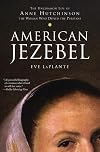
Eve LaPlante actually manages to make early American bickering about doctrine interesting and pertinent. Whether one is saved by grace or by works, comes down to whether one can experience God herself, or must have God interpreted for her by the male hierarchy. Anne Hutchinson insists on her won personal experience of God, and is thrown out of Massachusetts for it. She moves on to help found Rhode Island, the first state truly founded on religious freedom. A captivating read!
Lists
Awards


You May Also Like


Associated Authors
Statistics
- Works
- 6
- Members
- 1,196
- Popularity
- #21,486
- Rating
- 3.8
- Reviews
- 35
- ISBNs
- 29