
George Shipway (1908–1982)
Author of Imperial Governor
About the Author
Series
Works by George Shipway
The Yellow Room 4 copies
Knight in Archery - SHI 1 copy
Tagged
Common Knowledge
- Legal name
- Shipway, George Frederick Morgan
- Birthdate
- 1908-05-28
- Date of death
- 1982
- Gender
- male
- Education
- Clifton College
Royal Military College, Sandhurst - Occupations
- novelist
teacher
military officer - Organizations
- Cheam School
British Indian Army - Nationality
- UK
- Birthplace
- Allahabad, India
- Associated Place (for map)
- Allahabad, India
Members
Reviews

I was surprised at the low ratings and how they pulled down the higher ones; I thought the book excellent.
This was an intelligent and well written story of Agamemnon, king of Mycenae, in his own words, from boyhood to his accession as king of Mycenae. Agamemnon takes us through his training as a warrior and his first battle [at night, which he remembers later and will use as a tactic in the Trojan War]. Blooded, he receives his greaves and is given the title of Hero. Due to a boyhood show more incident in which his brother, Menelaus, takes the blame for him and is punished brutally in his stead, he's told by Atreus several years later:
"I knew you were guilty and you proved yourself a liar and a crook. You see, Agamemnon, a king must be entirely unscrupulous, ready at need to betray his dearest friend -- even his beloved brother. I think you meet the measure very fairly -- just the kind of ruler our treacherous Heroes need."
Thus Atreus designates his heir to the throne. We see through the novel both Atreus and Agamemnon are cruel men; no wonder the House of Atreus was cursed! Both men are reprehensible but I could accept them in the context of the novel, still not liking them. Yes, the Trojan War came after the novel and all events following it, but I enjoyed reading about ante-Trojan War for once.
The story follows Agamemnon through both land and sea battles; the author wrote especially well of those using chariots. We see Agamemnon's personal life and the increased responsibilities Atreus gives him:, as envoy; battle leader; Warden of Mycenae; bridegroom to Clytemnestra; and once he becomes king, his final thoughts of vengeance and how he will use his power since it is now in his grasp:
"Nothing was unattainable. Nothing lay beyond my grasp, beyond the reach of Agamemnon, the king."
To Shipway there were plausible explanations for Greek myths; he gave sensible imaginative non-mythical reasons for many of the legends. He laid out his conception of why the Trojan War was really fought. He considered Helen's abduction by Paris only a precipitating factor, analogous to Princip's assassination of the archduke which set off World War One. There had been deep-rooted causes for each.
I recommend this book highly for a different slant on an ancient Greek hero. show less
This was an intelligent and well written story of Agamemnon, king of Mycenae, in his own words, from boyhood to his accession as king of Mycenae. Agamemnon takes us through his training as a warrior and his first battle [at night, which he remembers later and will use as a tactic in the Trojan War]. Blooded, he receives his greaves and is given the title of Hero. Due to a boyhood show more incident in which his brother, Menelaus, takes the blame for him and is punished brutally in his stead, he's told by Atreus several years later:
"I knew you were guilty and you proved yourself a liar and a crook. You see, Agamemnon, a king must be entirely unscrupulous, ready at need to betray his dearest friend -- even his beloved brother. I think you meet the measure very fairly -- just the kind of ruler our treacherous Heroes need."
Thus Atreus designates his heir to the throne. We see through the novel both Atreus and Agamemnon are cruel men; no wonder the House of Atreus was cursed! Both men are reprehensible but I could accept them in the context of the novel, still not liking them. Yes, the Trojan War came after the novel and all events following it, but I enjoyed reading about ante-Trojan War for once.
The story follows Agamemnon through both land and sea battles; the author wrote especially well of those using chariots. We see Agamemnon's personal life and the increased responsibilities Atreus gives him:, as envoy; battle leader; Warden of Mycenae; bridegroom to Clytemnestra; and once he becomes king, his final thoughts of vengeance and how he will use his power since it is now in his grasp:
"Nothing was unattainable. Nothing lay beyond my grasp, beyond the reach of Agamemnon, the king."
To Shipway there were plausible explanations for Greek myths; he gave sensible imaginative non-mythical reasons for many of the legends. He laid out his conception of why the Trojan War was really fought. He considered Helen's abduction by Paris only a precipitating factor, analogous to Princip's assassination of the archduke which set off World War One. There had been deep-rooted causes for each.
I recommend this book highly for a different slant on an ancient Greek hero. show less
Imperial Governor: The Great Novel of Boudicca's Revolt (Cassell Military Paperbacks) by George Shipway

A reread. First read several years ago. Memoir of the aging ex-Governor, Suetonius Paulinus of Roman Britain, who feels now that Nero is dead and he doesn't have to weigh his words, he can write honestly and truthfully about his years there--his reforms, attempts to clean up corruption, get control of the mines so as to send the ore to Rome for coinage and finally, deal with the aftermath of Boudicca's revolt to bring the province into some kind of equilibrium, and his recall to Rome. We show more last see him on shipboard, watching the island fade into the distance.
Very well written. He came across as a no-nonsense, hard-bitten, brutal Roman authority. Other characters were cut out of the same cloth. Subtitle was misleading; Boudicca had only a minor role, but her actions did influence much of the last half of the novel. I didn't like the author's use of modern place names, but at least he used Verulam for St. Alban's, which was close to the Latin.
Highly recommended. show less
Very well written. He came across as a no-nonsense, hard-bitten, brutal Roman authority. Other characters were cut out of the same cloth. Subtitle was misleading; Boudicca had only a minor role, but her actions did influence much of the last half of the novel. I didn't like the author's use of modern place names, but at least he used Verulam for St. Alban's, which was close to the Latin.
Highly recommended. show less
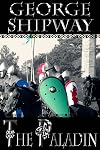
George Shipway was born in 1902 and this book was written over 40 years ago but he nails the brutality and savageness of 12th Century England and Normandy. Walter Tirell is bound to Robert of Normandy, eldest son of William the Conqueror and as his man, he fights to claim England for Robert. When things go wrong, he finds his best option is to become the liegeman for William II (known as Rufus). It's very realistic and makes the reader realize how difficult it was for the peasants during show more this time. It must have been hard to know your life hung on the balance of the wars of the rich. My only complaint about the book is that it just ends...so you have to buy the sequel. show less

A pretty good entertainment, with some insights into the level of civilization enjoyed in Normandy and England around the time of the conquest. I have come to see Robert of Bellesme as a bad guy, and wish Mr. Shipway's works had come my way more often.
Lists
The Trojan War (1)
You May Also Like


Associated Authors
Statistics
- Works
- 11
- Members
- 298
- Popularity
- #78,714
- Rating
- 3.4
- Reviews
- 12
- ISBNs
- 32
- Languages
- 2