
Oriana Fallaci (1929–2006)
Author of A Man
About the Author
A prize-winning novelist and journalist, Oriana Fallaci is known primarily for her controversial interviews. She has spoken unabashedly, if not abrasively, with such world figures as Henry Kissinger, Willy Brandt, the Ayatollah Khomeini, Yasir Arafat, the Shah of Iran, Indira Ghandi, and Golda show more Meir. Her bold, often brilliant, interviewing technique is characterized by brutal frankness, as when she challenged Henry Kissinger to "talk about war." (Bowker Author Biography) show less
Works by Oriana Fallaci
La trilogia: La rabbia e l'orgoglio-La forza della ragione-Oriana Fallaci intervista sé stessa-L'apocalisse (2004) 16 copies
UN UOMO,O. FALLACI 3 copies
Processo alla minigonna: Da Coco Chanel a Mary Quant l'impero della moda tra genio e follia 2 copies
INTERVISTA CON LA STORIA 1 copy
Ha meghal a nap riportregény 1 copy
Goftegoohāye Oriana Fallaci 1 copy
Useless Sex 1 copy
جنس ضعیف 1 copy
Βίπερ 318–319: Βιετνάμ 1 copy
ইন্টারভিউ উইথ হিস্টরি 1 copy
L'Europeo. L aluna di Oriana 1 copy
El Coraje que necesitamos 1 copy
NJË BURRË 1 copy
Sull'Antisemitismo (CD) 1 copy
Βιετνάμ 1 copy
Tarihle Söyleşiler 1 copy
Quel giorno sulla luna 1 copy
La malfa 1 copy
Intervista con il potere 1 copy
Cinecittà a nudo 1 copy
مصاحبه با تاریخ 1 copy
Fallaci, Orianna Archive 1 copy
Tagged
Common Knowledge
- Canonical name
- Fallaci, Oriana
- Legal name
- Fallaci, Oriana
- Birthdate
- 1929-06-29
- Date of death
- 2006-09-15
- Gender
- female
- Education
- University of Florence
- Occupations
- journalist
writer
war correspondent
resistance fighter (WW II)
novelist - Organizations
- L'Europeo
Epoca
Il Mattino dell'Italia centrale - Awards and honors
- St. Vincent Prize (1967, 1971)
Bancarella Prize (1970)
Viareggio Prize (1979)
Hemingway Prize (1991)
Super Bancarella Prize (1991)
Prix Antibes (1993) (show all 14)
Ambrogino d'oro (2005)
Jan Karski Eagle Award (2005)
Benemerita della Cultura (2005)
Annie Taylor Award (2005)
Gold Medal of the Regional Council of Tuscany (2006)
Italy–USA Foundation America Award (2010)
Italian Army Certificate for Valor (WWII)
Honorary Doctorate (Columbia College, Chicago) - Short biography
- The Encyclopedia of World Biography says: Italian journalist Oriana Fallaci became nearly as controversial as the world leaders and dissenting voices she was famous for interrogating during her long and prolific career. . . She often pushed her subjects into making controversial statements. . . In the preface to one of her most accomplished works, Interview with History, she summed up her antagonistic style of journalism, asserting, "I have always looked on disobedience toward the oppressive as the only way to use the miracle of having been born."
- Cause of death
- cancer
- Nationality
- Italy
- Birthplace
- Florence, Italy
- Places of residence
- Florence, Italy
New York, New York, USA - Place of death
- Florence, Italy
- Burial location
- Cimitero degli Allori, Florence, Italy
- Associated Place (for map)
- Florence, Italy
Members
Reviews

Sempre attuale.
"Vigliacco. Ipocrita. Vigliacco. Tu che le telefonavi soltanto perché lo buttasse via. Tu che per due mesi sei rimasto nascosto come un disertore. Tu che sei andato da lei solo perché ti ho pregato. Fate sempre così, vero? Vi spaventate e ci lasciate sole e al massimo tornate da noi in nome della paternità. Tanto che vi costa la paternità? Un ventre sfasciato da un ingrossamento ridicolo? La pena del parto, la tortura dell'allattamento? Il frutto della paternità vi viene show more scodellato dinanzi come una minestra già cotta, posato sul letto come una camicia stirata. Non avete che dargli un cognome se siete sposati, neanche quello se siete fuggiti. Ogni responsabilità è della donna, ogni sofferenza, ogni insulto. Puttana, le dite se ha fatto l'amore con voi. La parola puttano non esiste nel dizionario: usarla è un errore di glottologia. Sono millenni che ci imponete i vostri vocaboli, i vostri precetti, i vostri abusi. Sono millenni che usate il nostro corpo senza rimetterci nulla. Sono millenni che ci imponete il silenzio e ci relegate al compito di mamme. In qualsiasi donna cercate una mamma. A qualsiasi donna chiedete di farvi da mamma: perfino se è vostra figlia. Dite che non abbiamo i vostri muscoli e poi sfruttate la nostra fatica anche per farvi lucidare le scarpe. Dite che non abbiamo il vostro cervello e poi sfruttate la nostra intelligenza anche per farvi amministrare il salario. Eterni bambini, fino alla vecchiaia, restate bambini da imboccare, pulire, servire, consigliare, consolare, proteggere nelle vostre debolezze e nelle vostre pigrizie. Io vi disprezzo. E disprezzo me stessa per non saper fare a meno di voi, per non gridarvi più spesso: siamo stanche d'esservi mamme. Siamo stanche di questa parola che avete santificata per il vostro interesse, il vostro egoismo." show less
"Vigliacco. Ipocrita. Vigliacco. Tu che le telefonavi soltanto perché lo buttasse via. Tu che per due mesi sei rimasto nascosto come un disertore. Tu che sei andato da lei solo perché ti ho pregato. Fate sempre così, vero? Vi spaventate e ci lasciate sole e al massimo tornate da noi in nome della paternità. Tanto che vi costa la paternità? Un ventre sfasciato da un ingrossamento ridicolo? La pena del parto, la tortura dell'allattamento? Il frutto della paternità vi viene show more scodellato dinanzi come una minestra già cotta, posato sul letto come una camicia stirata. Non avete che dargli un cognome se siete sposati, neanche quello se siete fuggiti. Ogni responsabilità è della donna, ogni sofferenza, ogni insulto. Puttana, le dite se ha fatto l'amore con voi. La parola puttano non esiste nel dizionario: usarla è un errore di glottologia. Sono millenni che ci imponete i vostri vocaboli, i vostri precetti, i vostri abusi. Sono millenni che usate il nostro corpo senza rimetterci nulla. Sono millenni che ci imponete il silenzio e ci relegate al compito di mamme. In qualsiasi donna cercate una mamma. A qualsiasi donna chiedete di farvi da mamma: perfino se è vostra figlia. Dite che non abbiamo i vostri muscoli e poi sfruttate la nostra fatica anche per farvi lucidare le scarpe. Dite che non abbiamo il vostro cervello e poi sfruttate la nostra intelligenza anche per farvi amministrare il salario. Eterni bambini, fino alla vecchiaia, restate bambini da imboccare, pulire, servire, consigliare, consolare, proteggere nelle vostre debolezze e nelle vostre pigrizie. Io vi disprezzo. E disprezzo me stessa per non saper fare a meno di voi, per non gridarvi più spesso: siamo stanche d'esservi mamme. Siamo stanche di questa parola che avete santificata per il vostro interesse, il vostro egoismo." show less

This novel is set in Beirut, Lebanon, during the civil war in the early 1980s. Right at the beginning are the explosions that killed hundreds of US Marines and French Paratroopers. The story is about the Italian forces and their efforts to hang on as the situation continues to deteriorate.
The point of view of the narration shifts between maybe a dozen characters or a bit more than that. Mostly they're the Italians but we also get inside the heads of a few Lebanese fighters, a Christian and show more a Muslim. In a few places the narrator steps back and gives a bit of history. There were a few pages early on just sketching out the political situation and most recent bloodshed leading up to the war. Ah and a bit of a picture of Beirut before the fighting began. I worked for a while with a guy from Beirut who told me stories about the place back in those days, how beautiful it was etc. There are also some pages later in the novel giving some history of rifles and ammunition.
The novel does get self-reflective a bit. There is an officer who writes letters that envision a novel which is pretty much the novel we're reading. And then a journalist from Saigon who really is the author of the novel makes a couple brief appearances. This gives the novel a bit of a post-modern flavor but it doesn't dominate the flavor at all. Actually it helps clarify things more than confuse them. We're told that the novel is a kind of modern rewrite of Homer and Troy.
It's almost enough to get me to go back and read Homer! But one bit of Homer I have heard about is how repetition helps keep the story straight, probably both for the teller and the audience. This novel does have quite a bit of repetition. Each character has their own way of cursing, their own obsessive thinking. But this really helps to keep the characters straight. If they were all just names, I would have gotten really lost. But e.g. Roberto had worked in a laundry before getting drafted and he was always obsessing about dirty uniforms. So when the dirty uniform obsession comes up again, it helps me remember ah this is the guy who got injured because he was too focused on keeping his uniform clean and wouldn't take protective cover.
Some of the characters here are really over the top. Crazy Horse is a classicist and constantly quoting Seneca in Latin, etc. I cannot imagine anybody like that in the US military in the 1980s. Hmmm, in the Italian military??? I can't say it's impossible. I remembering hearing an academic lecture around 1990... this old European professor... sometimes I hear old academics from India lecture this way too... it sounds totally pompous, full of over the top rhetoric, all kinds of flourishes, quite formal... but it is totally sincere and a real tradition. So why not in the Italian army? It could happen!
A lot of the book is the various characters reflecting on what brought them to the situation, how the reality fits or doesn't with their beliefs, and how they are changed by their experiences. It goes from very shallow to quite deep. Maybe there is an ultimate message here that is too deep for me, or maybe there is just a kind of sign at the end that says: beyond this it gets too deep to understand. Probably it is Angelo who is Odysseus, like the spine of the story. He wanted to be a mathematician before he joined the military. I like the mathematical approach to metaphysics so maybe that's why I like the book! Actually if you like this aspect of the book, go look at the work of Jeremy England at MIT who works in Biophysics and Non-equilibrium Statistical Mechanics! It's much more recent than Fallaci's novel... well, and Angelo would have been learning his Boltzmann probably in the 1970s!
It's a very readable book, a very human book, it has some good history still very relevant today, and some serious reflection on war which sadly is always all too relevant. Very much worthwhile! show less
The point of view of the narration shifts between maybe a dozen characters or a bit more than that. Mostly they're the Italians but we also get inside the heads of a few Lebanese fighters, a Christian and show more a Muslim. In a few places the narrator steps back and gives a bit of history. There were a few pages early on just sketching out the political situation and most recent bloodshed leading up to the war. Ah and a bit of a picture of Beirut before the fighting began. I worked for a while with a guy from Beirut who told me stories about the place back in those days, how beautiful it was etc. There are also some pages later in the novel giving some history of rifles and ammunition.
The novel does get self-reflective a bit. There is an officer who writes letters that envision a novel which is pretty much the novel we're reading. And then a journalist from Saigon who really is the author of the novel makes a couple brief appearances. This gives the novel a bit of a post-modern flavor but it doesn't dominate the flavor at all. Actually it helps clarify things more than confuse them. We're told that the novel is a kind of modern rewrite of Homer and Troy.
It's almost enough to get me to go back and read Homer! But one bit of Homer I have heard about is how repetition helps keep the story straight, probably both for the teller and the audience. This novel does have quite a bit of repetition. Each character has their own way of cursing, their own obsessive thinking. But this really helps to keep the characters straight. If they were all just names, I would have gotten really lost. But e.g. Roberto had worked in a laundry before getting drafted and he was always obsessing about dirty uniforms. So when the dirty uniform obsession comes up again, it helps me remember ah this is the guy who got injured because he was too focused on keeping his uniform clean and wouldn't take protective cover.
Some of the characters here are really over the top. Crazy Horse is a classicist and constantly quoting Seneca in Latin, etc. I cannot imagine anybody like that in the US military in the 1980s. Hmmm, in the Italian military??? I can't say it's impossible. I remembering hearing an academic lecture around 1990... this old European professor... sometimes I hear old academics from India lecture this way too... it sounds totally pompous, full of over the top rhetoric, all kinds of flourishes, quite formal... but it is totally sincere and a real tradition. So why not in the Italian army? It could happen!
A lot of the book is the various characters reflecting on what brought them to the situation, how the reality fits or doesn't with their beliefs, and how they are changed by their experiences. It goes from very shallow to quite deep. Maybe there is an ultimate message here that is too deep for me, or maybe there is just a kind of sign at the end that says: beyond this it gets too deep to understand. Probably it is Angelo who is Odysseus, like the spine of the story. He wanted to be a mathematician before he joined the military. I like the mathematical approach to metaphysics so maybe that's why I like the book! Actually if you like this aspect of the book, go look at the work of Jeremy England at MIT who works in Biophysics and Non-equilibrium Statistical Mechanics! It's much more recent than Fallaci's novel... well, and Angelo would have been learning his Boltzmann probably in the 1970s!
It's a very readable book, a very human book, it has some good history still very relevant today, and some serious reflection on war which sadly is always all too relevant. Very much worthwhile! show less
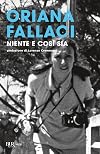
Non avevo ancora conosciuto Oriana Fallaci, se non per i suoi ultimi strali contro l'islam. Che ovviamente non ho molto apprezzato. Ma quando ho letto i suoi libri ho trovato uno stile di scrittura eccezionale, duro, crudo eppure vero. Una donna forte ma con le sue debolezze. Il suo descrivere è oggettivo quando parla di fatti ma assolutamente riflettutto, commentato, "digerito" dalla sua personale lente interna. E mi è piaciuta. Mi è piaciuta soprattutto per il suo rifiutare qualsiasi show more etichetta, per il suo essere mentalmente indipendente da entrambi gli schieramenti, filoamericani e filocomunisti, in un'epoca in cui perfino i cantanti dovevano per forza essere schierati e se non lo erano gli si appiccicava un'adesivo di comodo. Non condivido tutto il modo di vedere della Fallaci, siamo profondamente diverse, ma ammiro in lei la grande scrittrice, la grande giornalista, la donna coraggiosa, la mente indipendente. E il riuscire a distinguere l'uomo oltre il marchio (bellissime le interviste con il generale Loan e tutte le interviste ai grandi che ha realizzato). Una denuncia della irragionevolezza della guerra, dal punto di vista dei "piccoli" che non decidono niente, nello stesso tempo descrizione del colonialismo violento americano e della feroce dittatura comunista, coi contadini costretti a rifornire di riso entrambi che poi facevano la fame. Un capolavoro. show less
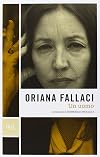
Bellissimo. Perché è una storia d'amore, quello vero, straziante. Perché mi sono ritrovata da morire nelle riflessioni dell'autrice sul suo modo di amare, molto simili alle mie. Perché è un'opera che affonda nella storia recente. Perché è uno sguardo intelligente e onesto sulla politica di ieri, di oggi, di sempre. Tante parti di questo libro dovrebbero essere citate a memoria, per le profondità di concetto. E' soprattutto la storia di un uomo solo, che è tale perché non accetta di show more scendere a compromessi. Lo stile della Fallaci, pur essendo un po' verboso, scorre che è un piacere. Da leggere. show less
Lists
Awards


You May Also Like


Associated Authors
Statistics
- Works
- 82
- Members
- 4,893
- Popularity
- #5,133
- Rating
- 3.9
- Reviews
- 109
- ISBNs
- 314
- Languages
- 19
- Favorited
- 11


