
Udo Kultermann (1927–2013)
Author of New Directions in African Architecture
About the Author
Works by Udo Kultermann
St. James Modern Masterpieces: The Best of Art, Architecture, Photography and Design Since 1945 (St. James Reference Guides) (1997) 9 copies
Zeitgenössische Architektur in Osteuropa : [Sowjetunion, Polen, Deutsche Demokratische Republik, Tschechoslowakei, Unga (1985) 4 copies
Kunst und Wirklichkeit: Von Fiedler bis Derrida : zehn Annaherungen (German Edition) (1991) 3 copies
Gabriel Grupello 2 copies
Die Kultur des Humanismus. 1 copy
DuMont Dokumente - Architekten der Dritten Welt - Bauen zwischen Tradition und Neubeginn (1980) 1 copy
hyperrealisme 1 copy
Tagged
Common Knowledge
- Birthdate
- 1927-10-14
- Date of death
- 2013-02-09
- Gender
- male
- Occupations
- art historian
architectural historian - Organizations
- Washington University in St. Louis
- Nationality
- Germany
- Birthplace
- Stettin, Germany
- Place of death
- New York, New York, USA
- Associated Place (for map)
- Germany
Members
Reviews
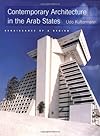
This book is, without a doubt, a seminal work on Middle Eastern architecture.
Its focus, fortunately, is not on the plethora of Western companies and architects doing work in the Middle East (although it does mention these), but on local architects that are mostly unknown in the West, despite years of amazing work.
The names include Hassan Fathy, Mohamed Saleh Makiya, Rasem Badran, Rifat Chadirji, Abdel-Wahed El-Wakil, Kamal El-Kafrawi, and many others.
He also covers the many excellent show more buildings designed by Western architects who have shown a sensitivity to the locale.
What I found most impressive about the book is Kultermann's focus on local traditions and the cultures that spawned them, as well as his disdain for the international architecture that has no connection to the past or to the people it is designed for.
For someone with little knowledge of the architectural traditions of the Middle East, this is an invaluable introduction.
For Arab architects looking for inspiration from their predecessors, this book contains many projects and images as creative fodder.
It is rare when reading a book to feel as if the author has spent years in research, and still has a burning passion for the topic he is writing about.
The only drawback of this book is that it is from 1999, and I think a new edition with an extra chapter or two on the myriad of recent projects in the Gulf states, with Kultermann's unique perspective, is in order.
Sadly, I think that he would be devastated at the current state of architectural projects in the Middle East, which is why every prospecting client should read this book before they begin a project. show less
Its focus, fortunately, is not on the plethora of Western companies and architects doing work in the Middle East (although it does mention these), but on local architects that are mostly unknown in the West, despite years of amazing work.
The names include Hassan Fathy, Mohamed Saleh Makiya, Rasem Badran, Rifat Chadirji, Abdel-Wahed El-Wakil, Kamal El-Kafrawi, and many others.
He also covers the many excellent show more buildings designed by Western architects who have shown a sensitivity to the locale.
What I found most impressive about the book is Kultermann's focus on local traditions and the cultures that spawned them, as well as his disdain for the international architecture that has no connection to the past or to the people it is designed for.
For someone with little knowledge of the architectural traditions of the Middle East, this is an invaluable introduction.
For Arab architects looking for inspiration from their predecessors, this book contains many projects and images as creative fodder.
It is rare when reading a book to feel as if the author has spent years in research, and still has a burning passion for the topic he is writing about.
The only drawback of this book is that it is from 1999, and I think a new edition with an extra chapter or two on the myriad of recent projects in the Gulf states, with Kultermann's unique perspective, is in order.
Sadly, I think that he would be devastated at the current state of architectural projects in the Middle East, which is why every prospecting client should read this book before they begin a project. show less


Cartea oferă o analiză critică a modului în care istoria artei a fost scrisă și interpretată de-a lungul timpului, evidențiind metodele, teoriile și perspectivele diferite ale istoricilor de artă.
📖 Despre autor
a) Udo Kultermann (1927–2013) a fost arhitect și istoric german de artă, specializat în istoria arhitecturii și analiza critică a istoriei artei.
b) A publicat numeroase lucrări care combină teoria estetică cu cercetarea istorică.
📚 Despre volum
a) Volumul 1 show more examinează evoluția studiului istoriei artei de la antichitate până la Renaștere.
b) Analizează metodele și perspectivele utilizate de diferiți istorici de artă în interpretarea operelor și stilurilor artistice.
c) Include reflecții asupra rolului social, cultural și academic al istoriei artei.
🔎 Teme principale
a) Metodele și abordările istorice în studiul artei.
b) Evoluția teoriilor estetice și critice de-a lungul secolelor.
c) Relația dintre istoria artei, cultura și contextul social.
d) Analiza comparativă a modului în care diferiți autori au interpretat operele artistice.
⚖️ Semnificație
a) Cartea oferă cititorului o înțelegere critică a istoriei artei ca disciplină academică.
b) Este utilă pentru studenți, istorici de artă și cercetători interesați de metodologia și teoriile istorice.
c) Permite aprecierea modului în care interpretările artistice reflectă perspective culturale și intelectuale variate de-a lungul timpului. show less
📖 Despre autor
a) Udo Kultermann (1927–2013) a fost arhitect și istoric german de artă, specializat în istoria arhitecturii și analiza critică a istoriei artei.
b) A publicat numeroase lucrări care combină teoria estetică cu cercetarea istorică.
📚 Despre volum
a) Volumul 1 show more examinează evoluția studiului istoriei artei de la antichitate până la Renaștere.
b) Analizează metodele și perspectivele utilizate de diferiți istorici de artă în interpretarea operelor și stilurilor artistice.
c) Include reflecții asupra rolului social, cultural și academic al istoriei artei.
🔎 Teme principale
a) Metodele și abordările istorice în studiul artei.
b) Evoluția teoriilor estetice și critice de-a lungul secolelor.
c) Relația dintre istoria artei, cultura și contextul social.
d) Analiza comparativă a modului în care diferiți autori au interpretat operele artistice.
⚖️ Semnificație
a) Cartea oferă cititorului o înțelegere critică a istoriei artei ca disciplină academică.
b) Este utilă pentru studenți, istorici de artă și cercetători interesați de metodologia și teoriile istorice.
c) Permite aprecierea modului în care interpretările artistice reflectă perspective culturale și intelectuale variate de-a lungul timpului. show less
Dec 4, 2024 (Edited)Romanian
You May Also Like


Associated Authors
Statistics
- Works
- 33
- Members
- 255
- Popularity
- #89,876
- Rating
- 4.3
- Reviews
- 5
- ISBNs
- 45
- Languages
- 5
- Favorited
- 1