
Roger Moorhouse
Author of Berlin at War. Life and Death in Hitler's Capital, 1939-45
About the Author
Roger Moorhouse is a regular contributor to BBC History Magazine, coauthor with Norman Davies of Microcosm, and author of Killing Hitler. A graduate of the University of London, he lives in Buckinghamshire, England.
Works by Roger Moorhouse
Killing Hitler: The Plots, The Assassins, and the Dictator Who Cheated Death (2006) 196 copies, 5 reviews
The Forgers: The Forgotten Story of the Holocaust's Most Audacious Rescue Operation (2023) 42 copies, 1 review
Associated Works
MHQ: The Quarterly Journal of Military History — Autumn 2010 (2010) — Author "Happy Birthday, Mein Führer" — 4 copies
Tagged
Common Knowledge
- Birthdate
- 1968
- Gender
- male
- Education
- Berkhamsted School
School of Slavonic and East European Studies, University of London
University of Düsseldorf
University of Strathclyde - Occupations
- author
historian
public speaker
reviewer - Organizations
- BBC History
- Awards and honors
- Royal Society of Arts (Fellow)
- Nationality
- United Kingdom
- Birthplace
- Stockport, Cheshire, England, UK
- Places of residence
- Buckinghamshire, England, UK
Hertfordshire, England, UK - Map Location
- United Kingdom
Members
Reviews
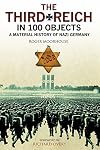
The danger of a book like this one is that it could encourage the fetishistic collection of Nazi memorabilia. There is already a fairly large community of people who collect such things, and some (including members of Britain’s royal family) have even been known to dress up in Nazi uniforms (all in good fun, of course). But the skilful hand of Roger Moorhouse ensures that this will not be the case with this book. As many of the objects discussed here show, the German Nazis were murderous show more barbarians. The art they collected was often mediocre, their ideas half-baked (Moorhouse points out that Hitler’s Mein Kampf was largely unreadable) and the one thing they excelled at — murdering innocent and defenceless people — is shown in some detail. Many of the objects are familiar, but others seem to be quite rare finds. Beautifully illustrated in full colour. Highly recommended. show less
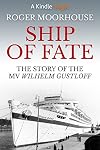
This is a fascinating short book about a little known maritime disaster, but what in fact was the single worst in history in terms of its death toll. The MV Wilhelm Gustloff was a luxury cruise liner launched by the Nazis in 1937, very much as a propaganda symbol of the luxuries the Nazi regime could give to its rank and file workers. After a couple of years of conveying German people on subsidised cruises round the Baltic and to Nazi-friendly countries such as Italy and Portugal, it became show more a hospital ship in the first year of the war, then a floating barracks for most of the rest of the conflict. In late January 1945 as the Red Army was advancing ever nearer to the heart of Germany itself, the Wilhelm Gustloff helped to evacuate thousands of service personnel, civilians and refugees away from the coast of what is now north west Poland/north east Germany. The ship, designed for 2,000 passengers, had over 10,000 by the time it set sail. Containing at least some military personnel, it was regarded as a legitimate target and a Soviet submarine torpedoed it. The ship sank in just over an hour, taking over 9,000 men and women children down to their deaths, the few lifeboats and nearby ships only being able to rescue 1,250 souls. The book covers the gripping tragedy in the icy Baltic very well, and puts the ship in the historical context of the evolution of the Nazi regime from its popular, massively confident stance in 1937 to its Gotterdamerung in 1945. A very effective read about a relatively little known incident. show less
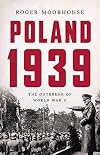
I knew that I didn’t know very much about the September 1939 invasion of Poland. Much of what I had read elsewhere was concerning the British and French response, or lack of one, to Hitler’s invasion of Poland, but I did not realize that several key things that I had heard many times ultimately stem from Nazi and Soviet propaganda. The Polish cavalry did not attack tanks on horseback, and in retrospect, it is absurd to suppose that someone would do this. The German army mostly motorized show more assault was impressive, especially against the army of a country that had spent as much on their military as Germany had spent on a single armored division, but the idea of Blitzkrieg was also exaggerated by Goebbels and his Ministry of Public Enlightenment and Propaganda. The author has collected extensive historical information from Polish sources and written an account that illuminates the terrible tragedy of this invasion, the beginning of Germany’s brutal attack on civilian populations, but also the many tactical Polish successes and brave acts of defense and resistance.
I was reading part of this history aloud and found that I was unable to get through this moving section:
Among them was a group of boy scouts between the ages of twelve and sixteen. “Unaware of what awaited them,” one bystander recalled, “these poor children joked and even played games amongst themselves. They realised the truth only when they were made to line up ... and the machine guns were brought. Some of the little ones began to cry, but the others gave proof of the most admirable courage. They intoned the Polish national anthem and fell like heroes.” A priest who rushed to give them the last rites was shot as well. show less
I was reading part of this history aloud and found that I was unable to get through this moving section:
Among them was a group of boy scouts between the ages of twelve and sixteen. “Unaware of what awaited them,” one bystander recalled, “these poor children joked and even played games amongst themselves. They realised the truth only when they were made to line up ... and the machine guns were brought. Some of the little ones began to cry, but the others gave proof of the most admirable courage. They intoned the Polish national anthem and fell like heroes.” A priest who rushed to give them the last rites was shot as well. show less
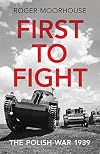
First to Fight – Setting the record straight
Ludwig Podolański had celebrated his 18th birthday on the 2nd August 1939, he could not celebrate with his family, as his unit had been mobilised. By the 24th August 4th Engineers Battalion had been moved to their forward position and on the 1st September was fighting in the defence of the country he loved. At 18 years old he witnesses horrors we can only imagine, his friends and comrades, some his own age dead, and as they slowly retreated back show more civilians of all ages killed. He was eventually captured on 19th September, became a Prisoner of War, before escaping and rejoining the Polish Army in 1940 now in France.
While Roger Moorhouse does not use Ludwik Podolański, he uses the story of Poland and how they were the first to fight. Drawing out the stories of others, of places and of the Germans too. For far too long the Story of the Second World War has been told with a western perspective, and what actually happened in Poland is ignored. Often, we hear how good Blitzkrieg and the Polish used cavalry to attack the tanks. Moorhouse, breaks a few taboos and sets the record straight. Yes, the Poles did use cavalry, but the Germans also happened to fear said cavalry. Blitzkrieg was not all conquering and got held up in places.
There is an excellent chapter ‘The Temerity to Resist’, where Moorhouse lays out what became not only the grim fate of the Polish forces but of the civilians also. Bydgoszcz became a by-word for “ethnic-cleansing”, which all happened away from the cameras and journalists.
This book also highlights how Germany orchestrated the war, using many techniques that are still used today. Painting the German’s of innocent victims of Polish aggression, whereas the SS had volunteers trained how to use Polish weapons, and a rudimentary grasp of Polish. How they staged the brave German customs officers, dead, forgetting to mention that they were actually concentration camp inmates.
When the German enablers, the Soviet Union rolled into Eastern Poland on the 17th September, a new type of war was about to begin. The Germans made no distinction between combatants and civilians, and as Moorhouse states “Almost every town and village in Poland witnessed an atrocity in the autumn of 1939, against civilians and prisoners of war, Poles and Jews alike.
It became clear that Hitler was raging a race war, and everyone already is aware their murderous attitude towards Jews, what people tend not to know is that Poles were murdered en masse. Poland lost six million citizens between 1939 and 1945, three million Jews and three million Poles.
What this book do is shine a light on what happened after the war, how West Germany portrayed the Wehrmacht was in the main honourable and the atrocities were down to the Waffen SS. Pity the evidence present here shows that to be a lie. But also, how Britain and France appeased Stalin at the end of the war added to the shame of not coming to Poland’s aid at the beginning of the war. As Moorhouse points out that many post-war historians have never looked in depth at the attack on Poland, as answers would be sought about the failure of the Polish guarantee and the pact of Marxist historians not to look at what the Soviets did in Poland.
While the Germans were conducting a race war in the part of Poland, the Soviets were conducting a class war in Eastern Poland. In fact, some of the carriages that the Soviets used to transport Poles to the Kazak Steppe or murder at Katyn would later be used by the Nazis when they decided to exterminate Europe’s Jewry on a factory scale.
This is an excellent history that shows you when two totalitarian regimes become allies it those who are unfortunately in their way that will be crushed. Like all children and grandchildren of Polish soldiers, I know my September war, the exile, the continued occupation of Poland between 1939 and 1989. Fifty years of occupation while the world watched and muttered warm words.
This is a story that has needed to be told for many years and thanks to Roger Moorhouse he has shone a light on a subject that has often been ignored. It also helps to shatter the old British lie that we “stood alone” no Britain did not, the only country that stood alone was Poland and you allowed that to happen.
Read this book and there is something to learn on every page. show less
Ludwig Podolański had celebrated his 18th birthday on the 2nd August 1939, he could not celebrate with his family, as his unit had been mobilised. By the 24th August 4th Engineers Battalion had been moved to their forward position and on the 1st September was fighting in the defence of the country he loved. At 18 years old he witnesses horrors we can only imagine, his friends and comrades, some his own age dead, and as they slowly retreated back show more civilians of all ages killed. He was eventually captured on 19th September, became a Prisoner of War, before escaping and rejoining the Polish Army in 1940 now in France.
While Roger Moorhouse does not use Ludwik Podolański, he uses the story of Poland and how they were the first to fight. Drawing out the stories of others, of places and of the Germans too. For far too long the Story of the Second World War has been told with a western perspective, and what actually happened in Poland is ignored. Often, we hear how good Blitzkrieg and the Polish used cavalry to attack the tanks. Moorhouse, breaks a few taboos and sets the record straight. Yes, the Poles did use cavalry, but the Germans also happened to fear said cavalry. Blitzkrieg was not all conquering and got held up in places.
There is an excellent chapter ‘The Temerity to Resist’, where Moorhouse lays out what became not only the grim fate of the Polish forces but of the civilians also. Bydgoszcz became a by-word for “ethnic-cleansing”, which all happened away from the cameras and journalists.
This book also highlights how Germany orchestrated the war, using many techniques that are still used today. Painting the German’s of innocent victims of Polish aggression, whereas the SS had volunteers trained how to use Polish weapons, and a rudimentary grasp of Polish. How they staged the brave German customs officers, dead, forgetting to mention that they were actually concentration camp inmates.
When the German enablers, the Soviet Union rolled into Eastern Poland on the 17th September, a new type of war was about to begin. The Germans made no distinction between combatants and civilians, and as Moorhouse states “Almost every town and village in Poland witnessed an atrocity in the autumn of 1939, against civilians and prisoners of war, Poles and Jews alike.
It became clear that Hitler was raging a race war, and everyone already is aware their murderous attitude towards Jews, what people tend not to know is that Poles were murdered en masse. Poland lost six million citizens between 1939 and 1945, three million Jews and three million Poles.
What this book do is shine a light on what happened after the war, how West Germany portrayed the Wehrmacht was in the main honourable and the atrocities were down to the Waffen SS. Pity the evidence present here shows that to be a lie. But also, how Britain and France appeased Stalin at the end of the war added to the shame of not coming to Poland’s aid at the beginning of the war. As Moorhouse points out that many post-war historians have never looked in depth at the attack on Poland, as answers would be sought about the failure of the Polish guarantee and the pact of Marxist historians not to look at what the Soviets did in Poland.
While the Germans were conducting a race war in the part of Poland, the Soviets were conducting a class war in Eastern Poland. In fact, some of the carriages that the Soviets used to transport Poles to the Kazak Steppe or murder at Katyn would later be used by the Nazis when they decided to exterminate Europe’s Jewry on a factory scale.
This is an excellent history that shows you when two totalitarian regimes become allies it those who are unfortunately in their way that will be crushed. Like all children and grandchildren of Polish soldiers, I know my September war, the exile, the continued occupation of Poland between 1939 and 1989. Fifty years of occupation while the world watched and muttered warm words.
This is a story that has needed to be told for many years and thanks to Roger Moorhouse he has shone a light on a subject that has often been ignored. It also helps to shatter the old British lie that we “stood alone” no Britain did not, the only country that stood alone was Poland and you allowed that to happen.
Read this book and there is something to learn on every page. show less
Lists
Awards


You May Also Like


Associated Authors
Statistics
- Works
- 16
- Also by
- 1
- Members
- 1,286
- Popularity
- #19,935
- Rating
- 4.1
- Reviews
- 36
- ISBNs
- 100
- Languages
- 13
- Favorited
- 1
