
David Robinson (1) (1930–)
Author of Chaplin: His Life and Art
For other authors named David Robinson, see the disambiguation page.
Works by David Robinson
Cinema's First Genius 1 copy
Associated Works
Storia del cinema mondiale VII : L’Europa. Le cinematografie nazionali. Parte I (2000) — Author, some editions — 1 copy
Tagged
Common Knowledge
- Birthdate
- 1930-08-06
- Gender
- male
- Occupations
- film critic
writer - Organizations
- The Times
- Nationality
- UK
- Birthplace
- Lincoln, Lincolnshire, England, UK
- Places of residence
- Bath, Somerset, England, UK
- Associated Place (for map)
- England, UK
Members
Reviews
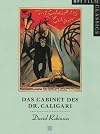
One of the BFI Film Classics series derived from the BFI's end of century list of 360 key films in the history of cinema, David Robinson's short but very well researched and useful account of 'Das Cabinet des Dr Caligari' (1920) is a persuasive exercise in historical revisionism.
The main finding is that the film looks a little less innovative when seen unisolated from film history and re-connected to the 'fashion', especially in contemporary theatre, for Expressionist acting and set design show more in Germany. It now looks more like an offshoot of a much wider artistic movement.
It is intriguing, for example, that a later unsuccessful attempt at a remake envisaged the same story line recast in surrealist terms, emphasising in this way that it was a script to be seen less as a unique contribution to cinema and more in market terms riding a popular interest in artistic fashion.
Robinson works hard to dig deeper into the original scripting which was perhaps more filmic in orientation and to give more credit for the final product to the decisions of the Director Robert Wiene and to his artistic team whose experience was very much theatrical.
This weakens the argument of those who see the film as cinematically great if you take Kracauer's point seriously in his theory of film that cinema should not ever be simply filmed theatre in order to be credibly cinematic. Kracauer was ironically the greatest proponent of Caligari's greatness.
This revisionism can go too far (though correct as far as it goes). The expressionist acting and set design may now seem more of an offshoot of something else, although creative in its own right, but the introduction of filmic Expressionism to a global audience was and is historically important.
If not quite the absolute paragon offered by mid-twentieth century film criticism, it still showed that a film made from an artistic milieu could stretch the boundaries of audience acceptance of the strange and so allow more potential for an imaginative cinema in the future.
Perhaps Caligari's mise en scene now looks more like an updated version of Melies' stage sets of two decades or so before and perhaps the staginess of its horror and fantasy stands up less well against 'The Golem' or 'The Student of Prague' but it remains a 'must see' of the silent cinema.
Robinson covers just about everything you need to know about this film including its reception overseas and still has space in its 74 pages for the full original script annotated with the considerable departures made by the Director for the final filmed version. show less
The main finding is that the film looks a little less innovative when seen unisolated from film history and re-connected to the 'fashion', especially in contemporary theatre, for Expressionist acting and set design show more in Germany. It now looks more like an offshoot of a much wider artistic movement.
It is intriguing, for example, that a later unsuccessful attempt at a remake envisaged the same story line recast in surrealist terms, emphasising in this way that it was a script to be seen less as a unique contribution to cinema and more in market terms riding a popular interest in artistic fashion.
Robinson works hard to dig deeper into the original scripting which was perhaps more filmic in orientation and to give more credit for the final product to the decisions of the Director Robert Wiene and to his artistic team whose experience was very much theatrical.
This weakens the argument of those who see the film as cinematically great if you take Kracauer's point seriously in his theory of film that cinema should not ever be simply filmed theatre in order to be credibly cinematic. Kracauer was ironically the greatest proponent of Caligari's greatness.
This revisionism can go too far (though correct as far as it goes). The expressionist acting and set design may now seem more of an offshoot of something else, although creative in its own right, but the introduction of filmic Expressionism to a global audience was and is historically important.
If not quite the absolute paragon offered by mid-twentieth century film criticism, it still showed that a film made from an artistic milieu could stretch the boundaries of audience acceptance of the strange and so allow more potential for an imaginative cinema in the future.
Perhaps Caligari's mise en scene now looks more like an updated version of Melies' stage sets of two decades or so before and perhaps the staginess of its horror and fantasy stands up less well against 'The Golem' or 'The Student of Prague' but it remains a 'must see' of the silent cinema.
Robinson covers just about everything you need to know about this film including its reception overseas and still has space in its 74 pages for the full original script annotated with the considerable departures made by the Director for the final filmed version. show less

This book is a must-read if you have an interest in Charlie Chaplin's life and extensive experiences at the birth of American Cinema. Robinson uses a multitude of sources to help give witness to the actor from many viewpoints and addresses the various inconsistencies found in Chaplin's own autobiography. For those interested in comparing the two, I recommend reading "My Autobiography" first.
"His Life and Art" is clearly written and includes many details about Chaplin's life, work habits, show more and influence on the film industry and the people around him. Other treats are sections of photos from his private and professional life as well as images of childhood photos and publicity flyers.
I thoroughly enjoyed this book and would recommend it as essential to any person interested in learning about Charlie Chaplin. show less
"His Life and Art" is clearly written and includes many details about Chaplin's life, work habits, show more and influence on the film industry and the people around him. Other treats are sections of photos from his private and professional life as well as images of childhood photos and publicity flyers.
I thoroughly enjoyed this book and would recommend it as essential to any person interested in learning about Charlie Chaplin. show less
This is an overview of pre-history of the cinema and the first twenty years, 1893-1913, of the American film industry. It doesn't go too deep, but is reasonably complete. Highly recommended.
Awards


You May Also Like


Associated Authors
Statistics
- Works
- 24
- Also by
- 4
- Members
- 652
- Popularity
- #38,720
- Rating
- 4.1
- Reviews
- 5
- ISBNs
- 205
- Languages
- 9
- Favorited
- 1
