
Walter Raleigh (1) (–1618)
Author of The Discovery of Guiana
For other authors named Walter Raleigh, see the disambiguation page.
About the Author
Image credit: Sir Walter Raleigh
Painting by Nicolas Hilliard, circa 1585
(Yorck Project)
Painting by Nicolas Hilliard, circa 1585
(Yorck Project)
Works by Walter Raleigh
The Discovery of Guiana: With Related Documents (Bedford Series in History and Culture) (2007) 41 copies
Sir Walter Ralegh: The Poems, Eith Other Verse from the Court of Elizabeth I (Everyman's Poetry) (1999) 9 copies
The Poems of Sir Walter Raleigh: Collected and Authenticated With Those of Sir Henry Wotton and Other Courtly Poets from 1540 to 1650 (2001) 8 copies
The discoverie of Guiana by Sir Walter Ralegh, 1596: And The discoveries of the world by Antonio Galvão, 1601 (1966) 8 copies
Sir Walter Raleigh 2 copies
The Nymph's Reply to the Shepherd (from The Norton Anthology of English Literature Volume 1) 2 copies
La ricerca dell'Eldorado 2 copies
Choice passages from the writings and letters of Sir Walter Raleigh : being a small sheaf of gleanings from a golden harvest (1892) 2 copies
Ralegh's Last Voyage: Being an Account Drawn Out of Contemporary Letters and Relations... (1932) 1 copy
Poems 1 copy
Associated Works
The Best Poems of the English Language: From Chaucer Through Robert Frost (2004) — Contributor — 1,243 copies, 3 reviews
World Poetry: An Anthology of Verse from Antiquity to Our Time (1998) — Contributor — 496 copies, 2 reviews
Christopher Marlowe: The Complete Poems and Translations (1971) — Contributor, some editions — 310 copies, 4 reviews
English Renaissance Poetry: A Collection of Shorter Poems from Skelton to Jonson (1963) — Contributor — 184 copies
Edexcel Poetry Anthology for Advanced subsidiary and advanced GCE examinations in English Literature (2000) — Contributor, some editions — 6 copies
An Evening of poetry at the Skinners' Hall : for the benefit of the Royal Hospital and Home for Incurables, 15th June 1973 — Contributor — 1 copy
Tagged
Common Knowledge
- Birthdate
- c. 1554
- Date of death
- 1618-10-29
- Gender
- male
- Occupations
- poet
soldier
explorer - Cause of death
- execution
- Nationality
- UK
- Birthplace
- East Budleigh, Devon, England, UK
- Place of death
- Westminster, London, England, UK
- Map Location
- England, UK
Members
Reviews

Abandon all Hope ye who enter History, July 23, 2006
The 'History of the World' (which, unfortunately, is incomplete in this collection) is a masterpiece of despair and contempt for the vanity of the world. (It is simply criminal that this book isn't currently available in its entirety.) This 'history', written while Ralegh was in prison, is a recollection of human stupidity, a treatise on the ever-recurring consequences of the worship of power. (Note that this edition of 'Selected Writings' show more uniformly uses Ralegh instead of Raleigh.)
"Tyranny is more bold, and feareth not to be known, but would be reputed honourable: for it is prosperum et felix scelus, a fortunate mischief, as long as it can subsist. There is no reward or honour (saith Peter Charron) assigned to those, that know how to increase, or preserve human nature: all honours, greatness, riches, dignities, empires, triumphs, trophies, are appointed for those, that know how to afflict, trouble, or destroy it. Caesar and Alexander, have unmade and slain, each of them, more than a million of men: but they made none, nor left none behind them. Such is the error of Man's judgment, in valuing things according to common opinion." (Book Five, Chapter 2:2.iv)
The Peter (or Pierre) Charron referred to here, I believe, is the friend of Montaigne who penned the skeptical 'Sagesse' and it is here, among these moralists, and not the historians, that Raleigh's book truly belongs. Like them, he uses Providence as a stick to beat senseless Man about the head, but for all that he seems to be without any real hope of deliverance.
Nor does Ralegh simply spare himself. He call Courtiers (and Ralegh, especially with Elizabeth I, was indeed a courtier) vermin and says of the tyrant Dionysius and those gathered around him:
"A cruel man he was, and a faithless; a great Poet, but a foolish one. He entertained Plato a while, but afterward, for speaking against his tyranny, he gave order to have him slain or sold for a slave. For he could endure no man, that flattered him not beyond measure. His Parasites therefore styled his cruelty, The hate of evil men; and his lawless slaughters, The ornaments and effects of his justice. True it is, that flatterers are a kind of vermin, which poison all the Princes of the World; and yet they prosper better, than the worthiest and valiantest men do: And I wonder not at it; for it is a world; and as our Saviour Christ hath told us, the world will love its own." (Book 5, Chapter 1, 4)
...Blood, sweat and tears on these pages, and not only those of others. As a man that flitted about the throne, our authors hands can't be entirely clean. His readers should be aware of that. But the main target of this contempt are Kings and those that lust after ruling and refuse to listen to anything 'unpleasant'. Of Darius, and the sound advice he was given by a Greek mercenary, our author says:
"But this discourse was so unpleasing to Darius (who had been accustomed to nothing so much as to his own praises, and to nothing so little as to hear the truth;) as he commanded that this poor Grecian should be presently slain:" (Book 4, Chapter 2:4)
It is no wonder that this contempt for his supposed betters landed him in prison of King James. (Our editor, Gerald Hammond, helpfully points out that James I found the History 'too saucy in censuring princes.') But it was this contempt for Kings, and perhaps also the underlining of their self-destructive vanity, that made him a favorite of the next generation (e.g., Oliver Cromwell and John Milton) of Englishmen. But this next generation is, I think, a step down from the court of the great Elizabeth - which has been, with justice, called the last Renaissance court in Europe. After Ralegh there is only religion, capitalism and revolution...
The cyclical nature of the rise and fall of Kings and Empires (and also, I should add, its horror) is also a recurring theme:
"For we have now greater Giants, for vice and injustice, than the world had in those days; for bodily strength, for cottages, and houses of clay and timber, we have raised Palaces of stone; we carve them, we paint them, and adorn them with gold; insomuch as men are rather known by their houses, than their houses by them; we are fallen from two dishes, to two hundred; from water, to wine and drunkenness; from the covering of our bodies with the skins of beasts, not only to silk and gold, but to the very skins of men. But to conclude this digression, Time will also take revenge of the excess, which it hath brought forth. ...Long time brought forth, longer time increased it, and a time, longer than the rest, shall overthrow it." (Book 5, Chapter 1:4.i)
This writing is magnificent. True, the trope of coming apocalypse and judgment occurs throughout the History:
"And as the Devil our most industrious enemy was ever most diligent: so is he now more laborious than ever: the long day of mankind drawing fast towards an evening, and the world's Tragedy and time near at an end." (Book 1, Chapter 5:8)
But Ralegh, I believe, is but another Renaissance skeptic, unconvinced of the existence of God, but supremely convinced of the necessity of religion; if one reads him in this manner one gets a clearer picture of the hopelessness that smolders throughout this book. Indeed, to find another despair so deep, in English letters, we need to turn to 'King Lear' of Shakespeare. Ralegh is the most underrated prose stylist of Elizabethan England. This is a literary masterpiece: four and a half stars; five for the publisher that reprints it in its entirety. show less
The 'History of the World' (which, unfortunately, is incomplete in this collection) is a masterpiece of despair and contempt for the vanity of the world. (It is simply criminal that this book isn't currently available in its entirety.) This 'history', written while Ralegh was in prison, is a recollection of human stupidity, a treatise on the ever-recurring consequences of the worship of power. (Note that this edition of 'Selected Writings' show more uniformly uses Ralegh instead of Raleigh.)
"Tyranny is more bold, and feareth not to be known, but would be reputed honourable: for it is prosperum et felix scelus, a fortunate mischief, as long as it can subsist. There is no reward or honour (saith Peter Charron) assigned to those, that know how to increase, or preserve human nature: all honours, greatness, riches, dignities, empires, triumphs, trophies, are appointed for those, that know how to afflict, trouble, or destroy it. Caesar and Alexander, have unmade and slain, each of them, more than a million of men: but they made none, nor left none behind them. Such is the error of Man's judgment, in valuing things according to common opinion." (Book Five, Chapter 2:2.iv)
The Peter (or Pierre) Charron referred to here, I believe, is the friend of Montaigne who penned the skeptical 'Sagesse' and it is here, among these moralists, and not the historians, that Raleigh's book truly belongs. Like them, he uses Providence as a stick to beat senseless Man about the head, but for all that he seems to be without any real hope of deliverance.
Nor does Ralegh simply spare himself. He call Courtiers (and Ralegh, especially with Elizabeth I, was indeed a courtier) vermin and says of the tyrant Dionysius and those gathered around him:
"A cruel man he was, and a faithless; a great Poet, but a foolish one. He entertained Plato a while, but afterward, for speaking against his tyranny, he gave order to have him slain or sold for a slave. For he could endure no man, that flattered him not beyond measure. His Parasites therefore styled his cruelty, The hate of evil men; and his lawless slaughters, The ornaments and effects of his justice. True it is, that flatterers are a kind of vermin, which poison all the Princes of the World; and yet they prosper better, than the worthiest and valiantest men do: And I wonder not at it; for it is a world; and as our Saviour Christ hath told us, the world will love its own." (Book 5, Chapter 1, 4)
...Blood, sweat and tears on these pages, and not only those of others. As a man that flitted about the throne, our authors hands can't be entirely clean. His readers should be aware of that. But the main target of this contempt are Kings and those that lust after ruling and refuse to listen to anything 'unpleasant'. Of Darius, and the sound advice he was given by a Greek mercenary, our author says:
"But this discourse was so unpleasing to Darius (who had been accustomed to nothing so much as to his own praises, and to nothing so little as to hear the truth;) as he commanded that this poor Grecian should be presently slain:" (Book 4, Chapter 2:4)
It is no wonder that this contempt for his supposed betters landed him in prison of King James. (Our editor, Gerald Hammond, helpfully points out that James I found the History 'too saucy in censuring princes.') But it was this contempt for Kings, and perhaps also the underlining of their self-destructive vanity, that made him a favorite of the next generation (e.g., Oliver Cromwell and John Milton) of Englishmen. But this next generation is, I think, a step down from the court of the great Elizabeth - which has been, with justice, called the last Renaissance court in Europe. After Ralegh there is only religion, capitalism and revolution...
The cyclical nature of the rise and fall of Kings and Empires (and also, I should add, its horror) is also a recurring theme:
"For we have now greater Giants, for vice and injustice, than the world had in those days; for bodily strength, for cottages, and houses of clay and timber, we have raised Palaces of stone; we carve them, we paint them, and adorn them with gold; insomuch as men are rather known by their houses, than their houses by them; we are fallen from two dishes, to two hundred; from water, to wine and drunkenness; from the covering of our bodies with the skins of beasts, not only to silk and gold, but to the very skins of men. But to conclude this digression, Time will also take revenge of the excess, which it hath brought forth. ...Long time brought forth, longer time increased it, and a time, longer than the rest, shall overthrow it." (Book 5, Chapter 1:4.i)
This writing is magnificent. True, the trope of coming apocalypse and judgment occurs throughout the History:
"And as the Devil our most industrious enemy was ever most diligent: so is he now more laborious than ever: the long day of mankind drawing fast towards an evening, and the world's Tragedy and time near at an end." (Book 1, Chapter 5:8)
But Ralegh, I believe, is but another Renaissance skeptic, unconvinced of the existence of God, but supremely convinced of the necessity of religion; if one reads him in this manner one gets a clearer picture of the hopelessness that smolders throughout this book. Indeed, to find another despair so deep, in English letters, we need to turn to 'King Lear' of Shakespeare. Ralegh is the most underrated prose stylist of Elizabethan England. This is a literary masterpiece: four and a half stars; five for the publisher that reprints it in its entirety. show less

It is a happy coincidence when two separate reading projects come together in one book, and even more happy when the book is as good as this one. The book was edited by Agnes Latham and was published in 1951; the subject is the poems of Sir Walter Ralegh, many of which were thought to be in circulation during the period 1587- 1592. The dating of Raleghs poetry is difficult as none of them were submitted for publication; he has been called an amateur poet (but not by Agnes Latham) because he show more probably never intended that they should be read outside the group of courtiers surrounding Queen Elizabeth. None were printed during his lifetime and they were not collected after his death. They appear in various later collections and many have been dubiously attributed to Ralegh by those editors. They were of course written in manuscript form and when these survive, the authorship can be guessed from examples of the handwriting, although a knowledge of the professional scribes would be extremely useful.
From the poetry that has been collected and attributed by Agnes Latham; Ralegh is clearly not an amateur poet in the sense that his work is incompetent or inept. It could also be argued that they are not un- professional, because poetry to some extent was the lingua franca of the Elizabethan court and Raleghs poems were professional in the extreme. He was after favours from the queen and inept or incompetent poems would not have cut it. His poetry was admired by his contemporaries and he had something of a champion in his corner, the great English poet Edmund Spenser. There does also seem to have been a rush by later editors to attribute poems to Ralegh and this maybe because Ralegh's poems speak more clearly to contemporary readers. They can burst out from their courtly confines; putting personal feelings ahead of aesthetic sense. The reader catches more than a glimpse of the man behind the poetry and for that reason it is useful to know some of the history of the man himself.
After a brief introduction Agnes Latham launches right into a potted history. He owed his position at Elizabeth's court through his intelligence, his zeal and his ability to play the power games that were a feature amongst Elizabeth's entourage. It was mostly about pleasing and doing the Queens bidding and of course providing entertainment for her majesty, the courtiers vied to become among her favourites and Ralegh without the benefit of a powerful family succeeded in becoming captain of the Yeoman of the guard, with much access to the queen herself. His other exploits as an adventurer, discoverer, coloniser and spy, do not seen to have provided him with much inspiration for poetry. His poetry was all about providing a proxy love to the virgin queen and then expressing regret when it was all over. Ralegh's career as a courtier was almost over by 1592 when he fell out of favour and attempts to get back in the queens good graces were unsuccessful. He threw himself into the discovery of new lands with a voyage of exploration to Guiana perhaps with thoughts of buying his way back into the court.
Agnes Latham attributes 41 existent poems to Ralegh, but some of them are hardly more than epigrams. In a separate section of notes she provides details of her sources for each of the poems, sometimes with short comments on the subject matter and perhaps an attempt to place the poem along the time line of Ralegh's life. Ralegh was a translator and like all good authors of the time, intent on plundering earlier sources for inspiration, and where this is obvious Latham provides a copy of the original work. Latham does not skate over the difficulties in editing the poems and one can only admire her energy in researching the originals, because for some of the more popular poems there are plenty of alternative versions. By far the longest poem is 'The 11th: and last booke of the Ocean to Scinthia' and Latham says:
"I have not attempted to interpret difficult passages. Neither careless scribe or meddlesome printer come between reader and the text, which is, so far as I can reproduce it, what the author wrote. The problems are simply problems of interpretation; matters for the most part upon which a reader prefers his own opinion to any one else's. The meaning in several places is very dark and I cannot claim that I am more enlightened than another"
Well I can vouch for the fact that this is a difficult poem. Fortunately perhaps the previous ten books are non-existent, apart from Ralegh there is no evidence that anybody had read the previous books. Perhaps they were never written, the subject matter is a sort of homage to Queen Elizabeth with a more popular title being 'The ocean's love for Cynthia'; Cynthia being Queen Elizabeth. Perhaps even Ralegh shied away from writing ten volumes in praise of the Queen. The poem is not without interest, as there are some good passages.
Latham refers to some of the poetry as being very dark and certainly as Ralegh started his fall from grace his poetry becomes melancholy and even a little bitter. He was not frightened of writing what he felt, and because of the political nature of the poems he shied away from publication. There are some good love poems, there are plenty on the subject of the wiser adult looking back with envy on his youth and ageing and death never seem far away.
This is an excellent publication for anyone that wants to get more up close and personal with Sir Walter Raleghs poetry and a five star read.
This is one of the most famous poems
The Lie
BY SIR WALTER RALEGH
Go, soul, the body’s guest,
Upon a thankless errand;
Fear not to touch the best;
The truth shall be thy warrant.
Go, since I needs must die,
And give the world the lie.
Say to the court, it glows
And shines like rotten wood;
Say to the church, it shows
What’s good, and doth no good.
If church and court reply,
Then give them both the lie.
Tell potentates, they live
Acting by others’ action;
Not loved unless they give,
Not strong but by a faction.
If potentates reply,
Give potentates the lie.
Tell men of high condition,
That manage the estate,
Their purpose is ambition,
Their practice only hate.
And if they once reply,
Then give them all the lie.
Tell them that brave it most,
They beg for more by spending,
Who, in their greatest cost,
Seek nothing but commending.
And if they make reply,
Then give them all the lie.
Tell zeal it wants devotion;
Tell love it is but lust;
Tell time it is but motion;
Tell flesh it is but dust.
And wish them not reply,
For thou must give the lie.
Tell age it daily wasteth;
Tell honor how it alters;
Tell beauty how she blasteth;
Tell favor how it falters.
And as they shall reply,
Give every one the lie.
Tell wit how much it wrangles
In tickle points of niceness;
Tell wisdom she entangles
Herself in overwiseness.
And when they do reply,
Straight give them both the lie.
Tell physic of her boldness;
Tell skill it is pretension;
Tell charity of coldness;
Tell law it is contention.
And as they do reply,
So give them still the lie.
Tell fortune of her blindness;
Tell nature of decay;
Tell friendship of unkindness;
Tell justice of delay.
And if they will reply,
Then give them all the lie.
Tell arts they have no soundness,
But vary by esteeming;
Tell schools they want profoundness,
And stand too much on seeming.
If arts and schools reply,
Give arts and schools the lie.
Tell faith it’s fled the city;
Tell how the country erreth;
Tell manhood shakes off pity;
Tell virtue least preferreth.
And if they do reply,
Spare not to give the lie.
So when thou hast, as I
Commanded thee, done blabbing—
Although to give the lie
Deserves no less than stabbing—
Stab at thee he that will,
No stab the soul can kill. show less
From the poetry that has been collected and attributed by Agnes Latham; Ralegh is clearly not an amateur poet in the sense that his work is incompetent or inept. It could also be argued that they are not un- professional, because poetry to some extent was the lingua franca of the Elizabethan court and Raleghs poems were professional in the extreme. He was after favours from the queen and inept or incompetent poems would not have cut it. His poetry was admired by his contemporaries and he had something of a champion in his corner, the great English poet Edmund Spenser. There does also seem to have been a rush by later editors to attribute poems to Ralegh and this maybe because Ralegh's poems speak more clearly to contemporary readers. They can burst out from their courtly confines; putting personal feelings ahead of aesthetic sense. The reader catches more than a glimpse of the man behind the poetry and for that reason it is useful to know some of the history of the man himself.
After a brief introduction Agnes Latham launches right into a potted history. He owed his position at Elizabeth's court through his intelligence, his zeal and his ability to play the power games that were a feature amongst Elizabeth's entourage. It was mostly about pleasing and doing the Queens bidding and of course providing entertainment for her majesty, the courtiers vied to become among her favourites and Ralegh without the benefit of a powerful family succeeded in becoming captain of the Yeoman of the guard, with much access to the queen herself. His other exploits as an adventurer, discoverer, coloniser and spy, do not seen to have provided him with much inspiration for poetry. His poetry was all about providing a proxy love to the virgin queen and then expressing regret when it was all over. Ralegh's career as a courtier was almost over by 1592 when he fell out of favour and attempts to get back in the queens good graces were unsuccessful. He threw himself into the discovery of new lands with a voyage of exploration to Guiana perhaps with thoughts of buying his way back into the court.
Agnes Latham attributes 41 existent poems to Ralegh, but some of them are hardly more than epigrams. In a separate section of notes she provides details of her sources for each of the poems, sometimes with short comments on the subject matter and perhaps an attempt to place the poem along the time line of Ralegh's life. Ralegh was a translator and like all good authors of the time, intent on plundering earlier sources for inspiration, and where this is obvious Latham provides a copy of the original work. Latham does not skate over the difficulties in editing the poems and one can only admire her energy in researching the originals, because for some of the more popular poems there are plenty of alternative versions. By far the longest poem is 'The 11th: and last booke of the Ocean to Scinthia' and Latham says:
"I have not attempted to interpret difficult passages. Neither careless scribe or meddlesome printer come between reader and the text, which is, so far as I can reproduce it, what the author wrote. The problems are simply problems of interpretation; matters for the most part upon which a reader prefers his own opinion to any one else's. The meaning in several places is very dark and I cannot claim that I am more enlightened than another"
Well I can vouch for the fact that this is a difficult poem. Fortunately perhaps the previous ten books are non-existent, apart from Ralegh there is no evidence that anybody had read the previous books. Perhaps they were never written, the subject matter is a sort of homage to Queen Elizabeth with a more popular title being 'The ocean's love for Cynthia'; Cynthia being Queen Elizabeth. Perhaps even Ralegh shied away from writing ten volumes in praise of the Queen. The poem is not without interest, as there are some good passages.
Latham refers to some of the poetry as being very dark and certainly as Ralegh started his fall from grace his poetry becomes melancholy and even a little bitter. He was not frightened of writing what he felt, and because of the political nature of the poems he shied away from publication. There are some good love poems, there are plenty on the subject of the wiser adult looking back with envy on his youth and ageing and death never seem far away.
This is an excellent publication for anyone that wants to get more up close and personal with Sir Walter Raleghs poetry and a five star read.
This is one of the most famous poems
The Lie
BY SIR WALTER RALEGH
Go, soul, the body’s guest,
Upon a thankless errand;
Fear not to touch the best;
The truth shall be thy warrant.
Go, since I needs must die,
And give the world the lie.
Say to the court, it glows
And shines like rotten wood;
Say to the church, it shows
What’s good, and doth no good.
If church and court reply,
Then give them both the lie.
Tell potentates, they live
Acting by others’ action;
Not loved unless they give,
Not strong but by a faction.
If potentates reply,
Give potentates the lie.
Tell men of high condition,
That manage the estate,
Their purpose is ambition,
Their practice only hate.
And if they once reply,
Then give them all the lie.
Tell them that brave it most,
They beg for more by spending,
Who, in their greatest cost,
Seek nothing but commending.
And if they make reply,
Then give them all the lie.
Tell zeal it wants devotion;
Tell love it is but lust;
Tell time it is but motion;
Tell flesh it is but dust.
And wish them not reply,
For thou must give the lie.
Tell age it daily wasteth;
Tell honor how it alters;
Tell beauty how she blasteth;
Tell favor how it falters.
And as they shall reply,
Give every one the lie.
Tell wit how much it wrangles
In tickle points of niceness;
Tell wisdom she entangles
Herself in overwiseness.
And when they do reply,
Straight give them both the lie.
Tell physic of her boldness;
Tell skill it is pretension;
Tell charity of coldness;
Tell law it is contention.
And as they do reply,
So give them still the lie.
Tell fortune of her blindness;
Tell nature of decay;
Tell friendship of unkindness;
Tell justice of delay.
And if they will reply,
Then give them all the lie.
Tell arts they have no soundness,
But vary by esteeming;
Tell schools they want profoundness,
And stand too much on seeming.
If arts and schools reply,
Give arts and schools the lie.
Tell faith it’s fled the city;
Tell how the country erreth;
Tell manhood shakes off pity;
Tell virtue least preferreth.
And if they do reply,
Spare not to give the lie.
So when thou hast, as I
Commanded thee, done blabbing—
Although to give the lie
Deserves no less than stabbing—
Stab at thee he that will,
No stab the soul can kill. show less
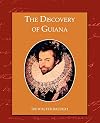
"Guiana is a country that hath yet her maidenhead, never sacked, turned, nor wrought; the face of the earth hath not been torn... The graves have not been opened for gold, the mines not broken with sledges, nor their images pulled down out of their temples."
Don't worry folks, Sir Walt is here to correct that horrible situation. Luckily he failed, unluckily there's nothing of interest in this short account of his failure. I was hoping at least for some craziness like in [b:The Travels of Sir show more John Mandeville|964338|The Travels of Sir John Mandeville|John Mandeville|https://images.gr-assets.com/books/1311647809s/964338.jpg|984851] but there's only a passing mention of the Amazons and the headless Ewaipanoma.
He doesn't even claim to have any first hand knowledge of them, Mandeville's outrageous lies where at least mildly entertaining. show less
Don't worry folks, Sir Walt is here to correct that horrible situation. Luckily he failed, unluckily there's nothing of interest in this short account of his failure. I was hoping at least for some craziness like in [b:The Travels of Sir show more John Mandeville|964338|The Travels of Sir John Mandeville|John Mandeville|https://images.gr-assets.com/books/1311647809s/964338.jpg|984851] but there's only a passing mention of the Amazons and the headless Ewaipanoma.
He doesn't even claim to have any first hand knowledge of them, Mandeville's outrageous lies where at least mildly entertaining. show less
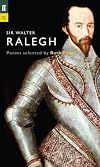
I must admit I had no idea Sir Walter Ralegh (alternatively spelt Raleigh) was a poet. This volume is interesting as it outlines the purpose of such poetry as a form of "appropriate" court communication that would otherwise be unacceptable in ordinary speech. The book includes some of the poetic responses to Ralegh's work, especially from Queen Elizabeth and Ralegh's arch-rival, Robert Devereux, 2nd Earl of Essex. These two engaged in literary as well as political struggles. From what I have show more read about Ralegh, he was a key figure in the English Renaissance, and many members of the aristocracy dabbled in poetry. This book includes some of Ralegh's translations of classical Greek and Roman works into rhyming poetry, no doubt reflecting his education at Oxford (which was never completed). The ABAB rhyme scheme was quite common in many of the works, but several of the poems include ABBA and ABABCC rhyme schemes in the stanzas. I was surprised that such rigid rhyme schemes were used and the book develops a sort of rhythm that only appears to be interrupted in the section where poems "attributed" to Ralegh seem to miss a few beats. Two poems by Sir Henry Wotton, "The Character of a Happy Life" (p. 109) and "Upon the Sudden Restraint of the Earl of Somerset, then Falling from Favour" (p. 111) are worthy of quoting (respectively):
How happy is he born and taught, That serveth not another's will... This man is freed from servile bands, Of hope to rise or fear to fall, Lord of himself, though not of lands, And, having nothing, yet hath all.And:
Virtue is the roughest way, But proves at night a bed of down.I sense some Stoic training in these lines. Wotton was a member of the House of Commons and an English diplomat before becoming provost of Eton College. From this small snippet of history, there is little wonder that Shakespeare emerged during this period, often regarded as the height of the English Renaissance. It was interesting to see Ralegh's use of smoke (from tobacco) and smoking pipes in his poems. Surprising, too, that Shakespeare died two years before Ralegh, supposedly from drinking, whereas Ralegh was beheaded. One of the many smoking stories about Ralegh suggests that he was nonchalantly smoking his pipe in the window of his cell in the Tower of London as he watched Essex being executed. I have generally avoided this period in history as I am yet to do a cover to cover reading of Thomas Hobbes Leviathan, and I am dreading a reading of the tome of Shakespeare's complete collection that is sitting there waiting for me when I can read without distraction. Yet all roads in English literature are leading to this period in history, and it was a pleasant surprise to learn something new about someone I had only ever known in the history books as a soldier and a maritime explorer. show less
Lists
Awards


You May Also Like


Associated Authors
Statistics
- Works
- 58
- Also by
- 30
- Members
- 501
- Popularity
- #49,398
- Rating
- 4.1
- Reviews
- 8
- ISBNs
- 86
- Languages
- 2
- Favorited
- 2
