
Morio Kita (1927–2011)
Author of The House of Nire
About the Author
Image credit: Morio Kita (c.1960) By 旺文社 撮影者不明 - 旺文社『高校時代』10月号(1960), Public Domain, https://commons.wikimedia.org/w/index.php?curid=56277060
Works by Morio Kita
星のない街路 2 copies
牧神の午後 1 copy
さびしい王様 1 copy
船乗りぷくぷくの冒険 1 copy
遙かな国 遠い国 1 copy
Sunfish toy box and (4-16 Ki Mass Market Paperback) (1977) ISBN: 4101131163 [Japanese Import] 1 copy
Um Hospício no Japão 1 copy
Boku no ojisan (ぼくのおじさん) 1 copy
Sabishí ósama (さびしい王様) 1 copy
怪盗ジバゴ (1967年) 1 copy
高みの見物 1 copy
Associated Works
Tagged
Common Knowledge
- Canonical name
- Kita, Morio
- Legal name
- Sōkichi, Saitō
- Birthdate
- 1927-05-01
- Date of death
- 2011-10-24
- Gender
- male
- Nationality
- Japan
- Associated Place (for map)
- Japan
Members
Reviews
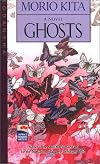
Morio Kita wrote this book and House of Nire, which is much longer. Ghosts is a good introduction to his singular style. It is very mellifluent, and not a chore to read. You could call the plot slow, or even glacial, but what matters is the accumulation of details, which is immense. Even though this is an average-length novel, and a typical first-person bildungsroman, there are a lot of unique perspectives, like a shifting kaleidoscope, offered by the gradually maturing narrator. The show more narrator is as concerned with insects and butterflies as about the terrible deaths of the people around him.
To give you an idea of the extended metaphors and exquisite tension in the book, here is my favorite passage:
I often thought, when I was small, how I would at last be accepted by people when I was grown up, too, but now I was actually approaching that age my sense of alienation from them all became, if anything, even deeper. Trying to ignore the heaviness in my head, I walked faster, feeling like a puppet under somebody's else's control. I remembered having this feeling once before. It was like a child flying a kite, so passionately absorbed in it that he goes on until the light begins to fade, even though he's terrified of the dark. The kite is about as big as he is, and the cold wind tugs at his collar; and then he notices the world about him and begins to drag down the kite, floating high up in the sky. With one eye on the darkness gradually closing in, he feverishly winds and winds the string. The string tangles, caught perhaps in the withered grass of the wide field, but he goes on winding and winding without end, and the string keeps appearing endlessly out of the surrounding dark. He bites his lip to hold back the tears and he keeps on winding, urgently, despairingly, almost as if the string were moving him. And I felt the same thing now, when all that mattered was to keep on moving, moving one's arms and legs.
By sinking in with this novel, you will gain a sense of impending death, which surrounds the main character like a dark fog. Due to the similarities between this work and the setting of The House of Nire, I think it is safe to conclude that they are both to some degree autobiographical. If you like Anaiis Nin, you will get some of the same feeling from immersing yourself in this book. I would rank this book very highly and greatly look forward to embarking on reading the monolithic House of Nire soon. show less
To give you an idea of the extended metaphors and exquisite tension in the book, here is my favorite passage:
I often thought, when I was small, how I would at last be accepted by people when I was grown up, too, but now I was actually approaching that age my sense of alienation from them all became, if anything, even deeper. Trying to ignore the heaviness in my head, I walked faster, feeling like a puppet under somebody's else's control. I remembered having this feeling once before. It was like a child flying a kite, so passionately absorbed in it that he goes on until the light begins to fade, even though he's terrified of the dark. The kite is about as big as he is, and the cold wind tugs at his collar; and then he notices the world about him and begins to drag down the kite, floating high up in the sky. With one eye on the darkness gradually closing in, he feverishly winds and winds the string. The string tangles, caught perhaps in the withered grass of the wide field, but he goes on winding and winding without end, and the string keeps appearing endlessly out of the surrounding dark. He bites his lip to hold back the tears and he keeps on winding, urgently, despairingly, almost as if the string were moving him. And I felt the same thing now, when all that mattered was to keep on moving, moving one's arms and legs.
By sinking in with this novel, you will gain a sense of impending death, which surrounds the main character like a dark fog. Due to the similarities between this work and the setting of The House of Nire, I think it is safe to conclude that they are both to some degree autobiographical. If you like Anaiis Nin, you will get some of the same feeling from immersing yourself in this book. I would rank this book very highly and greatly look forward to embarking on reading the monolithic House of Nire soon. show less
Ghosts by Morio Kita

An interesting novel about how the author's childhood memories, especially about his dead sister and disappeared mother, mold his teenage years and beyond

Awards


You May Also Like


Associated Authors
Statistics
- Works
- 56
- Also by
- 2
- Members
- 253
- Popularity
- #90,474
- Rating
- 3.7
- Reviews
- 3
- ISBNs
- 54
- Languages
- 3