
Kenneth Rexroth (1905–1982)
Author of One Hundred Poems from the Japanese
About the Author
Kenneth Rexroth was born in South Bend, Indiana, and worked at a wide variety of jobs, being largely self-educated. In the late 1950s, he won a number of awards, including an Amy Lowell Travelling Fellowship, the Shelley Memorial Award, and a National Institute of Arts and Letters Literature Award. show more He translated widely, mainly from the Japanese, and wrote a lively account of his life, An Autobiographical Novel. His work influenced many younger poets, such as Snyder, and continued in part the traditions of imagism and objectivism. A critic as well as a poet, his collections of essays include American Poetry in the Twentieth Century (1971) and Communalism: From Its Origins to the Twentieth Century (1975). (Bowker Author Biography) show less
Image credit: Brief Poems
Works by Kenneth Rexroth
Penguin Modern Poets 9: Denise Levertov, Kenneth Rexroth, William Carlos Williams (1971) — Author — 65 copies
Written on the Sky: Poems from the Japanese (New Directions Paperbook) (2009) — Translator — 34 copies
Poetry Readings in the Cellar 4 copies
The Collected Longer Poems by Rexroth, Kenneth published by W W Norton & Co Inc Paperback (1970) 2 copies
Le San Francisco de Kenneth Rexroth 2 copies
Perspectives USA Volume 10 1 copy
In defence of the earth 1 copy
Lovers who feed the goldfish in the Fontaine de Medicis will always be true to one another 1 copy, 1 review
Revisitar os Clássicos 1 copy
Gödel's Proof 1 copy
Rexroth's Greatest Interview 1 copy
Rictus 1 copy
Thou Shalt Not Kill 1 copy
Essays 1 copy
Excerpts from a Life 1 copy
Associated Works
A Book of Luminous Things: An International Anthology of Poetry (1996) — Contributor — 942 copies, 12 reviews
Anthology of Japanese Literature: From the Earliest Era to the Mid-Nineteenth Century (1960) — Translator — 806 copies
American Poetry: The Twentieth Century, Volume Two: E. E. Cummings to May Swenson (2000) — Contributor — 442 copies, 1 review
19 Ways of Looking at Wang Wei: How a Chinese Poem is Translated (1987) — Translator — 322 copies, 10 reviews
Poetry in crystal; interpretations in crystal of thirty-one new poems by contemporary American poets (1963) — Contributor — 21 copies
The Serpent and the Fire: Poetries of the Americas from Origins to Present (2024) — Contributor — 17 copies
Possibilities of Poetry: An Anthology of American Contemporaries (1970) — Contributor — 17 copies, 1 review
New World Writing: Fifth Mentor Selection - Fiction, Drama, Poetry, Criticism (1954) — Contributor — 9 copies
Foot Magazine #2 — Contributor — 2 copies
San Francisco poets [sound recording] — Contributor — 1 copy
The Kronstadt Revolt: The Flower of the Revolution Crushed by the Bolsheviks (2021) — Contributor — 1 copy, 1 review
Tagged
Common Knowledge
- Canonical name
- Rexroth, Kenneth
- Legal name
- Rexroth, Kenneth Charles Marion
- Other names
- Marichiko
- Birthdate
- 1905-12-22
- Date of death
- 1982-06-06
- Gender
- male
- Education
- Art Institute of Chicago
- Occupations
- poet
translator
essayist
postulant
teacher - Awards and honors
- Shelley Memorial Award (1957/1958)
Amy Lowell Travelling Fellowship in Poetry (1958-1959)
Copernicus Award (1975)
American Academy of Arts and Letters Academy Award (Literature ∙ 1964)
American Academy of Arts and Letters (Literature ∙ 1969) - Relationships
- Laughlin, James (friend)
- Nationality
- USA
- Birthplace
- South Bend, Indiana, USA
- Places of residence
- South Bend, Indiana, USA
Chicago, Illinois, USA
New York, New York, USA
Poughkeepsie, New York, USA
San Francisco, California, USA
Santa Barbara, California, USA - Place of death
- Santa Barbara, California, USA
- Burial location
- Santa Barbara Cemetery Association, Santa Barbara, California, USA
- Map Location
- Indiana, USA
Members
Reviews
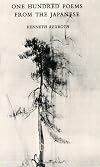
An ideal introduction to classical Japanese poetry, if my own experience is anything to go by. Rexroth's introductory essay won me over pretty easily by pointing out that the differences between Japanese and 'Western' poetry aren't all that great (though he wasted some of my good will by then describing Japanese poetry as "purer, more essentially poetic... less distracted by non-poetic considerations," which is like saying that my kitchen table is less distracted by non-table considerations show more than your picnic bench.
More importantly, the essay explains the forms, puts them in historical context, deals with some of the problems a reader is likely to encounter (not many unless you really need to know every implication of every word).
Rexroth's selection is very good: even if, like me, you grow easily bored by love poetry, you'll soon find something more to your taste.
I go out of the darkness
Onto a road of darkness
Lit only by the far off
Moon on the edge of the mountains (Izumi Shikibu)
Or,
As certain as color
Passes from the petal,
Irrevocable as flesh,
The gazing eye falls through the world. (Ono No Komachi)
Or even a love poem metallic enough for my pallet:
I dreamed I held
A sword against my flesh.
What does it mean?
It means I shall see you soon. (Lady Kasa)
And then there are the mini biographies at the end of the text, which are informative and sometimes helpful for understanding the poems; the lovely production of the book itself; and the very odd idea of including representations of Japanese pronunciation, which I suspect doesn't really help anyone, but is still charming. Lady's Kasa's poem supposedly runs:
Tsurugi tachi
Mi ni tori sou to
Ime ni mitsu
Nani no satoshi zomo
Kimi ni awamu tame
Now for anyone who doesn't know Japanese, and possibly even for people who do, that is *truly* the essence of poetry, unalloyed by extra-poetical considerations like, you know. Meaning.
So, to state the obvious, I have no idea how well Rexroth has translated these poems. But I do know that his versions are readable and coherent.
The white chrysanthemum
Is disguised by the first frost.
If I wanted to pick one
I could find it only by chance. (Oshikochi No Mitsune) show less
More importantly, the essay explains the forms, puts them in historical context, deals with some of the problems a reader is likely to encounter (not many unless you really need to know every implication of every word).
Rexroth's selection is very good: even if, like me, you grow easily bored by love poetry, you'll soon find something more to your taste.
I go out of the darkness
Onto a road of darkness
Lit only by the far off
Moon on the edge of the mountains (Izumi Shikibu)
Or,
As certain as color
Passes from the petal,
Irrevocable as flesh,
The gazing eye falls through the world. (Ono No Komachi)
Or even a love poem metallic enough for my pallet:
I dreamed I held
A sword against my flesh.
What does it mean?
It means I shall see you soon. (Lady Kasa)
And then there are the mini biographies at the end of the text, which are informative and sometimes helpful for understanding the poems; the lovely production of the book itself; and the very odd idea of including representations of Japanese pronunciation, which I suspect doesn't really help anyone, but is still charming. Lady's Kasa's poem supposedly runs:
Tsurugi tachi
Mi ni tori sou to
Ime ni mitsu
Nani no satoshi zomo
Kimi ni awamu tame
Now for anyone who doesn't know Japanese, and possibly even for people who do, that is *truly* the essence of poetry, unalloyed by extra-poetical considerations like, you know. Meaning.
So, to state the obvious, I have no idea how well Rexroth has translated these poems. But I do know that his versions are readable and coherent.
The white chrysanthemum
Is disguised by the first frost.
If I wanted to pick one
I could find it only by chance. (Oshikochi No Mitsune) show less
43. One Hundred Poems from the Japanese by Kenneth Rexroth
OPD: 1955
format: 148-page New Directions 1964 paperback
acquired: inherited from my grandmother in 2004 read: July 22 – Aug 5 time reading: 2:40, 1.1 mpp
rating: 4½
genre/style: Poetry theme: Poetry
about the author: (1905–1982) A self-educated American poet, translator, and critical essayist, regarded as a central figure in the San Francisco Renaissance. He was dubbed the "Father of the Beats" by Time magazine. He was born in South show more Bend, Indiana.
Hasegawa Tohaku (cover artist), David Ford (cover designer)
authors: Yamabe no Akahito, Akazome Emon, Bunya no Asayasu, Fujiwara no Astutada, Ō-e no Chisato, The Monk Eikei, The Abbot Henjō, Kakinomoto no Hitomaro, Lady Horikawa, Lady Ise, Lady Izumi Shikibu, The Monk Jajuren, Minamoto no Kanemasa, Taira no Kanemori, Fujiwara no Go-Kanesuke, Lady Kasa, The Prime Minister Kintsune, Fujiwara no Kiyosuke, The Emperor Kōkō , Ono no Komachi, Fujiwara no Go-Kyōgoku, Fujiwara no Masatsune, Fujiwara no Michinobu, The Mother of the Commander Michitsuna, Ōshikochi no Mitsune, Minamoto no Morotada, Fujiwara no Mototoshi, Prince Motoyoshi, Minamoto no Muneyuki, Lady Murasaki Shikibu, Ariwara no Narihira, The Monk Nōin, The Monk Ryōzen, Fujiwara no Sadaie, Fujiwara no Sadayori, Lady Ōtomo no Sakanoe, Fujiwara no Sanesada, The Shōgun Minamoto no Sanetomo, The Emperor Sanjō, The Priest Sarumaru, Lady Sei Shōnagon, The Monk Shun-e, The Monk Sosei, The Stewardess of the Empress Kōka, The Lady Suo, Mibu no Tadami, Fujiwara no Tadamichi, Mibu no Tadamine, Ki no Tomonori, Minamoto no Tōru, The Priest Fujiwara no Toshinari, Fujiwara no Toshiyuki, Minamoto no Tsunenobu, Harumichi no Tsuraki, Ki no Tsurayuki, The Emperor Uda, Lady Ukon, Otomo no Yakamochi, The Empress Yamatohime, Ōnakatomi no Yoshinobu, The Emperor Yōzei, Ariwara no Yukihira
I had forgotten I inherited this. When my grandmother was getting rid of everything, I asked for books. She had been a traveler, and a collector of Asian art, and this book was, in a way, part of that visual collection, dating from when my grandfather was still alive. He had passed away in 1976. She would pass later the same year she sent me a bunch of her stuff, having become a widow twice.
As for the book itself, well, it's Rexroth's recreation, his own impression of Japanese classic poetry, all of these works dating back around 1000 years, some back to the 600's, what Rexroth considered the most open age of Japanese poetry.
It's a gorgeous book. Visually, each page is gorgeous. Each has the text, in English, then the Japanese transliterated only, in Latin letters, then the author's name in Japanese calligraphy. With a lot of white space. The sense, while reading, is visual. The poems are all so short, a compression of multi-meaning sparse impressions. Rexroth includes mini-biographies of each author in the back, which adds some needed weight for lost a reader like me. I don't know anything about Japanese, or Japanese poetry, or anything about ancient Japanese history. I had no context for these. I enjoyed them, even if they didn't stick. I enjoyed looking at them.
2023
https://www.librarything.com/topic/351556#8208850 show less
OPD: 1955
format: 148-page New Directions 1964 paperback
acquired: inherited from my grandmother in 2004 read: July 22 – Aug 5 time reading: 2:40, 1.1 mpp
rating: 4½
genre/style: Poetry theme: Poetry
about the author: (1905–1982) A self-educated American poet, translator, and critical essayist, regarded as a central figure in the San Francisco Renaissance. He was dubbed the "Father of the Beats" by Time magazine. He was born in South show more Bend, Indiana.
Hasegawa Tohaku (cover artist), David Ford (cover designer)
authors: Yamabe no Akahito, Akazome Emon, Bunya no Asayasu, Fujiwara no Astutada, Ō-e no Chisato, The Monk Eikei, The Abbot Henjō, Kakinomoto no Hitomaro, Lady Horikawa, Lady Ise, Lady Izumi Shikibu, The Monk Jajuren, Minamoto no Kanemasa, Taira no Kanemori, Fujiwara no Go-Kanesuke, Lady Kasa, The Prime Minister Kintsune, Fujiwara no Kiyosuke, The Emperor Kōkō , Ono no Komachi, Fujiwara no Go-Kyōgoku, Fujiwara no Masatsune, Fujiwara no Michinobu, The Mother of the Commander Michitsuna, Ōshikochi no Mitsune, Minamoto no Morotada, Fujiwara no Mototoshi, Prince Motoyoshi, Minamoto no Muneyuki, Lady Murasaki Shikibu, Ariwara no Narihira, The Monk Nōin, The Monk Ryōzen, Fujiwara no Sadaie, Fujiwara no Sadayori, Lady Ōtomo no Sakanoe, Fujiwara no Sanesada, The Shōgun Minamoto no Sanetomo, The Emperor Sanjō, The Priest Sarumaru, Lady Sei Shōnagon, The Monk Shun-e, The Monk Sosei, The Stewardess of the Empress Kōka, The Lady Suo, Mibu no Tadami, Fujiwara no Tadamichi, Mibu no Tadamine, Ki no Tomonori, Minamoto no Tōru, The Priest Fujiwara no Toshinari, Fujiwara no Toshiyuki, Minamoto no Tsunenobu, Harumichi no Tsuraki, Ki no Tsurayuki, The Emperor Uda, Lady Ukon, Otomo no Yakamochi, The Empress Yamatohime, Ōnakatomi no Yoshinobu, The Emperor Yōzei, Ariwara no Yukihira
I had forgotten I inherited this. When my grandmother was getting rid of everything, I asked for books. She had been a traveler, and a collector of Asian art, and this book was, in a way, part of that visual collection, dating from when my grandfather was still alive. He had passed away in 1976. She would pass later the same year she sent me a bunch of her stuff, having become a widow twice.
As for the book itself, well, it's Rexroth's recreation, his own impression of Japanese classic poetry, all of these works dating back around 1000 years, some back to the 600's, what Rexroth considered the most open age of Japanese poetry.
It's a gorgeous book. Visually, each page is gorgeous. Each has the text, in English, then the Japanese transliterated only, in Latin letters, then the author's name in Japanese calligraphy. With a lot of white space. The sense, while reading, is visual. The poems are all so short, a compression of multi-meaning sparse impressions. Rexroth includes mini-biographies of each author in the back, which adds some needed weight for lost a reader like me. I don't know anything about Japanese, or Japanese poetry, or anything about ancient Japanese history. I had no context for these. I enjoyed them, even if they didn't stick. I enjoyed looking at them.
2023
https://www.librarything.com/topic/351556#8208850 show less
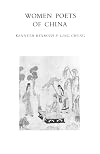
To be clear, this was an excellent and worthwhile project. I would love to know more about female, Chinese poets. I guess now I know a bit more, but it isn't much.
Perhaps the problem is in the selection? Rexroth and Ling seem to have chosen sexy poems, or heart-rending poems, or 'revolutionary' poems, three types of poem that I'm particularly uninterested in. That said, even I can recognize that some of the pieces here are excellent, once put in context. Ts'ai Yen's poems describing life as show more an exile in Mongolia, the pleasure of returning to China and the pain of having to leave her sons behind moved even my stone heart. Yu Hsuan-Chi's poem about the wish for knowledge and the knowledge of being excluded is very well done:
On a visit to ch'ung chen taoist temple I see in the south hall the list of successful candidates in the imperial examinations
Cloud capped peaks fill the eyes
In the Spring sunshine.
Their names are written in beautiful characters
And posted in order of merit.
How I hate this silk dress
That conceals a poet.
I life my head and read their names
In powerless envy.
And if anyone can find anything else anywhere by or about 'Wu Tsao' (= Wu Zao), let me know.
Is it the translations? They're pretty lifeless, even when they're good; just prose in short lines. Presumably these poets deserve better. Is it cold historical facts? Poetry takes a lot of education, then access to publishing institutions, then promotion, then acceptance by critics, then acceptance by later critics, and so on. Perhaps Chinese poetry just shut women out, and this is really the best available? The revolution doesn't seem to have helped, if the twentieth century writers here are any example.
I'm guessing there are lots of problems with this anthology, and these are just a few of them. In the unlikely event that someone with pull is reading this, how about a better book with the same mission? show less
Perhaps the problem is in the selection? Rexroth and Ling seem to have chosen sexy poems, or heart-rending poems, or 'revolutionary' poems, three types of poem that I'm particularly uninterested in. That said, even I can recognize that some of the pieces here are excellent, once put in context. Ts'ai Yen's poems describing life as show more an exile in Mongolia, the pleasure of returning to China and the pain of having to leave her sons behind moved even my stone heart. Yu Hsuan-Chi's poem about the wish for knowledge and the knowledge of being excluded is very well done:
On a visit to ch'ung chen taoist temple I see in the south hall the list of successful candidates in the imperial examinations
Cloud capped peaks fill the eyes
In the Spring sunshine.
Their names are written in beautiful characters
And posted in order of merit.
How I hate this silk dress
That conceals a poet.
I life my head and read their names
In powerless envy.
And if anyone can find anything else anywhere by or about 'Wu Tsao' (= Wu Zao), let me know.
Is it the translations? They're pretty lifeless, even when they're good; just prose in short lines. Presumably these poets deserve better. Is it cold historical facts? Poetry takes a lot of education, then access to publishing institutions, then promotion, then acceptance by critics, then acceptance by later critics, and so on. Perhaps Chinese poetry just shut women out, and this is really the best available? The revolution doesn't seem to have helped, if the twentieth century writers here are any example.
I'm guessing there are lots of problems with this anthology, and these are just a few of them. In the unlikely event that someone with pull is reading this, how about a better book with the same mission? show less
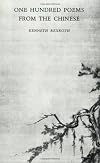
Rexroth of course is a well-known poet in his own right. This book gives his versions of poems by distinguiahed Chinese writers like Tu Fu and Su T'ung Po and Lu Yu, but also includes less well-known (in English) women poets Chu Shu Chen and Li Ch'ing Chao. I find his versions
quiet and soothing, probably less literal than some others. He says himself he omits many Chinese literary allusions, which personally i reget, but then I enjoy the "exoticism" he consciously avoids.
quiet and soothing, probably less literal than some others. He says himself he omits many Chinese literary allusions, which personally i reget, but then I enjoy the "exoticism" he consciously avoids.
Lists
Awards


You May Also Like


Associated Authors
Statistics
- Works
- 84
- Also by
- 36
- Members
- 3,337
- Popularity
- #7,653
- Rating
- 3.7
- Reviews
- 21
- ISBNs
- 101
- Languages
- 5
- Favorited
- 17
