
Hong Ying
Author of Daughter of the River: An Autobiography
About the Author
Hong Ying was born in 1962 in China. She was the sixth child in a family of eight and endured great poverty during the Great Famine and the Cultural Revolution. She came to London with her husband, Henry Zhao, in the late 1980s. She now divides her time between China and London
Works by Hong Ying
Associated Works
Tagged
Common Knowledge
- Legal name
- 虹影
- Other names
- Laohong
- Birthdate
- 1962
- Gender
- female
- Education
- Fudan University, China
- Occupations
- novelist
poet - Nationality
- China
- Places of residence
- Chongqing, China
London, England, UK - Associated Place (for map)
- China
Members
Reviews
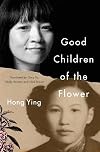
First of all - I got this book on Netgalley in enchange to my honest review.
So on with the review. I always enjoy reading memoirs, and I've read quite a few that are about China. What always surprises me though, is the way people in China are portrayed. If this was just one book, I would think - yes, the author must be biased, maybe they're making it up, maybe they're painting it too strong. But two, three books? Two, three books - and I'm scared of China. Not even the regime - I'm scared of show more the people, of the culture. The author paints a very dark social scene in China - a scene with so many prejudices and dark beliefs that people hold in their hearts.. Where prejudice and opinion is more important than humanity. This isn't the first book I read where it's like this. Maybe it's because they are books written by immigrants, because they left, taking their pain?
I found this book interesting, although extremely dark. I found the actions of almost all people completely impossible to understand - the lies, the righteousness, the mere reasons they do one thing or another, both for small and big things. Cultural gaps? Or do I just live in a completely different world? From the books I've read about China, I have to say books about Nazis scare me less. Because in those books, there are "bad guys" and the insanity is temporary. In memoirs like this, the darkness and insanity is NORMAL. Perhaps even proper? That's what chills you to the bone. Do read this book. It will open your eyes to the world around you. Maybe you will feel like the little world you live in in quite cozy and nice for a change. show less
So on with the review. I always enjoy reading memoirs, and I've read quite a few that are about China. What always surprises me though, is the way people in China are portrayed. If this was just one book, I would think - yes, the author must be biased, maybe they're making it up, maybe they're painting it too strong. But two, three books? Two, three books - and I'm scared of China. Not even the regime - I'm scared of show more the people, of the culture. The author paints a very dark social scene in China - a scene with so many prejudices and dark beliefs that people hold in their hearts.. Where prejudice and opinion is more important than humanity. This isn't the first book I read where it's like this. Maybe it's because they are books written by immigrants, because they left, taking their pain?
I found this book interesting, although extremely dark. I found the actions of almost all people completely impossible to understand - the lies, the righteousness, the mere reasons they do one thing or another, both for small and big things. Cultural gaps? Or do I just live in a completely different world? From the books I've read about China, I have to say books about Nazis scare me less. Because in those books, there are "bad guys" and the insanity is temporary. In memoirs like this, the darkness and insanity is NORMAL. Perhaps even proper? That's what chills you to the bone. Do read this book. It will open your eyes to the world around you. Maybe you will feel like the little world you live in in quite cozy and nice for a change. show less
A book that has so much promise, set against the backdrop of the uprising in Tiananmen Square in 1989, but which ultimately fails in its execution. Hong Ying makes her points about corruption in China, the yearning for democracy, and the need to treat women as equals, all of which are strong messages, so the book is not without merit. Unfortunately, her style is melodramatic, and far too focused on sex. I understand using sexual freedom to make a feminist statement, and even to make an show more anti-communist statement, but she comes back to it again and again, like a crutch. It doesn’t feel honest, as with authors like Anais Nin, or Erica Jong in her better moments, it just feels like it’s in there to sell books. The orgy scene at the end was especially ludicrous. Yes, that’s right, in a book where the Tiananmen uprising itself is in the background, referred to after the fact and mostly from its after-effects, there is an orgy scene. It’s an interesting book, but Hong Ying lacks discipline and maturity, and the story could have been so much better developed. show less
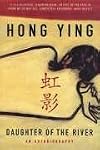
An autobiography of a life that I simply have no comprehension of. Born in China during the 60s famine, this tells of a girl's coming of age, how she finds her place in her family, and finds herself. But it's set against a background of dire poverty and family secrets. She doesn't fit and wants to get out - education being her passport, but she is begrudged that freedom by her mother. It's almost unbearably hard, but is not without hope.
Usando la morte e il funerale tradizionale cinese della madre come filo conduttore, Hong Ying percorre avanti e indietro la storia recente della Cina, parlando della Rivoluzione Culturale, delle Guardie Rosse, dei vari andirivieni "rivoluzionari" che, nel tentativo di modernizzare la nazione, l'hanno per molti versi e per certi periodi precipitata in una specie di macelleria e di tutti contro tutti. Attraverso questi eventi si snoda la storia della madre, donna per molti versi fuori dagli show more schemi e che per primi i figli faticano a capire.
La prima parte del libro è piuttosto interessante, la ricostruzione sia degli eventi storici sia del carattere della madre precisa e coinvolgente. A partire però dal momento della cremazione della madre il libro perde forza, incagliandosi nel continuo piangersi addosso della protagonista, che non è altro che l'autrice, e, francamente, a un certo punto non si vede l'ora che arrivi alla fine.
Ringrazio AmazonCrossing e Netgalley per avermi fornito una copia gratuita in cambio di una recensione onesta.
Using the death and the traditional Chinese funeral of the mother as main theme, Hong Ying goes through the recent history of China over and over again, speaking of the Cultural Revolution, the Red Guards, the various 'revolutionary' comings and goings that, in an effort to modernize the nation, have in many ways and in some periods plunged it into a kind of butchery and everyone off against each other. Through these events unfolds the story of the mother, a woman in many ways outside the box and wich the children are the first struggling to understand.
The first part of the book is quite interesting, with its reconstruction of historical events and the precise and engaging description of the the mother's character . Since the time of the mother's cremation however, the book loses strength, getting stuck in the continuous cry on the protagonist, who is none other than the author, and, frankly, at some point you can't wait for the end.
Thank AmazonCrossing and Netgalley for giving me a free copy in exchange for an honest review. show less
La prima parte del libro è piuttosto interessante, la ricostruzione sia degli eventi storici sia del carattere della madre precisa e coinvolgente. A partire però dal momento della cremazione della madre il libro perde forza, incagliandosi nel continuo piangersi addosso della protagonista, che non è altro che l'autrice, e, francamente, a un certo punto non si vede l'ora che arrivi alla fine.
Ringrazio AmazonCrossing e Netgalley per avermi fornito una copia gratuita in cambio di una recensione onesta.
Using the death and the traditional Chinese funeral of the mother as main theme, Hong Ying goes through the recent history of China over and over again, speaking of the Cultural Revolution, the Red Guards, the various 'revolutionary' comings and goings that, in an effort to modernize the nation, have in many ways and in some periods plunged it into a kind of butchery and everyone off against each other. Through these events unfolds the story of the mother, a woman in many ways outside the box and wich the children are the first struggling to understand.
The first part of the book is quite interesting, with its reconstruction of historical events and the precise and engaging description of the the mother's character . Since the time of the mother's cremation however, the book loses strength, getting stuck in the continuous cry on the protagonist, who is none other than the author, and, frankly, at some point you can't wait for the end.
Thank AmazonCrossing and Netgalley for giving me a free copy in exchange for an honest review. show less
Lists
Awards
You May Also Like


Associated Authors
Statistics
- Works
- 19
- Also by
- 2
- Members
- 588
- Popularity
- #42,663
- Rating
- 3.3
- Reviews
- 14
- ISBNs
- 75
- Languages
- 14
- Favorited
- 1