
Joe Starita
Author of The Dull Knifes of Pine Ridge: A Lakota Odyssey
About the Author
Joe Starita was an investigative reporter and New York bureau chief of The Miami Herald, where one of his stories was a Pulitzer Prize finalist. He is now a professor at the University of Nebraska's College of Journalism and the author of The Dull Knifes of Pine Ridge, which garnered a second show more Pulitzer Prize nomination, won the Mountain and Plains Booksellers Association Award, and has been published in six foreign languages. show less
Works by Joe Starita
Tagged
Common Knowledge
- Gender
- male
Members
Reviews
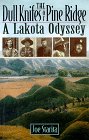
Originally published in its currently out of print hard cover edition in March of 1996, The Dull Knifes of Pine Ridge: A Lakota Odyssey is still in print as a paperback. Numerous used copies of the hard cover edition are available from various online vendors for under $4.00.
Written by Joe Starita, an award-winning journalist and former New York City bureau chief for The Miami Herald who was born and raised in Nebraska, this book presents a unique and moving chronicle of not only four show more generations of the Dull Knife family of the Cheyenne and Lakota tribes but of the Lakota Nation itself. Starita's style is detail oriented and sensitive and by interweaving narrative and oral history it goes much deeper into the emotional and spiritual realms of human beings than a simple recitation of dates and cold facts. After approaching the elders of the Pine Ridge reservation, Starita met with the Dull Knifes who over a period of two and a half years shared their family documents, archival historical materials and consented to be extensively interviewed along with many of their family friends.
Located in South Dakota, in the heart of the Badlands, the Pine Ridge Reservation is one of the largest reservations and is home to two counties that are the poorest in the entire United States. It is the home of the Oglala Lakota and it is the home of five generations of Lakota who descend from the great Northern Cheyenne chief, Wo'he Hiv', Morning Star, known among the whites and the Lakota with whom he intermarried, as Dull Knife.
In 1878, at around the age of 60, Chief Dull Knife led hundreds of his people on a 600 mile long mid-winter flight back to their homelands and away from the starvation and fatal illnesses of a foreign and cruel environment on an Oklahoma reservation where they had been forcibly located during the United States government's drive toward genocide of native peoples. This begins the saga of the Dull Knife family of Pine Ridge.
The book details the treachery and mayhem that followed Dull Knife. It recounts the bloody battle on the Greasy Grass river in Montana that is also known as the Custer Fight or the Battle of the Little Big Horn and the merciless aftermath of revenge and attempted genocide, telling us in tragic detail and from personal accounts about the massacre at Wounded Knee. Big Foot and his Miniconjou band of followers including mostly starving elderly, women and children were brutally cut down in cold blood in the snows of a December day by U.S. Army troops on the Pine Ridge.
From Dull Knife's story, the book continues on to that of his son, George Dull Knife, who made a living for himself and his family in the impoverished early days of reservation life by working as a lawman on the reservation and as a member of Buffalo Bill Cody's Wild West shows that traveled throughout the United States and Europe. We learn firsthand of the atmosphere of hopelessness that permeated the reservation where once proud and free people tried to adjust to a life of captivity and poverty while struggling with the bitter memories and fresh wounds from brutality, lies and aggression as well as the destruction of their environment and the source of plains life, the buffalo, at the hands of the white government.
Next we follow the life of George's son, Guy Dull Knife, and his struggles with white regulated and enforced Indian schools where the goal was to wipe out all elements of Indian culture and spirituality. Forbidden to speak his language or to practice any of his people's sacred ceremonies and living in poverty, Guy Dull Knife, persevered in his life long struggle to maintain the traditional ways of the Lakota. His role as a tribal elder and his strength of character saw him through a long and rich life of service not only to his people, the Lakota, but to the United States as well. At the time this book was written Guy Dull Knife at the age of 96 was the sole surviving Lakota veteran of World War I. He lived thorough swiftly changing times to see the white government's influence of treachery and greed inflame Pine Ridge through the puppet government of Dick Wilson and the reign of terror of his G.O.O.N. squads that ultimately erupted in the bloody second Wounded Knee tragedy, claiming the lives of one Lakota man and two FBI agents and resulting in the illegal imprisonment of AIM activist and Lakota-Anishnabe warrior Leonard Peltier who unjustly languishes in federal prison in Leavenworth, Kansas to this day.
The rich history and traditions were passed on to Guy Dull Knife, Jr. and continue to this day to thrive in the life of his children including his son, Guy Dull Knife III, and are evidenced in his work as an artist and sculptor. Guy Dull Knife, Jr. served in Viet Nam and specifically because of his race was assigned the extremely dangerous and lonely duty of point man which he performed with bravery and skill. Lakota warriors have often fought, as members of the United States armed services, against the enemies of this country even before they were recognized as U.S. citizens or before they were allowed to vote or even to speak their own native language. The integrity, courage, and commitment to the welfare of their people has never died.
This odyssey also traces the lives of the grandmothers, mothers, sisters and daughters of the Dull Knife family, their strength, their preservation of the arts and traditional home crafts of the Lakota, as well as their determination in their guidance of their families.
We are privileged to hear first hand accounts of the events that shaped Lakota and American history. Through the rich and detailed talents of a people who have relied on oral history for centuries we glimpse the treasure of their culture and sense the profound suffering that was undergone to preserve it. They share with us the intimate details of their personal lives and of their national identity.
Joe Starita managed to capture with rare and powerful insight an almost tangible historical view of the Lakota of Pine Ridge. Having visited Pine Ridge several times and having conversed with the people there, including traditional warriors who have danced the sacred Sun Dance, I see in this book the careful and faithful telling of the heart and mind and spirit of these people. Starita has provided us with a candid, thoughtful and emotional vision of a continuing saga of this great Nation by simply being willing to respectfully listen and report from the storehouse of memories and experiences of this representative family, the Dull Knifes. He fills in the narrative with historical facts that help us to place the reminiscences in context but refrains from editorializing or intruding upon the story with any of his own personal viewpoints, a method that I found to be refreshing, honest and informative in the extreme.
There are many books about the First Nation experience throughout history, many books about the Lakota in particular. There are books and books specifically about the Wounded Knee Massacre, the Little Big Horn, Dull Knifes trek from Oklahoma to South Dakota, Buffalo Bill Cody's Wild West shows, the AIM uprising at Wounded Knee in the 70s, Lakota culture and art, Lakota language and even Native American presence fighting with America's military. With the possible exception of Leonard Crow Dog's book, Crow Dog: Four Generations of Sioux Medicine Men I know of no other book that gives such a cohesive, uninterrupted vision of Lakota life or that takes the reader so intimately inside the hearts and minds of this determined, courageous, and graceful people.
This is a book I highly recommend to every American. Our current national identity has much to do with our historical roots that are so profoundly reported in this book. It is imperative that we understand, acknowledge and learn from our past if we are to survive and flourish in the future. We all can learn much from the grandfathers and grandmothers whose tradition of wisdom is passed down to the present day, some of which we are fortunate to receive from this wonderful book. show less
Written by Joe Starita, an award-winning journalist and former New York City bureau chief for The Miami Herald who was born and raised in Nebraska, this book presents a unique and moving chronicle of not only four show more generations of the Dull Knife family of the Cheyenne and Lakota tribes but of the Lakota Nation itself. Starita's style is detail oriented and sensitive and by interweaving narrative and oral history it goes much deeper into the emotional and spiritual realms of human beings than a simple recitation of dates and cold facts. After approaching the elders of the Pine Ridge reservation, Starita met with the Dull Knifes who over a period of two and a half years shared their family documents, archival historical materials and consented to be extensively interviewed along with many of their family friends.
Located in South Dakota, in the heart of the Badlands, the Pine Ridge Reservation is one of the largest reservations and is home to two counties that are the poorest in the entire United States. It is the home of the Oglala Lakota and it is the home of five generations of Lakota who descend from the great Northern Cheyenne chief, Wo'he Hiv', Morning Star, known among the whites and the Lakota with whom he intermarried, as Dull Knife.
In 1878, at around the age of 60, Chief Dull Knife led hundreds of his people on a 600 mile long mid-winter flight back to their homelands and away from the starvation and fatal illnesses of a foreign and cruel environment on an Oklahoma reservation where they had been forcibly located during the United States government's drive toward genocide of native peoples. This begins the saga of the Dull Knife family of Pine Ridge.
The book details the treachery and mayhem that followed Dull Knife. It recounts the bloody battle on the Greasy Grass river in Montana that is also known as the Custer Fight or the Battle of the Little Big Horn and the merciless aftermath of revenge and attempted genocide, telling us in tragic detail and from personal accounts about the massacre at Wounded Knee. Big Foot and his Miniconjou band of followers including mostly starving elderly, women and children were brutally cut down in cold blood in the snows of a December day by U.S. Army troops on the Pine Ridge.
From Dull Knife's story, the book continues on to that of his son, George Dull Knife, who made a living for himself and his family in the impoverished early days of reservation life by working as a lawman on the reservation and as a member of Buffalo Bill Cody's Wild West shows that traveled throughout the United States and Europe. We learn firsthand of the atmosphere of hopelessness that permeated the reservation where once proud and free people tried to adjust to a life of captivity and poverty while struggling with the bitter memories and fresh wounds from brutality, lies and aggression as well as the destruction of their environment and the source of plains life, the buffalo, at the hands of the white government.
Next we follow the life of George's son, Guy Dull Knife, and his struggles with white regulated and enforced Indian schools where the goal was to wipe out all elements of Indian culture and spirituality. Forbidden to speak his language or to practice any of his people's sacred ceremonies and living in poverty, Guy Dull Knife, persevered in his life long struggle to maintain the traditional ways of the Lakota. His role as a tribal elder and his strength of character saw him through a long and rich life of service not only to his people, the Lakota, but to the United States as well. At the time this book was written Guy Dull Knife at the age of 96 was the sole surviving Lakota veteran of World War I. He lived thorough swiftly changing times to see the white government's influence of treachery and greed inflame Pine Ridge through the puppet government of Dick Wilson and the reign of terror of his G.O.O.N. squads that ultimately erupted in the bloody second Wounded Knee tragedy, claiming the lives of one Lakota man and two FBI agents and resulting in the illegal imprisonment of AIM activist and Lakota-Anishnabe warrior Leonard Peltier who unjustly languishes in federal prison in Leavenworth, Kansas to this day.
The rich history and traditions were passed on to Guy Dull Knife, Jr. and continue to this day to thrive in the life of his children including his son, Guy Dull Knife III, and are evidenced in his work as an artist and sculptor. Guy Dull Knife, Jr. served in Viet Nam and specifically because of his race was assigned the extremely dangerous and lonely duty of point man which he performed with bravery and skill. Lakota warriors have often fought, as members of the United States armed services, against the enemies of this country even before they were recognized as U.S. citizens or before they were allowed to vote or even to speak their own native language. The integrity, courage, and commitment to the welfare of their people has never died.
This odyssey also traces the lives of the grandmothers, mothers, sisters and daughters of the Dull Knife family, their strength, their preservation of the arts and traditional home crafts of the Lakota, as well as their determination in their guidance of their families.
We are privileged to hear first hand accounts of the events that shaped Lakota and American history. Through the rich and detailed talents of a people who have relied on oral history for centuries we glimpse the treasure of their culture and sense the profound suffering that was undergone to preserve it. They share with us the intimate details of their personal lives and of their national identity.
Joe Starita managed to capture with rare and powerful insight an almost tangible historical view of the Lakota of Pine Ridge. Having visited Pine Ridge several times and having conversed with the people there, including traditional warriors who have danced the sacred Sun Dance, I see in this book the careful and faithful telling of the heart and mind and spirit of these people. Starita has provided us with a candid, thoughtful and emotional vision of a continuing saga of this great Nation by simply being willing to respectfully listen and report from the storehouse of memories and experiences of this representative family, the Dull Knifes. He fills in the narrative with historical facts that help us to place the reminiscences in context but refrains from editorializing or intruding upon the story with any of his own personal viewpoints, a method that I found to be refreshing, honest and informative in the extreme.
There are many books about the First Nation experience throughout history, many books about the Lakota in particular. There are books and books specifically about the Wounded Knee Massacre, the Little Big Horn, Dull Knifes trek from Oklahoma to South Dakota, Buffalo Bill Cody's Wild West shows, the AIM uprising at Wounded Knee in the 70s, Lakota culture and art, Lakota language and even Native American presence fighting with America's military. With the possible exception of Leonard Crow Dog's book, Crow Dog: Four Generations of Sioux Medicine Men I know of no other book that gives such a cohesive, uninterrupted vision of Lakota life or that takes the reader so intimately inside the hearts and minds of this determined, courageous, and graceful people.
This is a book I highly recommend to every American. Our current national identity has much to do with our historical roots that are so profoundly reported in this book. It is imperative that we understand, acknowledge and learn from our past if we are to survive and flourish in the future. We all can learn much from the grandfathers and grandmothers whose tradition of wisdom is passed down to the present day, some of which we are fortunate to receive from this wonderful book. show less
A Warrior of the People: How Susan La Flesche Overcame Racial and Gender Inequality to Become America's First Indian Doctor by Joe Starita
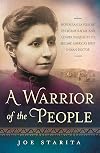
It is with heavy heart that I must admit defeat. The writing style of this book is just so very, very far from my preference for a nonfiction book, and the focus is shifted far enough away from the subjects that most interest me, that I'm not going to press on.
I want to stress that Susan La Flesche's story--indeed, the story of her whole family--is absolutely fascinating, and I would love to see a nice, fat book with even more details about everyone, from the Omaha chief who appointed her show more father his heir to her sister who chose to remain on Omaha land to raise children and teach. But I would also really--and I mean really--like to see such a book have end notes in it. Starita states that he chose not to use notes because they would disrupt the flow of the story, but it made me a tad suspicious to have no frame of reference every time he described Susan La Flesche's emotions. (Except for the first chapter, which he did let us know was sourced from a highly detailed account that La Flesche gave.)
Parts of the writing were also oddly repetitive: restating the obstacles that she had overcome so far, that she was equally comfortable with poetry readers and Omaha ceremonies (though I didn't read any examples of the latter), and that La Flesche "could not know" about conflicts happening concurrently at the national level. And several times a turn of phrase--like, "the half-blood Omaha and the full-blood Sioux"--would be used at the end of one paragraph and at the beginning of the following paragraph.
I have to admit, I was hoping for a lot more information about La Flesche's education growing up. What elements of traditional Omaha beliefs did her father permit the his children to learn? What was her time at the school in New Jersey like? There's plenty of textual evidence about how she fit in to white society, but were there ever moments when she stood out and stood up for her heritage? What did she think of attitudes towards American Indians playing out on the national stage? What did she think of her black classmates at Hampton? And what did a mid-to-late nineteenth century medical education consist of? I really was hoping for more information about medicine, particularly if there were any Omaha medical practices that La Flesche did approve of, or work with. And I wanted a more socially critical examination of her interactions with white America.
Even though the book didn't meet my expectations, the facts spoke for themselves: the details of white America's cruelty to the country's first inhabitants were as appalling as expected. And even the good-intentioned support of white people stung: the language used to praise La Fleshce is condescending in the extreme (I would have liked Starita to comment on this), and this behavior did seem to start impacting the way she wrote about her own people in letters to her family. I would have liked examples of ways that she preserved her Omaha heritage (as we are told she did), not just the ways she blended into white society.
And of course, shining through everything was La Flesche's brilliant resilience. I went into this book knowing that she overcame obstacles--but that didn't make it any less impressive to read about how she worked in correspondence with women she'd never met to scrape together the money to attend medical school, or how she graduated at the top of her class.
Like I said, I'm disappointed to be giving this up--but the ratio of "narrative" to "nonfiction", and literary flourishes to facts is far too high for my taste and comfort. If you like your history to read more like a story, you will love this book. If you, like me, occasionally try to vary your embarrassingly high fiction intake with distinctly differently-written nonfiction, this book probably won't be to your taste. If you have similar stylistic taste to me but are a better person than I am and are willing to push past style to read about this amazing woman and her family, I would love to hear your Cliffs Notes version. In the meantime, I will slink over to Wikipedia with my tail between my legs.
Quotes & Notes
37) "It is either civilization or extermination."
It may have been Joseph La Flesche and Big Elk's attitude, but that doesn't make it any less sad that a long-established way of life that wasn't European-based was not considered "civilization". It's not clear whether this thinking had been internalized by the "Young Men's Party" faction of the Omaha, or whether the use of "civilization" was used somewhat ironically in his sense. (It's also not clear whether this was Starita's encapsulation of a complex situation or something that someone said at the time. An end note might have settled that question...
55) As low as white America had stooped, I was still unpleasantly surprised to learn that a federal prosecutor tried to argue in 1879--after the passage of the 13th, 14th, and 15th Amendments--that the logic of Dred Scott ruling that denied citizenship to black people should be applied to American Indians. Fortunately (amazingly), the judge didn't buy it.
70) "Among the Indians, frustrated Senator Dawes once remarked, 'there is no selfishness, which is at the bottom of civilization.'"
Oh boo-hoo, you narrow-minded capitalist.
79) One of the coolest things about this book is the number of interesting women La Flesche bumped elbows with. This wasn't like royal Europe, where you had a handful of Queens surrounded mostly by male politicians. Alice Fletcher turned out to have a bad streak in the end, but she still campaigned on incredibly hard on behalf of the Omaha, with Susan La Flesche's brother at her side, and helped them sort out land allotments that, according to Starita, calmed the tribe members' fears that they would be shipped off to a reservation down south. The next two quotes cover other cool women:
114) "'Far from being a period when women physicians were an anomaly, the late nineteenth century witnessed a remarkable increase in their numbers. In Boston, the peak was reached in 1900 when women physicians accounted for 18.2 percent of the city's doctors."
Just to be clear, this wasn't the all-time peak. In 2014, 40% of doctors in Boston were women.
126) "Susan and her classmates (including one from India, one from Syria, and another from Japan)..."
What! I want to read about all of them! I think I just need a more-factual-than-flowery book about women practicing medicine through the ages--that would probably hit the spot for me.
The views and opinions expressed in this review are my own and should not be construed as representing those of my company. show less
I want to stress that Susan La Flesche's story--indeed, the story of her whole family--is absolutely fascinating, and I would love to see a nice, fat book with even more details about everyone, from the Omaha chief who appointed her show more father his heir to her sister who chose to remain on Omaha land to raise children and teach. But I would also really--and I mean really--like to see such a book have end notes in it. Starita states that he chose not to use notes because they would disrupt the flow of the story, but it made me a tad suspicious to have no frame of reference every time he described Susan La Flesche's emotions. (Except for the first chapter, which he did let us know was sourced from a highly detailed account that La Flesche gave.)
Parts of the writing were also oddly repetitive: restating the obstacles that she had overcome so far, that she was equally comfortable with poetry readers and Omaha ceremonies (though I didn't read any examples of the latter), and that La Flesche "could not know" about conflicts happening concurrently at the national level. And several times a turn of phrase--like, "the half-blood Omaha and the full-blood Sioux"--would be used at the end of one paragraph and at the beginning of the following paragraph.
I have to admit, I was hoping for a lot more information about La Flesche's education growing up. What elements of traditional Omaha beliefs did her father permit the his children to learn? What was her time at the school in New Jersey like? There's plenty of textual evidence about how she fit in to white society, but were there ever moments when she stood out and stood up for her heritage? What did she think of attitudes towards American Indians playing out on the national stage? What did she think of her black classmates at Hampton? And what did a mid-to-late nineteenth century medical education consist of? I really was hoping for more information about medicine, particularly if there were any Omaha medical practices that La Flesche did approve of, or work with. And I wanted a more socially critical examination of her interactions with white America.
Even though the book didn't meet my expectations, the facts spoke for themselves: the details of white America's cruelty to the country's first inhabitants were as appalling as expected. And even the good-intentioned support of white people stung: the language used to praise La Fleshce is condescending in the extreme (I would have liked Starita to comment on this), and this behavior did seem to start impacting the way she wrote about her own people in letters to her family. I would have liked examples of ways that she preserved her Omaha heritage (as we are told she did), not just the ways she blended into white society.
And of course, shining through everything was La Flesche's brilliant resilience. I went into this book knowing that she overcame obstacles--but that didn't make it any less impressive to read about how she worked in correspondence with women she'd never met to scrape together the money to attend medical school, or how she graduated at the top of her class.
Like I said, I'm disappointed to be giving this up--but the ratio of "narrative" to "nonfiction", and literary flourishes to facts is far too high for my taste and comfort. If you like your history to read more like a story, you will love this book. If you, like me, occasionally try to vary your embarrassingly high fiction intake with distinctly differently-written nonfiction, this book probably won't be to your taste. If you have similar stylistic taste to me but are a better person than I am and are willing to push past style to read about this amazing woman and her family, I would love to hear your Cliffs Notes version. In the meantime, I will slink over to Wikipedia with my tail between my legs.
Quotes & Notes
37) "It is either civilization or extermination."
It may have been Joseph La Flesche and Big Elk's attitude, but that doesn't make it any less sad that a long-established way of life that wasn't European-based was not considered "civilization". It's not clear whether this thinking had been internalized by the "Young Men's Party" faction of the Omaha, or whether the use of "civilization" was used somewhat ironically in his sense. (It's also not clear whether this was Starita's encapsulation of a complex situation or something that someone said at the time. An end note might have settled that question...
55) As low as white America had stooped, I was still unpleasantly surprised to learn that a federal prosecutor tried to argue in 1879--after the passage of the 13th, 14th, and 15th Amendments--that the logic of Dred Scott ruling that denied citizenship to black people should be applied to American Indians. Fortunately (amazingly), the judge didn't buy it.
70) "Among the Indians, frustrated Senator Dawes once remarked, 'there is no selfishness, which is at the bottom of civilization.'"
Oh boo-hoo, you narrow-minded capitalist.
79) One of the coolest things about this book is the number of interesting women La Flesche bumped elbows with. This wasn't like royal Europe, where you had a handful of Queens surrounded mostly by male politicians. Alice Fletcher turned out to have a bad streak in the end, but she still campaigned on incredibly hard on behalf of the Omaha, with Susan La Flesche's brother at her side, and helped them sort out land allotments that, according to Starita, calmed the tribe members' fears that they would be shipped off to a reservation down south. The next two quotes cover other cool women:
114) "'Far from being a period when women physicians were an anomaly, the late nineteenth century witnessed a remarkable increase in their numbers. In Boston, the peak was reached in 1900 when women physicians accounted for 18.2 percent of the city's doctors."
Just to be clear, this wasn't the all-time peak. In 2014, 40% of doctors in Boston were women.
126) "Susan and her classmates (including one from India, one from Syria, and another from Japan)..."
What! I want to read about all of them! I think I just need a more-factual-than-flowery book about women practicing medicine through the ages--that would probably hit the spot for me.
The views and opinions expressed in this review are my own and should not be construed as representing those of my company. show less
A Warrior of the People: How Susan La Flesche Overcame Racial and Gender Inequality to Become America's First Indian Doctor by Joe Starita
Author Joe Starita tells the compelling and complex story of Susan La Fleshe's struggle to become America's First Indian Doctor, followed by the even bigger struggle to ban alcohol from the reservation and to eradicate tuberculosis among her people through better personal hygiene and fly/insect control. She fervently believed fresh air and sunshine were nature's medicine; she strongly advocated for education; and, she became a Christian missionary among the Omaha. She undertook many show more letter-writing campaigns to Indian Agents and various politicians, though frequently no one heard her pleas. She saw the dire problems and worked tirelessly, though often unsuccessfully, to solve them. However, she saved many lives and eventually succeeded in building a hospital where all, red and white, could receive care. show less
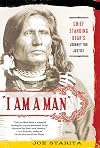
Standing Bear was a Ponca chief who fought for the rights of his people. Despite unbelievable circumstances (continuously being moved from place to place in the west with no control over where they were able to establish a home), he was a calm and steady prescience for his people. They wanted to live in peace and work the land and he was able to fight for that right in court. It's an incredible and heartbreaking story. If you want to learn more about the Trail of Tears and what it was truly show more like, please read this one. show less
Awards


You May Also Like


Statistics
- Works
- 7
- Members
- 435
- Popularity
- #56,231
- Rating
- 3.8
- Reviews
- 9
- ISBNs
- 24
- Languages
- 2