
Faïza Guène
Author of Just Like Tomorrow
About the Author
Image credit: NewMedia Holdings
Works by Faïza Guène
Associated Works
Tagged
Common Knowledge
- Canonical name
- Guène, Faïza
- Birthdate
- 1985-06-07
- Gender
- female
- Occupations
- novelist
film director - Nationality
- France
- Birthplace
- Bobigny, France
- Places of residence
- Pantin, France
- Map Location
- France
Members
Reviews
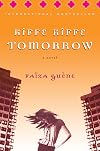
Doria lives with her mother in the Paris banlieue. She's an angry teenager: angry at her father for leaving them to go back to Morocco and find himself a peasant wife to bear him a son; angry at the lazy racism she and her mother encounter daily; angry at the social workers for pretending they understand and care. Fortunately for the reader, Doria's anger comes out as cynical wisecracks, which had me laughing out loud. But there are signs that some of this is just teenage bravado, and show more beneath that is a young woman who cares not just about her mother but also about her own future.
This was a sassy, energetic read which I really enjoyed. It's not perfect - sometimes the intention of the author shows through a bit too much (this bit's uplifting, this bit shows that Doria is smarter than she pretends to be), but hey, this is a first novel and Faïza Guène was only 19 when it was published, so I think those flaws are fairly minor. show less
This was a sassy, energetic read which I really enjoyed. It's not perfect - sometimes the intention of the author shows through a bit too much (this bit's uplifting, this bit shows that Doria is smarter than she pretends to be), but hey, this is a first novel and Faïza Guène was only 19 when it was published, so I think those flaws are fairly minor. show less
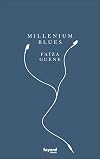
À la fin des année 1990, Zouina est encore une jeune fille quand elle devient témoin comment le mariage de ses parents les épuise et trouve la fin. C’est grâce à sa copine Carmen qu’elle n’est pas perdue complètement. Zouina grandit, voit la coupe du monde en France, la chute du World Trade Center et fait partie d’un accident routière de Carmen pendant lequel une jeune femme et mère est tuée. Elle tombe amoureuse et enceinte et se rend compte que le rapport avec son show more conjoint n’est pas sain du tout. Carmen et Zouina – deux filles qui grandissent ensemble, qui partagent le bonheur et le malheur toujours en trouvant consolation dans les chansons d’ABBA.
J’adore les romans de Faïza Guène parce qu’elle arrive de raconter ses histoires avec un ton comme une amie avec laquelle on est assise quelque part avec un café. On s’amuse ensemble, on souffre ensemble – comme dans la vie ordinaire. Déjà son roman début « Kiffe kiffe demain » montrait qu’elle connait le langage de la rue et qu’elle ne tourne pas autour du pot pour éviter des mots indicibles.
Zouina est une jeune fille, puis une jeune femme, « moyenne » - tel le jugement de la conseillère en école. Elle n’a ni de talents extraordinaires ni de faiblesses extrêmes. Elle est une femme comme toi et moi ce qui la rend bien sympathique dès le début. Elle respecte ses parents, les adore aussi, mais quand-même et analyse critiquement leur comportement et leur relation. Son relation avec Eddy est loin d’être bonne pour elle – mais elle l’aime, alors quoi faire ? Il réduit son estime d’elle jusqu’à zéro, elle s’en rend compte, mais toujours elle reste avec lui. Il faut plus pur elle pour terminer avec lui.
Quoique tout n’aille pas de meilleure façon possible, à mon avis, « Millénium Blues » est un livre positif. Ce sont avant tout les petites phrases insérées qui motivent le protagoniste et les liseurs de faire le mieux de la vie :
Il vaut mieux regarder devant soi que se retourner sur l’endroit où l’on a trébuché.
Et
Il faudrait célébrer la vie qu’on nous donne à vivre et ne pas en faire n’importe quoi.
Une femme ordinaire qui fait le mieux de sa vie qui trouve son bonheur au moment où elle regarde sa vie de près. show less
J’adore les romans de Faïza Guène parce qu’elle arrive de raconter ses histoires avec un ton comme une amie avec laquelle on est assise quelque part avec un café. On s’amuse ensemble, on souffre ensemble – comme dans la vie ordinaire. Déjà son roman début « Kiffe kiffe demain » montrait qu’elle connait le langage de la rue et qu’elle ne tourne pas autour du pot pour éviter des mots indicibles.
Zouina est une jeune fille, puis une jeune femme, « moyenne » - tel le jugement de la conseillère en école. Elle n’a ni de talents extraordinaires ni de faiblesses extrêmes. Elle est une femme comme toi et moi ce qui la rend bien sympathique dès le début. Elle respecte ses parents, les adore aussi, mais quand-même et analyse critiquement leur comportement et leur relation. Son relation avec Eddy est loin d’être bonne pour elle – mais elle l’aime, alors quoi faire ? Il réduit son estime d’elle jusqu’à zéro, elle s’en rend compte, mais toujours elle reste avec lui. Il faut plus pur elle pour terminer avec lui.
Quoique tout n’aille pas de meilleure façon possible, à mon avis, « Millénium Blues » est un livre positif. Ce sont avant tout les petites phrases insérées qui motivent le protagoniste et les liseurs de faire le mieux de la vie :
Il vaut mieux regarder devant soi que se retourner sur l’endroit où l’on a trébuché.
Et
Il faudrait célébrer la vie qu’on nous donne à vivre et ne pas en faire n’importe quoi.
Une femme ordinaire qui fait le mieux de sa vie qui trouve son bonheur au moment où elle regarde sa vie de près. show less
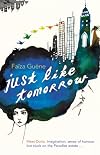
Aquired via BookCrossing 04 Sep 2009 - Not So Secret Stationery parcel
This was brilliant! A fresh young voice; the author is from the Parisian inner city which she describes so well, and the writing is funny, heartfelt and moving. The translation is great and not at all clunky. Doria is an Algerian living with her Mum in a seedy tower block. Around them are other Algerians and a great collection of characters, aunties, spoddy cousin types, a well-meaning counsellor, the evil boss at her show more Mum's place. Both Doria and Yasmina grow and change during the book, both learning new skills and ways to deal with life. Although the banlieus have been written about depressingly and have been the scenes of terrible clashes and riots, this is basically a life-affirming and positive book, while not skirting the more serious issues. I'd love to read more by this author. show less
This was brilliant! A fresh young voice; the author is from the Parisian inner city which she describes so well, and the writing is funny, heartfelt and moving. The translation is great and not at all clunky. Doria is an Algerian living with her Mum in a seedy tower block. Around them are other Algerians and a great collection of characters, aunties, spoddy cousin types, a well-meaning counsellor, the evil boss at her show more Mum's place. Both Doria and Yasmina grow and change during the book, both learning new skills and ways to deal with life. Although the banlieus have been written about depressingly and have been the scenes of terrible clashes and riots, this is basically a life-affirming and positive book, while not skirting the more serious issues. I'd love to read more by this author. show less
The author wrote this when she was 19 years old and it definitely has a YA simplicity and feel to it. I saw some comparisons to The Catcher in the Rye but I think it may more closely align with S.E. Hinton's The Outsiders, both from the standpoint of a young author and for characters who are existing on the margins of society.
My daughter read this early on in college, having a professor for a core class (where the book was read in English) who also happened to be a French professor for my show more daughter. The professor told my daughter that the French version is definitely better, there is quite a bit of slang and plays on words that just didn't come through very well in the English translation.
While the story is pretty simple and moves quickly (I easily read it in one sitting), it definitely touches on a lot of themes that could be more deeply explored: the plight of immigrants, especially of the youth that often serve as the divide/bridge for their parents and the new country, racism, low-income housing especially for immigrant groups, clashes between social/cultural/religious mores, classism, etc. So, it felt like a surface-level scratching of some deeper issues, which fits well with the 15-year-old protagonist, her teenage cynicism, and general comments about her life.
France prides itself on "Liberté, Egalité, Fraternité", but this book punches some holes in that old facade.
I can't say it's a favorite, but I appreciated the fresh voice and a look at lives not normally examined (especially in French literature). show less
My daughter read this early on in college, having a professor for a core class (where the book was read in English) who also happened to be a French professor for my show more daughter. The professor told my daughter that the French version is definitely better, there is quite a bit of slang and plays on words that just didn't come through very well in the English translation.
While the story is pretty simple and moves quickly (I easily read it in one sitting), it definitely touches on a lot of themes that could be more deeply explored: the plight of immigrants, especially of the youth that often serve as the divide/bridge for their parents and the new country, racism, low-income housing especially for immigrant groups, clashes between social/cultural/religious mores, classism, etc. So, it felt like a surface-level scratching of some deeper issues, which fits well with the 15-year-old protagonist, her teenage cynicism, and general comments about her life.
France prides itself on "Liberté, Egalité, Fraternité", but this book punches some holes in that old facade.
I can't say it's a favorite, but I appreciated the fresh voice and a look at lives not normally examined (especially in French literature). show less
Lists
Awards


You May Also Like


Associated Authors
Statistics
- Works
- 6
- Also by
- 1
- Members
- 849
- Popularity
- #30,130
- Rating
- 3.3
- Reviews
- 34
- ISBNs
- 73
- Languages
- 13
- Favorited
- 2