
Pamela Kaufman
Author of The Shield of Three Lions
About the Author
Image credit: Julia Lord Literary Management
Series
Works by Pamela Kaufman
Tagged
Common Knowledge
- Birthdate
- 20th Century
- Gender
- female
- Nationality
- USA
- Associated Place (for map)
- USA
Members
Discussions
Richard Lionheart / Crusade story in Name that Book (February 2013)
Reviews
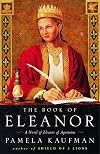
Straight historical fiction, except for a few rather insignificant appearances by the ghost of the title character's grandfather....
However, in this case, the emphasis is on 'fiction,' not 'historical,' even though the author is an academician.
Eleanor of Aquitaine was a strong, scheming, politically brilliant woman of the Middle Ages, but the author makes her character's motivation behind everything she does related to an abiding childhood love. Unfortunately, this love affair is total show more fiction - admittedly a product of the author's imagination. This makes for a more tied-together, emotionally fulfilling plot for a novel - but it means that the actual historical motivations behind the events of Eleanor's life - a marriage to the King of France, a successful appeal to the Pope to annul that marriage, a marriage (at her request, unlike the events in the book [a kidnapping and rape]) to the King of England, and then a rebellion, involving their sons, against that king - the possible ACTUAL scenarios and motivations are not explored, because of this fictional love affair.
I found this a little disappointing, but then again, historical fiction is probably never accurate, even when it strives to be, so it's really best to take it all as fantasy! show less
However, in this case, the emphasis is on 'fiction,' not 'historical,' even though the author is an academician.
Eleanor of Aquitaine was a strong, scheming, politically brilliant woman of the Middle Ages, but the author makes her character's motivation behind everything she does related to an abiding childhood love. Unfortunately, this love affair is total show more fiction - admittedly a product of the author's imagination. This makes for a more tied-together, emotionally fulfilling plot for a novel - but it means that the actual historical motivations behind the events of Eleanor's life - a marriage to the King of France, a successful appeal to the Pope to annul that marriage, a marriage (at her request, unlike the events in the book [a kidnapping and rape]) to the King of England, and then a rebellion, involving their sons, against that king - the possible ACTUAL scenarios and motivations are not explored, because of this fictional love affair.
I found this a little disappointing, but then again, historical fiction is probably never accurate, even when it strives to be, so it's really best to take it all as fantasy! show less
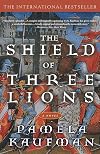
I picked this one expecting a solid historical romance fiction book set during the Third crusade with young adult flavor.
Sure enough, the protagonist is an eleven-year-old girl, and the plot is linear, a coming-of-age-quest story with gender-bender elements but it is, by my standards, wholly adult. First of all Alix, the protagonist, is basically the only character so young, then the book deals a lot with very delicate subjects, ones that may be out of the comfort zone for some, like rape, show more ghastly superstitions, the treatment of women as chattel, 'peccatum illud' and sexual awakening at tender age. However, the culture is the Middle-Ages' and the whole story is from the point of view of child Alix, certainly not well-versed to worldly affairs and perils, but all her experiences, the sorrow, the joy, the horror and the feelings she discovers are conveyed through her eyes and untried perceptions, rendering some crude passages and the moral decay behind the gilt with appropriate tact.
The historical background is really a protagonist in itself, the beginning of the Crusade from England to France to Sicily to Cyprus and Acre, it feels vivid and it is probably accurate, along with the right dose of speculation and fiction.
I never had a strong feeling of deliberate gruesomeness but the author goes a little for shock value, in the historical events and most prominently in depicting the medieval society of the time.
Welcomed tropes, plot stretching, time skips, improbable expedients and convenient bends are also present, not too obtrusive for the whole structure of the tale, the historical part is surely stronger (including a certain irony on the Church, the "sheep masses", the game of kings and religion in general) than the characterization or the plot anyway. I had an easy time accepting what was going on, after all some aspects were so exaggerated (like the impromptu I-am-a-boy antics) I think I was expected to overlook the fantastic.
The protagonist is compelling but not always consistent, she is terribly naive in a scene and a consummate manipulator in another, but on the whole the story flows nicely and I liked it. The portrayal of Richard The Lion-Heart is a mix of history, myth and speculation, oh yes I liked it. The Scot protagonist speaks a very peculiar dialect, I guess it may be another technique of the author to stress authenticity, a bit confusing at first since all the others speak modernly with a choice of archaic colloquialisms or expressions like "I trowe" or sooth supplanting truth. Not detracting.
In short, a nice read, light on characterization, entertaining on history, even-paced and surely not lacking in humor. Of course I'll read the sequel.
But I wasn't really prepared to an encounter with Robin Hood. show less
Sure enough, the protagonist is an eleven-year-old girl, and the plot is linear, a coming-of-age-quest story with gender-bender elements but it is, by my standards, wholly adult. First of all Alix, the protagonist, is basically the only character so young, then the book deals a lot with very delicate subjects, ones that may be out of the comfort zone for some, like rape, show more ghastly superstitions, the treatment of women as chattel, 'peccatum illud' and sexual awakening at tender age. However, the culture is the Middle-Ages' and the whole story is from the point of view of child Alix, certainly not well-versed to worldly affairs and perils, but all her experiences, the sorrow, the joy, the horror and the feelings she discovers are conveyed through her eyes and untried perceptions, rendering some crude passages and the moral decay behind the gilt with appropriate tact.
The historical background is really a protagonist in itself, the beginning of the Crusade from England to France to Sicily to Cyprus and Acre, it feels vivid and it is probably accurate, along with the right dose of speculation and fiction.
I never had a strong feeling of deliberate gruesomeness but the author goes a little for shock value, in the historical events and most prominently in depicting the medieval society of the time.
Welcomed tropes, plot stretching, time skips, improbable expedients and convenient bends are also present, not too obtrusive for the whole structure of the tale, the historical part is surely stronger (including a certain irony on the Church, the "sheep masses", the game of kings and religion in general) than the characterization or the plot anyway. I had an easy time accepting what was going on, after all some aspects were so exaggerated (like the impromptu I-am-a-boy antics) I think I was expected to overlook the fantastic.
The protagonist is compelling but not always consistent, she is terribly naive in a scene and a consummate manipulator in another, but on the whole the story flows nicely and I liked it. The portrayal of Richard The Lion-Heart is a mix of history, myth and speculation, oh yes I liked it. The Scot protagonist speaks a very peculiar dialect, I guess it may be another technique of the author to stress authenticity, a bit confusing at first since all the others speak modernly with a choice of archaic colloquialisms or expressions like "I trowe" or sooth supplanting truth. Not detracting.
In short, a nice read, light on characterization, entertaining on history, even-paced and surely not lacking in humor. Of course I'll read the sequel.
But I wasn't really prepared to an encounter with Robin Hood. show less

Alix of Wanthwaite makes for a lively, albeit naive, narrator in this adventurous tale set among medieval castles, crusades, secretive kings, and chivalrous knights. After her father's castle is raided and her parents' are brutally murdered, Alix assumes the disguise of a boy to travel to the king to regain her lost estate. Along the way, she gains a quarrelsome Scot as a travelling companion and finds herself embarking on crusade with King Richard I. Alix makes for a spirited narrator, show more although her naivety can be exasperating as the reader is likely to guess many of the secrets and twists before Alix discovers them. Nevertheless, fun reading. show less

Despite the cartloads of silliness or maybe because of them, I quite enjoyed this historical romance series and the second installment of the adventures of Alix of Wanthwaite.
The historical background is researched, the author explains in detail her sources, her licences and how she set her fiction partly in a period when little was documented about Richard's movements, thus opening up to more speculation. The historical figures and particularly the descriptions of France and England are show more vivid, as is the motley company of commoners and highborn Alix meets during her ordeals. The themes of sexual awakening/education and lust are of course present, again the protagonist is very young, but already long-married as customary in the society of the time. [b:The Shield of Three Lions|128236|The Shield of Three Lions (Alix of Wanthwaite, #1)|Pamela Kaufman|https://d.gr-assets.com/books/1389072690s/128236.jpg|123503] didn't hurt my sensibilities and this one is lighter on that area, I can also accept a little Stockholm syndrome and objectification because Alix lives her salad days guided by innocence, youthful dreams, passion and her own swinging sense of self-preservation, which turn her into a stereotyped but savory character to follow. As the story unfolds, the adult reader inevitably recognizes what really goes on behind the doors of nunneries and courts (and in meadows and gardens, for that matter), the hypocrisy, the bigotry and the decadence beneath the gilt façade of chivalry and religious piety, but it is very entertaining. I found interesting the part about the Jews and their precarious position in Europe at the time, and the Monarchs ambiguous attitude towards them. Some serious themes of historical, social and moral nature, like class iniquities, the poison of words, and the full parade of capital vices, intertwine with the theme of love (which keeps the fore in several forms) and Alix adventures.
All wonderfully one-dimensional, with a good dose of authority tropes, the characters who attracted me most are Richard I, at the peak of his success, mercurial, disquieted, with a temper to match his passions and his mother Éléonore d'Aquitaine, queen dowager and regent during the Crusade, embodiment of the shrewdness and ruthlessness needed to play manifold power games (and her feisty flock of ladies-in-waiting!); lots of fiction literature is focused on the pair and the Angevin Plantagenet royal line, with good reason probably. In another kind of book anyway, I would have not accepted such lack of redeeming qualities, the only character with a little depth is Bonel, but he dangerously courts The Reliable One’s role.
The narrative is more balanced this time, no abrupt shifts and with a modicum of plausibility historical events aside; still nicely written, still linear, still predictable (but I eagerly anticipated some turns) and slower paced, the tale is pretty amusing. The backdrop is, essentially, the endless bickering between Richard and Philippe II of France in their home territories, where they have to deal with the volatility of alliances and cash flow, both instrumental to their bitter sport. While you see the Big Surprise coming from about page 4, and the constraints of history play their part, the ending is not rushed nor shoddy. All in all, I was satisfied. A little fluffy dalliance with historical romance centered on both terms. show less
The historical background is researched, the author explains in detail her sources, her licences and how she set her fiction partly in a period when little was documented about Richard's movements, thus opening up to more speculation. The historical figures and particularly the descriptions of France and England are show more vivid, as is the motley company of commoners and highborn Alix meets during her ordeals. The themes of sexual awakening/education and lust are of course present, again the protagonist is very young, but already long-married as customary in the society of the time. [b:The Shield of Three Lions|128236|The Shield of Three Lions (Alix of Wanthwaite, #1)|Pamela Kaufman|https://d.gr-assets.com/books/1389072690s/128236.jpg|123503] didn't hurt my sensibilities and this one is lighter on that area, I can also accept a little Stockholm syndrome and objectification because Alix lives her salad days guided by innocence, youthful dreams, passion and her own swinging sense of self-preservation, which turn her into a stereotyped but savory character to follow. As the story unfolds, the adult reader inevitably recognizes what really goes on behind the doors of nunneries and courts (and in meadows and gardens, for that matter), the hypocrisy, the bigotry and the decadence beneath the gilt façade of chivalry and religious piety, but it is very entertaining. I found interesting the part about the Jews and their precarious position in Europe at the time, and the Monarchs ambiguous attitude towards them. Some serious themes of historical, social and moral nature, like class iniquities, the poison of words, and the full parade of capital vices, intertwine with the theme of love (which keeps the fore in several forms) and Alix adventures.
All wonderfully one-dimensional, with a good dose of authority tropes, the characters who attracted me most are Richard I, at the peak of his success, mercurial, disquieted, with a temper to match his passions and his mother Éléonore d'Aquitaine, queen dowager and regent during the Crusade, embodiment of the shrewdness and ruthlessness needed to play manifold power games (and her feisty flock of ladies-in-waiting!); lots of fiction literature is focused on the pair and the Angevin Plantagenet royal line, with good reason probably. In another kind of book anyway, I would have not accepted such lack of redeeming qualities, the only character with a little depth is Bonel, but he dangerously courts The Reliable One’s role.
The narrative is more balanced this time, no abrupt shifts and with a modicum of plausibility historical events aside; still nicely written, still linear, still predictable (but I eagerly anticipated some turns) and slower paced, the tale is pretty amusing. The backdrop is, essentially, the endless bickering between Richard and Philippe II of France in their home territories, where they have to deal with the volatility of alliances and cash flow, both instrumental to their bitter sport. While you see the Big Surprise coming from about page 4, and the constraints of history play their part, the ending is not rushed nor shoddy. All in all, I was satisfied. A little fluffy dalliance with historical romance centered on both terms. show less
Lists
You May Also Like


Associated Authors
Statistics
- Works
- 5
- Members
- 1,344
- Popularity
- #19,148
- Rating
- 3.5
- Reviews
- 29
- ISBNs
- 30
- Languages
- 3