
Jón Kalman Stefánsson
Author of Heaven and Hell
About the Author
Image credit: Photo taken by me at author interview (McNally Robinson Bookstore in Winnipeg 24 Oct 2024)
Series
Works by Jón Kalman Stefánsson
Stefansson Jon Kalman 1 copy
Gul ubåt 1 copy
Úr þotuhreyflum guða 1 copy
Með byssuleyfi á eilífðina 1 copy
Associated Works
Tagged
Common Knowledge
- Canonical name
- Stefánsson, Jón Kalman
- Birthdate
- 1963-12-17
- Gender
- male
- Occupations
- journalist
librarian
author - Awards and honors
- Town artist, Mosfellsbær (2010)
- Nationality
- Iceland
- Places of residence
- Reykjavík, Iceland
Mosfellsbær, Iceland - Map Location
- Iceland
Members
Reviews
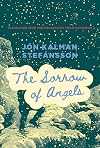
Angels weep. They weep at the tragedies humankind inflicts on itself. Their tears fall to the ground as snow, at least that’s what happens in Iceland. There it can snow so heavily that “it binds heaven and earth”.
The boy has felt safe for three weeks now, at least as safe as a person can feel in a new environment where food and shelter are actually provided. There is the nagging doubt of how long this can actually last. Meanwhile, there is the task of learning English, by translating show more Hamlet. What strange people live in this place.
Comfort will not last long, but then the dead below tell us it never can. Just as the boy was getting comfortable, having time to actually think about life, he was sent on a mission.
Jens the postman had to step into a new route to cover for a sick colleague. The only trouble was, while Jens was superb at crossing heaths and mountains through snow and sleet, he was terrified of water. This route required several crossing of bays and inlets. Jens did not know how to row.
The boy was sent along to help out with the rowing. The first portion was fifteen kilometres.
That was just the first stage on the trip. Across headlands and heath, while the angels wept above, the two struggled through hell to deliver the mail. There was death to be evaded and sometimes encountered along the route, there was the kind of bone chilling cold that leads to the delusion that it is better to just lie down in the snow and sleep, and in the end, there was a request that was impossible to deny.
Not since Haldor Laxness has anyone put into words the elemental forces that rule the island. Stefánsson does this and more. show less
The boy has felt safe for three weeks now, at least as safe as a person can feel in a new environment where food and shelter are actually provided. There is the nagging doubt of how long this can actually last. Meanwhile, there is the task of learning English, by translating show more Hamlet. What strange people live in this place.
Comfort will not last long, but then the dead below tell us it never can. Just as the boy was getting comfortable, having time to actually think about life, he was sent on a mission.
Jens the postman had to step into a new route to cover for a sick colleague. The only trouble was, while Jens was superb at crossing heaths and mountains through snow and sleet, he was terrified of water. This route required several crossing of bays and inlets. Jens did not know how to row.
The boy was sent along to help out with the rowing. The first portion was fifteen kilometres.
…the waves are an ever-changing growing landscape around the boat, they rise and fall, cold blue with a touch of green, not terribly large seen from land, not much larger seen from the deck of a ship, but those who sit in a rowing boat cannot avoid seeing the high seas in these waves, these big waves heave themselves higher than the boat and momentarily shut out the land around them; it’s incomprehensible, really, that the two men are able to stay afloat.
That was just the first stage on the trip. Across headlands and heath, while the angels wept above, the two struggled through hell to deliver the mail. There was death to be evaded and sometimes encountered along the route, there was the kind of bone chilling cold that leads to the delusion that it is better to just lie down in the snow and sleep, and in the end, there was a request that was impossible to deny.
Not since Haldor Laxness has anyone put into words the elemental forces that rule the island. Stefánsson does this and more. show less
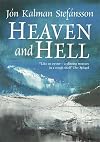
“Nothing is sweet to me, without thee.”
“I just don’t know who I am. I don’t know why I am.
And I’m not entirely sure I’ll be given time to find out.”
And I’m not entirely sure what I’ve read.
But I am sure that it was profound, beautiful, and brilliant. A tribute to the tenacity of life and the dark depths of one person’s loyalty, even beyond the watery grave.
“It’s one thing to be able to read and another to know how to read.”
There is a short, ethereal show more introduction, whose significance I didn’t fully appreciate until later. It then launches into the story described in the blurb: a century ago, a nameless boy of 19 and his bookish friend, Bárður, leave Iceland with four others: experienced fisherman, but non-swimmers, in an “open coffin”. Tragedy strikes, after which the boy goes on a perilous journey to return the borrowed Paradise Lost. The reader is hooked as surely as an arctic cod.
But then the tide turns and philosophical digressions and peripheral characters almost swamp the main story. The “we” who narrate, cast their tangled lines through the minds and lives of villagers, all of them lonely, isolated, regretful, and all of whom daily live the pain of the words quoted at the top of this review. And finally, the waters recede, and the narrative returns to the boy.
The harsh and dangerous beauty of an arctic environment is ever present. Dandelions and stars may be kindled, but there is resigned respect for the capricious sea that sustains life - even as it snatches it away; the mountains, too. The fishermen trust God, and “perhaps a minuscule amount of ingenuity, courage, longing for life”. There’s edgy camaraderie, deep bonds of unusual friendships, and the power - and danger - of words, leaving me touched by “snowflakes… born of the heavens… white and shaped like angels’ wings”.
Words as Rescue Teams
“We might not need words to survive; on the other hand, we do need words to live.”
The words of this book spoke to me, especially the words about words.
“Some words can conceivably change the world, they can comfort us and dry our tears. Some words are bullets, others are notes of a violin. Some can melt the ice around one’s heart, and it is even possible to send words out like rescue teams when the days are difficult and we are perhaps neither living nor dead.”
The joy of that is that words can be whispered in an ear, shouted across a room, printed in ink, carved in stone, written in blood, typed or spoken into a computer, and sent across the world, and across time. However helpless we sometimes feel when we see those we love and care about floundering in the treacherous waters of life, we can always cast a net of rescuing words.
Bárður and the boy adore literature, but the captain, Pétur, has a more visceral verbal power, reciting obscene verses: “This is a primitive force, a language with deep roots in a dim subconscious sprung from harsh life and ever-present death.”
Memories, important and comforting as they are, “don’t keep us afloat”. Telling how someone died is almost like resurrecting them:
“break into the kingdom of death armed with words. Words can have the might of giants and they can kill a god, they can save lives and destroy them. Words are arrows, bullets, mythological birds that chase down gods… they are nets vast enough to trap the world and the sky as well, but sometimes words are nothing, torn garments that the frost penetrates, a run-down battlement that death and misfortune step lightly over. Yet words are the one thing this boy has.”
Horizon, Boundaries, Balance
One character dies because of his love of literature, leaving another obligated to live, at least for a while, for the same reason.
Almost everything here is perfectly balanced - except the title. Life and death. Good and evil. Ebb and flow. Winter and summer. Sky and earth. No wonder the horizon is mentioned so often.
* “The sea is the wellspring of life, in it dwells the rhythm of death.”
* “The more light, the more darkness.” And “The light of the moon… makes the shadows darker, the world more mysterious.”
* “The world is gone and a dense black cloud where the horizon should be. The storm is approaching.”
* “Those who live in this valley see only a piece of the sky. Their horizon is mountains and dreams.”
Hell - but no Heaven?
Despite the balance, there are many explicit examples of Hell, but none of Heaven. Heaven comes from the writing itself, and the dedication of the boy.
"Hell is having arms but no-one to embrace."
“Hell is not knowing whether we are alive or dead.”
“Hell is to be dead and to realize that you did not care for life while you had the chance.”
“Hell is being seasick in a sixereen… many hours from shore.”
“Hell is a library and you’re blind.”
Hell is also injustice, where ravens come from, and being too drunk to remember your wife’s name.
Joy is simpler: “It is ridiculously good to have solid ground beneath one’s feet. Then you haven’t drowned and can have something to eat.”
The (un)Dead
This is not a ghost story with supernatural themes. However, a dead person is seen and heard (or imagined), and there are two types of spirits in limbo who are neither seen nor heard. These aspects reflect traditional Icelandic beliefs, as well as being a novel lens through which to see the corporeal world.
“The large group of fishermen who ramble about the seafloor, jabbering to each other about the jogtrot of time, waiting for the final call… Waiting for God to pull them up, fish them up with his net of stars, dry them off with his warm breath, permit them to walk with dry feet in Heaven, where one never eats fish, say the drowned, always just as optimistic, busy themselves with looking up at the boats, expressing amazement at the new fishing gear… but sometimes weeping with regret for life, weeping as drowned folk weep, and that is why the sea is salty.”
“We died and nothing happened… Here we are, above ground, restless, terrified and embittered, while our bones are likely peaceful down in the ground”, with “something invisible between us and you who live”, so we “ask constantly, why are we here? Where did the others go?... Where is God?” It’s not fair that “God certainly called her… while we, who ramble here, dead yet still alive, listen and listen but never hear anything.” Their mission is nothing less than “to save the world” - and the boy - by telling this story. “Our words are a kind of rescue team on a relentless mission to save past events and extinguished lives from the black hole of oblivion.”
Blind Eyes See
Milton was blind when he wrote Paradise Lost, but he could certainly see into hearts and minds. Kolbeinn is a retired captain, now blind. “His dead eyes slip through the boy like cold hands.” His Hell is that he can no longer read his 400 books, something Jorge Luis Borges, who also went blind, would have understood when he wrote "I have always imagined that Paradise will be a kind of library".
* “Eyes are invisible hands that stroke, feel, touch, find.”
* “Eyes must be somewhere… We must think about where we point them and when… They can be canons, music, bird song, war cries. They can reveal us, they can save you, destroy you.”
* “Both of them blind, he physically, she morally.”
* “No living being can stand to look into the eyes of God because they contain the fountain of life and the abyss of death.”
* “Eyes so bright they vanquish night.”
* “A woman staring at nothing, she has big eyes, recalling a horse that has stood all of its life outside in heavy rain… Once, it was a long time ago, she laughed quite often and then her eyes were suns above life… where now is the joy in these eyes?”
The Meaning of Life - and Death
“Is it a loss of Paradise to die?”
"Our existence is a relentless search for a solution, what comforts us, whatever gives us happiness, drives away all bad things... We take cure-alls instead of searching, continually asking what is the shortest path to happiness, and we find the answer in God, science, brennivin, Chinese Vital Elixir."
We often ponder the meaning of life, but this also considers the meaning and the purpose of death - especially for the several characters who consider choosing it. But we are reminded that “When there is a choice between life and death, most choose life”. Most.
Miscellaneous Quotes
* “The evening condenses against the windows, the wind strokes the rooftops.”
* “The sea floods into the dreams of those who sleep on the open sea, their consciousness is filled with fish and drowned companions who wave sadly with fins in place of hands.”
* “Memories turn to nothing, fish come and nibble the lips that were kissed yesterday.”
* “A dead man is so much heavier than one who lives, the sparkling memories have become dark, heavy metal.”
* “It is not possible to thread the tears together and then let them sink like a glittering rope down into the dark deep and pull up those who died but ought to have lived.”
* “April comes to us with a first aid kit and tries to heal the wounds of winter.”
* “She likely only knows the verb to hesitate by reputation.”
* “Bryndis, he whispers softly… as if to get his bearings, discover the taste… The air trembles.”
* “Music is unlike anything else. It is the rain that falls in the desert, the sunshine that illuminates hearts, and it is the night that comforts.”
* “Sometimes one world needs to perish so that another can come into being.”
The author* indirectly credits his country for his lyricism, “There is nothing to see in Iceland except mountains, waterfalls, tussocks and this light that can pass through you and turn you into a poet”.
Three-Volume Novel
This is not a trilogy; it’s one novel in three, very closely-related parts, covering just a few weeks:
1. Heaven and Hell, this book.
2. The Sorrow of Angels, reviewed HERE.
3. The Heart of Man, review HERE.
For a more concrete idea of setting, plot, characters, and writing style, see my overview HERE.
Photo is of Jón Gunnar Árnason’s sculpture “Sólfar” (Sun Voyager).
The photo source is HERE.
Information on the sculpture is HERE.
*Note: “Jón Kalman Stefánsson. The last name is a patronymic, not a family name; this person is properly referred to by the given name Jón Kalman”. From Wikipedia. show less
“I just don’t know who I am. I don’t know why I am.
And I’m not entirely sure I’ll be given time to find out.”
And I’m not entirely sure what I’ve read.
But I am sure that it was profound, beautiful, and brilliant. A tribute to the tenacity of life and the dark depths of one person’s loyalty, even beyond the watery grave.
“It’s one thing to be able to read and another to know how to read.”
There is a short, ethereal show more introduction, whose significance I didn’t fully appreciate until later. It then launches into the story described in the blurb: a century ago, a nameless boy of 19 and his bookish friend, Bárður, leave Iceland with four others: experienced fisherman, but non-swimmers, in an “open coffin”. Tragedy strikes, after which the boy goes on a perilous journey to return the borrowed Paradise Lost. The reader is hooked as surely as an arctic cod.
But then the tide turns and philosophical digressions and peripheral characters almost swamp the main story. The “we” who narrate, cast their tangled lines through the minds and lives of villagers, all of them lonely, isolated, regretful, and all of whom daily live the pain of the words quoted at the top of this review. And finally, the waters recede, and the narrative returns to the boy.
The harsh and dangerous beauty of an arctic environment is ever present. Dandelions and stars may be kindled, but there is resigned respect for the capricious sea that sustains life - even as it snatches it away; the mountains, too. The fishermen trust God, and “perhaps a minuscule amount of ingenuity, courage, longing for life”. There’s edgy camaraderie, deep bonds of unusual friendships, and the power - and danger - of words, leaving me touched by “snowflakes… born of the heavens… white and shaped like angels’ wings”.
Words as Rescue Teams
“We might not need words to survive; on the other hand, we do need words to live.”
The words of this book spoke to me, especially the words about words.
“Some words can conceivably change the world, they can comfort us and dry our tears. Some words are bullets, others are notes of a violin. Some can melt the ice around one’s heart, and it is even possible to send words out like rescue teams when the days are difficult and we are perhaps neither living nor dead.”
The joy of that is that words can be whispered in an ear, shouted across a room, printed in ink, carved in stone, written in blood, typed or spoken into a computer, and sent across the world, and across time. However helpless we sometimes feel when we see those we love and care about floundering in the treacherous waters of life, we can always cast a net of rescuing words.
Bárður and the boy adore literature, but the captain, Pétur, has a more visceral verbal power, reciting obscene verses: “This is a primitive force, a language with deep roots in a dim subconscious sprung from harsh life and ever-present death.”
Memories, important and comforting as they are, “don’t keep us afloat”. Telling how someone died is almost like resurrecting them:
“break into the kingdom of death armed with words. Words can have the might of giants and they can kill a god, they can save lives and destroy them. Words are arrows, bullets, mythological birds that chase down gods… they are nets vast enough to trap the world and the sky as well, but sometimes words are nothing, torn garments that the frost penetrates, a run-down battlement that death and misfortune step lightly over. Yet words are the one thing this boy has.”
Horizon, Boundaries, Balance
One character dies because of his love of literature, leaving another obligated to live, at least for a while, for the same reason.
Almost everything here is perfectly balanced - except the title. Life and death. Good and evil. Ebb and flow. Winter and summer. Sky and earth. No wonder the horizon is mentioned so often.
* “The sea is the wellspring of life, in it dwells the rhythm of death.”
* “The more light, the more darkness.” And “The light of the moon… makes the shadows darker, the world more mysterious.”
* “The world is gone and a dense black cloud where the horizon should be. The storm is approaching.”
* “Those who live in this valley see only a piece of the sky. Their horizon is mountains and dreams.”
Hell - but no Heaven?
Despite the balance, there are many explicit examples of Hell, but none of Heaven. Heaven comes from the writing itself, and the dedication of the boy.
"Hell is having arms but no-one to embrace."
“Hell is not knowing whether we are alive or dead.”
“Hell is to be dead and to realize that you did not care for life while you had the chance.”
“Hell is being seasick in a sixereen… many hours from shore.”
“Hell is a library and you’re blind.”
Hell is also injustice, where ravens come from, and being too drunk to remember your wife’s name.
Joy is simpler: “It is ridiculously good to have solid ground beneath one’s feet. Then you haven’t drowned and can have something to eat.”
The (un)Dead
This is not a ghost story with supernatural themes. However, a dead person is seen and heard (or imagined), and there are two types of spirits in limbo who are neither seen nor heard. These aspects reflect traditional Icelandic beliefs, as well as being a novel lens through which to see the corporeal world.
“The large group of fishermen who ramble about the seafloor, jabbering to each other about the jogtrot of time, waiting for the final call… Waiting for God to pull them up, fish them up with his net of stars, dry them off with his warm breath, permit them to walk with dry feet in Heaven, where one never eats fish, say the drowned, always just as optimistic, busy themselves with looking up at the boats, expressing amazement at the new fishing gear… but sometimes weeping with regret for life, weeping as drowned folk weep, and that is why the sea is salty.”
“We died and nothing happened… Here we are, above ground, restless, terrified and embittered, while our bones are likely peaceful down in the ground”, with “something invisible between us and you who live”, so we “ask constantly, why are we here? Where did the others go?... Where is God?” It’s not fair that “God certainly called her… while we, who ramble here, dead yet still alive, listen and listen but never hear anything.” Their mission is nothing less than “to save the world” - and the boy - by telling this story. “Our words are a kind of rescue team on a relentless mission to save past events and extinguished lives from the black hole of oblivion.”
Blind Eyes See
Milton was blind when he wrote Paradise Lost, but he could certainly see into hearts and minds. Kolbeinn is a retired captain, now blind. “His dead eyes slip through the boy like cold hands.” His Hell is that he can no longer read his 400 books, something Jorge Luis Borges, who also went blind, would have understood when he wrote "I have always imagined that Paradise will be a kind of library".
* “Eyes are invisible hands that stroke, feel, touch, find.”
* “Eyes must be somewhere… We must think about where we point them and when… They can be canons, music, bird song, war cries. They can reveal us, they can save you, destroy you.”
* “Both of them blind, he physically, she morally.”
* “No living being can stand to look into the eyes of God because they contain the fountain of life and the abyss of death.”
* “Eyes so bright they vanquish night.”
* “A woman staring at nothing, she has big eyes, recalling a horse that has stood all of its life outside in heavy rain… Once, it was a long time ago, she laughed quite often and then her eyes were suns above life… where now is the joy in these eyes?”
The Meaning of Life - and Death
“Is it a loss of Paradise to die?”
"Our existence is a relentless search for a solution, what comforts us, whatever gives us happiness, drives away all bad things... We take cure-alls instead of searching, continually asking what is the shortest path to happiness, and we find the answer in God, science, brennivin, Chinese Vital Elixir."
We often ponder the meaning of life, but this also considers the meaning and the purpose of death - especially for the several characters who consider choosing it. But we are reminded that “When there is a choice between life and death, most choose life”. Most.
Miscellaneous Quotes
* “The evening condenses against the windows, the wind strokes the rooftops.”
* “The sea floods into the dreams of those who sleep on the open sea, their consciousness is filled with fish and drowned companions who wave sadly with fins in place of hands.”
* “Memories turn to nothing, fish come and nibble the lips that were kissed yesterday.”
* “A dead man is so much heavier than one who lives, the sparkling memories have become dark, heavy metal.”
* “It is not possible to thread the tears together and then let them sink like a glittering rope down into the dark deep and pull up those who died but ought to have lived.”
* “April comes to us with a first aid kit and tries to heal the wounds of winter.”
* “She likely only knows the verb to hesitate by reputation.”
* “Bryndis, he whispers softly… as if to get his bearings, discover the taste… The air trembles.”
* “Music is unlike anything else. It is the rain that falls in the desert, the sunshine that illuminates hearts, and it is the night that comforts.”
* “Sometimes one world needs to perish so that another can come into being.”
The author* indirectly credits his country for his lyricism, “There is nothing to see in Iceland except mountains, waterfalls, tussocks and this light that can pass through you and turn you into a poet”.
Three-Volume Novel
This is not a trilogy; it’s one novel in three, very closely-related parts, covering just a few weeks:
1. Heaven and Hell, this book.
2. The Sorrow of Angels, reviewed HERE.
3. The Heart of Man, review HERE.
For a more concrete idea of setting, plot, characters, and writing style, see my overview HERE.
Photo is of Jón Gunnar Árnason’s sculpture “Sólfar” (Sun Voyager).
The photo source is HERE.
Information on the sculpture is HERE.
*Note: “Jón Kalman Stefánsson. The last name is a patronymic, not a family name; this person is properly referred to by the given name Jón Kalman”. From Wikipedia. show less

"Only once in your life, I truly believe, you find someone who can completely turn your world around. You tell them things that you’ve never shared with another soul and they absorb everything you say and actually want to hear more. You share hopes for the future, dreams that will never come true, goals that were never achieved and the many disappointments life has thrown at you. When something wonderful happens, you can’t wait to tell them about it, knowing they will share in your show more excitement. " Emeraldia Ayakashi
… ma ogni coscienza e’ comunque un mondo che si estende dalla terra al cielo, e come puo’ essere, allora, che una cosa tanto grande sparisca cosi’ facilmente fino a diventare nulla, senza lasciarsi dietro neppure una traccia di schiuma, neppure un’eco? (13)
… ma le parole che stiamo per dirti ci tengono caldo, sono la speranza e finche’ ci sono le parole c’e’ la vita. (14)
… e’ stato un errore da parte dell’essere umano alzarsi sugli arti posteriori, e’ stato allora che e’ cominciato questo tiro alla fune tra il paradiso e l’inferno. (22)
… le parole che pronunci oggi torneranno a cercarti tra cinque anni, torneranno da te come un mazzo di fiori, come una consolazione, come un coltello insanguinato. E le frasi che sentirai domani trasformeranno un antico bacio sincero nel ricordo del morso di un serpente. (34)
C’era una volta. Esiste una frase piu’ triste di c’era una volta? C’era una volta, e ora non c’e’ piu’. Una volta ero un bambino. (Wim Wenders?) Una volta i giorni erano palazzi fiabeschi. Poi sono piombati in una selva oscura e si sono perduti, (L’Inferno?) abbiamo lasciato che accadesse. Lasciamo che accada. Lasciamo che la vita ristagni, si appesantisca. Dove vai, vita, dove sei, cara amica? (41)
Da qualche parte sta scritto che chi si smarrisce nel maltempo non muore davvero ma si trasforma in un gabbiano, diventa un lamento nell’aria. (52-3)
Non c’e’ mai modo di sapere che direzione prendera’ la vita, non sappiamo chi sopravvivra’ alla giornata e chi soccombera’, non sappiamo se l’ultimo saluto diventera’ un bacio, una parola amara, uno sguardo che ferisce, basta un attimo di disattenzione, ti dimentichi di guardare a destra e sei morto e allora e’ troppo tardi per ritirare le parole offensive, troppo tardi per chiedere scusa, troppo tardi per dire le cose che contano, le cose che vorremmo dire ma che non riusciamo a esprimere a causa del rancore, della stanchezza della quotidianita’, del tempo che manca, dimentichi di guardare a destra e non ti vedo piu’, e le ultime parole che mi hai detto continueranno a riecheggiarmi dentro per tutti i miei giorni e le mie notti, e il bacio che avresti dovuto ricevere mi si secchera’ sulle labbra, diventera’ una ferita che si riaprira’ ogni volta che altri mi baceranno. (53-4)
Dove sta la felicita’, la pienezza, se non nei libri, nella poesia, nella conoscenza? (61-2)
Jens dorme quando il ragazzo ritorna, freme leggermente nel sonno, come se sognasse la solitudine. Non esiste inferno, soltanto solitudine, tutto impallidisce intorno a lei, le erbe della vita avvizziscono e noi tremiamo al solo pensiero. (77)
… ma che cosa portano i libri, se non morte e tenebre, che cosa fanno, se non ricordarci cio’ che non abbiamo? (78-9)
… perche’ la luce che abita nelle parole impallidisce gia’ mentre le scriviamo? Una carezza puo’ dire piu’ di qualsiasi parola del mondo, e’ vero, ma la carzza svanisce con gli anni e allora abbiamo di nuovo bisogno delle parole, sono le nostre armi contro il tempo, (Proust e Woolf) contro la morte, contro l’oblio, contro l’infelicita’. (109)
Un tempo l’unico tratto umano che sussisteva in noi era la disperazione, allora abbiamo trovato una soffitta abbandonata in una grande casa, un posto dimenticato dove ci siamo appartati, carezzando la vana speranza che il tempo finira’ per cancellarci, noi, gli scarti del mondo, torturati dai ricordi, dai rimpianti e dall’autocommiserazione. (110)
… e il sole e’ la cosa piu’ grande tra tutte quelle che l’uomo puo’ contemplare, e’ l’occhio di Dio, lo si dice anche in una poesia, infatti tutto torna, Dio ha un occhio solo, il che spiega molte cose, chi ha un occhio solo non ci vede bene come gli altri, manca di un raffronto. (124-5)
Ma del resto, che cos’e’ un uomo se non un ricordo? (131)
La vita diventa piu’ grande quando leggi, dice il ragazzo, diventa di piu’, dice, e’ come se possedessi qualcosa che nessuno ti potra’ mai togliere, dice, si diventa piu’ felici. (158)
Purtroppo c’e’ una distanza infinita tra pensare e vivere. (Rilke?) E’ possibile sapere piu’ di qualsiasi altro, conoscere l’esistenza, saperla descrivere con parole efficaci, eppure non avere alcuna idea di ogni giorno. E’ un po’ come conoscere tutte le note ed essere incapaci di fischiettare un banale motivetto. (167)
La cosa peggiore e’ non saper vivere, conoscere tutte le note e non avere una melodia. (168)
Le traduzioni ampliano gli orizzonti dell’uomo e, al tempo stesso, il mondo. (204)
E’ proprio cosi’. Uno pensa troppo alla poesia, dimentica la cerata e muore di freddo. (231)
Chi si ricorda di chi non si e’ mai distratto, o solo di rado, di chi non si e’ mai perso nei sogni, non ha mai sentito la scintilla ed e’ diventato grigio a poco a poco, pallido, ed e’ andato incontro alla monotonia, ed e’ sparito molto prima che la morte venisse a prenderlo? Allora, meglio pregare per sentire questa scintilla, anche se puo’ costarci prematuramente la vita - corriamo il rischio, piuttosto, e viviamo.
Se solo l’avessimo fatto. (231)
… suona musica di duecento anni fa sul suo armonium che non si cura piu’ di accordare, e perche’ del resto dovrebbe farlo, nemmeno la vita, quello strumento grandioso, ha un bel suono, ne’ e’ stata accordata dal Signore. (249)
Se Dio fosse onesto dovrebbe prenderla a calci in culo, certa gente. (253)
I miei ricordi sono pesci freddi, a volte mi nuotano nelle vene, e allora ho freddo. (285)
Alcuni sopportano la banalita’ meglio di altri, e probabilmente per loro e’ una benedizione. (287)
… non si puo’ stare senza musica, senza musica siamo poco piu’ che pesci. (322)
Probabilmente non c’e’ bisogno di sapere molto della vita, basta entrarci dentro. E saperla accogliere quando arriva. (Woolf?) (329)
C’e’ un tale silenzio nel mondo che mi fa paura, vieni a distenderti accanto a me, senti il calore delle mie dita, la dolcezza delle mie labbra, quando il mondo tace e sparisce io ti cerco, accanto a te sono al sicuro. Questo maledetto mondo e’ vivibile finche’ mi ami. (Sant’Agostino?) (359) che parole inutili
A volte i poemi piu’ grandi e piu’ profondi non sono nient’altro che parole inutili affidate alla carta. (367)
L’onesta’ rende l’uomo coraggioso, ma la vita e’ sventura, forse e’ difficile, forse ci disprezza, e per questo sono in tanti a piegarsi, troppo vigliacchi o troppo poco coriacei per continuare a perseguire i loro sogni. Si piegano, si accontentano di cio’ di cui non dovrebbero accontentarsi. (393)
… la vita sono stelle che scintillano, ma allora cos’e’ il buio che le separa? (409)
Bisogna vivere come le stelle, e splendere. (410) show less
… ma ogni coscienza e’ comunque un mondo che si estende dalla terra al cielo, e come puo’ essere, allora, che una cosa tanto grande sparisca cosi’ facilmente fino a diventare nulla, senza lasciarsi dietro neppure una traccia di schiuma, neppure un’eco? (13)
… ma le parole che stiamo per dirti ci tengono caldo, sono la speranza e finche’ ci sono le parole c’e’ la vita. (14)
… e’ stato un errore da parte dell’essere umano alzarsi sugli arti posteriori, e’ stato allora che e’ cominciato questo tiro alla fune tra il paradiso e l’inferno. (22)
… le parole che pronunci oggi torneranno a cercarti tra cinque anni, torneranno da te come un mazzo di fiori, come una consolazione, come un coltello insanguinato. E le frasi che sentirai domani trasformeranno un antico bacio sincero nel ricordo del morso di un serpente. (34)
C’era una volta. Esiste una frase piu’ triste di c’era una volta? C’era una volta, e ora non c’e’ piu’. Una volta ero un bambino. (Wim Wenders?) Una volta i giorni erano palazzi fiabeschi. Poi sono piombati in una selva oscura e si sono perduti, (L’Inferno?) abbiamo lasciato che accadesse. Lasciamo che accada. Lasciamo che la vita ristagni, si appesantisca. Dove vai, vita, dove sei, cara amica? (41)
Da qualche parte sta scritto che chi si smarrisce nel maltempo non muore davvero ma si trasforma in un gabbiano, diventa un lamento nell’aria. (52-3)
Non c’e’ mai modo di sapere che direzione prendera’ la vita, non sappiamo chi sopravvivra’ alla giornata e chi soccombera’, non sappiamo se l’ultimo saluto diventera’ un bacio, una parola amara, uno sguardo che ferisce, basta un attimo di disattenzione, ti dimentichi di guardare a destra e sei morto e allora e’ troppo tardi per ritirare le parole offensive, troppo tardi per chiedere scusa, troppo tardi per dire le cose che contano, le cose che vorremmo dire ma che non riusciamo a esprimere a causa del rancore, della stanchezza della quotidianita’, del tempo che manca, dimentichi di guardare a destra e non ti vedo piu’, e le ultime parole che mi hai detto continueranno a riecheggiarmi dentro per tutti i miei giorni e le mie notti, e il bacio che avresti dovuto ricevere mi si secchera’ sulle labbra, diventera’ una ferita che si riaprira’ ogni volta che altri mi baceranno. (53-4)
Dove sta la felicita’, la pienezza, se non nei libri, nella poesia, nella conoscenza? (61-2)
Jens dorme quando il ragazzo ritorna, freme leggermente nel sonno, come se sognasse la solitudine. Non esiste inferno, soltanto solitudine, tutto impallidisce intorno a lei, le erbe della vita avvizziscono e noi tremiamo al solo pensiero. (77)
… ma che cosa portano i libri, se non morte e tenebre, che cosa fanno, se non ricordarci cio’ che non abbiamo? (78-9)
… perche’ la luce che abita nelle parole impallidisce gia’ mentre le scriviamo? Una carezza puo’ dire piu’ di qualsiasi parola del mondo, e’ vero, ma la carzza svanisce con gli anni e allora abbiamo di nuovo bisogno delle parole, sono le nostre armi contro il tempo, (Proust e Woolf) contro la morte, contro l’oblio, contro l’infelicita’. (109)
Un tempo l’unico tratto umano che sussisteva in noi era la disperazione, allora abbiamo trovato una soffitta abbandonata in una grande casa, un posto dimenticato dove ci siamo appartati, carezzando la vana speranza che il tempo finira’ per cancellarci, noi, gli scarti del mondo, torturati dai ricordi, dai rimpianti e dall’autocommiserazione. (110)
… e il sole e’ la cosa piu’ grande tra tutte quelle che l’uomo puo’ contemplare, e’ l’occhio di Dio, lo si dice anche in una poesia, infatti tutto torna, Dio ha un occhio solo, il che spiega molte cose, chi ha un occhio solo non ci vede bene come gli altri, manca di un raffronto. (124-5)
Ma del resto, che cos’e’ un uomo se non un ricordo? (131)
La vita diventa piu’ grande quando leggi, dice il ragazzo, diventa di piu’, dice, e’ come se possedessi qualcosa che nessuno ti potra’ mai togliere, dice, si diventa piu’ felici. (158)
Purtroppo c’e’ una distanza infinita tra pensare e vivere. (Rilke?) E’ possibile sapere piu’ di qualsiasi altro, conoscere l’esistenza, saperla descrivere con parole efficaci, eppure non avere alcuna idea di ogni giorno. E’ un po’ come conoscere tutte le note ed essere incapaci di fischiettare un banale motivetto. (167)
La cosa peggiore e’ non saper vivere, conoscere tutte le note e non avere una melodia. (168)
Le traduzioni ampliano gli orizzonti dell’uomo e, al tempo stesso, il mondo. (204)
E’ proprio cosi’. Uno pensa troppo alla poesia, dimentica la cerata e muore di freddo. (231)
Chi si ricorda di chi non si e’ mai distratto, o solo di rado, di chi non si e’ mai perso nei sogni, non ha mai sentito la scintilla ed e’ diventato grigio a poco a poco, pallido, ed e’ andato incontro alla monotonia, ed e’ sparito molto prima che la morte venisse a prenderlo? Allora, meglio pregare per sentire questa scintilla, anche se puo’ costarci prematuramente la vita - corriamo il rischio, piuttosto, e viviamo.
Se solo l’avessimo fatto. (231)
… suona musica di duecento anni fa sul suo armonium che non si cura piu’ di accordare, e perche’ del resto dovrebbe farlo, nemmeno la vita, quello strumento grandioso, ha un bel suono, ne’ e’ stata accordata dal Signore. (249)
Se Dio fosse onesto dovrebbe prenderla a calci in culo, certa gente. (253)
I miei ricordi sono pesci freddi, a volte mi nuotano nelle vene, e allora ho freddo. (285)
Alcuni sopportano la banalita’ meglio di altri, e probabilmente per loro e’ una benedizione. (287)
… non si puo’ stare senza musica, senza musica siamo poco piu’ che pesci. (322)
Probabilmente non c’e’ bisogno di sapere molto della vita, basta entrarci dentro. E saperla accogliere quando arriva. (Woolf?) (329)
C’e’ un tale silenzio nel mondo che mi fa paura, vieni a distenderti accanto a me, senti il calore delle mie dita, la dolcezza delle mie labbra, quando il mondo tace e sparisce io ti cerco, accanto a te sono al sicuro. Questo maledetto mondo e’ vivibile finche’ mi ami. (Sant’Agostino?) (359) che parole inutili
A volte i poemi piu’ grandi e piu’ profondi non sono nient’altro che parole inutili affidate alla carta. (367)
L’onesta’ rende l’uomo coraggioso, ma la vita e’ sventura, forse e’ difficile, forse ci disprezza, e per questo sono in tanti a piegarsi, troppo vigliacchi o troppo poco coriacei per continuare a perseguire i loro sogni. Si piegano, si accontentano di cio’ di cui non dovrebbero accontentarsi. (393)
… la vita sono stelle che scintillano, ma allora cos’e’ il buio che le separa? (409)
Bisogna vivere come le stelle, e splendere. (410) show less

If you expect a conventional novel, look elsewhere - "Summer Light, and Then Comes the Night" is anything but. It has a weird narrator (an almost omnipresence of a type (although it does not know everything so not exactly) but with a "we" voice which reads more like a chorus from a classic play than anything else) and it is a more of a collection of stories with connecting episodes (from that narrator voice) than an actual novel. Add the jumps in time between the different chapters/stories show more (the last one is not the last one chronological) and it almost does not feel like a novel. And yet, it somehow does - those connections and the references between the parts and the characters which show up in multiple parts. Maybe a better word would be chronicle or saga (although these tend to go chronologically) so that is not the correct type either. It is all of them and none of them...
The novel is the story of a small village in Iceland in the late 1980s (for the main story), filled with people who appear to be normal but as everyone else have something interesting in their life. A man who starts dreaming in Latin and decides to leave his work as the director of the local Knitting company and to become an astronomer. The company itself, existing only because it was needed by someone so he is reelected, ends up closing and leaving a lot of people in the small village unemployed; a man comes home after having vowed never to do that; love and lust gets exposed in ways noone expects. Each part adds more details to a story we thought we knew, adding missing pieces, clarifying, connecting. And somewhere in all that emerges the story of a village which is very Icelandic, very normal... and not normal at all. It is the village that emerges as the main character - all the people in it are the supporting cast which makes it alive.
I suspect that this novel won't be for everyone - between the narrator style, the disjointed narrative and the somewhat uneven parts (but then, not everyone's life can be interesting), it is a weird novel. I still cannot decide if I liked it a lot or if it annoyed me - but I am glad I read it and I am interested in exploring other books by the author. Plus a non-crime Icelandic novel was an interesting way to see Iceland. show less
The novel is the story of a small village in Iceland in the late 1980s (for the main story), filled with people who appear to be normal but as everyone else have something interesting in their life. A man who starts dreaming in Latin and decides to leave his work as the director of the local Knitting company and to become an astronomer. The company itself, existing only because it was needed by someone so he is reelected, ends up closing and leaving a lot of people in the small village unemployed; a man comes home after having vowed never to do that; love and lust gets exposed in ways noone expects. Each part adds more details to a story we thought we knew, adding missing pieces, clarifying, connecting. And somewhere in all that emerges the story of a village which is very Icelandic, very normal... and not normal at all. It is the village that emerges as the main character - all the people in it are the supporting cast which makes it alive.
I suspect that this novel won't be for everyone - between the narrator style, the disjointed narrative and the somewhat uneven parts (but then, not everyone's life can be interesting), it is a weird novel. I still cannot decide if I liked it a lot or if it annoyed me - but I am glad I read it and I am interested in exploring other books by the author. Plus a non-crime Icelandic novel was an interesting way to see Iceland. show less
Lists
"We" narration (1)
Awards


You May Also Like


Associated Authors
Statistics
- Works
- 37
- Also by
- 1
- Members
- 2,145
- Popularity
- #11,994
- Rating
- 4.0
- Reviews
- 120
- ISBNs
- 283
- Languages
- 18
- Favorited
- 7
