

Gita Mehta (1943–2023)
Author of A River Sutra
About the Author
Works by Gita Mehta
Associated Works
The Pleasure of Reading: 43 Writers on the Discovery of Reading and the Books That Inspired Them (2015) — Contributor — 104 copies, 2 reviews
Tagged
Common Knowledge
- Canonical name
- Mehta, Gita
- Other names
- Patnaik, Gita (birth name)
- Birthdate
- 1943
- Date of death
- 2023-09-16
- Gender
- female
- Education
- Girton College, University of Cambridge (BA)
- Occupations
- writer
documentary filmmaker
war correspondent - Organizations
- NBC
- Awards and honors
- Royal Society of Literature (Fellow, 2021)
Padma Shri (2019, declined) - Relationships
- Mehta, Sonny (husband)
Patnaik, Naveen (brother) - Nationality
- India
- Birthplace
- Delhi, British India
- Places of residence
- Delhi, India (birth)
New York, New York, USA
London, Middlesex, England, UK
New Delhi, India - Place of death
- Delhi, India
- Associated Place (for map)
- India
Members
Reviews
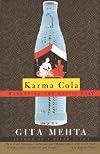
Beginning in the late '60s, hundreds of thousands of Westerners descended upon India, disciples of a cultural revolution that proclaimed that the magic and mystery missing from their lives was to be found in the East. An Indian writer who has also lived in England and the United States, Gita Mehta was ideally placed to observe the spectacle of European and American "pilgrims" interacting with their hosts. When she finally recorded her razor sharp observations in Karma Cola, the book became show more an instant classic for describing, in merciless detail, what happens when the traditions of an ancient and longlived society are turned into commodities and sold to those who don't understand them.
In the dazzling prose that has become her trademark, Mehta skewers the entire Spectrum of seekers: The Beatles, homeless students, Hollywood rich kids in detox, British guilt-trippers, and more. In doing so, she also reveals the devastating byproducts that the Westerners brought to the villages of rural lndia -- high anxiety and drug addiction among them. show less
In the dazzling prose that has become her trademark, Mehta skewers the entire Spectrum of seekers: The Beatles, homeless students, Hollywood rich kids in detox, British guilt-trippers, and more. In doing so, she also reveals the devastating byproducts that the Westerners brought to the villages of rural lndia -- high anxiety and drug addiction among them. show less
A Government official in India is in charge of a Government Rest House--a sort of inn. He is told stories about various individuals: a Jain monk previously from a wealthy family; a music teacher; a courtesan searching for her lost daughter; an insane playboy; a River Minstrel and an anchorite who worships Shiva. All this takes place near the river Narmada, a place of spiritual pilgrimage to Hindus. Gorgeous, lush writing that taught me something of Indian culture.
Gita Mehta writes to warn of the dangers/folly of decamping to India in the hope of finding insight/enlightenment/a guru. Written humorously but with a forked tongue she gives personal details of her dealings with the puveyors of Instant Karma.
Glimpses Out The Window Of A Chauffeured Limousine
This book has been around long enough that the reviews have settled into a familiar dichotomy. For those unfamiliar with India it’s an informative and wry glimpse of into the incongruities of rapid development in an ancient land. For those with more experience in (or reading about) India, it is shallow and glib. There’s nothing particularly offensive about it, but I found myself put off by the easy outrage of someone who visits with show more rag-pickers, quotes Mohandas Gandhi, and then gets on a jet plane to hobnob with the gilded classes. Mehta’s own life as a jet-setting intellectual is part of the crazy picture that makes up contemporary India, but she does not have the humility to step out of it to introspect let alone to listen deeply to the farmers, activists and others whom she so quickly picks up, quotes and drops again. The best part of this book is the foreword in which she explains the title.
Still, this is not a bad book; just far too breezy for the topics Mehta wishes to engage. Instead I’d recommend City of Djinns by William Dalrymple and Behind the Beautiful Forevers by Katherine Boo. The first is about Delhi, the second about Bombay.
Mohandas Gandhi’s response to the question “How can I understand India?” is often quoted, and Mehta quotes it too, on p.77: “study her villages.” It’s an “obvious answer” she writes. And yet she has yet to write anything but clichés about villages. Unfortunately, neither Dalrymple, Boo nor other talented writers spent any time in the real engine of change in India, villages. The academics too focus on the fringes: either elites and the arts, or the displaced urban poor. The vast majority of Indians, the ones who drive the voting blocs and populate the rolls of the police, the call centers, and the military, are people from villages, not the cities. Villages should not be visited for a picturesque interview or two – they should be studied as social institutions, and institutions of extreme importance to India’s future. The best I can find is cultural anthropology, most of it now quite dated, such as the work of Gerald Berreman. I wish someone like Amitav Ghosh (In an Antique Land) would spend as much time in an Indian village as he did in an Egyptian one. show less
This book has been around long enough that the reviews have settled into a familiar dichotomy. For those unfamiliar with India it’s an informative and wry glimpse of into the incongruities of rapid development in an ancient land. For those with more experience in (or reading about) India, it is shallow and glib. There’s nothing particularly offensive about it, but I found myself put off by the easy outrage of someone who visits with show more rag-pickers, quotes Mohandas Gandhi, and then gets on a jet plane to hobnob with the gilded classes. Mehta’s own life as a jet-setting intellectual is part of the crazy picture that makes up contemporary India, but she does not have the humility to step out of it to introspect let alone to listen deeply to the farmers, activists and others whom she so quickly picks up, quotes and drops again. The best part of this book is the foreword in which she explains the title.
Still, this is not a bad book; just far too breezy for the topics Mehta wishes to engage. Instead I’d recommend City of Djinns by William Dalrymple and Behind the Beautiful Forevers by Katherine Boo. The first is about Delhi, the second about Bombay.
Mohandas Gandhi’s response to the question “How can I understand India?” is often quoted, and Mehta quotes it too, on p.77: “study her villages.” It’s an “obvious answer” she writes. And yet she has yet to write anything but clichés about villages. Unfortunately, neither Dalrymple, Boo nor other talented writers spent any time in the real engine of change in India, villages. The academics too focus on the fringes: either elites and the arts, or the displaced urban poor. The vast majority of Indians, the ones who drive the voting blocs and populate the rolls of the police, the call centers, and the military, are people from villages, not the cities. Villages should not be visited for a picturesque interview or two – they should be studied as social institutions, and institutions of extreme importance to India’s future. The best I can find is cultural anthropology, most of it now quite dated, such as the work of Gerald Berreman. I wish someone like Amitav Ghosh (In an Antique Land) would spend as much time in an Indian village as he did in an Egyptian one. show less
Lists
Awards


You May Also Like


Associated Authors
Statistics
- Works
- 13
- Also by
- 3
- Members
- 1,590
- Popularity
- #16,227
- Rating
- 3.6
- Reviews
- 25
- ISBNs
- 89
- Languages
- 13
- Favorited
- 2