
Helen Garner
Author of The Spare Room
About the Author
Helen Garner was born on November 7, 1942 in Geelong, Australia. She received a bachelor's degree with majors in English and French from the University of Melbourne. Throughout her career, she has written both fiction and non-fiction. Her first novel, Monkey Grip, was published in 1977. Her show more non-fiction books include The First Stone, Joe Cinque's Consolation, The Feel of Steel, True Stories and Everywhere I Look. She has also written for film and theatre. She has won numerous awards for her work including Victorian Premier's Literary Awards, the Vance Palmer Prize for Fiction for The Spare Room, For the This House of Grief, she won the Melbourne Prize for Literature, the Barbara Jefferis Award, and the Ned Kelly Award in 2015, and in 2016, the WA Premier's Book Award for nonfiction. She was one of three winners of the 2016 Windham-Campbell Prize for nonfiction. Everywhere I Look won the 2017 Indie Book Award for Nonfiction. (Bowker Author Biography) show less
Image credit: Helen Garner at Adelaide Writer's Week By Michael Coghlan - https://www.flickr.com/photos/mikecogh/16642539190/, CC BY-SA 2.0, https://commons.wikimedia.org/w/index.php?curid=62681310
Works by Helen Garner
Just Between Us: Australian Writers Tell the Truth About Female Friendship (2013) 11 copies, 2 reviews
Silent Death 1 copy
The Last Days of Chez Nous [1992 film] — Screenwriter — 1 copy
Associated Works
Lost Classics: Writers on Books Loved and Lost, Overlooked, Under-read, Unavailable, Stolen, Extinct, or Otherwise Out of Commission (2000) — Contributor — 317 copies, 6 reviews
In Another Part of the Forest: An Anthology of Gay Short Fiction (1994) — Contributor — 191 copies, 2 reviews
Australian Literature: An Anthology of Writing from the Land Down Under (1993) — Contributor — 29 copies, 1 review
Goodbye to Romance: Stories by New Zealand and Australian Women Writers, 1930-1988 (1989) — Contributor — 10 copies
Tagged
Common Knowledge
- Canonical name
- Garner, Helen
- Birthdate
- 1942-11-07
- Gender
- female
- Education
- University of Melbourne (BA - English and French)
- Occupations
- screenwriter
journalist
teacher (high school)
novelist
short story writer - Awards and honors
- Windham–Campbell Literature Prize (2016)
- Relationships
- Garner, Alice (daughter)
- Nationality
- Australia
- Birthplace
- Geelong, Victoria, Australia
- Places of residence
- Melbourne, Victoria, Australia
Sydney, New South Wales, Australia - Associated Place (for map)
- Victoria, Australia
Members
Reviews
Rating: 4.5* of five
The Publisher Says: from Netgalley
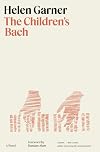
Set in suburban Melbourne in the early 1980s, The Children’s Bach centers on Dexter and Athena Fox, their two sons, and the insulated world they’ve built together. Despite the routine challenges of domestic life, they are largely happy. But when a friend from Dexter’s past resurfaces and introduces the couple to the city’s bohemian underground—unbound by routine and driven by desire—Athena begins to wonder if life might hold show more more for her, and the tenuous bonds that tie the Foxes together start to fray.
A literary institution in Australia, Helen Garner’s perfectly formed novels embody the tumultuous 1970s and 1980s. Drawn on a small canvas and with a subtle musical backdrop, The Children’s Bach is “a jewel” (Ben Lerner) within Garner’s revered catalogue, a beloved work that solidified her place among the masters of modern letters, a finely etched masterpiece that weighs the burdens of commitment against the costs of liberation.
from Goodreads
Helen Garner has been a literary institution in Australia for decades. Her perfectly formed novels embodied Australia’s tumultuous 70s and 80s, and her incisive nonfiction evokes the keen eye of the New Journalists. Dubbed “the Joan Didion of Australia.” Now, the beloved work that solidified her place among the masters of modern international letters, is available in a new US edition.
The Children's Bach follows Dexter and Athena Fox, a husband and wife who live with their two sons in the inner suburbs of early-1980s Melbourne. Dexter is gregarious, opinionated, and old fashioned. Athena is a dutiful wife and mother, stoic yet underestimated. Though their son’s disability strains the family at times, they appear to lead otherwise happy lives.
But when a friend from Dexter’s past resurfaces, she and her cast of beguiling companions reveal another world to Dexter and Athena: a bohemian underground, unbound by routine and driven by desire, where choice seems to exist independent of consequence. And as Athena delves deeper into this other kind of life, the tenuous bonds that hold the Fox family together begin to fray.
Painted on a small canvas and with a subtle musical backdrop, is “a jewel” among Garner’s revered catalog (Ben Lerner), a finely etched masterpiece that weighs the burdens of commitment against the costs of liberation.
I RECEIVED A DRC FROM THE PUBLISHER VIA NETGALLEY. THANK YOU.
My Review: How times have changed in forty years! Athena's bald, bold statement, referring to her "retarded" son, "'I’ve abandoned him, in my heart,' said Athena. 'It’s work. I’m just hanging on till we can get rid of him.'" is so very, very out of step with modern sensibilities that I suspect it will cause some readers to bail out on the read.
I think that's a pity. The writing of this polyvocal récit (yes yes yes, Gotcha Gang, I know so please just put a sock in it) is as modern as Modernism itself, is as pure and imagined with such honesty that it should not be ignored over some nasty, unkind thoughts by a mother about her child.
It WILL bother you. I suspect, without proof, that it's meant to. I know no one in this story is meant to be a comfy PoV character like you fans of Elizabeth Strout's Olive Kitteridge like to have. The Children's Bach is certainly in that domestic story genre. The characters are married, the events of the tale are within the marriage, the tone and tenor take little to no notice of anything outside the interests of the married partners. The others who appear in story are not interested in things outside Athena and Dexter's purview. It's a very closed world.
It doesn't exactly narrate itself to you, either. It's like song lyrics are, or some of the less-unbearable poetry is: Elliptical in the way it leaves you to go on the ride then build the tracks afterward. I really enjoy that in a read, though not in a LONG one, which makes this under-200-page story of domestic reality exactly the best length for the technique to be interesting and involving without overstaying its welcome.
What appeals to me the most about the read is the very unlikeability of Athena and Dexter. I know where I realized, like Rumaan Alam says in her Foreword, that I remember always where I was when I read, "She washed, she washed, she washed," though her moment was different from mine; but this is, like other Helen Garner books, the kind where the quotidian and the internal are polished well past the point of brummagem shininess into the glint of the knife that flenses you.
No, they aren't nice; they aren't pleasant; they aren't, by my standards anyway, good people. They're interesting, they're unbearably shallow and pretentious. Everyone in this story fails as a person in catalogable ways. This is proof if one needs it that the dismissive, condescending label "domestic fiction" is toothless in the face of Helen Garner's violent assault on domesticity, her ramming-into of the delimiting front door od The Family Home with her well-aimed ute/pickup truck.
But what a glorious car-crash it is. show less
The Publisher Says: from Netgalley
Set in suburban Melbourne in the early 1980s, The Children’s Bach centers on Dexter and Athena Fox, their two sons, and the insulated world they’ve built together. Despite the routine challenges of domestic life, they are largely happy. But when a friend from Dexter’s past resurfaces and introduces the couple to the city’s bohemian underground—unbound by routine and driven by desire—Athena begins to wonder if life might hold show more more for her, and the tenuous bonds that tie the Foxes together start to fray.
A literary institution in Australia, Helen Garner’s perfectly formed novels embody the tumultuous 1970s and 1980s. Drawn on a small canvas and with a subtle musical backdrop, The Children’s Bach is “a jewel” (Ben Lerner) within Garner’s revered catalogue, a beloved work that solidified her place among the masters of modern letters, a finely etched masterpiece that weighs the burdens of commitment against the costs of liberation.
from Goodreads
Helen Garner has been a literary institution in Australia for decades. Her perfectly formed novels embodied Australia’s tumultuous 70s and 80s, and her incisive nonfiction evokes the keen eye of the New Journalists. Dubbed “the Joan Didion of Australia.” Now, the beloved work that solidified her place among the masters of modern international letters, is available in a new US edition.
The Children's Bach follows Dexter and Athena Fox, a husband and wife who live with their two sons in the inner suburbs of early-1980s Melbourne. Dexter is gregarious, opinionated, and old fashioned. Athena is a dutiful wife and mother, stoic yet underestimated. Though their son’s disability strains the family at times, they appear to lead otherwise happy lives.
But when a friend from Dexter’s past resurfaces, she and her cast of beguiling companions reveal another world to Dexter and Athena: a bohemian underground, unbound by routine and driven by desire, where choice seems to exist independent of consequence. And as Athena delves deeper into this other kind of life, the tenuous bonds that hold the Fox family together begin to fray.
Painted on a small canvas and with a subtle musical backdrop, is “a jewel” among Garner’s revered catalog (Ben Lerner), a finely etched masterpiece that weighs the burdens of commitment against the costs of liberation.
I RECEIVED A DRC FROM THE PUBLISHER VIA NETGALLEY. THANK YOU.
My Review: How times have changed in forty years! Athena's bald, bold statement, referring to her "retarded" son, "'I’ve abandoned him, in my heart,' said Athena. 'It’s work. I’m just hanging on till we can get rid of him.'" is so very, very out of step with modern sensibilities that I suspect it will cause some readers to bail out on the read.
I think that's a pity. The writing of this polyvocal récit (yes yes yes, Gotcha Gang, I know so please just put a sock in it) is as modern as Modernism itself, is as pure and imagined with such honesty that it should not be ignored over some nasty, unkind thoughts by a mother about her child.
It WILL bother you. I suspect, without proof, that it's meant to. I know no one in this story is meant to be a comfy PoV character like you fans of Elizabeth Strout's Olive Kitteridge like to have. The Children's Bach is certainly in that domestic story genre. The characters are married, the events of the tale are within the marriage, the tone and tenor take little to no notice of anything outside the interests of the married partners. The others who appear in story are not interested in things outside Athena and Dexter's purview. It's a very closed world.
It doesn't exactly narrate itself to you, either. It's like song lyrics are, or some of the less-unbearable poetry is: Elliptical in the way it leaves you to go on the ride then build the tracks afterward. I really enjoy that in a read, though not in a LONG one, which makes this under-200-page story of domestic reality exactly the best length for the technique to be interesting and involving without overstaying its welcome.
What appeals to me the most about the read is the very unlikeability of Athena and Dexter. I know where I realized, like Rumaan Alam says in her Foreword, that I remember always where I was when I read, "She washed, she washed, she washed," though her moment was different from mine; but this is, like other Helen Garner books, the kind where the quotidian and the internal are polished well past the point of brummagem shininess into the glint of the knife that flenses you.
No, they aren't nice; they aren't pleasant; they aren't, by my standards anyway, good people. They're interesting, they're unbearably shallow and pretentious. Everyone in this story fails as a person in catalogable ways. This is proof if one needs it that the dismissive, condescending label "domestic fiction" is toothless in the face of Helen Garner's violent assault on domesticity, her ramming-into of the delimiting front door od The Family Home with her well-aimed ute/pickup truck.
But what a glorious car-crash it is. show less

Rating: 4.5* of five
The Publisher Says: From the beloved master of Australian letters Helen Garner comes a brand new work of nonfiction, exploring boyhood, football, and the quotidian joys of family life.
Helen Garner is one of the most “prodigiously gifted” writers of our time (The New York Times Book Review), best known for her intricate portraits of “ordinary people in difficult times” (New York Times). In The Season, she trains her keen, journalistic eye on the most difficult time show more of all: adolescence.
Garner and her grandson Amby are deep in the throes of a shared obsession with Australian football—or “footy”—as Amby advances into his local club’s Under-16s. From her trademark remove, Garner documents the camaraderie and the competition on the field: the bracing nights of training, the endurance of pain, the growth of a gaggle of laughing boys into a formidable, focused team.
The Season is part dispatch on boyhood, chronicling the tenderness between young men that so often scurries away under too bright a spotlight, and part love letter to parenthood and family, as Garner becomes enmeshed in the community that gathers to watch their boys do battle. The Season finds Garner rejoicing in the later years of her life, surprised to discover their riches—a bright, generously funny, exuberant book from one of our great living writers.
I RECEIVED A DRC FROM THE PUBLISHER VIA NETGALLEY. THANK YOU.
My Review: I really like Helen Garner's writing, enjoy her choices of subject matter, and really resonate with the worldview she puts out:
Preach, my sister.
What hasn't, won't, can't really die is the pleasure of an honest writer facing up to a tough subject (and there is no tougher subject than getting old!) with clear eyes, a willing heart, and a lifetime of practice, just...getting on with it. That is Helen Garner's métier. She speaks of her teenaged grandson with the mingled pride, amusement, and nostalgia for the rapidity of time and change carting away the one you made memories with while leaving a very roughly similar but perilously unfamiliar person in their place. I completely relate. Parents, grands, aging family members all feel a similar way, and what interests us is how much we obliviously assumed about our own pasts. Did we do better than they did? What Aunt Doraflora meant that one time she said the thing that made Dad so damn mad...oh! makes sense now, as we watch our futures doing, learning, figuring out in front of us.
The real matter of the writer is always life. Helen Garner has never once in a long career lost sight of that. Here she grapples with life changed beyond recognition, obsessions incomprehensible, worries she has no way to connect to, while knowing how much she loves; learning how much she is loved; and grappling with The End. "Really I’m trying to write about footy and my grandson and me. About boys at dusk. A little life-hymn. A poem. A record of a season we are spending together before he turns into a man and I die."
It is a gift you leave him, Helen Garner, that he will open many times in his life. And, in his turn, in a world as different from this one you both briefly cohabited in as you and I can't even conjure, he will understand your thoughts and feelings. They will resemble yours...despite the immense gulf between you in time, you will connect on the humanness of being old, being alive without certainty, and...I know you hope, and so do I...feeling loved from ahead and behind. show less
The Publisher Says: From the beloved master of Australian letters Helen Garner comes a brand new work of nonfiction, exploring boyhood, football, and the quotidian joys of family life.
Helen Garner is one of the most “prodigiously gifted” writers of our time (The New York Times Book Review), best known for her intricate portraits of “ordinary people in difficult times” (New York Times). In The Season, she trains her keen, journalistic eye on the most difficult time show more of all: adolescence.
Garner and her grandson Amby are deep in the throes of a shared obsession with Australian football—or “footy”—as Amby advances into his local club’s Under-16s. From her trademark remove, Garner documents the camaraderie and the competition on the field: the bracing nights of training, the endurance of pain, the growth of a gaggle of laughing boys into a formidable, focused team.
The Season is part dispatch on boyhood, chronicling the tenderness between young men that so often scurries away under too bright a spotlight, and part love letter to parenthood and family, as Garner becomes enmeshed in the community that gathers to watch their boys do battle. The Season finds Garner rejoicing in the later years of her life, surprised to discover their riches—a bright, generously funny, exuberant book from one of our great living writers.
I RECEIVED A DRC FROM THE PUBLISHER VIA NETGALLEY. THANK YOU.
My Review: I really like Helen Garner's writing, enjoy her choices of subject matter, and really resonate with the worldview she puts out:
A little rush of desolation. It doesn't matter if I'm not there. No one needs me. I'm not essential after all. I'm only a witness. It's one of the sporadic bursts of reality that grandparents have to bear. You're making a serious mistake if you start to think you're near the centre. You're on the periphery. You're a servant. A hanger-on. And soon you'll be dead.
Preach, my sister.
What hasn't, won't, can't really die is the pleasure of an honest writer facing up to a tough subject (and there is no tougher subject than getting old!) with clear eyes, a willing heart, and a lifetime of practice, just...getting on with it. That is Helen Garner's métier. She speaks of her teenaged grandson with the mingled pride, amusement, and nostalgia for the rapidity of time and change carting away the one you made memories with while leaving a very roughly similar but perilously unfamiliar person in their place. I completely relate. Parents, grands, aging family members all feel a similar way, and what interests us is how much we obliviously assumed about our own pasts. Did we do better than they did? What Aunt Doraflora meant that one time she said the thing that made Dad so damn mad...oh! makes sense now, as we watch our futures doing, learning, figuring out in front of us.
The real matter of the writer is always life. Helen Garner has never once in a long career lost sight of that. Here she grapples with life changed beyond recognition, obsessions incomprehensible, worries she has no way to connect to, while knowing how much she loves; learning how much she is loved; and grappling with The End. "Really I’m trying to write about footy and my grandson and me. About boys at dusk. A little life-hymn. A poem. A record of a season we are spending together before he turns into a man and I die."
It is a gift you leave him, Helen Garner, that he will open many times in his life. And, in his turn, in a world as different from this one you both briefly cohabited in as you and I can't even conjure, he will understand your thoughts and feelings. They will resemble yours...despite the immense gulf between you in time, you will connect on the humanness of being old, being alive without certainty, and...I know you hope, and so do I...feeling loved from ahead and behind. show less
Rating: 4* of five
The Publisher Says: The novel that launched the career of one of Australia’s greatest writers, following the doomed infatuations of a young, single mother, enthralled by the excesses of Melbourne's late-70s counterculture
The name Helen Garner commands near-universal acclaim. A master novelist, short-story writer, and journalist, Garner is best known for her frank, unsparing, and intricate portraits of Australian life, often drawn from the pages of her own journals and show more diaries. Now, in a newly available US edition, comes the disruptive debut that established Garner's masterful and quietly radical literary voice.
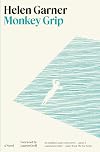
Set in Australia in the late 1970s, Monkey Grip follows single mother and writer Nora as she navigates the tumultuous cityscape of Melbourne’s bohemian underground, often with her young daughter Gracie in tow. When Nora falls in love with the flighty Javo, she becomes snared in the web of his addiction. And as their tenuous relationship disintegrates, Nora struggles to wean herself off a love that feels impossible to live without.
When it first published in 1977, Monkey Grip was both a sensation and a lightning rod. While some critics praised the upstart Garner for her craft, many scorned her gritty depictions of the human body and all its muck, her frankness about sex and drugs and the mess of motherhood, and her unabashed use of her own life as inspiration. Today, such criticism feels old-fashioned and glaringly gendered, and Monkey Grip is considered a modern masterpiece.
A seminal novel of Australia’s turbulent 1970s and all it entailed—communal households, music, friendships, children, love, drugs, and sex— Monkey Grip now makes its long-overdue American debut.
I RECEIVED A DRC FROM THE PUBLISHER VIA NETGALLEY. THANK YOU.
My Review: Novels belong to times and places. This novel is absolutely a product of its time...the 1970s...and place, settler-colonial Australia. Now we are fifty years (close enough) on from that time, we see it very differently. The term "settler colonial" as an example had not been articulated in any but the most ardently leftist circles and is now much more a part of the cultural conversation. What Garner has to say about a liberated woman of the 1970s hits very differently now than it did then. Nora’s descent into sexual obsession and drug abuse was transgressive in a different way. Now, in a conservative social landscape developed in reaction to that bright bohemian moment, Nora seems appallingly neglectful, pretty much criminally culpable for her treatment of Gracie as an expendable accessory to her own life. We think that differently about children and their needs. Thank goodness.
A point that was clear then that we of the 2020s often seem to ignore is that Gracie...of necessity...has a dad. Nora is living her own life without so much as a thought for Gracie. And so, I remind is all in our desire to tut over this, is Gracie’s dad. In the 1970s that was so ordinary an outcome that nothing whatever is made of it, nor is Javo’s hostile indifference to anyone’s needs except his own. He is, after all, A Man. Nora, by the end of the tale, is the only sufferer for her actions. Her resentful neglect of Gracie, product of an unhappy stab at marriage, really stood out for me as she simultaneously pined after the job of riding herd on Javo of the wild blue eyes and the clearly terminal smack (heroin, for the youths who might read this) addiction. As always, the inconvenient thing about children is that they need meals, clothes, baths, every day. Junkies like the adult-but-younger Javo, in contrast, can be left in their own mess, and no one does a double-take.
The reason this book sprang out at people back in the day was that it was still very much Not Done for a woman to write about women’s desires for sex, and about the bright shining fact that the reason drug culture took hold was that taking drugs feels really good. It gets a user out of their doubtless boring and routine life. That it also takes them over and ruins that boring tedious necessary engagement with living one’s life slowly emerges as Nora stays focused on herself and her addictions to sex and drugs. The shock value of this, then, was that it was a woman writing about it without stuffy moralizing and overt message-making. Yes, she has been in this out-of-control relaationship but she does come to know it must, and is at the, end. Nora does not ever think about the impact of any of this on Gracie.
I do not pretend to like Nora, or to think I would voluntarily pick up a book about her. I’m glad that I read Monkey Grip because the prose is terrific...elliptical, imprecise, and poetic...and the fact that this is based off Garner’s own life is much better known now. This adds a depth of field to my reading of the nearly plotless events that occur. The fact that Garner spent her energy in this difficult-to-sell way, then transmuted that sort-of wasted life into a work of very loud art in a very beige cultural landscape, made me admire her for her honesty, and for her clarity of purpose in writing it as a novel. She could have written a mea-culpa memoir, and been forgotten in a year.
What we get instead is a book that, for its story and its storyteller, was a loud BANG! of brightly-colored paint in that very beige cultural landscape. It would take over a decade for Australian writers to follow Helen Garner into the Fitzroy Baths and soak some of the settler-colonial stiffness out of their storytelling muscles. show less
The Publisher Says: The novel that launched the career of one of Australia’s greatest writers, following the doomed infatuations of a young, single mother, enthralled by the excesses of Melbourne's late-70s counterculture
The name Helen Garner commands near-universal acclaim. A master novelist, short-story writer, and journalist, Garner is best known for her frank, unsparing, and intricate portraits of Australian life, often drawn from the pages of her own journals and show more diaries. Now, in a newly available US edition, comes the disruptive debut that established Garner's masterful and quietly radical literary voice.
Set in Australia in the late 1970s, Monkey Grip follows single mother and writer Nora as she navigates the tumultuous cityscape of Melbourne’s bohemian underground, often with her young daughter Gracie in tow. When Nora falls in love with the flighty Javo, she becomes snared in the web of his addiction. And as their tenuous relationship disintegrates, Nora struggles to wean herself off a love that feels impossible to live without.
When it first published in 1977, Monkey Grip was both a sensation and a lightning rod. While some critics praised the upstart Garner for her craft, many scorned her gritty depictions of the human body and all its muck, her frankness about sex and drugs and the mess of motherhood, and her unabashed use of her own life as inspiration. Today, such criticism feels old-fashioned and glaringly gendered, and Monkey Grip is considered a modern masterpiece.
A seminal novel of Australia’s turbulent 1970s and all it entailed—communal households, music, friendships, children, love, drugs, and sex— Monkey Grip now makes its long-overdue American debut.
I RECEIVED A DRC FROM THE PUBLISHER VIA NETGALLEY. THANK YOU.
My Review: Novels belong to times and places. This novel is absolutely a product of its time...the 1970s...and place, settler-colonial Australia. Now we are fifty years (close enough) on from that time, we see it very differently. The term "settler colonial" as an example had not been articulated in any but the most ardently leftist circles and is now much more a part of the cultural conversation. What Garner has to say about a liberated woman of the 1970s hits very differently now than it did then. Nora’s descent into sexual obsession and drug abuse was transgressive in a different way. Now, in a conservative social landscape developed in reaction to that bright bohemian moment, Nora seems appallingly neglectful, pretty much criminally culpable for her treatment of Gracie as an expendable accessory to her own life. We think that differently about children and their needs. Thank goodness.
A point that was clear then that we of the 2020s often seem to ignore is that Gracie...of necessity...has a dad. Nora is living her own life without so much as a thought for Gracie. And so, I remind is all in our desire to tut over this, is Gracie’s dad. In the 1970s that was so ordinary an outcome that nothing whatever is made of it, nor is Javo’s hostile indifference to anyone’s needs except his own. He is, after all, A Man. Nora, by the end of the tale, is the only sufferer for her actions. Her resentful neglect of Gracie, product of an unhappy stab at marriage, really stood out for me as she simultaneously pined after the job of riding herd on Javo of the wild blue eyes and the clearly terminal smack (heroin, for the youths who might read this) addiction. As always, the inconvenient thing about children is that they need meals, clothes, baths, every day. Junkies like the adult-but-younger Javo, in contrast, can be left in their own mess, and no one does a double-take.
The reason this book sprang out at people back in the day was that it was still very much Not Done for a woman to write about women’s desires for sex, and about the bright shining fact that the reason drug culture took hold was that taking drugs feels really good. It gets a user out of their doubtless boring and routine life. That it also takes them over and ruins that boring tedious necessary engagement with living one’s life slowly emerges as Nora stays focused on herself and her addictions to sex and drugs. The shock value of this, then, was that it was a woman writing about it without stuffy moralizing and overt message-making. Yes, she has been in this out-of-control relaationship but she does come to know it must, and is at the, end. Nora does not ever think about the impact of any of this on Gracie.
I do not pretend to like Nora, or to think I would voluntarily pick up a book about her. I’m glad that I read Monkey Grip because the prose is terrific...elliptical, imprecise, and poetic...and the fact that this is based off Garner’s own life is much better known now. This adds a depth of field to my reading of the nearly plotless events that occur. The fact that Garner spent her energy in this difficult-to-sell way, then transmuted that sort-of wasted life into a work of very loud art in a very beige cultural landscape, made me admire her for her honesty, and for her clarity of purpose in writing it as a novel. She could have written a mea-culpa memoir, and been forgotten in a year.
What we get instead is a book that, for its story and its storyteller, was a loud BANG! of brightly-colored paint in that very beige cultural landscape. It would take over a decade for Australian writers to follow Helen Garner into the Fitzroy Baths and soak some of the settler-colonial stiffness out of their storytelling muscles. show less

The subject matter of this book is simple: a woman has a terminally ill friend to stay with her while the friend undergoes some alternative treatment. The style of the book is equally simple: sentences are spare and concrete, for the most part. And yet they pack an emotional weight far beyond anything that they appear to contain. The book is suffused with sorrow, and pity, and anger, and love. I am tempted to read it again straight away: but I think the emotions, which developed through the show more first reading, might overwhelm me if I feel them all from the start of the book.
It's also an almost frighteningly honest book. Helen may love her friend dearly - but she finds her state of denial almost impossibly infuriating. It's clear that all the things that drew Helen to Nicola as a friend - her appetite for life, her fearless attitude, her proud unconventionality - are exactly the things which make being with her so difficult now.
At the same time, it's not a depressing book. Sad, yes; sometimes almost horrific in the descriptions of the way the cancer ravages Nicola physically. But something keeps you wanting to read on - the quality of the writing, but also I think the honesty of the emotions described.
A wonderful book. show less
It's also an almost frighteningly honest book. Helen may love her friend dearly - but she finds her state of denial almost impossibly infuriating. It's clear that all the things that drew Helen to Nicola as a friend - her appetite for life, her fearless attitude, her proud unconventionality - are exactly the things which make being with her so difficult now.
At the same time, it's not a depressing book. Sad, yes; sometimes almost horrific in the descriptions of the way the cancer ravages Nicola physically. But something keeps you wanting to read on - the quality of the writing, but also I think the honesty of the emotions described.
A wonderful book. show less
Lists
Awards


You May Also Like


Associated Authors
Statistics
- Works
- 27
- Also by
- 18
- Members
- 5,207
- Popularity
- #4,785
- Rating
- 3.8
- Reviews
- 229
- ISBNs
- 260
- Languages
- 12
- Favorited
- 20

