
Stephen Calt (1946–2010)
Author of R. Crumb's Heroes of Blues, Jazz & Country
About the Author
Stephen Calt is the author of King of the Delta Blues: The Life and Music of Charlie Patton and the forthcoming Barrelhouse Words: The Blues Dialect Dictionary
Works by Stephen Calt
Associated Works
Tagged
Common Knowledge
Members
Reviews
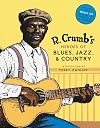
This delightful book is a fantastic read for those interested in the history and early pioneers of American music. The book collects three trading card sets that Crumb drew and painted around 1980. Crumb used historical photos to create his works, and true to the "trading card" aesthetic each picture card is accompanied by a paragraph or two about the performers.
The drawings are great, and the info accompanying them is super--especially for those who like to learn about the history of show more music. You get plenty of excellent biographical info about the featured performer and a lot of "color". That's what makes this book so fun--I pick it up while listening to Bix Beiderbecke and read "his tone, characterized by perfect pitch and spare, well-placed notes, was clean and bell-like". It's not a lot of info, but it's the kind of tidbit that makes listening more fun, especially for someone who's just digging into early American music.
The book really shines when it comes to the roots of country. The entries in that section are a little longer and allow for more exploration of how the music evolved. While reading the entry on the Ray Brothers you'll learn about the regional differences in fiddling in Mississippi and Alabama and how that affected the guitar accompaniment. A wealth of information buried in two short paragraphs!
While flipping through the pictures you may be surprised at how many of the bands had women guitarists. Read the entry on Fiddlin' Powers and Family to learn that the guitar was originally "scorned by most rural performers" and "stigmatized in its early days as a polite parlor instrument" that was fit for young girls to play. Now that's a cool little bit of cultural history that I didn't expect to learn from a book of drawings of musicians--and it's emblematic of what you get with this book, and why I loved it. show less
The drawings are great, and the info accompanying them is super--especially for those who like to learn about the history of show more music. You get plenty of excellent biographical info about the featured performer and a lot of "color". That's what makes this book so fun--I pick it up while listening to Bix Beiderbecke and read "his tone, characterized by perfect pitch and spare, well-placed notes, was clean and bell-like". It's not a lot of info, but it's the kind of tidbit that makes listening more fun, especially for someone who's just digging into early American music.
The book really shines when it comes to the roots of country. The entries in that section are a little longer and allow for more exploration of how the music evolved. While reading the entry on the Ray Brothers you'll learn about the regional differences in fiddling in Mississippi and Alabama and how that affected the guitar accompaniment. A wealth of information buried in two short paragraphs!
While flipping through the pictures you may be surprised at how many of the bands had women guitarists. Read the entry on Fiddlin' Powers and Family to learn that the guitar was originally "scorned by most rural performers" and "stigmatized in its early days as a polite parlor instrument" that was fit for young girls to play. Now that's a cool little bit of cultural history that I didn't expect to learn from a book of drawings of musicians--and it's emblematic of what you get with this book, and why I loved it. show less

Stephen Calt’s analysis of the life of Skip James touches on some of the key facets of blues historiography: plantation life in the Mississippi delta, juke joint culture, the wiliness and prideful bearing of blacks living under Jim Crow, the tension between the sacred and the profane, the sophisticated musicianship of the best bluesmen, white paternalism, record collectors and the 1960s revival. The book is well organized, and Calt writes well. His participation in the revival and his show more personal acquaintance with James makes Calt a character in the story.
Calt attributes great violence and emotional pathology to James, but makes clear the great accomplishment represented by James’ immortal 1931 recordings. Anyone struck by the power of those pieces will find this book a worthwhile read. The fact that such artistry won James few accolades at the time was both lamentable and inevitable, according to Calt, given James’ near-sociopathic resentments and seething anguish.
Calt’s assessment of other bluesmen and fellow white enthusiasts is harshly negative, but it’s his book. He congratulates himself on his detached approach, yet a sense of humor and a more evident appreciation for the intangible attraction both players and listeners feel for certain musical sounds and forms would make Calt a more empathetic observer and reporter. Writing about music is like dancing about architecture, but I would recommend this one.
[John Fahey’s How Bluegrass Music Destroyed My Life is a worthwhile complement to I’d Rather Be The Devil. Fahey, who “rediscovered” Skip James in 1964, essentially confirms Calt’s description of James’ personality, but is far better at recounting his own idiosyncratic attraction to the music, and is funnier and more succinct in relating the misperceptions of some in the 1960s folk scene. Plus, we can always listen to Fahey interpret “Special Rider Blues” with his bare hands.] show less
Calt attributes great violence and emotional pathology to James, but makes clear the great accomplishment represented by James’ immortal 1931 recordings. Anyone struck by the power of those pieces will find this book a worthwhile read. The fact that such artistry won James few accolades at the time was both lamentable and inevitable, according to Calt, given James’ near-sociopathic resentments and seething anguish.
Calt’s assessment of other bluesmen and fellow white enthusiasts is harshly negative, but it’s his book. He congratulates himself on his detached approach, yet a sense of humor and a more evident appreciation for the intangible attraction both players and listeners feel for certain musical sounds and forms would make Calt a more empathetic observer and reporter. Writing about music is like dancing about architecture, but I would recommend this one.
[John Fahey’s How Bluegrass Music Destroyed My Life is a worthwhile complement to I’d Rather Be The Devil. Fahey, who “rediscovered” Skip James in 1964, essentially confirms Calt’s description of James’ personality, but is far better at recounting his own idiosyncratic attraction to the music, and is funnier and more succinct in relating the misperceptions of some in the 1960s folk scene. Plus, we can always listen to Fahey interpret “Special Rider Blues” with his bare hands.] show less
I always feel guilty when I shelve a book that’s half pictures as “read.” Anyway, this volume was based on three trading card sets Crumb illustrated of early blues, jazz, and country performers. There is a short essay for each illustration which is always insightful. There are some notable omissions (no Robert Johnson?) which makes the collection somewhat idiosyncratic instead of encyclopedic. Still, the illustrations are great and the whole thing makes you want to seek out these early show more recordings, most no later than 1930.
There is a cd included which is a bonus to listen to after you read the entry for the particular musician. show less
There is a cd included which is a bonus to listen to after you read the entry for the particular musician. show less
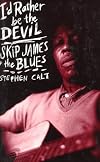
Skip James was a blues innovator, a sour, murderous pimp who also happened to be . . . a piano tuner!
Lists
Youth: Music (1)
You May Also Like


Associated Authors
Statistics
- Works
- 6
- Also by
- 1
- Members
- 567
- Popularity
- #44,117
- Rating
- 4.0
- Reviews
- 12
- ISBNs
- 16
- Languages
- 2