
Shabkar (1781–1850)
Author of The Life of Shabkar: The Autobiography of a Tibetan Yogin
About the Author
Works by Shabkar
The Emanated Scripture of Manjushri: Shabkar's Essential Meditation Instructions (Tsadra) (2019) 14 copies, 1 review
Flight of the Garuda: A Complete Explanation of Thorough Cut by Zhabkar (2011) — Root Text — 5 copies
Associated Works
Songs of Dzogchen Trekchö: A detailed commentary on Shabkar's Flight of the Garuda (2020) — Root Text — 1 copy
Tagged
Common Knowledge
- Other names
- Tshogdrug Rangdrol
Zhabkar - Birthdate
- 1781
- Date of death
- 1850
- Gender
- male
- Occupations
- dzogchen master
Members
Reviews
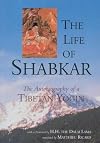
The Life of Shabkar has long been recognized by Tibetans as one of the masterworks of their religious heritage. Shabkar Tsogdruk Rangdrol devoted himself to many years of meditation in solitary retreat after his inspired youth and early training in the province of Amdo under the guidance of several extraordinary Buddhist masters. With determination and courage, he mastered the highest and most esoteric practices of the Tibetan tradition of the Great Perfection. He then wandered far and wide show more over the Himalayan region expressing his realization. Shabkar's autobiography vividly reflects the values and visionary imagery of Tibetan Buddhism, as well as the social and cultural life of early nineteenth-century Tibet. show less
The Emanated Scripture of Manjushri: Shabkar's Essential Meditation Instructions (Tsadra) by Shabkar Tsogdruk Rangdrol
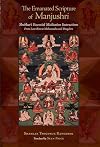
Shabkar provides practical instructions that cover the entire Tibetan Buddhist path to enlightenment, from the pith instructions of the graded stages of the path (lam-rim), to the practice of calm abiding and special insight, bodhicitta, the bodhisattva vow and the practice of the six perfections, mahamudra, and dzogchen. Throughout, his teachings stress the importance of having a nonsectarian outlook.

This is one of my favorite books. Shabkar was transcendent! The most compassionate and fully realized Dzogchen Master. Well, ok, superlatives of that sort don't apply to Dzogchen masters in comparison. But the superlative applies without diminishing any other.
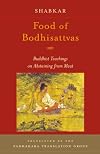
Shabkar was a great Tibetan Buddhist practitioner in the Nyingma school, a Dzogchen master of the highest accomplishment and renown. In general, Tibetans were meat eaters. For one thing, on the high Himalayan plateau crops are grown with difficulty and on the other theirs continued to be linked to a nomadic culture from the past. Buddhism does not "forbid" the eating of meat in the way, for example, Christianity forbids adultery. And many practitioners of Maha Yoga, Anu Yoga, and Ati Yoga show more (Dzogchen) of Vajrayana Buddhism feel that the tenets of emptiness make the eating of animals inconsequential. There are also other reasons some people hold in defense of this view.
But Shabkar, master of Maha, Anu, and Ati -- in fact of the 9 Yanas -- did NOT find the eating of animals to be inconsequential. This book puts forth his position. show less
But Shabkar, master of Maha, Anu, and Ati -- in fact of the 9 Yanas -- did NOT find the eating of animals to be inconsequential. This book puts forth his position. show less
You May Also Like


Associated Authors
Statistics
- Works
- 11
- Also by
- 1
- Members
- 272
- Popularity
- #85,117
- Rating
- 4.4
- Reviews
- 7
- ISBNs
- 17
- Languages
- 2
- Favorited
- 1