

Ayana Mathis
Author of The Twelve Tribes of Hattie
About the Author
Works by Ayana Mathis
Am Flussufer ein Feuer 3 copies
Associated Works
Light the Dark: Writers on Creativity, Inspiration, and the Artistic Process (2017) — Contributor — 164 copies, 5 reviews
Tagged
Common Knowledge
- Canonical name
- Mathis, Ayana
- Birthdate
- 1973
- Gender
- female
- Education
- Iowa Writers' Workshop (MFA)
- Organizations
- Iowa Writers' Workshop
- Awards and honors
- Michener-Copernicus Fellowship
- Nationality
- USA
- Places of residence
- Brooklyn, New York, USA
- Associated Place (for map)
- New York, USA
Members
Reviews
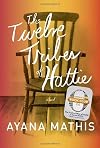
The backstory: The debut novel of Ayana Mathis, The Twelve Tribes of Hattie, was one of the spring 2013 that excited me most. When Oprah picked it as her second Book Club 2.0 read and pushed up the book's release date, I moved it to the top of my queue.
The basics: The Twelve Tribes of Hattie is the life story of Hattie Shepherd. It spans from 1925 to 1980.When she fifteen, Hattie, her mother and sister moved from Georgia to Philadelphia. There she married soon after and gave birth to twins: show more the first of many, many children.
My thoughts: The first chapter of this novel is devastating and heart-wrenching and still somehow hopeful. Both of Hattie's twins are sick with pneumonia in the middle of the night. Mathis shifts from the current minutes to Hattie's memories beautifully. In the second chapter, however, the action shifts, both in time and narrator. Suddenly it's 1948, and Hattie's son Floyd is a musician traveling through the South. My understanding of this novel shifted, and I expected to read a chapter from the point of view of each of Hattie's children, thus coming to understand her as a mother and as a woman. In time, though, Mathis shifts back to Hattie.
One consequence of this narrative structure was it's disjointedness. I never truly got a feel for this novel as I was reading it, but upon further reflection, particularly of the stunning final chapter, I did. At times it felt like a collection of linked stories. While Hattie was a part of all of them, in each story the reader glimpsed into the life of one of her children, most of whom were only previously mentioned in passing. While Hattie weaved through all of the stories, her children did not.
While this novel is the story of Hattie's life, it's also a commentary on the Great Migration:
"He thought of the South as a single undifferentiated mass of states where the people talked too slow, like August, and left because of the whites, only to spend the rest of their lives being nostalgic for the most banal and backwoods things: paper shell pecans, sweet gum trees, gigantic peaches."
There's also an extreme sadness to this novel. As I read about more and more of Hattie's children, I couldn't help but think, "him too?" or "her too?" Can no one in this family catch a break in life? This darkness is crucial to Hattie and her views on life and religion:
"Hattie believed in God's might, but she didn't believe in his interventions. At best, he was indifferent. God wasn't any of her business, and she wasn't any of his. In church on Sundays she looked around the sanctuary and wondered if anyone else felt the way she did, if anyone else was there because they believed in the ritual and the hymn singing and good preaching more than they believed in a responsive, sympathetic God."
Favorite passage: "It seemed to him that every time he made one choice in his life, he said no to another. All of those things he could not do or be were huddled inside of him; they might spring up at any moment, and he would be hobbled with regret."
The verdict: The Twelve Tribes of Hattie is a difficult novel in many ways. As a novel of the Great Migration, it is hinged on a hope we know will fail, and taking the journey of a generation's disappointment is depressing. Still, Mathis is a bold and lyrical writer. The first and last chapters will stay with me for quite some time. show less
The basics: The Twelve Tribes of Hattie is the life story of Hattie Shepherd. It spans from 1925 to 1980.When she fifteen, Hattie, her mother and sister moved from Georgia to Philadelphia. There she married soon after and gave birth to twins: show more the first of many, many children.
My thoughts: The first chapter of this novel is devastating and heart-wrenching and still somehow hopeful. Both of Hattie's twins are sick with pneumonia in the middle of the night. Mathis shifts from the current minutes to Hattie's memories beautifully. In the second chapter, however, the action shifts, both in time and narrator. Suddenly it's 1948, and Hattie's son Floyd is a musician traveling through the South. My understanding of this novel shifted, and I expected to read a chapter from the point of view of each of Hattie's children, thus coming to understand her as a mother and as a woman. In time, though, Mathis shifts back to Hattie.
One consequence of this narrative structure was it's disjointedness. I never truly got a feel for this novel as I was reading it, but upon further reflection, particularly of the stunning final chapter, I did. At times it felt like a collection of linked stories. While Hattie was a part of all of them, in each story the reader glimpsed into the life of one of her children, most of whom were only previously mentioned in passing. While Hattie weaved through all of the stories, her children did not.
While this novel is the story of Hattie's life, it's also a commentary on the Great Migration:
"He thought of the South as a single undifferentiated mass of states where the people talked too slow, like August, and left because of the whites, only to spend the rest of their lives being nostalgic for the most banal and backwoods things: paper shell pecans, sweet gum trees, gigantic peaches."
There's also an extreme sadness to this novel. As I read about more and more of Hattie's children, I couldn't help but think, "him too?" or "her too?" Can no one in this family catch a break in life? This darkness is crucial to Hattie and her views on life and religion:
"Hattie believed in God's might, but she didn't believe in his interventions. At best, he was indifferent. God wasn't any of her business, and she wasn't any of his. In church on Sundays she looked around the sanctuary and wondered if anyone else felt the way she did, if anyone else was there because they believed in the ritual and the hymn singing and good preaching more than they believed in a responsive, sympathetic God."
Favorite passage: "It seemed to him that every time he made one choice in his life, he said no to another. All of those things he could not do or be were huddled inside of him; they might spring up at any moment, and he would be hobbled with regret."
The verdict: The Twelve Tribes of Hattie is a difficult novel in many ways. As a novel of the Great Migration, it is hinged on a hope we know will fail, and taking the journey of a generation's disappointment is depressing. Still, Mathis is a bold and lyrical writer. The first and last chapters will stay with me for quite some time. show less

When Ava’s husband kicks her and her son Toussaint out of the house, they spend a few days sleeping on the streets of Philadelphia until finding a room in a women’s shelter. Ava’s only living family is her mother Dutchess, who lives in a tiny Alabama community which has dwindled to about 5 elderly residents. The Dutchess narrative fills in details of Ava’s back story and her estrangement from Dutchess.
The shelter’s rules and expectations prove too much for Ava to handle, and she show more spends days holed up in their room. Toussaint goes to school, at least for a while. Ava’s emotional demands are too much for him to handle, especially on top of the academic and social pressures at school. There is a glimmer of hope when they run into Cass, Toussaint’s father. Cass, a charismatic activist, runs a community housing cooperative and medical clinic. Ava and Toussaint finally have a stable housing situation, Ava feels cared for by Cass, and Toussaint is able to have a relationship with his father. But eventually Cass’ own mental health and stability issues surface, with huge consequences for the community.
Philadelphia’s poverty, urban blight, and social services are realistically portrayed in this novel. Set in the mid-1980s, there are similarities to the story of the MOVE organization and its treatment by city officials. Ava and Toussaint’s precarious housing and economic prospects are in a near-constant state of flux. This book lived up to its title, leaving me feeling unsettled on almost every page, and even the glimmer of hope at the end is filled with uncertainty. This is an intense novel with difficult themes, but a worthwhile read. show less
The shelter’s rules and expectations prove too much for Ava to handle, and she show more spends days holed up in their room. Toussaint goes to school, at least for a while. Ava’s emotional demands are too much for him to handle, especially on top of the academic and social pressures at school. There is a glimmer of hope when they run into Cass, Toussaint’s father. Cass, a charismatic activist, runs a community housing cooperative and medical clinic. Ava and Toussaint finally have a stable housing situation, Ava feels cared for by Cass, and Toussaint is able to have a relationship with his father. But eventually Cass’ own mental health and stability issues surface, with huge consequences for the community.
Philadelphia’s poverty, urban blight, and social services are realistically portrayed in this novel. Set in the mid-1980s, there are similarities to the story of the MOVE organization and its treatment by city officials. Ava and Toussaint’s precarious housing and economic prospects are in a near-constant state of flux. This book lived up to its title, leaving me feeling unsettled on almost every page, and even the glimmer of hope at the end is filled with uncertainty. This is an intense novel with difficult themes, but a worthwhile read. show less
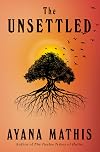
During our fifteen years living in Philadelphia we experienced wonderful events, like a free concert by Pete Seeger along the Delaware River, and saw disturbing things. The bombing of the MOVE house in West Philadelphia was the most horrific. Likely, you have never heard of the MOVE bombing. But this year marked thirty-nine years since it happened.
MOVE had been labeled a terrorist group by the mayor, but they were a Black Nationalist separatist group, anti-government and anti-modern show more technology. The mayor decided he wanted MOVE out of the city, and the police took excessive action.
I will never forget watching the news as hundreds of armed police surrounded a rowhouse with women and children inside, bombarding it with bullets for hours before dropping an incendiary bomb; the house exploded and set fire to over sixty neighboring houses. Six adults and five children were killed.
The Unsettled is inspired by MOVE and other groups looking for radical change in the 1980s. At the center of the story is Ava. She is from a historic free black town in Alabama that is being bought up by a white developer until little black owned land is left. Tactics to drive the black population out include arson and violence. Ava’s mother is fighting to keep her land and her hometown alive.
Ava was in college when she met a handsome, charismatic man, Cass, who left her pregnant. Ava was married when Cass shows up again years later. When her husband learns that Ava has seen Cass, his violence drives her from the house. After time living on the streets, Ava and her son Toussaint struggle with life in a shelter in north Philadelphia.
The Fellowship of Ark stands against all systems of black dehumanization and economic exploitation. Ark does not recognize the legitimacy of said systems, their agents, or their methods. Ark rejects the fiction of American democracy…Black people are not defined by oppression, victimhood, or exploitation. We are instead the drivers of the world’s economy: sought after, fought for, and essential. from The Unsettled
Ava and her son meet Cass again and they join the Ark, a separatist group inspired by Cas’s visionary ideals. They find family and safety. At first, Cass implements community outreach with free meals and a free clinic supplied with illegally sourced medicine which draws a police raid. After that, Cass becomes paranoid and his leadership oppressive and cruel. Their earlier good relationships with the neighbors becomes strained and then hostile. Ava is determined to protect her son, and takes a step that changes everything.
It is an emotionally devastating page turner of a story. Ava’s time in a shelter, Toussaint’s wish for normality, the fight against systemic racism is heartbreaking. There seems to be no safe place for Toussaint and Ava to call home.
Toussaint is the heart of the story, the heir to the trauma that has haunted generations of his family. He retains a basic innocence even when life is in turmoil all around him. We see him negotiate the changes in his life. To escape bullies, he skips school and wanders Philadelphia. He discovers a homeless camp and finds a safe place with the clergywoman on the block. He is an unforgettable character.
This was not an easy book to read, and for someone who is white as I am, it is unsettling in its honesty. It appeared on many ‘best books of the year’ lists for good reason, combining stellar storytelling with deep insight.
It is available now in paperback.
Thanks to the publisher for a free book. show less
MOVE had been labeled a terrorist group by the mayor, but they were a Black Nationalist separatist group, anti-government and anti-modern show more technology. The mayor decided he wanted MOVE out of the city, and the police took excessive action.
I will never forget watching the news as hundreds of armed police surrounded a rowhouse with women and children inside, bombarding it with bullets for hours before dropping an incendiary bomb; the house exploded and set fire to over sixty neighboring houses. Six adults and five children were killed.
The Unsettled is inspired by MOVE and other groups looking for radical change in the 1980s. At the center of the story is Ava. She is from a historic free black town in Alabama that is being bought up by a white developer until little black owned land is left. Tactics to drive the black population out include arson and violence. Ava’s mother is fighting to keep her land and her hometown alive.
Ava was in college when she met a handsome, charismatic man, Cass, who left her pregnant. Ava was married when Cass shows up again years later. When her husband learns that Ava has seen Cass, his violence drives her from the house. After time living on the streets, Ava and her son Toussaint struggle with life in a shelter in north Philadelphia.
The Fellowship of Ark stands against all systems of black dehumanization and economic exploitation. Ark does not recognize the legitimacy of said systems, their agents, or their methods. Ark rejects the fiction of American democracy…Black people are not defined by oppression, victimhood, or exploitation. We are instead the drivers of the world’s economy: sought after, fought for, and essential. from The Unsettled
Ava and her son meet Cass again and they join the Ark, a separatist group inspired by Cas’s visionary ideals. They find family and safety. At first, Cass implements community outreach with free meals and a free clinic supplied with illegally sourced medicine which draws a police raid. After that, Cass becomes paranoid and his leadership oppressive and cruel. Their earlier good relationships with the neighbors becomes strained and then hostile. Ava is determined to protect her son, and takes a step that changes everything.
It is an emotionally devastating page turner of a story. Ava’s time in a shelter, Toussaint’s wish for normality, the fight against systemic racism is heartbreaking. There seems to be no safe place for Toussaint and Ava to call home.
Toussaint is the heart of the story, the heir to the trauma that has haunted generations of his family. He retains a basic innocence even when life is in turmoil all around him. We see him negotiate the changes in his life. To escape bullies, he skips school and wanders Philadelphia. He discovers a homeless camp and finds a safe place with the clergywoman on the block. He is an unforgettable character.
This was not an easy book to read, and for someone who is white as I am, it is unsettling in its honesty. It appeared on many ‘best books of the year’ lists for good reason, combining stellar storytelling with deep insight.
It is available now in paperback.
Thanks to the publisher for a free book. show less
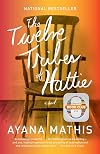
In 1923, fifteen-year-old Hattie Shepherd flees Georgia and settles in Philadelphia, hoping for a chance at a better life. Instead, she marries a man who will bring her nothing but disappointment and watches helplessly as her firstborn twins succumb to an illness a few pennies could have prevented. Hattie gives birth to nine more children whom she raises with grit and mettle and not an ounce of the tenderness they crave. She vows to prepare them for the calamitous difficulty they are sure to show more face in their later lives, to meet a world that will not love them, a world that will not be kind. Captured here in twelve luminous narrative threads, their lives tell the story of a mother’s monumental courage and the journey of a nation.
Beautiful and devastating, Ayana Mathis’s The Twelve Tribes of Hattie is wondrous from first to last—glorious, harrowing, unexpectedly uplifting, and blazing with life.
An emotionally transfixing page-turner, a searing portrait of striving in the face of insurmountable adversity, an indelible encounter with the resilience of the human spirit and the driving force of the American dream, Mathis’s first novel heralds the arrival of a major new voice in contemporary fiction show less
Beautiful and devastating, Ayana Mathis’s The Twelve Tribes of Hattie is wondrous from first to last—glorious, harrowing, unexpectedly uplifting, and blazing with life.
An emotionally transfixing page-turner, a searing portrait of striving in the face of insurmountable adversity, an indelible encounter with the resilience of the human spirit and the driving force of the American dream, Mathis’s first novel heralds the arrival of a major new voice in contemporary fiction show less
Lists
Awards


You May Also Like


Associated Authors
Statistics
- Works
- 3
- Also by
- 2
- Members
- 2,006
- Popularity
- #12,832
- Rating
- 3.6
- Reviews
- 117
- ISBNs
- 69
- Languages
- 10
- Favorited
- 1