
Jennifer Cody Epstein
Author of The Painter from Shanghai
About the Author
Image credit: Jennifer Cody Epstein
Works by Jennifer Cody Epstein
Tagged
Common Knowledge
- Canonical name
- Epstein, Jennifer Cody
- Birthdate
- c. 1966
- Gender
- female
- Education
- Amherst College (BA)
Johns Hopkins University (MA)
Columbia University (MFA) - Occupations
- journalist
- Short biography
- Jennifer Cody Epstein has worked in Japan, China, Hong Kong, Thailand and the U.S. for publications including The Wall Street Journal, The Asian Wall Street Journal, Mademoiselle, Self and Parents, as well as for the NBC and HBO networks. She has a Masters degree in International Affairs from Johns Hopkins SAIS, and an MFA from Columbia. She lives in Brooklyn, New York with her husband, filmmaker Michael Epstein, and their two daughters.
- Nationality
- USA
- Places of residence
- New York, New York, USA
Bologna, Italy
Bangkok, Thailand
Hong Kong
Members
Reviews
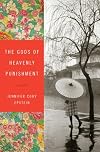
There are numerous novels about World War II and the events leading up to it but The Gods of Heavenly Punishment comes from a perspective not often seen—that of life in Japan in the late 1930s. Author Jennifer Cody Epstein intermingles the lives of disparate characters that come together
and move apart against the backdrop of war. Anton Reynolds is an American architect who has spent over a decade living in Japan, helping to create some of Tokyo’s most impressive buildings. His chief show more builder is Kenji Kobayashi, a traditional Japanese man who struggles to understand his elegant and high-strung modern wife, Hana. After Pearl Harbor, the Americans in Japan must leave. Anton finds his architectural skills in demand to build replicas of Japanese buildings in the desert which will be used for test detonations of new types of bombs. Kenji goes to Manchuria, formerly of China but now occupied by Japan, and helps build new towns and infrastructure.
The Gods of Heavenly Punishment moves beyond other war-based novels thanks to Epstein’s ability to look outside the events—the preparations, the mindset, the beliefs—and into the more intimate details of each character’s life. As a young girl, Kenji and Hana’s daughter Yoshi learns of her father’s secret life in a remote village and must manage this knowledge when she returns to Tokyo to take care of her once vivacious mother who is now emotionally and physically fragile. When the Americans bomb Tokyo with napalm in 1945, Epstein captures the larger horror of a panicked teen watching friends and her city explode into flames while her inner terror is at having left her mother alone. Rather than give us characters that are merely impacted by the epic events going on around them, Epstein creates people whose internal battles are just as important. This blending of world and personal makes each aspect of the novel more potent in its intimacy.
In the novel the chapters are separated by location, giving the reader the chance to move away from one set of perceptions to another. Because the characters feel so real—in all their political-incorrectness the novel is infused with a flavor that enriches the reader’s experience. Words and sentiments were used that would never be expressed now but even as we flinch there must be acknowledgment that these were the emotions of the time—on both sides. Epstein’s even prose makes judgment of either side difficult. At best, we are left trying to understand the monstrous actions on both sides and the smaller human behaviors in all the characters, not just those who invoke our sympathy. show less
and move apart against the backdrop of war. Anton Reynolds is an American architect who has spent over a decade living in Japan, helping to create some of Tokyo’s most impressive buildings. His chief show more builder is Kenji Kobayashi, a traditional Japanese man who struggles to understand his elegant and high-strung modern wife, Hana. After Pearl Harbor, the Americans in Japan must leave. Anton finds his architectural skills in demand to build replicas of Japanese buildings in the desert which will be used for test detonations of new types of bombs. Kenji goes to Manchuria, formerly of China but now occupied by Japan, and helps build new towns and infrastructure.
The Gods of Heavenly Punishment moves beyond other war-based novels thanks to Epstein’s ability to look outside the events—the preparations, the mindset, the beliefs—and into the more intimate details of each character’s life. As a young girl, Kenji and Hana’s daughter Yoshi learns of her father’s secret life in a remote village and must manage this knowledge when she returns to Tokyo to take care of her once vivacious mother who is now emotionally and physically fragile. When the Americans bomb Tokyo with napalm in 1945, Epstein captures the larger horror of a panicked teen watching friends and her city explode into flames while her inner terror is at having left her mother alone. Rather than give us characters that are merely impacted by the epic events going on around them, Epstein creates people whose internal battles are just as important. This blending of world and personal makes each aspect of the novel more potent in its intimacy.
In the novel the chapters are separated by location, giving the reader the chance to move away from one set of perceptions to another. Because the characters feel so real—in all their political-incorrectness the novel is infused with a flavor that enriches the reader’s experience. Words and sentiments were used that would never be expressed now but even as we flinch there must be acknowledgment that these were the emotions of the time—on both sides. Epstein’s even prose makes judgment of either side difficult. At best, we are left trying to understand the monstrous actions on both sides and the smaller human behaviors in all the characters, not just those who invoke our sympathy. show less

Pan Yuliang, Chinese ex-pat artist. Have you heard of her? I hadn't either but this novel limns a fascinating and believable life for this not particularly well known historic figure. Orphaned young and raised by an opium addicted uncle, Pan Yuliang is sold into prostitution in her teens. She is bought out of her contract by a government offical whom she ultimately marries, becoming his concubine or "second wife." Amazingly, given the political climate in China during her lifetime, she is show more not only allowed to study at a prominent art school in Shanghai, but she also wins a scholarship to go to Paris and study there. Her work is post-Impressionist and both Asian and European in feel with her most famous and controversial paintings being of nudes, and very commonly of herself nude. While in France, she meets and associates with other young Chinese (Zhou Enlai is one such person) who will ultimately help to change the face of their homeland and drive people like Pan Yuliang from the China racing headlong towards the Cultural Revolution.
This was a completely engrossing novel which kept me reading long past when the light should have been out. Epstein has drawn a very believable story for Pan Yuliang, from her beginnings as a maid in a brothel all the way to being at the nadir of the post-impressionist art movement in China. She's a warm and sympathetic character who faces set-backs with a bit of fatalism and a steely resolve, an intriguing mix in a character. Although this is billed as novel about Pan Yuliang the artist, it is quite far along in the narrative before she tries her hand at any drawing at all, which I had not expected. And while her early life was fascinating, I read with a small sense of "let's get to the painting part" nagging at the back of my mind. Pan Yuliang is very definitely the main character here, with few other characters appearing and lasting in the novel. There are no throw-away characters and no outside tangents to take the reader's attention from the major story, allowing the reader to crawl more fully into Yuliang's skin and experience the highs and lows of her life with her. I went searching on the internet for pictures of her work once I finished the book and obviously Epstein did a good job describing them as they weren't startlingly different from what I had imagined. They aren't particularly to my taste but the book definitely was. I recommend it for those who enjoy historical fiction, art history, or just a plain old good story that will keep you reading past your bedtime. show less
This was a completely engrossing novel which kept me reading long past when the light should have been out. Epstein has drawn a very believable story for Pan Yuliang, from her beginnings as a maid in a brothel all the way to being at the nadir of the post-impressionist art movement in China. She's a warm and sympathetic character who faces set-backs with a bit of fatalism and a steely resolve, an intriguing mix in a character. Although this is billed as novel about Pan Yuliang the artist, it is quite far along in the narrative before she tries her hand at any drawing at all, which I had not expected. And while her early life was fascinating, I read with a small sense of "let's get to the painting part" nagging at the back of my mind. Pan Yuliang is very definitely the main character here, with few other characters appearing and lasting in the novel. There are no throw-away characters and no outside tangents to take the reader's attention from the major story, allowing the reader to crawl more fully into Yuliang's skin and experience the highs and lows of her life with her. I went searching on the internet for pictures of her work once I finished the book and obviously Epstein did a good job describing them as they weren't startlingly different from what I had imagined. They aren't particularly to my taste but the book definitely was. I recommend it for those who enjoy historical fiction, art history, or just a plain old good story that will keep you reading past your bedtime. show less

Based in fact, this story about the dark and often diabolical happenings in the French women’s asylum of the 1800s is more than the mind can imagine. A women deemed “hysterical” could literally be thrown away forever into this monstrous system. La Salpetriere la Vieillesse (Femmes) was an institution founded in the 1600s which housed over three thousand women “in various states of mental distress. “It was effectively a small mad city…”
It should never be forgotten that a man had show more the final word, a woman had no standing, no power unless she had extraordinary wealth of her own. These men, who we now call or recognize as brilliant, the forefathers of our understanding of the mind, were one short step from being worse than charlatans. Hypnotizing the more glamorous inmates for public consumption to bolster their power, and ego with little or no concern for the ramifications of their actions upon the victim. So enamored of their self-importance and intelligence their positions remained solid, unshakable. With a word a woman could be reduced to less than nothing. As “any woman in Hysteria could have told you…..The men always get away with it. It was a central tenet of our time, unwritten and undisclosed, but as incontrovertible as any upheld in an actual court of law.” Even the doctors who recognized the madness of certain attitudes and procedures were helpless to effect change.
Cody Epstein manages to explore many of the societal issues of the time including an explanation of the Orphan Labor by les petites de Paris which kept the farms outside the cities in business by paying a stipend for these poor working bodies until they were twelve and the public assistance stopped. Without going off track, France was not the only country to adopt this mean spirited program in the guise of helping and protecting the orphan children.
As far as historical fiction goes, there is none better than this exploration and exposition of the horrific treatment of many women who may or may not have been mentally challenged. This was not a fast nor an easy read for me but it was so well researched and meticulously plotted that it was worth every minute. A solid 4-1/2 stars which I am rounding up for effort and importance. Thanks to Ballantine Books and NetGalley for a copy. show less
It should never be forgotten that a man had show more the final word, a woman had no standing, no power unless she had extraordinary wealth of her own. These men, who we now call or recognize as brilliant, the forefathers of our understanding of the mind, were one short step from being worse than charlatans. Hypnotizing the more glamorous inmates for public consumption to bolster their power, and ego with little or no concern for the ramifications of their actions upon the victim. So enamored of their self-importance and intelligence their positions remained solid, unshakable. With a word a woman could be reduced to less than nothing. As “any woman in Hysteria could have told you…..The men always get away with it. It was a central tenet of our time, unwritten and undisclosed, but as incontrovertible as any upheld in an actual court of law.” Even the doctors who recognized the madness of certain attitudes and procedures were helpless to effect change.
Cody Epstein manages to explore many of the societal issues of the time including an explanation of the Orphan Labor by les petites de Paris which kept the farms outside the cities in business by paying a stipend for these poor working bodies until they were twelve and the public assistance stopped. Without going off track, France was not the only country to adopt this mean spirited program in the guise of helping and protecting the orphan children.
As far as historical fiction goes, there is none better than this exploration and exposition of the horrific treatment of many women who may or may not have been mentally challenged. This was not a fast nor an easy read for me but it was so well researched and meticulously plotted that it was worth every minute. A solid 4-1/2 stars which I am rounding up for effort and importance. Thanks to Ballantine Books and NetGalley for a copy. show less
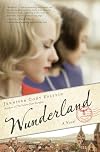
Wunderland, Jennifer Cody Epstein, author; Lisa Flanagan, narrator
The author of this novel has woven a tale, that begins in 1933 and travels to 1989. It is difficult, but necessary for all to read. She has deftly placed the reader in the middle of the maelstrom known as the Holocaust. As she details the lives of Ilse von Fischer, Ava Fischer and Renate von Bauer, that infamous period of history is captured completely. As the knowledge of Hitler’s plan grows broader, the rising tension and show more fear of that time period forces the reader to face it viscerally, to face it in much the same way it surely forced the victims of that time. In Germany, and in the world, when the facts were discovered, and the extent of the horrors described, there was incredible disbelief and shock. For as Hitler rose to power, how could anyone really even imagine the rules he would enforce or the brutality he would carry out? The idea that such cruelty, such hysterical hatred, such heinous behavior could actually exist in the normal world, defied all reason. The reader will experience the same feelings of incredulity, never quite able to fully accept the horror of the situation as it plays out, for it truly confounds the imagination. Yet, although it seems unspeakable, this novel is based on a very harsh reality.
When the story begins, it is 1989. Ava Fischer, Ilse’s daughter, is living in New York City with her daughter Sophie. She is distraught after receiving a letter from a lawyer advising her of her estranged mother’s death, in Germany. With this letter, she also received a packet of letters that her mother, Ilse, had written, but had never mailed to someone Ava had never heard of, someone named Renate Bauer. The letters revealed myriad secrets from her mother’s past.
When the book continues, it goes back to 1933 and details the friendship between Ilse and Renate when they were children in Berlin. As the author describes the closeness of these two young girls who had been the best of friends, she slowly illustrates and brings to life, Adolf Hitler and his heinous regime’s rise to power. As he began to gain notoriety, most believed his infamy would not last. As he became more and more powerful, those he turned on still believed he would fade away, that people would never follow his despicable example or support his hate and brutality. The depths of depravity had not yet been reached, however, and the scar on history would soon become an unpardonable reality.
When Ilse became enamored with the girl’s youth movement that unconditionally supported Hitler and his dream of bringing Germany back to the world stage, thus eliminating the shame of their loss in World War I, she begged Renate to join the group with her. However, Renate’s parents would not allow her to join the Hitler Youth. Soon, however, as the young are wont to do, she disobeyed them and secretly attempted to join. She was rejected, with catastrophic results, as she had to be investigated before she could be approved and that investigation revealed family secrets that had been hidden from her. What seemed like an innocent mischievous act could soon put her family in great danger.
All of the characters seemed authentic, so much so, that there were times I could barely continue to read, so angry did their behavior make me. I wanted to shut the book and scream out loud, deny the history that I knew was true. I have read largely on the Holocaust, and still I find that every new book seems to highlight new atrocities, new sadistic behavior, new lows that humans beings can sink to, and incredibly, justify that behavior for themselves.
This author has so carefully laid out the strategy used by Hitler and his minions, as she develops her characters, that the Nazi’s insidious progress truly hits the reader with real force and highlights how Hitler used his methods to gradually and subtly assume more power. He increased his use of accusations to falsely blame his victims and rouse his supporters. He used his thugs and followers to enforce his violence using methods that ultimately raised the atmosphere of fear for all. He made barbaric behavior the accepted norm. People turned on each other; no friend or family member was immune to the brutality, and soon, the terrifying atmosphere he designed made many that would not have joined his effort, eventually enter the ranks of the heinous Nazis. Some did it to save themselves, but many joined to serve their own greed and to foster the hate and jealousy they had always held within them, the anger they had always harbored toward those more successful than they. To those who recognized the hate being spewed by Hitler, the reasons for joining the party, coupled with the reprehensible behavior it encouraged, seemed to simply defy logic, yet still, more and more followed him.
Hitler captured the devotion and loyalty of the young, those whose minds were not fully formed, the vulnerable who needed to feel wanted and secure, the old who were beleaguered by life, and those who truly enjoyed preying on others, those willing to turn against their families and former friends. For these followers, supporting Germany and Hitler superseded all else. Hitler became a god. Restoring Germany’s reputation depended not on their hard work and success, but on their ability to destroy their perceived enemies by any means necessary, on their ability to blame the victims for what they were actually doing. As thugs and haters became more and more powerful, as they set their sights on certain elements of society, a great number among them, of course, as history has told us, were the Jews. As they became the targets, they were in greater and greater danger with little or no chance of escaping the wrath of the Nazis. However, soon, even some of those who supported the Nazis, lived in fear. Their safety was not guaranteed either, as those in power, the pack of animals passing for humans, could turn on a dime against them for any perceived infraction. Fear was what governed the people and kept them in line.
The book unleashed a well of emotion in me since anti-Semitism seems to be on the rise again. Jews then, and now, are being blamed for the anger that was, and is, directed toward them; they are told that it is their own behavior that has brought down this wrath upon them, that by virtue of their own behavior, they have become the enemy.
The narrator of this book was marvelous. She portrayed each character appropriately, with accent and tone of voice. Her expression captured every moment of history realistically, arousing the appropriate emotional response from the reader. She never interfered with the story, but rather enhanced it. show less
The author of this novel has woven a tale, that begins in 1933 and travels to 1989. It is difficult, but necessary for all to read. She has deftly placed the reader in the middle of the maelstrom known as the Holocaust. As she details the lives of Ilse von Fischer, Ava Fischer and Renate von Bauer, that infamous period of history is captured completely. As the knowledge of Hitler’s plan grows broader, the rising tension and show more fear of that time period forces the reader to face it viscerally, to face it in much the same way it surely forced the victims of that time. In Germany, and in the world, when the facts were discovered, and the extent of the horrors described, there was incredible disbelief and shock. For as Hitler rose to power, how could anyone really even imagine the rules he would enforce or the brutality he would carry out? The idea that such cruelty, such hysterical hatred, such heinous behavior could actually exist in the normal world, defied all reason. The reader will experience the same feelings of incredulity, never quite able to fully accept the horror of the situation as it plays out, for it truly confounds the imagination. Yet, although it seems unspeakable, this novel is based on a very harsh reality.
When the story begins, it is 1989. Ava Fischer, Ilse’s daughter, is living in New York City with her daughter Sophie. She is distraught after receiving a letter from a lawyer advising her of her estranged mother’s death, in Germany. With this letter, she also received a packet of letters that her mother, Ilse, had written, but had never mailed to someone Ava had never heard of, someone named Renate Bauer. The letters revealed myriad secrets from her mother’s past.
When the book continues, it goes back to 1933 and details the friendship between Ilse and Renate when they were children in Berlin. As the author describes the closeness of these two young girls who had been the best of friends, she slowly illustrates and brings to life, Adolf Hitler and his heinous regime’s rise to power. As he began to gain notoriety, most believed his infamy would not last. As he became more and more powerful, those he turned on still believed he would fade away, that people would never follow his despicable example or support his hate and brutality. The depths of depravity had not yet been reached, however, and the scar on history would soon become an unpardonable reality.
When Ilse became enamored with the girl’s youth movement that unconditionally supported Hitler and his dream of bringing Germany back to the world stage, thus eliminating the shame of their loss in World War I, she begged Renate to join the group with her. However, Renate’s parents would not allow her to join the Hitler Youth. Soon, however, as the young are wont to do, she disobeyed them and secretly attempted to join. She was rejected, with catastrophic results, as she had to be investigated before she could be approved and that investigation revealed family secrets that had been hidden from her. What seemed like an innocent mischievous act could soon put her family in great danger.
All of the characters seemed authentic, so much so, that there were times I could barely continue to read, so angry did their behavior make me. I wanted to shut the book and scream out loud, deny the history that I knew was true. I have read largely on the Holocaust, and still I find that every new book seems to highlight new atrocities, new sadistic behavior, new lows that humans beings can sink to, and incredibly, justify that behavior for themselves.
This author has so carefully laid out the strategy used by Hitler and his minions, as she develops her characters, that the Nazi’s insidious progress truly hits the reader with real force and highlights how Hitler used his methods to gradually and subtly assume more power. He increased his use of accusations to falsely blame his victims and rouse his supporters. He used his thugs and followers to enforce his violence using methods that ultimately raised the atmosphere of fear for all. He made barbaric behavior the accepted norm. People turned on each other; no friend or family member was immune to the brutality, and soon, the terrifying atmosphere he designed made many that would not have joined his effort, eventually enter the ranks of the heinous Nazis. Some did it to save themselves, but many joined to serve their own greed and to foster the hate and jealousy they had always held within them, the anger they had always harbored toward those more successful than they. To those who recognized the hate being spewed by Hitler, the reasons for joining the party, coupled with the reprehensible behavior it encouraged, seemed to simply defy logic, yet still, more and more followed him.
Hitler captured the devotion and loyalty of the young, those whose minds were not fully formed, the vulnerable who needed to feel wanted and secure, the old who were beleaguered by life, and those who truly enjoyed preying on others, those willing to turn against their families and former friends. For these followers, supporting Germany and Hitler superseded all else. Hitler became a god. Restoring Germany’s reputation depended not on their hard work and success, but on their ability to destroy their perceived enemies by any means necessary, on their ability to blame the victims for what they were actually doing. As thugs and haters became more and more powerful, as they set their sights on certain elements of society, a great number among them, of course, as history has told us, were the Jews. As they became the targets, they were in greater and greater danger with little or no chance of escaping the wrath of the Nazis. However, soon, even some of those who supported the Nazis, lived in fear. Their safety was not guaranteed either, as those in power, the pack of animals passing for humans, could turn on a dime against them for any perceived infraction. Fear was what governed the people and kept them in line.
The book unleashed a well of emotion in me since anti-Semitism seems to be on the rise again. Jews then, and now, are being blamed for the anger that was, and is, directed toward them; they are told that it is their own behavior that has brought down this wrath upon them, that by virtue of their own behavior, they have become the enemy.
The narrator of this book was marvelous. She portrayed each character appropriately, with accent and tone of voice. Her expression captured every moment of history realistically, arousing the appropriate emotional response from the reader. She never interfered with the story, but rather enhanced it. show less
Lists
Awards


You May Also Like


Associated Authors
Statistics
- Works
- 4
- Members
- 1,032
- Popularity
- #24,951
- Rating
- 3.8
- Reviews
- 71
- ISBNs
- 41
- Languages
- 8
- Favorited
- 1