
Gail Tsukiyama
Author of The Samurai's Garden
About the Author
Gail Tsukiyama was born in San Francisco, where she later pursued her B. A. and M. A. at San Francisco State University. Tsukiyama is a lecturer at the San Francisco State University and a book reviewer for the San Francisco Chronicle. Tsukiyama has written Night of Many Dreams, Women of the Silk, show more and The Samurai's Garden. She is also the recipient of an Academy of American Poets award. (Bowker Author Biography) show less
Image credit: Gail Tsukiyama Photo by Mathew Spencer Wong
Works by Gail Tsukiyama
Tagged
Common Knowledge
- Birthdate
- 1957
- Gender
- female
- Education
- San Francisco State University (BA|English)
San Francisco State University (MA|English) - Occupations
- author
freelance book reviewer
academic - Organizations
- Literati Network of Authors
San Francisco State University (faculty)
University of California, Berkeley (faculty) - Awards and honors
- Academy of American Poets Award
National Book Festival, Washington DC (2001) - Short biography
- Gail Tsukiyama was born in San Francisco, her mother a Chinese immigrant, her father Japanese. This multicultural upbringing is reflected in the deeply personal stories about Chinese women which she has been writing since her first novel, WOMEN OF THE SILK, was published in 1991. Tsukiyama considers herself an examiner of what she calls the lives of "early Chinese feminists," as embodied by the silk workers in her first novel. She has also tackled the topics of the differences between Chinese and Japanese culture (THE SAMURAI'S GARDEN) and the daily struggles of young women growing up in World War II Hong Kong (NIGHT OF MANY DREAMS.) "It has given me a greater sense of who I am, just in realizing what these Chinese women silk workers went through in order to make a life for themselves."
- Nationality
- USA
- Birthplace
- San Francisco, California, USA
- Places of residence
- El Cerrito, California, USA
Napa Valley, California, USA - Map Location
- Japan
Members
Reviews
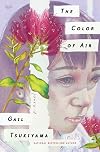
“Homu, suito homu!”
1935 on in Hilo, Hawai’i, the Big Island. Home of 5 volcanoes and the Puli Plantation, and “...acres and acres of tall, billowing sugarcane. And immigrants from Japan.
This story revolves around Daniel returning to the island after becoming a successful doctor in Chicago. His arrival coincides with the eruption of Mauna Loa, and the threatening lava flow that is a result of it. I really loved the character of Mama Natua, and the camaraderie of the Hilo Aunties and show more their game of Hearts! And good ol’ Koji, with his loves, losses, and secrets.
The plantation, with the company owned store and the labor unrest, was very well described! Sort of a Hawaiian “Grapes of Wrath”!
"Over time, Koji came to learn that the only difference between being a town boy and a cane boy was where you lived, not who you were."
“They had always put their faith in the natural world, along with the deities who ruled each part of it.”
“The sugar plantations were what brought them to the islands, but it wasn’t what made them stay.”
I really could post quotes from this book all day! It was an excellent read, and I was heartbroken that it ended. I actually slowed down a bit to savor it. It's how I feel when I read one of Louise Erdrich's awesome books. I got so lost in this author's Hilo, and so attached to the characters, that I almost couldn't let go. And it didn't hurt any that the author eats at Zachary's! I hope I see her there some day to gush over this book!
“Hawai’i , Hawai’i the place of my dreams—
But what a nightmare—
My tears stain the sugarcane like rain.”
- from a work song in the ‘cane fields
"Look and you will feel me everywhere, in the rocks, in the water, in the color of the air." show less
1935 on in Hilo, Hawai’i, the Big Island. Home of 5 volcanoes and the Puli Plantation, and “...acres and acres of tall, billowing sugarcane. And immigrants from Japan.
This story revolves around Daniel returning to the island after becoming a successful doctor in Chicago. His arrival coincides with the eruption of Mauna Loa, and the threatening lava flow that is a result of it. I really loved the character of Mama Natua, and the camaraderie of the Hilo Aunties and show more their game of Hearts! And good ol’ Koji, with his loves, losses, and secrets.
The plantation, with the company owned store and the labor unrest, was very well described! Sort of a Hawaiian “Grapes of Wrath”!
"Over time, Koji came to learn that the only difference between being a town boy and a cane boy was where you lived, not who you were."
“They had always put their faith in the natural world, along with the deities who ruled each part of it.”
“The sugar plantations were what brought them to the islands, but it wasn’t what made them stay.”
I really could post quotes from this book all day! It was an excellent read, and I was heartbroken that it ended. I actually slowed down a bit to savor it. It's how I feel when I read one of Louise Erdrich's awesome books. I got so lost in this author's Hilo, and so attached to the characters, that I almost couldn't let go. And it didn't hurt any that the author eats at Zachary's! I hope I see her there some day to gush over this book!
“Hawai’i , Hawai’i the place of my dreams—
But what a nightmare—
My tears stain the sugarcane like rain.”
- from a work song in the ‘cane fields
"Look and you will feel me everywhere, in the rocks, in the water, in the color of the air." show less
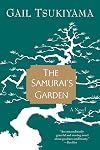
The Samurai’s Garden - Tsukiyama
5 stars
I’ve had this book on my shelves for many years. A paperback occupies a space on my actual shelves. The title with a 5 star rating exists on my virtual shelves. I know I probably read it sometime before I began posting reviews on Shelfari, but not long before. When I began to create those virtual shelves, this title was fresh in my memory. I didn’t hesitate to give it 5 stars. When I decided to reread this book, I wondered if I would agree with show more my original rating. I’ve had mixed feelings for the Tsukiyama books that I’ve read in the past 15 years.
It is not a long book, but I’d forgotten many of the details. I’d forgotten that the story is told through a year’s worth of journal entries written by the young protagonist. The story takes place in a rural seaside Japanese village, but the journal writer is from a wealthy Hong Kong Chinese family. His name is Stephan. He has been sent to the family’s vacation home to recover from tuberculosis. The book begins in September of 1937. Japan has invaded China. It is a coming of age story.
It is not a war story, although the war is present as a growing threat. The war is present as a contrast to the tranquility of the rural setting. It exists as a contrast to the dignity and kindness of the Japanese caretaker, Matsu. Matsu is a reticent, mysterious character at first. He keeps the garden of his employer’s home and acts as cook/housekeeper to Stephan as the boy recovers. Matsu’s personal tragedies are gradually revealed as Stephan comes to know him.
This could have been a very sad book. I did not experience it that way. Despite the fact that the book ends in 1938 with Stephan returning to a war torn future, the book left me with a feeling of peace. It’s still a 5 star book. show less
5 stars
I’ve had this book on my shelves for many years. A paperback occupies a space on my actual shelves. The title with a 5 star rating exists on my virtual shelves. I know I probably read it sometime before I began posting reviews on Shelfari, but not long before. When I began to create those virtual shelves, this title was fresh in my memory. I didn’t hesitate to give it 5 stars. When I decided to reread this book, I wondered if I would agree with show more my original rating. I’ve had mixed feelings for the Tsukiyama books that I’ve read in the past 15 years.
It is not a long book, but I’d forgotten many of the details. I’d forgotten that the story is told through a year’s worth of journal entries written by the young protagonist. The story takes place in a rural seaside Japanese village, but the journal writer is from a wealthy Hong Kong Chinese family. His name is Stephan. He has been sent to the family’s vacation home to recover from tuberculosis. The book begins in September of 1937. Japan has invaded China. It is a coming of age story.
It is not a war story, although the war is present as a growing threat. The war is present as a contrast to the tranquility of the rural setting. It exists as a contrast to the dignity and kindness of the Japanese caretaker, Matsu. Matsu is a reticent, mysterious character at first. He keeps the garden of his employer’s home and acts as cook/housekeeper to Stephan as the boy recovers. Matsu’s personal tragedies are gradually revealed as Stephan comes to know him.
This could have been a very sad book. I did not experience it that way. Despite the fact that the book ends in 1938 with Stephan returning to a war torn future, the book left me with a feeling of peace. It’s still a 5 star book. show less
I've read about ten Japanese novels, and this one is my favorite so far! It's character-driven, and the writing is poetic and atmospheric. Despite some heavy themes, it wasn't a stressful read (although there were some moments that broke my heart). What really stood out was the resilience of the characters. I took my time with this one, and by the end, I just wanted to visit that part of Japan and meet everyone. If you like annotating books, you'll totally enjoy this one!
The book is show more presented as journal entries from a young Chinese-American man sent to his family's house in the quiet Japanese village of Tarumi to recover from tuberculosis.
The Samurai’s Garden is metaphorical. There aren't any traditional samurai in this book, but Matsu embodies their spirit with his dedication, honor, and quiet strength. His careful tending of the garden reflects the discipline and resilience of a samurai, and the garden itself serves as a sanctuary for him and others amid the chaos of the outside world.
Stephen is the main character whose journal we’re following in the book. I’m really trying to understand him and keep reminding myself that he’s just a 20-year-old guy from the 1930s, so his perspective might reflect that. He arrives in this Japanese village sick and lonely, makes friends, learns a lot about them, and experiences some life-changing events. But by the end of the book, he goes back home feeling lonely...perhaps even lonelier (albeit healthier). Maybe this is what makes his character feel real?
Matsu is such a reliable character! He’s the metaphorical samurai from the title and totally embodies that vibe—peaceful, quiet, and private. I love how patient and caring he is with Stephen, even when Stephen comes off as a bit intrusive. He’s a great role model for him. Without giving too much away, Matsu deals with a lot of loss and heartbreak, and his way of coping is through gardening.
Sachi is my favorite character. I find her story the most interesting. Once renowned for her beauty, Sachi’s life takes a tragic turn when she contracts leprosy. Her inner strength and resilience are admirable. She embodies beauty and grace in tough times, and her friendship with Matsu highlights loyalty and unconditional love. Her story shows how the human spirit can endure and find peace amid challenges, making her one of the most memorable characters in the novel.
The ending is pretty ambiguous and open-ended. Stephen arrives in Tarumi weak and lonely, and he heads back to Hong Kong feeling more isolated than ever (albeit physically healthier). I suppose this lack of resolution reflects the real-life complexities and uncertainties, where everyone just moves on. The novel doesn’t tie everything up neatly, perhaps because life rarely works that way.
If you enjoy character-driven stories with complex relationships, this book is a good choice. Set during the Second Sino-Japanese War, it offers a rich historical backdrop that deepens the characters' journeys. Themes of healing and resilience shine through, and Tsukiyama's gentle, reflective writing style makes for a meditative read. You'll also get a glimpse into Japanese culture and how history shapes individual lives. If you like emotional depth mixed with historical context and beautiful prose, this book is definitely worth checking out!
Trigger Warning: Suicide. I appreciate how Tsukiyama has explored this topic with sensitivity. It is worth noting that in Japan, suicide doesn't often carry the stigma of sin. For some, there's still a lingering cultural notion that romanticizes noble suicide, where it be seen as an attempt to restore honor, atone for failures, or to avoid disgrace. show less
The book is show more presented as journal entries from a young Chinese-American man sent to his family's house in the quiet Japanese village of Tarumi to recover from tuberculosis.
The Samurai’s Garden is metaphorical. There aren't any traditional samurai in this book, but Matsu embodies their spirit with his dedication, honor, and quiet strength. His careful tending of the garden reflects the discipline and resilience of a samurai, and the garden itself serves as a sanctuary for him and others amid the chaos of the outside world.
Stephen is the main character whose journal we’re following in the book. I’m really trying to understand him and keep reminding myself that he’s just a 20-year-old guy from the 1930s, so his perspective might reflect that. He arrives in this Japanese village sick and lonely, makes friends, learns a lot about them, and experiences some life-changing events. But by the end of the book, he goes back home feeling lonely...perhaps even lonelier (albeit healthier). Maybe this is what makes his character feel real?
Matsu is such a reliable character! He’s the metaphorical samurai from the title and totally embodies that vibe—peaceful, quiet, and private. I love how patient and caring he is with Stephen, even when Stephen comes off as a bit intrusive. He’s a great role model for him. Without giving too much away, Matsu deals with a lot of loss and heartbreak, and his way of coping is through gardening.
Sachi is my favorite character. I find her story the most interesting. Once renowned for her beauty, Sachi’s life takes a tragic turn when she contracts leprosy. Her inner strength and resilience are admirable. She embodies beauty and grace in tough times, and her friendship with Matsu highlights loyalty and unconditional love. Her story shows how the human spirit can endure and find peace amid challenges, making her one of the most memorable characters in the novel.
The ending is pretty ambiguous and open-ended. Stephen arrives in Tarumi weak and lonely, and he heads back to Hong Kong feeling more isolated than ever (albeit physically healthier). I suppose this lack of resolution reflects the real-life complexities and uncertainties, where everyone just moves on. The novel doesn’t tie everything up neatly, perhaps because life rarely works that way.
If you enjoy character-driven stories with complex relationships, this book is a good choice. Set during the Second Sino-Japanese War, it offers a rich historical backdrop that deepens the characters' journeys. Themes of healing and resilience shine through, and Tsukiyama's gentle, reflective writing style makes for a meditative read. You'll also get a glimpse into Japanese culture and how history shapes individual lives. If you like emotional depth mixed with historical context and beautiful prose, this book is definitely worth checking out!
Trigger Warning: Suicide. I appreciate how Tsukiyama has explored this topic with sensitivity. It is worth noting that in Japan, suicide doesn't often carry the stigma of sin. For some, there's still a lingering cultural notion that romanticizes noble suicide, where it be seen as an attempt to restore honor, atone for failures, or to avoid disgrace. show less
The Samurai's Garden is historical fiction that uses the Japanese invasion of China as a backdrop while showcasing the quiet lives of those not fighting. Since the narrator is a young man from China, he serves as a natural teacher on the aspects of Japanese culture that he himself is learning about or experiencing for the first time. And because all the young men his age are away, he gets to know characters like his housekeeper, a woman who lives in a leper colony, and a young woman who will show more only see him for short bursts of time due to her father's prejudices. In my opinion, these are all far more interesting than I imagine the young men would have been, and Stephen's character develops throughout his time with them.
I particularly appreciated the way the book handled the character of Sachi, whose experience of leprosy is realistic for the time period and cultural setting but who is also clearly valued and even beloved by Matsu. As someone who has himself experienced a serious illness, Stephen is able to relate to her in a way, and because of Matsu's introduction he is able to see her in a way she doesn't expect.
Likewise, I enjoyed the treatment of all the female characters in the story, who also take on roles realistic for the time period while also having admirable qualities and strength of character. Stephen's mother and sister write to him throughout the book, showcasing their own struggles, and Stephen's love interest shows independent thought simply through her choice to continue spending time with him.
The main character, for his part, is likeable as a young man with a painter's eye for beauty, a student's curiosity, and a deep respect for those around him. He listens to Matsu and Sachi, absorbing what they're willing to share with him without pushing too far. He supports his younger sister in her decisions and sympathizes with his mother in a situation where any modern reader would. He proves himself to be loyal and caring, and he only grows as a character throughout.
The writing of the book is also lovely, with many well-phrased descriptions that bring the setting to life and offer moments of reflection. The language tends to be simple yet powerful, easy to understand while conveying strong and even complex emotions.
Unfortunately, the book is not perfect. I've seen other reviewers cast doubt on the idea that he would be so easily welcomed in Japan during this time period, and I will admit that the turning point in the story of when he didn't feel so welcomed anymore felt a bit arbitrary to me. They also point out errors in the use of Japanese, such as a character using the wrong word to refer to her father and misspelling "genkan" as "genken". I find this extremely disappointing, since it seems the author didn't do sufficient research despite having a Japanese father. It certainly causes me to have less trust in anything depicted in the book that I haven't been able to confirm through research.
That being said, the book is still very enjoyable to read. Readers should be warned that it contains references to suicide and acts of warfare, but very little violence is shown directly. You're likely to enjoy it if you love stories that provide in-depth portrayals of characters living quiet lives, but you may want to make a different choice if you're specifically looking for accuracy in your historical fiction. show less
I particularly appreciated the way the book handled the character of Sachi, whose experience of leprosy is realistic for the time period and cultural setting but who is also clearly valued and even beloved by Matsu. As someone who has himself experienced a serious illness, Stephen is able to relate to her in a way, and because of Matsu's introduction he is able to see her in a way she doesn't expect.
Likewise, I enjoyed the treatment of all the female characters in the story, who also take on roles realistic for the time period while also having admirable qualities and strength of character. Stephen's mother and sister write to him throughout the book, showcasing their own struggles, and Stephen's love interest shows independent thought simply through her choice to continue spending time with him.
The main character, for his part, is likeable as a young man with a painter's eye for beauty, a student's curiosity, and a deep respect for those around him. He listens to Matsu and Sachi, absorbing what they're willing to share with him without pushing too far. He supports his younger sister in her decisions and sympathizes with his mother in a situation where any modern reader would. He proves himself to be loyal and caring, and he only grows as a character throughout.
The writing of the book is also lovely, with many well-phrased descriptions that bring the setting to life and offer moments of reflection. The language tends to be simple yet powerful, easy to understand while conveying strong and even complex emotions.
Unfortunately, the book is not perfect. I've seen other reviewers cast doubt on the idea that he would be so easily welcomed in Japan during this time period, and I will admit that the turning point in the story of when he didn't feel so welcomed anymore felt a bit arbitrary to me. They also point out errors in the use of Japanese, such as a character using the wrong word to refer to her father and misspelling "genkan" as "genken". I find this extremely disappointing, since it seems the author didn't do sufficient research despite having a Japanese father. It certainly causes me to have less trust in anything depicted in the book that I haven't been able to confirm through research.
That being said, the book is still very enjoyable to read. Readers should be warned that it contains references to suicide and acts of warfare, but very little violence is shown directly. You're likely to enjoy it if you love stories that provide in-depth portrayals of characters living quiet lives, but you may want to make a different choice if you're specifically looking for accuracy in your historical fiction. show less
Lists
Awards


You May Also Like


Associated Authors
Statistics
- Works
- 12
- Members
- 7,397
- Popularity
- #3,301
- Rating
- 3.9
- Reviews
- 223
- ISBNs
- 116
- Languages
- 7
- Favorited
- 24