
Massimo Montanari
Author of Food: A Culinary History
About the Author
Massimo Montanari is professor of medieval history and the history of food at the Institute of Paleography and Medieval Studies, University of Bologna. He has authored and coauthored more than a dozen books on the history of cuisine and the cultural values of food. Columbia University Press has show more published many of these in translation, including Food: A Culinary History (1999); Italian Cuisine: A Cultural History (2003); Food Is Culture (2006); Cheese, Pears, and History in a Proverb (2010); and Let the Meatballs Rest: And Other Stories About Food and Culture (2012). show less
Works by Massimo Montanari
Cucina politica: il linguaggio del cibo fra pratiche sociali e rappresentazioni ideologiche (2021) 2 copies
L'imprenditore e il mercato : imprenditore, procedure concorsuali, contratti commerciali (2016) 2 copies
SPAGHETTI e POMODORI 1 copy
Il riso 1 copy
Amaro: Un goût italien 1 copy
Fra tutti i gusti il più soave-- : per una storia dello zucchero e del miele in Italia (2002) 1 copy
Convivio : storia e cultura dei piaceri della tavola dall'antichità al medioevo : [antologia (1989) 1 copy
Cucina politica: Il linguaggio del cibo fra pratiche sociali e rappresentazioni ideologiche (2021) 1 copy
Associated Works
Tagged
Common Knowledge
- Birthdate
- 1949
- Gender
- male
- Occupations
- professor
- Organizations
- University of Bologna, Italy
- Nationality
- Italy
- Birthplace
- Imola, Emilia Romagna, Italy
- Places of residence
- Bologna, Italy
- Associated Place (for map)
- Italy
Members
Reviews
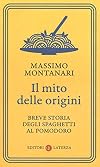
Libro interessantissimo e ben scritto sulle origini della pasta al pomodoro. Ricco di fonti e scorrevole, il libro è perfetto per lettori di vario genere e con interessi diversi. Lontano dall'essere un testo solamente culinario, il libro si interroga sulle parole identità, origini e radici. Scritto sapientemente, è un libro assolutamente da gustare!
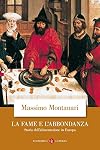
Una bella lettura. Ricchissima di riferimenti e contenuti. I dettagli e le descrizioni con cui sono stati riportati i fatti dimostrano ampiamente la preparazione dell' autore [a:Massimo Montanari|45516|Massimo Montanari|https://images.gr-assets.com/authors/1272975865p2/45516.jpg].
Un libro che potrebbe essere di spunto per chiunque ami la cucina ed il cibo, anche se non si è particolarmente appassionati di storia.
Cercavo un testo che riportasse le tradizioni culinarie di un tempo, le radici show more dell' alimentazione. L' ho trovato e vi ho trovato anche tanti riferimenti che ho intenzione di leggere ed approfondire come:
[b:The Fruit, Herbs and Vegetables of Italy|1975426|The Fruit, Herbs and Vegetables of Italy|Giacomo Castelvetro|https://s.gr-assets.com/assets/nophoto/book/50x75-a91bf249278a81aabab721ef782c4a74.png|1978724] la cui copia in Italiano, dal titolo Brieve racconto di tutte le radici, di tutte l erbe e di tutti i frutti che crudi o cotti in Italia si mangiamo, si può trovare facilmente in formato elettronico.
Oggi, in un periodo di diatribe tra regimi alimentari discordanti la lettura può fare luce su quello che i nostri avi hanno "sempre" mangiato. Come si potrà constatare, vi è un continuo mutamento nel corso dei secoli tra cosa era ritenuto "bene" mangiare e cosa no. La storia si ripete e come conclude l' autore:
Chiunque si interessi della propria salute, dovrebbe cercare di coltivare al meglio questo rapporto. show less
Un libro che potrebbe essere di spunto per chiunque ami la cucina ed il cibo, anche se non si è particolarmente appassionati di storia.
Cercavo un testo che riportasse le tradizioni culinarie di un tempo, le radici show more dell' alimentazione. L' ho trovato e vi ho trovato anche tanti riferimenti che ho intenzione di leggere ed approfondire come:
[b:The Fruit, Herbs and Vegetables of Italy|1975426|The Fruit, Herbs and Vegetables of Italy|Giacomo Castelvetro|https://s.gr-assets.com/assets/nophoto/book/50x75-a91bf249278a81aabab721ef782c4a74.png|1978724] la cui copia in Italiano, dal titolo Brieve racconto di tutte le radici, di tutte l erbe e di tutti i frutti che crudi o cotti in Italia si mangiamo, si può trovare facilmente in formato elettronico.
Oggi, in un periodo di diatribe tra regimi alimentari discordanti la lettura può fare luce su quello che i nostri avi hanno "sempre" mangiato. Come si potrà constatare, vi è un continuo mutamento nel corso dei secoli tra cosa era ritenuto "bene" mangiare e cosa no. La storia si ripete e come conclude l' autore:
un rapporto cordiale e consapevole col cibo è ancora da inventare
Chiunque si interessi della propria salute, dovrebbe cercare di coltivare al meglio questo rapporto. show less
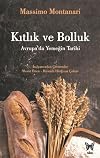
Bu kitap, Avrupa'da yemeğin tarihi ve bunun iki bin yılı aşkın bir süre içinde, Avrupa kültürlerinin evriminde oynadığı rolü ele alıyor. Yemek, hayatta kalabilmek ve kültür için bir önkoşul. Ulusal ve emperyal ihtirasların itici gücü, üretim ve tüketim biçimi, bölgelerin, sınıfların ve bireylerin kimlik ve statülerinin bir ifade biçimiydi ve hala da öyle..
Bu kitap, Avrupa’da yemeğin tarihini ve bunun iki bin yılı aşkın bir süre içerisinde, Avrupa show more kültürlerinin evriminde oynadığı rolü ele alıyor. Yemek hayatta kalabilmek ve kültür için bir önkoşul, ulusal ve emperyal ihtirasların itici gücü, üretim ve tüketim biçimi; bölgelerin, sınıfların ve bireylerin kimlik ve statülerinin bir ifade biçimiydi ve hâlâ da öyle.
Zor zamanlarda, yaşamın amacı yemeğin aracı haline gelmişti. Savaş ve dağılma dönemlerinde yağma yaygın hale geldiğinde, yamyamlığa bile rastlanıyordu. Bolluk zamanlarında ise, yemeğin lezzeti ve hazırlanışı onun varlığı kadar önemli hale geliyordu. Massimo Montanari’nin de gösterdiği gibi, yemeğin tarihi garip zıtlıklarla dolu. Yakın zamana kadar halk, etleri ve tahılları tuzlayarak ya da kurutarak saklarken, soylular, daha Roma zamanından beri, yiyecekleri mevsim dışında, örneğin çileği kışın, şeftaliyi ilkbaharda yemeye itibar ederlerdi. Şimdi ise yiyeceklerin çoğu yıl boyu bulunabildiğinden, her şeyi zamanında yemek bir ayrıcalık haline geldi. Vejetaryenlik ete ulaşabilirliğin bir göstergesi oldu. Eskiden diyet ne yediğiniz anlamına gelirken, şimdi ne yemediğiniz anlamına geliyor.
Avrupa’nın yemekle ilişkisi nadiren düz bir ilişki olmuştur. Bu geniş kapsamlı tarih araştırmasında yazar Avrupa’nın sınıfları, bölgeleri ve ulusları, Eskiçağın alışkanlıklarıyla günümüzün sorunları arasında ustaca gidip geliyor. Tüketim, üretim ve lezzetin içiçe geçmiş evrimini inceleyerek, bunların hem geçmişte Avrupa’nın çeşitli kültürleri ve halkları arasında neyi ortaya koyduklarını hem de bugün ne anlama geldiklerini gösteriyor. show less
Bu kitap, Avrupa’da yemeğin tarihini ve bunun iki bin yılı aşkın bir süre içerisinde, Avrupa show more kültürlerinin evriminde oynadığı rolü ele alıyor. Yemek hayatta kalabilmek ve kültür için bir önkoşul, ulusal ve emperyal ihtirasların itici gücü, üretim ve tüketim biçimi; bölgelerin, sınıfların ve bireylerin kimlik ve statülerinin bir ifade biçimiydi ve hâlâ da öyle.
Zor zamanlarda, yaşamın amacı yemeğin aracı haline gelmişti. Savaş ve dağılma dönemlerinde yağma yaygın hale geldiğinde, yamyamlığa bile rastlanıyordu. Bolluk zamanlarında ise, yemeğin lezzeti ve hazırlanışı onun varlığı kadar önemli hale geliyordu. Massimo Montanari’nin de gösterdiği gibi, yemeğin tarihi garip zıtlıklarla dolu. Yakın zamana kadar halk, etleri ve tahılları tuzlayarak ya da kurutarak saklarken, soylular, daha Roma zamanından beri, yiyecekleri mevsim dışında, örneğin çileği kışın, şeftaliyi ilkbaharda yemeye itibar ederlerdi. Şimdi ise yiyeceklerin çoğu yıl boyu bulunabildiğinden, her şeyi zamanında yemek bir ayrıcalık haline geldi. Vejetaryenlik ete ulaşabilirliğin bir göstergesi oldu. Eskiden diyet ne yediğiniz anlamına gelirken, şimdi ne yemediğiniz anlamına geliyor.
Avrupa’nın yemekle ilişkisi nadiren düz bir ilişki olmuştur. Bu geniş kapsamlı tarih araştırmasında yazar Avrupa’nın sınıfları, bölgeleri ve ulusları, Eskiçağın alışkanlıklarıyla günümüzün sorunları arasında ustaca gidip geliyor. Tüketim, üretim ve lezzetin içiçe geçmiş evrimini inceleyerek, bunların hem geçmişte Avrupa’nın çeşitli kültürleri ve halkları arasında neyi ortaya koyduklarını hem de bugün ne anlama geldiklerini gösteriyor. show less
Medieval Tastes: Food, Cooking, and the Table (Arts and Traditions of the Table: Perspectives on Culinary History) by Massimo Montanari
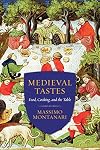
I picked this thinking it would have some recipes as well as talking about the food culture during the medieval era. Instead what I got was a very detailed and heavily footnoted book about food and some of the reasons behind what was eaten during that time frame. The book did leave more to the Italian side since it seems the few cookbooks from that time frame were from that area. Every part of food is covered in here along with how some dining customs changed as food changed. An interesting show more read , but the book is more for someone doing research during that time frame and less for the average foodie. Lots of reference sources listed if you do decide to fall down that rabbit hole.
Digital review copy provided by the publisher through NetGalley show less
Digital review copy provided by the publisher through NetGalley show less
Awards


You May Also Like


Associated Authors
Statistics
- Works
- 52
- Also by
- 2
- Members
- 1,019
- Popularity
- #25,281
- Rating
- 3.9
- Reviews
- 14
- ISBNs
- 121
- Languages
- 10