
Lamar Underwood
Author of Greatest Flying Stories Ever Told: Nineteen Amazing Tales From The Sky
About the Author
Lamar Underwood is a former editor in chief of "Sports Afield" & "Outdoor Life", & the author of the novel "On Dangerous Ground". He is also the editor of "The Greatest Fishing Stories Ever Told", "The Greatest Hunting Stories Ever Told", & "Man Eaters". Presently, he serves as Editorial director show more of the Outdoor Magazine Group of Harris Publications in New York. (Bowker Author Biography) show less
Works by Lamar Underwood
Tales of the Mountain Men: Seventeen Stories of Survival, Exploration, and Frontier Spirit (2004) 47 copies, 1 review
The Greatest War Stories Ever Told: Twenty-Four Incredible War Tales (2001) — Editor — 31 copies, 1 review
1001 Hunting Tips: The Ultimate Guide to Successfully Taking Deer, Big and Small Game, Upland Birds, and Waterfowl (2010) 26 copies
Classic Survival Stories: Thirteen Tales of Strength, Determination, and the Will to Live (2004) 19 copies
Into the Backing: Incredible True Stories About the Big Ones that Got Away--and the Ones that Didn't (2001) 12 copies
Man Eaters: True Tales of Animals Stalking, Mauling, Killing, and Eating Human Prey (2000) 12 copies
The Greatest Submarine Stories Ever Told: Dive! Dive! Fourteen Unforgettable Stories from the Deep (2005) 11 copies
250 Amazing Fishing Tips: The Best Tactics and Techniques to Catch Any and All Game Fish (2015) 7 copies
Whitetail Hunting Tactics of the Pros: Expert Advice to Help You be a Successful Hunter (2001) 6 copies
Tagged
Common Knowledge
There is no Common Knowledge data for this author yet. You can help.
Members
Reviews
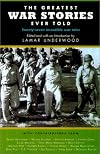
This is a mix of fiction and non-fiction, including excerpts from such classics as Les Miserables and The Killer Angels. The names of the authors included in this collection of short stories, and many excerpts from memoirs and novels caught my eye, esp when I saw names like Hemingway, William Faulkner and Bert Stiles. It made this look like a good read from the local library. I wasn't disappointed. There are some great stories in here, including what may be my favorite, the tale of Sgt. show more Alvin York which many people know from the old Gary Cooper film. A few of the pieces I didn't really care for and several suffered by being excerpts - we are dropped into the story without background knowledge of the characters and as a result some of the immediacy gets dulled. I think this collection will be enjoyed by casual readers of military history like myself. Underwood, as editor, provides an introduction to each piece, although a few were a little odd (fanboyish) and/or offputting - the reverse of the intended effect I am sure. I staggered the reading of these stories over a period of time, and I'll confess that my eyes glazed over a time or two in the reading of some of these. So do I think these are the greatest war stories ever told? No, but some are and most are pretty good.
I'm often not crazy about stories that just depict the thick of battle, and the experience of military combat, such as Bruce Catton's excellent accounting of the cornfield at Antietim, a place I have visited and been humbled by. Otherwise I might rate this collection a little higher. I was more taken with things such as the excerpt from Hemingway's "For Whom the Bells Toll", and W. C. Heinz's "The Morning They Shot the Spies", which reflect the "humanity" of people in war, good and bad, and the simple unfairness of it all. Sometimes the humanity and battle do get together in a piece, however, such as the one on the Chosin Few, "Frozen Chosin" by Martin Russ and the Alvin York piece.
The excerpt from "All Quiet on the Western Front" is excellent and clearly shows why it may be the most powerful anti-war war story ever written. So too with the brief but brilliant excerpt from Michael Shaara's "The Killer Angels" which is in my reading the best novel on war ever written.
On a side note, there are some unacceptable levels of typographical errors in here, esp with The Stephen Ambrose piece. It is truly ridiculous. It would be impossible to believe that piece was proofread at all. I got so annoyed that I pulled out my own copy of Ambrose's "D-Day" to compare the excerpt to the original and clearly the multiple errors everywhere, such as repeatedly spelling 'toward' as 'twoard' are not in the original work. Someone got extremely sloppy here. I've always thought Stephen Ambrose can be a clunky writer (great historian but his storytelling is very disjointed) but the screwups here are not his fault.
What I get out of stories like these, more than anything, is the never ending insanity of war through the ages.
The stories and excerpts are:
(1) The Cornfield by Bruce Catton, (2) The Morning They Shot the Spies by W.C. Heinz, (3) The Fight at the Bridge by Ernest Hemingway, (4) Frozen Chosin by Martin Russ, (5) Two Soldiers by William Faulkner, (6) The Leipzig Mission by Bert Stiles, (7) Breathing In by Michael Herr, (8) The Sword of the Lord and of Gideon by Col. Theodore Roosevelt, (9) Waterloo by Victor Hugo, (10) Landing Zone X-Ray by Robert Mason, (11) Custer and the Little Bighorn by Evan S. Connell, (12) Omaha Beach by Stephen E. Ambrose, (13) The Drums of the Fore and Aft by Rudyard Kipling, (14) Sink the Bismarck! by C.S. Forester, (15) The Battle at Borodino by Leo Tolstoy, (16) Les Graves Gens (The Brave Men) by William Manchester, (17) All Quiet on the Western Front by Erich Maria Remarque, (18) Pickett's Charge by Michael Shaara, (19) Faith at Sea by Irwin Shaw, (20) Mountain Fighting by Ernie Pyle, (21) The Red Badge of Courage by Stephen Crane, (22) The Perfect Deadfall by S.L.A. Marshall, (23) Paul Revere's Ride by Henry Wadsworth Longfellow (24) and Concord Hymn by Ralph Waldo Emerson. show less
I'm often not crazy about stories that just depict the thick of battle, and the experience of military combat, such as Bruce Catton's excellent accounting of the cornfield at Antietim, a place I have visited and been humbled by. Otherwise I might rate this collection a little higher. I was more taken with things such as the excerpt from Hemingway's "For Whom the Bells Toll", and W. C. Heinz's "The Morning They Shot the Spies", which reflect the "humanity" of people in war, good and bad, and the simple unfairness of it all. Sometimes the humanity and battle do get together in a piece, however, such as the one on the Chosin Few, "Frozen Chosin" by Martin Russ and the Alvin York piece.
The excerpt from "All Quiet on the Western Front" is excellent and clearly shows why it may be the most powerful anti-war war story ever written. So too with the brief but brilliant excerpt from Michael Shaara's "The Killer Angels" which is in my reading the best novel on war ever written.
On a side note, there are some unacceptable levels of typographical errors in here, esp with The Stephen Ambrose piece. It is truly ridiculous. It would be impossible to believe that piece was proofread at all. I got so annoyed that I pulled out my own copy of Ambrose's "D-Day" to compare the excerpt to the original and clearly the multiple errors everywhere, such as repeatedly spelling 'toward' as 'twoard' are not in the original work. Someone got extremely sloppy here. I've always thought Stephen Ambrose can be a clunky writer (great historian but his storytelling is very disjointed) but the screwups here are not his fault.
What I get out of stories like these, more than anything, is the never ending insanity of war through the ages.
The stories and excerpts are:
(1) The Cornfield by Bruce Catton, (2) The Morning They Shot the Spies by W.C. Heinz, (3) The Fight at the Bridge by Ernest Hemingway, (4) Frozen Chosin by Martin Russ, (5) Two Soldiers by William Faulkner, (6) The Leipzig Mission by Bert Stiles, (7) Breathing In by Michael Herr, (8) The Sword of the Lord and of Gideon by Col. Theodore Roosevelt, (9) Waterloo by Victor Hugo, (10) Landing Zone X-Ray by Robert Mason, (11) Custer and the Little Bighorn by Evan S. Connell, (12) Omaha Beach by Stephen E. Ambrose, (13) The Drums of the Fore and Aft by Rudyard Kipling, (14) Sink the Bismarck! by C.S. Forester, (15) The Battle at Borodino by Leo Tolstoy, (16) Les Graves Gens (The Brave Men) by William Manchester, (17) All Quiet on the Western Front by Erich Maria Remarque, (18) Pickett's Charge by Michael Shaara, (19) Faith at Sea by Irwin Shaw, (20) Mountain Fighting by Ernie Pyle, (21) The Red Badge of Courage by Stephen Crane, (22) The Perfect Deadfall by S.L.A. Marshall, (23) Paul Revere's Ride by Henry Wadsworth Longfellow (24) and Concord Hymn by Ralph Waldo Emerson. show less
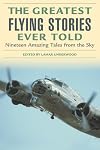
From Charles Lindbergh and Amelia Earhart to Chuck Yeager and Ernest K. Gann, here we have some absolutely fabulous stories of flying airplanes. Even the lesser known stories such as the description of the Rink brothers flight across the USA in 1964 in a Piper Cub without a radio will keep you in your chair. As well the editor has included a moment by moment description of two airliner crashes from which new safety rules were developed. Of course there are the war stories as well but the show more goal is to give the reader of this volume a sense of what it is like to fly and what drives men & women to take on the challenge.
The essay that stood out for me was Carrier Qualification by Douglas Waller which described what a Navy aviator has to go through to land a jet plane on an aircraft carrier. Vivid description of the stress and the mechanics of doing it. First rate. show less
The essay that stood out for me was Carrier Qualification by Douglas Waller which described what a Navy aviator has to go through to land a jet plane on an aircraft carrier. Vivid description of the stress and the mechanics of doing it. First rate. show less
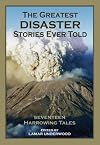
if you want short, sharp, shock, this is the book. while i jhad read some of the stories in this compilation, the fact that they pretty much get down to the disaster itself instead of all the fluffy build up and investigation afterwards, each chapter tells a point of view of the incidents only. whiel this owrks on most stories, the 'third person view' in some didnt for me as it became more mi=ovie like instead of factual.
the story of the catholic school was by far and away the most graphic show more and gruesome i think i have read.
it would have been good though to have some of the investigative findings of how, why etc. show less
the story of the catholic school was by far and away the most graphic show more and gruesome i think i have read.
it would have been good though to have some of the investigative findings of how, why etc. show less
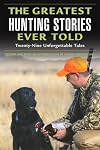
Do you like outdoor books, cliffhangers, and a longer read? If you do you would like the book “The Greatest Hunting Stories Ever Told” By Lamar Underwood. The book is about 30 unforgettable hunts these different people went to and either got an animal or didn't get an animal.
The theme of the book is patience because you can't always shoot an animal when you go hunting because sometimes you see the animal is too far or sees you or many other things that happen. The setting of the book is show more out in the woods or out in the march duck or goose hunting or on the river moose hunting or in tall grass pheasant hunting. The 30 stories are good and some are bad with missing the animal or spooking the animal or getting the animal and being happy It is irony because in one chapter of the book, Tom Mcintyre was the hunter and it was his last day he saw one moose on the first day and he wanted to shoot a moose but it was the last day and they saw one but it was too far then it got in to brush so then he didn’t get any animal and it was the last day.
I recommend this novel because there is hunting and a lot of action, but there are a lot of chapters, so I recommend it to a person who likes to read or do outdoor stuff. show less
The theme of the book is patience because you can't always shoot an animal when you go hunting because sometimes you see the animal is too far or sees you or many other things that happen. The setting of the book is show more out in the woods or out in the march duck or goose hunting or on the river moose hunting or in tall grass pheasant hunting. The 30 stories are good and some are bad with missing the animal or spooking the animal or getting the animal and being happy It is irony because in one chapter of the book, Tom Mcintyre was the hunter and it was his last day he saw one moose on the first day and he wanted to shoot a moose but it was the last day and they saw one but it was too far then it got in to brush so then he didn’t get any animal and it was the last day.
I recommend this novel because there is hunting and a lot of action, but there are a lot of chapters, so I recommend it to a person who likes to read or do outdoor stuff. show less
You May Also Like


Associated Authors
Statistics
- Works
- 50
- Members
- 622
- Popularity
- #40,475
- Rating
- 3.8
- Reviews
- 9
- ISBNs
- 102