
David Ropeik
Author of How Risky Is It, Really?: Why Our Fears Don't Always Match the Facts
Works by David Ropeik
Tagged
Common Knowledge
- Birthdate
- 1951-03-06
- Gender
- male
- Education
- Northwestern University
- Occupations
- reporter
consultant
Members
Reviews
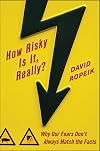
React fast, think later. According to the scientific research Ropeik cites in this useful book, human brains are designed to respond quickly to perceived danger, before there's time to rationally consider what the real risks of the situation are. What served us well in the age of the saber tooth tiger is not as useful for making informed decisions in the modern world, plus all those fight, flight or freeze chemicals streaming through our nervous system create their own health risk. The heart show more of this book for me is the second and third chapters which describe the natural biases, mental shortcuts and risk factors that can lead to making counterproductive--even deadly--choices in an effort to avoid danger, choices like driving after 9/11 because it felt safer than flying though it instead caused a spike in highway fatalities.
I read much of this same material in Daniel Gardner's book The Science of Fear. The difference between the two books is that How Risky is It, Really is designed to be a personal guide for evaluating decisions. For that it is very effective, but by its later chapters the material has gotten repetitive. The Science of Fear is not as easily used as a daily guide but its scope is broader and deeper and it concerns itself more with implications for the future and for society as a whole. show less
I read much of this same material in Daniel Gardner's book The Science of Fear. The difference between the two books is that How Risky is It, Really is designed to be a personal guide for evaluating decisions. For that it is very effective, but by its later chapters the material has gotten repetitive. The Science of Fear is not as easily used as a daily guide but its scope is broader and deeper and it concerns itself more with implications for the future and for society as a whole. show less
This is an excellent explanation of the mechanics our brains use to do risk assessment. In addition, the author identifies how people unknowingly rely on their personal opinions and experiences instead of objective information when assessing the existence or impact of a risk, especially in the long term.
Lists
You May Also Like


Statistics
- Works
- 3
- Members
- 186
- Popularity
- #116,757
- Rating
- 3.3
- Reviews
- 3
- ISBNs
- 10
- Languages
- 1


