
Shyam Selvadurai
Author of Funny Boy
About the Author
Shyam Selvadurai is a novelist and writer for television. He was born in Colombo, Sri Lanka, in 1965. Selvadurai earned a B.F.A. in creative writing from York University. Selvadurai has written for the Canadian television shows Many Voices and Inside Voices and contributed to several journals and show more anthologies. Selvadurai's first novel, Funny Boy, was nominated for the Giller Prize and received the W.H. Smith/Books in Canada First Novel Award. It also earned the Lambda Literary Award for Best Gay Men's Fiction. (Bowker Author Biography) show less
Works by Shyam Selvadurai
Story-Wallah: Short Fiction from South Asian Writers (2004) — Editor; Contributor — 101 copies, 2 reviews
Many Roads Through Paradise: An Anthology Of Sri Lankan Literature (translation) (2014) — Editor — 10 copies
Associated Works
In Another Part of the Forest: An Anthology of Gay Short Fiction (1994) — Contributor — 193 copies, 2 reviews
Tagged
Common Knowledge
- Canonical name
- Selvadurai, Shyam
- Birthdate
- 1965-03-12
- Gender
- male
- Education
- York University (BA)
- Nationality
- Sri Lanka (birth)
Canada (naturalized) - Birthplace
- Colombo, Sri Lanka
- Places of residence
- Colombo, Sri Lanka (birth)
Toronto, Ontario, Canada - Associated Place (for map)
- Toronto, Ontario, Canada
Members
Reviews

As ignorant as I am about Buddhism, it took me a while to realize that the male protagonist was the man who would be recognized as the Buddha. I'm not even sure that I realized that the Buddha was an ordinary man before he achieved nirvana and became a religious leader. So, this book was an education for me.
Even more fascinating than the life of Siddhartha Guatama, is the story of his wife, Yasodhara, who is the central character. The two were married quite young and spent a number of years show more in a remote part of India where Yasodhara laboured in the fields and performed household tasks even though she was from an imperial family. Yasodhara loved the time they spent there as she and Siddhartha were very much in love. When they moved back to the royal city, Siddhartha becomes more attracted to the ascetic lifestyle and philosophy of wandering beggars. He decides to leave Yasodhara and their newly born child behind and follow these beggars. Yasodhara is forced to become a strong and resourceful woman in his absence. Siddhartha returns once to the city but does not intend to give up his seeking after truth. Because of a change in imperial leadership, Yasodhara has to leave the palace. She decides to follow the same lifestyle as Siddhartha, shaving her head and begging for her food. She is joined in this quest by other women from the palace.
Upper-class women at this time were very restricted. Everything they did was in service to a man and all decisions were made by men. Yasodhara got a taste of freedom when she and Siddhartha lived away from the imperial city. In a sense, being abandoned by her husband allowed her to develop independence much more so than if he had remained by her side. show less
Even more fascinating than the life of Siddhartha Guatama, is the story of his wife, Yasodhara, who is the central character. The two were married quite young and spent a number of years show more in a remote part of India where Yasodhara laboured in the fields and performed household tasks even though she was from an imperial family. Yasodhara loved the time they spent there as she and Siddhartha were very much in love. When they moved back to the royal city, Siddhartha becomes more attracted to the ascetic lifestyle and philosophy of wandering beggars. He decides to leave Yasodhara and their newly born child behind and follow these beggars. Yasodhara is forced to become a strong and resourceful woman in his absence. Siddhartha returns once to the city but does not intend to give up his seeking after truth. Because of a change in imperial leadership, Yasodhara has to leave the palace. She decides to follow the same lifestyle as Siddhartha, shaving her head and begging for her food. She is joined in this quest by other women from the palace.
Upper-class women at this time were very restricted. Everything they did was in service to a man and all decisions were made by men. Yasodhara got a taste of freedom when she and Siddhartha lived away from the imperial city. In a sense, being abandoned by her husband allowed her to develop independence much more so than if he had remained by her side. show less
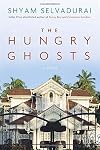
The strength of this novel lies in the insightful depiction of setting—Sri Lanka in the 1980s and 1990s; the low-income options available to new immigrants to Canada; how the members of Shivan’s family adapt. The worlds Selvadurai describes are rich and textured. The depiction of the conflict in Sri Lanka between Tamil and Sinhalese factions belong to the unfolding of events in the novel and never comes across as pedantic. This is well-done.
Selvadurai includes Buddhist tales and show more aphorisms, which initially heighten the South Asian atmosphere, but I found they were repeated too often and too obviously. The story of the hungry ghost—at first interesting—becomes heavy-handed. Ditto the story of the hawk. And how clumsy to invoke the hawk yet again to explain Shivan’s final decision.
Ah yes… explaining. A character’s actions should not have to be explained. A character, if written plausibly—which I believe is Selvadurai’s aim—should seem to act naturally. Selvadurai frequently explains a character’s motivations in an analytical fashion that feels stilted and jars the narrative flow. For example, “He reacted stonily, but I told myself he needed to know, ignoring the undertone of aggression in my forcing him to listen to these preparations.” That Shivan is forcing Michael to listen to him is obvious from the circumstances. The reader does not need the pointer. Selvadurai goes further, explaining that this has an aggressive undertone.
There are many instances of unnecessary explaining in the novel—and I don’t even think they work. Explaining motives doesn’t compensate for writing implausible characters. Again and again, I was not convinced by the characters. They didn’t come across as real-seeming, believable people. The grandmother, who does not speak or acknowledge her daughter with anything but hostility for years, suddenly accepts her love in a single afternoon. The mother, who claims she would have aborted or strangled her son, had she known he would grow up gay, visits her son and his lover whom she accepts whole-heartedly and addresses as “son”. And although I believed in Shivan’s desperation when he felt he was losing Mili and Michael, I did not believe in their relationships.
As I read, I felt this was a plot-generated novel and that the characters were fashioned as tools toward that end. Consequently, the characters and their stories suffer—even if Selvadurai wrestles them toward a conclusion. I wished that Selvadurai had let his characters develop as people, even if that meant dropping the hungry ghost or the hawk metaphors. Readers aren’t touched by the plight of metaphors.
Given the excellent writing in this novel, I regretted that the characters didn’t convince me. show less
Selvadurai includes Buddhist tales and show more aphorisms, which initially heighten the South Asian atmosphere, but I found they were repeated too often and too obviously. The story of the hungry ghost—at first interesting—becomes heavy-handed. Ditto the story of the hawk. And how clumsy to invoke the hawk yet again to explain Shivan’s final decision.
Ah yes… explaining. A character’s actions should not have to be explained. A character, if written plausibly—which I believe is Selvadurai’s aim—should seem to act naturally. Selvadurai frequently explains a character’s motivations in an analytical fashion that feels stilted and jars the narrative flow. For example, “He reacted stonily, but I told myself he needed to know, ignoring the undertone of aggression in my forcing him to listen to these preparations.” That Shivan is forcing Michael to listen to him is obvious from the circumstances. The reader does not need the pointer. Selvadurai goes further, explaining that this has an aggressive undertone.
There are many instances of unnecessary explaining in the novel—and I don’t even think they work. Explaining motives doesn’t compensate for writing implausible characters. Again and again, I was not convinced by the characters. They didn’t come across as real-seeming, believable people. The grandmother, who does not speak or acknowledge her daughter with anything but hostility for years, suddenly accepts her love in a single afternoon. The mother, who claims she would have aborted or strangled her son, had she known he would grow up gay, visits her son and his lover whom she accepts whole-heartedly and addresses as “son”. And although I believed in Shivan’s desperation when he felt he was losing Mili and Michael, I did not believe in their relationships.
As I read, I felt this was a plot-generated novel and that the characters were fashioned as tools toward that end. Consequently, the characters and their stories suffer—even if Selvadurai wrestles them toward a conclusion. I wished that Selvadurai had let his characters develop as people, even if that meant dropping the hungry ghost or the hawk metaphors. Readers aren’t touched by the plight of metaphors.
Given the excellent writing in this novel, I regretted that the characters didn’t convince me. show less
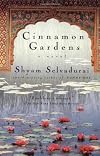
I loved this one. Set in Ceylon (Sri Lanka) in 1928 as the country and its British colonizers are grappling the island's political future, the two principal characters grapple with personal happiness versus family expectations and societal constraints. Annalukshmi is a young woman who has recently earned her teaching certification, much to the horror of her family - working is "common" and will diminish her chances of finding a husband. Her chances are already damaged, as her fathers show more reversion to Hinduism forced her parents to separate and her mother return with the girls to Ceylon from Malaysia. When Annalukshmi's father writes that he is arranging a marriage for her to her Hindu cousin, her mother and aunt attempt to find a suitable alliance with a Christian instead. Annalukshmi, meanwhile, is not sure she wants to marry, as she loves teaching, though she discovers that her ambitions might be checked by racial considerations and preference.
Annalukshmi's beloved uncle Balendran grapples with his own happiness. As a young student in England, he fell in love with his soulmate Richard, but his father, anonymously tipped off about the nature of their relationship, shows up unexpectedly and ends it in a terrible way. Balendran marries a cousin and is miserable, until over time and with their shared love for their son, he and his wife develop a comfortable love and affection. Balendran does his father's bidding in all things, particularly since his elder brother's expulsion from the family. His father forces a reunion with Richard, who is now working on the commission that will make decisions about the future of British rule in Ceylon. Meeting Richard again forces Balendran to confront his feelings and his acquiescence to the wishes of his father and the strictures of society. The novel gently explores the characters' emotions and decisions against a vivid and evocative backdrop of the Sri Lankan setting. I recommend it highly. show less
Annalukshmi's beloved uncle Balendran grapples with his own happiness. As a young student in England, he fell in love with his soulmate Richard, but his father, anonymously tipped off about the nature of their relationship, shows up unexpectedly and ends it in a terrible way. Balendran marries a cousin and is miserable, until over time and with their shared love for their son, he and his wife develop a comfortable love and affection. Balendran does his father's bidding in all things, particularly since his elder brother's expulsion from the family. His father forces a reunion with Richard, who is now working on the commission that will make decisions about the future of British rule in Ceylon. Meeting Richard again forces Balendran to confront his feelings and his acquiescence to the wishes of his father and the strictures of society. The novel gently explores the characters' emotions and decisions against a vivid and evocative backdrop of the Sri Lankan setting. I recommend it highly. show less

This is the long-awaited successor to the wonderful [Funny boy] (1993). Where Selvadurai's first novel was basically a coming-of-age story, this is a much more complex and mature treatment of the "gay love story against a background of communal violence" idea. He uses traditional Buddhist stories interpolated into the narrative to explore the way the ways that bad actions and the need to find forgiveness and redemption work out in the lives of his characters, particularly the gay narrator show more and his property-shark grandmother. There's a danger in this sort of thing that you end up in the profound shallows of Herman Hesse country, and Selvadurai steers dangerously close once or twice, but I think he manages to stay afloat. It's probably the lively realism of the main story that saves him, set partly in Canada and partly in the "Cinammon Gardens" middle-class neighbourhoods in Colombo. Although the riots and communal violence happen mostly offstage, we aren't allowed to forget that there are real atrocities going on and large numbers of people suffering. show less
Lists
Awards


You May Also Like


Associated Authors
Statistics
- Works
- 8
- Also by
- 4
- Members
- 1,886
- Popularity
- #13,643
- Rating
- 3.7
- Reviews
- 33
- ISBNs
- 88
- Languages
- 8
- Favorited
- 4