
Carol McGrath
Author of The Handfasted Wife
About the Author
Series
Works by Carol McGrath
1066 Turned Upside Down: Alternative fiction stories by nine authors (2018) — Contributor — 16 copies, 2 reviews
Tagged
Common Knowledge
- Gender
- female
Members
Reviews
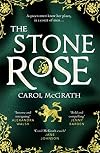
NOTE: I was given early access to this manuscript through netgalley in exchange for writing an impartial review. Thank you Headline Accent. Publication: April 21, 2022.
THE STONE ROSE is book three in the SHE-WOLVES Trilogy by Carol McGrath (about Queens of England) and I admit upfront I have not read the previous two books:
1. THE SILKEN ROSE about English Queen Allenore of Provence, wife to King Henry III (which I admit I've already purchased)
2. THE DAMASK ROSE about Eleanor of Castile, wife show more to Edward I. (I'll probably read this one too.)
This third volume in the series is about Isabella of France, wife to Edward II. And judging by this one, it appears each book stands on its own.
Those of you familiar with British history may already know a bit about both Isabella and Edward. He is famous for the gruesome way in which he may have died. She for being the powerful shrew who supposedly coveted her husband's power. But author Carol McGrath's historical novel is much more sympathetic toward Isabella than many other accounts.
The novel has two storylines, taking place about 30 years apart. Most of the story is focused on Edward and Isabella. The other thread concerns Agnes, a young stone mason in the 1350s, who is asked to work on Isabella's tomb. She too is an historical figure.
Let's begin with Edward II, who strikes me as a prince to be pitied. He is one of 15 children. He also no doubt grew up in the shadow of his much-respected, warrior father, Edward I, aka Edward Longshanks and Hammer of the Scots. It also seems Edward II was either gay or bisexual, which, at a time, was a sin according to the teachings of the very influential church. So it's not so surprising that Edward II fell under the "spell" of a number of attractive, male favorites over the years. Piers Gaveston and Hugh Despenser being the two most famous.
Now Isabella, as daughter of French King Philip IV and Joan I of Navarre, winds up married to Edward II at the age of 12. She has been raised with the expectations that she is to make this political alliance prosper. But while her husband has lots of interests in learning about the work of peasants, he does not show much interest in or inclination for the work of governing. Instead, he spends excessively on both his lifestyle and on disastrous battles with the Scots. He listens exclusively to the voices of his ambitious favorites, rewarding them with lands, manors, and power. Consequently, he alienates all the other nobles in the realm.
So, what is Isabella to do? Her friends are suffering and getting increasingly discontented. Is it her duty to remain steadfastly loyal to her husband? What about her rightful duty as Queen in her adopted country? And how about her responsibility to maintain peace between France and England?
Carol McGrath has clearly done extensive research and is skilled at adding rich detail so the reader feels immersed in the time period. If anything, I found that detail a bit excessive at times, making parts of the story slow-moving. THAT is a minor complaint however. It's always fascinating for me to read historical fiction focused on prominent women -- since they are so often given short shrift by traditional historians. I do recommend this book and I plan to read the other novels in the series. show less
THE STONE ROSE is book three in the SHE-WOLVES Trilogy by Carol McGrath (about Queens of England) and I admit upfront I have not read the previous two books:
1. THE SILKEN ROSE about English Queen Allenore of Provence, wife to King Henry III (which I admit I've already purchased)
2. THE DAMASK ROSE about Eleanor of Castile, wife show more to Edward I. (I'll probably read this one too.)
This third volume in the series is about Isabella of France, wife to Edward II. And judging by this one, it appears each book stands on its own.
Those of you familiar with British history may already know a bit about both Isabella and Edward. He is famous for the gruesome way in which he may have died. She for being the powerful shrew who supposedly coveted her husband's power. But author Carol McGrath's historical novel is much more sympathetic toward Isabella than many other accounts.
The novel has two storylines, taking place about 30 years apart. Most of the story is focused on Edward and Isabella. The other thread concerns Agnes, a young stone mason in the 1350s, who is asked to work on Isabella's tomb. She too is an historical figure.
Let's begin with Edward II, who strikes me as a prince to be pitied. He is one of 15 children. He also no doubt grew up in the shadow of his much-respected, warrior father, Edward I, aka Edward Longshanks and Hammer of the Scots. It also seems Edward II was either gay or bisexual, which, at a time, was a sin according to the teachings of the very influential church. So it's not so surprising that Edward II fell under the "spell" of a number of attractive, male favorites over the years. Piers Gaveston and Hugh Despenser being the two most famous.
Now Isabella, as daughter of French King Philip IV and Joan I of Navarre, winds up married to Edward II at the age of 12. She has been raised with the expectations that she is to make this political alliance prosper. But while her husband has lots of interests in learning about the work of peasants, he does not show much interest in or inclination for the work of governing. Instead, he spends excessively on both his lifestyle and on disastrous battles with the Scots. He listens exclusively to the voices of his ambitious favorites, rewarding them with lands, manors, and power. Consequently, he alienates all the other nobles in the realm.
So, what is Isabella to do? Her friends are suffering and getting increasingly discontented. Is it her duty to remain steadfastly loyal to her husband? What about her rightful duty as Queen in her adopted country? And how about her responsibility to maintain peace between France and England?
Carol McGrath has clearly done extensive research and is skilled at adding rich detail so the reader feels immersed in the time period. If anything, I found that detail a bit excessive at times, making parts of the story slow-moving. THAT is a minor complaint however. It's always fascinating for me to read historical fiction focused on prominent women -- since they are so often given short shrift by traditional historians. I do recommend this book and I plan to read the other novels in the series. show less
The Lost Queen: The stunning historical novel of a feisty, intelligent Queen and her epic journey to reunite with her King by Carol McGrath
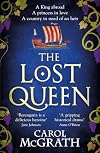
This is a novel based on the life of one of the least well known Queens of England since the Norman Conquest, Berengaria of Navarre, wife of King Richard I the Lionheart. To the extent that she is known at all, it is as the Queen of England who never set foot in that country during her reign (being married to Richard in Cyprus on his way on Crusade, and probably did not visit not afterwards either. The problem is that, despite her status, she is hardly ever at the centre of events and the show more narrative has perforce to be peppered with messengers arriving to tell her and her ladies of the latest military successes or defeats. Some sections are told from the point of view of other characters, including two men, which varies this approach a bit. Berengaria often chafes at the way in which women are used as marriage pawns by their male family members which is of course true, but also a little naive as it was standard for the time, and from which she also benefitted from her own marriage to Richard. I sound quite negative about this book, but the writing is engaging and I did enjoy it, though not as much as the author's Daughters of Hastings trilogy which I read around a decade ago, and whose female protagonists made more interesting subjects for novels. (on a lighter note, Richard at one point uses a hilarious oath "by God's holy bollocks"). show less

This is the author's debut novel, the first in a projected trilogy entitled The Daughters of Hastings. This one is about Elditha (Edith) Swanneck, the first wife of King Harold II. She was married to Harold in the old Danish tradition of handfasting, a type of union not recognised by the Church. After Harold became King he married another lady, Aldgyth of Mercia, for dynastic reasons, though his union with Elditha had already produced half a dozen children, the oldest being boys in their show more late teens.
The Battle of Hastings takes place only a third of the way through the novel. As this is a novel told entirely from a female perspective, it all happens "off stage". We don't know what happened to the historical Elditha after Hastings, so most of the novel is intelligent speculation, involving her trying to protect what she sees as her sons' inheritance and plotting with Harold's formidable Danish mother Gytha. Harold's actual Queen-widow Aldgyth disappears almost completely, though there is a brief, dismissive reference to her having given birth to a son, who from a legitimist point of view might have been regarded as the Saxon heir, though only a baby, of course. Elditha ends up contributing to part of the Bayeux tapestry. Not a great novel, though engagingly written. I will probably read the sequels, the premises for which, following the later lives of Elditha's daughters, sound interesting. show less
The Battle of Hastings takes place only a third of the way through the novel. As this is a novel told entirely from a female perspective, it all happens "off stage". We don't know what happened to the historical Elditha after Hastings, so most of the novel is intelligent speculation, involving her trying to protect what she sees as her sons' inheritance and plotting with Harold's formidable Danish mother Gytha. Harold's actual Queen-widow Aldgyth disappears almost completely, though there is a brief, dismissive reference to her having given birth to a son, who from a legitimist point of view might have been regarded as the Saxon heir, though only a baby, of course. Elditha ends up contributing to part of the Bayeux tapestry. Not a great novel, though engagingly written. I will probably read the sequels, the premises for which, following the later lives of Elditha's daughters, sound interesting. show less
The Stolen Crown: The brilliant new historical novel of an Empress fighting for her destiny by Carol McGrath
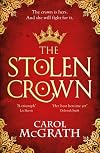
This novel is based on the life of the Empress Maud or Matilda, who famously almost became the first ruling Queen of England in the mid 12th century but eventually lost out in the civil war with King Stephen. Maud is a fascinating character and, along with her eventual daughter in law Eleanor of Aquitaine, one of the two most remarkable women in political life in this era. Maud is a much more consequential actor than Berengaria of Navarre, the subject of the last novel I read by this author. show more We get a good feel for the ebb and flow of her fortunes and also her strengths and weaknesses. Would she have made a good ruler if she had been able to secure her throne in 1141? We can never know but in an era where ruling was very much about military might, she would have been sorely tested. Some of her judgements did not bode well for her potential future as a ruler, but she had her reasons for acting as she did. The fictional characters Alice and Jacques and their family, are appealing, and Robert of Gloucester, Maud's half brother, and her platonic lover Brien Fitz Count, also interesting. show less
Awards


You May Also Like


Associated Authors
Statistics
- Works
- 14
- Members
- 380
- Popularity
- #63,550
- Rating
- 3.7
- Reviews
- 24
- ISBNs
- 50
- Languages
- 1