
Adeline Yen Mah
Author of Falling Leaves: The Memoir of an Unwanted Chinese Daughter
About the Author
Although Adeline Yen Mah was born into a wealthy family in Tianjin, China in 1937, her childhood was an unhappy one. Born female in a culture that often devalues women, her situation was made worse by the fact that her family blamed Yen Mah for her mother's death, which occurred just after she was show more born. Her autobiography, Falling Leaves: The True Story of an Unwanted Chinese Daughter, details the emotional abuse she suffered from her father, siblings and, in particular, her stepmother. Most notable was the fact that her family, fleeing to Hong Kong in 1948 as the Communist army gained control of China, initially left the 10-year-old Yen Mah behind, in a boarding school in northern China. An international play-writing competition made it possible for Yen Mah to escape her unhappy family life when she was 14. She won the competition, and this convinced her father to send her to a boarding school in England. Yen Mah remained in England for 11 years, attending college and earning a medical degree. When she returned to Hong Kong in 1963 to do an internship, however, Yen Mah found that her family's attitude toward her had not improved. She left again, this time to accept a residency in the United States. In the U.S., Yen Mah found professional success, eventually becoming the chief of anesthesiology at Anaheim Community Hospital in California. She also found personal happiness with her second husband, Bob Mah, and their two children. However, she was always troubled by her estrangement from her father and stepmother, and after their deaths she went through a period of severe depression. She began writing Falling Leaves as a way to work through her feelings of rejection, never imagining that her story would become an international bestseller. (Bowker Author Biography) Adeline Yen Mah is a physician and writer. She divides her time between London, Hong Kong, and her home in Huntington Beach, California. (Bowker Author Biography) show less
Works by Adeline Yen Mah
Watching the Tree: A Chinese Daughter Reflects on Happiness, Tradition, and Spiritual Wisdom (2000) 321 copies, 7 reviews
100 best restaurants in the Valley of the Sun: An economy gourmet guide to dining out in the greater Phoenix area (1977) 6 copies
Watching the Tree: A Chinese Daughter Reflects on Happiness, Spiritual Beliefs and Universal Wisdom 1 copy
One Written Word is Worth A Thousand Pieces of Gold : A Memoir of China's Past Through Its Proverbs 1 copy
A Thousand Pieces of Gold 1 copy
Associated Works
A Little Princess (1905) — Introduction, some editions; Introduction, some editions — 18,310 copies, 232 reviews
Tagged
Common Knowledge
- Birthdate
- 1937-11
- Gender
- female
- Education
- University College, England
London Hospital Medical College - Occupations
- physician
author - Nationality
- USA
- Birthplace
- Tianjin, China
- Places of residence
- California, USA
London, England, UK
Hong Kong, China
Tianjin, China (birth) - Associated Place (for map)
- China
Members
Reviews
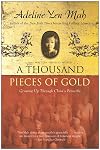
A Thousand Pieces of Gold is a unique memoir that highlights various Chinese proverbs and uses the history of China to show how the proverb came into use; Adeline Yen Mah adds a personal touch to this by showing how that proverb relates to every day life by relating it to her own personal experience. I feel like this book is everything at once. It is informative and poignant and so beautifully crafted.
I am in awe of Yen Mah’s ability to weave together such different stories into something show more seamless and absolutely riveting. This is a unique way to tell a story, and I was riveted from cover to cover. Even though I’d read her earlier memoir, Chinese Cinderella, I found that viewing her story through the lenses of the different proverbs she chooses to highlight put those stories in a new light. This has made me think that I need to read all of her works because of her abilities as a writer.
If you have any interest in Chinese history, proverbs, or Adeline Yen Mah’s story, you will love this book I highly recommend it.
Also posted on Purple People Readers. show less
I am in awe of Yen Mah’s ability to weave together such different stories into something show more seamless and absolutely riveting. This is a unique way to tell a story, and I was riveted from cover to cover. Even though I’d read her earlier memoir, Chinese Cinderella, I found that viewing her story through the lenses of the different proverbs she chooses to highlight put those stories in a new light. This has made me think that I need to read all of her works because of her abilities as a writer.
If you have any interest in Chinese history, proverbs, or Adeline Yen Mah’s story, you will love this book I highly recommend it.
Also posted on Purple People Readers. show less
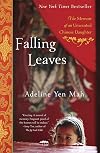
Adeline Mah writes about her tragic childhood and troubled young adult life with restrained emotion and polished writing, conveying both the historical context of her life and the personal episodes that deeply influenced her. This autobiography is not a joyful one; but then, most memoirs are born out of a cathartic need to revisit the problems in our life, so this is hardly surprising. What is more remarkable is the healthy woman the author became, rising out of a bitter family always at show more conflict with each other, with the conviction to find peace and hope, and retain her dream of a unified family.
The author's mother died while delivering her. Adeline was the youngest of five, an older sister and three older brothers. A short time after her mother passed away, her father decided to remarry. They called their new mother Niang, a more formal designation for mother. Sadly, Niang was not thrilled to accept five new children along with her new husband. She was cold and distant, and as soon as her son was born, created a hierarchy in the household. Her son was favored. She and her husband kept the wealth for themselves and the chosen child, while the other children were required to practice austerity, supposedly to learn to appreciate the money that their father worked so hard to obtain. Since their father was an extremely wealthy man, this deprivation was cruel and absurd. The first half of the book covered Adeline's childhood, crushed under an oppressive regime. Not only did her parents mistreat her, but her siblings also picked on her, the youngest, the one who killed their mother, the child who earned Niang's special displeasure.
The second part of the autobiography was less infuriating, as the author escaped to England to pursue her medical education, and was not directly under her Niang's influence. Eventually, she moved to America and established a successful medical practice. After a disastrous first marriage, she met someone who truly cared for her, and started her own family. She had two children, and wrote that she was happy for the chance to lavish love on them in a way that she never received. Sadly, her parents and her siblings continued to create waves of discontent in her life, and even in death her Niang managed one final attack on Adeline's spirit, cutting her out entirely of the will but leaving bequeaths to her brothers and sister, Lydia. The autobiography ends shortly after the author recounts Niang's death and the revelation of her final will and testimony. The last chapter tells of Adeline's final meeting with her Aunt Baba, a woman who supported and loved her when it seemed as if no one else did. Her aunt tells her a story that reinforces her own importance and worth, and encourages her to remember that she can create a beautiful life even if she has been wounded by those nearest to her. The memoir ends on this hopeful note of strength and healing.
I admire the author, Adeline Mah, for her amazing resilience and maturity. Despite undergoing mental and emotional abuse that set my teeth on edge, she persevered. She finally found and married a person who loved her, she had her own children, and she broke the negative cycle with this new family. Stopping family patterns of abuse is a very difficult task. Reading her story was heart-breaking, but also engrossing. I knew that she had become a published writer, her authorial voice indicated maturity and strength, and I wanted to see how she moved past all of her early trauma to this better place. The writing is clean, descriptive, and switches from historical backgrounds on the major events in China that framed Adeline's life to her own personal anecdotes. The style is not new or original, but rather like a perfect English composition; the book is easy to read and inviting. This is a worthwhile autobiography, with fine writing that focuses on a population not often covered in the biography section. General readers as well as nonfiction enthusiasts will appreciate the life story shared in these pages. show less
The author's mother died while delivering her. Adeline was the youngest of five, an older sister and three older brothers. A short time after her mother passed away, her father decided to remarry. They called their new mother Niang, a more formal designation for mother. Sadly, Niang was not thrilled to accept five new children along with her new husband. She was cold and distant, and as soon as her son was born, created a hierarchy in the household. Her son was favored. She and her husband kept the wealth for themselves and the chosen child, while the other children were required to practice austerity, supposedly to learn to appreciate the money that their father worked so hard to obtain. Since their father was an extremely wealthy man, this deprivation was cruel and absurd. The first half of the book covered Adeline's childhood, crushed under an oppressive regime. Not only did her parents mistreat her, but her siblings also picked on her, the youngest, the one who killed their mother, the child who earned Niang's special displeasure.
The second part of the autobiography was less infuriating, as the author escaped to England to pursue her medical education, and was not directly under her Niang's influence. Eventually, she moved to America and established a successful medical practice. After a disastrous first marriage, she met someone who truly cared for her, and started her own family. She had two children, and wrote that she was happy for the chance to lavish love on them in a way that she never received. Sadly, her parents and her siblings continued to create waves of discontent in her life, and even in death her Niang managed one final attack on Adeline's spirit, cutting her out entirely of the will but leaving bequeaths to her brothers and sister, Lydia. The autobiography ends shortly after the author recounts Niang's death and the revelation of her final will and testimony. The last chapter tells of Adeline's final meeting with her Aunt Baba, a woman who supported and loved her when it seemed as if no one else did. Her aunt tells her a story that reinforces her own importance and worth, and encourages her to remember that she can create a beautiful life even if she has been wounded by those nearest to her. The memoir ends on this hopeful note of strength and healing.
I admire the author, Adeline Mah, for her amazing resilience and maturity. Despite undergoing mental and emotional abuse that set my teeth on edge, she persevered. She finally found and married a person who loved her, she had her own children, and she broke the negative cycle with this new family. Stopping family patterns of abuse is a very difficult task. Reading her story was heart-breaking, but also engrossing. I knew that she had become a published writer, her authorial voice indicated maturity and strength, and I wanted to see how she moved past all of her early trauma to this better place. The writing is clean, descriptive, and switches from historical backgrounds on the major events in China that framed Adeline's life to her own personal anecdotes. The style is not new or original, but rather like a perfect English composition; the book is easy to read and inviting. This is a worthwhile autobiography, with fine writing that focuses on a population not often covered in the biography section. General readers as well as nonfiction enthusiasts will appreciate the life story shared in these pages. show less
What a moving, eye-opening memoir. Born in 1937 in China, Adeline suffered greatly. While her family was wealthy, neither their money nor their affection was shared with her. She is betrayed time after time, even into adulthood, but she somehow remains optimistic.
Her family troubles are set against China's changing political landscape over the years. The understated prose spells out some particular horrors. Pay attention as you read. It's a warning to the rest of the world that the same show more could happen in any country, including America.
I picked up a paperback copy for $1.00 at a local library sale. A dollar well spent! It helped me understand (a tiny bit) about the culture in China, then and now. More importantly, it reminded me once more that many people in our world are neglected, unwanted. It's up to us to show kindness to everyone; we never know what someone is going through.
From what I'm seeing online, Adeline Yen Mah and her husband have become philanthropists who established the Falling Leaves Foundation, which strives toward building a stronger relationship between the East and West as well as promoting medical advances.
I'm not sure how anyone endures what she did and my guess is that it still haunts her. Adeline Yen Mah, I'm rooting for you. show less
Her family troubles are set against China's changing political landscape over the years. The understated prose spells out some particular horrors. Pay attention as you read. It's a warning to the rest of the world that the same show more could happen in any country, including America.
I picked up a paperback copy for $1.00 at a local library sale. A dollar well spent! It helped me understand (a tiny bit) about the culture in China, then and now. More importantly, it reminded me once more that many people in our world are neglected, unwanted. It's up to us to show kindness to everyone; we never know what someone is going through.
From what I'm seeing online, Adeline Yen Mah and her husband have become philanthropists who established the Falling Leaves Foundation, which strives toward building a stronger relationship between the East and West as well as promoting medical advances.
I'm not sure how anyone endures what she did and my guess is that it still haunts her. Adeline Yen Mah, I'm rooting for you. show less
Warning: This review has spoilers.
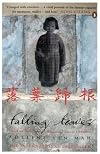
Falling Leaves is the autobiography of Adeline Yen Mah, born in 1937 in Tianjin, China. She was the fifth child. Her mother contracted puerperal fever and died weeks after her birth. Several years later her father re-married and with his new wife had 2 children. The new step-mother influenced her father so that this daughter was ignored, mentally abused, and sent away to substandard schools.
Some of the stories are heart-rending; a beloved pet set on the show more ground to test the training of a dog and injured, no gifts when all brothers and sisters got gifts, throwing away of all gifts given by friends, no money for trams for school unless she begged and humbled herself.
Adeline bore this unhappily but couldn’t do anything about it until she entered a play-writing competition. She won, and her father and step-mother allowed her to go to England to study to become a doctor. This she did, earning several degrees. She married, had a child, divorced, re-married, and had a second child. All the while she was building a successful career.
In the meantime she always anguished over family’s rejection of her, her step-mother’s influence and control over her father. Two sisters were disowned. At the reading of her father’s will, her step-mother’s influence was so strong that she told the children there was no money and not to read the rest of the will – and they obeyed.
When her step-mother died she and her husband went back to China. One of her brothers told her she was cut out of the will. Adeline didn’t care about the money so much as family unity. They found her father’s original will, suppressed by her step-mother, which had divided his money equally among his children and his wife. This inclusion and proof of his love for her helped her finally gain peace in her life-long quest for acceptance and love.
I loved this book. It was well written. I loved that each chapter title was in English and Chinese. When there is a Chinese word or concept, the symbol is included with the Chinese translation. Example: Shanghai’s two symbols are followed by the word Shanghai and then (city by the sea), a literal translation of the symbols. I found this to be very helpful in understanding more about Chinese culture. The book was captivating and immediately got me involved. It was also heartbreaking, and frustrating. Adeline’s almost pathological quest to be accepted by her family might have been understandable if that family wasn’t so dysfunctional, manipulative, and controlling. I hope the comfort and peace she found offset the very real cruelty and mental abuse she experienced. show less
Falling Leaves is the autobiography of Adeline Yen Mah, born in 1937 in Tianjin, China. She was the fifth child. Her mother contracted puerperal fever and died weeks after her birth. Several years later her father re-married and with his new wife had 2 children. The new step-mother influenced her father so that this daughter was ignored, mentally abused, and sent away to substandard schools.
Some of the stories are heart-rending; a beloved pet set on the show more ground to test the training of a dog and injured, no gifts when all brothers and sisters got gifts, throwing away of all gifts given by friends, no money for trams for school unless she begged and humbled herself.
Adeline bore this unhappily but couldn’t do anything about it until she entered a play-writing competition. She won, and her father and step-mother allowed her to go to England to study to become a doctor. This she did, earning several degrees. She married, had a child, divorced, re-married, and had a second child. All the while she was building a successful career.
In the meantime she always anguished over family’s rejection of her, her step-mother’s influence and control over her father. Two sisters were disowned. At the reading of her father’s will, her step-mother’s influence was so strong that she told the children there was no money and not to read the rest of the will – and they obeyed.
When her step-mother died she and her husband went back to China. One of her brothers told her she was cut out of the will. Adeline didn’t care about the money so much as family unity. They found her father’s original will, suppressed by her step-mother, which had divided his money equally among his children and his wife. This inclusion and proof of his love for her helped her finally gain peace in her life-long quest for acceptance and love.
I loved this book. It was well written. I loved that each chapter title was in English and Chinese. When there is a Chinese word or concept, the symbol is included with the Chinese translation. Example: Shanghai’s two symbols are followed by the word Shanghai and then (city by the sea), a literal translation of the symbols. I found this to be very helpful in understanding more about Chinese culture. The book was captivating and immediately got me involved. It was also heartbreaking, and frustrating. Adeline’s almost pathological quest to be accepted by her family might have been understandable if that family wasn’t so dysfunctional, manipulative, and controlling. I hope the comfort and peace she found offset the very real cruelty and mental abuse she experienced. show less
Lists
Awards


You May Also Like


Statistics
- Works
- 16
- Also by
- 1
- Members
- 7,288
- Popularity
- #3,354
- Rating
- 4.1
- Reviews
- 163
- ISBNs
- 128
- Languages
- 11
- Favorited
- 5