
Hiromi Kawakami
Author of Strange Weather in Tokyo
About the Author
Series
Works by Hiromi Kawakami
Un matin légèrement nuageux 1 copy
Cửa tiệm đồ cũ của Nakano 1 copy
Ο Σενσει και ο Χαρτοφύλακας 1 copy
People From My Neighbourhood 1 copy
Associated Works
Speculative Japan: Outstanding Tales of Japanese Science Fiction and Fantasy (2007) — Contributor — 54 copies
Von Katzentötern, schwebenden Rauchern und der Suche nach Nilpferden Kurzgeschichten aus Japan (2018) — Contributor — 2 copies
平成の名小説 (新潮2019年08月号増刊) — Contributor — 1 copy
群像 2020年 01 月号 — Contributor — 1 copy
群像 2020年 08 月号 — Contributor — 1 copy
群像 2021年 02 月号 — Contributor — 1 copy
新潮 2018年 03月号 — Contributor — 1 copy
月の文学館 月の人の一人とならむ — Contributor — 1 copy
新潮 2010年 03月号 [雑誌] — Contributor — 1 copy
文藝 2020年夏季号 — Contributor — 1 copy
yaso夜想―特集 山尾悠子 — Contributor — 1 copy
MONKEY vol.20 探偵の一ダース — Contributor — 1 copy
群像 2008年 01月号 [雑誌] — Contributor — 1 copy
Tagged
Common Knowledge
- Canonical name
- Kawakami, Hiromi
- Legal name
- 川上弘美
- Birthdate
- 1958-04-01
- Gender
- female
- Education
- Ochanomizu Women's College
- Occupations
- literary critic
essayist
novelist - Nationality
- Japan
- Birthplace
- Tokyo, Japan
- Places of residence
- Tokyo, Japan
- Associated Place (for map)
- Tokyo, Japan
Members
Reviews

The Nakano Thrift Shop is not a book to be devoured, but savored. There is no driving plot, no urge to flip quickly to see what will happen next. Instead, it is a series of vignettes set in a small, quirky thrift shop in Tokyo with a small cast of characters. The result is intimate close-ups of specific moments in time. Dust motes might be mentioned, but the characters′ pasts are not.
Hitomi is a young woman in her late twenties who works at the shop, and the story is told from her show more perspective. She seems to have no relationships outside of those with the owner, Mr. Nakano; Takeo, the other employee on whom she has a crush; and Masayo, Mr. Nakano′s artistic sister. The four seem almost familial, yet in a vague way, nothing overly sentimental. The conversations are mostly gossip about one another and their customers. The language is crisp without wasted words or flowery descriptions, with a deadpan humor, and the dialogue captures the casual and abbreviated way that people well-known to each other speak.
Each chapter is titled after an object, but the item is not the focus, rather it′s a prompt to sketch aspects of the characters′ relationships. Sometimes it′s an item from the shop, but not always. For instance, the opening chapter, Rectangular #2, refers to the envelope that is needed for some photographs a customer has brought into the shop. The chapter is an introduction to the main characters and how they interact with each other as they view and decide how to dispense with the photographs.
′Do you like art, Hitomi?′ Mr. Nakano asked, his eyes widening when I pointed to this photograph. In his hand, he held another photos of the man and woman, completely naked, seated in front of a dressing table.
′I think I prefer classic ones like this,′ he said. The woman sat on the man′s lap with her eyes tightly shut, her hair perfectly coiffed.
′The man and woman aren′t too pretty,′ Takeo said, putting the photos back in order and setting them on the table after carefully examining all ten.
′What should we do with them?′ I asked.
′I′ll return them to Tadokoro,′ Mr. Nakano replied.
′You think you could sell them here?′ Takeo asked.
′They don′t really seem finished, do they?′
The conversation ended there, and Mr. Nakano placed the photographs between the cardboard again and put them back in the envelope, which he set on top of a shelf in the back room.
Later Mr. Nakano singes the envelope with his cigarette, and Takeo runs out to buy the customer a new one.
Got a rectangular #2, Takeo said as he returned. Tadokoro (the customer), ever calm and composed, moved away and slowly pulled the new envelope out of its cellphone wrapper before carefully sliding the cardboard inside.
′See you,′ he said and left the shop.
Immediately afterwards, Mr. Nakano came in, muttering, ′You know what I mean—Takeo, the price was too high today.′ Takeo and I both found ourselves staring at Mr. Nakano′s beard.
′What is it?′ Mr. Nakano asked with a blank look.
Neither Takeo nor I replied, until a moment later, Takeo said, Didn′t know that envelope was called a rectangular #2.
′Yeah?′ Mr. Nakano asked in response, but Takeo didn′t say anything more. I remained silent, starting at Mr. Nakano′s beard.
And the chapter ends.
I enjoyed reading this novel. The slow pace was relaxing, the characters quirky yet endearing, and the overall tone was funny and sweet. It was a nice palate cleanser between heavier books, and I have put the author′s most popular book, Strange Weather in Tokyo, on my wish list. show less
Hitomi is a young woman in her late twenties who works at the shop, and the story is told from her show more perspective. She seems to have no relationships outside of those with the owner, Mr. Nakano; Takeo, the other employee on whom she has a crush; and Masayo, Mr. Nakano′s artistic sister. The four seem almost familial, yet in a vague way, nothing overly sentimental. The conversations are mostly gossip about one another and their customers. The language is crisp without wasted words or flowery descriptions, with a deadpan humor, and the dialogue captures the casual and abbreviated way that people well-known to each other speak.
Each chapter is titled after an object, but the item is not the focus, rather it′s a prompt to sketch aspects of the characters′ relationships. Sometimes it′s an item from the shop, but not always. For instance, the opening chapter, Rectangular #2, refers to the envelope that is needed for some photographs a customer has brought into the shop. The chapter is an introduction to the main characters and how they interact with each other as they view and decide how to dispense with the photographs.
′Do you like art, Hitomi?′ Mr. Nakano asked, his eyes widening when I pointed to this photograph. In his hand, he held another photos of the man and woman, completely naked, seated in front of a dressing table.
′I think I prefer classic ones like this,′ he said. The woman sat on the man′s lap with her eyes tightly shut, her hair perfectly coiffed.
′The man and woman aren′t too pretty,′ Takeo said, putting the photos back in order and setting them on the table after carefully examining all ten.
′What should we do with them?′ I asked.
′I′ll return them to Tadokoro,′ Mr. Nakano replied.
′You think you could sell them here?′ Takeo asked.
′They don′t really seem finished, do they?′
The conversation ended there, and Mr. Nakano placed the photographs between the cardboard again and put them back in the envelope, which he set on top of a shelf in the back room.
Later Mr. Nakano singes the envelope with his cigarette, and Takeo runs out to buy the customer a new one.
Got a rectangular #2, Takeo said as he returned. Tadokoro (the customer), ever calm and composed, moved away and slowly pulled the new envelope out of its cellphone wrapper before carefully sliding the cardboard inside.
′See you,′ he said and left the shop.
Immediately afterwards, Mr. Nakano came in, muttering, ′You know what I mean—Takeo, the price was too high today.′ Takeo and I both found ourselves staring at Mr. Nakano′s beard.
′What is it?′ Mr. Nakano asked with a blank look.
Neither Takeo nor I replied, until a moment later, Takeo said, Didn′t know that envelope was called a rectangular #2.
′Yeah?′ Mr. Nakano asked in response, but Takeo didn′t say anything more. I remained silent, starting at Mr. Nakano′s beard.
And the chapter ends.
I enjoyed reading this novel. The slow pace was relaxing, the characters quirky yet endearing, and the overall tone was funny and sweet. It was a nice palate cleanser between heavier books, and I have put the author′s most popular book, Strange Weather in Tokyo, on my wish list. show less
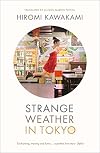
‘’In the autumn there are dead leaves all over the place and in winter the bare branches are bleak and dreary.’’
A woman and a man meet at their favourite bar. She was one of his students many years ago. Intimacy and understanding can come suddenly and unexplainably. The vibes of a gigantic metropolis hide the solitude of two people who have found themselves adrift in the sounds and melodies of Tokyo. As their relationship develops in a union that may seem strange, its depth and show more poignancy make Tsukiko question her choices, And, possibly, the power of Kawakami’s story may ‘force’ us to do the same… As the seasons change, our life chooses its own way and sometimes, all we can do is follow. Take a leap of faith and follow...
‘’It seemed that the only living things in Tokyo were big like us. But of course, if I really paid attention, there were plenty of other living things surrounding me in the city as well. It was never just the two of us, Sensei and me. Even when we were at the bar, I tended to only take notice of Sensei. But Satoru was always there, along with the usual crowd of familiar faces. And I never really acknowledged that any of them were alive in any way. I never gave any thought to the fact that they were leading the same kind of complicated life as I was.’’
Under the cherry blossoms, as moonlight paints the world in silver and blue, as the summer sun gives its way to the winter cold, as summer turns to autumn, as time leaves its traces, conversations and confessions are shared over sake. Japanese cuisine and poetry lend their flavour and sound to the course of two people who have loved and lost, who have chosen solitude because life is easier and safer this way. But as the tender melancholy of the approaching evening starts creeping through the silent walls, the conversations with your heart become more and more often, more and more demanding. Needless to say, I connected with Tsukiko at an almost alarming level. I saw myself in many of her choices and convictions and started seeing things in a different light in a rather peculiar stage of my life. But it is Kawakami’s writing that sings into our soul, turning daily moments into poetry, into sources of real beauty.
When you fall in love, you are bound to feel that you and your beloved are the only people in the city, in the world even. I promise you, this book will never make you feel alone.
*The companion story, Parade, is exquisite. It pays tribute to Japanese folklore and the presence of the tengu while giving voice to the victims of school bullying and discrimination. Kawakami’s Afterword is moving, ethereal, unique. Lyrical, sensitive translation by Allison Markin Powell. *
‘’Light filters while across the river
through the willows.
From Ono on the other bank.
From Ono on the other bank
a flute makes its faint way through the mist,
touching the traveller’s heart.’’
Seihaku Irako
My reviews can also be found on https://theopinionatedreaderblog.wordpress.com/ show less
A woman and a man meet at their favourite bar. She was one of his students many years ago. Intimacy and understanding can come suddenly and unexplainably. The vibes of a gigantic metropolis hide the solitude of two people who have found themselves adrift in the sounds and melodies of Tokyo. As their relationship develops in a union that may seem strange, its depth and show more poignancy make Tsukiko question her choices, And, possibly, the power of Kawakami’s story may ‘force’ us to do the same… As the seasons change, our life chooses its own way and sometimes, all we can do is follow. Take a leap of faith and follow...
‘’It seemed that the only living things in Tokyo were big like us. But of course, if I really paid attention, there were plenty of other living things surrounding me in the city as well. It was never just the two of us, Sensei and me. Even when we were at the bar, I tended to only take notice of Sensei. But Satoru was always there, along with the usual crowd of familiar faces. And I never really acknowledged that any of them were alive in any way. I never gave any thought to the fact that they were leading the same kind of complicated life as I was.’’
Under the cherry blossoms, as moonlight paints the world in silver and blue, as the summer sun gives its way to the winter cold, as summer turns to autumn, as time leaves its traces, conversations and confessions are shared over sake. Japanese cuisine and poetry lend their flavour and sound to the course of two people who have loved and lost, who have chosen solitude because life is easier and safer this way. But as the tender melancholy of the approaching evening starts creeping through the silent walls, the conversations with your heart become more and more often, more and more demanding. Needless to say, I connected with Tsukiko at an almost alarming level. I saw myself in many of her choices and convictions and started seeing things in a different light in a rather peculiar stage of my life. But it is Kawakami’s writing that sings into our soul, turning daily moments into poetry, into sources of real beauty.
When you fall in love, you are bound to feel that you and your beloved are the only people in the city, in the world even. I promise you, this book will never make you feel alone.
*The companion story, Parade, is exquisite. It pays tribute to Japanese folklore and the presence of the tengu while giving voice to the victims of school bullying and discrimination. Kawakami’s Afterword is moving, ethereal, unique. Lyrical, sensitive translation by Allison Markin Powell. *
‘’Light filters while across the river
through the willows.
From Ono on the other bank.
From Ono on the other bank
a flute makes its faint way through the mist,
touching the traveller’s heart.’’
Seihaku Irako
My reviews can also be found on https://theopinionatedreaderblog.wordpress.com/ show less
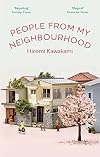
At times the narrator of this series of vignettes about people in her neighbourhood appears to be a child. Though some of those vignettes cover decades. And all of them are whimsical or quirky or, at least, odd. Yet there is a child-like generosity in most of the characterizations. And an appropriate degree of awe when the sometimes astonishing events warrant same. In tone, it reminded me of Tove Jansson, but maybe that is just a reflection of the peculiar whimsy at play.
Kawakami begins with show more odd descriptions of individuals but it gradually becomes clear that there is an entire, well-worked-out, neighbourhood full of connections between these characters. Yet there is no claim to comprehensiveness. Clearly these are just some of the people in the narrator’s neighbourhood. And why these stories in particular are told, might be just as interesting a question as what stories aren’t being told. As with Kawakami’s previous works, I was both enchanted and bemused. Which is not a bad state for reading to induce.
Gently recommended. show less
Kawakami begins with show more odd descriptions of individuals but it gradually becomes clear that there is an entire, well-worked-out, neighbourhood full of connections between these characters. Yet there is no claim to comprehensiveness. Clearly these are just some of the people in the narrator’s neighbourhood. And why these stories in particular are told, might be just as interesting a question as what stories aren’t being told. As with Kawakami’s previous works, I was both enchanted and bemused. Which is not a bad state for reading to induce.
Gently recommended. show less
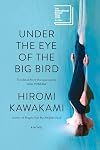
At some point humans become extinct. It’s inevitable. And, given our natures, it will likely happen sooner than necessary. Here, under the gentle guidance of a benevolent AI and some draconian social engineering, humanity manages to eke out an existence for a further 5000 years or so. But eventually, the end will come. Though perhaps someone will be interested in bringing back at least an ersatz version of humanity. Then, maybe the ersatz humans will proliferate until they too rediscover show more the means and mechanisms of self-destruction. But why bother? What is it about humans that makes them worth all the fuss?
Through fifteen largely independent stories, Hiromi Kawakami imagines this long history and gives us a glimpse into a few of the humans, or near-humans, of which it is comprised. The stories are mostly gentle, mostly concern growth, independence, and reproduction. And they seem to settle on emotions as the one feature of humanity that can’t be found elsewhere and which even the sophisticated AI cannot fully accommodate. Is that enough to make our lives, as a species, worthwhile?
Even if you don’t think this estimation of humanity’s value is on the right track, you might find some of the questions raised here to be stimulating. Or you might find it all a bit lukewarm. Or you might just be bemused by this curious piece of fiction.
Only very gently recommended. show less
Through fifteen largely independent stories, Hiromi Kawakami imagines this long history and gives us a glimpse into a few of the humans, or near-humans, of which it is comprised. The stories are mostly gentle, mostly concern growth, independence, and reproduction. And they seem to settle on emotions as the one feature of humanity that can’t be found elsewhere and which even the sophisticated AI cannot fully accommodate. Is that enough to make our lives, as a species, worthwhile?
Even if you don’t think this estimation of humanity’s value is on the right track, you might find some of the questions raised here to be stimulating. Or you might find it all a bit lukewarm. Or you might just be bemused by this curious piece of fiction.
Only very gently recommended. show less
Lists
Awards


You May Also Like


Associated Authors
Statistics
- Works
- 39
- Also by
- 50
- Members
- 4,639
- Popularity
- #5,436
- Rating
- 3.6
- Reviews
- 157
- ISBNs
- 249
- Languages
- 20
- Favorited
- 8