
Dick Lochte
Author of The Morning Show Murders
About the Author
Series
Works by Dick Lochte
Vampire Dreams 1 copy
Associated Works
The World's Finest Mystery and Crime Stories: First Annual Collection (2000) — Contributor — 68 copies, 1 review
The World's Finest Mystery and Crime Stories: Third Annual Collection (2002) — Contributor — 46 copies
Tagged
Common Knowledge
- Legal name
- Lochte, Richard Samuel
- Birthdate
- 1944-10-19
- Gender
- male
- Education
- Tulane University (BA)
- Occupations
- journalist
novelist
screenwriter - Organizations
- Chicago Tribune
Chicago Sun-Times
Chicago Daily News
TV Guide
Los Angeles Times
Playboy (show all 15)
U.S. Coast Guard Reserve
International PEN
International Crime Writers Association
Writers Guild of America
Mystery Writers of America
National Book Critics Circle
American Crime Writers League (president)
Private Eye Writers of America
Los Angeles Drama Critics Circle - Birthplace
- New Orleans, Louisiana, USA
- Places of residence
- Chicago, Illinois, USA
California, USA - Associated Place (for map)
- USA
Members
Reviews
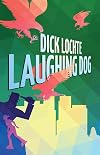
Good Mystery, Superb Characterization
Laughing Dog, by Dick Lochte, is a fairly typical mystery, but with two protagonists, Serendipity Dahlquist and Leo Bloodworth. In Laughing Dog there are, as well, not one, but two mysteries, each paired with one of the detectives. The story of each is narrated by its respective detective in alternating chapters from a limited first person point of view. And for each detective there are multiple murders, baffling clues, incomplete information, drugs, show more treks to foreign lands, chases, fights and aha moments.
What is not typical of the genre is the high quality of characterization found in this olio. Leo, the senior member of this team, is a former policeman, has a problem with alcohol, has paid his dues and has a well-earned cynical and gruff view on life. He is also refreshingly vulnerable, though he'd never admit it. Serendipity is a clever young woman (she's 15 years old) who has a very strong sense of her personal worth and is always willing to defend it. When once asked by a potential client how old she was, she immediately replied, "I don't see the relevance of such a question. And I find it patronizing and offensive." (Kindle location 228) She is not really a member of Leo's detective firm, but has attached herself to Leo because she wants to do detective work and sees Leo as heroic and wisely capable. She helps with the filing, acts as a receptionist, tries to manage Leo's alcohol consumption, and when a case arrives and Leo is not available, she jumps in with alacrity.
The relationship Serendipity has with her grandmother, famous actress Edith Van Dine, is particularly telling. 'Gran' is another veteran who has worked through the trenches and has earned a sense of entitlement. She has raised Serendipity and would like her to become first, an actress, but most importantly, a normal young lady, exhibiting proper behavior, limiting her acquaintances to proper individuals and definitely not hanging around detective offices and associating with the criminal types encountered in that mileau. Gran is demanding of Serendipity and the love they bear for each other is obvious, but Serendipity is smart and knows Gran's soft spots. She can cajole Gran into allowing her enough freedom to pursue her interests.
In short, Serendipity's personality has been highly influenced by her grandmother's own character. It is quite interesting to see how Serendipity develops through the guidance and role models of both her prim and proper grandmother Edith Van Dine and the gruff but wise detective Leo Bloodworth. It makes what would be an entertaining run-of-the-mill murder mystery become a story that one always wants to pick up and continue reading.
The author also displays a deft touch with his dialogue. Serendipity sounds like a young woman, using the slang of her age group and taking particular care with being specific in her references (she's an aspiring author as well as a detective); Leo is looser, more casual, and uses similes appropriate to the world in which he works. The secondary characters shine - Gran is the older matron who assumes privilege and forcefully states her desires and aversions, expecting everyone to acceed to her; an old acquaintance of Gran's and occassional escort of Serendipity is Carol Taylor-Bright, a fellow actor and distingué gentleman, always in an exquisitely tailored three-piece suit and very very prim in his speech patterns as well as his behavior.
Laughing Dog is delightful to read, particularly if one pays attention to how the personalities of the characters are portrayed as they interact and change. I definitely look forward to reading the other books in this series by Nero Wolfe award winner Lochte.
I received a free copy of this book from the publisher in exchange for an honest review. show less
Laughing Dog, by Dick Lochte, is a fairly typical mystery, but with two protagonists, Serendipity Dahlquist and Leo Bloodworth. In Laughing Dog there are, as well, not one, but two mysteries, each paired with one of the detectives. The story of each is narrated by its respective detective in alternating chapters from a limited first person point of view. And for each detective there are multiple murders, baffling clues, incomplete information, drugs, show more treks to foreign lands, chases, fights and aha moments.
What is not typical of the genre is the high quality of characterization found in this olio. Leo, the senior member of this team, is a former policeman, has a problem with alcohol, has paid his dues and has a well-earned cynical and gruff view on life. He is also refreshingly vulnerable, though he'd never admit it. Serendipity is a clever young woman (she's 15 years old) who has a very strong sense of her personal worth and is always willing to defend it. When once asked by a potential client how old she was, she immediately replied, "I don't see the relevance of such a question. And I find it patronizing and offensive." (Kindle location 228) She is not really a member of Leo's detective firm, but has attached herself to Leo because she wants to do detective work and sees Leo as heroic and wisely capable. She helps with the filing, acts as a receptionist, tries to manage Leo's alcohol consumption, and when a case arrives and Leo is not available, she jumps in with alacrity.
The relationship Serendipity has with her grandmother, famous actress Edith Van Dine, is particularly telling. 'Gran' is another veteran who has worked through the trenches and has earned a sense of entitlement. She has raised Serendipity and would like her to become first, an actress, but most importantly, a normal young lady, exhibiting proper behavior, limiting her acquaintances to proper individuals and definitely not hanging around detective offices and associating with the criminal types encountered in that mileau. Gran is demanding of Serendipity and the love they bear for each other is obvious, but Serendipity is smart and knows Gran's soft spots. She can cajole Gran into allowing her enough freedom to pursue her interests.
In short, Serendipity's personality has been highly influenced by her grandmother's own character. It is quite interesting to see how Serendipity develops through the guidance and role models of both her prim and proper grandmother Edith Van Dine and the gruff but wise detective Leo Bloodworth. It makes what would be an entertaining run-of-the-mill murder mystery become a story that one always wants to pick up and continue reading.
The author also displays a deft touch with his dialogue. Serendipity sounds like a young woman, using the slang of her age group and taking particular care with being specific in her references (she's an aspiring author as well as a detective); Leo is looser, more casual, and uses similes appropriate to the world in which he works. The secondary characters shine - Gran is the older matron who assumes privilege and forcefully states her desires and aversions, expecting everyone to acceed to her; an old acquaintance of Gran's and occassional escort of Serendipity is Carol Taylor-Bright, a fellow actor and distingué gentleman, always in an exquisitely tailored three-piece suit and very very prim in his speech patterns as well as his behavior.
Laughing Dog is delightful to read, particularly if one pays attention to how the personalities of the characters are portrayed as they interact and change. I definitely look forward to reading the other books in this series by Nero Wolfe award winner Lochte.
I received a free copy of this book from the publisher in exchange for an honest review. show less
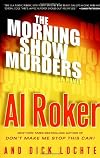
For a first mystery this is a lot of fun. Of course, using a highly respected mystery author as a "co-author" helped a lot but you can tell that much of this mystery came from the mind of Mr. Roker.
Chef Billy Blessings works on a national TV morning show as a chef and sometime interviewer, as well as a front man who visits the crowds each morning (sound familiar?). When his executive producer is killed by poison in food from his restaurant Billy is on the case, trying to figure out who show more killed Rudy and why.
There is a lot of inside information on how a daily morning show works, some of the back-biting and in-fighting that happens but basically the mystery is about solving the crime not about name dropping and sly giggles about "inside information".
I got a little tired of the whole international serial killer stuff but then I get tired of those stories in real life too.
Still, this is highly recommended, it is fun with only a little graphic violence depicted. show less
Chef Billy Blessings works on a national TV morning show as a chef and sometime interviewer, as well as a front man who visits the crowds each morning (sound familiar?). When his executive producer is killed by poison in food from his restaurant Billy is on the case, trying to figure out who show more killed Rudy and why.
There is a lot of inside information on how a daily morning show works, some of the back-biting and in-fighting that happens but basically the mystery is about solving the crime not about name dropping and sly giggles about "inside information".
I got a little tired of the whole international serial killer stuff but then I get tired of those stories in real life too.
Still, this is highly recommended, it is fun with only a little graphic violence depicted. show less
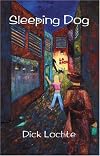
Interesting private detective novel, in which the PI (bad-tempered, old) teams up with an adolescent California girl, in a search for her missing dog. The two key characters take turn as narrator. The device sometimes overwhelms the story, but it is an interesting read.
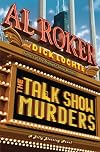
Third in the series by Al Roker and Dick Lochte. Billy Blessing, chef and television personality, is drawn into the murder of a local retired cop who has turned into a blogger with secrets to share on all things local and criminal. The story takes place in Chicago this time. Once again Blessing is one of the suspects. He is forced to investigate to help clear his name.
These books are much more entertaining to listen to than to read. The humor is much more potent. Al Roker reads them and his show more voice is entertaining. I eagerly await the next, if there is a next. show less
These books are much more entertaining to listen to than to read. The humor is much more potent. Al Roker reads them and his show more voice is entertaining. I eagerly await the next, if there is a next. show less
Lists
Awards


You May Also Like


Associated Authors
Statistics
- Works
- 21
- Also by
- 16
- Members
- 681
- Popularity
- #37,120
- Rating
- 3.5
- Reviews
- 27
- ISBNs
- 106
- Languages
- 5
