
Shimon Gibson
Author of The Cave of John the Baptist
About the Author
Shimon Gibson is a senior associate fellow at the W.F. Albright Institute of Archaeological Research in Jerusalem and an adjunct professor of archaeology at the University of North Carolina at Charlotte. During the past thirty years he has conducted numerous excavations and field surveys in show more different parts of Israel. He was the head of the research and scientific reports department of the Israel Antiquities Authority from 1995 to 1999. show less
Image credit: Archeology
Works by Shimon Gibson
Associated Works
Exploring the narrative : Jerusalem and Jordan in the Bronze and Iron Ages (2014) — Contributor — 4 copies
Tagged
Common Knowledge
Members
Reviews
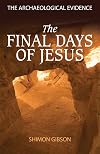
It’s possible that Shimon Gibson knows more about first-century Jerusalem than anyone else alive. Indefatigably curious, he intrepidly shimmies into any crevice that promises to be a gateway to the past.
It is this that makes his book worth reading, even though his writing skills are not on a par with his archaeological. An indication of his struggles to organize his material is the frequent appearance of the phrases “as we shall see” and “as I have shown.” There are many show more redundancies, both within chapters—especially in chapters four and six—and between chapters—in particular, chapters seven and eight.
The book is aimed at the non-specialist, but New Testament scholars will find helpful information here, as well. I profited from his discussion of the pools of Bethesda and Siloam, locations of two crucial episodes in the Gospel of John, which I now see in a new light. Many readers will also be interested in Gibson’s discussion of how the probable location of Pilate’s judgment seat—mentioned in John’s account of the trial of Jesus—has been identified.
Optimally, this book will supplement one’s own visit to the sites Gibson discusses. I think more attention could have been paid to supplying information a reader less familiar with Jerusalem might need. show less
It is this that makes his book worth reading, even though his writing skills are not on a par with his archaeological. An indication of his struggles to organize his material is the frequent appearance of the phrases “as we shall see” and “as I have shown.” There are many show more redundancies, both within chapters—especially in chapters four and six—and between chapters—in particular, chapters seven and eight.
The book is aimed at the non-specialist, but New Testament scholars will find helpful information here, as well. I profited from his discussion of the pools of Bethesda and Siloam, locations of two crucial episodes in the Gospel of John, which I now see in a new light. Many readers will also be interested in Gibson’s discussion of how the probable location of Pilate’s judgment seat—mentioned in John’s account of the trial of Jesus—has been identified.
Optimally, this book will supplement one’s own visit to the sites Gibson discusses. I think more attention could have been paid to supplying information a reader less familiar with Jerusalem might need. show less
The Cave of John the Baptist: The Stunning Archaeological Discovery that has Redefined Christian History by Shimon Gibson
Self-congratulatory little man digs up some caves in the non-oily parts of the Middle East, relies on folk tales and medieval credulity to tie them to a major Biblical figure, and signs a book contract. The end.
Except it isn't. He witters on for 326pp about his amazing finds and his astonishing insights and his startling conclusions, and they're all pretty sketchily supported from what I can tell, and subject to other interpretations. And that's the kind of sentence he writes, too.
I study show more Christian/Biblical matters under the heading of "know what your enemy knows"; this book, certainly, shouldn't be part of what the enemy knows because it's a weak case for tie-in to John the Baptist at best. Josephus as your SOLE contemporary source isn't good enough. Josephus wasn't even contemporary to the time of Jesus's supposed existence, and John the Baptist was before that. The New Testament has the same problem. It was written long after the events it purports to describe. So there are no eyewitness accounts to tie this cave to that oddball who behaved so strangely.
Case not proved. Book not needed. Writing not interesting. Next docket item, please. show less
Except it isn't. He witters on for 326pp about his amazing finds and his astonishing insights and his startling conclusions, and they're all pretty sketchily supported from what I can tell, and subject to other interpretations. And that's the kind of sentence he writes, too.
I study show more Christian/Biblical matters under the heading of "know what your enemy knows"; this book, certainly, shouldn't be part of what the enemy knows because it's a weak case for tie-in to John the Baptist at best. Josephus as your SOLE contemporary source isn't good enough. Josephus wasn't even contemporary to the time of Jesus's supposed existence, and John the Baptist was before that. The New Testament has the same problem. It was written long after the events it purports to describe. So there are no eyewitness accounts to tie this cave to that oddball who behaved so strangely.
Case not proved. Book not needed. Writing not interesting. Next docket item, please. show less

If you’re interested in the historical Jesus, you’ll be fascinated by this book. Shimon is a thorough researcher and archaeologist. He is up-to-date on current scholarship, while at the same time providing new insights and theories, with a writing style that keeps you reading. Shimon excels in vividly portraying the everyday life of Jesus and his times. You’ll learn the geography, the rituals, and the lifestyle of first-century Jews as you walk in the shoes of Christ through the final show more days of his life.
Shimon cautions that “some of my conclusions regarding Jesus and Jerusalem may be controversial,” but throughout the book I found all of his arguments to be logical and carefully documented.
I’m one of those fanatics that marks his books up with highlights and margin notes, and this is one of those books where I’ve got bright paragraphs and blue ink on every other page. I sometimes look over my notes as I prepare to write my reviews, but I simply don’t have the time to reread everything this book taught me. I’ll just leave it at this: If a book’s value can be measured by how much you learn from it, then this one deserves the praise I give it. show less
Shimon cautions that “some of my conclusions regarding Jesus and Jerusalem may be controversial,” but throughout the book I found all of his arguments to be logical and carefully documented.
I’m one of those fanatics that marks his books up with highlights and margin notes, and this is one of those books where I’ve got bright paragraphs and blue ink on every other page. I sometimes look over my notes as I prepare to write my reviews, but I simply don’t have the time to reread everything this book taught me. I’ll just leave it at this: If a book’s value can be measured by how much you learn from it, then this one deserves the praise I give it. show less
Thoroughly enjoyed reading this. I learned a lot that I had no idea of regarding the actual history of the time of Jesus’ crucifixion. Also, learned much about the Bible. Although Gibson insists that his was a “historical and archaeological” account of the final days of Jesus, this reading caused me to be deeply moved and validated my Christian beliefs. He concluded: “The reality is that there is no historical explanation for the empty tomb.”
Lists
You May Also Like


Associated Authors
Statistics
- Works
- 7
- Also by
- 2
- Members
- 279
- Popularity
- #83,280
- Rating
- 3.3
- Reviews
- 6
- ISBNs
- 28
- Languages
- 6