
Milena Agus
Author of From the Land of the Moon
About the Author
Works by Milena Agus
Le vent passe et la nuit aussi 2 copies
Agus Milena 1 copy
Um Instante de Amor 1 copy
Mal di pietre. Nuova ediz. 1 copy
Tagged
Common Knowledge
- Canonical name
- Agus,Milena
- Birthdate
- 1959
- Gender
- female
- Occupations
- teacher
writer - Nationality
- Italy
- Birthplace
- Genoa, Liguria, Italy
- Places of residence
- Cagliari, Sardinia, Italy
- Associated Place (for map)
- Italy
Members
Reviews
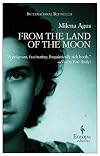
This review was first published in Belletrista.
Every once in a while you come across a small gem of a novel, a novella really, that just captivates you: Rebecca West's The Return of the Soldier comes to mind or Chingiz Aïtmatov's Jamilia. They draw you in, mesmerize you a little and, before you realize it, you're on the last page. Milena Agus' From the Land of the Moon is just such a book. This short novel won the 2008 Zerilli-Marimò Prize, and was translated into English in 2010.
The show more narrator of the story, a young Sardinian woman, reflects upon the people who raised her. She tells us of her father, her mother, her mother's mother but, most of all, she talks about her paternal grandmother, someone described by a lover as "a creature made at a moment when God simply had no wish for the usual mass-produced women and, being in a poetic vein, had created her." There is a sense of intimacy in the story. We never learn the narrator's name and she, in turn, names very few individuals. Everything is "Mamma told me…" or "Papa never had…" It's as if she's talking directly to you, a friend or acquaintance, expecting you to know who the people in her family are, and drawing you into the stories and their lives.
The grandmother's life emerges in pieces, some of it from stories told by the narrator's parents and some from diaries she found, with frequent stops to go back and fill in a section of history here or there. We see her as a young woman tearing though life in a destructive storm, trying to create passion where little exists. Her striking looks bring many first date suitors but few second dates because she sends the men ardent poems that shock them. Harming herself causes her family to contemplate confining her for protection. Even when marriage finally does come, it is arranged and forced upon her by her parents as an alternative to an asylum.
After her marriage, she takes a short trip to a health spa. There she has a wonderful affair, and the tempestuous, troubled woman is changed. As the narrator says, "I knew a different grandmother, who could laugh at a trifle, and my father said the same...maybe those other things were only stories." But she, the narrator, doesn't really believe that. Rather, she is certain that the passion engendered by that short affair transformed her grandmother's life, making her happy and whole. Much later, when the book ends, we understand how that instance of redemption has become mythic to the narrator, and why she is telling the story.
If this had been the sum total of the book, it would have been a pleasant love story that could have turned sentimental, or even maudlin, at any moment, but didn't. I would have enjoyed Agus' comfortable and inviting style of writing, but I'm not sure that my experience of reading the novel would have gone much beyond casual enjoyment.
However, the story didn't simply end there. As the narrator continued, her tale took little twists and turns. The story I thought had been so clearly set forth would be rewritten slightly along the way. Rather than being unpleasant, this "imperfect" narration gave the story a small sense of folklore, that ambiguous feeling that what we thought we knew may not, in fact, be exactly true. It was an extra dimension that made this book work so well for me. For a short while, I was pulled inside someone else's life, not quite aware of what was going on around me and, when I came to, found myself thinking, "I wonder if…." show less
Every once in a while you come across a small gem of a novel, a novella really, that just captivates you: Rebecca West's The Return of the Soldier comes to mind or Chingiz Aïtmatov's Jamilia. They draw you in, mesmerize you a little and, before you realize it, you're on the last page. Milena Agus' From the Land of the Moon is just such a book. This short novel won the 2008 Zerilli-Marimò Prize, and was translated into English in 2010.
The show more narrator of the story, a young Sardinian woman, reflects upon the people who raised her. She tells us of her father, her mother, her mother's mother but, most of all, she talks about her paternal grandmother, someone described by a lover as "a creature made at a moment when God simply had no wish for the usual mass-produced women and, being in a poetic vein, had created her." There is a sense of intimacy in the story. We never learn the narrator's name and she, in turn, names very few individuals. Everything is "Mamma told me…" or "Papa never had…" It's as if she's talking directly to you, a friend or acquaintance, expecting you to know who the people in her family are, and drawing you into the stories and their lives.
The grandmother's life emerges in pieces, some of it from stories told by the narrator's parents and some from diaries she found, with frequent stops to go back and fill in a section of history here or there. We see her as a young woman tearing though life in a destructive storm, trying to create passion where little exists. Her striking looks bring many first date suitors but few second dates because she sends the men ardent poems that shock them. Harming herself causes her family to contemplate confining her for protection. Even when marriage finally does come, it is arranged and forced upon her by her parents as an alternative to an asylum.
After her marriage, she takes a short trip to a health spa. There she has a wonderful affair, and the tempestuous, troubled woman is changed. As the narrator says, "I knew a different grandmother, who could laugh at a trifle, and my father said the same...maybe those other things were only stories." But she, the narrator, doesn't really believe that. Rather, she is certain that the passion engendered by that short affair transformed her grandmother's life, making her happy and whole. Much later, when the book ends, we understand how that instance of redemption has become mythic to the narrator, and why she is telling the story.
If this had been the sum total of the book, it would have been a pleasant love story that could have turned sentimental, or even maudlin, at any moment, but didn't. I would have enjoyed Agus' comfortable and inviting style of writing, but I'm not sure that my experience of reading the novel would have gone much beyond casual enjoyment.
However, the story didn't simply end there. As the narrator continued, her tale took little twists and turns. The story I thought had been so clearly set forth would be rewritten slightly along the way. Rather than being unpleasant, this "imperfect" narration gave the story a small sense of folklore, that ambiguous feeling that what we thought we knew may not, in fact, be exactly true. It was an extra dimension that made this book work so well for me. For a short while, I was pulled inside someone else's life, not quite aware of what was going on around me and, when I came to, found myself thinking, "I wonder if…." show less

From the Land of the Moon is a beautifully written ode to love. Love in all its manifestations: infatuation, lust, married conviviality, familial caring, patriotism, even an all-consuming passion for music. And it’s a story about the consequences of love’s absence, the desperate desire to fill the void with something: sex, kindness, even a lonely sort of madness.
And she stayed at his pace, her beautiful fur-lined shoes in step with those ugly ones of grandfather’s, because she show more wasn’t angry with him—on the contrary, she was so sorry she didn’t love him. She was so sorry, and it pained her, and she wondered why God, when it comes to love, which is the principal thing, organizes things in such a ridiculous way: where you can do every possible and imaginable kindness, and there’s no way to make it happen, and you might even be mean, as she was now, not even lending him her scarf, and yet he followed her through the snow, half frozen, missing the chance, lover of food that he was, to eat the local potato ravioli and porchetto on the spit. During the trip home she was so sorry that in the darkness of the bus she leaned her head on his shoulder and sighed, as if to say “Ah well.”
Grandmother, the only name by which we know the main character, has suffered greatly for love and lack of love. Her parents beat her for failing to catch a husband, her eventual husband loves only the perverse sexual pleasure she can give him, and the one true love of her life is an elusive, ephemeral encounter that lingers unseen in her mind. She worries that there is something about her that causes love to flee, even as she stretches her hands for it. Her granddaughter thinks that perhaps there is a reason:
If at night we sleep without nightmares, if papa and mamma’s marriage has always been free of bumps, if I’m getting married to my first boyfriend, if we don’t have panic attacks and don’t try to kill ourselves, or throw ourselves into garbage bins, or slash ourselves, it’s thanks to grandmother, who paid for everyone. In every family there’s someone who pays the tribute, so that the balance between order and disorder is maintained and the world doesn’t come to a halt.
Milena Agus is a wonderful writer capable of capturing the longing for love that is fundamental to human relationships and turning it into a delicately woven story reminiscent of a folk tale. I would never have guessed that this was a first novel, and I fervently hope it is not her last. show less
And she stayed at his pace, her beautiful fur-lined shoes in step with those ugly ones of grandfather’s, because she show more wasn’t angry with him—on the contrary, she was so sorry she didn’t love him. She was so sorry, and it pained her, and she wondered why God, when it comes to love, which is the principal thing, organizes things in such a ridiculous way: where you can do every possible and imaginable kindness, and there’s no way to make it happen, and you might even be mean, as she was now, not even lending him her scarf, and yet he followed her through the snow, half frozen, missing the chance, lover of food that he was, to eat the local potato ravioli and porchetto on the spit. During the trip home she was so sorry that in the darkness of the bus she leaned her head on his shoulder and sighed, as if to say “Ah well.”
Grandmother, the only name by which we know the main character, has suffered greatly for love and lack of love. Her parents beat her for failing to catch a husband, her eventual husband loves only the perverse sexual pleasure she can give him, and the one true love of her life is an elusive, ephemeral encounter that lingers unseen in her mind. She worries that there is something about her that causes love to flee, even as she stretches her hands for it. Her granddaughter thinks that perhaps there is a reason:
If at night we sleep without nightmares, if papa and mamma’s marriage has always been free of bumps, if I’m getting married to my first boyfriend, if we don’t have panic attacks and don’t try to kill ourselves, or throw ourselves into garbage bins, or slash ourselves, it’s thanks to grandmother, who paid for everyone. In every family there’s someone who pays the tribute, so that the balance between order and disorder is maintained and the world doesn’t come to a halt.
Milena Agus is a wonderful writer capable of capturing the longing for love that is fundamental to human relationships and turning it into a delicately woven story reminiscent of a folk tale. I would never have guessed that this was a first novel, and I fervently hope it is not her last. show less
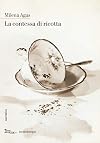
"Esistono storie che non esistono".
Avendo un certo gusto per il nonsense questa frase tratta da un trailer di Maccio Capatonda mi ha fatto sempre spanciare dalle risate, poi, un giorno, ho letto "La contessa di ricotta" e, ora, ogni volta che la sento mi incupisco e divento triste perché ho scoperto che può essere vera....
(pausa drammatica)
Tutto ciò che volevo fare era semplicemente dimostrare a me stesso di essere capace di leggere anche cose lontane dalla mia sensibilità. Evitare, show more insomma di cadere nell'autoreferenzialità letteraria; Da dove iniziare, dunque, se non da una scrittrice mia conterranea di cui, molte persone amiche (delle quali non avevo mai messo in dubbio i gusti letterari... finora) mi avevano parlato bene?
(altra pausa drammatica)
(la pausa si dilunga, porto le mani sugli occhi e scuoto la testa sconsolato)
(traggo un sospiro triste e mi ricompongo)
Non saprei neanche da dove iniziare: questo libro è sbagliato da cima a fondo.
E' sbagliato lo stile narrativo: l'autrice ha deciso di raccontare la storia al tempo presente indicativo.. solo al presente e solo all'indicativo... congiuntivi e altri tempi indicativi sembrano essere stati aboliti, perché?
E' sbagliato l'uso del punto di vista che non è ne onnisciente ne mimetico: possiamo definirlo schizofrenico tali e tanti sono i cambiamenti di tono e personalità (a volte sembra una ragazzina ritardata, altre volte una vecchietta che racconta un pettegolezzo, altre volte ancora un vicino di casa guardone e maniaco).
Sono sbagliati i personaggi: a me, i perdenti sono sempre stati simpatici, ma questi sono veramente insopportabili. Per resistere alla tentazione di gettare il libro fuori dalla finestra ho addirittura iniziato ad immaginare le tre contesse protagoniste come i personaggi di un anime demenziale chiamato Azumanga Daioh:
abbiamo quindi Noemi, l'acida bisognosa d'amore
,
Maddalena la dolce tettona,
e la "contessa di ricotta": l'adorabile idiota,
In realtà per descrivere le protagoniste basta solamente un aggettivo per ciascuna: l'acida, la tettona e l'idiota...
Ci sono altri personaggi, certo: uno più patetico dell'altro e su di loro non voglio neanche fermarmi, tanto sono comunque dei personaggi sbagliati.
E' sbagliata l'ambientazione: una Cagliari che sembra un fondale dipinto fatto solo di luoghi comuni.
L'unica cosa a non essere sbagliata invece è la trama. Intendiamoci, però: "non sbagliata" allo stesso modo delle teorie quantistiche farlocche e scapestrate che arrivavano sulla scrivania del fisico Wolfgan Pauli e di cui lui diceva " non sono neanche sbagliate"...
La trama di quest libro è semplicemente inesistente...
Quindi che dire? Milena Agus mi ha fatto capire una cosa: non devo andare a cercare letture troppo lontane dalla mia sensibilità. Anche limitandomi a leggere solo le cose che hanno le carte in regola per piacermi, la probabilità di imbattersi in immonde cagate è altissima, se allargassi ancora il mio orizzonte questa probabilità crescerebbe ancora di più...e purtroppo il tempo di leggere e sempre troppo poco per sprecarlo con libri brutti o semplicemente stupidi come questo... show less
Avendo un certo gusto per il nonsense questa frase tratta da un trailer di Maccio Capatonda mi ha fatto sempre spanciare dalle risate, poi, un giorno, ho letto "La contessa di ricotta" e, ora, ogni volta che la sento mi incupisco e divento triste perché ho scoperto che può essere vera....
(pausa drammatica)
Tutto ciò che volevo fare era semplicemente dimostrare a me stesso di essere capace di leggere anche cose lontane dalla mia sensibilità. Evitare, show more insomma di cadere nell'autoreferenzialità letteraria; Da dove iniziare, dunque, se non da una scrittrice mia conterranea di cui, molte persone amiche (delle quali non avevo mai messo in dubbio i gusti letterari... finora) mi avevano parlato bene?
(altra pausa drammatica)
(la pausa si dilunga, porto le mani sugli occhi e scuoto la testa sconsolato)
(traggo un sospiro triste e mi ricompongo)
Non saprei neanche da dove iniziare: questo libro è sbagliato da cima a fondo.
E' sbagliato lo stile narrativo: l'autrice ha deciso di raccontare la storia al tempo presente indicativo.. solo al presente e solo all'indicativo... congiuntivi e altri tempi indicativi sembrano essere stati aboliti, perché?
E' sbagliato l'uso del punto di vista che non è ne onnisciente ne mimetico: possiamo definirlo schizofrenico tali e tanti sono i cambiamenti di tono e personalità (a volte sembra una ragazzina ritardata, altre volte una vecchietta che racconta un pettegolezzo, altre volte ancora un vicino di casa guardone e maniaco).
Sono sbagliati i personaggi: a me, i perdenti sono sempre stati simpatici, ma questi sono veramente insopportabili. Per resistere alla tentazione di gettare il libro fuori dalla finestra ho addirittura iniziato ad immaginare le tre contesse protagoniste come i personaggi di un anime demenziale chiamato Azumanga Daioh:
abbiamo quindi Noemi, l'acida bisognosa d'amore
,
Maddalena la dolce tettona,
e la "contessa di ricotta": l'adorabile idiota,
In realtà per descrivere le protagoniste basta solamente un aggettivo per ciascuna: l'acida, la tettona e l'idiota...
Ci sono altri personaggi, certo: uno più patetico dell'altro e su di loro non voglio neanche fermarmi, tanto sono comunque dei personaggi sbagliati.
E' sbagliata l'ambientazione: una Cagliari che sembra un fondale dipinto fatto solo di luoghi comuni.
L'unica cosa a non essere sbagliata invece è la trama. Intendiamoci, però: "non sbagliata" allo stesso modo delle teorie quantistiche farlocche e scapestrate che arrivavano sulla scrivania del fisico Wolfgan Pauli e di cui lui diceva " non sono neanche sbagliate"...
La trama di quest libro è semplicemente inesistente...
Quindi che dire? Milena Agus mi ha fatto capire una cosa: non devo andare a cercare letture troppo lontane dalla mia sensibilità. Anche limitandomi a leggere solo le cose che hanno le carte in regola per piacermi, la probabilità di imbattersi in immonde cagate è altissima, se allargassi ancora il mio orizzonte questa probabilità crescerebbe ancora di più...e purtroppo il tempo di leggere e sempre troppo poco per sprecarlo con libri brutti o semplicemente stupidi come questo... show less

Fünf Jahre hat Ester im Krieg auf ihren Verlobten gewartet, immer in der Hoffnung, dass er sie weg aus dem tristen sardischen Dorf in eine bessere Welt führen würde, weg von der alten und zermürbten Mutter, die nie Freude im Leben empfunden hat. Doch als sie Raffaele wiedersieht, ist dieser nicht mehr wiederzuerkennen. Kaum etwas ist übrig von der Liebe, die sie einst für den Marinesoldaten empfand, der sich inzwischen in Genua niedergelassen hat. Auch Raffaele liebt eigentliche eine show more andere, doch fühlt er sich dem Druck ausgesetzt, sein Versprechen zu halten. Sie bekommen eine Tochter, Felicita, doch Ester wird auch in Genua nicht glücklich und drängt auf die Rückkehr nach Sardinien. Bleibt die Hoffnung, dass es der nächsten Generation besser ergehen möge und diese das Glück findet. Felicita trennt jedoch mehr als nur der fehlende Akzent in ihrem Namen davon und so bleibt auch ihr nur zu hoffen, dass wenigstens ihr Sohn eines Tages seinem Herzen wird folgen und glücklich werden können.
Milena Agus‘ Roman erzählt von Träumen und Hoffnungen, alle Figuren hegen diese und erwarten, dass sie sie an einem anderen Ort erfüllen können. Doch das gelobte Land zerrinnt ihnen zwischen den Fingern, wenn immer sie es zu greifen glauben. Sie bleiben auf der Suche, werden jedoch auch immer wieder ausgebremst, festgehalten von Konventionen, denen sie sich verpflichtet fühlen, oder Regeln, die sie sich selbst auferlegen und finden nur selten den Mut, das zu tun, was sie eigentlich im Leben tun wollen. Und so bürden sie ihre eigenen Unzulänglichkeiten der nächsten Generation auf, die es nicht nur besser haben, sondern ihre nicht verwirklichen Träume realisieren soll.
Das Festland, die Insel, Amerika - drei Kapitel, drei Orte, drei Verheißungen. Der italienische Titel des Romans, „Terre promesse“, greift zurück auf die biblische Vorstellung des versprochenen bzw. gelobten Landes, in welchem die Zukunft der nachfolgenden Generationen des Volkes Israel liegen solle, die auch von den europäischen Auswanderern gen Amerika benutzt wurde. Doch ebenso wie der American Dream nicht für jeden in Erfüllung ging, erfüllen sich auf für die Figuren bei Milena Agus die Träume nicht und sie müssen erkennen, dass es nicht an der Umgebung liegt, für ihr Glück zu sorgen, sondern dass sie dieses nur in sich selbst finden können.
Mit vielen Metaphern und beeindruckenden Sprachbildern geschmückt begleitet die Autorin ihre Figuren bei ihrer Suche, hier liegt der Charme und die Stärke des kurzen Romans. Es ist nicht ganz einfach Sympathien zu empfinden, zu störrisch und miesepetrig ist Ester, bei Felicita fällt dies leichter, wenn sie jedoch auch eigenwillig und verquer erscheint. Um bei den Bildern der Autorin zu bleiben: die Figuren sind Inseln, zwar gemeinsam als Familie eine kleine Inselkette bilden, doch letztlich nicht wagen sich einander wirklich zu nähern und das auszusprechen, was sie bewegt. Dies führt unweigerlich zu einer latenten Tristesse, die sich über den Text legt und schon früh andeutet, dass für echtes, ausschweifendes Glück, nicht wirklich Platz im Leben dieser Familie ist. Poetisch mit deutlichem Hang zur Melancholie. show less
Milena Agus‘ Roman erzählt von Träumen und Hoffnungen, alle Figuren hegen diese und erwarten, dass sie sie an einem anderen Ort erfüllen können. Doch das gelobte Land zerrinnt ihnen zwischen den Fingern, wenn immer sie es zu greifen glauben. Sie bleiben auf der Suche, werden jedoch auch immer wieder ausgebremst, festgehalten von Konventionen, denen sie sich verpflichtet fühlen, oder Regeln, die sie sich selbst auferlegen und finden nur selten den Mut, das zu tun, was sie eigentlich im Leben tun wollen. Und so bürden sie ihre eigenen Unzulänglichkeiten der nächsten Generation auf, die es nicht nur besser haben, sondern ihre nicht verwirklichen Träume realisieren soll.
Das Festland, die Insel, Amerika - drei Kapitel, drei Orte, drei Verheißungen. Der italienische Titel des Romans, „Terre promesse“, greift zurück auf die biblische Vorstellung des versprochenen bzw. gelobten Landes, in welchem die Zukunft der nachfolgenden Generationen des Volkes Israel liegen solle, die auch von den europäischen Auswanderern gen Amerika benutzt wurde. Doch ebenso wie der American Dream nicht für jeden in Erfüllung ging, erfüllen sich auf für die Figuren bei Milena Agus die Träume nicht und sie müssen erkennen, dass es nicht an der Umgebung liegt, für ihr Glück zu sorgen, sondern dass sie dieses nur in sich selbst finden können.
Mit vielen Metaphern und beeindruckenden Sprachbildern geschmückt begleitet die Autorin ihre Figuren bei ihrer Suche, hier liegt der Charme und die Stärke des kurzen Romans. Es ist nicht ganz einfach Sympathien zu empfinden, zu störrisch und miesepetrig ist Ester, bei Felicita fällt dies leichter, wenn sie jedoch auch eigenwillig und verquer erscheint. Um bei den Bildern der Autorin zu bleiben: die Figuren sind Inseln, zwar gemeinsam als Familie eine kleine Inselkette bilden, doch letztlich nicht wagen sich einander wirklich zu nähern und das auszusprechen, was sie bewegt. Dies führt unweigerlich zu einer latenten Tristesse, die sich über den Text legt und schon früh andeutet, dass für echtes, ausschweifendes Glück, nicht wirklich Platz im Leben dieser Familie ist. Poetisch mit deutlichem Hang zur Melancholie. show less
Lists
Awards


You May Also Like


Associated Authors
Statistics
- Works
- 17
- Members
- 1,025
- Popularity
- #25,136
- Rating
- 3.4
- Reviews
- 76
- ISBNs
- 105
- Languages
- 12
- Favorited
- 1