
John Pelan (1957–2021)
Author of Shadows Over Baker Street: New Tales of Terror!
About the Author
Series
Works by John Pelan
Lost on the Darkside: Voices From The Edge of Horror (2005) — Editor; Contributor — 44 copies, 2 reviews
An Outsider 3 copies
The Mystery of the Worm 2 copies
The Scarlet Succubus 1 copy
Painted in Blood 1 copy
PROSPECT: ISSUE 69 1 copy
PROSPECT: ISSUE 75 1 copy
Armies Of The Night 1 copy
The Sailor Home From The Sea 1 copy
Out West 1 copy
City of Night {short story} 1 copy
Associated Works
The Broken Fang and Other Experiences of a Specialist in Spooks (2015) — Introduction, some editions — 11 copies
Tagged
Common Knowledge
- Canonical name
- Pelan, John
- Legal name
- Pelan, John C.
- Birthdate
- 1957-07-19
- Date of death
- 2021-04-12
- Gender
- male
- Occupations
- writer
editor
publisher - Organizations
- Axolotl Press
Darkside Press
Silver Salamander Press
Midnight House - Cause of death
- heart attack
- Nationality
- USA
- Birthplace
- Seattle, Washington, USA
- Places of residence
- Seattle, Washington, USA
- Associated Place (for map)
- Seattle, Washington, USA
Members
Reviews
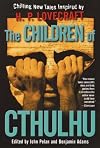
I have a confession to make. I am not a huge H.P. Lovecraft fan. I've read his stories (and the stories of innumerable pastiche-ists and pretenders), and I understand his importance and influence on other writers. He's just not my cuppa tea, is all. So when the time came around to review this collection, I was a little apprehensive. As it turns out, I needn't have worried. The Children of Cthulhu is a stellar collection, well worth the time and effort of reading it.
At it's best, in stories show more like China Mieville's wickedly disturbing "Details," James Van Pelt's "The Invisible Empire," Meredith L. Patterson's dark academic satire "Principles and Parameters," and Matt Cardin's chilling "Teeth," the reader is reminded forcibly why Lovecraft has remained popular. It's a matter of atmosphere, mostly -- a general, vague creepiness that you can't quite shake, even when nothing overtly terrible is happening. But it's also the knowledge that, no matter how horrible the incident is that is being described, there's something even worse lurking in the shadows, waiting for an opening.
Not every story is a home run. Some, like Richard Laymon's "The Cabin in the Woods" or Caitlin R. Kiernan's "Nor the Demons Down Under the Sea," are just too . . . well . . . Lovecraftian for my taste. And, yes, I do recognize the irony of saying that a story in an anthology devoted to Lovecraft is too Lovecraftian for me. What can I say? Occasionally, I’m callous and strange.
But every story is readable and each serves to highlight the sheer scope of Lovecraft's influence on modern horror. From Paul Finch's epic "Long Meg and her Daughters” to Brian Hodge's darkly thrilling "The Firebrand Symphony" to W.H. Pugmire, Esq.'s "The Serenade of Starlight" the Lovecraftian influences are clear, but the storylines and styles of the writers couldn't be more different.
If you love Lovecraft, you can't afford to pass this one up. But even if you don't, I think you'll find something here to please. show less
At it's best, in stories show more like China Mieville's wickedly disturbing "Details," James Van Pelt's "The Invisible Empire," Meredith L. Patterson's dark academic satire "Principles and Parameters," and Matt Cardin's chilling "Teeth," the reader is reminded forcibly why Lovecraft has remained popular. It's a matter of atmosphere, mostly -- a general, vague creepiness that you can't quite shake, even when nothing overtly terrible is happening. But it's also the knowledge that, no matter how horrible the incident is that is being described, there's something even worse lurking in the shadows, waiting for an opening.
Not every story is a home run. Some, like Richard Laymon's "The Cabin in the Woods" or Caitlin R. Kiernan's "Nor the Demons Down Under the Sea," are just too . . . well . . . Lovecraftian for my taste. And, yes, I do recognize the irony of saying that a story in an anthology devoted to Lovecraft is too Lovecraftian for me. What can I say? Occasionally, I’m callous and strange.
But every story is readable and each serves to highlight the sheer scope of Lovecraft's influence on modern horror. From Paul Finch's epic "Long Meg and her Daughters” to Brian Hodge's darkly thrilling "The Firebrand Symphony" to W.H. Pugmire, Esq.'s "The Serenade of Starlight" the Lovecraftian influences are clear, but the storylines and styles of the writers couldn't be more different.
If you love Lovecraft, you can't afford to pass this one up. But even if you don't, I think you'll find something here to please. show less
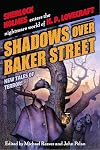
My initial reaction to hearing about this anthology was that crossing Holmes and Lovecraft was an interesting idea that would be almost impossible to pull off, and unfortunately, I was quite correct. I found this to be a remarkably dreadful collection; Neil Gaiman's "A Study in Emerald" is absolutely brilliant, and there are one or two others that are readable, if not impressive, but the majority are nearly physically painful to get through. Many of the authors seemed to think that they were show more finished once they included the requisite elements of Sherlock Holmes and of Lovecraft and that actual plot was optional - coherent plot, anyway. The stories rang slightly more true on the Lovecraft side of things (Gaiman's was the only one that read remotely like Holmes), but most failed at either. You're better off reading Gaiman's Fragile Things, which also contains "A Study in Emerald", and getting your Holmes and Lovecraft fixes elsewhere - and separately. show less
Much as I hate to admit it, Gaiman's story, "A Study in Emerald," which opens the collection, is utterly brilliant. It melds the content and narrative styles of H. P. Lovecraft and Conan Doyle more nicely than I thought possible. If you've never read "A Study in Scarlet," do so first.
As an anthology, however, "Shadows Over Baker Street" disappoints--the rest of the stories on offer here are unremarkable.
As an anthology, however, "Shadows Over Baker Street" disappoints--the rest of the stories on offer here are unremarkable.
Originally I was going to pass on this collection since the concept sounded too gimmicky. But then I read and was impressed by the odd mood of Neil Gaiman's award-winning "A Study in Emerald", so I decided to give it a try. Besides no less reverential a Lovecraft scholar than Peter Cannon combined the two mythos in his The Lovecraft Papers. It's not at all certain Lovecraft would have minded either since he was taken with Sherlock Holmes at an early age and allowed his friends to play in the show more horrible funhouse - especially the library annex - he created in his Yog-Sothory.
While I've read and enjoyed Arthur Conan Doyle's Holmes stories, I'm not very familiar with the many additions to that literary universe by other authors. (This one is authorized by his estate.) So, I approached this as a Lovecraft fan and not a Holmes fan.
The stories are arranged in chronological order of setting, and the most striking thing about them is how many don't feature the standard pairing of Holmes and Watson.
The London of Gaiman's story is a strange, uneasy place where the monstrosities of famous Victorian fantastic literature often are referenced in handbills, and we don't follow Holmes or Watson but another doctor and detective. All is explained in a disturbing ending. Holmes and Watson don't even get a mention in Elizabeth Bear's "Tiger! Tiger!". Instead, in India, we follow Irene Adler and Colonel Moran, two of the more famous minor characters in the Holmes series, on a tiger hunt with a strange, unseen menace, Great Game machinations, and Afghan magic all playing a part. I liked it better than Bear's more famous Cthulhu stories, "Shoggoths in Bloom" and "Mongoose". Like the Gaiman, it works in plot and as a mood piece.
The same is not true of Steve Perry's "The Case of the Wavy Dagger" which strikes me as more a martial arts warrior babe story and Cthulhuish only via the context of being included here. No Watson again in Steven-Eliot Altman's "A Case of Royal Blood". Instead, H. G. Wells plays Holmes' assistant as the two investigate a poltergeist haunting the royal family of the Netherlands. A fruitful conflation of Wells and Lovecraft though not as stunning as what Brian Aldiss did with "The Saliva Tree". Watson doesn't have to share the stage at all with Holmes in James Lowder's "The Weeping Mask". More Conan Doyleish adventure than Lovecraftian horror, it's an effective account of Watson's encounter with a strange Afghan cult.
And no Watson again in Brian Stableford's "Art in the Blood". As usual, when he puts his had to working in a classic fictional setting, Stableford delivers in a superb effort which has the Diogenes Club investigating the death of one of its agents and trying to help a seaman suffering a crippling disease.
Finally, Holmes and Watson show up together in a Poppy Z. Brite's and David Ferguson's rather perfunctory "The Curious Case of Miss Violet Stone" which features Lovecraft's the Great Race.
Barbara Hambly throws William Hope Hodgson's Carnacki into the blender with a little referenced Lovecraft story, "The Rats in the Wall", and pours out the effective "The Adventure of the Antiquarian's Niece". I think John Pelan's "The Mystery of the Worm" is doing something similar with a Fu Manchuish villain and another, less famous Lovecraft story, "The Nameless City". It's another involving story though more on the scientific detective side of things than horror.
Paul Finch's "The Mystery of the Hanged Man's Puzzle" is just good pulpy fun with Holmes delivered a taunting challenge by an executed criminal on his last morning, a challenge to avoid worldwide destruction. The action in London's sewers reminded me a bit of that classic Dr. Who episode "The Talons of Weng-Chiang". However, a bit of high implausibility involving a Gatling gun took me right out of the story towards the end.
Nothing explicitly Lovecraftian shows up in Tim Lebbon's mood piece "The Horror of Many Faces" which involves a rash of vicious murders in London - all committed by formerly upstanding citizens.
We always suspected Watson was a bit modest in the matter of the ladies, so it was nice to see an old lover, an Afghan princess, show up in "The Adventure of the Arab's Manuscript" by Michael Reaves.
Former paleontologist Caitlin Kiernan puts her training to good use in one of the very best stories in the book, "The Drowned Geologist". A story told via letter and hints of a horror from deep time - to say nothing of the lurking, nagging unease generated from a nearby shipwreck, this is another Kiernan story which uses the vitality of Lovecraft's themes without slavishly copying the plots and style.
John P. Vourlis' "A Case of Insomnia" is merely ok, a story of mysterious plague of insomnia. Better is Richard A. Lupoff's "The Adventure of the Voorish Sign". Lupoff has done some stunning takeoffs on Lovecraft in all kinds of veins from silly to experimental science fiction. This story is Lupoff mostly in his mystery writer mode and told in a straight detective style as Holmes searches for a missing husband.
I did not like F. Gwynplaine MacIntyre would be humor tale "The Adventure of the Exham Priory". It was yet another example of that author's nostalgic Victorianism.
While I did like David Niall Wilson and Patricia Lee Macomber's "Death Did Not Become Him", it seemed Lovecraftian only by virtue of a couple of paragraphs wedged in at the last moment.
Simon Clark's "Nightmare in Wax" borrows a stylistic trick from Lovecraft's "A Whisperer in the Darkness" - partially telling the tale through the wax cylinder recordings of one Professor Moriarty and his work at draining a flooded village to uncover ...
Three weak stories and excellent work in the Gaiman, Stableford, and Kiernan pieces. Not a perfect collection judged by any measure but good enough for a Lovecraftian to pick up. show less
While I've read and enjoyed Arthur Conan Doyle's Holmes stories, I'm not very familiar with the many additions to that literary universe by other authors. (This one is authorized by his estate.) So, I approached this as a Lovecraft fan and not a Holmes fan.
The stories are arranged in chronological order of setting, and the most striking thing about them is how many don't feature the standard pairing of Holmes and Watson.
The London of Gaiman's story is a strange, uneasy place where the monstrosities of famous Victorian fantastic literature often are referenced in handbills, and we don't follow Holmes or Watson but another doctor and detective. All is explained in a disturbing ending. Holmes and Watson don't even get a mention in Elizabeth Bear's "Tiger! Tiger!". Instead, in India, we follow Irene Adler and Colonel Moran, two of the more famous minor characters in the Holmes series, on a tiger hunt with a strange, unseen menace, Great Game machinations, and Afghan magic all playing a part. I liked it better than Bear's more famous Cthulhu stories, "Shoggoths in Bloom" and "Mongoose". Like the Gaiman, it works in plot and as a mood piece.
The same is not true of Steve Perry's "The Case of the Wavy Dagger" which strikes me as more a martial arts warrior babe story and Cthulhuish only via the context of being included here. No Watson again in Steven-Eliot Altman's "A Case of Royal Blood". Instead, H. G. Wells plays Holmes' assistant as the two investigate a poltergeist haunting the royal family of the Netherlands. A fruitful conflation of Wells and Lovecraft though not as stunning as what Brian Aldiss did with "The Saliva Tree". Watson doesn't have to share the stage at all with Holmes in James Lowder's "The Weeping Mask". More Conan Doyleish adventure than Lovecraftian horror, it's an effective account of Watson's encounter with a strange Afghan cult.
And no Watson again in Brian Stableford's "Art in the Blood". As usual, when he puts his had to working in a classic fictional setting, Stableford delivers in a superb effort which has the Diogenes Club investigating the death of one of its agents and trying to help a seaman suffering a crippling disease.
Finally, Holmes and Watson show up together in a Poppy Z. Brite's and David Ferguson's rather perfunctory "The Curious Case of Miss Violet Stone" which features Lovecraft's the Great Race.
Barbara Hambly throws William Hope Hodgson's Carnacki into the blender with a little referenced Lovecraft story, "The Rats in the Wall", and pours out the effective "The Adventure of the Antiquarian's Niece". I think John Pelan's "The Mystery of the Worm" is doing something similar with a Fu Manchuish villain and another, less famous Lovecraft story, "The Nameless City". It's another involving story though more on the scientific detective side of things than horror.
Paul Finch's "The Mystery of the Hanged Man's Puzzle" is just good pulpy fun with Holmes delivered a taunting challenge by an executed criminal on his last morning, a challenge to avoid worldwide destruction. The action in London's sewers reminded me a bit of that classic Dr. Who episode "The Talons of Weng-Chiang". However, a bit of high implausibility involving a Gatling gun took me right out of the story towards the end.
Nothing explicitly Lovecraftian shows up in Tim Lebbon's mood piece "The Horror of Many Faces" which involves a rash of vicious murders in London - all committed by formerly upstanding citizens.
We always suspected Watson was a bit modest in the matter of the ladies, so it was nice to see an old lover, an Afghan princess, show up in "The Adventure of the Arab's Manuscript" by Michael Reaves.
Former paleontologist Caitlin Kiernan puts her training to good use in one of the very best stories in the book, "The Drowned Geologist". A story told via letter and hints of a horror from deep time - to say nothing of the lurking, nagging unease generated from a nearby shipwreck, this is another Kiernan story which uses the vitality of Lovecraft's themes without slavishly copying the plots and style.
John P. Vourlis' "A Case of Insomnia" is merely ok, a story of mysterious plague of insomnia. Better is Richard A. Lupoff's "The Adventure of the Voorish Sign". Lupoff has done some stunning takeoffs on Lovecraft in all kinds of veins from silly to experimental science fiction. This story is Lupoff mostly in his mystery writer mode and told in a straight detective style as Holmes searches for a missing husband.
I did not like F. Gwynplaine MacIntyre would be humor tale "The Adventure of the Exham Priory". It was yet another example of that author's nostalgic Victorianism.
While I did like David Niall Wilson and Patricia Lee Macomber's "Death Did Not Become Him", it seemed Lovecraftian only by virtue of a couple of paragraphs wedged in at the last moment.
Simon Clark's "Nightmare in Wax" borrows a stylistic trick from Lovecraft's "A Whisperer in the Darkness" - partially telling the tale through the wax cylinder recordings of one Professor Moriarty and his work at draining a flooded village to uncover ...
Three weak stories and excellent work in the Gaiman, Stableford, and Kiernan pieces. Not a perfect collection judged by any measure but good enough for a Lovecraftian to pick up. show less
Lists
Awards


You May Also Like


Associated Authors
Statistics
- Works
- 40
- Also by
- 30
- Members
- 1,672
- Popularity
- #15,366
- Rating
- 3.7
- Reviews
- 38
- ISBNs
- 49
- Languages
- 4
