Linda92007's Reading for 2013 - Part 1
This topic was continued by Linda92007's Reading for 2013 - Part 2.
Talk Club Read 2013
Join LibraryThing to post.
This topic is currently marked as "dormant"—the last message is more than 90 days old. You can revive it by posting a reply.
1Linda92007
Welcome to my 2013 thread!
Currently Reading:
The Spider's House by Paul Bowles
Red Sorghum: A Novel of China by Mo Yan
In the Company of Angels: A Novel by Thomas E. Kennedy
Out of Place: A Memoir by Edward W. Said
Currently Reading:
The Spider's House by Paul Bowles
Red Sorghum: A Novel of China by Mo Yan
In the Company of Angels: A Novel by Thomas E. Kennedy
Out of Place: A Memoir by Edward W. Said
2Linda92007
Completed Reads for 2013
1. My Cousin Rachel by Daphne du Maurier
2. Heart of Darkness by Joseph Conrad
3. The Lamb by Francois Mauriac (Nobel Laureate)
4. Good Prose: The Art of Nonfiction by Tracy Kidder and Richard Todd
5. One Day the Ice Will Reveal All Its Dead by Clare Dudman
6. The Shape of Water by Andrea Camilleri
7. Brother to Dragons: A Tale in Verse and Voices: A New Version by Robert Penn Warren
8. Dreams in a Time of War by Ngugi wa'Thiong'o
9. Color Me English by Caryl Phillips
10. Here and Now: Letters (2008-2011) by Paul Auster and J.M. Coetzee
11. Transatlantic: A Novel by Colum McCann
12. Looking for the Gulf Motel by Richard Blanco
13. Selected Readings: Forging Identity in Post-Reconstruction America: The Turn of the Century
Charles Chesnutt, “The Wife of His Youth” (1898), “The Goophered Grapevine" (1899)
Paul Laurence Dunbar, “Mr. Cornelius Johnson, Office-Seeker” (1899)
Alice Dunbar-Nelson, “Sister Josepha” (1899)
Pauline E. Hopkins, “A Dash for Liberty” (1901) and “As the Lord Lives, He is One of Our Mother’s Children” (1903)
W. E. B. DuBois, “Of Our Spiritual Strivings” and “Of the Meaning of Progress” (from
The Souls of Black Folk, 1903)
14. Selected Readings: Taking Charge of African American Art & Culture: The Harlem Renaissance
Jessie Fauset, “Emmy” (1912-13)
Jean Toomer, “Blood-Burning Moon” (from Cane, 1923)
Alain Locke, “The New Negro” (1925)
Arna Bontemps, “A Summer Tragedy” (1933)
Zora Neale Hurston, “Sweat” (1926), “How it Feels to be Colored Me” (1928), and "The Gilded Six-Bits” (1933)
15. Detective Story by Imre Kertesz
16. Selected Readings: The Struggle for Equality: The Struggle for Civil Rights
Richard Wright, “Big Boy Leaves Home” (1936) and “The Man who was Almost a Man” (1961)
Ralph Ellison, Chapter 1 of Invisible Man (“Battle Royal”) (1952)
James Baldwin, “Sonny’s Blues” (1957)
Martin Luther King, Jr., “Letter from a Birmingham Jail” (1963)
Alice Walker, “Nineteen Fifty-Five” (1981)
17. Selected Readings: Black Power Art: Aesthetics and Politics in the Black Arts Movement
Larry Neal, “And Shine Swam On” (1969) and “Malcolm X – An Autobiography” (1969)
Etheridge Knight, “It Was a Funky Deal” and “For Malcolm, A Year After”
Amiri Baraka, “Preface to a Twenty Volume Suicide Note” (1957) and “Black Art” (1966)
Robert Hayden, “El-Hajj Malik El-Shabazz” (1969)
18. John Henry Days by Colson Whitehead
19. Quo Vadis by Henryk Sienkiewicz
20. The Woman in the Dunes by Kobo Abe
21. Facing the Torturer by Francois Bizot
22. This Craft of Verse by Jorge Luis Borges
23. Death of the Mantis by Michael Stanley
24. Remembering Babylon by David Malouf
25. In A Free State by V.S. Naipaul
26. The Last Train to Zona Verde: My Ultimate African Safari by Paul Theroux
27. Come on Shore and We Will Kill and Eat You All: A New Zealand Story by Christina Thompson
28. Trapeze by Simon Mawer
29. Zoo Station by David Downing
1. My Cousin Rachel by Daphne du Maurier
2. Heart of Darkness by Joseph Conrad
3. The Lamb by Francois Mauriac (Nobel Laureate)
4. Good Prose: The Art of Nonfiction by Tracy Kidder and Richard Todd
5. One Day the Ice Will Reveal All Its Dead by Clare Dudman
6. The Shape of Water by Andrea Camilleri
7. Brother to Dragons: A Tale in Verse and Voices: A New Version by Robert Penn Warren
8. Dreams in a Time of War by Ngugi wa'Thiong'o
9. Color Me English by Caryl Phillips
10. Here and Now: Letters (2008-2011) by Paul Auster and J.M. Coetzee
11. Transatlantic: A Novel by Colum McCann
12. Looking for the Gulf Motel by Richard Blanco
13. Selected Readings: Forging Identity in Post-Reconstruction America: The Turn of the Century
Charles Chesnutt, “The Wife of His Youth” (1898), “The Goophered Grapevine" (1899)
Paul Laurence Dunbar, “Mr. Cornelius Johnson, Office-Seeker” (1899)
Alice Dunbar-Nelson, “Sister Josepha” (1899)
Pauline E. Hopkins, “A Dash for Liberty” (1901) and “As the Lord Lives, He is One of Our Mother’s Children” (1903)
W. E. B. DuBois, “Of Our Spiritual Strivings” and “Of the Meaning of Progress” (from
The Souls of Black Folk, 1903)
14. Selected Readings: Taking Charge of African American Art & Culture: The Harlem Renaissance
Jessie Fauset, “Emmy” (1912-13)
Jean Toomer, “Blood-Burning Moon” (from Cane, 1923)
Alain Locke, “The New Negro” (1925)
Arna Bontemps, “A Summer Tragedy” (1933)
Zora Neale Hurston, “Sweat” (1926), “How it Feels to be Colored Me” (1928), and "The Gilded Six-Bits” (1933)
15. Detective Story by Imre Kertesz
16. Selected Readings: The Struggle for Equality: The Struggle for Civil Rights
Richard Wright, “Big Boy Leaves Home” (1936) and “The Man who was Almost a Man” (1961)
Ralph Ellison, Chapter 1 of Invisible Man (“Battle Royal”) (1952)
James Baldwin, “Sonny’s Blues” (1957)
Martin Luther King, Jr., “Letter from a Birmingham Jail” (1963)
Alice Walker, “Nineteen Fifty-Five” (1981)
17. Selected Readings: Black Power Art: Aesthetics and Politics in the Black Arts Movement
Larry Neal, “And Shine Swam On” (1969) and “Malcolm X – An Autobiography” (1969)
Etheridge Knight, “It Was a Funky Deal” and “For Malcolm, A Year After”
Amiri Baraka, “Preface to a Twenty Volume Suicide Note” (1957) and “Black Art” (1966)
Robert Hayden, “El-Hajj Malik El-Shabazz” (1969)
18. John Henry Days by Colson Whitehead
19. Quo Vadis by Henryk Sienkiewicz
20. The Woman in the Dunes by Kobo Abe
21. Facing the Torturer by Francois Bizot
22. This Craft of Verse by Jorge Luis Borges
23. Death of the Mantis by Michael Stanley
24. Remembering Babylon by David Malouf
25. In A Free State by V.S. Naipaul
26. The Last Train to Zona Verde: My Ultimate African Safari by Paul Theroux
27. Come on Shore and We Will Kill and Eat You All: A New Zealand Story by Christina Thompson
28. Trapeze by Simon Mawer
29. Zoo Station by David Downing
3Linda92007
My top 20 favorite reads of 2012, in no particular order. I liked most of what I read this year and have left many excellent reads off of this list.
Fiction
Black Rain by Masuji Ibuse
Cloudsplitter by Russell Banks
The Master and Margarita by Mikhail Bulgakov
The Grass is Singing by Doris Lessing
The Vivisector by Patrick White
Kristin Lavransdatter by Sigrid Undset
Fatelessness by Imre Kertesz
Troubles by J.G. Farrell
The Hunger Angel by Herta Muller
Rouse Up O Young Men of the New Age! By Kenzaburo Oe
Short Story Collections
Fishing the Sloe-Black River by Colum McCann
The Round & Other Cold Hard Facts by J.M.G. LeClezio
Poetry
The Broken Word by Adam Foulds
Like A Straw Bird It Follows Me, And Other Poems by Ghassan Zaqtan
Human Chain by Seamus Heaney
Nonfiction
Slavery by Another Name – Douglas A. Blackmon
The Tiger: A True Story of Vengeance and Survival by John Vaillant
To A Mountain in Tibet by Colin Thubron
A Time to Keep Silence by Patrick Leigh Fermor
The Marsh Arabs by Wilfred Thesiger
Fiction
Black Rain by Masuji Ibuse
Cloudsplitter by Russell Banks
The Master and Margarita by Mikhail Bulgakov
The Grass is Singing by Doris Lessing
The Vivisector by Patrick White
Kristin Lavransdatter by Sigrid Undset
Fatelessness by Imre Kertesz
Troubles by J.G. Farrell
The Hunger Angel by Herta Muller
Rouse Up O Young Men of the New Age! By Kenzaburo Oe
Short Story Collections
Fishing the Sloe-Black River by Colum McCann
The Round & Other Cold Hard Facts by J.M.G. LeClezio
Poetry
The Broken Word by Adam Foulds
Like A Straw Bird It Follows Me, And Other Poems by Ghassan Zaqtan
Human Chain by Seamus Heaney
Nonfiction
Slavery by Another Name – Douglas A. Blackmon
The Tiger: A True Story of Vengeance and Survival by John Vaillant
To A Mountain in Tibet by Colin Thubron
A Time to Keep Silence by Patrick Leigh Fermor
The Marsh Arabs by Wilfred Thesiger
4Linda92007
Although I don’t tend to plan my reading in advance, I do expect it to be influenced by participation in the Author Theme Reads, Literary Centennials, Read Mo Yan and Reading Globally groups. I will also continue my personal challenge to read at least one book by each Nobel Laureate, assuming translation availability. Of the 108 Laureates, I have now read 34, including 12 works by Laureates read last year, 9 by authors new to me.
5Linda92007
Nobel Laureates in Literature
Books listed are those I have read.
2012 - Mo Yan
2011 - Tomas Tranströmer
2010 - Mario Vargas Llosa: Death in the Andes, The Storyteller, Who Killed Palomino Molero?
2009 - Herta Müller: The Hunger Angel – June 2012
2008 - Jean-Marie Gustave Le Clézio: Desert – 2011, The Round & Other Cold Hard
Facts – July 2012
2007 - Doris Lessing: The Cleft - 2010, The Grass Is Singing - August 2012
2006 - Orhan Pamuk: Snow, The Naïve and the Sentimental Novelist – June 2012
2005 - Harold Pinter
2004 - Elfriede Jelinek: The Piano Teacher
2003 - John M. Coetzee: Disgrace, Life & Times of Michael K., Youth: Scenes from
Provincial Life II, Summertime: Scenes from Provincial Life, Here and Now: Letters (2008-2011) - March 2013
2002 - Imre Kertész: Fatelessness - July 2012, Detective Story - April 2013
2001 - Sir Vidiadhar Surajprasad Naipaul: In A Free State - June 2013
2000 - Gao Xingjia: Soul Mountain
1999 - Günter Grass: The Tin Drum
1998 - José Saramago: Blindness – I abandoned this three quarters of the way through,
but plan to go back and finish it. The Double, The Cave
1997 - Dario Fo: My First Seven Years (Plus A Few More): A Memoir
1996 - Wislawa Szymborska
1995 - Seamus Heaney: Human Chain – April 2012
1994 - Kenzaburo Oe: Rouse Up O Young Men of the New Age! – March 2012
1993 - Toni Morrison: Beloved
1992 - Derek Walcott
1991 - Nadine Gordimer: The House Gun, None to Accompany Me, Sport of
Nature, Loot and Other Stories, The Pickup, Get A Life
1990 - Octavio Paz
1989 - Camilo José Cela
1988 - Naguib Mahfouz: Arabian Nights and Days – July 2012
1987 - Joseph Brodsky
1986 - Wole Soyinka
1985 - Claude Simon
1984 - Jaroslav Seifert
1983 - William Golding: Lord of the Flies
1982 - Gabriel García Márquez: One Hundred Years of Solitude, Love in the Time of
Cholera, News of a Kidnapping
1981 - Elias Canetti
1980 - Czeslaw Milosz
Books listed are those I have read.
2012 - Mo Yan
2011 - Tomas Tranströmer
2010 - Mario Vargas Llosa: Death in the Andes, The Storyteller, Who Killed Palomino Molero?
2009 - Herta Müller: The Hunger Angel – June 2012
2008 - Jean-Marie Gustave Le Clézio: Desert – 2011, The Round & Other Cold Hard
Facts – July 2012
2007 - Doris Lessing: The Cleft - 2010, The Grass Is Singing - August 2012
2006 - Orhan Pamuk: Snow, The Naïve and the Sentimental Novelist – June 2012
2005 - Harold Pinter
2004 - Elfriede Jelinek: The Piano Teacher
2003 - John M. Coetzee: Disgrace, Life & Times of Michael K., Youth: Scenes from
Provincial Life II, Summertime: Scenes from Provincial Life, Here and Now: Letters (2008-2011) - March 2013
2002 - Imre Kertész: Fatelessness - July 2012, Detective Story - April 2013
2001 - Sir Vidiadhar Surajprasad Naipaul: In A Free State - June 2013
2000 - Gao Xingjia: Soul Mountain
1999 - Günter Grass: The Tin Drum
1998 - José Saramago: Blindness – I abandoned this three quarters of the way through,
but plan to go back and finish it. The Double, The Cave
1997 - Dario Fo: My First Seven Years (Plus A Few More): A Memoir
1996 - Wislawa Szymborska
1995 - Seamus Heaney: Human Chain – April 2012
1994 - Kenzaburo Oe: Rouse Up O Young Men of the New Age! – March 2012
1993 - Toni Morrison: Beloved
1992 - Derek Walcott
1991 - Nadine Gordimer: The House Gun, None to Accompany Me, Sport of
Nature, Loot and Other Stories, The Pickup, Get A Life
1990 - Octavio Paz
1989 - Camilo José Cela
1988 - Naguib Mahfouz: Arabian Nights and Days – July 2012
1987 - Joseph Brodsky
1986 - Wole Soyinka
1985 - Claude Simon
1984 - Jaroslav Seifert
1983 - William Golding: Lord of the Flies
1982 - Gabriel García Márquez: One Hundred Years of Solitude, Love in the Time of
Cholera, News of a Kidnapping
1981 - Elias Canetti
1980 - Czeslaw Milosz
6Linda92007
Nobel Laureates in Literature Continued
1979 - Odysseus Elytis
1978 - Isaac Bashevis Singer
1977 - Vicente Aleixandre
1976 - Saul Bellow
1975 - Eugenio Montale
1974 - Eyvind Johnson
1974 - Harry Martinson
1973 - Patrick White: The Vivisector – November 2012
1972 - Heinrich Böll: The Safety Net
1971 - Pablo Neruda
1970 - Aleksandr Isayevich Solzhenitsyn: The Gulag Archipelago Three, One Day in
the Life of Ivan Denisovich
1969 - Samuel Beckett
1968 - Yasunari Kawabata: Beauty and Sadness - September 2012
1967 - Miguel Angel Asturias
1966 - Shmuel Yosef Agnon
1966 - Nelly Sachs
1965 - Mikhail Aleksandrovich Sholokhov
1964 - Jean-Paul Sartre: Nausea
1963 - Giorgos Seferis
1962 - John Steinbeck: Grapes of Wrath, Of Mice and Men, East of Eden, The
Winter of our Discontent
1961 - Ivo Andric
1960 - Saint-John Perse
1959 - Salvatore Quasimodo
1958 - Boris Leonidovich Pasternak: Doctor Zhivago
1957 - Albert Camus: The Stranger, The Plague
1956 - Juan Ramón Jiménez
1955 - Halldór Kiljan Laxness
1954 - Ernest Miller Hemingway: For Whom the Bell Tolls, The Old Man and the
Sea, The Sun Also Rises, A Farewell to Arms
1953 - Sir Winston Leonard Spencer Churchill
1952 - François Mauriac: The Lamb
1951 - Pär Fabian Lagerkvist
1950 - Earl (Bertrand Arthur William) Russell
1949 - William Faulkner: The Sound and the Fury, As I Lay Dying, Light in August,
Sanctuary
1948 - Thomas Stearns Eliot - I have read The Wasteland and Prufrock, but do not recall the actual book editions.
1947 - André Paul Guillaume Gide: Notes on Chopin - December 2012
1946 - Hermann Hesse: Siddhartha, Steppenwolf
1945 - Gabriela Mistral
1944 - Johannes Vilhelm Jensen
1940-1943 – No prize awarded.
1979 - Odysseus Elytis
1978 - Isaac Bashevis Singer
1977 - Vicente Aleixandre
1976 - Saul Bellow
1975 - Eugenio Montale
1974 - Eyvind Johnson
1974 - Harry Martinson
1973 - Patrick White: The Vivisector – November 2012
1972 - Heinrich Böll: The Safety Net
1971 - Pablo Neruda
1970 - Aleksandr Isayevich Solzhenitsyn: The Gulag Archipelago Three, One Day in
the Life of Ivan Denisovich
1969 - Samuel Beckett
1968 - Yasunari Kawabata: Beauty and Sadness - September 2012
1967 - Miguel Angel Asturias
1966 - Shmuel Yosef Agnon
1966 - Nelly Sachs
1965 - Mikhail Aleksandrovich Sholokhov
1964 - Jean-Paul Sartre: Nausea
1963 - Giorgos Seferis
1962 - John Steinbeck: Grapes of Wrath, Of Mice and Men, East of Eden, The
Winter of our Discontent
1961 - Ivo Andric
1960 - Saint-John Perse
1959 - Salvatore Quasimodo
1958 - Boris Leonidovich Pasternak: Doctor Zhivago
1957 - Albert Camus: The Stranger, The Plague
1956 - Juan Ramón Jiménez
1955 - Halldór Kiljan Laxness
1954 - Ernest Miller Hemingway: For Whom the Bell Tolls, The Old Man and the
Sea, The Sun Also Rises, A Farewell to Arms
1953 - Sir Winston Leonard Spencer Churchill
1952 - François Mauriac: The Lamb
1951 - Pär Fabian Lagerkvist
1950 - Earl (Bertrand Arthur William) Russell
1949 - William Faulkner: The Sound and the Fury, As I Lay Dying, Light in August,
Sanctuary
1948 - Thomas Stearns Eliot - I have read The Wasteland and Prufrock, but do not recall the actual book editions.
1947 - André Paul Guillaume Gide: Notes on Chopin - December 2012
1946 - Hermann Hesse: Siddhartha, Steppenwolf
1945 - Gabriela Mistral
1944 - Johannes Vilhelm Jensen
1940-1943 – No prize awarded.
7Linda92007
Nobel Laureates in Literature Continued
1939- Frans Eemil Sillanpää
1938 - Pearl Buck
1937 - Roger Martin du Gard
1936 - Eugene Gladstone O'Neill
1935 - No prize awarded.
1934 - Luigi Pirandello
1933 - Ivan Alekseyevich Bunin
1932 - John Galsworthy
1931 - Erik Axel Karlfeldt
1930 - Sinclair Lewis
1929 - Thomas Mann
1928 - Sigrid Undset - Kristin Lavransdatter - August 2012
1927 - Henri Bergson
1926 - Grazia Deledda
1925 - George Bernard Shaw
1924 - Wladyslaw Stanislaw Reymont
1923 - William Butler Yeats
1922 - Jacinto Benavente
1921 - Anatole France
1920 - Knut Pedersen Hamsun: Pan
1919 - Carl Friedrich Georg Spitteler
1918 - No prize awarded.
1917 - Karl Adolph Gjellerup
1917 - Henrik Pontoppidan
1916 - Carl Gustaf Verner von Heidenstam
1915 - Romain Rolland
1914 - No prize awarded.
1913 - Rabindranath Tagore
1912 - Gerhart Johann Robert Hauptmann
1911 - Count Maurice (Mooris) Polidore Marie Bernhard Maeterlinck
1910 - Paul Johann Ludwig Heyse
1909 - Selma Ottilia Lovisa Lagerlöf
1908 - Rudolf Christoph Eucken
1907 - Rudyard Kipling
1906 - Giosuè Carducci
1905 - Henryk Sienkiewicz: Quo Vadis
1904 - Frédéric Mistral
1904 - José Echegaray y Eizaguirre
1903 - Bjørnstjerne Martinus Bjørnson
1902 - Christian Matthias Theodor Mommsen
1901 - Sully Prudhomme
1939- Frans Eemil Sillanpää
1938 - Pearl Buck
1937 - Roger Martin du Gard
1936 - Eugene Gladstone O'Neill
1935 - No prize awarded.
1934 - Luigi Pirandello
1933 - Ivan Alekseyevich Bunin
1932 - John Galsworthy
1931 - Erik Axel Karlfeldt
1930 - Sinclair Lewis
1929 - Thomas Mann
1928 - Sigrid Undset - Kristin Lavransdatter - August 2012
1927 - Henri Bergson
1926 - Grazia Deledda
1925 - George Bernard Shaw
1924 - Wladyslaw Stanislaw Reymont
1923 - William Butler Yeats
1922 - Jacinto Benavente
1921 - Anatole France
1920 - Knut Pedersen Hamsun: Pan
1919 - Carl Friedrich Georg Spitteler
1918 - No prize awarded.
1917 - Karl Adolph Gjellerup
1917 - Henrik Pontoppidan
1916 - Carl Gustaf Verner von Heidenstam
1915 - Romain Rolland
1914 - No prize awarded.
1913 - Rabindranath Tagore
1912 - Gerhart Johann Robert Hauptmann
1911 - Count Maurice (Mooris) Polidore Marie Bernhard Maeterlinck
1910 - Paul Johann Ludwig Heyse
1909 - Selma Ottilia Lovisa Lagerlöf
1908 - Rudolf Christoph Eucken
1907 - Rudyard Kipling
1906 - Giosuè Carducci
1905 - Henryk Sienkiewicz: Quo Vadis
1904 - Frédéric Mistral
1904 - José Echegaray y Eizaguirre
1903 - Bjørnstjerne Martinus Bjørnson
1902 - Christian Matthias Theodor Mommsen
1901 - Sully Prudhomme
8arubabookwoman
Hi Linda--I've set my thread up for following the Nobel winners too. I'm looking forward to following your thread this year, as I enjoyed following your reading (and the lectures you attended) last year.
9Linda92007
Hi Deborah. I have you starred on both Club Read and the 75 Group and was excited to see your plans to track your Nobel reading. Are you going to list only those you read from here on or will you be putting up lists of what you have already read? I am always looking for recommendations!
10arubabookwoman
Hi again! Yes I am planning to fill in the books I have already read, as well as the ones I already have on my bookshelves which will probably be the ones I read first. I'm planning to read at least one book even from those authors I've already experienced.
11lilisin
I'm very much enjoying the setup of your thread and seeing the list of Nobel Laureates. I look forward to seeing where your 2013 reading takes you.
12Linda92007
Nice to see you here, lilisin. If I continue at my current rate, I'll be lucky to finish the Nobel Laureates in about ten years!
13Linda92007
Still playing catch-up from 2012.

The Story Of An African Farm by Olive Schreiner
Olive Schreiner’s The Story Of An African Farm is an early classic of 19th century white South African literature. Born in 1855 to missionary parents, Schreiner had no formal education and spent her adolescence and early adult years working as a housekeeper and governess on farms in the Karoo region. Schreiner, who is known for her rejection of traditional Christian thinking and her strong feminism, ironically published in London under the pseudonym Ralph Iron. I was led to this first of Schreiner’s novels by a talk on South African women writers. It is a strange but somehow compelling book, addressing then controversial themes that resonated with its late-Victorian British readers.
Focusing on three young people living on a sheep farm in the Karoo region of South Africa, the storyline progresses in a somewhat fractured manner, interrupted by lengthy philosophical discourse, and moving forward in great leaps of time. Em is the cheerful, compliant stepdaughter of Tant (Aunt) Sannie, a twice widowed Boer-woman and owner of the farm. Her orphaned cousin, Lyndall, is her opposite – precocious, rebellious and independent. Waldo, son of the farm’s German overseer, has a probing intellectual curiosity, yet is introverted and socially reticent. Tant Sannie is raising Em and Lyndall, not from any true sense of devotion, but out of fear of being haunted by Em’s father. An obese woman, her primary interest in life is marriage. The overseer, Otto, is a kind and extremely religious man, generous to a fault and devoted to the three children. He changes the course of their lives when he welcomes a destitute traveler, Bonaparte Blenkins - a deceitful, greedy, cruel man who attempts to obtain the farm by winning Tant Sannie’s affections and repays Otto’s generosity by having him fired. Bonaparte’s true nature is eventually revealed and Tant Sannie happily marries a 19-year-old albino widower, leaving the farm to Em’s care.
The heart of the story emerges as Em, Lyndall and Waldo mature into adolescence, and become absorbed with finding the meaning of life. Lyndall leaves the farm for boarding-school, believing that “There is nothing helps in this world…but to be very wise and to know everything—to be clever.” Waldo adopts a rationalist perspective, embracing the natural world, while thirsting for knowledge and wrestling with strong religious doubts. Em follows her stepmother’s advice that “If a woman’s old enough to marry, and doesn’t, she’s sinning against the Lord…”, and accepts a marriage proposal from Gregory Rose, the new farm overseer. However, he proves to be a fickle suitor and falls in love with the disinterested Lyndall, who has had an affair and become pregnant. Although adamantly opposed to marriage as an institution that entraps women, Lyndall agrees to marry Gregory for his name. Before this can occur, she is visited by her lover and agrees to leave with him, on the condition that they remain unmarried and part when they no longer love. But Lyndall’s deepest affections will always be for Waldo.
The novel’s plot is simple in comparison to its less straightforward structure and philosophical ramblings. Part I introduces the main characters and takes us through their childhood. Part II begins with a lengthy section devoted to Waldo’s spiritual struggles and memories, before returning to the closing of the storyline. Schreiner lacks any shred of subtlety in sharing the thoughts and feelings of her protagonists, which often seem far too sophisticated for their young ages. Her writing is full of philosophical statements and she makes extensive use of allegory, most notably the Hunter’s story as told to Waldo by a mysterious stranger, asserting ‘And no man liveth to himself and no man dieth to himself.’
The tone throughout this novel is one of heaviness and emotional suffering. I found it difficult to stay with the book through the lengthiest of Waldo’s musings on religion, but was drawn to the richness of the characters and the expressiveness of Schreiner’s language. The author’s anti-racism is notably absent from this early work, where the farm’s black workers are only infrequently referenced, and then while almost affectionately, with the commonly used offensive terms of the period. And despite Schreiner’s unmistakably feminist views, it is only Tant Sannie who emerges unscathed, fulfilled once more by marriage and pregnancy. Otto dies of a heart attack. Em settles for marrying Gregory Rose, who returns remorsefully to her after pursuing Lyndall, who has lost her child within hours of its birth, falls ill and dies while trying to return to the farm. Learning of Lyndall’s fate, Waldo suddenly succumbs to an unexplained, premature, but seemingly peaceful death.
For all of Waldo and Lyndall’s idealistic searching, the best summary of their lives seems found in a simple description of a dog playing with a black beetle.

The Story Of An African Farm by Olive Schreiner
Olive Schreiner’s The Story Of An African Farm is an early classic of 19th century white South African literature. Born in 1855 to missionary parents, Schreiner had no formal education and spent her adolescence and early adult years working as a housekeeper and governess on farms in the Karoo region. Schreiner, who is known for her rejection of traditional Christian thinking and her strong feminism, ironically published in London under the pseudonym Ralph Iron. I was led to this first of Schreiner’s novels by a talk on South African women writers. It is a strange but somehow compelling book, addressing then controversial themes that resonated with its late-Victorian British readers.
Focusing on three young people living on a sheep farm in the Karoo region of South Africa, the storyline progresses in a somewhat fractured manner, interrupted by lengthy philosophical discourse, and moving forward in great leaps of time. Em is the cheerful, compliant stepdaughter of Tant (Aunt) Sannie, a twice widowed Boer-woman and owner of the farm. Her orphaned cousin, Lyndall, is her opposite – precocious, rebellious and independent. Waldo, son of the farm’s German overseer, has a probing intellectual curiosity, yet is introverted and socially reticent. Tant Sannie is raising Em and Lyndall, not from any true sense of devotion, but out of fear of being haunted by Em’s father. An obese woman, her primary interest in life is marriage. The overseer, Otto, is a kind and extremely religious man, generous to a fault and devoted to the three children. He changes the course of their lives when he welcomes a destitute traveler, Bonaparte Blenkins - a deceitful, greedy, cruel man who attempts to obtain the farm by winning Tant Sannie’s affections and repays Otto’s generosity by having him fired. Bonaparte’s true nature is eventually revealed and Tant Sannie happily marries a 19-year-old albino widower, leaving the farm to Em’s care.
The heart of the story emerges as Em, Lyndall and Waldo mature into adolescence, and become absorbed with finding the meaning of life. Lyndall leaves the farm for boarding-school, believing that “There is nothing helps in this world…but to be very wise and to know everything—to be clever.” Waldo adopts a rationalist perspective, embracing the natural world, while thirsting for knowledge and wrestling with strong religious doubts. Em follows her stepmother’s advice that “If a woman’s old enough to marry, and doesn’t, she’s sinning against the Lord…”, and accepts a marriage proposal from Gregory Rose, the new farm overseer. However, he proves to be a fickle suitor and falls in love with the disinterested Lyndall, who has had an affair and become pregnant. Although adamantly opposed to marriage as an institution that entraps women, Lyndall agrees to marry Gregory for his name. Before this can occur, she is visited by her lover and agrees to leave with him, on the condition that they remain unmarried and part when they no longer love. But Lyndall’s deepest affections will always be for Waldo.
I like you so much, I love you. She rested her cheek softly against his shoulder. When I am with you I never know that I am a woman and you are a man; I only know that we are both things that think. Other men when I am with them, whether I love them or not, they are mere bodies to me; but you are a spirit; I like you.
The novel’s plot is simple in comparison to its less straightforward structure and philosophical ramblings. Part I introduces the main characters and takes us through their childhood. Part II begins with a lengthy section devoted to Waldo’s spiritual struggles and memories, before returning to the closing of the storyline. Schreiner lacks any shred of subtlety in sharing the thoughts and feelings of her protagonists, which often seem far too sophisticated for their young ages. Her writing is full of philosophical statements and she makes extensive use of allegory, most notably the Hunter’s story as told to Waldo by a mysterious stranger, asserting ‘And no man liveth to himself and no man dieth to himself.’
The tone throughout this novel is one of heaviness and emotional suffering. I found it difficult to stay with the book through the lengthiest of Waldo’s musings on religion, but was drawn to the richness of the characters and the expressiveness of Schreiner’s language. The author’s anti-racism is notably absent from this early work, where the farm’s black workers are only infrequently referenced, and then while almost affectionately, with the commonly used offensive terms of the period. And despite Schreiner’s unmistakably feminist views, it is only Tant Sannie who emerges unscathed, fulfilled once more by marriage and pregnancy. Otto dies of a heart attack. Em settles for marrying Gregory Rose, who returns remorsefully to her after pursuing Lyndall, who has lost her child within hours of its birth, falls ill and dies while trying to return to the farm. Learning of Lyndall’s fate, Waldo suddenly succumbs to an unexplained, premature, but seemingly peaceful death.
For all of Waldo and Lyndall’s idealistic searching, the best summary of their lives seems found in a simple description of a dog playing with a black beetle.
The beetle was hard at work trying to roll home a great ball of dung that it had been collecting all the morning: but Doss broke the ball, and ate the beetle’s hind legs, and then bit off its head. And it was all play, and no one could tell what it had lived and worked for. A striving, and a striving, and an ending in nothing.
14baswood
Excellent review of yet another book that I would not have been aware of had I not been a reader of Club Read threads.
I wonder if Dewald has heard of this author.
Not one for me.
I wonder if Dewald has heard of this author.
Not one for me.
15rebeccanyc
Sounds like a very interesting book, and that was a great review.
16Linda92007
Thanks Barry and Rebecca. I don't think my review comes even close to doing the book full justice. To do that, I would have needed to delve much more deeply into its feminist and religious themes, but I just wasn't that interested in those aspects. I don't regret reading it, but I would recommend it only to those who are specifically interested in 19th century or early feminist literature. I am beginning to understand why you do not rate books, Rebecca. I had no idea how to approach that with this novel.
17edwinbcn
Nice review of The Story Of An African Farm by Olive Schreiner. I bought this book unseen in 2009, not knowing really what it would be about. From your review, I gather that that wasn't a bad choice, and I will most likely enjoy it.
18dmsteyn
Excellent review, Linda, and yes, Barry, I know about Olive Schreiner, though I have yet to read The Story of an African Farm. I've read some of her short stories, which were fascinating, so I'll try this book sometime.
19dchaikin
Excellent review, but curious book. I do love that quote that finishes the review. Looking forward to your thread this year.
20DieFledermaus
Great review Linda - this book was mentioned to me as an example of 19th c. non-American/non-European lit (hard to find) and your review was extremely informative. I like to read early feminist lit but will keep in mind the religious/philosophical slogging.
21Linda92007
>17 edwinbcn: It's a book that I expect will bring out strong opinions and I'll look forward to someday seeing your thoughts, Edwin.
>18 dmsteyn: Thanks Dewald. I'd like to read some of Schreiner's later work and since they are not readily available here, I'm glad to find some of her short stories in Kindle editions.
>19 dchaikin: Thanks Dan. There are many very quotable lines throughout the novel. Schreiner's use of language was one of the strongest aspects of the book for me and quite astounding for someone who lacked any formal education.
>20 DieFledermaus: Thanks DieF. I am curious about how Schreiner was received in her home country. She spent several extended periods of time in Europe and although written while she was living in South Africa, Story of an African Farm was published in England, which I suspect was not uncommon for that period. Undine and an early version of From Man to Man were also written as a young woman in South Africa, the latter revised throughout her lifetime, but published only posthumously.
>18 dmsteyn: Thanks Dewald. I'd like to read some of Schreiner's later work and since they are not readily available here, I'm glad to find some of her short stories in Kindle editions.
>19 dchaikin: Thanks Dan. There are many very quotable lines throughout the novel. Schreiner's use of language was one of the strongest aspects of the book for me and quite astounding for someone who lacked any formal education.
>20 DieFledermaus: Thanks DieF. I am curious about how Schreiner was received in her home country. She spent several extended periods of time in Europe and although written while she was living in South Africa, Story of an African Farm was published in England, which I suspect was not uncommon for that period. Undine and an early version of From Man to Man were also written as a young woman in South Africa, the latter revised throughout her lifetime, but published only posthumously.
22labfs39
Nice start to your thread, Linda. I too have been influenced by you to start a Nobel list. Not sure I'll ever finish, but I do like lists, and it's another nice way to expand one's reading horizons. Nice review of The Story of an African Farm, but not one I'm likely to pick up soon.
23SassyLassy
Nice review, Linda. I will look for this book. I know I have picked it up in the past, only to put it back, but next time I will act on the impulse!
DieF, you and Linda might also be interested in Henry Handel Richardson, actually Ethel Richardson, an Australian writer published pre WWI. Lots of the same themes and a writer who lingers.
DieF, you and Linda might also be interested in Henry Handel Richardson, actually Ethel Richardson, an Australian writer published pre WWI. Lots of the same themes and a writer who lingers.
24Linda92007
>22 labfs39: Thanks Lisa. It's great to have others joining in with Nobel lists. They give me ideas on where to start with authors that I have not read and I will undoubtedly be borrowing from yours along the way.
>23 SassyLassy: Thanks Sassy. I downloaded a few others of Schreiner's works last night, including her short stories, which I was not aware of before Dewald mentioned them. I also got Richardson's Australia Felix and a sample of another that looked interesting. Thanks for the recommendation. Which of hers have you read?
>23 SassyLassy: Thanks Sassy. I downloaded a few others of Schreiner's works last night, including her short stories, which I was not aware of before Dewald mentioned them. I also got Richardson's Australia Felix and a sample of another that looked interesting. Thanks for the recommendation. Which of hers have you read?
25SassyLassy
I read The Fortunes of Richard Mahoney, which is actually a trilogy of Australia Felix, The Way Home and Ultima Thule and then I read The Getting of Wisdom. Looks like you downloaded the right one to start with!
26Linda92007
More from 2012.
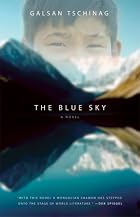
The Blue Sky: A Novel by Galsan Tschinag, translated by Katharina Rout
Galsan Tschinag is a member of the Tuvan tribe, a nomadic people from the High Altai Mountains of northern Mongolia. Tschinag left the region as a young man to study at the University of Leipzig, afterwards choosing to write in German. An author, poet and Shaman, the book cover describes him as chief of all Tuvans, who gathered his people, scattered under Communism, and led them in a large group back to their mountain homelands.
The Blue Sky is the first of a trilogy of autobiographical novels, told in the voice of a young Tuvan child whose early years are filled with both love and loss. As a toddler, he survives severe burns after falling into a cast-iron kettle of simmering milk, yet still grows to be capable of contributing to the family’s daily work, herding lambs and gathering plants and dung. He mourns the death of his beloved, adopted Grandma, is separated from his Sister and Brother who have left to attend a public boarding school, and becomes distraught over the death by accidental poisoning of his faithful dog, Arslang. This last event was foreshadowed to him in a dream, of which he violated a traditional belief that one should never tell anyone about bad dreams. “Tell your dreams to a hole in the ground and spit three times. Don’t share them with anyone.” He ends this period of his childhood in a rage of defiance that renders him unrecognizable to himself, angry with his parents for their ready acceptance of death and denouncing Gok-Deeri, the revered blue sky.
This is a simple but affecting story, the narrative filled with descriptions of the topography, daily life and traditions of the Tuvan sheepherders and their dependence on their sheep, yaks and horses for food, clothing, shelter, fuel and transportation. They cope daily with scarcity, harsh physical demands and unpredictable environmental forces. Yet their outlook blends the practicalities of survival with the magical, founded on reverence for land, sky, natural resources, family and community.
Sadly, the narrative also hints at the slipping away of an ancient way of life, as the region’s culture and ecology are impacted by the incursion of Stalin’s socialism. Families are separated and communities divided as teachers recruit students to attend distant public schools, drawing youth to new careers, lifestyles and ideologies. The natural resources of the region are depleted and the wealth of vast herds of animals, wildlife and forests are destroyed in exchange for a paper money economy.
I read an Advance Reading copy of this novel, found in a used bookstore. Although lacking the depth and historical perspective that I found myself wanting, I enjoyed it for what it was – an uncomplicated narrative that reveals the essence of traditional Tuvan life as seen through the eyes of a child. The author’s" Words to Accompany My Blue Sky Child" and the "Translator’s Notes" provided added dimension to the significance of preserving the stories of the Tuvan people. I will look for the second volume of the trilogy, The Gray Earth, portraying the young protagonist’s time at boarding school. I believe that the final volume, The White Mountain has yet to be translated to English.
The Blue Sky: A Novel by Galsan Tschinag, translated by Katharina Rout
Galsan Tschinag is a member of the Tuvan tribe, a nomadic people from the High Altai Mountains of northern Mongolia. Tschinag left the region as a young man to study at the University of Leipzig, afterwards choosing to write in German. An author, poet and Shaman, the book cover describes him as chief of all Tuvans, who gathered his people, scattered under Communism, and led them in a large group back to their mountain homelands.
The Blue Sky is the first of a trilogy of autobiographical novels, told in the voice of a young Tuvan child whose early years are filled with both love and loss. As a toddler, he survives severe burns after falling into a cast-iron kettle of simmering milk, yet still grows to be capable of contributing to the family’s daily work, herding lambs and gathering plants and dung. He mourns the death of his beloved, adopted Grandma, is separated from his Sister and Brother who have left to attend a public boarding school, and becomes distraught over the death by accidental poisoning of his faithful dog, Arslang. This last event was foreshadowed to him in a dream, of which he violated a traditional belief that one should never tell anyone about bad dreams. “Tell your dreams to a hole in the ground and spit three times. Don’t share them with anyone.” He ends this period of his childhood in a rage of defiance that renders him unrecognizable to himself, angry with his parents for their ready acceptance of death and denouncing Gok-Deeri, the revered blue sky.
This is a simple but affecting story, the narrative filled with descriptions of the topography, daily life and traditions of the Tuvan sheepherders and their dependence on their sheep, yaks and horses for food, clothing, shelter, fuel and transportation. They cope daily with scarcity, harsh physical demands and unpredictable environmental forces. Yet their outlook blends the practicalities of survival with the magical, founded on reverence for land, sky, natural resources, family and community.
Grandma was human silk. That’s what Father said, and what he said was always right. And she had been sent to me by the sky. That’s what Mother had revealed to me. Some of the things she said were not true of course, but when the sky was involved, we were not allowed to lie.
Sadly, the narrative also hints at the slipping away of an ancient way of life, as the region’s culture and ecology are impacted by the incursion of Stalin’s socialism. Families are separated and communities divided as teachers recruit students to attend distant public schools, drawing youth to new careers, lifestyles and ideologies. The natural resources of the region are depleted and the wealth of vast herds of animals, wildlife and forests are destroyed in exchange for a paper money economy.
I read an Advance Reading copy of this novel, found in a used bookstore. Although lacking the depth and historical perspective that I found myself wanting, I enjoyed it for what it was – an uncomplicated narrative that reveals the essence of traditional Tuvan life as seen through the eyes of a child. The author’s" Words to Accompany My Blue Sky Child" and the "Translator’s Notes" provided added dimension to the significance of preserving the stories of the Tuvan people. I will look for the second volume of the trilogy, The Gray Earth, portraying the young protagonist’s time at boarding school. I believe that the final volume, The White Mountain has yet to be translated to English.
27rebeccanyc
Sounds very interesting, LInda. I was going to ask how you found it, and then you told us! I've read other books that covered similar topics, life and the loss of cultural/natural resources in Mongolia and the Arctic regions of Russia, including Wolf Totem (by a Chinese author), which I found overly didactic, and A Dream in Polar Fog, by a Chukchi writer, which I also found a little heavy-handed. It will be interesting to read this one.
28labfs39
What a serendipitous find, Linda. I have added it to my wishlist. Although it may be light, the book is about a people I don't know, in a time period I do. Sounds fascinating.
30deebee1
Nice review, Linda. Aren't the Tuvans famous for their polyphonic singing? Is there anything in the book referring to it?
31Linda92007
>27 rebeccanyc: Rebecca, I have also read Wolf Totem and while I enjoyed it, I can understand your reaction. I felt that Tschinag stayed true to the voice of his child narrator and as a result, The Blue Sky was very subtle in how it addressed these issues. I would like to find some nonfiction that addresses Mongolian history through and after Stalin.
>28 labfs39: Lisa, in your reading from the time period, have you come across anything that addresses the repressions in Mongolia?
>29 edwinbcn: So little is known about Mongolia. I wonder why that is, Edwin. Even in China with its proximity?
>28 labfs39: Lisa, in your reading from the time period, have you come across anything that addresses the repressions in Mongolia?
>29 edwinbcn: So little is known about Mongolia. I wonder why that is, Edwin. Even in China with its proximity?

33Linda92007
>30 deebee1: Thanks for pointing that out, deebee, as I had not been aware of it. There are references to singing in the book, but I remember them as individuals singing simple, repetitive lines while caring for their sheep. I will go back and see if I find anything more.
34labfs39
Only in the most general sense, Linda, as part of the brutal repression of indigenous people, which makes this book all the more interesting to me.
36Linda92007
It's somewhat light, Dan, but quite engaging.
37Linda92007
The NYS Writers Institute has posted their schedule for the Winter-Spring semester and it includes some authors that I have read and enjoyed, a few that I don't care for, and some that are new to me. A few that I would like to attend are scheduled at times that I cannot make, but I will still plan to attend as many as possible. As usual, the list is quite eclectic.
Colman Domingo - actor, director and playwright
Jorgen Randers - author and environmental scientist
George Saunders - writer of short stories and novellas - I dislike his work and if I do attend, it will be only out of morbid curiosity.
Eugene Mirabelli - novelist
Ann Hood - novelist
Christa Parravani - photographer and memoirist
Gretel Ehrlich - poet and essayist - I loved This Cold Heaven
Nathan Englander - short story writer and novelist
James Salter - novelist
Marguerite Holloway - science writer, biographer and journalist
Marilynne Robinson - Pulitzer Prize-winning novelist - I started but didn't finish Gilead.
Manil Suri - fiction writer and mathematician
Chris Bohjalian - novelist - I didn't care much for what I read of his years ago.
Gail Collins - journalist and New York Times columnist
Russell Shorto - historian and journalist
K. Eric Drexler - author and nanoscientist
Colman Domingo - actor, director and playwright
Jorgen Randers - author and environmental scientist
George Saunders - writer of short stories and novellas - I dislike his work and if I do attend, it will be only out of morbid curiosity.
Eugene Mirabelli - novelist
Ann Hood - novelist
Christa Parravani - photographer and memoirist
Gretel Ehrlich - poet and essayist - I loved This Cold Heaven
Nathan Englander - short story writer and novelist
James Salter - novelist
Marguerite Holloway - science writer, biographer and journalist
Marilynne Robinson - Pulitzer Prize-winning novelist - I started but didn't finish Gilead.
Manil Suri - fiction writer and mathematician
Chris Bohjalian - novelist - I didn't care much for what I read of his years ago.
Gail Collins - journalist and New York Times columnist
Russell Shorto - historian and journalist
K. Eric Drexler - author and nanoscientist
38rebeccanyc
I love James Salter and Gail Collins, and I really liked Russell Shorto's The Island at the Center of the World, about the Dutch influence on New York City. Sounds like a fascinating group of authors, and I look forward to your reports of the ones you go to.
39Linda92007
Rebecca, I have not read anything by James Salter. but would like to before his talk. Is there one you would recommend above the others? I think my stepson mentioned reading the Shorto book, which I might find interesting, as the Dutch had considerable influence in this region also.
Gail Collins will be fun and is one my partner will gladly attend with me. On those occasions that I drag him to see fiction writers he is usually bored. Journalists, historians and science writers are more in line with his interests.
Gail Collins will be fun and is one my partner will gladly attend with me. On those occasions that I drag him to see fiction writers he is usually bored. Journalists, historians and science writers are more in line with his interests.
40rebeccanyc
Linda, my favorite Salters are The Hunters and Light Years, which are very different from each other. I read them both before I joined LT, so I can't point you to any reviews I've written on them. He has a new novel coming out this year, his first in a long time, and I'm looking forward to it.
41charbutton
I think I'll have to get a copy of Blue Sky. I visited Mongolia in 2005. It's a beautiful country but I didn't feel like I learnt that much about it beyond the huge contrasts between the Westernised aspects of the capital city (e.g. multiplex cinema) and the life of nomads living in yurts and surviving the harshest of conditions.
42Linda92007
How wonderful that you had that opportunity, Char. I would love to read more about Mongolia, but haven't found much available.
43letterpress
>27 rebeccanyc: The Blue Sky sounds wonderful. I've had an interest in Mongolia brought about by some amazing films set in that country, exploring the traditional lifestyle and the changes facing the people who live there, but I've yet to read a book with the same setting. There is something very appealing to me about having it described from the point of view of a child, I would imagine there is a directness and honesty of a sort you wouldn't encounter with an adult narrator. Thanks for the review (and another book on the wishlist)!
44Linda92007
>43 letterpress: It's nice to see you on Club Read, Annalisse. I've been enjoying your thread. Do you happen to remember the names of any of the films on Mongolia that you have seen?
45charbutton
>42 Linda92007:, have you read Hearing Birds Fly: A Year in a Mongolian Village? I enjoyed it.
46rebeccanyc
Oh, that does sound interesting!
47Linda92007
Thank you for the recommendation, Char. I agree with Rebecca and will definitely look for that.
48labfs39
Ditto. I was curious as to the other books on Mongolia that the reviewer mentions having read, so I looked it up: http://www.librarything.com/catalog/vernefan&collection=-1&deepsearch=mo.... Several look interesting
49letterpress
>44 Linda92007: My absolute favourite is The Story of the Weeping Camel, I also enjoyed The Cave of the Yellow Dog by the same director. Khadak, though quite different from the first two, is also wonderful. I think it has been released as The Colour of Water or something similar, but you should be able to find it as Khadak.
50Linda92007
>48 labfs39: Thanks for the list and link, Lisa. I will be looking for the ones that are travel narratives or historical nonfiction. Travels in Northern Mongolia is available for Kindle and looks interesting. I have read the first one, Walking the Gobi, and absolutely loved it. Helen Thayer is an amazing woman and this discussion has reminded me that I would like to read her arctic-related books.
>49 letterpress: Thank you Annalisse. Netflix has all of them and I have added them to my queue. Some good viewing ahead!
>49 letterpress: Thank you Annalisse. Netflix has all of them and I have added them to my queue. Some good viewing ahead!
51absurdeist
Loving all these Mongolia recommendations. I'm afraid my knowledge of the nation has been limited to Julia Roberts. She narrated Wild Horses of Mongolia in '99. She documents living with a nomadic family (and the accoutrements of her film crew, no doubt) but it wasn't half bad. The Blue Sky sounds terrific.
53kidzdoc
Fabulous review of The Blue Sky, Linda!
54Linda92007
>51 absurdeist: Thanks for the link, Enrique. I watched the first two clips and will view the rest later on. Fascinating, respectfully done, and incredible scenery!
>52 deebee1: deebee - Another recommendation for The Story of the Weeping Camel and I'm moving it up my Netflix queue.
>53 kidzdoc: Thanks Darryl.
>52 deebee1: deebee - Another recommendation for The Story of the Weeping Camel and I'm moving it up my Netflix queue.
>53 kidzdoc: Thanks Darryl.
56Linda92007
Still from 2012.
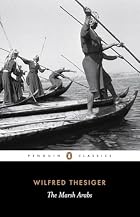
The Marsh Arabs by Wilfred Thesiger
Over an eight-year period in the 1950s, Wilfred Thesiger spent months at a time living amongst the Madan, a tribe of Arabs inhabiting the Tigris-Euphrates marshlands in the south and east of Iraq. His recounting of this experience gives witness to a way of life that was destroyed by Saddam Hussein’s draining of the marshlands in 1991, turning the land to desert and causing many of the Madan to flee to the cities or nearby countries. Only with Saddam’s 2003 departure from Baghdad did the process of re-flooding to restore the marshlands begin.
Thesiger provides a brief overview of the history of the marshlands, dating back to the fifth millennium B.C. and the earliest known human habitation in the Euphrates delta. Inhabitants of the time practiced a lifestyle remarkably similar to that observed by Thesiger in the 1950s. Reed houses were built on the edge of the marshes, wooden boats constructed, and fish harpooned and netted for sustenance. The years that followed brought the Sumerians’ development of what may have been the world’s first civilization, waves of invasions and wars by various peoples and religions, and governments based variously on urban and tribal systems. Yet despite these many influences, it was the tribal codes of the desert Arabs that provided the foundation for the Madan culture. Sheikhs served as leaders and judges, although lacking any formal governmental authority. A man’s status was dependent on his lineage and on his own character, with wealth being of little importance. There was a nearly complete lack of privacy and consistent with the requirements of tribal hospitality, a stranger in need of food or lodging was never turned away.
The Madan lived a life that was largely removed from the outside world, relying almost exclusively on the rich resources of the marshlands to meet their needs. The marshes of Thesiger’s day teemed with vegetation and animal life - reeds, tamarisk trees, carp and other fish, wild boar, wolves, otters, striped hyenas, a multitude of bird and migratory waterfowl species, snakes and frogs. The Madan loved firearms and Thesiger noted that helping someone kill something was a great way to establish positive relationships. Much time was spent in the marshes shooting wildlife, with the killing of wild boars of particular concern, as they were dangerous to people and devastating to crops.
The land was in theory owned by the State, which leased it to the sheikhs, who having paid the taxes considered it as their own. The sheikhs functioned in turn as landlords to tribesmen who farmed fields in return for a share of the crops, but lacked the security of permanent residency. There were no schools and only a few boys attended the nearest ones several miles away, often at the expense of their desire to continue in tribal life.
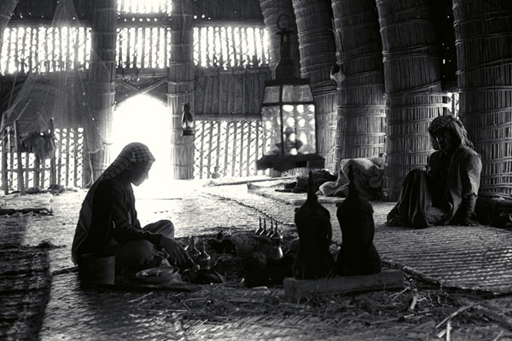
All homes were constructed of reeds fashioned into an arched structural framework and covered with woven reed mats. Lacking available solid land, they were often built on islands composed of layers of roots and decomposed vegetation. The residences of sheikhs included large meeting houses, or mudhifs, that were open on one end and served both as guest houses and audience chambers for conducting estate business and settling disputes amongst tribesmen. For sustenance, the Madan planted rice, speared fish, shot wildlife and raised water buffalo. Wooden boats provided the primary means of transportation, with even the young capable of navigating the bitumen-coated canoes of the common man, while larger, more graceful taradas were owned by the sheikhs.
Although the Madan were feared and avoided by other Arabs, Thesiger found them to be a friendly, happy people. Given the region's lack of medical facilities, he gained ready acceptance with the aid of his pharmaceutical supplies and ad hoc medical skills. While occasionally treating serious illness or injury, circumcision was his specialty and he performed more than six thousand of these procedures during his time in the marshes. Surprisingly, whether due to immunity or the killing of germs by the strong sunlight, the population seemed minimally affected by their atrocious hygiene practices, which involved defecating in the same water used for drinking, cooking and washing, collected while brushing aside the floating dung and excrement.
Thesiger’s account is heavily skewed towards the life of men, as would be expected for the period and the culture. But while referenced rarely, women were not without value. Remuneration for crime victims was made generally either in the form of cash or women, according to a scale commensurate with the loss incurred. While a man could simply declare himself divorced, a woman could only seek the protection of her male relatives, whose sole leverage lay in negotiating the return of part or all of the bride price. Sexual interactions of any sort were strictly prohibited between men and women, outside of marriage. Thesiger hints at the result being considerable homosexual behavior among unmarried males. Surprisingly for such a traditional society, he also mentions an individual born as a biological woman, but living and accepted as a man.
Thesiger was a keen observer, whose love for the tribal Arab people and culture is palpably evident in his writing, as he brings the Madan and their environs to life on the page. I discovered The Marsh Arabs after reading Arabian Sands, and I will gladly read any other books by Thesiger that I can find. My only regret is that the e-book edition that I obtained did not include the wealth of Thesiger’s photographs of the marshlands that were referenced as included in hardcopy editions. But in the end, Thesiger is so skilled at description that I came away with mental images that are perhaps more vivid than photographs could ever convey.
Highly recommended. 4 1/2 Stars
The Marsh Arabs by Wilfred Thesiger
Over an eight-year period in the 1950s, Wilfred Thesiger spent months at a time living amongst the Madan, a tribe of Arabs inhabiting the Tigris-Euphrates marshlands in the south and east of Iraq. His recounting of this experience gives witness to a way of life that was destroyed by Saddam Hussein’s draining of the marshlands in 1991, turning the land to desert and causing many of the Madan to flee to the cities or nearby countries. Only with Saddam’s 2003 departure from Baghdad did the process of re-flooding to restore the marshlands begin.
Thesiger provides a brief overview of the history of the marshlands, dating back to the fifth millennium B.C. and the earliest known human habitation in the Euphrates delta. Inhabitants of the time practiced a lifestyle remarkably similar to that observed by Thesiger in the 1950s. Reed houses were built on the edge of the marshes, wooden boats constructed, and fish harpooned and netted for sustenance. The years that followed brought the Sumerians’ development of what may have been the world’s first civilization, waves of invasions and wars by various peoples and religions, and governments based variously on urban and tribal systems. Yet despite these many influences, it was the tribal codes of the desert Arabs that provided the foundation for the Madan culture. Sheikhs served as leaders and judges, although lacking any formal governmental authority. A man’s status was dependent on his lineage and on his own character, with wealth being of little importance. There was a nearly complete lack of privacy and consistent with the requirements of tribal hospitality, a stranger in need of food or lodging was never turned away.
The Madan lived a life that was largely removed from the outside world, relying almost exclusively on the rich resources of the marshlands to meet their needs. The marshes of Thesiger’s day teemed with vegetation and animal life - reeds, tamarisk trees, carp and other fish, wild boar, wolves, otters, striped hyenas, a multitude of bird and migratory waterfowl species, snakes and frogs. The Madan loved firearms and Thesiger noted that helping someone kill something was a great way to establish positive relationships. Much time was spent in the marshes shooting wildlife, with the killing of wild boars of particular concern, as they were dangerous to people and devastating to crops.
The land was in theory owned by the State, which leased it to the sheikhs, who having paid the taxes considered it as their own. The sheikhs functioned in turn as landlords to tribesmen who farmed fields in return for a share of the crops, but lacked the security of permanent residency. There were no schools and only a few boys attended the nearest ones several miles away, often at the expense of their desire to continue in tribal life.
All homes were constructed of reeds fashioned into an arched structural framework and covered with woven reed mats. Lacking available solid land, they were often built on islands composed of layers of roots and decomposed vegetation. The residences of sheikhs included large meeting houses, or mudhifs, that were open on one end and served both as guest houses and audience chambers for conducting estate business and settling disputes amongst tribesmen. For sustenance, the Madan planted rice, speared fish, shot wildlife and raised water buffalo. Wooden boats provided the primary means of transportation, with even the young capable of navigating the bitumen-coated canoes of the common man, while larger, more graceful taradas were owned by the sheikhs.
Although the Madan were feared and avoided by other Arabs, Thesiger found them to be a friendly, happy people. Given the region's lack of medical facilities, he gained ready acceptance with the aid of his pharmaceutical supplies and ad hoc medical skills. While occasionally treating serious illness or injury, circumcision was his specialty and he performed more than six thousand of these procedures during his time in the marshes. Surprisingly, whether due to immunity or the killing of germs by the strong sunlight, the population seemed minimally affected by their atrocious hygiene practices, which involved defecating in the same water used for drinking, cooking and washing, collected while brushing aside the floating dung and excrement.
Thesiger’s account is heavily skewed towards the life of men, as would be expected for the period and the culture. But while referenced rarely, women were not without value. Remuneration for crime victims was made generally either in the form of cash or women, according to a scale commensurate with the loss incurred. While a man could simply declare himself divorced, a woman could only seek the protection of her male relatives, whose sole leverage lay in negotiating the return of part or all of the bride price. Sexual interactions of any sort were strictly prohibited between men and women, outside of marriage. Thesiger hints at the result being considerable homosexual behavior among unmarried males. Surprisingly for such a traditional society, he also mentions an individual born as a biological woman, but living and accepted as a man.
Thesiger was a keen observer, whose love for the tribal Arab people and culture is palpably evident in his writing, as he brings the Madan and their environs to life on the page. I discovered The Marsh Arabs after reading Arabian Sands, and I will gladly read any other books by Thesiger that I can find. My only regret is that the e-book edition that I obtained did not include the wealth of Thesiger’s photographs of the marshlands that were referenced as included in hardcopy editions. But in the end, Thesiger is so skilled at description that I came away with mental images that are perhaps more vivid than photographs could ever convey.
…I stood watching the sun go down behind reedbeds that stretched to the world’s end. High overhead, banks of cirrus cloud, blown to tattered streams, ranged from ebony to flaming gold and the colour of old ivory, against a background of vermilion and orange, violet, mauve and palest green. From all around, as if the Marshes breathed, came the massed voices of frogs, an all-pervading pulse of sound, so sustained that the mind ceased to take note of it. More than any other, even than the crying of geese in winter, this was the sound of the Marshes. A dog barked, a buffalo grunted with a noise surprisingly like a camel’s; a man called out a long, and to me, unintelligible message; a pause, and someone answered. More buffaloes swam across the open water towards the village, only their heads showing and each leaving a wake. Among the houses columns of dense smoke spread upwards from small fires, lit to keep the mosquitoes away from the herds. A boy, late back from the reedbeds, paddled down a waterway, a path of shining gold leading from the setting sun. He sang softly as he came towards me, the notes lingering in the air.
Highly recommended. 4 1/2 Stars
57letterpress
Enjoyed your review Linda, Thesiger is an author who has been lurking around my wishlist for ages now, but always seems to get pipped when the cash comes in. I'll have to rectify that. Would you recommend reading Arabian Sands before The Marsh Arabs?
58deebee1
Wonderful review, Linda. Arabian Sands simply blew me away, and I expect The March Arabs to do the same.
Are you aware of the Thesiger Collection of Pitt Rivers Museum? His photographs are amazing, and it is heartbreaking to realize that the worlds he captured are now a thing of the past. Here is the link
http://www.prmprints.com/category/9588/thesiger-collection/iraq/page/1/view/64
Are you aware of the Thesiger Collection of Pitt Rivers Museum? His photographs are amazing, and it is heartbreaking to realize that the worlds he captured are now a thing of the past. Here is the link
http://www.prmprints.com/category/9588/thesiger-collection/iraq/page/1/view/64
60avaland
A couple of fascinating reads here, Linda. (I'm glad I wasn't the only one finishing 2012 in the new year!). I'll look forward to your comments on the Dudman novel. I found it easier and desirable to read it slowly, a chapter at a time, often reading something else in between. I didn't want to hurry it, and I had a lot of distractions to work around.
61rebeccanyc
Very interesting review of The Marsh Arabs, Linda. I was familiar with their existence, because I remember reading about the human and ecological disaster of the draining of the marshes, but not of the book, or of Arabian Sands, or of Thesiger. I will definitely look for these books.
Those photos are stunning, deebee. Thanks for the link.
Those photos are stunning, deebee. Thanks for the link.
62deebee1
Rebecca, I would like to read about the draining of the marshes. Do you still remember where you read it? Yes, his images are stunning -- I wouldn't mind having a print or two.
63rebeccanyc
Sorry, deebee, it was a long time ago, and it was probably something I read in an ecological context. I believe there is some attempt to restore them, but of course the lifestyle of the Marsh Arabs is probably long gone.
64Linda92007
>57 letterpress: The books could be read in either order, Annalisse, but I would recommend reading Arabian Sands first. I enjoyed it slightly more and it gives you a sense of the desert tribal traditions that according to Thesiger, influenced the Madan.
>58 deebee1: Thanks for the wonderful link to Thesiger's photographs, deebee. As I noted in my review, they were apparently included in the book, but missing from the e-book edition. Seeing them now adds another dimension to my appreciation!
I was able to find some information on the draining of the marshes and the restoration project through a Google search. Here is one of the more official websites that come up, although it does not seem to have been updated since 2010.
http://marshlands.unep.or.jp/default.asp?site=marshlands&page_id=7B495B9E-13...
>58 deebee1: Thanks for the wonderful link to Thesiger's photographs, deebee. As I noted in my review, they were apparently included in the book, but missing from the e-book edition. Seeing them now adds another dimension to my appreciation!
I was able to find some information on the draining of the marshes and the restoration project through a Google search. Here is one of the more official websites that come up, although it does not seem to have been updated since 2010.
http://marshlands.unep.or.jp/default.asp?site=marshlands&page_id=7B495B9E-13...
65Linda92007
>59 deebee1: I am not too far into Quo Vadis yet, but I am enjoying it so far. There are a few things that I have found irritating about the translation though, such as the repeated use of the word 'car'. I do also feel like I should be reading both an actual historical account and refresher on the mythology alongside it.
>60 avaland: After reading your review of the Dudman novel, avaland, I was excited to find it at the library. I am about 50 pages in and can appreciate your advice about reading it slowly. It somehow seems to force you to do that. The language and writing style are so beautiful - it was meant to be savored. Thank you for introducing me to it!
>61 rebeccanyc: Thesiger is, in my opinion, one of a kind, Rebecca. I think that you would really enjoy his books.
>60 avaland: After reading your review of the Dudman novel, avaland, I was excited to find it at the library. I am about 50 pages in and can appreciate your advice about reading it slowly. It somehow seems to force you to do that. The language and writing style are so beautiful - it was meant to be savored. Thank you for introducing me to it!
>61 rebeccanyc: Thesiger is, in my opinion, one of a kind, Rebecca. I think that you would really enjoy his books.
67labfs39
Beautiful review, Linda. I must keep an eye out for both (any?) of his books. He has quite a collection - have you read any of his others?
68baswood
Excellent review of The Marsh Arabs linda. Thesiger was a fascinating man, who lived in the most primitive conditions in Arabia and Iraq, but makes light of it. He is my absolute favourite travel writer, they just don't make them like him anymore. And yes those photographs are wonderful
69RidgewayGirl
Those photographs are haunting and beautiful. Thanks for the link.
70Linda92007
>66 dchaikin: I think you will really enjoy Thesiger, Dan.
>67 labfs39: Thanks Lisa. I have only read the two so far, as I have had difficulty finding the others. But I am anxious to read more and plan to check some of the used book sites next.
>68 baswood: Thanks Barry. I remember you previously mentioning your admiration for Thesiger. I could not agree with you more.
>69 RidgewayGirl: I would love them to see the originals on display, Alison. Thesiger's love and respect for the peoples and cultures that he visited really comes through in his photographs.
>67 labfs39: Thanks Lisa. I have only read the two so far, as I have had difficulty finding the others. But I am anxious to read more and plan to check some of the used book sites next.
>68 baswood: Thanks Barry. I remember you previously mentioning your admiration for Thesiger. I could not agree with you more.
>69 RidgewayGirl: I would love them to see the originals on display, Alison. Thesiger's love and respect for the peoples and cultures that he visited really comes through in his photographs.
72DieFledermaus
Nice reviews for both The Blue Sky and The Marsh Arabs - both were quite informative.
Here's a video of Tuvan throat singing - pretty spectacular
http://www.youtube.com/watch?v=DY1pcEtHI_w
Here's a video of Tuvan throat singing - pretty spectacular
http://www.youtube.com/watch?v=DY1pcEtHI_w
73Linda92007
That is indeed amazing, DieF. Thanks for sharing that link.
Wikipedia provides an interesting description of Tuvan throat singing, with explanations of how the various styles are accomplished.
http://en.wikipedia.org/wiki/Tuvan_throat_singing
Wikipedia provides an interesting description of Tuvan throat singing, with explanations of how the various styles are accomplished.
http://en.wikipedia.org/wiki/Tuvan_throat_singing
74Linda92007

Chief Joseph of the Nez Perce by Robert Penn Warren
Robert Penn Warren uses long form poetry to great effect in chronicling the tragic outcome of the federal government’s broken treaty of 1855 with a band of Nez Perce, led by the renowned Chief Joseph. Told from the perspectives of Chief Joseph, General Oliver Howard and Colonel Nelson Miles, the poem is interspersed with quotes from historical accounts and closes with the author’s own visit to the site of the band’s final surrender in eastern Montana.
The Nez Perce, who referred to themselves as the Nimipu or “Real People”, lived in Wallowa in what is now northeast Oregon, a land they considered sacred as the burial grounds of their fathers. They were a peaceful people with a deep reverence for their fathers who had gone before and “…kept watch on sons to be sure that truth was spoken, and that each showed himself a man. (p. xi)”
Their honesty is immaculate and their purity of purpose and their observance of the rules of their religion are most uniform and remarkable. They are certainly more like a nation of saints than a horde of savages.
-Jean Baptiste Le Moyne De Bienville (p.4)
Chief Joseph, whose true name was Thunder-Traveling-to-Loftier-Mountain-Heights, was witness as a boy to his father signing the 1855 treaty that promised them rights to their sacred lands in Wallowa. However, the gold rush of the 1860s led the federal government to renege on their agreement and a new treaty was unilaterally developed, requiring that all Nez Perce be moved to a single reservation in Idaho.
”A promise how pretty!-but our sacred land
They trod. They spat on our earth. It was like
A man’s spit on your face. I, then a boy,
I felt the spit on my face.…” (p.7)
Joseph’s band refused to sign the new treaty or to move from their lands, and a decade later won a further guarantee from President Ulysses S. Grant. But the President’s high-mindedness ultimately faded in the face of pressure from miners and white settlers. While trying to comply with a forced relocation, Joseph’s band suffered an unwarranted attack by the Army. Attempting to flee to the protection of Sioux Chief Sitting Bull in Canada, the Nez Perce were relentlessly pursued and fought valiantly against an Army eager for revenge.
“Near dawn they struck us, new horse-soldiers. Shot
Into tepees. Women, children , old died.
Some mothers might stand in the river’s cold coil
And hold up the infant and weep, and cry mercy.
What heart beneath blue coat has fruited in mercy?
When the slug plugged her bosom, unfooting her
To the current’s swirl and last darkness, what last
Did she hear? It was laughter. (p. 23)
Believing they had finally reached safety at the Little Bear Paws Mountains in Montana, Chief Joseph was unprepared for Colonel Miles’ final attack. Forced to surrender, he accepted Colonel Miles’ promise that they would be returned to territory in the Northwest.
Black braids now framed a face past pain.
.………………………………………………………….
…and the head
Of Joseph is bowed, bowed as in courtesy
To words of courage and comfort. But
The head may be bowed to words by others unheard.
…………………………………………………………….
Straight-standing, he thrusts out his rifle,
Muzzle-grounded, to Howard. It is
The gesture, straight-flung, of one who casts the world away. (p. 44-45)
But Commanding General William Tecumseh Sherman failed to keep Miles’ promise and Joseph spent years negotiating with the government, while the members of his band dwindled from illness. Joseph and 150 survivors were eventually relocated to a reservation in northeastern Washington, but never allowed to resettle in Wallowa. Chief Joseph died in 1904 of what was officially recorded by his physician as a broken heart. ”At least , no sacred land had he ever sold. (p. 57)”
Warren writes with deep respect for a Native American leader who never wavered from his resolve to live in peace and reverence for his ancestors, on the land of his people’s burial grounds. He also achieves an unusually nuanced portrayal of the disparity of opinion that existed within the federal government regarding these events – the support expressed by some within Indian Affairs and the Army for the Nez Perce’s claims; General Howard’s deeply conflicted emotions even as he pursued Chief Joseph’s band; Colonel Miles’ surprisingly generous terms of surrender; and the admiration felt by the murderous General Sherman for the Nez Perce’s fighting skills, courage and humanity, even as he forced many to their deaths at Fort Leavenworth. This is an outstanding example of historical poetry and is highly recommended.
4 Stars
75dmsteyn
Thanks for your beautiful review of Chief Joseph of the Nez Perce, Linda; it's great to see some poetry reviews! I don't know nearly enough about the plight of Native Americans to comment intelligently on it, but it does sadden me. I've often wondered how Europeans/Americans/Afrikaners/whoever could have perpetrated the things they did, how they could have justified this to themselves. I guess one should take the historical view, put things into context, but still.
In any case, great review. I've heard a lot about Robert Penn Warren, and not only concerning All the King's Men. I'll definitely keep this book in mind.
In any case, great review. I've heard a lot about Robert Penn Warren, and not only concerning All the King's Men. I'll definitely keep this book in mind.
76rachbxl
Wonderful tips for both books and films here - my imagination has been caught by all the Mongolia recommendations.
I like the Nobel laureates idea too; will look forward to reading about your progress. A glance down the list makes me realise that there are all sorts of writers there I'd like to try.
I like the Nobel laureates idea too; will look forward to reading about your progress. A glance down the list makes me realise that there are all sorts of writers there I'd like to try.
77Linda92007
>75 dmsteyn: Thanks Dewald. History does not show mankind in a good light, does it? Unfortunately, it often seems that not much has changed.
This is not the best known of Robert Penn Warren's poetry, but the only one I have read so far. I am becoming very interested in the use of long form poetry to portray historical events and the sense of immediacy that it provides. I have been reading more poetry this past year and greatly enjoying it, but need next to educate myself on poetic form, of which I know nothing beyond the basics.
>76 rachbxl: Welcome, Rachel! It's great to see you on the threads this morning. I am enjoying the Nobel Laureates, but still distracted by so so many other books.
This is not the best known of Robert Penn Warren's poetry, but the only one I have read so far. I am becoming very interested in the use of long form poetry to portray historical events and the sense of immediacy that it provides. I have been reading more poetry this past year and greatly enjoying it, but need next to educate myself on poetic form, of which I know nothing beyond the basics.
>76 rachbxl: Welcome, Rachel! It's great to see you on the threads this morning. I am enjoying the Nobel Laureates, but still distracted by so so many other books.
79Linda92007
Thanks Lisa.
80baswood
Chief Joseph of the Nez Perce sounds like another discovery Linda, excellent review.
81Mr.Durick
Every few years I like to read a book length poem. I am about to put Chief Joseph of the Nez Perce on my wishlist.
Thank you,
Robert
PS I see that it is 64 pages which'll make it all the more likely that I'd read it. It is not available new from Barnes and Noble.
R
Thank you,
Robert
PS I see that it is 64 pages which'll make it all the more likely that I'd read it. It is not available new from Barnes and Noble.
R
82Linda92007
>80 baswood: Thanks Barry. Something motivated me to pull it off the shelf and I am so glad I did. Now I will be looking for more of Warren's poetry.
>81 Mr.Durick: Robert, I believe that the book is out of print. I have had my copy for many years. Amazon does not have it either, but does show some new copies being available from other sellers. It reads quickly and I do hope you are able to find it.
>81 Mr.Durick: Robert, I believe that the book is out of print. I have had my copy for many years. Amazon does not have it either, but does show some new copies being available from other sellers. It reads quickly and I do hope you are able to find it.
83kidzdoc
Fabulous review of Chief Joseph of the Nez Perce, Linda. I've added it to my wish list as well.
84Linda92007
Thanks Darryl. I think you would enjoy it.
85dchaikin
Sounds like a little treasure, Linda. Enjoyed your review. I think I need to find some of RP Warren's poetry...
86Linda92007
>85 dchaikin: Thanks Dan. I had not previously realized that Robert Penn Warren was U.S. Poet Laureate for 1986-87 and won the Pulitzer Prize for Poetry in both 1958 and 1979. In browsing through Amazon's listings of his available collections, I came across Brother to Dragons: A Tale in Verse and Voices, a book length poem about the killing of a slave by nephews of Thomas Jefferson. I would definitely like to read this and will also do some library browsing of his collections.
87labfs39
Neither had I. Brother to Dragons and Chief Joseph of the Nez Perce both sound fascinating. According to Amazon, there is a new version of the former:
The significantly revised version of Brother to Dragons appeared in 1979, twenty-six years after the original. It is, Warren wrote, "in some important senses, a new work."
Something to keep in mind when choosing your edition, I guess.
ETA: I put a hold on both at my library, but they didn't have the new ed of Brother
The significantly revised version of Brother to Dragons appeared in 1979, twenty-six years after the original. It is, Warren wrote, "in some important senses, a new work."
Something to keep in mind when choosing your edition, I guess.
ETA: I put a hold on both at my library, but they didn't have the new ed of Brother
88avidmom
>74 Linda92007: Excellent review. What a heartbreaking story.
89Linda92007
>87 labfs39: Lisa, I had a B&N coupon and decided yesterday to use it to buy the revised version of Brother to Dragons. It would be interesting to compare and see how different the editions are, but our library system doesn't have either one.
>88 avidmom: Thanks avidmom.
>88 avidmom: Thanks avidmom.
90arubabookwoman
Back to Mongolia: the documentary from a couple of years ago, "Babies", focused on a Mongolian family and their baby. It was beautifully filmed, and the way of life was fascinating.
http://m.focusfeatures.com/focusfeatures/film/babies/synopsis
(The movie also focused on a baby in Africa, Japan, and the US, and right now I can't remember whether there was a European baby)
http://m.focusfeatures.com/focusfeatures/film/babies/synopsis
(The movie also focused on a baby in Africa, Japan, and the US, and right now I can't remember whether there was a European baby)
91Linda92007
Hi Deborah. For some reason, my computer wouldn't play the video on the link. But I did find it on Netflix and added it to my queue. Thanks!
92rebeccanyc
Just catching up. I had no idea that Robert Penn Warren wrote a poem/book about the Chief Joseph. I'll have to look for it.
93labfs39
The two Robert Penn Warren books I ordered from the library arrived today. I'm looking forward to reading them. Thanks again for the rec.
94detailmuse
Beautiful review of Chief Joseph of the Nez Perce. My library system has copies.
>72 DieFledermaus:, 73 I've heard of Tuvan throat singing thanks to Sheldon in The Big Bang Theory :) but the tones generated in that videoclip are amazing.
>72 DieFledermaus:, 73 I've heard of Tuvan throat singing thanks to Sheldon in The Big Bang Theory :) but the tones generated in that videoclip are amazing.
95Linda92007
>92 rebeccanyc: Rebecca, it is a worthwhile read and I hope you are able to find a copy. It has had me thinking about how different this country and our culture might be if the Native Americans had been treated in a more humane and respectful manner by the early settlers and federal government.
>93 labfs39: Lisa, I'll be interested to see your comments. I ordered Brother to Dragons from B&N and am still anxiously waiting for it to arrive.
>94 detailmuse: Thanks MJ.
>93 labfs39: Lisa, I'll be interested to see your comments. I ordered Brother to Dragons from B&N and am still anxiously waiting for it to arrive.
>94 detailmuse: Thanks MJ.
96Linda92007
The Lamb by Francois Mauriac
Xavier Dartigelongue is irresistibly drawn to the lives of strangers. Believing that he has a unique ability to sense Grace in others, he seeks to live among and to serve sinners, sacrificing himself for the salvation of others. But as a candidate for the seminary, Xavier has been advised by his Director of Conscience that rather than being a laudable quality, this is a personal indulgence that stands between him and God.
While traveling to enter the seminary, Xavier observes a man and a woman on the train platform. The woman is clearly distraught, while her companion, preparing to board, is callously unresponsive. When the man takes the seat opposite and introduces himself as Jean de Mirbel, Xavier recognizes him as someone of questionable local reputation. Although struggling to overcome the impulse to save this couple and continue on his journey, Xavier succumbs to pressure to accompany Jean to his estate, where he encounters far more domestic discord than he had anticipated. Unable to have children and wishing to adopt, Jean and his wife, Michele, have brought a young orphan, Roland, into their household on a trial basis. A bright, inquisitive child, Roland has become a major source of marital conflict. Tired of the demands of parenting, they plan to return the child to the orphanage, an occasion that can occur none too soon for Jean, who voices hatred for Roland, seeing him as “…a reproach incarnate, as a living mockery.” In her husband’s brief absence, Michele had also invited her father’s second wife, Brigette Pian, to join her at the estate, accompanied by her secretary, Dominique. Xavier and Dominique develop a strong, mutual attraction and shared concern for Roland’s welfare. Jean and Michele view these developing relationships as detracting from their own entitlement to Xavier’s attention and collude to remove all but Xavier from the household. But the de Mirbel’s plans come to a tragic end - the collective consequence of their possessive jealousy of Xavier, Madame Pian’s meddling, Xavier’s guilt over the sin of his sexual feelings towards Dominique and his failure to save any of their souls, and the well-intentioned but insensitive advice of the Curé of Baluzac.
The power of this novel is found in Mauriac's ability to create fascinating characters by deliberately withholding key information about their motivations, producing an absorbing, psychologically suspenseful narrative that poses difficult religious questions. The extent of Xavier’s religious fervor seems implausible, but is it a sign of true belief or simply the obsessive observance of a man who is all too human? His unconditional love for strangers does not extend to forgiveness within his own family. And he struggles with his plans to enter formal religious life, fearing that he is unsuited to the life of a priest.
The motivations of Jean and Michele are only insinuated as the cruelty of their acts falls just short of true malevolence, even while they are overtly concerned about their own salvation. What is the true nature of evil? Can one man’s redemption be found in the suffering of another? Is it man’s essentially depraved nature that Jean displays in his intentional manipulation of Xavier and demonstration of hatred for Roland, or just the symptoms of his own emotional neediness? The narrative hints vaguely at Jean’s own abusive childhood and refers in the end to his concurrent suffering and finding of peace. Through Xavier, he believes he has been cured of what can only be an emotional or moral disease.
What motivates Michele as she insists upon her own complicity?
In an introductory note, the author mentions that Jean de Mirbel, his wife Michele and mother-in-law, Brigitte Pian, are first introduced in an earlier novel that while not a sequel might provide insight into the nature of their characters.
Knowing Francois Mauriac to be a “Catholic writer”, I was not expecting the novel that I found. The Lamb raises perplexing questions regarding the nature of man, evil, faith and formal religion, while avoiding any suggestion of postulating or moralizing. This is not Mauriac’s most widely known or praised book and I am not a particular enthusiast of religious writing. However, I would highly recommend this novel to those who may be interested in the themes Mauriac explores, as summarized so eloquently in his Nobel Prize Banquet Speech: http://www.nobelprize.org/nobel_prizes/literature/laureates/1952/mauriac-speech....
Mauriac was certainly a worthy recipient of the 1952 Nobel Prize for Literature and deserves to be more widely read.
4 Stars
“Yes, Michele, I know now that love does exist in this world. But it is crucified in the world and we with it.”
Xavier Dartigelongue is irresistibly drawn to the lives of strangers. Believing that he has a unique ability to sense Grace in others, he seeks to live among and to serve sinners, sacrificing himself for the salvation of others. But as a candidate for the seminary, Xavier has been advised by his Director of Conscience that rather than being a laudable quality, this is a personal indulgence that stands between him and God.
“The flesh finds profit in all things, turns all things to its advantage, even the state of Grace. That is true even of the saints, for they are saints not because of their ecstasies, but in spite of them.”
While traveling to enter the seminary, Xavier observes a man and a woman on the train platform. The woman is clearly distraught, while her companion, preparing to board, is callously unresponsive. When the man takes the seat opposite and introduces himself as Jean de Mirbel, Xavier recognizes him as someone of questionable local reputation. Although struggling to overcome the impulse to save this couple and continue on his journey, Xavier succumbs to pressure to accompany Jean to his estate, where he encounters far more domestic discord than he had anticipated. Unable to have children and wishing to adopt, Jean and his wife, Michele, have brought a young orphan, Roland, into their household on a trial basis. A bright, inquisitive child, Roland has become a major source of marital conflict. Tired of the demands of parenting, they plan to return the child to the orphanage, an occasion that can occur none too soon for Jean, who voices hatred for Roland, seeing him as “…a reproach incarnate, as a living mockery.” In her husband’s brief absence, Michele had also invited her father’s second wife, Brigette Pian, to join her at the estate, accompanied by her secretary, Dominique. Xavier and Dominique develop a strong, mutual attraction and shared concern for Roland’s welfare. Jean and Michele view these developing relationships as detracting from their own entitlement to Xavier’s attention and collude to remove all but Xavier from the household. But the de Mirbel’s plans come to a tragic end - the collective consequence of their possessive jealousy of Xavier, Madame Pian’s meddling, Xavier’s guilt over the sin of his sexual feelings towards Dominique and his failure to save any of their souls, and the well-intentioned but insensitive advice of the Curé of Baluzac.
The power of this novel is found in Mauriac's ability to create fascinating characters by deliberately withholding key information about their motivations, producing an absorbing, psychologically suspenseful narrative that poses difficult religious questions. The extent of Xavier’s religious fervor seems implausible, but is it a sign of true belief or simply the obsessive observance of a man who is all too human? His unconditional love for strangers does not extend to forgiveness within his own family. And he struggles with his plans to enter formal religious life, fearing that he is unsuited to the life of a priest.
The motivations of Jean and Michele are only insinuated as the cruelty of their acts falls just short of true malevolence, even while they are overtly concerned about their own salvation. What is the true nature of evil? Can one man’s redemption be found in the suffering of another? Is it man’s essentially depraved nature that Jean displays in his intentional manipulation of Xavier and demonstration of hatred for Roland, or just the symptoms of his own emotional neediness? The narrative hints vaguely at Jean’s own abusive childhood and refers in the end to his concurrent suffering and finding of peace. Through Xavier, he believes he has been cured of what can only be an emotional or moral disease.
“I had to have a victim sacrificed for me alone…I didn’t want to share him with anybody. The whole of his young life must be given for the redemption of mine. There must be nothing left over for others.”
What motivates Michele as she insists upon her own complicity?
“From the very first moment that I set eyes on Xavier, I was filled with a desire to unsettle him…we were in it together. I had served you as a decoy, as a means of attracting him, of keeping him here.”
In an introductory note, the author mentions that Jean de Mirbel, his wife Michele and mother-in-law, Brigitte Pian, are first introduced in an earlier novel that while not a sequel might provide insight into the nature of their characters.
“If, like many of my novels, The Lamb has to do with a crisis which develops in the course of a few days, the roots of that crisis are deeply sunk elsewhere. This quick- moving tragedy must be seen against a background of many years.”
Knowing Francois Mauriac to be a “Catholic writer”, I was not expecting the novel that I found. The Lamb raises perplexing questions regarding the nature of man, evil, faith and formal religion, while avoiding any suggestion of postulating or moralizing. This is not Mauriac’s most widely known or praised book and I am not a particular enthusiast of religious writing. However, I would highly recommend this novel to those who may be interested in the themes Mauriac explores, as summarized so eloquently in his Nobel Prize Banquet Speech: http://www.nobelprize.org/nobel_prizes/literature/laureates/1952/mauriac-speech....
Mauriac was certainly a worthy recipient of the 1952 Nobel Prize for Literature and deserves to be more widely read.
4 Stars
97Linda92007
This weekend did not go as intended. Yesterday, I hoped to take advantage of my partner's skiing trip to Vermont by getting caught up on some reviews. I finished one (above) and decided to take a walk before settling into the rest. I was listening intently to an audio version of Luis Jorges Borges' Norton Lectures, This Craft of Verse, tripped on an uneven sidewalk and fell flat. Cracked the bone and tore the inside of my nose, broke off a tooth, and gave myself a major headache. So here I sit feeling sorry for myself, with packing in my nose to stop the bleeding, and looking like the loser in a bar room brawl. So that's my excuse for still having reviews to finish and for not having the ambition to do any better with the next one.
98Linda92007
My Cousin Rachel by Daphne du Maurier
Philip Ashley has an unusually close relationship with his older cousin and guardian, Ambrose, having come to live with him at eighteen months of age, following the death of his parents. There are no female relations or servants in residence at their Cornwall estate and neither cousin seems interested in pursuing such a relationship, although Philip is considered to be a highly desirable bachelor. But things change dramatically when Ambrose, wintering in Italy, notifies Philip by mail that he has met and married his cousin Rachel. A planned absence of several months stretches past a year, and letters begin to arrive from Ambrose, expressing fear of Rachel and her advisor, Signor Rainaldi,, and imploring Philip to come to Florence. But Philip arrives too late. Ambrose has died of uncertain causes and Rachel has left for whereabouts unknown. Philip returns to his estate, harboring intense suspicions of Rachel and her role in Ambrose’s death. Until things again change dramatically when Rachel arrives for a visit and the naive Philip falls in love.
My Cousin Rachel is trademark du Maurier, with a typically atmospheric setting on a British estate, characters that are both appealing and unreliable, slow building tension and psychological suspense, and an ambiguous ending. This is the third novel by du Maurier that I have read and enjoyed, mainly as diversionary reading. Within this categorization, if the author is to be faulted, it is for the unfortunate sameness found in her works, making them highly predictable to the returning reader.
3 Stars
99rebeccanyc
Sorry to hear about your accident! Interesting reviews; I've never read any Mauriac and was unfamiliar with this du Maurier. (Any reason you're reading books by people whose names are so similar?)
101avidmom
>97 Linda92007: Oh, my, OUCH!!! And you still typed out your good review .... that takes some dedication! Here's me handing you my "Most Dedicated Award"! :)

Hope you feel better soon.
Hope you feel better soon.
102dmsteyn
Good review of My Cousin Rachel, Linda, and sorry to hear about your accident. Hope you get well soon!
103Linda92007
Thanks Rebecca, Lois, avidmom and Dewald. I'm feeling better today.
>99 rebeccanyc: You are more observant than I, Rebecca, as I hadn't noticed the similarity of names. Mauriac was on my Nobel Prize challenge list and du Maurier caught my eye at the library on a day when I was looking for something on the lighter side.
>99 rebeccanyc: You are more observant than I, Rebecca, as I hadn't noticed the similarity of names. Mauriac was on my Nobel Prize challenge list and du Maurier caught my eye at the library on a day when I was looking for something on the lighter side.
104Linda92007
Back to books. A few weeks ago my partner had business in NYC and I decided to tag along. We stayed in the Tribeca neighborhood, which was unfamiliar to us, so I looked for things to do while he was working and came across Poet's House: http://poetshouse.org. What a great place and wonderful resource! It is a spare, modern space that overlooks the river in a quiet neighborhood, making it a nice reprieve from the bustle of the City. Their library contains an extensive collection of modern, American poetry and the morning I was there, they were just finishing a children's program. I wish I lived close enough to take advantage of their programs. It is definitely a place I would like to return to on a future visit.
105RidgewayGirl
Linda, I knew that driving and reading was probably a very bad idea, but it hadn't occurred to me that walking and audiobooks held the same hazards. Although, now that I think about it, I have collided, more than once, with someone at the Y while listening intently to a book.
106DieFledermaus
Ouch! Hope your recovery is going well. Another way that books can be dangerous, besides to your space and wallet.
Interesting review of the Mauriac. How did you come to pick that one? His name is familiar to me (prob from the Nobel list) but I didn't recognize any of his books.
Interesting review of the Mauriac. How did you come to pick that one? His name is familiar to me (prob from the Nobel list) but I didn't recognize any of his books.
107baswood
Sorry to hear about your accident, especially when you seemed to be anticipating a little freedom, you probably ended up receiving medical attention - not what you had in mind,
That's another review of a Francois Mauriac book that I have read in club read recently, I must find some time top read one of his; excellent review
That's another review of a Francois Mauriac book that I have read in club read recently, I must find some time top read one of his; excellent review
108Linda92007
>105 RidgewayGirl: I think I will stick to walking on the treadmill from now on, Alison!
>106 DieFledermaus: Thanks DieF. Mauriac was on my Nobel Prize list and several others in another group were reading The Viper's Tangle, which is is one of his better known works. However, our library system has most of his books in storage and only The Lamb on the shelves.
>107 baswood: Thanks Barry. I think you might find Mauriac interesting.
>106 DieFledermaus: Thanks DieF. Mauriac was on my Nobel Prize list and several others in another group were reading The Viper's Tangle, which is is one of his better known works. However, our library system has most of his books in storage and only The Lamb on the shelves.
>107 baswood: Thanks Barry. I think you might find Mauriac interesting.
109SassyLassy
Hope your face and you are getting back to normal. I don't know about the timing of your reading, but My Cousin Rachel would be an excellent book for escape after such an event. Nice review.
110Linda92007
Thanks Sassy. Things are healing well. du Maurier does write great escapist books, but a French noir crime novel, Utu is serving that purpose for the time being.
111labfs39
Ouch! I have read neither of the Mauri- authors, but your reviews make me think I need to remedy that. Great reviews.
112Linda92007
Thanks Lisa. Mine is certainly not as big an ouch as yours! I hope your recovery is going well. As Sassy points out, du Maurier would be a great author to read while recovering, especially if you haven't read anything by her yet.
113StevenTX
Catching up... Strangely, another online friend of mine not on LT posted a strong recommendation for Mauriac (a different novel, though) less than a week before you did. So I will have to give him a try. The same goes for du Maurier, whom I've never read either.
I hope your fall hasn't given you an aversion to Borges. I will never forget that it was Flaubert I was reading when I suffered a broken leg in a bus accident on the way home from work several years ago, but I don't think that would deter me from reading him again (though perhaps not in a moving vehicle).
I hope your fall hasn't given you an aversion to Borges. I will never forget that it was Flaubert I was reading when I suffered a broken leg in a bus accident on the way home from work several years ago, but I don't think that would deter me from reading him again (though perhaps not in a moving vehicle).
114MicheleM63
I love your 2013 thread. I am looking forward to reading 'My Cousin Rachel". Being new to this,I love to rely on your book reviews which are excellent. Can you tell me a little about starting a thread?
115Linda92007
>113 StevenTX: Steven, do you remember which of Mauriac's works your friend recommended? I would like to read more of his, but am not finding it easy to lay my hands on copies.
A broken leg in a bus accident? How awful. Did you continue to take the bus afterwards? My partner's sister lives in the Dallas area, as did his mother in her later years, so I have visited there several times. I found the traffic/speed very intimidating. My nerves would never be able to handle driving in your rush hour traffic!
I am still fine with Borges, but I am confining my listening now to the house!
A broken leg in a bus accident? How awful. Did you continue to take the bus afterwards? My partner's sister lives in the Dallas area, as did his mother in her later years, so I have visited there several times. I found the traffic/speed very intimidating. My nerves would never be able to handle driving in your rush hour traffic!
I am still fine with Borges, but I am confining my listening now to the house!
116Linda92007
>114 MicheleM63: Thank you Michele. Welcome to LibraryThing and to Club Read! And thank you for your kind words regarding my reviews. You have chosen a great group and I am sure you will before long find many members whose threads you will want to follow.
Starting a thread is easy. If you go to the Club Read 2013 group page, just above the listings labeled "Topics", on the left, it says "Post a new topic". Click on that, enter a name for your thread (include your LT name so that people can find you), and you can then start posting. You can get a good feel for how people approach organizing their threads just by visiting others, but there are really no rules. Just enjoy and get ready to build a large wishlist of books!
Starting a thread is easy. If you go to the Club Read 2013 group page, just above the listings labeled "Topics", on the left, it says "Post a new topic". Click on that, enter a name for your thread (include your LT name so that people can find you), and you can then start posting. You can get a good feel for how people approach organizing their threads just by visiting others, but there are really no rules. Just enjoy and get ready to build a large wishlist of books!
117StevenTX
#115 - The Mauriac titles my friend recommended were Therese Desqueyroux (also published just as Therese), and The Knot of Vipers (also published as A Vipers' Tangle). She read them in French, but they are available in English. I have a copy of A Mauriac Reader, which has five complete novels.
Yes, I went right back to riding the bus as soon as I was off the crutches, but I will never again sit in a front-row seat where there's a metal bar in front of the knee and nothing above it to stop the upper body.
Dallas traffic doesn't seem that bad to me, but then it's a matter of what you're used to and knowing which streets to avoid. People do drive fast here, though--usually at least 10mph over the limit, and the limits themselves keep getting higher. Urban expressways are now 60 to 70mph, and the speed limits on rural highways in the state have been raised to 75 to 85mph.
Yes, I went right back to riding the bus as soon as I was off the crutches, but I will never again sit in a front-row seat where there's a metal bar in front of the knee and nothing above it to stop the upper body.
Dallas traffic doesn't seem that bad to me, but then it's a matter of what you're used to and knowing which streets to avoid. People do drive fast here, though--usually at least 10mph over the limit, and the limits themselves keep getting higher. Urban expressways are now 60 to 70mph, and the speed limits on rural highways in the state have been raised to 75 to 85mph.
118dchaikin
Catching up Linda...oh my you had a tough "free" day. Hope you are recovering. I'm trying to decide whether or not that is a compliment to Borges lectures...
Wonderful review of Mauriac before your incident, and enticing little review of du Maurier's My Cousin Rachel. (Someone else reviewed Mauriac in CR recently...can't remember who?) I had never heard of this Nobel winner, but he sounds wonderful.
Wonderful review of Mauriac before your incident, and enticing little review of du Maurier's My Cousin Rachel. (Someone else reviewed Mauriac in CR recently...can't remember who?) I had never heard of this Nobel winner, but he sounds wonderful.
119Linda92007
Thanks Dan. You are probably remembering the excellent review that Deborah (arubabookwoman) posted of Mauriac's The Viper's Tangle.
The Borges lectures are excellent. It's wonderful to hear them in his own voice.
The Borges lectures are excellent. It's wonderful to hear them in his own voice.
120Linda92007

Good Prose: The Art of Nonfiction by Tracy Kidder and Richard Todd
Early Reviewers Book
The product of a forty-year collaboration and friendship of the author-editor team of Tracy Kidder and Richard Todd, Good Prose blends elements of memoir and writing advice into what the authors describe as “…mainly a practical book, the product of years of experiment in three types of prose: writing about the world, writing about ideas, and writing about the self.” Although providing plenty of advice and examples, this is not a typical how-to-write book. Rather, the tone is that of two professionals discussing the essence of what makes nonfiction work as an art form.
The authors delve into three forms of nonfiction: narratives, memoirs and essays, addressing issues of writing technique, personal style, factual accuracy, editing, and writing as a commercial venture. The supporting examples used are drawn from recognized master writers, both classic and contemporary, and each chapter contains italicized segments recounting the personal experience of one or the other of the authors. The following are just a few examples of the discussions that I found valuable.
“Beginnings are an exercise in limits.” Rather than reciting the standard principle of immediately grabbing the reader, the authors discuss the need to build trust, the importance of achieving clarity, and the quiet beginning as a means of effectively initiating a conversation with the reader.
“Every story has to be discovered twice, first in the world and then in the author’s study. One discovers a story the second time by constructing it. In nonfiction, the materials are factual, of course, but the construction itself is something different than fact.” The discussion of narratives includes the development of story, point of view, character and structure. The distinction is made between subject and story, with decisions on point of view guided by finding the character that best serves as narrator, appropriate to the scale of the story and the extent of the author’s direct involvement. Proportion, order and decisions on chronology are presented as the basic aspects of structure.
For memoir writing, the authors' focus is on some of the stickier aspects of the genre, such as the problem of knowing too much about oneself, how to convey present knowledge of past events, the questionable accuracy of memory, and how much to reveal of both self and others. “Good memoir is different from the memories behind it, not a violation of them but different, and different of course from the actual experience that gave birth both to memory and to memoir.”
The essay is the blurriest of genres, taking many forms and purposes. In making a distinction between memoir and essay, the authors draw heavily on examples from Joan Didion, who while writing from her own experiences, turns memories into essays as “…she uses her own responses to the times as a means of trying to capture a broader truth about events.”
The authors’ discussions of style sent me searching for my own copy of Strunk and White’s The Elements of Style. Four specific modes of writing are discussed, as influences found in much beginning professional writing: journalese, the new vernacular, institutionalese, and propaganda. While the problem of how to develop one’s own writing style ultimately remains amorphous, found somewhere in the sound of good writing, the advice offered is simple and clear. “If you can’t imagine yourself saying something aloud, then you probably shouldn’t write it…. Listen to yourself, and listen to those writers who are so great that they cannot be imitated.”
My initial interest in this book was based on an assumption that it was more memoir than writing advice. While this did not prove to be the case, I was not disappointed with what I found. You do not need to be seeking instruction or planning to write commercially in order to enjoy and benefit from this book. You only need to be a writer of prose in any of its forms.
4 Stars
121baswood
Excellent review of Good Prose: The Art of NonFiction I am sure this will appeal to all the regular writers of reviews on Club Read - or perhaps not?
122Linda92007
Thanks Barry. A writer of reviews might need to dig a bit deeper to make the connections, but I think they can be found. It was interesting to me even as simply a reader to think about the choices an author must make.
123SassyLassy
Enjoyed this review. It and the book sound quite thoughtful and analytic. I will look for the book.
124Linda92007
Thanks Sassy. I hope you enjoy it.
125dchaikin
Linda - I wasn't going to say what Bas said...but I actually have this Good Prose review in mind as I try to review Beloved (two failed reviews written so far...). Really, it's wonderful advice.
126Linda92007
Well, it's not really helping me with my own overdue reviews, Dan. Maybe it would only make things worse, by causing you to question more about your writing!
127dchaikin
#126 - Oh course, unfortunately. Instead of just listing out a review, I'm thinking about whether it builds trust, and then whether that trust is truly honest. It's stifling...LOL. But I learn by fighting through writing reviews in these ways...about the book, about my reaction to it, and about just how my mind works.
128Linda92007
Many thanks to avaland for introducing me to this wonderful book!

One Day The Ice Will Reveal All Its Dead by Clare Dudman
The book jacket for One Day The Ice Will Reveal All Its Dead describes Clare Dudman as an industrial research and development scientist. Had I not known this before reading this wondrous book, I would have said she was surely a poet. This book is beautifully written in the first person, and is so dense with the triumphs and disappointments of a richly imagined life that it nearly defies description. From its preface on the physics of ice and how it holds the history of man in the Arctic, to its surreal conclusion of death and burial by the ice, the beauty of Dudman’s writing nearly took my breath away.
Alfred Wegener was a German scientist and Arctic explorer, whose theories were little recognized and often ridiculed in his lifetime. Even today he is not widely known, despite his importance as the originator of the theory of continental drift, as well as his ideas on the formation of raindrops and meteoric impacts as the source of lunar craters. Dudman’s fictionalized account of Wegener’s life is thoroughly researched and based on actual events, but goes far beyond these constraints in creating a living portrait of both the man and the scientist, devoted to those he loves, yet in the end defined by his quest for exploration and discovery.
The story begins in 1883 with Wegener as a child of three, pulling away from his sister and brother to run into an icy canal, trying to catch patches of light in his hand. His childhood is filled with curiosity, boyish exploration and beginning scientific observations, with his parents’ quiet tolerance bordering on encouragement. But Alfred’s craving for an escape from the boredom and crowding of his life in Berlin grows ever more urgent as he reaches young adulthood. His brother Kurt is equally restless, and in a wonderful chapter on brotherly collaboration and unspoken competition, their record-setting flight in a hydrogen balloon foreshadows the adventure of Arctic exploration still to come.
Wegener’s obsession with exploring the uncharted areas of Greenland consumes much of the book. At first a meteorologist joining the team of the Danish explorer, Mylius-Erichsen, he later assumes the role of leader for his own expedition. The narrative is filled with the details of fellow explorers, sled dogs, ponies, needed provisions, the harsh beauty of the environment, unimaginable cold, physical exertion and hunger, and the many ways that the glacier ice manifests its dangers. There is science also to be found in these pages, as Wegener’s scientific thoughts flow and interconnect, his genius revealed by the author through the lyricism of his theories.
Wegener’s most treasured times are spent exploring in Greenland, interrupted by long periods of professorships, publishing and fighting for acceptance of his theories, World War I, marriage and fatherhood. Dudman is masterful in her creation of the important persons in Wegener’s life. His relationship to his wife, Else, is of particular significance, her support and sacrifice essential to the fulfillment of his dreams and an emotional anchor during his long absences. Yet the depth of his sensitivity seems most intensely expressed through his visions of “the falling man” who haunts him, taking on the persona of those he has lost through tragic death – a brother who dies at a young age, fellow explorers who do not return from expeditions, his brother-in- law lost to suicide, and ultimately his own fate on the ice.
Highly recommended. 4 ½ Stars

One Day The Ice Will Reveal All Its Dead by Clare Dudman
Maybe one day the ice will reveal all its dead. Maybe as it flows downwards and outwards, everything it contains will be expelled too. Maybe it will reveal individuals from each time, each race that tried and failed to conquer this most lifeless place on earth. There would be a Saqaq hunter, with a huge dog and a bow and arrow. Then an old woman from the Dorset people found with a broken harpoon and shells for trade. Then maybe a little girl from the sea people who had crept away from the winter house and followed the northern lights in play. Then the ice would reveal the men in boats: from the north a woman and a baby in an umiak, and from the east a ship full of people. The woman would be small and dark and her baby would have a blue mark at the base of its back. She will wear furs and will be fat and strong. The people in the longboat would be tall with long, thin faces. The ice will reveal their relatives: all of them thin and ill, their clothes made from cloth and in their stomachs scraps of scrawny mutton. They had died astonished, as if they thought they had been living somewhere else.
The book jacket for One Day The Ice Will Reveal All Its Dead describes Clare Dudman as an industrial research and development scientist. Had I not known this before reading this wondrous book, I would have said she was surely a poet. This book is beautifully written in the first person, and is so dense with the triumphs and disappointments of a richly imagined life that it nearly defies description. From its preface on the physics of ice and how it holds the history of man in the Arctic, to its surreal conclusion of death and burial by the ice, the beauty of Dudman’s writing nearly took my breath away.
Alfred Wegener was a German scientist and Arctic explorer, whose theories were little recognized and often ridiculed in his lifetime. Even today he is not widely known, despite his importance as the originator of the theory of continental drift, as well as his ideas on the formation of raindrops and meteoric impacts as the source of lunar craters. Dudman’s fictionalized account of Wegener’s life is thoroughly researched and based on actual events, but goes far beyond these constraints in creating a living portrait of both the man and the scientist, devoted to those he loves, yet in the end defined by his quest for exploration and discovery.
The story begins in 1883 with Wegener as a child of three, pulling away from his sister and brother to run into an icy canal, trying to catch patches of light in his hand. His childhood is filled with curiosity, boyish exploration and beginning scientific observations, with his parents’ quiet tolerance bordering on encouragement. But Alfred’s craving for an escape from the boredom and crowding of his life in Berlin grows ever more urgent as he reaches young adulthood. His brother Kurt is equally restless, and in a wonderful chapter on brotherly collaboration and unspoken competition, their record-setting flight in a hydrogen balloon foreshadows the adventure of Arctic exploration still to come.
Now I shall teach you how to fly. Not the noisy flying that Kurt has recently grown to love, but that of our first flight together, which was almost silent, almost peaceful, and joined us together so completely that at last we had to pull apart.
Wegener’s obsession with exploring the uncharted areas of Greenland consumes much of the book. At first a meteorologist joining the team of the Danish explorer, Mylius-Erichsen, he later assumes the role of leader for his own expedition. The narrative is filled with the details of fellow explorers, sled dogs, ponies, needed provisions, the harsh beauty of the environment, unimaginable cold, physical exertion and hunger, and the many ways that the glacier ice manifests its dangers. There is science also to be found in these pages, as Wegener’s scientific thoughts flow and interconnect, his genius revealed by the author through the lyricism of his theories.
There is a time, I tell her, that takes so long that only the land can understand. It is the land’s time, with land-seconds, land-minutes and land-hours. In this time there are different rules; substances change character, even the most brittle solid can become liquid enough to flow. A land-second is long enough for an icicle to bend, and for a glacier to creep downwards to the sea. In a land-minute rocks can be pushed into mountains and they can curve and fold like baker’s dough. But during a land-hour the solid-liquid continents have time to float by in the liquid-solid mantle; they fracture, they rift, they form valleys and then they float away. They push their way through the sima-mantle that has now become a liquid sea. Imagine the hours creaking by, Hilde, imagine continents colliding, earthquakes making the whole globe shake, and a mountain chain rising in a colossal wave.
Wegener’s most treasured times are spent exploring in Greenland, interrupted by long periods of professorships, publishing and fighting for acceptance of his theories, World War I, marriage and fatherhood. Dudman is masterful in her creation of the important persons in Wegener’s life. His relationship to his wife, Else, is of particular significance, her support and sacrifice essential to the fulfillment of his dreams and an emotional anchor during his long absences. Yet the depth of his sensitivity seems most intensely expressed through his visions of “the falling man” who haunts him, taking on the persona of those he has lost through tragic death – a brother who dies at a young age, fellow explorers who do not return from expeditions, his brother-in- law lost to suicide, and ultimately his own fate on the ice.
The snow is thicker today. It hides the ground in a heavy dry mire. My legs are pistons, like Kurt’s legs, a long time ago, on a frozen river. The arms join in. I am a machine. Nothing more. A machine following Rasmus and his sledge and his dogs. A gentle snow is falling. Adding to the ground. The wind driving it forwards, with me. Snow on the ground. Snow in the air. None of it melts. My skis push through it like the western side of a continent. To watch it is mesmerising. One foot, then another. One hand out and then the next… One continent forcing its way through a white sima. What could make it move? What could make it crumble? If I could answer this, would they listen? Rasmus fades. Comes into view. Fades again. I have the sensation that I am walking in nothing. I look ahead. Like the fog, the snow forms shapes. In front of me a man, falling.
…The snow has stopped falling. If I move my eyes I can see the ice. Oh, if you could see it as I see it now – a sweeping, glistening carpet, hovering, and above it the sun stretching as it sets – your heart would hurt too.
Highly recommended. 4 ½ Stars
129baswood
Fascinating review Linda. I read the wiki page on Wegener, which details an extraordinary life. Dudman's writing looks marvellous.
130rebeccanyc
I've been interested in this book since Lois first mentioned it, largely because of the wonderful title, but of course also because of her enthusiastic review and now yours.
131Linda92007
>129 baswood: Thanks Barry. Dudman's writing is wonderful and she was able to sustain the effect through the entire book - surprising for a first novel. I am definitely going to look for her other works.
> 130 Rebecca, I came across this in the library soon after reading Lois' review and decided to bump it up the list. She made it sound so tempting. It is a great title and while clearly drawn from a sentence in the book, I wonder if it was chosen by the publisher, as the title of the German edition is much more pedestrian: Wegener's Jigsaw. I don't know much about how titles are chosen.
> 130 Rebecca, I came across this in the library soon after reading Lois' review and decided to bump it up the list. She made it sound so tempting. It is a great title and while clearly drawn from a sentence in the book, I wonder if it was chosen by the publisher, as the title of the German edition is much more pedestrian: Wegener's Jigsaw. I don't know much about how titles are chosen.
132avaland
Great review of the Dudman, Linda. It was fabulous to revisit the book once again. I have another Dudman in the TBR pile.
Enjoyed also your review of the Kidder book on nonfiction, and noted the bit about essay. There is a certainly great variety. One of my most recently read books, Seeking Palestine had many pieces that I thought were both memoir and essay, most falling into the "Didion class" of essays.
Enjoyed also your review of the Kidder book on nonfiction, and noted the bit about essay. There is a certainly great variety. One of my most recently read books, Seeking Palestine had many pieces that I thought were both memoir and essay, most falling into the "Didion class" of essays.
133Linda92007
Thanks Lois. That means a lot coming from someone who also read and loved the book. If it had not been for your review, I doubt that I would have discovered this wonderful writer.
I am becoming increasingly interested in personal essays, particularly those that blend essay and memoir, and ordered Seeking Palestine immediately after reading your review. I am obviously finding your reviews to be very tempting!
I am becoming increasingly interested in personal essays, particularly those that blend essay and memoir, and ordered Seeking Palestine immediately after reading your review. I am obviously finding your reviews to be very tempting!
134dchaikin
Fascinating review. Wegener is such a curious figure in the history of geology. He had a lot of evidence for continental drift, but no mechanism. Now if could have lived until about 1965...
135Linda92007
Dan, I also find it amazing that Wegener made significant contributions in the fields of astronomy, meteorology and geology. He must have had an incredible scientific mind. Imagine what he might accomplish with today's technology.
137SassyLassy
Was sure I had added a note here, but if I did, it went into the ether. I had added this book to the list after avaland's review and you have reenforced her already strong recommendation. Great review.
138Linda92007
Thanks deebee and Sassy. I hope that you enjoy it as much as I did.
139rebeccanyc
It seems to be out of print. I had to order a copy from ABEBooks.
140labfs39
Beautifully written review, Linda. I must keep an eye out for this one. A place of meadows and tall trees sounds good too.
141Linda92007
Thanks Lisa. I downloaded a sample of A place of meadows and tall trees to my Kindle, but haven't had a chance to read it yet.
142Linda92007
Richard Blanco – Union College (Schenectady, NY) – 3/5/13
I recently attended a talk by Richard Blanco, President Obama’s second inaugural poet. Although familiar with the poem he wrote for that occasion, this talk provided a broader introduction to his work and placed his inaugural poem in the context of his development as a poet.
A sense of both humor and poignancy came through in Blanco’s remarks. He started by identifying the title of his talk as “Navigating Identities or How to Become a Cuban American/Engineer/Gay/Inaugural Poet/Living in Maine” and referenced the “braiding” together of his cultural, sexual and artistic identities as the background to his poetry. The child of Cuban exiles, he felt that he grew up with two “imaginary” worlds: his parents’ Cuba of the 1950-60s and their folklore of a paradise lost, and the America ideal that he envisioned as existing somewhere beyond the insularity of his childhood in Miami’s Cuban community. Many of his poems, and particularly those from early periods, reflect the contrasts of these two childhood worlds, in descriptions of his family life that are lovingly humorous. It is these themes of family – Where am I from? Where do I belong? – that he returns to repeatedly in his verse.
Blanco briefly discussed his sexual identity as a gay man, noting that he only came out in his work in his third and current collection. He had come out in life relatively late, influenced by his grandmother’s conservative attitudes, a tenuous relationship with his father, and his own internalized homophobia. At the time of his earlier collections, he had not known what he wanted to say about his sexuality and only later came to understand that his story was not in simply being gay, but in being a Cuban-American gay man, with all of the related cultural implications.
Blanco indicated that in his family, having a career in the arts was unimaginable, and his parents’ expectation was that he would study medicine, law or engineering. Poetry was culturally unacceptable, considered sissy-ish and even shameful for a man. Being good with math, he therefore decided to study engineering. His current career in urban planning provides him with the feeling of creating an environment, similar to the emotional landscape created in a poem. Both create a place that did not exist before, where people step in and have an experience.
Blanco’s advice to beginning poets was to detach oneself, while also getting as close to the poem as possible. The latter has to do with finding something you really want to write about – something important to you. The former relates to realizing that poetry is an art and you have to separate yourself from the work in order to view it critically. Poetry must be emotionally honest and work technically in terms of craft, in order to achieve the magic needed to be a success.
In response to a question about how he achieves musicality in his poetry, Blanco discussed his sense of internal rhyme and rhythm, attributing it in part to Spanish, and the voice in his head that tells him what the right sound is. When he tries to write in pure meter, pure rhyme, it fails, sounding too artificial. This led to a discussion of whether he writes in Spanish and how that is a different experience. Blanco indicated that he dabbles in Spanish, describing it as a language in which you can be more sappy, as the inspiration comes from a different place. He finds there are things you can do in Spanish that you cannot do in English, simply due to the differences in the languages. In order to make something work in both languages, he sometimes uses both translation and “reverse” translation. In that way, a poem becomes a reflection of both languages, and of the two imaginary worlds of his childhood. He loves playing with language and writing in Spanish is an exploration of his identity, but he doesn’t consider himself primarily a Spanish poet.
Blanco's poems have the immediacy of stories meant to be read aloud. There is no scratching your head in puzzlement over what you are hearing. I am currently reading his latest collection Looking for the Gulf Motel. He read selections from different periods of his writing career, with the last being his inaugural poem, “One Today”. This and excerpts from each of his collections can be found on his website: http://richard-blanco.com. In the Q&A he described the process involved with writing the inaugural poem. He was given very limited time, being first informed on December 12th that he had been chosen and asked to submit 3 poems within 2-3 weeks. All were written completely from scratch and it took 4 weeks for the writing, selection and final editing of the final poem to be completed. Having long identified as an immigrant, Blanco noted that he had never felt fully embraced by America, until the end of his inaugural reading, when he had turned to his mother and said “I think we’re finally American.”
The following are a few quotes that I wrote down (as close as I could get anyway) and would like to remember.
“A poem is a mirror. A place where you stand with the author in front of a mirror looking at your lives at the same time. The key to enjoying poetry is what it evokes in the reader.”
“Poetry is something you write when you don’t know what it is. You have to discover it. In the process you often find that what you thought was true turns out to be just the opposite.”
“The beautiful myth of the American dream feels distant, more mythologized in immigrant cultures. The American story is the immigrant story.”
I recently attended a talk by Richard Blanco, President Obama’s second inaugural poet. Although familiar with the poem he wrote for that occasion, this talk provided a broader introduction to his work and placed his inaugural poem in the context of his development as a poet.
A sense of both humor and poignancy came through in Blanco’s remarks. He started by identifying the title of his talk as “Navigating Identities or How to Become a Cuban American/Engineer/Gay/Inaugural Poet/Living in Maine” and referenced the “braiding” together of his cultural, sexual and artistic identities as the background to his poetry. The child of Cuban exiles, he felt that he grew up with two “imaginary” worlds: his parents’ Cuba of the 1950-60s and their folklore of a paradise lost, and the America ideal that he envisioned as existing somewhere beyond the insularity of his childhood in Miami’s Cuban community. Many of his poems, and particularly those from early periods, reflect the contrasts of these two childhood worlds, in descriptions of his family life that are lovingly humorous. It is these themes of family – Where am I from? Where do I belong? – that he returns to repeatedly in his verse.
Blanco briefly discussed his sexual identity as a gay man, noting that he only came out in his work in his third and current collection. He had come out in life relatively late, influenced by his grandmother’s conservative attitudes, a tenuous relationship with his father, and his own internalized homophobia. At the time of his earlier collections, he had not known what he wanted to say about his sexuality and only later came to understand that his story was not in simply being gay, but in being a Cuban-American gay man, with all of the related cultural implications.
Blanco indicated that in his family, having a career in the arts was unimaginable, and his parents’ expectation was that he would study medicine, law or engineering. Poetry was culturally unacceptable, considered sissy-ish and even shameful for a man. Being good with math, he therefore decided to study engineering. His current career in urban planning provides him with the feeling of creating an environment, similar to the emotional landscape created in a poem. Both create a place that did not exist before, where people step in and have an experience.
Blanco’s advice to beginning poets was to detach oneself, while also getting as close to the poem as possible. The latter has to do with finding something you really want to write about – something important to you. The former relates to realizing that poetry is an art and you have to separate yourself from the work in order to view it critically. Poetry must be emotionally honest and work technically in terms of craft, in order to achieve the magic needed to be a success.
In response to a question about how he achieves musicality in his poetry, Blanco discussed his sense of internal rhyme and rhythm, attributing it in part to Spanish, and the voice in his head that tells him what the right sound is. When he tries to write in pure meter, pure rhyme, it fails, sounding too artificial. This led to a discussion of whether he writes in Spanish and how that is a different experience. Blanco indicated that he dabbles in Spanish, describing it as a language in which you can be more sappy, as the inspiration comes from a different place. He finds there are things you can do in Spanish that you cannot do in English, simply due to the differences in the languages. In order to make something work in both languages, he sometimes uses both translation and “reverse” translation. In that way, a poem becomes a reflection of both languages, and of the two imaginary worlds of his childhood. He loves playing with language and writing in Spanish is an exploration of his identity, but he doesn’t consider himself primarily a Spanish poet.
Blanco's poems have the immediacy of stories meant to be read aloud. There is no scratching your head in puzzlement over what you are hearing. I am currently reading his latest collection Looking for the Gulf Motel. He read selections from different periods of his writing career, with the last being his inaugural poem, “One Today”. This and excerpts from each of his collections can be found on his website: http://richard-blanco.com. In the Q&A he described the process involved with writing the inaugural poem. He was given very limited time, being first informed on December 12th that he had been chosen and asked to submit 3 poems within 2-3 weeks. All were written completely from scratch and it took 4 weeks for the writing, selection and final editing of the final poem to be completed. Having long identified as an immigrant, Blanco noted that he had never felt fully embraced by America, until the end of his inaugural reading, when he had turned to his mother and said “I think we’re finally American.”
The following are a few quotes that I wrote down (as close as I could get anyway) and would like to remember.
“A poem is a mirror. A place where you stand with the author in front of a mirror looking at your lives at the same time. The key to enjoying poetry is what it evokes in the reader.”
“Poetry is something you write when you don’t know what it is. You have to discover it. In the process you often find that what you thought was true turns out to be just the opposite.”
“The beautiful myth of the American dream feels distant, more mythologized in immigrant cultures. The American story is the immigrant story.”
143rebeccanyc
Thanks for posting this, Linda. It offers a lot of insight into the poet and his poetry, including the only poem I'm familiar with, the one he read at the inauguration. I can even see how his work as an urban planner is reflected in that poem. Especially interesting about expressing different ideas in different languages; just in general, that must make the work of translators so challenging.
144Linda92007
Rebecca, Blanco himself made a comment about translators living in their own world. He was quite engaging as a speaker. I am not big on poetry readings, as I generally feel the need to spend some time with the words, but Blanco's poems just seemed meant to be read aloud by him.
146Linda92007
Color Me English: Migration and Belonging Before and After 9/11 by Caryl Phillips
Caryl Phillips’ collection of essays is a broad-ranging and thought-provoking examination of the migrant experience and attitudes towards immigrants, both before and after the 9/11 attacks. Born in the Caribbean, raised in the UK and now a citizen of the United States, Phillips’ perspective is informed by his personal experience as an immigrant and black man, a well-traveled author, and a scholar of literature.
Phillips begins by putting a personal face on his childhood perceptions of race as a defining factor in life, sharing anecdotes of his own experience as a black immigrant child in a predominantly white neighborhood, and the bullying and rejection imposed by his peers on a young Muslim boy. In considering the changes that recent immigration has brought to Europe, he asserts that what is new is not the prejudice traditionally encountered by each successive wave of peoples, but rather the forcefulness of response from new arrivals who feel under attack, their cultures disrespected.
Phillips was living in lower Manhattan at the time of the 9/11 attacks and laments the changes in national mood that occurred in their wake. As many others have, he came to America believing in the ideal of E Pluribis Unum – One Out of Many- only to suffer the disillusionment of discovering it to be a myth. Phillips is harsh in his judgments of the United States, noting its divisions along racial, cultural and religious lines, unequal distribution of wealth and persistent inequality of minorities. He raises many valid points, but lapses into exaggeration when he goes on to describe an America where “Gated communities, in which homogeneous groups with siege mentalities cluster behind guarded and patrolled walls, are the norm from the Atlantic to the Pacific.” And even though writing in the context of Bush-era politics, his labeling of the United States’ military, economic and cultural power as imperial, empire building seems still to greatly oversimplify complex matters of international relations.
But fortunately, the main thrust of this collection is not political, but cultural. Phillips dreams of a multicultural world where successful assimilation is based on mutual adaptation by the migrant and the host country. His primary theme is the importance of the writer as a positive force for the change necessary to achieve this state.
I believe passionately in the moral capacity of fiction to wrench us out of our ideological burrows and force us to engage with a world that is clumsily transforming itself, a world that is peopled with individuals we might otherwise never meet in our daily lives. As long as we have literature as a bulwark against intolerance, and as a force for change, then we have a chance.
In this context, he discusses a broad diversity of writers and performers who have dealt with issues of race and migration through literature, music and theatre, ranging widely in both time and nationality, and including Henry Louis Gates, Luther Vandross, E.R. Braithwaite, Chinua Achebe, Shusaku Endo, Ha Jin, Hillel Halkin, Colin MacInnes, Angela Carter, James Baldwin and many others. In the process, he touches also upon aspects of history, such as in his discussion of W. Jeffrey Bolster’s research on African-Americans, both free men and slaves, who found liberty and prosperity as seamen during the period between the Revolutionary and Civil Wars.
Phillips has much to say on the importance of immigration to continual societal renewal, but he also provides some respite to the reader through pieces that share the background of his development as a writer of fiction, providing fascinating glimpses into his writing and personal lives. This is an author who when ready to settle into concentrated writing, travels to a different city or even country, checking into a hotel for weeks at a time in order to avoid all distractions, and repeating this cycle until the book is finished. He reads Shusaku Endo’s work, usually Silence, before writing any book, was James Baldwin’s friend, and has climbed Mount Kilimanjaro with the author, Russell Banks.
Phillips has clearly thought deeply about the issues he addresses and these are intelligent, probing essays that I want to return to as companion narratives to the many authors and works he discusses. But what sets this collection apart from others that I have read is the sense of personal connection to his subjects that is present on every page.
4 1/2 stars
147rebeccanyc
Fascinating review of what sounds like a fascinating collection of essays. I don't read many essays, but this book sounds like one that would really intrigue me. Your review definitely conveys Phillips's breadth and perspectives.
148Linda92007
Thanks Rebecca. I found it to be a very difficult review to write because there is much there. I always thought of Phillips as a fiction writer, but this collection has completely changed my impressions of him.
149Linda92007
During April, I will be attending a five-session seminar on African-American Literature, through the UCALL program at Union College. With the exception of one Colson Whitehead novel, the readings are mostly short works or excerpts from longer ones and include many authors that I am not familiar with. I am about halfway through the first week’s readings and really enjoying them. I’ll try to share more as things proceed.
Week 1: Forging Identity in Post-Reconstruction America: The Turn of the Century
*Readings: Charles Chesnutt, “The Wife of His Youth” (1898), “The Goophered Grapevine" (1899)
Paul Laurence Dunbar, “Mr. Cornelius Johnson, Office-Seeker” (1899)
Alice Dunbar-Nelson, “Sister Josepha” (1899)
Pauline E. Hopkins, “A Dash for Liberty” (1901) and “As the Lord Lives, He is One of Our Mother’s Children” (1903)
W. E. B. DuBois, “Of Our Spiritual Strivings” and “Of the Meaning of Progress” (from
The Souls of Black Folk, 1903)
Week 2: Taking Charge of African American Art & Culture: The Harlem Renaissance
*Readings: Jessie Fauset, “Emmy” (1912-13)
Jean Toomer, “Blood-Burning Moon” (from Cane, 1923)
Alain Locke, “The New Negro” (1925)
Arna Bontemps, “A Summer Tragedy” (1933)
Zora Neale Hurston, “Sweat” (1926), “How it Feels to be Colored Me” (1928), and "The Gilded Six-Bits” (1933)
Week 3: The Struggle for Equality: The Struggle for Civil Rights
*Readings: Richard Wright, “Big Boy Leaves Home” (1936) and “The Man who was Almost a Man” (1961)
Ralph Ellison, Chapter 1 of Invisible Man (“Battle Royal”) (1952)
James Baldwin, “Sonny’s Blues” (1957)
Martin Luther King, Jr., “Letter from a Birmingham Jail” (1963)
Alice Walker, “Nineteen Fifty-Five” (1981)
Week 4: Black Power Art: Aesthetics and Politics in the Black Arts Movement
*Readings: Larry Neal, “And Shine Swam On” (1969) and “Malcolm X – An Autobiography” (1969)
Etheridge Knight, “It Was a Funky Deal” and “For Malcolm, A Year After”
Amiri Baraka, “Preface to a Twenty Volume Suicide Note” (1957) and “Black Art” (1966)
Robert Hayden, “El-Hajj Malik El-Shabazz” (1969)
Sonia Sanchez, The Bronx is Next (1968)
Week 5: “Post-Soul” Literature: The Black Writer in the Twenty-First Century Literary Market
*Reading: Colson Whitehead, John Henry Days (2001)
Week 1: Forging Identity in Post-Reconstruction America: The Turn of the Century
*Readings: Charles Chesnutt, “The Wife of His Youth” (1898), “The Goophered Grapevine" (1899)
Paul Laurence Dunbar, “Mr. Cornelius Johnson, Office-Seeker” (1899)
Alice Dunbar-Nelson, “Sister Josepha” (1899)
Pauline E. Hopkins, “A Dash for Liberty” (1901) and “As the Lord Lives, He is One of Our Mother’s Children” (1903)
W. E. B. DuBois, “Of Our Spiritual Strivings” and “Of the Meaning of Progress” (from
The Souls of Black Folk, 1903)
Week 2: Taking Charge of African American Art & Culture: The Harlem Renaissance
*Readings: Jessie Fauset, “Emmy” (1912-13)
Jean Toomer, “Blood-Burning Moon” (from Cane, 1923)
Alain Locke, “The New Negro” (1925)
Arna Bontemps, “A Summer Tragedy” (1933)
Zora Neale Hurston, “Sweat” (1926), “How it Feels to be Colored Me” (1928), and "The Gilded Six-Bits” (1933)
Week 3: The Struggle for Equality: The Struggle for Civil Rights
*Readings: Richard Wright, “Big Boy Leaves Home” (1936) and “The Man who was Almost a Man” (1961)
Ralph Ellison, Chapter 1 of Invisible Man (“Battle Royal”) (1952)
James Baldwin, “Sonny’s Blues” (1957)
Martin Luther King, Jr., “Letter from a Birmingham Jail” (1963)
Alice Walker, “Nineteen Fifty-Five” (1981)
Week 4: Black Power Art: Aesthetics and Politics in the Black Arts Movement
*Readings: Larry Neal, “And Shine Swam On” (1969) and “Malcolm X – An Autobiography” (1969)
Etheridge Knight, “It Was a Funky Deal” and “For Malcolm, A Year After”
Amiri Baraka, “Preface to a Twenty Volume Suicide Note” (1957) and “Black Art” (1966)
Robert Hayden, “El-Hajj Malik El-Shabazz” (1969)
Sonia Sanchez, The Bronx is Next (1968)
Week 5: “Post-Soul” Literature: The Black Writer in the Twenty-First Century Literary Market
*Reading: Colson Whitehead, John Henry Days (2001)
150kidzdoc
Great review of Colour Me English, Linda; I thought it was brilliant, for the reasons you mentioned, and for the essay(s) he wrote about his personal experiences as a child and young man, which I could strongly relate to. I didn't write a review of it the first time I read it, but I'll probably read it again very soon, probably this summer if not sooner.
The AfrAm literature seminar sounds very interesting! I look forward to your comments about these books and their authors.
The AfrAm literature seminar sounds very interesting! I look forward to your comments about these books and their authors.
151rebeccanyc
What a fascinating course to be taking. I'm familiar with some, but by no means all, of these writers. Back when I was in high school, amazingly enough (or maybe not so amazingly since, as a response to the riots of the late 60, we also read the Kerner Commission Report), we had a short course on African-American literature that mostly focused on early writers; I still own Cane by Jean Toomer and an anthology edited by Arna Bontemps called American Negro Poetry. I too look forward to your thoughts as you read these books.
152baswood
Great review of Color me English: Migration and belonging before and after 9/11 although I note he has spelt colour wrong.
Envious of your seminars on African-American literature
Envious of your seminars on African-American literature
153Linda92007
>150 kidzdoc: Thanks Darryl. I have yet to read any of Phillips' fiction, but I think I remember you having talked about some of his novels. If I am right, could you suggest your favorite(s) as a starting point?
>151 rebeccanyc: Rebecca, based on your occasional comments about books that you read in high school, I have the impression that it was quite an amazing school!
>151 rebeccanyc: Rebecca, based on your occasional comments about books that you read in high school, I have the impression that it was quite an amazing school!
154detailmuse
Fascinating notes on Richard Blanco! Looking forward to your comments on the Union College series and the readings.
155Rise
Late reactions:
Good Prose sounds like a very practical book. Thanks for sharing some of the advice. I like the simplicity of the one about the "sound" of writing.
One Day the Ice Will Reveal All Its Dead appears to be a great combination of science and poetry. The title reminds me of a line from W. G. Sebald's book, after a buried body was discovered in a glacier: "And so they are ever returning to us, the dead."
Good Prose sounds like a very practical book. Thanks for sharing some of the advice. I like the simplicity of the one about the "sound" of writing.
One Day the Ice Will Reveal All Its Dead appears to be a great combination of science and poetry. The title reminds me of a line from W. G. Sebald's book, after a buried body was discovered in a glacier: "And so they are ever returning to us, the dead."
156kidzdoc
>153 Linda92007: Gladly, Linda. My favorite novels by Caryl Phillips are A Distant Shore, which was longlisted for the 2003 Booker Prize and is about a lonely retired English teacher and a troubled African immigrant; Dancing in the Dark, a fictionalized account of the life of the early 20th century African American entertainer Bert Williams, who achieved fame and notoriety by performing in minstrel shows before white audiences; and Foreigners: Three English Lives, another work of historical fiction about three notable black Englishmen. Oddly enough, his latest novel, In the Falling Snow, was the least enjoyable of the 8-10 books I've read by him, so I'd avoid that one.
157Linda92007
>154 detailmuse: Thanks MJ. I am very excited about this seminar.
>155 Rise: Rise, I tend to associate Sebald with Holocaust writing and I am curious as to which of his books that line came from. Do you recall?
>155 Rise: Rise, I tend to associate Sebald with Holocaust writing and I am curious as to which of his books that line came from. Do you recall?
158Rise
It's from the first story in The Emigrants, Linda.
159dchaikin
Catching up, Linda. Fascinating on Richard Blanco, so glad you posted that. How interesting that he wrote the inaugural poem so quickly and under that kind of pressure. Terrfic review on Caryl Phillips. Finally, hope you enjoy the seminar.
160Linda92007
Thanks Dan!
161labfs39
Just chiming in to say that your discussion of Richard Blanco, review of Color Me English (whose touchstone first comes up as Alice's Adventures in Wonderland, something he may have felt, but no quite the same book), and upcoming seminar are all fascinating. I have bookmarked your post listing the readings for the course, and may try and read some this summer (as well as some of Darryl's subsequent suggestions). African American literature is not my strong point.
162Linda92007
Thanks Lisa. Some of the touchstone connections are quite puzzling.
African American literature was never even mentioned when I was in high school and I did not study literature in college. I had previously read all of the Week 3 authors, but none of the rest. And I suspect we are not alone in that gap in our education.
African American literature was never even mentioned when I was in high school and I did not study literature in college. I had previously read all of the Week 3 authors, but none of the rest. And I suspect we are not alone in that gap in our education.
163Linda92007
The Griffin Poetry Prize 2013 International and Canadian Shortlist has been announced and I am happy to see that the poet/translator team of Ghassan Zaqtan and Fady Joudah, who I saw last year at the NYS Writers Institute, is on the list for Like A Straw Bird It Follows Me: And Other Poems.
www.griffinpoetryprize.com
ETA: I think that the Zaqtan/Joudah talk was probably the most interesting of any I have attended to date. Zaqtan is clearly a fabulous poet and Joudah is a talented translator and an excellent poet in his own right.
www.griffinpoetryprize.com
ETA: I think that the Zaqtan/Joudah talk was probably the most interesting of any I have attended to date. Zaqtan is clearly a fabulous poet and Joudah is a talented translator and an excellent poet in his own right.
164Linda92007
I have been quite neglectful of my thread over the past month, but I have plenty of excuses - my stepson's wedding, Spring chores and Spring fever, seminars and author talks, and the first of two carpal tunnel surgeries. But I'm going to try now to gradually get caught up with reviews. The first - and most difficult - is finally done.
Brother to Dragons: A Tale in Verse and Voices – A New Version by Robert Penn Warren
Robert Penn Warren’s Brother to Dragons is book-length verse, written in the form of dialogue among the poet and long-deceased historical figures, most notably Thomas Jefferson. Originally published in 1953, this work was significantly revised by the author and reissued in 1979. Although based on historical fact and adapted for the stage, Warren stresses in his Foreword that this is not a play, nor is it history.
Although nominally about the murder of a young slave by Thomas Jefferson’s nephew, Lilburne Lewis, the central focus of this poem is found in the individual strivings of Jefferson and the poet, represented as R.P.W., to reconcile with the imperfection of being human. “...There’s no forgiveness for our being human./ It is the inexpungable error…” (19)
Jefferson struggles with his exaggerated idealism, personal vanity, and reluctant recognition of his own culpability for the tragic events revisited in the verse.
Warren uses mythological references to introduce man’s ever-present potential for evil as the source of his protagonists’ unrest. Mankind is compared to the Minotaur, born of an unnatural union between human and beast, and able to derive sustenance only from devouring man. Jefferson describes the founding fathers in Philadelphia as wandering in their own Labyrinth, issuing the Declaration of Independence in an act of joyful, yet blind arrogance. The divergent storylines of Meriwether and Lilburne Lewis then emerge, both of whom Warren views as having “…entered the wilderness as heralds of civilization, as“light-bringers”…”(xiii), although with vastly different sensibilities.
The renowned American explorer, Meriwether Lewis, is presented by the poet as a cousin and “near-son” to Jefferson. Having journeyed west at Jefferson’s behest and sharing in his dream of exploring the Northwest Territory, Meriwether finds his return tarnished by the injustices of civilized society. His voice is unsettling in its accusatory tone, as he levels blame on Jefferson for having instilled in him a false vision of noble purpose, the lie of which has lead to his death by suicide.
Lilburne Lewis is the son of Colonel Charles Lewis and his wife Lucy, the sister of Thomas Jefferson. Cruel by nature and worse when drunk, Lilburne has never recovered emotionally from the death of his mother and his actions seem driven by an awful intermingling of madness and distorted emotion. He abuses his wife, kicks his hound, strikes a slave for breaking a cup and then whips him for protesting this punishment. Still unable to assuage his rage, he focuses on a sixteen-year old slave, John, deliberately entrapping him in the infraction of breaking his mother’s pitcher. Ordering his younger brother Isham and their slaves to assist, Lilburne kills John, a senseless and gruesome murder committed with a meat axe, the body burned in the fireplace, and the bones buried by the slaves in a shallow grave. His crime discovered when a dog unearths a bone, Lilburne is charged by warrant .“…as being moved and seduced by the instigation/ Of the Devil…”(89-90) and lures Isham into murdering him, in an ultimate act of betrayal.
Warren portrays the women of his story, both white and black, as powerful forces in these tragic events. Lilburne’s mother, wife, and black mammy all profess to love him, yet each plays an unwitting role in precipitating his deranged act of violence. Lucy Lewis blames herself for her sons’ tragedy, feeling that in dying she has failed them. “That the human curse is simply to love and sometimes to love well,/But never well enough. It’s as simple as that.” (18) Lilburne blames his wife, Letitia, for setting events in motion after his abuse causes her to flee to her brother. Aunt Cat, slave and black mammy to Lilburne, and the poem’s one wholly fictional character, shows the intertwined and ambivalent nature of the relationship between master and slave. Her love for Lilburne is genuine, yet she is wounded by his rejection and participates intentionally, although indirectly, in his downfall.
The author is himself a questioning presence throughout and introduces the poem’s central theme in his own search for redemption of man’s failings. ”Who has seen man in his naked absoluteness?”(22) Employing a device that he will repeat subsequently in Chief Joseph of the Nez Perce, Warren visits the now deteriorated site of the Lewis home, accompanied by his father. This departure from the “No place…Any time” setting of the poem conveys the poet’s own journey towards acceptance of man’s inherently imperfect nature.
The voices of Warren’s characters intermingle throughout the book with Jefferson and R.P.W. always present. Meriwether and Isham alternate as primary narrators of events, augmented by the women and several minor characters. Lilburne and John are barely heard, interpreted mainly through the perspective of others. Warren’s language is dense with metaphor, mythological, biblical and historical references. He crafts his characters, and their posthumous efforts to find redemption, with depth and complexity, and is masterful in the subtlety with which he reveals the contradictions of Thomas Jefferson as a man and historical figure. But while the grounding in actual history is supported through the Foreword and Notes, Warren’s true brilliance is in his interpretation of the motives and emotions that may have driven people who actually lived. This is what drew me in, leading me to read and re-read this poem.
I found this to be a difficult but ultimately very rewarding poem. There is a great deal about it that still challenges me and I hope to return to it again some day.
5 Stars
Brother to Dragons: A Tale in Verse and Voices – A New Version by Robert Penn Warren
Robert Penn Warren’s Brother to Dragons is book-length verse, written in the form of dialogue among the poet and long-deceased historical figures, most notably Thomas Jefferson. Originally published in 1953, this work was significantly revised by the author and reissued in 1979. Although based on historical fact and adapted for the stage, Warren stresses in his Foreword that this is not a play, nor is it history.
…I am trying to write a poem, not a history, and therefore have no compunction about tampering with non-essential facts. But poetry is…committed to the obligation of trying to say something, however obliquely, about the human condition. Therefore, a poem dealing with history is no more at liberty to violate what the writer takes to be the spirit of his history than it is at liberty to violate what he takes to be the nature of the human heart…
Historical sense and poetic sense should not, in the end, be contradictory, for if poetry is the little myth we make, history is the myth we live, and in our living, constantly remake. (xiii)
Although nominally about the murder of a young slave by Thomas Jefferson’s nephew, Lilburne Lewis, the central focus of this poem is found in the individual strivings of Jefferson and the poet, represented as R.P.W., to reconcile with the imperfection of being human. “...There’s no forgiveness for our being human./ It is the inexpungable error…” (19)
Jefferson struggles with his exaggerated idealism, personal vanity, and reluctant recognition of his own culpability for the tragic events revisited in the verse.
My name is Jefferson. Thomas. I
Lived. Died. But
Dead, cannot lie down in the
Dark. Cannot, though dead, set
My mouth to the dark stream that I may unknow
All my knowing. Cannot, for if,
Kneeling in that final thirst, I thrust
Down my face, I see come glimmering upward,
White, white out of the absolute dark of depth,
My face. And it is only human. (5)
Warren uses mythological references to introduce man’s ever-present potential for evil as the source of his protagonists’ unrest. Mankind is compared to the Minotaur, born of an unnatural union between human and beast, and able to derive sustenance only from devouring man. Jefferson describes the founding fathers in Philadelphia as wandering in their own Labyrinth, issuing the Declaration of Independence in an act of joyful, yet blind arrogance. The divergent storylines of Meriwether and Lilburne Lewis then emerge, both of whom Warren views as having “…entered the wilderness as heralds of civilization, as“light-bringers”…”(xiii), although with vastly different sensibilities.
...And I who once said, all liberty
Is bought with blood, must now say,
All truth is bought with blood, and the blood is ours,
...................................................................................
And doom is always domestic, it purrs like a cat,
And the absolute traitor lurks in some sweet corner of the blood.
Therefore, I walk and wake, and cannot die.” (8-9)
The renowned American explorer, Meriwether Lewis, is presented by the poet as a cousin and “near-son” to Jefferson. Having journeyed west at Jefferson’s behest and sharing in his dream of exploring the Northwest Territory, Meriwether finds his return tarnished by the injustices of civilized society. His voice is unsettling in its accusatory tone, as he levels blame on Jefferson for having instilled in him a false vision of noble purpose, the lie of which has lead to his death by suicide.
Lilburne Lewis is the son of Colonel Charles Lewis and his wife Lucy, the sister of Thomas Jefferson. Cruel by nature and worse when drunk, Lilburne has never recovered emotionally from the death of his mother and his actions seem driven by an awful intermingling of madness and distorted emotion. He abuses his wife, kicks his hound, strikes a slave for breaking a cup and then whips him for protesting this punishment. Still unable to assuage his rage, he focuses on a sixteen-year old slave, John, deliberately entrapping him in the infraction of breaking his mother’s pitcher. Ordering his younger brother Isham and their slaves to assist, Lilburne kills John, a senseless and gruesome murder committed with a meat axe, the body burned in the fireplace, and the bones buried by the slaves in a shallow grave. His crime discovered when a dog unearths a bone, Lilburne is charged by warrant .“…as being moved and seduced by the instigation/ Of the Devil…”(89-90) and lures Isham into murdering him, in an ultimate act of betrayal.
Warren portrays the women of his story, both white and black, as powerful forces in these tragic events. Lilburne’s mother, wife, and black mammy all profess to love him, yet each plays an unwitting role in precipitating his deranged act of violence. Lucy Lewis blames herself for her sons’ tragedy, feeling that in dying she has failed them. “That the human curse is simply to love and sometimes to love well,/But never well enough. It’s as simple as that.” (18) Lilburne blames his wife, Letitia, for setting events in motion after his abuse causes her to flee to her brother. Aunt Cat, slave and black mammy to Lilburne, and the poem’s one wholly fictional character, shows the intertwined and ambivalent nature of the relationship between master and slave. Her love for Lilburne is genuine, yet she is wounded by his rejection and participates intentionally, although indirectly, in his downfall.
R.P.W. {addressing Letitia}: She loved you so much, that’s one way to put it.
Or hated them, for that’s another,
And that’s nothing strange
In that, for every act is but a door
Between two rooms, on equal hinges hung
To open either way, on either room
And every act to become an act must resolve
The essential polarity of possibility,
Yet in the act polarity will lurk,
Like the apple blossom ghostly in the full-grown fruit.
Yet all we yearn for is the dear redemption of
Simplicity. (38-39)
The author is himself a questioning presence throughout and introduces the poem’s central theme in his own search for redemption of man’s failings. ”Who has seen man in his naked absoluteness?”(22) Employing a device that he will repeat subsequently in Chief Joseph of the Nez Perce, Warren visits the now deteriorated site of the Lewis home, accompanied by his father. This departure from the “No place…Any time” setting of the poem conveys the poet’s own journey towards acceptance of man’s inherently imperfect nature.
The voices of Warren’s characters intermingle throughout the book with Jefferson and R.P.W. always present. Meriwether and Isham alternate as primary narrators of events, augmented by the women and several minor characters. Lilburne and John are barely heard, interpreted mainly through the perspective of others. Warren’s language is dense with metaphor, mythological, biblical and historical references. He crafts his characters, and their posthumous efforts to find redemption, with depth and complexity, and is masterful in the subtlety with which he reveals the contradictions of Thomas Jefferson as a man and historical figure. But while the grounding in actual history is supported through the Foreword and Notes, Warren’s true brilliance is in his interpretation of the motives and emotions that may have driven people who actually lived. This is what drew me in, leading me to read and re-read this poem.
I found this to be a difficult but ultimately very rewarding poem. There is a great deal about it that still challenges me and I hope to return to it again some day.
5 Stars
165SassyLassy
Missed your postings while you were gone.
Excellent comprehensive review of what sounds like a challenging and fascinating book. It's always best to get the most difficult review out of the way when there are several waiting.
Those spring chores must make it difficult for your wrists to recover, not to mention computer use.
I have a book by Warren at the top of my pile which has been staring at me for a while now. I should get to it.
Excellent comprehensive review of what sounds like a challenging and fascinating book. It's always best to get the most difficult review out of the way when there are several waiting.
Those spring chores must make it difficult for your wrists to recover, not to mention computer use.
I have a book by Warren at the top of my pile which has been staring at me for a while now. I should get to it.
166baswood
Excellent review of Brother to Dragons: A tale in verse and voices. I will have to take your word for it being a rewarding poem, because the excerpts posted do not really inspire me to give it a try.
We have missed you on club read.
We have missed you on club read.
167Linda92007
Thanks Sassy and Barry. I'm very glad to be back with some quiet time to catch up and enjoy LT. Things were just way too hectic for awhile.
Sassy, the surgery was only last Friday and any major chores are now on hold. So while it takes me longer to do even simple things, I also have an excuse to read and work on reviews. Typing doesn't seem to bother it at all. Which of Warren's books is on your pile? Other than two of his long-form poems, I have only read All the King's Men, and that was many years ago.
Barry, the book is 148 pages and I think the excerpts may read better in context. But even for me, coming to appreciate this poem was like gaining an acquired taste. My first reading of it was quite frustrating, as I felt I was missing a great deal and I didn't enjoy it much. But I was determined to grapple with it, so I read it a few more times and more slowly, and each time I understood more and found more to admire. Approaching it from its historical context was helpful and it has inspired an interest in reading more on the Lewis and Clark expedition.
Sassy, the surgery was only last Friday and any major chores are now on hold. So while it takes me longer to do even simple things, I also have an excuse to read and work on reviews. Typing doesn't seem to bother it at all. Which of Warren's books is on your pile? Other than two of his long-form poems, I have only read All the King's Men, and that was many years ago.
Barry, the book is 148 pages and I think the excerpts may read better in context. But even for me, coming to appreciate this poem was like gaining an acquired taste. My first reading of it was quite frustrating, as I felt I was missing a great deal and I didn't enjoy it much. But I was determined to grapple with it, so I read it a few more times and more slowly, and each time I understood more and found more to admire. Approaching it from its historical context was helpful and it has inspired an interest in reading more on the Lewis and Clark expedition.
168rebeccanyc
A fascinating review, and glad to learn you are recovering well from your surgery!
169Linda92007
Thanks Rebecca. This is the second long-form verse by Robert Penn Warren that I have read this year, both very thought-provoking in their exploration of ugly aspects of America's history.
170Linda92007
Detective Story by Imre Kertész
As the story opens, a defense attorney makes public a manuscript written by his client, which looks back on the events that led to his imprisonment, his goal being to understand their logic and by extension, his fate.
As a young investigator in an unnamed Latin American country, Antonio R. Martens is transferred to the Corps, the secret police of a recently empowered dictator. His superior is calculating and self-serving, and his co-worker professes hatred of Jews and delights in use of a torture device referred to as a Boger swing. Martens is troubled by his new assignment, but assumes his role as the new boy without protest, while experiencing increasingly debilitating headaches. Charged with preventing an unnamed atrocity and working in a milieu where everyone and everything are suspicious, the team pursues the cynical, rebellious, adolescent son of a prominent and prosperous businessman. We know the conclusion from the beginning. What we do not know is why.
.
Kertész’s short novel reveals little, using vagueness and innuendo to convey its story – the same tactic used by the Corps in pursuing its brutal inquiry. The facts and the setting are ambiguous, but the motivation is not. “Those in power first, then the law.”(21)
Detective Story is skillfully written, its tension palpable and its message of enduring relevance. Although it lacks the depth and power of Kertész’s autobiographical Fatelessness, the two books share some significant elements. Both are set in a time and place where a dictator’s absolute power results in corruption and indiscriminate brutality, in this instance with the resulting injustices affecting both the victim and the perpetrator. Both feature emotionally detached protagonists who engage in a dispassionate assessment of vile acts, for the expressed purpose of understanding their current circumstances. And underlying both is a theme of determining one’s own fate through the choices one makes, even if such appear at the time to be outside of one’s control and of uncertain significance.
Although not on par with Kertész's more significant, Nobel-worthy works, I enjoyed this as a fast and diverting read.
171mkboylan
I also missed your posts! Hope your recovery goes well. I think someone else should do the spring cleaning.
172Linda92007
Thanks Merrikay. Unfortunately, "someone else" doesn't share that opinion. He thinks it can all just wait!
173baswood
Nice review of Detective Story
Spring is still faltering here.
Spring is still faltering here.
174kidzdoc
Great review of Detective Story, Linda. I'll add it to my wish list.
175Linda92007
Thanks Darryl! It's not Kertesz's most profound novel, but I enjoyed it. I would recommend Fatelessness above it, however, for those who have not yet read any of his books.
176Linda92007
Thanks Barry. Didn't mean to skip over you. Seems like everyone - across continents - is experiencing a strange Spring.
177Linda92007
TransAtlantic by Colum McCann
Early Reviewers Book
There isn’t a story in the world that isn’t in part, at least, addressed to the past.” (p. 259)
In TransAtlantic, Colum McCann envisions the intersecting lines of the past, both historic and personal, and delivers them in an collage of storylines and relationships. Moving back and forth in time, McCann re-imagines renowned historical figures with a connection to Ireland, introduces them at crucial moments in history, and connects them with four generations of fictional Irish women. Jack Alcock and Teddy Brown are the first men to complete a transatlantic flight, departing from Newfoundland and ditching unceremoniously in a bog on the west coast of Ireland. The famous abolitionist and escaped slave, Frederick Douglass, visits his Dublin publisher, his goal of garnering support for his cause juxtaposed against the devastating poverty and famine of Ireland during the potato blight. Senator George Mitchell, appointed as special envoy by President Clinton, comes to Belfast to broker a peace agreement in Northern Ireland.
McCann links the lives of these extraordinary men with those of an Irish housemaid and her female descendants, whose dreams and struggles propel them to America, Newfoundland and eventually back to Ireland. In the closing narrative, McCann uses the first person voice for the aging Hannah Carson, the last in this line of women, living isolated and alone with her elderly dog, a mountain of unpayable debt, an unopened letter passed from daughter to daughter, and memories of a son shot while rowing, by those wanting nothing more than his bird gun.
McCann is one of my favorite authors and although for me, this latest of his novels did not have quite the depth and brilliance of Let the Great World Spin, I nonetheless found it thoroughly enjoyable. McCann’s closing thanks imply considerable research, including direct contact with George and Heather Mitchell. His skill at character portrayal feels at its best in his depiction of Douglass and Mitchell, as he tells of big events from the understated intimacy of their private thoughts and emotions. Although the slightness of plot events used to connect the historical and fictional figures at times felt somewhat contrived, the seamlessness with which it was all woven together made this easy to overlook. Common themes of human strivings and the damaging impacts of stereotypes, discrimination and nationalistic disputes serve to link the characters’ narratives, but are subtly rendered and never interfere with the sense of story.
What I admire most about McCann’s writing is his ability to create an indelible picture of a moment, using imagery and metaphor in short, clear sentences that convey worlds. The following are only a few of many examples that speak for themselves.
Frederick Douglass in Dublin:
Women walked in rags, less than rags: as rags. (p. 35)
Douglass laid aside his pen for a moment, opened the curtains to the still dark; no sounds at all. On the street, a lone man in rags hurried along, hunched into the wind. He thought then that he had found the word for Dublin: a huddled city. He too, had spent many years, huddled into himself. (p. 40)
Senator Mitchell reflecting on the peace talks:
It is as if, in a myth, he has visited an empty grain silo. In the beginning he stood at the bottom in the resounding dark. Several figures gathered at the very top of the silo. They peered down, shaded their eyes, began to drop their pieces of grain upon him: words. A small rain at first. Full of vanity and history and rancor. Clattering in the emptiness. He stood and let it sound metallic around him, until it begin to pour, and the grain took on a different sound, and he had to reach up and keep knocking the words aside just to get a little space to breathe. Dust and chaff in the air all around him. From their very own fields. They were pouring down their winnowed bitterness, and in his silence he just kept thrashing, spluttering, pushing the words away, a refusal to drown. What nobody noticed, not even he, himself, was that the grain kept rising, and the silo filled, but he kept rising with it, and the sounds grew different, word upon word, falling around him, building beneath him. And now-at the top of the silo-he has clawed himself up and dusted himself off and he stands there equal with the pourers who are astounded by what lies below them. They glance at each other. Three ways down from the silo. They can fall into the grain and drown, they can jump off the edge and abandon it, or they can learn to sow it very slowly at their feet. (p. 120-121)
Highly recommended. 4 Stars
178rebeccanyc
I was a huge fan of Let the Great World Spin, but somehow mixing historical and fictional characters doesn't really intrigue me.
179baswood
Excellent review of Transatlantic. I really liked the excerpts you posted. Have you read Dancer by McCann: I believe this is a fictional story involving Rudolph Nureyev which I would be very interested in reading.
181Linda92007
>178 rebeccanyc: Rebecca, I can understand that reaction. I didn't mind the mixing of historical and fictional characters, but did find some of the linking to be somewhat weak. Using three different historical events/periods may also have been a bit of overkill, but I think the novel succeeds despite that.
>179 baswood: Thanks Barry. After I finished the book, I went back to sections I had made note of, just for the pure pleasure of seeing McCann's use of language - deceptively simple yet so powerful in its imagery. I own Dancer, haven't read it yet, but pulled it off the bookshelf last night and hope to get to it soon.
>180 NanaCC: Nice to see you here, Colleen! Let the Great World Spin is probably still McCann's best work and would be a great one to start with.
>179 baswood: Thanks Barry. After I finished the book, I went back to sections I had made note of, just for the pure pleasure of seeing McCann's use of language - deceptively simple yet so powerful in its imagery. I own Dancer, haven't read it yet, but pulled it off the bookshelf last night and hope to get to it soon.
>180 NanaCC: Nice to see you here, Colleen! Let the Great World Spin is probably still McCann's best work and would be a great one to start with.
182rebeccanyc
Yes, definitely read Let the Great World Spin, Colleen. It is superb and moving.
184Linda92007

Facing the Torturer by Francois Bizot
Francois Bizot was a 30-year old French ethnologist studying Buddhism in Cambodia when he was arrested at a monastery by the KCP (Kampuchea Communist Party), his four-year-old daughter left by the roadside. He was sentenced to death and detained at M-13 Camp, a Khmer Rouge extermination camp. Nearly thirty years later he would write The Gate, describing his three-month imprisonment, the unusual relationship he developed with his interrogator, Kaing Guek Eav, known as Duch, and his unprecedented release. I read this book several years ago and was recently reminded of it by SassyLassy’s excellent review, which included this quote: “I have written this book in a bitterness that knows no limit.”
Inspired to read Bizot’s follow-up work, Facing the Torturer, I was surprised to find virtually no bitterness expressed. His reflections on this horrific period in Cambodian history and his own unjust imprisonment were so forgiving as to seem almost to emanate from an entirely different experience.
Bizot begins by recounting how as a young man, he killed his much-loved pet fennec (sand fox), by flinging it at full force against a wall. Although the reason for this cruel and impulsive response to his father’s death is unclear, he places it at the center of his assertion that all humans are capable of killing, given the right circumstances, and that “…what is inside me equals the worst of what there is in others.”
Part One of this short work is organized around four periods of time, beginning with Bizot’s 1971 detention at M-13 Camp and the transformation of Duch from his interrogator to his liberator. In 1988, he recognizes Duch in a photograph and becomes aware that he is the infamous torturer known as the “Butcher of Tuol Sleng”, responsible for the deaths of thousands. This awakens memories of his detention, the recording of which he would not begin in earnest until a decade later. Following the death of Pol Pot and the collapse of the Khmer Rouge movement (1998-99), Duch is apprehended and imprisoned. He readily confesses to his crimes and requests to meet with “his friend” Bizot, resulting in written correspondence and two in-person meetings (2003 and 2008). The author closes with discussion of his 2009 testimony at Duch’s trial before the Extraordinary Chambers of the Courts of Cambodia. His narrative is supplemented in Part Two by excerpts from actual documents: Duch’s 2008 notes in response to reading The Gate; Bizot’s sworn deposition, consisting of salient parts of his trial testimony; a chronology; and miscellaneous notes.
Bizot’s portrayal of Duch is fascinating, but limited in its explanation of why and how a presumably good and educated man turned to inflicting torture and death under Khmer Rouge allegiance. Bizot characterizes Duch as a man of deep convictions, a former schoolteacher whose desire for justice for his people made him willing to sacrifice himself for the cause. He rationalizes Duch’s actions as being the natural result of his commitment to a cause in which he firmly believes, combined with the expected passivity of a soldier who is following orders and fears his superiors. Although acknowledging that Duch’s actions were unquestionably evil, Bizot argues that the man himself was not, his capacity for empathy apparent in his self-sacrificing efforts to secure the author’s release, as well as in his physical revulsion to inflicting torture. Duch cooperated fully with the Courts, acknowledging some degree of responsibility for the deaths of forty thousand people, and expressing great remorse before withdrawing into silence. He was sentenced in 2010 to 35 years in prison and Bizot’s postscript seems prescient of the fact that to date, Duch remains the only of the Khmer Rouge leaders whose trial has resulted in a judgement.
Duch now feels cheated by everyone, perhaps by me too. Not because I set myself up against him and spoke for the dead – that I know he understands – but because I put him on a par with the worst of the leaders whose orders he carried out, Nuon Chea, the cold and remorseless man, author of Duch’s misfortune and object of his anger; the only one after Pol Pot to whom he thought he would never be compared.
Having found The Gate to be a powerful book, I was both intrigued and somewhat perplexed by Facing the Torturer. Although offering a window into a horrific episode in history, this is at its heart a personal book, concerned with how a man reaches peace with his own terrifying experience. While offering many insights, Bizot’s forgiveness towards Duch felt too simple and strangely flat, given the extreme emotional ambiguity that would be expected when owing one’s life to the perpetrator of unimaginably monstrous acts. This may in part be due to the failings of memory and the doubts that come with age, both mentioned by the author, who was 71 years old at the time of writing this second book.
I have lost the certainty that things, as soon as they occur, take on a shape that stays unchanged for eternity. What was not true then is often made true by us after the fact. The present changes the past more than the future, each new ordeal crowds in on the previous ones to crush them.
Although many reviewers have criticized Facing the Torturer for offering little that is new to the understanding of those who commit mass killings, I found it to be a worthwhile read and one that will stay with me. I would, however, suggest that it not be read as a stand-alone book, but rather as a follow-up to Bizot’s more highly recommended first book, The Gate.
185rebeccanyc
Fascinating! I've had The Gate on the shelves for years and somehow always dreaded reading it. I probably should, though.
186Linda92007
Thanks Rebecca. I do very highly recommend The Gate. But reading Facing the Torturer has made me aware that I am not as informed as I should be of the broader historical context that supported the rise of the Khmer Rouge and the relative lack of international outcry over the fact that all these many years later, its leaders have not been brought to justice. And this despite having killed about 25% of their own country's population. Apparently, only two that are still living are actually on trial - Nuon Chea and Khieu Samphan - and those proceedings are dragging on.
187mkboylan
Wow I have a similar response to Rebecca. It sounds fascinating and I am always interested in knowing how people become who they are, but it sounds so so depressing. I'm a little obsessed with how people become radicalized and isn't that what this is? I guess it's the torture reference that I'm reacting to. Still - sounds interesting.
Excellent review.
Excellent review.
188Linda92007
Thanks Merrikay. Actually, there is very little in the book about how Duch became radicalized, other than reference to his Marxist ideology. There are a few references to the younger guards being recruited through blackmail or threats to the safety of their families etc. Most of the narrative focuses on Bizot's own memories and reactions through the various periods between his detention and Duch's trial.
189baswood
Excellent review Linda of a book that I would go out of my way not to read. Facing the Torturer. I just do nor want to read books about real life psychopaths.
190avidmom
>184 Linda92007: That does sound fascinating and chilling. Maybe one day if I summed up enough courage ..... Loved reading your review of it, though - especally about a place and a history I know very, very little about.
191Linda92007
Thanks Barry and avidmom. The atrocities committed by the Khmer Rouge are not easy things to read about, but I would like to better understand how and why they were allowed to happen, and why the international courts have been so slow in bringing the leaders to justice. I think my next reading on the subject will be more focused on the rise of Pol Pot in the context of world events.
192kidzdoc
Great review of Facing the Torturer, Linda. I saw it amongst the new nonfiction books at City Lights on Sunday, but I didn't buy it. I do have The Gate on my Kindle, and I'll read it later this year.
193Linda92007
Thanks Darryl. The Gate is definitely the book to start with. I'll look forward to your comments when you get to it.
194SassyLassy
Fascinating review, Linda, and thanks for the kind words. I definitely will have to read this now after reading your thoughts. After The Gate, I started reading Ben Kiernan's The Pol Pot Regime: Race, Power and Genocide in Cambodia under the Khmer Rouge, 1975-79, which while long, provides excellent detail. You might be interested in reading an older book by William Shawcross, Sideshow: Kissinger, Nixon and the Destruction of Cambodia. I think it might be helpful for anyone wanting to read about the Pol Pot regime to first read something that predates it, if only by a few years.
195rebeccanyc
I read Sideshow decades ago, when it came out. Needless to say, I don't remember most of it, although it certainly contributed to my fury at Kissinger's getting the Nobel peace prize!
I could swear I still have this book, but LT thinks I don't. Now I'll have to look for it.
I could swear I still have this book, but LT thinks I don't. Now I'll have to look for it.
196Linda92007
Thanks for the suggestions, Sassy. Our library system doesn't have the Shawcross, but it does have both Ben Kiernan's book and Pol Pot: Anatomy of a Nightmare. I'll take a look at both before deciding which to read.
197dchaikin
Catching up. That is simply a fantastic review of Brother to Dragons. Loved reading and thinking about your review. But all four I just read are interesting...on Kertesz, McCann and, especially on Bizot.
198Linda92007
Thanks Dan. I'm particularly glad that you enjoyed my review of Brother to Dragons, as it was one I struggled to write. There are some books where I just do not feel that my capabilities are up to the task! And I am still lagging behind, in some kind of a review-writing funk.
199Linda92007
I was very pleased to see this morning that Like A Straw Bird It Follows Me and Other Poems, written by Ghassan Zaqtan and translated by Fady Joudah, is the International Winner of the 2013 Griffin Poetry Prize, for poetry written in or translated to English. This was one of my favorite reads last year and the authors' talk was among the very best I have attended to date at the NYS Writers Institute.
200Linda92007

Quo Vadis by Henryk Sienkiewicz, translated from Polish by Jeremiah Curtin
Henryk Sienkiewicz was awarded the Nobel Prize for Literature in 1905, in recognition of his skills as a writer of epics. Quo Vadis was initially published in 1895 and has since been widely translated and adapted for film. Set in the Roman Empire under the rule of Nero, circa 64 A.D, it explores the emergence of Christianity as a moral force in conflict with the decadence of the Roman Empire.
Marcus Vinicius is a young patrician soldier and the fictional nephew of Petronius, a favored courtier known as “the Arbiter Elegantiae”, who has perfected the art of simultaneously praising and mocking his Caesar, Nero. The storyline follows Vinicius’s obsession with Lygia, a beautiful barbarian princess who was given to the Roman Caesar by her father, as a hostage against the threat of war. She has since been largely forgotten and lives peacefully with her adoptive parents, as a convert to Christianity. But Vinicius’s ego and sense of entitlement are boundless and when Lygia resists his advances, he plots with Petronius to take her by force. These efforts are thwarted by their own arrogance, the jealousy of Nero’s wife, the double-dealing of a hired investigator, Lygia’s protection by her bodyguard and fellow Christians, and the political manipulations of Tigellinus, prefect of the Praetorian Guard and Petronius’s rival. The plot builds slowly, then takes on intensity with the burning of Rome and the unwarranted and bloody revenge inflicted on the city’s growing Christian population.
Sienkiewicz uses both real and fictional characters and borrows heavily from history, but takes liberties with its re-imagining. Although the evolving personas of Vinicius and Lygia, as the lead fictional characters, were too extreme to be believable, I was fascinated by several of the historical figures that were portrayed: Gaius Petronius, who is generally acknowledged as the likely author of the Satyricon; Nero’s wife, Poppaea Sabina, and his mistress, Acte; and Tigellinus, prefect of the Praetorian Guard who had a reputation for great cruelty.
The author’s narrative choices were strongly influenced by his deep Catholic faith. While I have no objection to historical fiction straying from the facts, the novel’s blatant pro-Christian theme resulted in a story that lacked balance and depth. Christians were depicted as infallibly good, while the Roman patricians and general populace seemed formulaic in their cravings for luxury and blood-thirsty entertainment. Nero was portrayed in the most unflattering light possible. Depicted as responsible for intentionally setting fire to Rome, he acted upon the urgings of Tigellinus to blame this on the Christians, ordering their mass imprisonment and death in a gory, drawn-out public spectacle in the Circus Maximus, the description of which felt jarringly out of character with the rest of the narrative. Although Nero’s despicable treatment of Christians is documented by early historians, his role in the Great Fire of 64 AD and the details of mass torture and killings of Christians in its aftermath remain debatable. The closing descriptions of Petronius’s suicide and Nero’s death, however, were particularly effective and apparently generally consistent with historical accounts.
I found Quo Vadis to be a somewhat uneven read and far longer than necessary, the plot slow to develop and irregular in its ability to hold my interest. Where I felt the novel succeeded best was as an intriguing, if perhaps less than historically accurate, introduction to Nero’s family and advisers, and the politics of the period.
201mkboylan
Wonderful review. One of the things I am finding fun in this group is that I learn so much about expressing my thoughts about a book from reading all of the wonderful reviews of others. That last paragraph of yours is a good example. "Plot slow to develop and irregular in its ability to hold my interest." just isn't in my vocabulary - I just haven,t used these literary terms and analysis, so it is so great to be given the words finally and the literary ideas and things to look for. And that is a pretty basic one, right? Character development, subplots - just things I could sense but not describe. I very much enjoyed your review.
202baswood
Excellent review of Quo Vadis. Many of us will have seen the film, but I did not realise that the book was published in 1895.
203DieFledermaus
Great review of what sounds like a mixed bag. I've always wondered about Quo Vadis because he won the Nobel and that's his most famous work.
204rebeccanyc
I had no idea the book was written that early either!
205NanaCC
I like your review of Quo Vadis and remember seeing the movie on TV at some point in the last 40 years. As bas said, I had no idea the book was published in 1895.
206Linda92007
Thanks everyone.
>201 mkboylan: Merrikay, I appreciate the compliment, probably more so because I actually feel much like you do. There are many very accomplished reviewers in this and other LT groups and I love having the opportunity to learn from them.
>202 baswood:-205 Bas, DieF, Rebecca and Colleen - The Nobel website lists the book as having been published in 1896, but it first came out in installments the year before. Sienkiewicz was only the 6th awardee of the Nobel Prize for Literature. But he was awarded the prize during the same period that Tolstoy was passed over (considered in 1901 and 1902, but would have been potentially eligible until his death in 1910). Clearly an example of how politics win over literary merit.
>201 mkboylan: Merrikay, I appreciate the compliment, probably more so because I actually feel much like you do. There are many very accomplished reviewers in this and other LT groups and I love having the opportunity to learn from them.
>202 baswood:-205 Bas, DieF, Rebecca and Colleen - The Nobel website lists the book as having been published in 1896, but it first came out in installments the year before. Sienkiewicz was only the 6th awardee of the Nobel Prize for Literature. But he was awarded the prize during the same period that Tolstoy was passed over (considered in 1901 and 1902, but would have been potentially eligible until his death in 1910). Clearly an example of how politics win over literary merit.
207dchaikin
It seems like reading the Nobel Prize winners can result in reading some odd and curious books. Interesting to read to your review, but I think I'll work on building up some confidence to read non-winner James Joyce before I try Quo Vadis.
208Linda92007
Dan, reading the Nobel winners has certainly introduced me to a number of authors that I otherwise would never have encountered, but while I must agree that some have been odd and curious, others have been wonderful. I am just back from vacation in the Finger Lakes, where I purchased a few more books from my missing Laureates.
I understand your hesitancy re: Joyce. I seem to keep circling him, now and then reading a story from Dubliners, but managing to postpone Ulysses. I started that dance back in my twenties, after struggling through the first chapter. I think I need to find a good companion analysis to read alongside of it.
I understand your hesitancy re: Joyce. I seem to keep circling him, now and then reading a story from Dubliners, but managing to postpone Ulysses. I started that dance back in my twenties, after struggling through the first chapter. I think I need to find a good companion analysis to read alongside of it.
209Linda92007
Remembering Babylon by David Malouf
The play of three children in mid-nineteenth century Queensland is suddenly interrupted by the appearance of a bird-like, scarecrow of a man, perched on their fence and flailing wildly, having emerging from the swamp that marks the edge of their known world. The fear provoked by Gemmy Fairley’s bewildering entry into a small, isolated community of white settlers creates a rift between those who feel responsible to protect him and those who are fearful that he is a harbinger of attack by black savages. A British subject, Gemmy had served as cabin-boy on a ship from which he was cast overboard at age thirteen on the northern shores of Australia, surviving by attaching himself to a group of aborigines. Sixteen years later, he struggles to communicate with the white settlers, through a pantomime of signs and a few remembered words.
Gemmy struggles in the gap between two worlds, two identities, and two cultures. His decision to reveal himself to the settlers is driven not by intent to abandon his life with the aborigines, but by a desire to reclaim that part of himself that he has lost. He had been accepted by the native tribe members, “…but guardedly; in the droll, half-apprehensive way that was proper to an in-between creature.” Now he is taken in by the McIvors, a family of Scottish immigrants who believe him to be essentially harmless and who feel a responsibility to bring him back to his white self. Gemmy bonds easily with the McIvor children, who develop a sense of protective possession of the much older man. But to most of the adult community, he represents a dangerous world of unknowns. Only the local minister, Mr. Frazer, is wholly sympathetic. Obsessed with documenting the flora and fauna of this fascinating continent, Frazer views Gemmy as representing Australia’s future - a man who has transcended his birth as a white European and has become “…a true child of the place as it will one day be…”.
The McIvors’ twelve-year-old nephew, Lachlan Beattie, is the first to interact with Gemmy and is quick to sense the meaning of his garbled communications. Lachlan’s status is immediately raised, as he learns what it means to exercise power over another human being, using the false bravado of a stick turned make-believe gun. But he has also experienced what it means to be an outsider, having come to stay with the McIvors following the death of his own father, his mother overburdened with children. His older cousin, Janet, is deeply intelligent and introspective. Conscious of the limits imposed on the lives of females, she resents Lachlan’s freedom, as a boy, to exert his will through direct action.
In the year that follows Gemmy’s arrival, Jock and Ellen McIvor find themselves at increasing odds with their neighbors, whose views of the proper response to the natives range from enslavement to extermination. They struggle with choices of whether to accede to the majority view or be themselves marginalized, and gradually they are changed, drawn together by a sense of injustice at the rejection and violence that Gemmy’s presence evokes from the settlers.
Malouf presents this story from the perspectives of various characters, each change adding layers to the richness of the themes of identity, what it means to live in a community where cohesion is essential to survival, and the ways in which fear engenders prejudice. In the hands of a less talented writer, this story might lend itself to moralistic simplicity, but there is none of that in this book. The setting is beautifully crafted, the storyline captivatingly layered, and the characters multidimensional and driven by complex motivations.
Scattered throughout the narrative are references to the defining nature of language, as the essential difference that stands between Gemmy and the settlers. The whites find Gemmy’s ability to speak a language they do not understand to be deeply disconcerting. Gemmy’s knowledge of English is at its best limited to words learned in the harsh brutality of his life in Britain – words and memories that have been long forgotten but are now returning. “It was as if the language these people spoke was an atmosphere they moved in. Just being in their proximity gave him access to it.” And the written word takes on a magical significance to Gemmy, who believes that in order to reclaim his life, he must take back the pages on which his story was written upon arrival.
Although Gemmy’s time among the aborigines is only briefly described, the natural world is an essential element of the story and seems always to be quietly shimmering in the background. Malouf’s main characters are authentic and grounded, while his descriptions of the tribal peoples are hazy and mystical. As the story unfolds, the adult McIvors experience a growing connection to their physical environment - Ellen in her understanding that the land holds no ties to their family history and they will be the first to be buried on it; Jock in experiencing through the living things around him, a pleasure for which he has no words. But it is Janet who is perhaps most intensely affected, as seen in a stunning scene where she is engulfed by a swarm of bees, yet emerges un-stung, transformed, and having found the missing vision of her future. In bringing the story to a close, Malouf jumps decades forward into the future, as Janet and Lachlan come together after a long separation. In a sense they have also fulfilled Mr. Frazer’s prediction of a new type of Australian, having been both a force for change and themselves profoundly changed, by the continent and by Gemmy.
Remembering Babylon won the first IMPAC Award and was shortlisted for the Man Booker Prize and the Miles Franklin Award. David Malouf is not only a novelist, but a poet, and he has brought both sensibilities to this outstanding work. I found myself going back to re-read sections, savoring the language and finding more and deeper meanings buried within.
Highly recommended. 5 Stars
210dchaikin
Sounds like story that should be difficult to pull off - i mean there are many places to go wrong with stereotypes and romanticizing Aboriginals. Apparently it worked. I'm intrigued.
212rebeccanyc
Sounds like a fascinating book.
213Linda92007
>210 dchaikin: Dan, the aborigines are not really the focus of the story - more of a backdrop. But I think that the setting did make the story more compelling. Malouf seems very skilled at character development. None felt stereotypical to me. Even those who were unlikeable felt very human.
>211 NanaCC: Thanks Colleen.
>212 rebeccanyc: Rebecca, I loved Malouf's writing and beautiful use of language. If I had any quibble at all, it would be that the ending felt a bit thin, but not enough to detract from my overall enjoyment. This is my first of his books, although I own Ransom and Dream Stuff and am tempted to buy The Complete Stories.
>211 NanaCC: Thanks Colleen.
>212 rebeccanyc: Rebecca, I loved Malouf's writing and beautiful use of language. If I had any quibble at all, it would be that the ending felt a bit thin, but not enough to detract from my overall enjoyment. This is my first of his books, although I own Ransom and Dream Stuff and am tempted to buy The Complete Stories.
214baswood
Excellent review of Remembering Babylon. I have not read any Malouf, but this one goes on the wishlist
215Linda92007
Thanks Barry. If you get to it, I hope you enjoy it.
This topic was continued by Linda92007's Reading for 2013 - Part 2.

