inge87's 16-in-16, Part II: The Renaissance People
This is a continuation of the topic inge87's 16-in-16: Standing on the Shoulders of Giants.
This topic was continued by inge87's 16-in-16, Part III: A Gallery of Beauties.
Talk 2016 Category Challenge
This group has been archived. Find out more.
Join LibraryThing to post.
1inge87

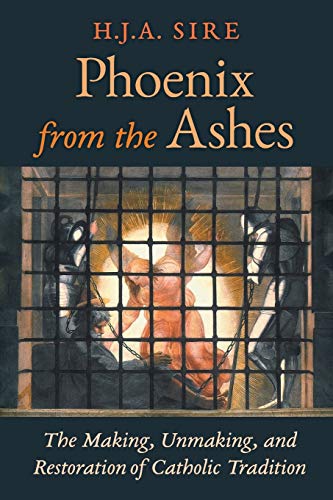
Welcome to my new thread! I liked the Raphael painting of the resurrection I used for my Easter message so much, I decided to make this thread's topper a Raphael painting too! Behold the "Liberation of Saint Peter", a 1514 fresco in the Apostolic Palace at the Vatican.
This year my theme is famous and no-so famous people associated with the category subjects. My first thread described them "giants", but on this thread I'll just call them Renaissance People (it goes with all the Raphael).
2inge87
2016 Categories
1. Robert Southwell: Classic Fiction (pre-1920)
2. The Inklings: Fantasy
3. Mary Chesnut: General Biography/Memoir
4. Naoko Takeuchi: Graphic Novels and Non-Fiction
5. Gertrud von Le Fort: Historical Fiction
6. The Venerable Bede: History
7. Dorothy L. Sayers: Mysteries
8. Fra Angelico: Other Non-Fiction
9. Beatrix Potter: Picture Books
10. George Mackay Brown: Recent Fiction (1970 onward)
11. Dominic de Guzmán: Religion
12. Élisabeth Leseur: Religious Biography/Memoir
13. Mary Stewart: Retro Fiction (1920-1969)
14. Gregor Mendel: Science
15. Herodotus: Travel
16. Frances Hodgson Burnett: YA/Juvenile Fiction
Symbol Key
* = re-read
+ = owned at least a year and still unread (Mt. TBR)
^ = foreign language book
1. Robert Southwell: Classic Fiction (pre-1920)
2. The Inklings: Fantasy
3. Mary Chesnut: General Biography/Memoir
4. Naoko Takeuchi: Graphic Novels and Non-Fiction
5. Gertrud von Le Fort: Historical Fiction
6. The Venerable Bede: History
7. Dorothy L. Sayers: Mysteries
8. Fra Angelico: Other Non-Fiction
9. Beatrix Potter: Picture Books
10. George Mackay Brown: Recent Fiction (1970 onward)
11. Dominic de Guzmán: Religion
12. Élisabeth Leseur: Religious Biography/Memoir
13. Mary Stewart: Retro Fiction (1920-1969)
14. Gregor Mendel: Science
15. Herodotus: Travel
16. Frances Hodgson Burnett: YA/Juvenile Fiction
Symbol Key
* = re-read
+ = owned at least a year and still unread (Mt. TBR)
^ = foreign language book
3inge87

1. Robert Southwell: Classic Fiction (pre-1920)
1. An Alphabet of Saints by Robert Hugh Benson - 1905 (4)
2. Lord of the World by Robert Hugh Benson - 1907 (4)
3. The Dawn of All by Robert Hugh Benson - 1911 (4)
4. Peacock Pie: A Book of Rhymes by Walter de la Mare - 1913 (4)
5. Saga of the Jómsvíkings by Anonymous+ - 13th century (3)
6. The Merchant of Venice by William Shakespeare - 1598 (3)
4inge87

2. The Inklings: Fantasy – COMPLETED 3/19
1. Sweep in Peace by Ilona Andrews (3)
2. Wickedly Dangerous by Deborah Blake (3)
3. Survival by Julie E. Czerneda+ (4)
4. Migration by Julie E. Czerneda+ (4)
5. Regeneration by Julie E. Czerneda+ (4)
6. Dreaming Death by J. Kathleen Cheney (4)
7. Winterwood by Jacey Bedford (3)
8. Moon Called by Patricia Briggs (4)
9. Blood Bound by Patricia Briggs (3)
10. Iron Kissed by Patricia Briggs (3)
11. Bone Crossed by Patricia Briggs (3)
12. Silver Borne by Patricia Briggs (3)
13. River Marked by Patricia Briggs (2)
14. Perelandra by C. S. Lewis (3)
15. Frost Burned by Patricia Briggs (3)
16. The Hobbit by J. R. R. Tolkien (4)
17. The Silver Bough by Lisa Tuttle (2)
18. Whatever Else by J. Kathleen Cheney (3)
19. The Golden City by J. Kathleen Cheney* (5)
20. The Seat of Magic by J. Kathleen Cheney* (4)
21. The Shores of Spain by J. Kathleen Cheney* (3)
22. The Seer's Choice by J. Kathleen Cheney (3)
5inge87

3. Mary Chesnut: General Biography/Memoir
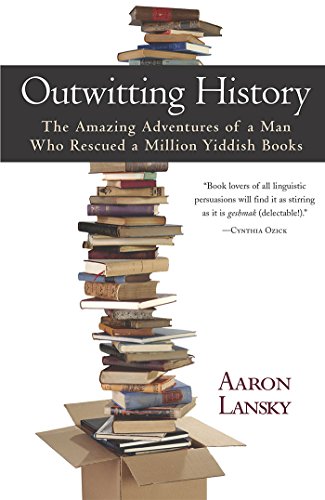
1. Outwitting History: The Amazing Adventures of a Man Who Rescued a Million Yiddish Books by Aaron Lansky (4)
2. Marked for Death: Islam's War Against the West and Me by Geert Wilders (3)
3. Mary's Monster by Ruth Van Ness Blair (4)
4. Locally Laid: How We Built a Plucky, Industry-changing Egg Farm from Scratch by Lucie B. Amundsen (3)
5. Pretty-shield: Medicine Woman of the Crows by Frank B. Linderman+ (4)
6. The Quest for Shakespeare by Joseph Pearce (4)
7. Richard II: A Brittle Glory by Laura Ashe (3)
6inge87

4. Naoko Takeuchi: Graphic Novels and Non-Fiction
1. Library Wars: Love & War, Volume 1 by Kiiro Yumi (3)
2. Girl in Dior by Annie Goetzinger (2)
3. The Comic Book Story of Beer: The World's Favorite Beverage from 7000 BC to Today's Craft Brewing Revolution by Jonathan Hennessey, Mike Smith, & Aaron McConnell (3)
4. A Bride's Story, Volume 2 by Kaoru Mori (4)
5. Karl I: The Emperor of Peace by Marcel Uderzo and Marc Bourgne (4)
7inge87

5. Gertrud von Le Fort: Historical Fiction
1. Laurus by Eugene Vodolazkin (4)
2. The Quiet Gentleman by Georgette Heyer* (4)
3. Black Sheep by Georgette Heyer* (4)
4. The Unknown Ajax by Georgette Heyer* (4)
5. With This Curse by Amanda DeWees (3)
6. Cursed Once More by Amanda DeWees (2)
7. A Man for All Seasons by Robert Bolt* (5)
8inge87
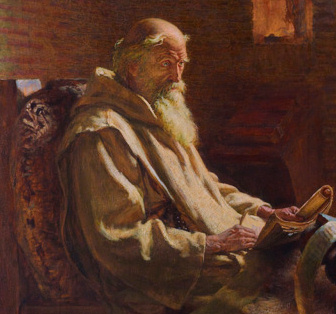
6. Bede the Venerable: History
1. Murder by Candlelight: The Gruesome Slayings Behind Our Romance with the Macabre by Michael Knox Beran (4)
2. The Gates of Europe: A History of Ukraine by Serhii Plokhy (5)
3. Mesa of Sorrows: A History of the Awat'ovi Massacre by James F. Brooks (4)
4. Strangers Below: Primitive Baptists and American Culture by Joshua Guthman (3)
5. Encounters at the Heart of the World: A History of the Mandan People by Elizabeth A. Fenn (4)
6. Mexican Martyrdom: Firsthand Accounts of the Religious Persecution in Mexico 1926-1935 by Wildrid Parsons (4)
7. Homeschool: An American History by Milton Gaither (3)
8. The Seasons: A Celebration of the English Year by Nick Groom (4)
9. Ad Infinitum: A Biography of Latin by Nicholas Ostler+ (3)
9inge87

7. Dorothy L. Sayers: Mysteries – COMPLETED 5/30
1. Quick Curtain by Alan Melville (3)
2. Death of an Airman by Christopher St. John Sprigg (4)
3. In the Bleak Midwinter by Julia Spencer-Fleming (4)
4. A Fountain Filled with Blood by Julia Spencer-Fleming (3)
5. Out of the Deep I Cry by Julia Spencer-Fleming (5)
6. Thirteen Guests by J. Jefferson Farjeon (4)
7. Winter at the Door by Sarah Graves (3)
8. The Girls She Left Behind by Sarah Graves (3)
9. Death on the Cherwell by Mavis Doriel Hay (3
10. Gaudy Night by Dorothy L. Sayers* (5)
11. Clouds of Witness by Dorothy L. Sayers (3)
12. Unnatural Death by Dorothy L. Sayers (3)
13. A Girl Like You by Michelle Cox (5)
10inge87
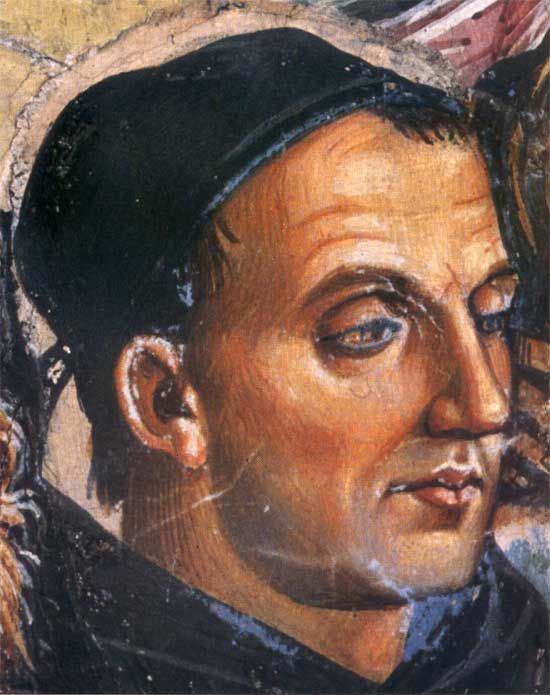
8. Fra Angelico: Other Non-Fiction – COMPLETED 6/18
1. The White Stag by Kate Seredy (2)
2. The Big Thicket: A Challenge for Conservation by Pete Gunter (4)
3. I Want to Get Married!: One Wannabe Bride's Misadventures with Handsome Houdinis, Technicolor Grooms, Morality Police, and Other Mr. Not Quite Rights by Ghada Abdel Aal (3)
4. Books Make A Home: Elegant Ideas for Storing and Displaying Books by Damian Thompson (3)
5. The Abolition of Man by C. S. Lewis (4)
6. C. S. Lewis for the Third Millennium: Six Essays on the Abolition of Man by Peter Kreeft (4)
7. Humanist Educational Treatises by Craig W. Kallendorf (ed.) (4)
8. Essays Ancient and Modern by T. S. Eliot (4)
9. The Lady in the Blue Cloak: Legends from the Texas Missions by Eric A. Kimmel & Susan Guevara (3)
10. Viking Legacy: Scandinavian Influence on the English Language by John Geipel (3)
11. First Catiline Oration by Cicero^ (4)
12. The Ring of Words: Tolkien and the Oxford English Dictionary by Peter Gilliver, Jeremy Marshall, & Edmund Wiener* (4)
13. Consider This: Charlotte Mason and the Classical Tradition by Karen Glass (4)
14. The Devil Knows Latin: Why America Needs the Classical Tradition by E. Christian Kopff+ (3)
11inge87
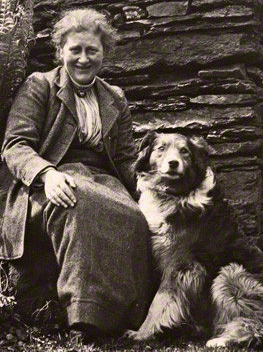
9. Beatrix Potter: Picture Books – COMPLETED 2/14
1. The Pied Piper of Peru by Ann Tompert (2)
2. Martín de Porres: The Rose in the Desert by Gary D. Schmidt (5)
3. Knots on a Counting Rope by Bill Martin, Jr. (4)
4. B is for Bear: A Natural Alphabet by Hannah Viano (3)
5. Americanine: A Haute Dog in New York by Yann Kebbi (4)
6. Saint Nicholas and the Nine Gold Coins by Jim Forest (4)
7. The Easter Chick by Géraldine Elschner (4)
8. The Nativity by Géraldine Elschner (3)
9. Finding Winnie: The True Story of the World's Most Famous Bear by Lindsay Mattick (5)
10. Saints for Girls: A First Book for Little Catholic Girls by Susan Weaver et al. (4)
11. I Sing a Song of the Saints of God by Lesbia Scott (4)
12. The Miracle of Saint Nicholas by Gloria Whelan (4)
13. Joseph and Chico: The Life of Pope Benedict XVI as Told by a Cat by Jeanne Perego (3)
14. I'm in Charge of Celebrations by Byrd Baylor (3)
15. A Time to Keep: The Tasha Tudor Book of Holidays by Tasha Tudor (3)
16. Easter: The Passion and Resurrection by Géraldine Elschner (4)
17. The Egg Tree by Katherine Milhous (3)
18. The Blue Whale by Jenni Desmond (4)
19. S is for Salmon: A Pacific Northwest Alphabet by Hannah Viano (3)
20. Shackleton's Journey by William Grill (3)
21. Wandering Whale Sharks by Susumu Shingu (4)
22. Neighborhood Sharks: Hunting with the Great Whites of California's Farallon Islands by Katherine Roy (4)
23. Time of Wonder by Robert McCloskey (3)
24. Song of the Swallows by Leo Politti (4)
25. The White Cat and the Monk: A Retelling of the Poem "Pangur Bán" by Jo Ellen Bogart & Sydney Smith (4)
26. A Fine Dessert: Four Centuries, Four Families, One Delicious Treat by Emily Jenkins & Sophie Blackall (5)
27. The Wolves of Currumpaw by William Grill (4)
12inge87

10. George Mackay Brown: Recent Fiction (1970 onward) – COMPLETED 6/11
1. Black-Eyed Susans by Julia Heaberlin - 2015 (3)
2. Friction by Sandra Brown - 2015 (3)
3. The Gentle Traditionalist: A Catholic Fairy-Tale from Ireland by Roger Buck - 2015 (4)
4. Wild Hearts by Sharon Sala - 2015 (3)
5. Cold Hearts by Sharon Sala - 2015 (3)
6. Deep in the Valley by Robyn Carr - 2000 (3)
7. Just over the Mountain by Robyn Carr - 2002 (3)
8. Down by the River by Robyn Carr - 2003 (2)
9. Elijah in Jerusalem by Michael O'Brien - 2015 (3)
10. The Walled Garden: Poems by Andrew Thornton-Norris - 2015 (2)
11. The Paradise Project by Suzie Andres - 2015 (3)
12. Cosmas, or the Love of God by Pierre de Calan* - 1977 (4)
13inge87
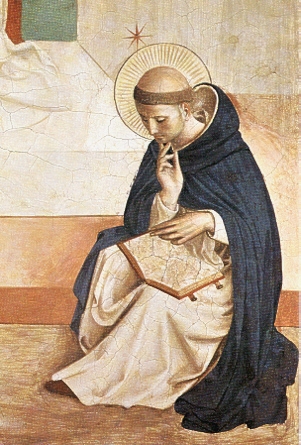
11. Dominic de Guzmán: Religion – COMPLETED 3/27 (Easter)
1. The Reign of Christ the King by Michael Davies (3)
2. Corpus Christi: Holy Communion and the Renewal of the Church by Athanasius Schneider (3)
3. The Crucified Rabbi: Judaism and the Origins of Catholic Christianity by Taylor Marshall (3)
4. You by Fulton Sheen (4)
5. Conversation with Christ: The Teaching of St. Teresa of Avila about Personal Prayer by Peter Thomas Rohrbach (4)
6. Friends of God: Homilies by Josemaría Escrivá de Balaguer (3)
7. Mit brennender Sorge by Pope Pius XI^ (4)
8. On Pascha by Melito of Sardis+ (4)
9. A Short History of the Roman Mass by Michael Davies (3)
10. The Seven Last Words by Fulton Sheen (3)
11. The Sadness of Christ by St. Thomas More+ (3)
12. The House of Gold: Lenten Sermons by Bede Jarrett, OP (5)
13. Interior Freedom by Jacques Philippe (4)
14. How to Converse with God by St. Alphonsus Liguori (4)
15. The Divine Romance by Fulton Sheen (3)
16. On the Admirability of the Virgin Theotokos by St. Lawrence of Brindisi (3)
17. Von heiligen Zeichen by Romano Guardini^ (4)
14inge87

12. Élisabeth Leseur: Religious Biography/Memoir – COMPLETED 5/8
1. Saint Martin de Porres and the Mice by Eva K. Betz (4)
2. Blessed Bishop Nicholas Charnetsky, C.SS.R. and Companions: Modern Martyrs of the Ukrainian Catholic Church by John Sianchuk (3)
3. A Story Of St. John Vianney by Brother Ernest, C.S.C. (3)
4. Demeter and Persephone: Homeric Hymn Number Two by Homer & Penelope Proddow (4)
5. Saint Germaine and the Sheep by Eva K. Betz (3)
6. Saint Athanasius by F. A. Forbes (3)
7. St. Margaret Clitherow by Margaret T. Monro (3)
8. Saint Pius V by Robin Anderson (4)
9. A Procession of Saints by James Brodrick, SJ (4)
10. Mother Elisabeth: The Resurgence of the Order of Saint Birgitta by Marguerite Tjader (2)
11. Saint Colum and the Crane by Eva K. Betz (3)
12. Blessed Miguel Pro: 20th-Century Mexican Martyr by Ann Ball (3)
13. Vom heiligen Bonifatius den Kindern erzählt by Georg Schwikart^ (4)
14. The Curé of Ars: Patron Saint of Parish Priests by Fr. Bartholomew J. O'Brien (4)
15. Radical Love by Toni Greaves (4)
15inge87

13. Mary Stewart: Retro Fiction (1920-1969)
1. The Moon-Spinners by Mary Stewart - 1962 (3)
2. The Z Murders by J. Jefferson Farjeon - 1932 (3)
3. Dshamilja by Chinghiz Aitmatov+^ - 1958 (3)
4. Last Poems by A. E. Houseman - 1922 (4)
5. Charlotte Cross and Aunt Deb by May Hollis Barton* - 1931 (4)
6. Pastoral by Nevil Shute - 1944 (4)
7. The Persimmon Tree and Other Stories by Marjorie Barnard* - 1943 (3)
16inge87

14. Gregor Mendel: Science
1. Missing Microbes: How the Overuse of Antibiotics Is Fueling Our Modern Plagues by Martin J. Blaser (4)
2. The Story of Life in 25 Fossils: Tales of Intrepid Fossil Hunters and the Wonders of Evolution by Donald R. Prothero (3)
3. Resurrection Science: Conservation, De-Extinction and the Precarious Future of Wild Things by M. R. O'Connor (3)
4. Where the Wild Things Were: Life, Death, and Ecological Wreckage in a Land of Vanishing Predators by William Stolzenburg (4)
5. California Condors in the Pacific Northwest by Jesse D'Elia & Susan M. Haig (3)
6. Dangerous Neighbors: Volcanoes and Cities by Grant Heiken (3)
7. The West without Water: What Past Floods, Droughts, and Other Climatic Clues Tell Us about Tomorrow by B. Lynn Ingram & Frances Malamud-Roam (3)
8. Eruptions that Shook the World by Clive Oppenheimer (3)
9. American Serengeti: The Last Big Animals of the Great Plains by Dan Flores (3)
10. Dead Pool: Lake Powell, Global Warming, and the Future of Water in the West by James Lawrence Powell (4)
11. Coyote America: A Natural and Supernatural History by Dan L. Flores (3)
17inge87

15. Herodotus: Travel
1. The Ghost of Flight 401 by John G. Fuller (3)
2. The Far Traveler: Voyages of a Viking Woman by Nancy Marie Brown+ (4)
3. Honey from a Weed: Fasting and Feasting in Tuscany, Catalonia, the Cyclades and Apulia by Patience Gray (4)
4. South Toward Home: Travels in Southern Literature by Margaret Eby (3)
5. Robbery Under Law by Evelyn Waugh (3)
6. Merrie England: A Journey Through the Shire by Joseph Pearce (4)
7. The Living Mountain: A Celebration of the Cairngorm Mountains of Scotland by Nan Shepherd (4)
18inge87

16. Frances Hodgson Burnett: YA/Juvenile Fiction—COMPLETED 7/22
1. Jackaby by William Ritter (3)
2. Beastly Bones by William Ritter (3)
3. Thee, Hannah! by Marguerite De Angeli (3)
4. The Glass Sentence by S. E. Grove (3)
5. Serafina and the Black Cloak by Robert Beatty (5)
6. The Golden Specific by S. E. Grove (3)
7. When We Were Very Young by A. A. Milne (3)
8. Now We are Six by A. A. Milne (3)
9. Tales from Shakespeare by Charles & Mary Lamb (4)
10. The Children of Green Knowe by Lucy M. Boston (3)
11. The Hundred Dresses by Eleanor Estes (4)
12. Time of Trial by Hester Burton (4)
19inge87
DeweyCAT
-January-
Library Wars: Love & War, Volume 1 by Kiiro Yumi
Outwitting History by Aaron Lansky
-February-
Jackaby by William Ritter
Beastly Bones by William Ritter
Dreaming Death by J. Kathleen Cheney
Wild Hearts by Sharon Sala
Cold Hearts by Sharon Sala
The Ghost of Flight 401 by John G. Fuller
-March-
Thee, Hannah! by Marguerite De Angeli
In the Bleak Midwinter by Julia Spencer-Fleming
A Fountain Filled with Blood by Julia Spencer-Fleming
Out of the Deep I Cry by Julia Spencer-Fleming
Demeter and Persephone: Homeric Hymn Number Two by Homer & Penelope Proddow
You by Fulton Sheen
Laurus by Eugene Vodolazkin
Friends of God: Homilies by Josemaría Escrivá de Balaguer
Mit brennender Sorge by Pope Pius XI
Lord of the World by Robert Hugh Benson
Saint Germaine and the Sheep by Eva K. Betz
Saint Athanasius by F. A. Forbes
On Pascha by Melito of Sardis
St. Margaret Clitherow by Margaret T. Monro
A Short History of the Roman Mass by Michael Davies
The Seven Last Words by Fulton Sheen
The Sadness of Christ by St. Tomas More+
Elijah in Jerusalem by Michael O'Brien
Saint Pius V by Robin Anderson
The House of Gold: Lenten Sermons by Bede Jarrett, OP
Easter by Géraldine Elschner
The Dawn of All by Robert Hugh Benson
Interior Freedom by Jacques Philippe
-April-
The Big Thicket by Pete Gunter
I Want to Get Married! by Ghada Abdel Aal
-May-
The Abolition of Man by C. S. Lewis
Humanist Educational Treatises by Craig W. Kallendorf (ed.)
Death on the Cherwell by Mavis Doriel Hay
The Paradise Project by Suzie Andres
The Lady in the Blue Cloak by Eric A. Kimmel & Susan Guevara
Gaudy Night by Dorothy L. Sayers
Clouds of Witness by Dorothy L. Sayers
Homeschool by Milton Gaither
Dangerous Neighbors by Grant Heiken
Unnatural Death by Dorothy L. Sayers
The Seasons: A Celebration of the English Year by Nick Groom
-June-
Viking Legacy by John Geipel
Ad Infinitum: A Biography of Latin by Nicholas Ostler
The Ring of Words by Peter Gilliver, Jeremy Marshall, & Edmund Wiener
The Devil Knows Latin by E. Christian Kopff+
-July-
The West without Water by B. Lynn Ingram & Frances Malamud-Roam
Eruptions that Shook the World by Clive Oppenheimer
American Serengeti by Dan Flores
The Living Mountain by Nan Shepherd
Coyote America by Dan L. Flores
The Wolves of Currumpaw by William Grill
GeoCAT
-January-
Saint Martin de Porres and the Mice by Eva K. Betz (Peru)
Pied Piper of Peru by Ann Tompert (Peru)
Martín de Porres: The Rose in the Desert by Gary D. Schmidt (Peru)
-February-
Corpus Christi by Athanasius Schneider (Kyrgyzstan/Kazakhstan)
A Bride's Story, Volume 2 by Kaoru Mori (Central Asia)
Dshamilja by Chinghiz Aitmatov (Kyrgyzstan)
-March-
Demeter and Persephone: Homeric Hymn Number Two by Homer & Penelope Proddow (Greece)
The White Stag by Kate Seredy (Hungary)
Laurus by Eugene Vodolazkin (Russia)
The Gates of Europe by Serhii Plokhy (Ukraine)
-April-
The Blue Whale by Jenni Desmond (Ocean)
Shackleton's Journey by William Grill (Antarctic)
Wandering Whale Sharks by Susumu Shingu (Ocean)
Mother Elisabeth by Marguerite Tjader (Sweden)
Neighborhood Sharks by Katherine Roy (Fallaron Ils., CA)
Time of Wonder by Robert McCloskey (Penobscot Bay, ME)
The Far Traveler by Nancy Marie Brown (Iceland/Greenland)
Honey from a Weed by Patience Gray (Cyclides)
-May-
Strangers Below by Joshua Guthman (USA)
Song of the Swallows by Leo Politti (California)
Blessed Miguel Pro by Ann Ball (Mexico)
Encounters at the Heart of the World by Elizabeth A. Fenn (Mandan)
Pretty-shield by Frank B. Linderman (Crow)
The Paradise Project by Suzie Andres (California)
The Lady in the Blue Cloak by Eric A. Kimmel & Susan Guevara (Texas)
Mexican Martyrdom by Wilfrid Parsons (Mexico)
South Toward Home by Margaret Eby (USA)
Homeschool: An American History by Milton Gaither (USA)
A Fine Dessert by Emily Jenkins & Sophie Blackall (USA)
Robbery Under Law by Evelyn Waugh (Mexico)
-June-
Pastoral by Nevil Shute (Australia)
The Persimmon Tree and Other Stories by Marjorie Barnard (Australia)
-January-
Library Wars: Love & War, Volume 1 by Kiiro Yumi
Outwitting History by Aaron Lansky
-February-
Jackaby by William Ritter
Beastly Bones by William Ritter
Dreaming Death by J. Kathleen Cheney
Wild Hearts by Sharon Sala
Cold Hearts by Sharon Sala
The Ghost of Flight 401 by John G. Fuller
-March-
Thee, Hannah! by Marguerite De Angeli
In the Bleak Midwinter by Julia Spencer-Fleming
A Fountain Filled with Blood by Julia Spencer-Fleming
Out of the Deep I Cry by Julia Spencer-Fleming
Demeter and Persephone: Homeric Hymn Number Two by Homer & Penelope Proddow
You by Fulton Sheen
Laurus by Eugene Vodolazkin
Friends of God: Homilies by Josemaría Escrivá de Balaguer
Mit brennender Sorge by Pope Pius XI
Lord of the World by Robert Hugh Benson
Saint Germaine and the Sheep by Eva K. Betz
Saint Athanasius by F. A. Forbes
On Pascha by Melito of Sardis
St. Margaret Clitherow by Margaret T. Monro
A Short History of the Roman Mass by Michael Davies
The Seven Last Words by Fulton Sheen
The Sadness of Christ by St. Tomas More+
Elijah in Jerusalem by Michael O'Brien
Saint Pius V by Robin Anderson
The House of Gold: Lenten Sermons by Bede Jarrett, OP
Easter by Géraldine Elschner
The Dawn of All by Robert Hugh Benson
Interior Freedom by Jacques Philippe
-April-
The Big Thicket by Pete Gunter
I Want to Get Married! by Ghada Abdel Aal
-May-
The Abolition of Man by C. S. Lewis
Humanist Educational Treatises by Craig W. Kallendorf (ed.)
Death on the Cherwell by Mavis Doriel Hay
The Paradise Project by Suzie Andres
The Lady in the Blue Cloak by Eric A. Kimmel & Susan Guevara
Gaudy Night by Dorothy L. Sayers
Clouds of Witness by Dorothy L. Sayers
Homeschool by Milton Gaither
Dangerous Neighbors by Grant Heiken
Unnatural Death by Dorothy L. Sayers
The Seasons: A Celebration of the English Year by Nick Groom
-June-
Viking Legacy by John Geipel
Ad Infinitum: A Biography of Latin by Nicholas Ostler
The Ring of Words by Peter Gilliver, Jeremy Marshall, & Edmund Wiener
The Devil Knows Latin by E. Christian Kopff+
-July-
The West without Water by B. Lynn Ingram & Frances Malamud-Roam
Eruptions that Shook the World by Clive Oppenheimer
American Serengeti by Dan Flores
The Living Mountain by Nan Shepherd
Coyote America by Dan L. Flores
The Wolves of Currumpaw by William Grill
GeoCAT
-January-
Saint Martin de Porres and the Mice by Eva K. Betz (Peru)
Pied Piper of Peru by Ann Tompert (Peru)
Martín de Porres: The Rose in the Desert by Gary D. Schmidt (Peru)
-February-
Corpus Christi by Athanasius Schneider (Kyrgyzstan/Kazakhstan)
A Bride's Story, Volume 2 by Kaoru Mori (Central Asia)
Dshamilja by Chinghiz Aitmatov (Kyrgyzstan)
-March-
Demeter and Persephone: Homeric Hymn Number Two by Homer & Penelope Proddow (Greece)
The White Stag by Kate Seredy (Hungary)
Laurus by Eugene Vodolazkin (Russia)
The Gates of Europe by Serhii Plokhy (Ukraine)
-April-
The Blue Whale by Jenni Desmond (Ocean)
Shackleton's Journey by William Grill (Antarctic)
Wandering Whale Sharks by Susumu Shingu (Ocean)
Mother Elisabeth by Marguerite Tjader (Sweden)
Neighborhood Sharks by Katherine Roy (Fallaron Ils., CA)
Time of Wonder by Robert McCloskey (Penobscot Bay, ME)
The Far Traveler by Nancy Marie Brown (Iceland/Greenland)
Honey from a Weed by Patience Gray (Cyclides)
-May-
Strangers Below by Joshua Guthman (USA)
Song of the Swallows by Leo Politti (California)
Blessed Miguel Pro by Ann Ball (Mexico)
Encounters at the Heart of the World by Elizabeth A. Fenn (Mandan)
Pretty-shield by Frank B. Linderman (Crow)
The Paradise Project by Suzie Andres (California)
The Lady in the Blue Cloak by Eric A. Kimmel & Susan Guevara (Texas)
Mexican Martyrdom by Wilfrid Parsons (Mexico)
South Toward Home by Margaret Eby (USA)
Homeschool: An American History by Milton Gaither (USA)
A Fine Dessert by Emily Jenkins & Sophie Blackall (USA)
Robbery Under Law by Evelyn Waugh (Mexico)
-June-
Pastoral by Nevil Shute (Australia)
The Persimmon Tree and Other Stories by Marjorie Barnard (Australia)
20inge87
RandomCAT
-January-
Saint Nicholas and the Nine Gold Coins by Jim Forest
The Nativity by Géraldine Elschner
The Gentle Traditionalist by Roger Buck
-February-
Jackaby by William Ritter
Beastly Bones by William Ritter
Finding Winnie by Lindsay Mattick
-March-
I'm in Charge of Celebrations by Byrd Baylor
A Time to Keep by Tasha Tudor
-April-
The Big Thicket by Pete Gunter
Karl I by Marcel Uderzo & Marc Bourgne
Wandering Whale Sharks by Susumu Shingu
Where the Wild Things Were by William Stolzenburg
-May-
The Children of Green Knowe by Lucy M. Boston
The Lady in the Blue Cloak by Eric A. Kimmel & Susan Guevara
The White Cat and the Monk by Jo Ellen Bogart & Sydney Smith
-June-
Cosmas, or the Love of God by Pierre de Calan
The Hundred Dresses by Eleanor Estes
The Ring of Words by Peter Gilliver, Jeremy Marshall, & Edmund Wiener
The Quiet Gentleman by Georgette Heyer
Black Sheep by Georgette Heyer
The Unknown Ajax by Georgette Heyer
-July-
The West without Water by B. Lynn Ingram & Frances Malamud-Roam
The Golden City by J. Kathleen Cheney
Dead Pool by James Lawrence Powell
A Man for All Seasons by Robert Bolt
Time of Trial by Hester Burton
SFFKIT
-Jan-
Survival by Julie E. Czerneda+
Migration by Julie E. Czerneda+
Regeneration by Julie E. Czerneda+
-Feb-
Jackaby by William Ritter
Beastly Bones by William Ritter
Dreaming Death by J. Kathleen Cheney
Winterwood by Jacey Bedford
-March-
The Glass Sentence by S. E. Grove
Serafina and the Black Cloak by Robert Beatty
Moon Called by Patricia Briggs
Blood Bound by Patricia Briggs
Iron Kissed by Patricia Briggs
The Golden Specific by S. E. Grove
Bone Crossed by Patricia Briggs
Silver Borne by Patricia Briggs
Lord of the World by Robert Hugh Benson
Elijah in Jerusalem by Michael O'Brien
The Dawn of All by Robert Hugh Benson
-April-
Perelandra by C. S. Lewis
-June-
The Hobbit by J. R. R. Tolkien
The Silver Bough by Lisa Tuttle
-July-
Whatever Else by J. Kathleen Cheney
The Golden City by J. Kathleen Cheney
The Seat of Magic by J. Kathleen Cheney
The Shores of Spain by J. Kathleen Cheney
The Seer's Choice by J. Kathleen Cheney
-January-
Saint Nicholas and the Nine Gold Coins by Jim Forest
The Nativity by Géraldine Elschner
The Gentle Traditionalist by Roger Buck
-February-
Jackaby by William Ritter
Beastly Bones by William Ritter
Finding Winnie by Lindsay Mattick
-March-
I'm in Charge of Celebrations by Byrd Baylor
A Time to Keep by Tasha Tudor
-April-
The Big Thicket by Pete Gunter
Karl I by Marcel Uderzo & Marc Bourgne
Wandering Whale Sharks by Susumu Shingu
Where the Wild Things Were by William Stolzenburg
-May-
The Children of Green Knowe by Lucy M. Boston
The Lady in the Blue Cloak by Eric A. Kimmel & Susan Guevara
The White Cat and the Monk by Jo Ellen Bogart & Sydney Smith
-June-
Cosmas, or the Love of God by Pierre de Calan
The Hundred Dresses by Eleanor Estes
The Ring of Words by Peter Gilliver, Jeremy Marshall, & Edmund Wiener
The Quiet Gentleman by Georgette Heyer
Black Sheep by Georgette Heyer
The Unknown Ajax by Georgette Heyer
-July-
The West without Water by B. Lynn Ingram & Frances Malamud-Roam
The Golden City by J. Kathleen Cheney
Dead Pool by James Lawrence Powell
A Man for All Seasons by Robert Bolt
Time of Trial by Hester Burton
SFFKIT
-Jan-
Survival by Julie E. Czerneda+
Migration by Julie E. Czerneda+
Regeneration by Julie E. Czerneda+
-Feb-
Jackaby by William Ritter
Beastly Bones by William Ritter
Dreaming Death by J. Kathleen Cheney
Winterwood by Jacey Bedford
-March-
The Glass Sentence by S. E. Grove
Serafina and the Black Cloak by Robert Beatty
Moon Called by Patricia Briggs
Blood Bound by Patricia Briggs
Iron Kissed by Patricia Briggs
The Golden Specific by S. E. Grove
Bone Crossed by Patricia Briggs
Silver Borne by Patricia Briggs
Lord of the World by Robert Hugh Benson
Elijah in Jerusalem by Michael O'Brien
The Dawn of All by Robert Hugh Benson
-April-
Perelandra by C. S. Lewis
-June-
The Hobbit by J. R. R. Tolkien
The Silver Bough by Lisa Tuttle
-July-
Whatever Else by J. Kathleen Cheney
The Golden City by J. Kathleen Cheney
The Seat of Magic by J. Kathleen Cheney
The Shores of Spain by J. Kathleen Cheney
The Seer's Choice by J. Kathleen Cheney
21inge87
BingoDOG
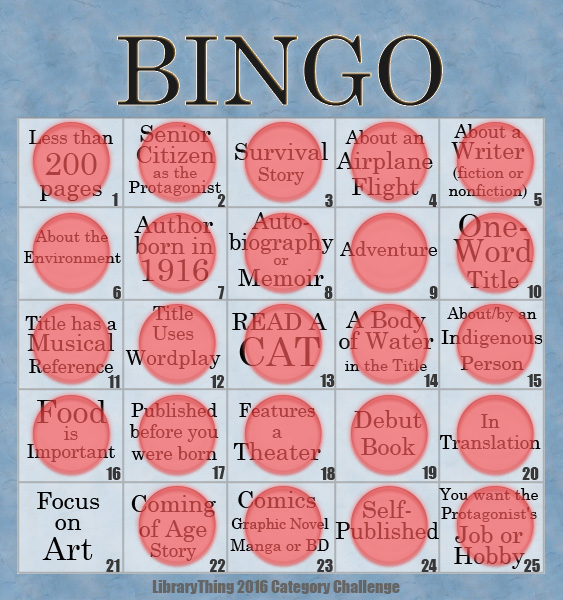
1. Blessed Bishop Nicholas Charnetsky, C.SS.R. and Companions by John Sianchuk
2. Elijah in Jerusalem by Michael O'Brien
3. The Golden City by J. Kathleen Cheney
4. Death of an Airman by Christopher St. John Sprigg
5. Gaudy Night by Dorothy L. Sayers
6. Resurrection Science by M. R. O'Connor
7. The Moon-Spinners by Mary Stewart
8. Outwitting History by Aaron Lansky
9. Saga of the Jómsvíkings by Anonymous
10. Survival by Julie E. Czerneda
11. The Ring of Words by Peter Gilliver, Jeremy Marshall, & Edmund Wiener
12. Where the Wild Things Were by William Stolzenburg
13. Migration by Julie E. Czerneda
14. Death on the Cherwell by Mavis Doriel Hay
15. Pretty-shield by Frank B. Linderman
16. Sweep in Peace by Ilona Andrews
17. The Z Murders by J. Jefferson Farjeon
18. Quick Curtain by Alan Melville
19. In the Bleak Midwinter by Julia Spencer-Fleming
20. Dshamilja by Chinghiz Aitmatov
22. Time of Trial by Hester Burton
23. Library Wars: Love & War, Volume 1 by Kiiro Yumi
24. The Walled Garden: Poems by Andrew Thornton-Norris
25. Mary's Monster by Ruth Van Ness Blair
Woman BingoPUP
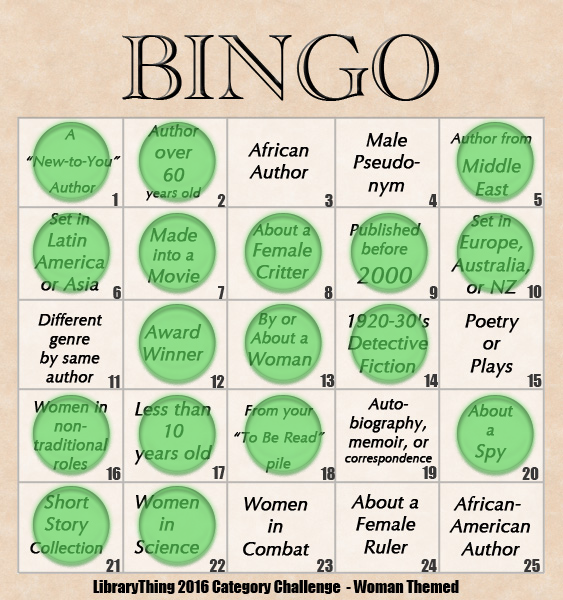
1. Black-Eyed Susans by Julia Heaberlin
2. The Children of Green Knowe by Lucy M. Boston
5. I Want to Get Married! by Ghada Abdel Aal
6. A Bride's Story, Volume 2 by Kaoru Mori
7. The Moon-Spinners by Mary Stewart
8. Locally Laid by Lucie B. Amundsen
9. St. Margaret Clitherow by Margaret T. Monro
10. The Quiet Gentleman by Georgette Heyer
12. Encounters at the Heart of the World: A History of the Mandan People by Elizabeth A. Fenn
13. Migration by Julie E. Czerneda
14. Death on the Cherwell by Mavis Doriel Hay
16. Library Wars: Love & War, Vol. 1 by Kiiro Yumi
17. Dreaming Death by J. Kathleen Cheney
18. The Far Traveler by Nancy Marie Brown
20. The Golden City by J. Kathleen Cheney
21. The Persimmon Tree and Other Stories by Marjorie Barnard
22. Survival by Julie E. Czerneda
1. Blessed Bishop Nicholas Charnetsky, C.SS.R. and Companions by John Sianchuk
2. Elijah in Jerusalem by Michael O'Brien
3. The Golden City by J. Kathleen Cheney
4. Death of an Airman by Christopher St. John Sprigg
5. Gaudy Night by Dorothy L. Sayers
6. Resurrection Science by M. R. O'Connor
7. The Moon-Spinners by Mary Stewart
8. Outwitting History by Aaron Lansky
9. Saga of the Jómsvíkings by Anonymous
10. Survival by Julie E. Czerneda
11. The Ring of Words by Peter Gilliver, Jeremy Marshall, & Edmund Wiener
12. Where the Wild Things Were by William Stolzenburg
13. Migration by Julie E. Czerneda
14. Death on the Cherwell by Mavis Doriel Hay
15. Pretty-shield by Frank B. Linderman
16. Sweep in Peace by Ilona Andrews
17. The Z Murders by J. Jefferson Farjeon
18. Quick Curtain by Alan Melville
19. In the Bleak Midwinter by Julia Spencer-Fleming
20. Dshamilja by Chinghiz Aitmatov
22. Time of Trial by Hester Burton
23. Library Wars: Love & War, Volume 1 by Kiiro Yumi
24. The Walled Garden: Poems by Andrew Thornton-Norris
25. Mary's Monster by Ruth Van Ness Blair
Woman BingoPUP
1. Black-Eyed Susans by Julia Heaberlin
2. The Children of Green Knowe by Lucy M. Boston
5. I Want to Get Married! by Ghada Abdel Aal
6. A Bride's Story, Volume 2 by Kaoru Mori
7. The Moon-Spinners by Mary Stewart
8. Locally Laid by Lucie B. Amundsen
9. St. Margaret Clitherow by Margaret T. Monro
10. The Quiet Gentleman by Georgette Heyer
12. Encounters at the Heart of the World: A History of the Mandan People by Elizabeth A. Fenn
13. Migration by Julie E. Czerneda
14. Death on the Cherwell by Mavis Doriel Hay
16. Library Wars: Love & War, Vol. 1 by Kiiro Yumi
17. Dreaming Death by J. Kathleen Cheney
18. The Far Traveler by Nancy Marie Brown
20. The Golden City by J. Kathleen Cheney
21. The Persimmon Tree and Other Stories by Marjorie Barnard
22. Survival by Julie E. Czerneda
22inge87
Currently Reading:
The Art Deco Murals of Hildreth Meiere
The Secret Diary of Elisabeth Leseur
Ancha es Castilla^
Total books read so far: 191
Top of the TBR Pile:
The Cabaret of Plants
The Outermost House+
Sir Thomas More
The Unpleasantness at the Bellona Club
August Prospects
After the War
Georgics
Ghostly Echoes
Hope for the World
House of Plenty
Longleaf, Far as the Eye Can See
Peking Picnic*
Serafina and the Twisted Staff
Strange Gods
Swallows and Amazons
A Thousand Words for Stranger
The Way of an Eagle
The World That Was Ours
mr 181; cb 151-67
The Art Deco Murals of Hildreth Meiere
The Secret Diary of Elisabeth Leseur
Ancha es Castilla^
Total books read so far: 191
Top of the TBR Pile:
The Cabaret of Plants
The Outermost House+
Sir Thomas More
The Unpleasantness at the Bellona Club
August Prospects
After the War
Georgics
Ghostly Echoes
Hope for the World
House of Plenty
Longleaf, Far as the Eye Can See
Peking Picnic*
Serafina and the Twisted Staff
Strange Gods
Swallows and Amazons
A Thousand Words for Stranger
The Way of an Eagle
The World That Was Ours
mr 181; cb 151-67
23VictoriaPL
Love the topper! I had not seen that one before.
24inge87
>23 VictoriaPL: Thanks! I think I have a book with part of it on the cover, but I actually discovered it by trawling through the Raphael paintings on Wiki Commons. It's a remarkable work of art.
25inge87
>24 inge87: I found it! I had no idea the cover was a Raphael: Phoenix from the Ashes: The Making, Unmaking, and Restoration of Catholic Tradition by H. J. A. Sire
26MissWatson
I agree, gorgeous picture. And an amazing amount of books under your belt!
27inge87
>26 MissWatson: Thanks!
28inge87
Best of the Cats (So Far)!







1. Robert Southwell: Lord of the World by Robert Hugh Benson
2. The Inklings: Species Imperative: Survival, Migration, Regeneration by Julie E. Czerneda
3. Mary Chesnut: Outwitting History: The Amazing Adventures of a Man Who Rescued a Million Yiddish Books by Aaron Lansky
4. Naoko Takeuchi: A Bride's Story, Volume 2 by Kaoru Mori
5. Gertrud von Le Fort: Laurus by Eugene Vodolazkin
6. The Venerable Bede: The Gates of Europe: A History of Ukraine by Serhii Plokhy
7. Dorothy L. Sayers: Out of the Deep I Cry by Julia Spencer-Fleming
8. Fra Angelico: No Award
9. Beatrix Potter: Finding Winnie: The True Story of the World's Most Famous Bear by Lindsay Mattick
10. George Mackay Brown: The Gentle Traditionalist: A Catholic Fairy-Tale from Ireland by Roger Buck
11. Dominic de Guzmán: The House of Gold: Lenten Sermons by Bede Jarrett, OP
12. Élisabeth Leseur: Demeter and Persephone: Homeric Hymn Number Two by Homer & Penelope Proddow
13. Mary Stewart: Dshamilja by Chinghiz Aitmatov
14. Gregor Mendel: Missing Microbes: How the Overuse of Antibiotics Is Fueling Our Modern Plagues by Martin J. Blaser
15. Herodotus: No Award
16. Frances Hodgson Burnett: Serafina and the Black Cloak by Robert Beatty


1. Robert Southwell: Lord of the World by Robert Hugh Benson
2. The Inklings: Species Imperative: Survival, Migration, Regeneration by Julie E. Czerneda
3. Mary Chesnut: Outwitting History: The Amazing Adventures of a Man Who Rescued a Million Yiddish Books by Aaron Lansky
4. Naoko Takeuchi: A Bride's Story, Volume 2 by Kaoru Mori
5. Gertrud von Le Fort: Laurus by Eugene Vodolazkin
6. The Venerable Bede: The Gates of Europe: A History of Ukraine by Serhii Plokhy
7. Dorothy L. Sayers: Out of the Deep I Cry by Julia Spencer-Fleming
8. Fra Angelico: No Award
9. Beatrix Potter: Finding Winnie: The True Story of the World's Most Famous Bear by Lindsay Mattick
10. George Mackay Brown: The Gentle Traditionalist: A Catholic Fairy-Tale from Ireland by Roger Buck
11. Dominic de Guzmán: The House of Gold: Lenten Sermons by Bede Jarrett, OP
12. Élisabeth Leseur: Demeter and Persephone: Homeric Hymn Number Two by Homer & Penelope Proddow
13. Mary Stewart: Dshamilja by Chinghiz Aitmatov
14. Gregor Mendel: Missing Microbes: How the Overuse of Antibiotics Is Fueling Our Modern Plagues by Martin J. Blaser
15. Herodotus: No Award
16. Frances Hodgson Burnett: Serafina and the Black Cloak by Robert Beatty
29mamzel
You are certainly reading up a storm! Happy new thread!
The dark knights in your topper look like they could be in any modern scifi movie!
The dark knights in your topper look like they could be in any modern scifi movie!
30inge87
>29 mamzel: Thanks! I'm sure more than one costumer has been inspired by Raphael or the other Renaissance painters. They have such a powerful mastery of form and color.
31rabbitprincess
Hurray, new thread! Congratulations on three categories completed already!
32inge87
>31 rabbitprincess: Thanks, time flies when you're having fun!
33inge87

The Blue Whale by Jenni Desmond
Categories: Beatrix Potter, GeoCAT
Keywords: non-fiction, British non-fiction, juvenile non-fiction, picture book, science, natural science, animals, mammals, whales, blue whales, ocean
Did you know that a blue whale weighs as much as 55 hippos, that 50 people can fit in its mouth, but that its eyes are only six inches wide? If you didn't, The Blue Whale will set you straight, and if you did then this is your dream book. A wonderful picture book about the world's largest animal, it has everything you ever wanted to know about blue whales and maybe some things you didn't. But the facts never overwhelm the reader or the whales, because you're having too much fun. Where else could you learn that blue whale poop is orange, or that they can blow air through their blowholes to the height of 9 seven-year-olds? The answer: nowhere.
To top it off, the excellent text is backed up by some remarkable illustrations that help put the facts in perspective. The perfect book for whale-lovers, both young and young-at-heart, it's also a great starting point for getting children excited about biology and natural science.
First Line: Once upon a time, a child took a book from a shelf and started to read.
35inge87
>34 -Eva-: Thanks!
36inge87

S is for Salmon: A Pacific Northwest Alphabet by Hannah Viano
Categories: Beatrix Potter
Keywords: non-fiction, American non-fiction, juvenile non-fiction, picture book, alphabet book, Pacific Northwest, signed by author, Easter present
S is for Salmon is Hannah Viano's first book. An alphabet book inspired by the flora and fauna of her native Pacific Northwest, it has you covered from "anemone" to "zephyr". Her art is fantastic, wonderful paper-cuts that she then digitally colors and have a fantastic retro look. The text could have tied into the illustrations better; sometimes it seemed rather irrelevant and didn't actually explain what the plant or animal in the image actually was or did. But it's her first book, so I'll cut her some slack. Plus, with art that good, I'm inclined to be generous.
A nice alphabet book with brilliant art. Especially recommended for lovers of the Pacific Northwest, but nothing is too specialized that it couldn't be appreciated or used in other parts of the country.
First Line: Tucked away when exposed to low tide, the tentacles of a sea ANEMONE reach out when the water returns.
37inge87
The Big Thicket: A Challenge for Conservation by Pete Gunter
Categories: Fra Angelico, DeweyCAT, RandomCAT
Keywords: non-fiction, American non-fiction, natural history, conservation, Big Thicket, Texas, Texana, lumber industry, politics, national parks
The Big Thicket is a book written for a specific purpose: to get what was left of the Big Thicket ecosystem in East Texas declared a national park. The land is a longleaf pine forest/swamp and contained species found nowhere else in Texas. There had been several failed efforts in the late 60s and in 1970, and at the time the book was written in 1971, it looked like the logging companies might win. But, perhaps with the help of this book, the Big Thicket National Preserve was created in 1974 by President Ford, and it continues to be added to today.
The southern part of East Texas is the most backwater part of a region that most Texas already consider backwards. The soil doesn't support much agriculture, so the dominant industry is lumber, which is a lot like coal with company towns and the associated poverty. In spite of its beauty and ecological significance, the Thicket swampland was so little valued that the Alabama and Coushatta tribes were granted reservations there in the 1830s and 40s and never pushed out. They alone seemed to value the Thicket for itself and not for what they could get out of it.
The book contains a description of the wide diversity of animals and plants found in the Big Thicket, a history of the local lumber industry, some short biographies of those who have contributed to attempts to conserve the forest, as well as the stories of those locals who decided to destroy it to keep it out of government hands (some things never change). Interspersed with the narrative are some lovely black-and-white photographs of the Big Thicket and local people. The end of the book contains an appendix listing the common and scientific names of many of the plants and animals that can be found in the Big Thicket. I've never been to the Big Thicket (it's between 3 and 4 hours southeast of me), but having read this book, I'd like to make the trip someday to see what is left. Highly recommended for those who enjoy books about conservation or those interested in the Big Thicket and southeast Texas.
First Line: Long ago, before the conquistadores sailed from Spain or the first pioneers foraged warily into the Appalachians, there sprawled across almost one hundred miles of what is now Southeast Texas a lush semitropical wilderness.
38inge87

Shackleton's Journey by William Grill
Categories: Beatrix Potter, GeoCAT
Keywords: non-fiction, British non-fiction, history, exploration, polar exploration, Antarctica, Ernest Shackleton, cold, travel, survival
Shackleton's Journey is the tale of Ernest Shackleton's great Antarctic adventure adapted into picture book format. The text is excellent and really helps the reader explore all aspects of the expedition from its very beginnings in London to its end on a boat headed to Chile. This is probably a book best suited for older children, because there is a lot of small text and trivia, but also because it does deal with some rather adult subject matter. The comment about having to kill the surviving dogs before putting out to sea could especially be troubling for sensitive readers. But it's a book about a group of people almost dying but yet surviving, so that's to be expected.
The illustrations are on the whole good (the book won the 2015 Kate Greenaway Medal, the British equivalent to the Caldecott) and are done in colored pencil. This works very well with the smaller, thumb-nail-sized images, but for some reason with larger images it almost looks as if they were done small and then blown up, because they are much less crisp and almost pixelated. I'm not sure if that's a problem with my copy or just the way they are meant to be.
Overall, a quality book. Recommended for Shackleton fans and older children interested in polar exploration or Antarctica.
First Line: Born on 15 February 1874, Shackleton was the second of ten children.
39Chrischi_HH
Happy new thread! I'm really impressed by the number of books you've already read this year. And even completed some of your categories, wow!
40inge87
>39 Chrischi_HH: Thanks! Considering how many I had read this time last year, I'm rather surprised myself at how much I've gotten done.
41inge87
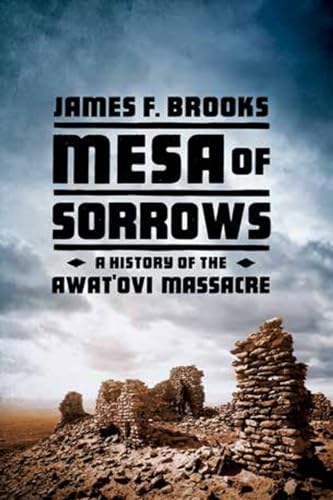
Mesa of Sorrows: A History of the Awat'ovi Massacre by James F. Brooks
Categories: Bede the Venerable
Keywords: non-fiction, American non-fiction, history, Native American history, Southwestern history, Hopi history, Hopi Nation, colonization, missionaries, politics, government, revolt, politics, religion, discord, migration, massacre, ruins, anthropologists
On an autumn night in 1700 the Hopi village of Awat'ovi was destroyed, it's men killed and its women and children either killed or parceled out among the victors. But these attackers were not Spanish invaders or traditional Hopi enemies such as the Utes or Apaches, but Hopis from neighboring villages. Mesa of Sorrows shows how this massacre was not some sudden random act of violence but rather part of a larger trend rooted deep in the Hopi historical conscience. In the Hopi world, life is constantly threatened by chaos (koyaanisqatsi). Again and again in Hopi tradition, there are stories of past villages who are become the source of witchery and are destroyed so that their chaos cannot spread and the community can experience healing and rebirth. Often, as at Awat'ovi, the destruction is ordered by the village head. The story of Awat'ovi still lingers on as descendants of both survivors and perpetrators grapple with its legacy, a legacy that caused many complications for anthropological teams who attempted to excavate the ruins in the late 19th and early twentieth century.
Awat'ovi's path to destruction began years before its end, with the arrival of Spanish missionaries on the Hopi mesas in the early 1600s. The Pueblo Revolt of 1680 only increased tensions in the area. People who were doing things differently were inviting koyaanisqatsi, and Awat'ovi was definitely doing things differently. Once the Catholic missionaries returned in the late 1690s, it was only a matter of time before things came to a head and the town's chief had his village and its sorcerers destroyed.
An extremely interesting book about a thought process completely alien to the modern Western mindset, and a historical event that has left lingering traces across northeastern Arizona. Highly recommended for anyone interested in interesting histories, the American Southwest, or Native American history.
First Line: I had thought about the bodies, but not about the bones.
42inge87

River Marked by Patricia Briggs
Categories: The Inklings
Series: Mercy Thompson (6/?)
Keywords: fiction, American fiction, fantasy, urban fantasy, werewolves, coyote shifters, fae, family, vampires, friendship, secrets, marriage, honeymoon, river monsters, Native American magic, Coyote
River Marked is probably the weakest of the Mercy Thompson books so far. She and Adam finally tie the knot and head off on a fae-sponsored honeymoon. Seeing as the fae are involved they probably should have thought twice. Especially once it becomes apparent that a river monster is killing people. And wants to eat Mercy badly. On the plus side, we learn a lot about Mercy's paternal heritage and the native American magics (vs. European imports like werewolves, vampires, and fae). But something about the plot just didn't sit well with me. Still, if you've liked the rest of the series, you won't want to skip this one—there's too much useful new information in it.
First Line: Under the glare of streetlights, I could see that the grass of Stefan's front lawn was dried to yellow by the high summer heat.
43inge87

Karl I: The Emperor of Peace by Marcel Uderzo & Marc Bourgne
Categories: Naoko Takeuchi, RandomCAT
Keywords: non-fiction, French non-fiction, graphic non-fiction, Austria-Hungary, Karl I of Austria, hagiography, biography, WWI, revolution, Madeira
Karl I is a remarkable biography of Karl I of Austria, also known as Charles of Austria, done in a comic-book style. This graphic biography covers his entire life, but focuses on the period surrounding the Assassination of his uncle at Sarajevo and World War I. Karl is the epitome of the servant leader, who puts his country above himself. He was also a pacifist who came to power in the middle of one of the most violent wars in history, and tried his hardest to make peace when others would not. All of this comes across very clearly in the text. It also does shy away from the religious origins of his conscience. Was he a bit too naïve? Probably. But it makes you wonder what he might have been able to accomplish if he had been born for more peaceful times. Highly recommended for anyone interested in Emperor Karl, the First World War, or Austrian history.
Note: If you read this and cannot resist getting a hold of a copy, the only place that seems to have them is the publisher here.
First Line: You see, children, whenever anyone asked your great-grandfather about his goals and purpose in life, he always answered: "My entire endeavor, in all things, is to recognize as clearly as possible the will of God, and to follow it as closely as I can."
44inge87

I Want to Get Married!: One Wannabe Bride's Misadventures with Handsome Houdinis, Technicolor Grooms, Morality Police, and Other Mr. Not Quite Rights by Ghada Abdel Aal
Categories: Fra Angelico, DeweyCAT, WomanBingoPUP
Keywords: non-fiction, Egyptian non-fiction, satire, single ladies, bad dates, marriage, courtship, matchmaking, family, social pressure, women's studies, Egypt, Middle East, blog-inspired
I Want to Get Married! is a satire of the life of a young, single Egyptian woman trying to find a man. Based on the author's blog, which apparently became a pop culture sensation, the book tells of "Bride"'s various attempts at matchmaking, all of which end up being spectacular failures for one reason or another. However, beneath the slapstick is a serious commentary about gender relations and roles in modern Egyptian society. The Bride is a pharmacist, but because she is unmarried she is seen as lacking. The men she meets are willing to use women's desperation for their own ends, and often have wildly unrealistic expectations that completely ignore their own flaws. Part story, part advice column, I Want to Get Married! is an interesting take on a situation few Westerners are familiar with, which is why it has been translated into multiple languages. All of the cultural references are foot-noted, so you don't have to run and look up the various film stars or Arabic phrases, which does help with accessibility. Recommended for those interested in women in modern non-Western societies or contemporary Egyptian culture.
First Line: Say your bismillahs and stick with me step by step.
45inge87
I normally don't do library haul posts, but I ended up spelunking in the children's section and found some really interesting stuff. April is National Poetry Month here in the US, so I might have used that as an excuse to get a bit carried away . . .
Books I actually went to get:
The Children of Green Knowe by L. M. Boston
Hannah Fowler by Janice Holt Giles
Other books I walked out with:
When We Were Very Young & Now We Are Six by A. A. Milne
Peacock Pie: A Book of Rhymes by Walter de la Mare
Tales from Shakespeare by Charles & Mary Lamb
I, Juan de Pareja by Elizabeth Borton de Treviño
Oxford Book of Poetry for Children by Edward Blishen (illustrated by Brian Wildsmith!)
Time of Wonder by Robert McCloskey
One of the nice things about having a low-budget public library is that they hold onto some things long after wealthier libraries would have discarded them.
Books I actually went to get:
The Children of Green Knowe by L. M. Boston
Hannah Fowler by Janice Holt Giles
Other books I walked out with:
When We Were Very Young & Now We Are Six by A. A. Milne
Peacock Pie: A Book of Rhymes by Walter de la Mare
Tales from Shakespeare by Charles & Mary Lamb
I, Juan de Pareja by Elizabeth Borton de Treviño
Oxford Book of Poetry for Children by Edward Blishen (illustrated by Brian Wildsmith!)
Time of Wonder by Robert McCloskey
One of the nice things about having a low-budget public library is that they hold onto some things long after wealthier libraries would have discarded them.
46inge87
I'm currently well into Walter de la Mare's Peacock Pie, which although shelved in juvenile poetry is also a perfectly serviceable book of light verse for adults. And since this is National Poetry Month, I figured this thread could use some poetry, so here's one from the book:
THE BOOKWORM
'I'm tired - Oh, tired of books,' said Jack,
'I long for meadows green,
And woods, where shadowy violets
Nod their cool leaves between;
I long to see the ploughman stride
His darkening acres o'er,
To hear the hoarse sea-waters drive
Their billows 'gainst the shore;
I long to watch the sea-mew wheel
Back to her rock-perched mate;
Or, where the breathing cows are housed,
Lean dreaming o'er the gate.
Something has gone, and ink and print
Will never bring it back;
I long for the green fields again,
I'm tired of books,' said Jack.
THE BOOKWORM
'I'm tired - Oh, tired of books,' said Jack,
'I long for meadows green,
And woods, where shadowy violets
Nod their cool leaves between;
I long to see the ploughman stride
His darkening acres o'er,
To hear the hoarse sea-waters drive
Their billows 'gainst the shore;
I long to watch the sea-mew wheel
Back to her rock-perched mate;
Or, where the breathing cows are housed,
Lean dreaming o'er the gate.
Something has gone, and ink and print
Will never bring it back;
I long for the green fields again,
I'm tired of books,' said Jack.
47inge87

Mary's Monster by Ruth Van Ness Blair
Categories: Mary Chesnut, BingoDOG
Keywords: non-fiction, American non-fiction, juvenile non-fiction, biography, science, women scientists, Mary Anning, paleontology, fossil hunting
Mary's Monster is a charming biography of a pioneering woman fossil-hunter, who made many discoveries in the cliffs on the Dorset coast near Lyme (the place where Louisa Musgrove falls in Persuasion). Mary Anning grows up helping her father discover fossils, or "curiosities" during the off season, so they can clean them up and sell them to tourists to make extra money. When her father dies, Mary, still a child, takes to fossil-hunting to help provide much needed extra income. Her family helps her and her brother uncovers a strange skull. Then one day, after a great storm, Mary uncovers the rest of the skeleton. Just what is this monster? (The eventual answer: an ichthyosaur). This discovery helps Mary make a name for herself and she soon has friends and corresponds with scientists across the country. She never gets the kind of attention that a man would have, but eventually her friends get her a pension for her contributions to science.
A great biography about an important woman in the history of science. A bonus are the many lovely black-and-white pen-and-wash illustrations. It is probably best described as intermediate reading level and because of this focuses on her youth and summarizes the rest of her post-ichthyosaur life in the last chapter. Mary Anning has had more recent biographies written about her, but do any of them have a cover this fabulous? Definitely not. Highly recommended for those interesting in female scientists, the history of science, fossil-hunting, or Dorset.
First Line: Many years ago—long before automobiles, airplanes, radio, and television were invented—a little girl was born in the town of Lyme Regis on the southern coast of England.
48inge87
And, just like that, I have another BingoDOG bingo! This one is a diagonal:
Upper left to lower right:
1. Less than 200 pages: Blessed Bishop Nicholas Charnetsky, C.SS.R. and Companions by John Sianchuk
7. Author born in 1916: The Moon-Spinners by Mary Stewart
13. Read a CAT: Migration by Julie E. Czerneda
19. Debut book: In the Bleak Midwinter by Julia Spencer-Fleming
25. You want the protagonist's job/hobby: Mary's Monster by Ruth Van Ness Blair (Who wouldn't want to be a fossil-hunter?)



Upper left to lower right:
1. Less than 200 pages: Blessed Bishop Nicholas Charnetsky, C.SS.R. and Companions by John Sianchuk
7. Author born in 1916: The Moon-Spinners by Mary Stewart
13. Read a CAT: Migration by Julie E. Czerneda
19. Debut book: In the Bleak Midwinter by Julia Spencer-Fleming
25. You want the protagonist's job/hobby: Mary's Monster by Ruth Van Ness Blair (Who wouldn't want to be a fossil-hunter?)


50inge87
>49 lkernagh: Thanks!
51inge87

A Procession of Saints by James Brodrick, SJ
Categories: Élisabeth Leseur
Keywords: non-fiction, British non-fiction, essays, religion, Christianity, Catholicism, history, British history, biography, saints' lives, spiritual reading
A Procession of Saints is a collection of essays about twelve British saints, one for each month, plus a thirteenth to grow on. Admittedly, I didn't read the thirteenth one, because Marie of the Incarnation's biography happens to include an episode of maternal abandonment (on her part) that I have always found nauseating. But the main part of the book is sound. Since each chapter is about a saint who has a feast day in that particular month, there are several nicely obscure ones that you don't normally bump into in these kind of books. But then Anselm of Canterbury and Thomas Becket are there as well. Brodrick is an historian, so the book also stands out for having a great deal of interesting footnotes and useful sources. Highly recommended for anyone with an interest in the history of British saints or interesting saints lives.
First Line: Aelred, the "dulcedo monachorum", as a poet of his time called him, the St. Bernard of England, the Saxon troubadour of friendship with Jesus, well deserves to lead off this little cavalcade of saints, if only because he was himself so great a one for delving into holy lives and conserving their fragrance.
52inge87

Wandering Whale Sharks by Susumu Shingu
Categories: Beatrix Potter, GeoCAT, RandomCAT
Keywords: non-fiction, Japanese non-fiction, juvenile non-fiction, picture book, animals, ocean life, sharks, whale sharks, poetry
Wandering Whale Sharks is a Japanese picture book written and illustrated by the well-respected contemporary artist Susumu Shingu. Although it does teach the reader a lot about whale sharks, it is probably better approached as literature instead of non-fiction. The text is sparse, but poetic, and the art is fantastically graceful and minimalist. The book is also a good, subtle introduction to Japanese culture (no other country would put lines like "tiny ears and gentle eyes" in a book about sharks). Kudos to the translators for their delicate hand in keeping the spirit of the work so present in the English translation. A picture book with a text that begs to be read aloud, and urges you to join the whale shark on its never-ending journey through the watery world of Earth.
Highly recommended for those who interested in picture books by contemporary artists, creative non-fiction, or whale sharks. This book along with a stuffed whale shark would make an excellent birthday gift for a four or five year old.
First Line: What human beings believe
is the surface of the sea
might just be a ceiling of air
for all the fish living below.
53inge87
Mother Elisabeth: The Resurgence of The Order of Saint Birgitta by Marguerite Tjader
Categories: Élisabeth Leseur, GeoCAT
Keywords: non-fiction, American non-fiction, religion, Christianity, Catholicism, Sweden, Saint Bridget, Order of Saint Bridget, biography, Elisabeth Hasselblad, immigration, nurses, Rome, religious orders
Mother Elisabeth is the story of Elisabeth Hesselblad, who emigrated from Sweden to the United States to help support her family and eventually overcame severe illness to establish a new branch of the Order of Saint Bridget (Bridgettines), which was founded by one of Sweden's great saints in the middle ages. She was determined to bring the order back to its native land, and to regain control over the house where St. Bridget died in Rome. And eventually, she did both and the Roman house is now the Order's international headquarters.
Hesselblad's story is particularly relevant right now, because she is going to be canonized a saint on September 4th along with Mother Teresa of Calcutta and two others. She led a remarkable life, so it's a shame that this is the only book available on it. It's uneven and suffers from the author's decision to intersperse the text with large chunks of text from Hesselblad's unpublished memoirs. You also sometimes feel like somethings have been slightly shoved under the rug (this is a common problem with hagiographic biographies). Considering she only died in the 1950s, it's amazing that so few people know about Hesselblad and her story. Hopefully her upcoming canonization will inspire someone to give her a better biography.
Recommended only because it's literally the only book on the subject in English.
First Line: Maria Elisabeth Hesselblad was born in the village of Foglavik, province of Västergötland, on June 4, 1870.
54inge87

Peacock Pie: A Book of Rhymes by Walter de la Mare
Categories: Robert Southwell
Keywords: literature, poetry, British poetry, children's poetry, light verse
Peacock Pie is a collection of Walter de la Mare's poetry for children, but it can also be easily enjoyed by adults as a collection of light verse. Mostly, it's verse that does not take itself too seriously, but there are poignant and fantastical moments as well. Considering its Edwardian origins, one should not be surprise to encounter the odd semi-harmless fairies and changelings, but they don't overwhelm the book's content as much as they could have considering how en vogue they were at the time. Highly recommended for fans of light verse and those looking for verses to get the young and young-at-heart interested in poetry.
First Line: I heard a horseman
Ride over the hill;
The moon shone clear,
The night was still;
His helm was silver,
And pale was he;
And the horse he rode
Was of ivory.
55inge87
And now another brief poetry break, this time from Last Poems:
III. by A. E. Houseman
Her strong enchantments failing,
Her towers of fear in wreck,
Her limbecks dried of poisons
And the knife at her neck.
The Queen of air and darkness
Begins to shrill and cry,
'O young man, O my slayer,
To-morrow you shall die.'
O Queen of air and darkness,
I think 'tis truth you say,
And I shall die to-morrow;
But you will die to-day.
III. by A. E. Houseman
Her strong enchantments failing,
Her towers of fear in wreck,
Her limbecks dried of poisons
And the knife at her neck.
The Queen of air and darkness
Begins to shrill and cry,
'O young man, O my slayer,
To-morrow you shall die.'
O Queen of air and darkness,
I think 'tis truth you say,
And I shall die to-morrow;
But you will die to-day.
56inge87

Books Make a Home: Elegant Ideas for Storing and Displaying Books by Damian Thompson
Categories: Fra Angelico
Keywords: non-fiction, British non-fiction, interior design, books, decorating with books
Books Make a Home is a book about using books in interior design. But really it's a book to look at all the pretty rooms that others have created with books, because much of it is the kind of interior designer look that few can afford and fewer will actually want to live with. But it is all very pretty, and since it goes through the house room by room, there are plenty of ideas to adapt to your personal situation, whether you have book issues in your living room, kitchen, or bath. A book that will inspire bibliophilic dreams even if they never reach reality.
First Line: 'When I have a little money I buy books.
57rabbitprincess
>56 inge87: Now this is the kind of interior decorating book I can get behind!
58inge87
>57 rabbitprincess: Indeed! It certainly made me wish that I had more shelves. :)
59inge87

Neighborhood Sharks: Hunting with the Great Whites of California's Farallon Islands by Katherine Roy
Categories: Beatrix Potter, GeoCAT
Keywords: non-fiction, American non-fiction, juvenile non-fiction, picture book, science, natural science, animals, sharks, great white sharks, seals, hunting, California, ocean life, migration, how sharks work
Neighborhood Sharks is a picture book about great white sharks and how they live when they visit the ocean near San Francisco, California. Thanks to the fantastic watercolor illustrations, seal slaughter has never looked so good. But it's not all seals, teeth, and pink water. There are also interesting facts about how the great while shark's body works and how they migrate around the Pacific. But when it comes to the Farallones, it's all about the seals. And what adorable, tasty seals they are.
An excellent book, perfect for anyone with an interest in great white sharks. If your kid is old enough to love Shark Week or think that the seal hunting they see on tv is cool, then they're read for this book. If that kind of thing makes them a bit queasy, you may want to hold off for a bit. Highly recommended for shark lovers everywhere.
First Line: Every September the great white sharks return to San Francisco.
60inge87

Last Poems by A. E. Housman
Categories: Mary Stewart
Keywords: literature, poetry, British poetry, Edwardian poetry, soldiers, death, youth, Shropshire
Last Poems was the last poetry collection to be published by Houseman before his death. Like most Houseman it mostly deals with three things: youth, soldiery, and death. But the best part of Houseman his spare epigrammatic style and the way he makes it look so easy. If it rhythm and rhyme were really that simple, then everyone would be a poet. But since it isn't, then it's best just to enjoy Houseman and dream that you could do it too. And while A Shropshire Lad is probably the best place to start with Houseman, this volume has everything that makes Houseman, Houseman too. So if you like Houseman, or think you might like Houseman, or are interested in Edwardian poetry, you may want to pick this up.
First Line: Beyond the moor and the mountain crest
—Comrade, look not on the west—
The sun is down and drinks away
From air and land the lees of day.
61inge87

When We Were Very Young by A. A. Milne
Categories: Frances Hodgson Burnett
Keywords: literature, poetry, British poetry, children's poetry, light verse
When We Were Very Young is a collection of mostly short, mostly humorous verse for children, written for Christopher Robin by the author of Winnie-the-Pooh. Unlike the Walter de la Mare book I read earlier this month, this one is probably best enjoyed by children, as the verse is rougher and the subject matter less universal. But they are fun poems and catchy in their own way, and I am all for more poetry where I can get it. So if you liked Milne's other books, you may want to read this one too.
First Line:Down by the corner of the street
Where the three roads meet,
And the feet
Of the people as they pass go "Tweet-tweet-tweet-"
Who comes tripping round the corner of the street?
62VictoriaPL
>59 inge87: I love Shark Week, but I do generally close my eyes during the seal-eating parts.
63inge87
>62 VictoriaPL: Then you may not be ready yet ;)
64inge87

Where the Wild Things Were: Life, Death, and Ecological Wreckage in a Land of Vanishing Predators by William Stolzenburg
Categories: Gregor Mendel, RandomCAT, BingoDOG
Keywords: non-fiction, American non-fiction, science, natural science, predators, food web, predator-prey interaction, Yellowstone National Park, sea otters, orcas, wolves, pumas, deer, stupid humans, ecological collapse, keystone species, rewilding
Where the Wild Things Were is a book about the importance of large predators in supporting ecosystems. Without them, it turns out, that things quickly go out of control, whether it is sea urchins in the ocean or deer on land, and the ecosystem becomes degraded. Predators help keep things in check. Anyone who has ever lived in a place like Austin that is completely overrun with deer will understand how crazy it can be (I have an aunt who at one point lived in a neighborhood where at one point hired hunters went around shooting deer at night with silencers). To show how predators help prevent this, he mostly uses the obvious case of wolves at Yellowstone. But there are other chapters with other ecosystems and other predators. I thought it made for fantastic reading, but then again when it comes to predators, rewilding, and me, it's essentially preaching to the choir.
Nature did a remarkable piece on lions in India and how they live side-by-side with people, which essentially encapsulated my great hope for recovering America's damaged ecosystems. And when I win the lottery, I am totally founding a nature preserve where people can watch cheetahs go after pronghorn like it's the Pleistocene. But until then, I'll just need to keep pushing books like this one. Highly recommend for those interested in conservation, America's predators, or interesting natural science books.
First Line: On the northernmost tip of Washington's Olympic Peninsula, in a wild and lonely little crescent of shore called Mukkaw Bay, ocean meets land in a crash of wind and wave against craggy rock, geysers of salt spray erupting into brooding skies.
65inge87
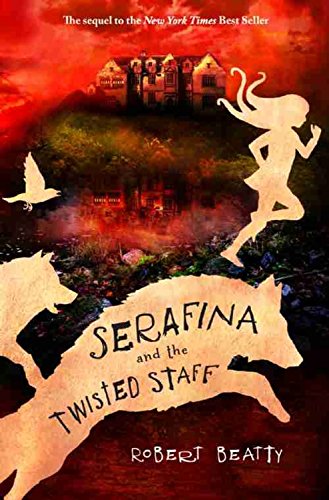
And in other exciting news, Amazon has the cover for Serafina and the Twisted Staff. Are there werewolves as well as catamounts hiding in the North Carolina woods? I can't wait for July to find out!
66inge87

California Condors in the Pacific Northwest by Jesse D'Elia & Susan M. Haig
Categories: Gregor Mendel, RandomCAT
Keywords: non-fiction, American non-fiction, science, natural science, endangered species, birds, condors, California condors, Pacific Northwest, localized extinction, reintroduction programs, rewilding,
California Condors in the Pacific Northwest is a scientific study hoping to uncover more information about the birds and their former habitat in order to help make decisions about reintroducing them to the wild in the Pacific Northwest. Despite the condor's name, there were California Condors in the Pacific Northwest region up until the end of the 19th century when they disappeared. Figuring out why that happened is just one of the questions the authors are trying to answer with this work, and they eventually do come up with a sound hypothesis that poisoning played a major role. But in the process, the reader learns a lot about condors, native cultures' perception of condors, and the surprisingly successful condor reintroduction program. If you've ever been interested in condors or in animal reintroduction/rewilding, then you may want to pick this one up, although it does have a lot of graphs and charts that might scare off the easily intimidated.
First Line: Condors are often defined by their remarkable size.
67inge87

Locally Laid: How We Built a Plucky, Industry-changing Egg Farm from Scratch by Lucie B. Amundsen
Categories: Mary Chesnut, WomanBingoPUP
Keywords: non-fiction, American non-fiction, memoir, farming, animal husbandry, chickens, egg industry, pastured eggs, small businesses, family, start-ups, Minnesota
Locally Laid is the story of the author's family after her husband decides he wants to go into the egg business. At that point, they had no farming farming or husbandry background except for five backyard chickens who hadn't yet laid a single egg, but that was his dream and so they struck out and started Locally Laid, a pastured egg company. "Pastured" means that the chickens are actually allowed to go outside and roam, anything else and its likely the chickens never see the outside of their building. Our protagonists learn this the hard way when they received their first shipments of chickens and discover that not only do they not have the slightest chicken-y instinct to poke around outside, they also don't know how to roost. Suffice to say, the learning curve was long with that one. But they persevered and eventually got Locally Laid in a Super Bowl ad competition, which got them extra attention, and by the book's end, they had finally turned a profit.
Like most memoirs, I found everyone a bit obnoxious by the end because inevitably the egos get the best of me. But if you are interested in the egg industry, and the pastured egg industry in particular, you will want to pick this one up.
First Line: At dusk, hens seek their coop.
68inge87

How to Converse with God by St. Alphonsus Liguori
Categories: Dominic de Guzmán
Keywords: non-fiction, Italian non-fiction, religion, Christianity, Catholicism, God, meditation, prayer
How to Converse with God is a series of meditations on how to pray better by the great spiritual master and Doctor of the Church, St. Alphonsus Liguori. It makes for a great spiritual reading tool, because not only is it full of good advice about what to say to God and how to say it, but each chapter contains a single concept, so it can be read bit by bit over an extended period of time. Perfect for anyone wanting to get more out of prayer and those interested in deepening their relationship with God.
First Line: Job was astonished at seeing Almighty God so intent on doing good that He seems to have nothing more at heart than to love us and to induce us to love Him in return.
69inge87

Now We are Six by A. A. Milne
Categories: Frances Hodgson Burnett
Keywords: literature, poetry, British poetry, children's poetry, light verse
Now We are Six picks up where When We Were Very Young left off. The poems are a little longer and less nonsensical, but they lose something in the process, I think. There's not as much whimsy. But fans of Milne and the greater Winnie-the-Pooh universe will not want to skip it.
First Line: I have a house where I go
When there's too many people
70inge87

Perelandra by C. S. Lewis
Categories: The Inklings, SFFKIT
Series: Space Trilogy (2/3)
Keywords: fiction, British fiction, fantasy, science fiction, space travel, Venus, the Fall, Biblical retellings
Perelandra finds our favorite linguist on his way to Venus on a mission from Above. There he finds a golden world of floating islands and meets a green lady who bears uncanny parallels to Eve. It soon becomes obvious that he has been sent to stop the Fall from happening again and to keep Venus from becoming another Silent Planet. This is easier said than done, and requires a lot of debate and conversations (even Ransome gets tired of it at one point). The tension hangs on her decision—will she take the leap or not—and although it's semi-obvious what the end decision will be, it's not always obvious at the time how we will get there.
Typical Lewis, if theological debates veiled in fantastical garb are your thing, then you'll like this one, but start with Out of the Silent Planet first.
First Line: As I left the railway station at Worchester and set out on the three-mile walk to Ransom's cottage, I reflected that no one on that platform could possibly guess the truth about the man I was going to visit.
71inge87

Time of Wonder by Robert McCloskey
Categories: Beatrix Potter, GeoCAT
Keywords: fiction, American fiction, picture book, family, summer, Penobscot Bay, Maine, hurricane, Caldecott Medal
Time of Wonder is a picture book detailing one family's summer in the islands of Penobscot Bay, Maine. The kids and their dog (who appears to be an English Setter) have a lot of fun both on the beach and on the water. But everyone knows the weather can change in an instant. When the hurricane comes, will they be ready in time? You'll have to read to the end to find out.
A nice poetic text pared with Caldecott Medal-winning illustrations make this the perfect book for anyone who enjoys summers by the ocean, English Setters, or Maine.
First Line: Out on the islands that poke their rocky shores above the waters of Penobscot Bay, you can watch the time of the world go by, from minute to minute, hour to hour, from day to day, season to season.
72inge87

Tales from Shakespeare by Charles & Mary Lamb
Categories: Frances Hodgson Burnett
Keywords: literature, English drama, Shakespeare, summaries
Tales from Shakespeare is, as the title would suggest, a collection of prose summaries of Shakespeare's plays, designed for children. Of course, seeing as these were early 19th century children, the reading level is higher than one would see today and they are perfect for adults as well. The authors skip the history plays, as well as a few others like Coriolanus, but most everything else is here. It's the perfect book for anyone wanting to brush up their Shakespeare.
First Line: The following Tales are meant to be submitted to the young reader as an introduction to the study of Shakespeare, for which purpose his words are used whoever it seemed possible to bring them in; and in whatever has been added to give them the regular form of a connected story, diligent care has been taken to select such words as might least interrupt the effect of the beautiful English tongue in which he wrote: therefore words introduced into our language since his time have been as far as possible avoided.
73inge87

Saint Colum and the Crane by Eva K. Betz
Categories: Élisabeth Leseur, GeoCAT
Series: Easy Reading Books of Saints and Friendly Beasts
Keywords: non-fiction, American non-fiction, juvenile non-fiction, religion, Christianity, Catholicism, saints, Columba of Iona, exile, books, broken promises, monks, cranes
Saint Colum and the Crane tells the story of Saint Columba, and how he came to found the famous monastery of Iona in Scotland. We watch Columba grow up in Ireland and become a priest before reaching the famous crane incident that gives the book its title. Columba copies a manuscript after being told not to and gets banned from seeing Ireland or feeling its soil under his feet forever. But his crane friend accompanies him and his twelve companions on their journey across the sea to Scotland and their work bears great fruit (as one might expect).
A nice book about one of the less common children's book saints. Jean Fritz has written a version of the book incident in The Man Who Loved Books that is more satisfying, but just as out of print. So if you like books about saints outside of the main children's book canon of Francis, Therese, and Bernadette, you should grab this one if you bump into it.
First Line:
74inge87

The Far Traveler: Voyages of a Viking Woman by Nancy Marie Brown+
Categories: Herodotus, GeoCAT
Keywords: non-fiction, American non-fiction, history, medieval history, Icelandic history, Greenlandic history, women's history, Vikings, travel, Vinland, sagas vs. history
The Far Traveler is a combination history, biography, and memoir based around the life of Gudrid, an Icelandic woman who travelled to Greenland and beyond over the course of her long life. There are two accounts of Gudrid's experiences, which differ wildly in their details but which when put together allow readers to glean a few basic facts. She was born in Iceland and travelled to Greenland with her father as a young woman. She married a brother of Leif Ericsson and after becoming a widow at 17, journeyed farther west with her new husband and visited Vinland, where she gave birth to a son who was the first known European to be born on American soil. After giving up Vinland and returning to Iceland, Gudrid's travel appeared to be done, but in her old age she later made a pilgrimage to Rome. In the course of telling Gudrid's story, the author also tells the story of the Norse settlement of Iceland and Greenland and what their everyday life was like there, using information both from the sagas and from archaeological findings. We also hear the story of her own summer spent working at an archaeological dig at a farm where Gudrid and her sons may have lived.
All-in-all, it's a solid, accessible work. Highly recommended for anyone interested in Vikings, especially in the lives of Viking women.
First Line: A thousand years ago, an old woman named Gudrid stood on the threshold of her house contemplating her next voyage.
75inge87

Honey from a Weed: Fasting and Feasting in Tuscany, Catalonia, the Cyclades and Apulia by Patience Gray
Categories: Herodotus, GeoCAT
Keywords: non-fiction, British non-fiction, travel, cooking, foraging, Greece, Italy, Catalonia, peasant food, artisans, feasting, recipes
Honey from a Weed is Gray's account of her life living in various small villages around the Mediterranean with her stone-carver husband. Her focus is on the food they eat and the book is organized (if it can truly say to have any overarching organization) by food type: pasta, vegetable, meat, etc. There are lots of interesting anecdotes about living in a tiny village on Naxos, about the life of a Carrara marble-cutter, and about all the strange looks and good advice their neighbors give them wherever they live. There are recipes in many of the chapters, but their usefulness varies. Some have only a list of ingredients with no measurements and many depend on a wood fire. But I did manage to use the garlic butter pasta recipe to good success last Friday, so they are worth attempting.
But what really comes through is a description of a way of life that was disappearing even as the author was writing in the 1980s. A method of living off the land because that was all there was and enjoying it to the fullest. So while we cannot all be Greek shepherds or Italian smallholders, we can all learn from them as Gray and her husband did, through this book. Highly recommended for anyone with an interest in Mediterranean culture, slow food, or interesting memoirs.
First Line: In the last twenty years I have shared the fortunes of a stone carver and during that time, working in silver and gold, have become a craftsman myself.
76VictoriaPL
You've been busy!
77inge87
April Round-Up!
Books Read: 28 (28 in 2013, 29 in 2014, & 12 in 2015)
Category Challenge
106 of 192 read - 55.21% done (true total 121 books)
3 of 16 categories completed - 18.75% done
Individual Categories
1. Robert Southwell: Classic Fiction (pre-1920) - 4 - 33.33%
2. The Inklings: Fantasy - 14 - 100%
3. Mary Chesnut: General Biography/Memoir - 4 - 33.33%
4. Naoko Takeuchi: Graphic Novels and Non-Fiction - 5 - 41.67%
5. Gertrud von Le Fort: Historical Fiction - 1 - 8.33%
6. The Venerable Bede: History - 3 - 25%
7. Dorothy L. Sayers: Mysteries - 8 - 66.67%
8. Fra Angelico: Other Non-Fiction - 4 - 33.33%
9. Beatrix Potter: Picture Books - 23 - 100%
10. George Mackay Brown: Recent Fiction (1970 onward) - 9 - 75%
11. Dominic de Guzmán: Religion - 14 - 100%
12. Élisabeth Leseur: Religious Biography/Memoir - 11 - 91.67%
13. Mary Stewart: Retro Fiction (1920-1969) - 4 - 33.33%
14. Gregor Mendel: Science - 5 - 41.67%
15. Herodotus: Travel - 3 - 25%
16. Frances Hodgson Burnett: YA/Juvenile Fiction - 9 - 75%
Challenges
GeoCAT - 8
RandomCAT - 4
BingoDOG - 2
DeweyCAT - 2
WomanBingoPUP - 2
SFFKIT - 1
Genre
Non-Fiction - 20 - 71.43%
Fiction - 8 - 28.57%
Sources
Me (other) - 11 - 26.19%
Corsicana PL - 9 - 21.44%
Irving PL - 6 - 14.29%
Austin PL (e-book) - 4 - 9.52%
Me (last month) - 4 - 9.52%
Work - 4 - 9.52%
Me (TBR) - 2 - 4.76%
Free Online E-Book - 1 - 2.38%
Me (this month) - 1 - 2.38%
Authors
Male - 17 - 56.67%
Female - 13 - 43.33%
Edition Language
English - 28 - 100%
Original Language
English - 24 - 85.72%
Arabic - 1 - 3.57%
French - 1 - 3.57%
Italian - 1 - 3.57%
Japanese - 1 - 3.57%
Series
Stand-Alone Books - 23 - 82.14%
Series Books - 5 - 7.86%
Ratings Distribution
1 star - 0 - 0%
2 stars - 2 - 7.14%
3 stars - 12 - 42.86%
4 stars - 13 - 46.43%
5 stars - 1 - 3.57%
Average Rating
3.46
Discovery of the Month

The Far Traveler: Voyages of a Viking Woman by Nancy Marie Brown
Best of the Month


Fiction: Last Poems by A. E. Houseman
Non-Fiction: Karl I: The Emperor of Peace by Marcel Uderzo & Marc Bourgne
Books Read: 28 (28 in 2013, 29 in 2014, & 12 in 2015)
Category Challenge
106 of 192 read - 55.21% done (true total 121 books)
3 of 16 categories completed - 18.75% done
Individual Categories
1. Robert Southwell: Classic Fiction (pre-1920) - 4 - 33.33%
2. The Inklings: Fantasy - 14 - 100%
3. Mary Chesnut: General Biography/Memoir - 4 - 33.33%
4. Naoko Takeuchi: Graphic Novels and Non-Fiction - 5 - 41.67%
5. Gertrud von Le Fort: Historical Fiction - 1 - 8.33%
6. The Venerable Bede: History - 3 - 25%
7. Dorothy L. Sayers: Mysteries - 8 - 66.67%
8. Fra Angelico: Other Non-Fiction - 4 - 33.33%
9. Beatrix Potter: Picture Books - 23 - 100%
10. George Mackay Brown: Recent Fiction (1970 onward) - 9 - 75%
11. Dominic de Guzmán: Religion - 14 - 100%
12. Élisabeth Leseur: Religious Biography/Memoir - 11 - 91.67%
13. Mary Stewart: Retro Fiction (1920-1969) - 4 - 33.33%
14. Gregor Mendel: Science - 5 - 41.67%
15. Herodotus: Travel - 3 - 25%
16. Frances Hodgson Burnett: YA/Juvenile Fiction - 9 - 75%
Challenges
GeoCAT - 8
RandomCAT - 4
BingoDOG - 2
DeweyCAT - 2
WomanBingoPUP - 2
SFFKIT - 1
Genre
Non-Fiction - 20 - 71.43%
Fiction - 8 - 28.57%
Sources
Me (other) - 11 - 26.19%
Corsicana PL - 9 - 21.44%
Irving PL - 6 - 14.29%
Austin PL (e-book) - 4 - 9.52%
Me (last month) - 4 - 9.52%
Work - 4 - 9.52%
Me (TBR) - 2 - 4.76%
Free Online E-Book - 1 - 2.38%
Me (this month) - 1 - 2.38%
Authors
Male - 17 - 56.67%
Female - 13 - 43.33%
Edition Language
English - 28 - 100%
Original Language
English - 24 - 85.72%
Arabic - 1 - 3.57%
French - 1 - 3.57%
Italian - 1 - 3.57%
Japanese - 1 - 3.57%
Series
Stand-Alone Books - 23 - 82.14%
Series Books - 5 - 7.86%
Ratings Distribution
1 star - 0 - 0%
2 stars - 2 - 7.14%
3 stars - 12 - 42.86%
4 stars - 13 - 46.43%
5 stars - 1 - 3.57%
Average Rating
3.46
Discovery of the Month
The Far Traveler: Voyages of a Viking Woman by Nancy Marie Brown
Best of the Month
Fiction: Last Poems by A. E. Houseman
Non-Fiction: Karl I: The Emperor of Peace by Marcel Uderzo & Marc Bourgne
78inge87
>76 VictoriaPL: I have, haven't I?
79inge87

Strangers Below: Primitive Baptists and American Culture by Joshua Guthman
Categories: Bede the Venerable, GeoCAT
Keywords: non-fiction, American non-fiction, history, American history, religion, Christianity, Protestantism, Calvinism, Baptists, Primitive Baptists, Appalachia, missionaries, racism, politics, economics, music, Roscoe Holcomb, Ralph Stanley
Strangers Below tells the story of one of America's lesser-known Protestant groups, the Primitive Baptists. Instead of a single narrative, the chapters divide the book into themes, including the establishment of the Primitive Baptist movement during the early 1800s, the story of the African-American Primitive Baptists, and the influence of Primitive Baptist musical styles in the 20th and 21st centuries. Each section stands apart, but together they give a kind of impression about what Primitive Baptism is like.
The Primitive Baptists split with the so-called Missionary Baptists over the issue of church societies and local control. They were against missionary, temperance, and other church societies because they felt they were frauds out to steal the money of honest people. They also felt that there was movement away from true Calvinism towards laxity. Based in the Appalachian mountains, their movement spread across the South, only to gradually fade as the twentieth-century went on. However, paradoxically, their musical style (as produced by artists such as Ralph Stanley) has grown in popularity even as the denomination as a group has sunk into obscurity. All of this makes for very interesting reading.
I'd never head of Primitive Baptists until I visited Smokey Mountain National Park, and even then I did not know what the difference was (my evangelical background is of the Stone-Campbell restorationist variety). Guthman's book will answer that question and many others that the reader might not realize they had. However, it's format will mean that it will appear more to academics than lay readers. Highly recommended for anyone interesting in American religion, African-American social movements, or bluegrass/"Americana" music.
First Line: This book tells an unlikely story, but it is a vital one, an American one.
80inge87

The Abolition of Man by C. S. Lewis
Categories: Fra Angelico, DeweyCAT
Keywords: non-fiction, British non-fiction, education, educational theory, natural law, virtues, teaching, moral relativism, perils of intellectualism, educational fads, future generations
The Abolition of Man is the text of a lecture series Lewis gave at the University of Durham on education. But it is about so much more than just education. It is a defense of a way of thinking and an attack against moral relativism. In response to fads that he sees as a dangerous undermining of education and the development of children as moral beings, Lewis introduces the concept of Tao, or moral law. He splits his discussion over three lectures: the first lays out his complaints, the second he describes how those he is discussing operate, and the third discusses what would happen if the other side won. There is also an appendix of quotes at the end demonstrating what he means by Tao through examples from foundational texts from around the world. Mostly Lewis is concerned that future generations learn how to think and how to recognize truth when they see it. In a world that in which the line between truth and falsehood is only growing grayer with time, Lewis' words have only grown in importance and relevance.
Whether you are interesting in educating your family, yourself, or your society, this is a book worth reading that will definitely make you think. It's not his easiest book, but it may be Lewis' most important. Highly recommended
First Line: I doubt whether we are sufficiently attentive to the importance of elementary text-books.
81inge87

Song of the Swallows by Leo Politi
Categories: Beatrix Potter, GeoCAT
Keywords: fiction, American fiction, California, missions, San Juan Capistrano, swallows, migration, mentoring, tradition, Caldecott Medal
Song of the Swallows tells the story of the legendary swallows of Mission San Juan Capistrano. Every year on the feast of St. Joseph (March 19), the birds return to the mission from their winter feeding grounds. Juan is a young boy who lives near the mission and likes spending time with Julian, the gardener and bell-ringer. Julian tells him about the mission's history and together they watch the birds. The best of these are the swallows, golondrinas in Spanish, who build their nests on the side of the mission building. Every year they leave to spend the winter on distant shores, but every year they return. Juan learns some songs about the swallows and builds a garden at his house in hope of luring the swallows there as well. Will the swallows return on St. Joseph's day? And will they come and stay with Juan and his family? You'll have to read all of this fantastic book to find out.
The epitome of a classic picture book. Politti won a Caldecott Medal in 1950 for the illustrations. Highly recommended for anyone interested in California history, birds, child-mentor relationships, or vintage picture books.
First Line: At the foot of the low and soft hills near the sea, lay the small village of Capistrano.
82inge87

The Divine Romance by Fulton Sheen
Categories: Dominic de Guzmán
Keywords: non-fiction, American non-fiction, religion, Christianity, Catholicism, theology, God, Holy Trinity, love, Christ
The Divine Romance is a series of connected essays on God, the Trinity, and divine love. We learn about how God is love and what God's love means for mankind. There is also a fairly good explanation of the traditional interpretation of the Holy Trinity. All of this is wrapped up in Sheen's trademark readable and engrossing style.
Highly recommended for anyone interested in the love of God, the Holy Trinity, or good spiritual reading.
First Line: The quest for God is essentially the search for the full account and meaning of life.
83inge87

Blessed Miguel Pro: 20th-Century Mexican Martyr by Ann Ball
Categories: Élisabeth Leseur, GeoCAT
Keywords: non-fiction, American non-fiction, religion, Christianity, Catholicism, Mexico, biography, hagiography, Miguel Pro, martyrdom, Mexican Civil War
Blessed Miguel Pro is a short, readable biography of that Mexican Jesuit martyr, who was picked up in the aftermath of an assassination attempt he was not involved with and executed in a public showcase that made news around the world. But just who was Miguel, really? It turns out he was a family man who liked jokes and acting (something that came in handy after priests were banned in Mexico by the government). He joined the Jesuit order only to have to flee for his life along with his confreres and his own family due to the upheaval of the Mexican Revolution, and only returned home to Mexico after it looked like he might die, when a decline in his health meant that he might die anyway. But in spite of his health and the fact that being a priest was illegal, he made the most of it and did his best to serve the people as best he could. Until that is, he finally met his end at the end of a firing squad.
A nice introduction to one of the 20th centuries more well-known martyrs. Highly recommended for anyone with an interest in Mexican history, the Mexican Revolution, or 20th century saints.
First Line: There is more adventure, excitement in the life of Mexican priest Fr. Miguel Pro than in many modern spy thrillers.
84inge87
C. S. Lewis for the Third Millennium: Six Essays on the Abolition of Man by Peter Kreeft
Categories: Fra Angelico
Keywords: non-fiction, American non-fiction, essays, philosophy, modernism, C. S. Lewis, modern society, traditionalism vs. modernism
C. S. Lewis for the Third Millennium is a collection of essays about modern society based on the philosophy and writings of C. S. Lewis. Although the title implies that it is all about his book The Abolition of Man, it actually takes in a wide breadth of Lewis' work (as well as some of Walker Percy's in one particular essay). However, like that first book, it does deal with the inherent falseness of modernism. The third essay in particular deconstructs the various modern philosophies and, using Lewis as a guide, shows why they are in error. Written in 1994, it seems overly optimistic about the 21st century, but then again while we have been in a constant state of war or something like it, we haven't killed near as many people (yet) as the 20th, the genocidal quality of which Kreeft brings up several times.
Definitely a book that fans of Lewis and/or The Abolition of Man should try to pick up, as its insights are great and fascinating. Highly recommended.
First Line: As our senile, toothless, and confused culture stumbles blindly toward the third millennium; as our "century of genocide" comes to an end, having murdered more human beings (born and unborn) in a single century than the total of all men who lived in all previous centuries; as our demonic "culture of death" accelerates its sharklike feeding frenzy of human bodies and souls; and as our arrogant and impenitent planet rushes naked and defenseless through space and time on a collision course with the fearsome heavenly body of the justice of God, we wonder: "What next?"—and even whether there will be a "next".
85inge87

Frost Burned by Patricia Briggs
Categories: The Inklings
Series: Mercy Thompson (7/?)
Keywords: fiction, American fiction, fantasy, urban fantasy, werewolves, coyote shifters, fae, family, vampires, friendship, kidnapping, mercenaries
Frost Burned finds Mercy alone after the entire pack is kidnapped. For once taking Jesse shopping on Black Friday may have paid off. She is willing to do whatever it takes to get them back. Meanwhile, Adam and company have to deal with their captors and try to survive until they can escape or get sprung. This split means we get Adam's POV as well as the usual Mercy, which is a fun surprise. It does feel a bit like we're setting Mercy up for the next book, but that comes with the territory in this kind of series. Recommended for fans of the previous six books; those new to the series should start with Moon Called.
First Line: “You should have brought the van,” said my stepdaughter.
86inge87

Encounters at the Heart of the World: A History of the Mandan People by Elizabeth A. Fenn
Categories: Bede the Venerable, GeoCAT, WomanBingoPUP
Keywords: non-fiction, American non-fiction, anthropology, history, American history, Native American history, Mandan people, Missouri River, trade, commerce, bison, corn, agriculture, epidemics, whooping cough, smallpox, survival, Pulitzer Prize
Encounters at the Heart of the World is a combination anthropological study and history of the Mandan people of what is now North Dakota, focusing on the period between the beginnings of history to the late 1830s when around seven-eights of the tribe died in a smallpox outbreak. The first half focuses on Mandan culture and how they (probably) came to arrive at the Missouri River, where White trappers and later Lewis and Clark later found them. The second half focuses more on history, particularly the Mandan's relations with various European and later American governments. Masters of commerce, they managed to hold on to a position of strength as the middle-men of the Upper Midwest for many years; however, ultimately technology and disease made them irrelevant. The epilogue brings the story from the 1830s to today, completing the circle.
Highly recommended for anyone interesting in Native American history or culture, Lewis & Clark, the Dakotas, or well-written non-fiction. It won the Pulitzer Prize for History in 2015.
First Line: The climate of North Dakota hardly ranks among North America's most hospitable.
87inge87
The Children of Green Knowe by L. M. Boston
Categories: Frances Hodgson Burnett, RandomCAT, WomanBingoPUP
Series: Green Knowe (1/6)
Keywords: fiction, British fiction, children's fiction, magical realism, family, ghosts, magic, evil, singing, presents, horses, great-grandmothers, friendship, cursed shrubbery
The Children of Green Knowe is a classic children's story of a young boy who travels to spend summer vacation with his great-grandmother after a rather unsatisfactory year at boarding school. From the moment he gets to Green Noah, you know something special is going to happen, because the whole area is under water. He soon makes the acquaintance of the various spirits dwelling in the house, both human and animal. It turns out that his great-grandmother knows them well, and the two bond over the experience. It is also a good reason for several good stories about the adventures that a previous generation got up to in the house. You never actually know if the spirits are real or not, so it gives it a feeling more like magical realism than fantasy or horror. There is a very nice, old-fashioned high church Christmas scene and then the comeuppance of a particular cursed bush. What more could anyone ask for in a book? Highly recommended.
First Line: A little boy was sitting in the corner of a railway carriage looking out at the rain, which was splashing against the windows and blotching downwards in an ugly, dirty way.
88inge87
And with those two, I have officially gotten my first WomanBingoPUP bingo of the year!


Down the second column:
2. Author over 60 Years Old: The Children of Green Knowe by L. M. Boston
7. Made into a Movie: The Moon-Spinners by Mary Stewart
12. Award Winner: Encounters at the Heart of the World: A History of the Mandan People by Elizabeth A. Fenn
17. Less than 10 Years Old: Dreaming Death by J. Kathleen Cheney
22. Women in Science: Survival by Julie E. Czerneda

Down the second column:
2. Author over 60 Years Old: The Children of Green Knowe by L. M. Boston
7. Made into a Movie: The Moon-Spinners by Mary Stewart
12. Award Winner: Encounters at the Heart of the World: A History of the Mandan People by Elizabeth A. Fenn
17. Less than 10 Years Old: Dreaming Death by J. Kathleen Cheney
22. Women in Science: Survival by Julie E. Czerneda
89inge87

Humanist Educational Treatises by Craig W. Kallendorf (ed.)
Categories: Fra Angelico, DeweyCAT
Series: The I Tatti Renaissance Library
Keywords: non-fiction, Latin non-fiction, education, educational theory, liberal arts, what to read, Renaissance, Italy, bilingual edition
Humanist Educational Treatises is a collection of four fifteenth-century essays on education, collected in a lovely Latin-English bilingual edition by the same folks who bring out the Loeb and Dunbarton Oaks series. Although published over a span of over fifty years, the works are consistant in their points on what makes one educated and how one should go about getting that education, which would fall under what we today would call the liberal arts, being the arts that free men (liberal here coming from the Latin word "liber" meaning free) should practice. All the writers were of the educate the whole person school, so besides the academics there is also advice on how to dress, fight, and speak. The first two essays were probably my favorites; however, all four are full of excellent advice on the meaning of education. Highly recommended for anyone interested in the meaning of education, the liberal arts, educational theory, the Renaissance, or interesting non-fiction.
First Line: We understand, Ubertino, that Francesco the elder, your grandfather — whose many magnificent deeds are on record just as his many wise sayings are remembered everywhere — used to say there were three ways that parents could easily serve the interests of their children, and were with good reason obliged to do so.
90VictoriaPL
>86 inge87: sounds interesting! Thanks for the review.
91rabbitprincess
>87 inge87: Oh wow, an Odyssey Classic edition! I had a copy of Half Magic in that edition! Hadn't thought about it in years. Thanks for the nostalgia hit! ;)
93inge87

Death on the Cherwell by Mavis Doriel Hay
Categories: Dorothy L. Sayers, DeweyCAT, BingoDOG, WomanBingoPUP
Series: British Library Crime Classics
Keywords: fiction, British fiction, mystery, golden age mystery, Oxford, women's college, murder, canoes, college students, amateur detectives, eccentric neighbors, mysterious relatives, secret society, UK edition
Death on the Cherwell is golden age mystery set at a the fictional Persephone College at Oxford. A group of first years is conducting a secret meeting on the boathouse roof when they spot a canoe drifting down the Cherwell River. They drag it ashore only to discover that it contains the body of the highly disliked college bursar. She appears to have drowned, but how do you drown in a dry canoe? Our secret society decides to dedicate itself to detection work and find out—with a little help from the police. You get a strong feel for Oxford student life here. There's not a lot of studying, but there sure are student high-jinks.
The book came out the same year as another, very different, mystery set at an Oxford women's college: Dorothy L. Sayer's Gaudy Night. Despite the obvious temptation to compare the two, they are really very little alike, with Hay's novel having a much lighter feel to it. This is probably the result of having student heroines instead of older adult protagonists. So don't judge it by its contemporary, but on it's own merits. Highly recommended for fans of golden age mysteries, Oxford, or mysteries with student detectives.
First Line: A sloping roof of cold, corrugated iron, above the sliding, brownish waters of the river Cherwell and beneath the stark boughs of a willow, might not appeal to a sane adult human being as an ideal resort at four o'clock on a gloomy January afternoon.
94inge87

The Walled Garden: Poems by Andrew Thornton-Norris
Categories: George Mackay Brown, BingoDOG,
Keywords: poetry, British poetry, Catholic poetry, spiritual poetry, blank verse
The Walled Garden is a collection of poems, mostly written in blank verse (think iambs, lots and lots of iambs), with a focus on spiritual themes. The introduction gives a brief overview of the author's purpose in writing these poems, and then off we go. Unfortunately, while the themes are nice, the execution is lacking. I like my poetry to dance, these verse merely plod. They may be metrically correct and topically interesting, but while the body is willing the spirit appears to be in hiding. What has the promise of good, becomes merely mediocre. But still, good poetry is rapidly becoming a lost art, so I give the author kudos for making the attempt.
First Line: Standing on the headlands of the waters
95inge87

Essays Ancient and Modern by T. S. Eliot
Categories: Fra Angelico
Keywords: non-fiction, American non-fiction, essays, literary criticism, education, religion, Christianity, Anglicanism
Essays Ancient and Modern (the title is a pun on the name of a famous Anglican hymnal) is a collection of essays on various subjects, mostly dealing with literary criticism but also touching on education and religion. It is an expansion of an earlier work, For Lancelot Andrewes, given a new preface and plus/minus some essays. Eliot is always interesting, and he does have some marvelous prose. Highly recommended for those interested in Anglican divines, modernist thought, well-written essays (a lost art), or T. S. Eliot.
First Line: The Right Reverend Father in God, Lancelot Bishop of Winchester, died on September 25th, 1626.
96inge87

Pretty-shield: Medicine Woman of the Crows by Frank B. Linderman+
Categories: Mary Chesnut, GeoCAT, BingoDOG
Keywords: non-fiction, American non-fiction, anthropology, memories, stories, Crow Nation, migration, buffalo, women's stories, Battle of Little Big Horn
Pretty-shield is Linderman's account of his visits with the Crow elder of that name and the conversations they had through finger signing and an interpreter. He had recently published the memories of a Crow chief and was interested in women's stories. Pretty-shield promptly obliged. Besides many interesting stories about her childhood games, there is a lot of interesting information about Crow culture and life as nomadic bison hunters. There is also a chapter dedicated the stories her husband told her about the Battle of Little Bighorn, which he survived while serving as a military scout. But my favorite part was the banter between the Linderman and Pretty-shield. You can tell that she was one tough lady and that the author really comes to like and respect her.
Overall an excellent work that opens a window on traditional Crow life and especially the lives of women. Highly recommended for those interested in Native American history and customs, the Crow Nation, Montana, or women's lives in other cultures.
First Line: I was kindling a fire in an old-fashioned cannon stove occupying a corner of a room in the unused school building at Crow Agency when Pretty-shield entered with her interpreter, Goes-together, wife of Deer-nose, the Indian Police Judge.
97inge87

The Paradise Project by Suzie Andres
Categories: George Mackay Brown, GeoCAT
Keywords: fiction, American fiction, Catholic fiction, contemporary fiction, romance, Pride and Prejudice, happiness, New Year's resolutions, obnoxious brother-in-laws, unemployment, snobs, inferiority complexes, misunderstandings
The Paradise Project is a book that revolves around a New Year's resolution and the consequences it has on one woman's life. Elizabeth Benning has been perfectly happy working at her friend's family's bookstore and babysitting her nephews after graduating college, but now the store has closed and her life is at an impass. Which is just the time to make a new year's resolution to find happiness. Which would probably have been fine, if Elizabeth's competitive (and rather cruelly obnoxious) brother-in-law hadn't challenge her to keep her resolution by challenging her to one goal a month to keep her on the straight and narrow. Toss in a man everyone wants to set her up with (which is the number one way to guarantee that will never happen) and a superior blonde who's almost as good at undermining Elizabeth's self-confidence as the brother-in-law, and we have a plot. It's a fun book, with definite Austen influences even if it's not half as much as a Pride and Prejudice-knock-off as the cover blurb makes it sound. If only some of the characters weren't quite so annoying, it would be a great book. Instead, it is merely good, but in a period in which there is little good Catholic fiction out there, it is definitely a book to be welcomed. Recommended for fans of Catholic fiction, Austin-inspired fiction, or unusual romances.
First Line: Elizabeth Benning, unmarried, unemployed, and temporarily living in the guest cottage behind her parent's house, was happy.
98VictoriaPL
>96 inge87: sounds interesting. Thanks for the review!
99inge87
>98 VictoriaPL: That one had been sitting on my shelves for a couple years unread. If I'd realized how good it was, I would have read it sooner.
100inge87
Can we say, "CAT-trick"?
The Lady in the Blue Cloak: Legends from the Texas Missions by Eric A. Kimmel & Susan Guevara
Categories: Fra Angelico, DeweyCAT, GeoCAT, RandomCAT
Keywords: non-fiction, American non-fiction, legends, folktales, Texana, San Antonio, Texas, missions
The Lady in the Blue Cloak is a collection of folk tales and legends from the greater San Antonio area. San Antonio, Texas, as you may know is famous for its mission churches, and this book collects some of the stories that have come down about the missions and the local people. I was already familiar with the title story (about a bilocating nun) and the tragic love story behind the creation of the rose window at Mission San José, but the others were new to me. It should be noted that neither the author nor the illustrator are actually from Texas, but whether or not that's important depends on you. Overall, it's a nice collection of tales, perfect for anyone with an interest in Texas legends or San Antonio.
First Line: Father Damián Manzanet and his fellow padres arrived in Texas in 1689.
The Lady in the Blue Cloak: Legends from the Texas Missions by Eric A. Kimmel & Susan Guevara
Categories: Fra Angelico, DeweyCAT, GeoCAT, RandomCAT
Keywords: non-fiction, American non-fiction, legends, folktales, Texana, San Antonio, Texas, missions
The Lady in the Blue Cloak is a collection of folk tales and legends from the greater San Antonio area. San Antonio, Texas, as you may know is famous for its mission churches, and this book collects some of the stories that have come down about the missions and the local people. I was already familiar with the title story (about a bilocating nun) and the tragic love story behind the creation of the rose window at Mission San José, but the others were new to me. It should be noted that neither the author nor the illustrator are actually from Texas, but whether or not that's important depends on you. Overall, it's a nice collection of tales, perfect for anyone with an interest in Texas legends or San Antonio.
First Line: Father Damián Manzanet and his fellow padres arrived in Texas in 1689.
101inge87

Mexican Martyrdom: Firsthand Accounts of the Religious Persecution in Mexico 1926-1935 by Wildfrid Parsons
Categories: Bede the Venerable, GeoCAT
Keywords: non-fiction, American non-fiction, history, Mexican history, Mexico, Mexican Civil War, religion, Christianity, Catholicism, persecution, resistance, education, revolution, family, martyrdom
Mexican Martyrdom is an account of the persecution of the Catholic Church by the Mexican government from 1926 to 1935, as gathered from personal accounts of those who endured those events and managed to get word out as well as from the author's travels through that country. It is not the best-organized of books, but the material contained within its covers is remarkable in its breadth and detail.
Beginning in the 1920s, the government of Mexico was led by a series of anti-clerical dictators who attempted to end religion and bring the revolution to their country. This resulted in the banning of priests and nuns, the closing of churches, schools, hospitals and any other organization associated with the Church, and the persecution of anyone who did not fall in line with the government. The most famous of these martyrs if Blessed Miguel Pro, SJ, a young Mexican Jesuit priest who was rounded up and executed for an assassination attempt that he had nothing to do with. But there were many others. The book also documents the US government's refusal to intervene (that often looked like support for the Mexican government) as well as the delicate line that the Mexican bishops tried to balance in order to find some way to survive until things got better.
Parsons was an American priest who visited Mexico during this era and had first-hand knowledge of the situation there. Highly recommended for anyone interested in Mexican history or 20th century Christian persecution, as well as anyone who has read The Power and the Glory and wants to know more.
First Line: The town of Irapuato in the State of Guanajuato is a railroad junction where you either go straight on to Mexico City from Guadalajara in the West or change trains for the long ride north to Juarez and El Paso.
102inge87

South Toward Home: Travels in Southern Literature by Margaret Eby
Categories: Bede the Venerable, GeoCAT
Keywords: non-fiction, American non-fiction, literature, travel, memoir, American South, Mississippi, Tennessee, Georgia, Florida, Alabama, writers, biography
South Toward Home is a combination literary history/travel memoir about various Southern writers and the places they called home. Eby's selection contains all the big names, as well as some more obscure choices, and I am mostly alright with her choices, although I do wonder that she left Walker Percy out. It's not a particularly deep or hard-hitting work, mostly she talks about the life of an author and describes her visit to their hometowns. Nothing cutting edge is going to be discovered this way, but it is a rather pleasant way to spend time if you're a fan of Southern fiction.
First Line: The South is vast.
103inge87

Gaudy Night by Dorothy L. Sayers*
Categories: Dorothy L. Sayers, DeweyCAT, BingoDOG
Series: Lord Peter Wimsey (10/11)
Keywords: fiction, British fiction, mystery, golden age mystery, Oxford, women's college, poison pen, vandalism, amateur detectives, women's roles, academics, punting
Gaudy Night finds Harriet Vane returning to her alma mater for a Gaudy (reunion). Someone starts leaving her nasty notes, and then later sabotages the new library. The college asks her to look into things discretely, so that it can be solved without any public attention. However, all this seems to do is draw the poltergeist's attention to her. Lord Peter is in Italy, so it looks like Harriet will be all alone this time. And for once, she finds herself wishing that that were not the case.
Hands down, my favorite Lord Peter mystery—the discussion of women's roles over the course of the book is still very relevant today. The "I was a scholar" scene stands out to me as painfully real. Highly recommended for Lord Peter fans and those who like unusual Golden Age mysteries.
First Line: Harriet Vane sat at her writing-table and stared out into Mecklenburg Square.
104inge87
And that brings me to my first vertical BingoDOG bingo. With only five slots left, I'm almost done with the board!
On the "O" column from top to bottom:
5. About a Writer: Gaudy Night by Dorothy L. Sayers (Harriet Vane writes mysteries)
10. One-word title: Survival by Julie E. Czerneda
15. About an indigenous person: Pretty-shield by Frank B. Linderman (Pretty-shield is Crow)
20. In translation: Dshamilja by Chinghiz Aitmatov (German translation of a Russian-language book)
25. You want the protagonist's job/hobby: Mary's Monster by Ruth Van Ness Blair (fossil-hunting)


On the "O" column from top to bottom:
5. About a Writer: Gaudy Night by Dorothy L. Sayers (Harriet Vane writes mysteries)
10. One-word title: Survival by Julie E. Czerneda
15. About an indigenous person: Pretty-shield by Frank B. Linderman (Pretty-shield is Crow)
20. In translation: Dshamilja by Chinghiz Aitmatov (German translation of a Russian-language book)
25. You want the protagonist's job/hobby: Mary's Monster by Ruth Van Ness Blair (fossil-hunting)
105rabbitprincess
>103 inge87: In Gaudy Night, what I loved best was the Latin in the marriage proposal. "Placetne, magistra?" "Placet." I may have squealed out loud at that. :)
106inge87
>105 rabbitprincess: Yes, that is a good scene (the reaction of the passer by is a bonus) in a book that has so many of them. This time around, I spent most most of the book eagerly awaiting the part where Harriet realizes that not only has she left her incomplete sonnet in her notes like an idiot but that Peter has completed it for her . Sigh . . . :)
107inge87

Clouds of Witness by Dorothy L. Sayers
Categories: Dorothy L. Sayers, DeweyCAT
Series: Lord Peter Wimsey (2/11)
Keywords: fiction, British fiction, mystery, golden age mystery, house parties, family, murder, secrets, lovers, House of Lords, pubs, mysterious motorbikes, ducal privilege,
Clouds of Witness finds Lord Peter rushing back to Britain after a long stay abroad when he reads in a newspaper that his brother has been arrested for murder. Now obviously, there's no way Gerald could have done something like that, so it's up to Peter to solve the case, which considering that the deceased is their sister's fiance and that Gerald won't give any details about why he was where he was when he was, is going to be easier said than done. But between the twin geniuses of Lord Peter and Bunter, the truth is bound to come out at the end. A nice country house mystery in which a nighttime shooting means everyone's memory is important and discrepancies must be ironed out to find the truth. Plus, since Gerald's the Duke of Denver, there's the prospect of a trial in the House of Lords to look forward too. Hopefully, as a result of of all this trouble, Gerald will never go hunting again. But somehow I doubt it. At least he has Peter to save his behind.
Highly recommended for fans of golden age mysteries, country house mysteries, or Dorothy L. Sayers.
First Line: Lord Peter Wimsey stretched himself luxuriously between the sheets provided by the Hotel Meurice.
108inge87
Homeschool: An American History by Milton Gaither
Categories: Bede the Venerable, DeweyCAT
Keywords: non-fiction, American non-fiction, history, American history, education, home education, homeschooling, urbanization, immigration, religion, family, alienation, parenting, organizing, alternative lifestyles
Homeschool is a history of home education, from the beginings of colonial America to the present day. The first three chapters describe how schooling in the home went from being the norm to the exception, the next four chapters describe the creation of what we know as the homeschooling movement, while the final chapters describes how we now appear to be moving away from homeschooling to something resembling the earlier practice of schooling in the home. It's an interesting book that says a lot about the impact of immigration, population growth, and urbanisation on American culture. I docked a star though because the editor got caught napping a few too many times: Quakers≠Shakers (I actually corrected that one in pencil in the book) and the proper word for young human beings is child or children if there is more than one. A "kid" is a young goat. Not that that stopped him for using kid instead of child for all 200+ pages. I expect more from a book published by Palgave Macmillan. But if you're interested in the history of American home education, whether traditional tutoring or mother schools of days gone by or modern homeschooling, this is probably the best place to start. Highly recommended.
First Line: This book presents a history of education in the home in the United States.
109inge87

Dangerous Neighbors: Volcanoes and Cities by Grant Heiken
Categories: Gregor Mendel, DeweyCAT
Keywords: non-fiction, American non-fiction, science, natural science, earth science, geology, volcanology, urban studies, man vs. volcano, survival, adaptation, volcano awareness, preparedness, evacuation
Dangerous Neighbors is short book that uses case studies of various cities' situations to discuss the dangers people face living near volcanoes and how they have (not) learned to live alongside these geological time-bombs. Featuring volcanoes on six continents and from ancient Santorini to the modern day, Heiken manages to tell a lot about volcanic eruptions in less than two hundred pages. His text is very readable but suffers from a lack of notes. This may make it more accessible to the lay-reader but I would have found it interesting to view some of his sources. Instead, there is a short list of further reading at the book's end. Highly recommended for anyone interested in volcanoes and human interactions with volcanoes.
First Line: It was a total disaster: tens of millions of yards of lava flowed down the volcano's lower slopes and into the city of Goma in the Democratic Republic of the Congo.
110inge87

The White Cat and the Monk: A Retelling of the Poem Pangur Bán by Jo Ellen Bogart & Sydney Smith
Categories: Beatrix Potter, RandomCAT
Keywords: fiction, Old Irish fiction, Canadian fiction, picture book, cats, monks, poetry, extended metaphors
The White Cat and the Monk is, as the subtitle informs us, "A Retelling of the Poem 'Pangur Bán'". "Pangur Bán" is a short verse in Old Irish found scribbled on the margins of a medieval manuscript in Germany that compares the author's work to that of his cat, the aforementioned Pangur Bán. The the cat's name seems familiar to you, that is because the poem provided the name for the cat in the movie The Secret of Kells. The book stays fairly close the the text and the illustrations are nice, with a kind of cinematic expansiveness to them. The only issue is that the number of textless pages means that it is much more fun to read with a partner or two instead of alone. Highly recommended for fans of cats, Celts, and the Middle Ages.
First Line: I, monk and scholar, share my room with my white cat, Pangur.
111inge87

A Fine Dessert: Four Centuries, Four Families, One Delicious Treat by Emily Jenkins & Sophie Blackall
Categories: Beatrix Potter, GeoCAT
Keywords: fiction, American fiction, children's book, picture book, cooking, family, American history
A Fine Dessert is a charming children's book about four families each a century apart who made blackberry fool for dessert. We watch each make the same recipe using the technology and resources available to them, whether it involves going outside to pick the berries or going to the local grocer. Three of cooks are mother-daughter pairs, but the final story has father and son getting ready for dinner. If you like cooking or books about bonding in the kitchen, you can't go wrong with this one. Highly recommended.
First Line: A little more than three hundred years ago, in an English town called Lyme, a girl and her mother picked wild blackberries.
112inge87

Robbery Under Law by Evelyn Waugh
Categories: Herodotus, GeoCAT
Keywords: non-fiction, British non-fiction, politics, travel, Mexico, Mexican Civil War, religious persecution, Catholicism, socialism, nationalization, petroleum industry, social change, revolution
Robbery Under Law is Evelyn Waugh's account of his trip to Mexico and what he found there. It's not a pure travelogue, as he does focus on history and then current events like the nationalization of the petroleum industry and the ongoing persecution of Christians by the government. However, he went late enough that he missed most of the great excitement and instead had to content himself with viewing the results of over two decades of civil war and political upheaval. Suffice to say, Waugh being Waugh, he does not approve. However, he is more positive and objective on some points than I expected him to be.
This isn't a book to jump into without having some background about the issues Waugh is discussing, and Graham Green's earlier travelogue, The Lawless Roads, is arguably more exciting, but if you have an interest in Waugh or in contemporary reactions to the Mexican Civil War, you'll want to get to this one eventually.
First Line: This is a political book; the sketch of a foreign country where I spent a day or so under two months; of a country which has already provoked a huge number of books, many of them by residents of life-long experience.
113inge87

Saga of the Jómsvíkings by Anonymous+
Categories: Robert Southwell, BingoDOG
Keywords: fiction, Old Norse fiction, saga, vikings, adventure, family, raids, Danes, Norwegians, bravery, war, death, honor, bride-taking, conniving
The Saga of the Jómsvíkings is a tale of viking daring-do on the high seas of Denmark and Norway. There are lots of feuds, raids, and bride-taking, just what everyone wants in a saga of adventure like this. The Jomsvikings were a legendary band of Vikings based on an island at the mouth of the Oder river near what is now the German/Polish border but was then the land of the Slavic Wends. We learn a lot about the family history of the important band members in the lead up to the main action, the Battle of Hjörungavágr off the coast of what is now Norway in which the Norwegians fought off a Jomsviking-led Danish force. The introduction to my edition by the translator was extremely useful in setting the reader up to understand and enjoy the text, and I highly recommend it to anyone with an interest in sagas, Vikings, or the Dark Ages.
First Line: Gorm was the name of a king who ruled over Denmark and was called the Childless.
114inge87

Unnatural Death by Dorothy L. Sayers
Categories: Dorothy L. Sayers, DeweyCAT
Series: Lord Peter Wimsey (3/11)
Keywords: fiction, British fiction, mystery, golden age mystery, medical mysteries, death, inheritance, nurses, trust, greed
Unnatural Death finds Lord Peter and Parker getting a lead on an interesting case after their conversation about medical murder is overheard at a restaurant. They then hear about an interesting case a doctor had involving a elderly spinster, a great-niece, dismissed staff, and a sudden death. The coroner had ruled that she died naturally, but the doctor disagreed and got into some hot water. The story intrigues Peter and he looks into it, only to find that the body count appears to rise the deeper he digs. Just who is doing the killing and what do they have to do with a strange woman of dubious background who may be involved with the white slave trade (what today we would call sexual trafficking)? You'll have to read on to find out.
The early Lord Peter mysteries have a different feel than the later ones, but they're still a lot of fun.
First Line: "But if he thought the woman was being murdered—"
115inge87

The Seasons: A Celebration of the English Year by Nick Groom
Categories: Bede the Venerable, DeweyCAT
Keywords: non-fiction, British non-fiction, history, England, holidays, traditions, customs, celebrations, agricultural year, folk history, Christmas present
The Seasons is an historical overview of various customs and traditions practiced by the English organized by season. Although evidence of former practices abound, there is much that has been lost with the transition away from an agricultural society (and for that matter, with the cultural break that was the Reformation). Still, as the author finds out, there are still places that maintain versions of customs that were once widespread and where you can participate in these cultural rituals and even make them your own. The overall tone is one of melancholy tinged with cautious optimism. But whether your interest is in Midsommer, Twelfth Night, or St. Swithin's Day, you'll definitely learn something new here. An interesting book about a neglected concept (celebrating the passing of the seasons) that has become lost in the rush of modern society. Highly recommended.
First Line: Once, the eternal cycle of seasons must have seemed eternal and indomitable.
116inge87

Charlotte Cross and Aunt Deb; or, The Queerest Trip on Record by May Hollis Barton*
Categories: Mary Stewart
Series: Barton Books for Girls (14/15)
Keywords: fiction, American fiction, travel, Italy, family, eccentric aunts, concussions, lost treasure, family legends, paranoia
Charlotte Cross and Aunt Deb is the story of Charlotte, who gets an offer to travel to Italy if she will accompany her aunt. Charlotte works all the time in the art department of a department store but only earns just enough for room and board and to send some home to her parents, who paid for her college education. So this sudden offer is more than welcome. Her friend/co-worker/roommate warns her that her astrologer has said nothing good will come of the trip, but Charlotte is determined. However, she has underestimated Aunt Deb, who appears to be even crazier than Charlotte remembered! Deb has discovered record of a lost family treasure hidden away in an Italian castle and is determined to retrieve it. She is also determined to believe the world is after her treasure too. Which is really too bad, since Charlotte soon picks up an admirer that Deb is convinced is a thief. Just what is wrong with Aunt Deb, and is there really a treasure? You'll have to read on to find out!
A fun lark of a novel from the same people who brought you Nancy Drew and the Hardy Boys. Charlotte Cross was aimed at a slightly older market I think; I just can't imagine a 12-year-old wanting to read about an impoverished college graduate dealing with an apparently mentally impaired elderly woman. This is more like proto-New Adult fiction than "fiction for girls". But for those who enjoy fun vintage literature jaunts, this is definitely one to pick up.
First Line: Carol opened the squeaking door and looked into the room.
117VictoriaPL
You've been busy!!
118inge87
May Round-Up!
Books Read: 29 (27 in 2013, 17 in 2014, & 23 in 2015)
Category Challenge
130 of 192 read - 67.7% done (true total 150 books)
5 of 16 categories completed - 31.25% done
Individual Categories
1. Robert Southwell: Classic Fiction (pre-1920) - 5 - 41.67%
2. The Inklings: Fantasy - 15 - 100%
3. Mary Chesnut: General Biography/Memoir - 5 - 41.67%
4. Naoko Takeuchi: Graphic Novels and Non-Fiction - 5 - 41.67%
5. Gertrud von Le Fort: Historical Fiction - 1 - 8.33%
6. The Venerable Bede: History - 8 - 66.67%
7. Dorothy L. Sayers: Mysteries - 12 - 100%
8. Fra Angelico: Other Non-Fiction - 9 - 75%
9. Beatrix Potter: Picture Books - 26 - 100%
10. George Mackay Brown: Recent Fiction (1970 onward) - 11 - 91.67%
11. Dominic de Guzmán: Religion - 15 - 100%
12. Élisabeth Leseur: Religious Biography/Memoir - 12 - 100%
13. Mary Stewart: Retro Fiction (1920-1969) - 5 - 41.67%
14. Gregor Mendel: Science - 6 - 50%
15. Herodotus: Travel - 5 - 41.67%
16. Frances Hodgson Burnett: YA/Juvenile Fiction - 10 - 83.33%
Challenges
GeoCAT - 12
RandomCAT - 3
BingoDOG - 5
DeweyCAT - 11
WomanBingoPUP - 3
CAT-Trick: The Lady in the Blue Cloak: Legends from the Texas Missions by Eric A. Kimmel & Susan Guevara
Genre
Non-Fiction - 16 - 55.17%
Fiction - 13 - 44.83%
Sources
Me (other) - 7 - 24.15%
Me (this month) - 5 - 17.24%
Work - 5 - 17.24%
Corsicana PL - 4 - 13.79%
ILL - 4 - 13.79%
Me (last month) - 3 - 10.34%
Irving PL - 1 - 3.45%
TBR and Rereads
TBR books - 2 - 6.9%
Rereads - 2 - 6.9%
Authors
Male - 15 - 50%
Female - 13 - 43.33%
Unknown - 2 - 6.67%
Edition Language
English - 29 - 100%
Original Language
English - 26 - 89.65%
Latin - 1 - 3.45%
Old Irish - 1 - 3.45%
Old Norse - 1 - 3.45%
Series
Stand-Alone Books - 21 - 72.41%
Series Books - 8 - 27.59%
Ratings Distribution
1 star - 0 - 0%
2 stars - 1 - 3.45%
3 stars - 16 - 55.17%
4 stars - 10 - 34.48
5 stars - 2 - 6.9%
Average Rating
3.45
Discovery of the Month
C. S. Lewis for the Third Millennium: Six Essays on the Abolition of Man by Peter Kreeft
First Line of the Month
"Once, the eternal cycle of seasons must have seemed eternal and indomitable."
—Nick Groom, The Seasons: A Celebration of the English Year
Best of the Month


Fiction: A Fine Dessert: Four Centuries, Four Families, One Delicious Treat by Emily Jenkins & Sophie Blackall
Non-Fiction: Humanist Educational Treatises by Craig W. Kallendorf (ed.)
Books Read: 29 (27 in 2013, 17 in 2014, & 23 in 2015)
Category Challenge
130 of 192 read - 67.7% done (true total 150 books)
5 of 16 categories completed - 31.25% done
Individual Categories
1. Robert Southwell: Classic Fiction (pre-1920) - 5 - 41.67%
2. The Inklings: Fantasy - 15 - 100%
3. Mary Chesnut: General Biography/Memoir - 5 - 41.67%
4. Naoko Takeuchi: Graphic Novels and Non-Fiction - 5 - 41.67%
5. Gertrud von Le Fort: Historical Fiction - 1 - 8.33%
6. The Venerable Bede: History - 8 - 66.67%
7. Dorothy L. Sayers: Mysteries - 12 - 100%
8. Fra Angelico: Other Non-Fiction - 9 - 75%
9. Beatrix Potter: Picture Books - 26 - 100%
10. George Mackay Brown: Recent Fiction (1970 onward) - 11 - 91.67%
11. Dominic de Guzmán: Religion - 15 - 100%
12. Élisabeth Leseur: Religious Biography/Memoir - 12 - 100%
13. Mary Stewart: Retro Fiction (1920-1969) - 5 - 41.67%
14. Gregor Mendel: Science - 6 - 50%
15. Herodotus: Travel - 5 - 41.67%
16. Frances Hodgson Burnett: YA/Juvenile Fiction - 10 - 83.33%
Challenges
GeoCAT - 12
RandomCAT - 3
BingoDOG - 5
DeweyCAT - 11
WomanBingoPUP - 3
CAT-Trick: The Lady in the Blue Cloak: Legends from the Texas Missions by Eric A. Kimmel & Susan Guevara
Genre
Non-Fiction - 16 - 55.17%
Fiction - 13 - 44.83%
Sources
Me (other) - 7 - 24.15%
Me (this month) - 5 - 17.24%
Work - 5 - 17.24%
Corsicana PL - 4 - 13.79%
ILL - 4 - 13.79%
Me (last month) - 3 - 10.34%
Irving PL - 1 - 3.45%
TBR and Rereads
TBR books - 2 - 6.9%
Rereads - 2 - 6.9%
Authors
Male - 15 - 50%
Female - 13 - 43.33%
Unknown - 2 - 6.67%
Edition Language
English - 29 - 100%
Original Language
English - 26 - 89.65%
Latin - 1 - 3.45%
Old Irish - 1 - 3.45%
Old Norse - 1 - 3.45%
Series
Stand-Alone Books - 21 - 72.41%
Series Books - 8 - 27.59%
Ratings Distribution
1 star - 0 - 0%
2 stars - 1 - 3.45%
3 stars - 16 - 55.17%
4 stars - 10 - 34.48
5 stars - 2 - 6.9%
Average Rating
3.45
Discovery of the Month
C. S. Lewis for the Third Millennium: Six Essays on the Abolition of Man by Peter Kreeft
First Line of the Month
"Once, the eternal cycle of seasons must have seemed eternal and indomitable."
—Nick Groom, The Seasons: A Celebration of the English Year
Best of the Month
Fiction: A Fine Dessert: Four Centuries, Four Families, One Delicious Treat by Emily Jenkins & Sophie Blackall
Non-Fiction: Humanist Educational Treatises by Craig W. Kallendorf (ed.)
119inge87
>117 VictoriaPL: Actually, I haven't been busy, which is the key. :) The spring semester at the college where I work ends the second week of May, but we still have to show up for work, which leaves me great chunks of time where I can do nothing but read and surf the internet. June should be a little slower, as I need to prepare for a presentation on the 16th, but we'll see. Reading is one of my favorite procrastination techniques.
120inge87

The Quest for Shakespeare by Joseph Pearce
Categories: Mary Chesnut
Keywords: non-fiction, British non-fiction, biography, Shakespeare, Catholicism, recusancy, writing, theatre, secrets, torture, friendship, spies, fear, rebellion, oppression, persecution
The Quest for Shakespeare is an attempt to establish Shakespeare's Catholicism using only the biographical and historical evidence left to us, and while we famously know very little about the Bard's life, what we do know is surprisingly revealing if you know where to look. And Pearce obviously knows where to look. Working his way from Shakespeare's parents and birth to his own death many years later, Pearce reveals step-by-step the evidence that suggests that Shakespeare was born a Catholic and died one as well. It makes for very interesting reading and we learn a lot about Elizabethan and Jacobean society while we learn about Shakespeare. I read Claire Asquith's book about Shakespeare's Catholicism when it first came out and remember thinking that it went a bit overboard in looking for clues. Pearce's book feels much more realistic and grounded in obvious facts. Highly recommended for anyone interested in Shakespeare, recusancy, or Elizabethan and Jacobean society.
First Line: The quest for the real William Shakespeare is akin to a detective story in which the Shakespearean biographer is cast in the role of a literary sleuth, pursuing his quarry like a latter-day Sherlock Holmes.
121-Eva-
>113 inge87:
Ooh, I'm going to have to put that one on the wishlist.
Ooh, I'm going to have to put that one on the wishlist.
122inge87
>121 -Eva-: It's a fun read and not very long. The execution scene after the battle is particularly nice.
123inge87

Vom heiligen Bonifatius den Kindern erzählt by Georg Schwikart^
Categories: Élisabeth Leseur
Series: Den Kindern erzählt/erklärt
Keywords: non-fiction, German non-fiction, juvenile non-fiction, auf deutsch, religion, Christianity, Catholicism, biography, hagiography, Saint Boniface, missionaries, Bonifatius-Werk
Vom heiligen Bonifatius den Kindern erzählt (English title, roughly: St. Boniface Told to Children) is a very nice picture book of the life of Saint Boniface ("Bonifatius" in Latin and German), an Englishman who travelled across the sea to evangelize the Germans. His most famous adventure is depicted on the cover: chopping down Donner (Thor's) Oak. Boniface was able to use the fact that he chopped down the tree with no ill effects to show that his God was greater than Thor. The book continues to tell Boniface's story though the rest of his life and then also introduces the Bonifatius-Werk ("Boniface Work"), a major Catholic charity founded in the 1800s that serves Catholics in what is known in German as the Diaspora, places where they are in the minority, namely North and East Germany, Scandinavia, and the two Protestant Baltic states). Although there is a picture for each page, the book is wordy enough that it is probably best for slightly older children. There aren't many books about Saint Boniface out there, so this one is certainly useful and welcome. Highly recommended.
First Line: So viele Menschen gibt es auf der Welt!
English (my translation): There are so many people in the world!
124inge87

The Hundred Dresses by Eleanor Estes
Categories: Frances Hodgson Burnett, RandomCAT
Keywords: fiction, American fiction, juvenile fiction, school, bullying, imagination, art, peer pressure, prejudice, classism, xenophobia, clothes, dresses
Wanda Petronski hasn't been to school in a few days, but no one has really noticed. After all, she's quiet and strange and even possibly delusional (how could she even think that anyone would believe she has 100 dresses in her closet when she only ever wears the same one). But gradually it dawns on everyone that Wanda and her family are gone. The Hundred Dresses tells the story of what happens next. How gradually the girls realize how wrongly they judged Wanda and about how sometimes there are things you can never take back. It's a story that is just as relevant now as it was in the 1940s.
What is really remarkable about the book though is just how well it's aged. I first read the book in a Dallas elementary school in the 1990s, and since there aren't a lot of Poles there was unfamiliar with anti-Polish xenophobia, but Wanda's father's letter about how in the city "no one holler Pollack" has stuck with me these 20+ years long after I forgot the rest of the book. It's an honest explanation of how peer pressure and bullying happen and deserves a place on every child's bookshelf (although girls will probably appreciate it more than boys). Highly, highly recommended.
First Line: Today, Monday, Wanda Petronski was not in her seat.
125inge87

The Merchant of Venice by William Shakespeare
Categories: Robert Southwell
Keywords: fiction, British fiction, theatre, play, comedy, bad loans, romance, cross-dressing, antisemitism, Venice, trials, legal technicalities, friendship
The Merchant of Venice is what I guess can be called a comic-drama about friendship, the perils of money-lending, and the value value of a good woman. Set in Venice, the play covers what happens when Antonio, the aforementioned merchant of Venice, agrees to take out a loan on behalf of his friend Bassanio, so that Bassanio can woo the fair heiress Portia. If he doesn't repay the loan, Shylock, the moneylender, can claim a pound of his flesh, but with his ships due in port well before then, Antonio isn't worried. But this being Shakespeare, he should have.
Much of the focus on this play has been on Shylock and his Jewishness. But the play would have be received differently in Shakespeare's time and the notes to my edition point out that his forced conversion would have been seen as a good thing in those days. Portia, to me is the most interesting character, and she certainly seems to have more brains than most of the men running around trying to stop the bloodshed. A very interesting work that will make you think. Portia's thoughts on the quality of mercy are especially well worth reading. Highly recommended.
First Line: In sooth, I know not why I am so sad:
It wearies me; you say it wearies you;
But how I caught it, found it, or came by it,
What stuff 'tis made of, whereof it is born,
I am to learn;
And such a want-wit sadness makes of me,
That I have much ado to know myself.
126inge87

Cosmas, or the Love of God by Pierre de Calan*
Categories: George Mackay Brown, RandomCAT
Keywords: fiction, French fiction, vocations, monasticism, Trappists, failure, finding purpose,
Cosmas, or the Love of God is the story of a young man who seeks to join the Cistercian monastery of La Trappe (birthplace of the Trappist Order), but can't quite seem to manage it. But it's also the story of everyone who has ever made a decision and tried to stick with it not matter how wrong that choice may have been.
The novel is narrated by the former master of novices to a visiting retreatant in the present day (i.e. the 1970s), although most of the novel occurs in the 1930s. Time has given the narrator perspective, although even now the events surrounding Cosmas trouble him deeply.
When Cosmas arrived he appeared the model novice. However, it soon appears that his ideals concerning the monastery fail to match up with earthly realities, and he suffers a nervous break down and returns to the outside world for a period. Although he maintains he has learned his lesson, events soon begin repeating themselves on his return. This time he practically runs away. Stability is one of the most important values of the Benedictine rule, but it seems the one hurdle Cosmas can't jump. Is his vocation true or not? He wants it to be, but ultimately, he is not the one who decides.
An insightful, readable novel about life, choices, and fidelity. You don't have to be Catholic to enjoy it. Highly recommended.
First Line: Cosmas's first cell was just here.
127inge87

Viking Legacy: Scandinavian Influence on the English Language by John Geipel
Categories: Fra Angelico, DeweyCAT
Keywords: non-fiction, British non-fiction, linguistics, language, given names, place names, Old Norse, Old English, Gaelic languages, settlement, re-population, language change
Viking Legacy is the story of how Danish and Norwegian settlement in the British Isles during the early middle ages affected the local languages. Although the focus is on English, there is also some discussion of the Gaelic languages as well and a nice section on Norn, the Norse language spoken in Shetland and Orkney into the early 19th century. The first three chapters are historical in character, covering the common roots of English and Norse, the history of Norsemen in the British Isles, and how the Norse invasions changed the local languages. The final three chapters have more to do with the appendices, and may have been better marked off as so, because they cover placenames and personal names found in Britain of Scandinavian origin and therefore are organised by root instead of any narrative value. There are also two actual appendices covering Scandinavian loanwords in modern English and modern British surnames of Scandinavian origin. So like I said, it's really two different books. What you are looking to get out of it will determine which part you like best, but it's the best book out there for the topic. So if you have an interest in the historical evolution of the English language, or in Old Norse, or in English dialects, this is probably the book you're looking for.
First Line: Of the many peoples who have settled in Britain since the coming of the Anglo-Saxons, only two, the Normans and the Scandinavians, have exerted any appreciable influence on the languages and place-names of these islands.
128inge87

First Catiline Oration by Cicero^
Categories: Fra Angelico
Keywords: non-fiction, Latin non-fiction, latina, politics, speech, conspiracy, armed insurrection, Cicero being Cicero
The First Catiline Oration finds Cicero confronting Catiline in the Roman Senate about how he has been a very naughty boy. Suffice to say, he thought he was planning a secret coup, but it wasn't that secret since Cicero knows all about it. Cicero wants to kill Catiline for his crimes, but due to politics he feels he can only demand exile. There's lots of stirring dialogue and impassioned exclamations, but the gorgeous prose just makes it easier to absorb the history. Highly recommended for anyone who can read Latin, or anyone with an interest in Roman history. Fuit, fuit ista quondam in hac re publica virtus* indeed.
First Line: Quo usque tandem abutere, Catilina, patientia nostra?
My translation: How long will you try our patience, Catiline?
*A rather fetching line from the oration. My translation: "There was, there was once such virtue in this republic"
129inge87

The Curé of Ars: Patron Saint of Parish Priests by Bartholomew J. O'Brien
Categories: Élisabeth Leseur
Keywords: non-fiction, biography, hagiography, Jean Baptiste Vianney, saints, France, confession, asceticism, penance, prayer, priests
The Curé of Ars is a short, well-written biography of the patron saint of priests: Jean Baptiste Vianney. A humble parish priest in a remote corner of France, he had little education due to the disruption of the French Revolution but went on to become famous around the world for his wisdom and piety. How he did it is told in O'Brien's work. This is one of those stories that contains so much of interest that it would be easy to overdue it and over emphasize some of St. Jean's qualities (especially the tales of his holiness), but the author manages to both capture everything and keep it realistic. Highly recommended for those interested in saints' lives, interesting biographies, or St. Jean himself.
First Line: The first saint to come to the Vianney home was St. Joseph Benedict Labre.
130inge87
Ad Infinitum: A Biography of Latin by Nicholas Ostler+
Categories: Bede the Venerable, DeweyCAT
Keywords: non-fiction, British non-fiction, history, language, linguistics, Latin, language change, language and politics
Ad Infinitum is a history of Latin and its usage from the beginning to the present day (c. 2007). Focusing on how Latin grew and changed as a language and how its user groups changed as well, it makes for fascinating reading. I particularly liked the parts about early Latin and its relationship with its neighboring languages, as well as the bits on the development of vulgar Latin as various written standards which seemed to specialize in either poetry or prose. I did feel that it lost steam and direction as we left the dark ages and headed towards the renaissance and the early modern era. But I guess it had to be included to really create a "biography" of the language. Highly recommended for those interesting in the history and development of Latin.
First Line: Nowadays Latin seems a comical language.
131inge87

The Ring of Words: Tolkien and the Oxford English Dictionary by Peter Gilliver, Jeremy Marshall, & Edmund Wiener*
Categories: Fra Angelico, DeweyCAT, RandomCAT
Keywords: non-fiction, British non-fiction, language, etymologies, word creation, J. R. R. Tolkien, dictionaries, Oxford English Dictionary
The Ring of Words is a book in three parts, with the first two focusing on Tolkien's work on the Oxford English Dictionary and on his own personal word-creation respectively, and the third being essentially a kind of glossary detailing some of the more obscure words he used and those that he essentially created or gave new meaning so. It sounds like three books squished in one, but it works surprisingly well. This is a book that would appeal to anyone with an interest in the OED, the history of the English language, dictionary creation, and word and language creation, as well as Tolkien fans. If you fall into any of those groups, I can highly recommend this book.
First Line: The Oxford Dictionary of National Biography describes J. R. R. Tolkien as 'writer and philologist'.
132inge87

The Hobbit by J. R. R. Tolkien*
Categories: The Inklings, SFFKIT
Keywords: fiction, British fiction, fantasy, quest, adventure, wizards, dwarves, dragons, elves, hobbits, journey, magic rings, Middle Earth
The Hobbit is a book whose plot needs little describing. A stay-at-home meets a wizard and some dwarves (Tolkien popularized that plural form btw) and heads off on a fantastic adventure to drive away a dragon. In fact, what impressed me the most, not having read the book since before I read The Lord of the Rings is how optimistic The Hobbit is. I associate Middle Earth with a kind of misty melancholy, but there is really none of that darkness here. But then again, I'm not sure if that's a good thing or not. Still, it's one of those books that you are told to read that actually are worth reading. Highly recommended.
First Line: In a hole in the ground there lived a hobbit.
133inge87

Consider This: Charlotte Mason and the Classical Tradition by Karen Glass
Categories: Fra Angelico
Keywords: non-fiction, American non-fiction, education, learning, synthetic vs. analytical learning, classical education, homeschooling, Charlotte Mason
Consider This is ostensibly a book about homeschooling using Charlotte Mason's teaching theory and the classical curriculum, but it's reach is really much greater than that small niche. It is a book about learning: how we learn and what motivates us to do so. There is also a very good section on understanding just what an education is and is meant to be. Particularly important is the focus given to Mason's belief in synthetic learning over analytical learning, and why the loss of emphasis on synthetic learning in modern education has been so devastating. Also, in spite of the book's first line, the book's first chapter is completely dedicated to discussing who Charlotte Mason was and why she's important, but then again a quick internet search will get you the same information. Highly recommended for anyone interested in the classical learning philosophy, Charlotte Mason, or education in general.
First Line: I shall not spend a great deal of time introducing Charlotte Mason to my readers, as I suppose, as a matter of course, that only those readers already at least somewhat familiar with her would pick up such a book as this.
134inge87

The Silver Bough by Lisa Tuttle
Categories: The Inklings, SFFKIT
Keywords: fiction, American fiction, fantasy, Scotland, magic apples, thwarted fate, Americans abroad, magic, fairies, wishes, love, UK edition
The Silver Bough is the story of Appleton, Scotland, a small village on the western coast and the strange things that happened one summer as perceived by three American women. Appleton has never been the same since the the Apple Queen, a girl named at the annual apple festival, disappeared on year in the early 50s. The whole town seems to be in terminal decline. But then a landslide cuts off the town from the outside world and a fog descends to blot it out from reality. Which would all be well and good if the author could write, but she can't, so it just seems to go on interminably. By the time it we reach the point where the heroines conspire to save the town, I really couldn't find it in me to care. A book with lots of potential but poor execution. Skip it.
First Line: Ashley Kaldis leaned her head against the cool glass and gazed through the bus window at the Glasgow streets.
135inge87

The Devil Knows Latin: Why America Needs the Classical Tradition by E. Christian Kopff+
Categories: Fra Angelico, DeweyCAT
Keywords: non-fiction, American non-fiction, essays, classical tradition, conservatism, literary criticism, film criticism
First off, it needs to be said that this is not really a book about why you should Latin or about the classical tradition of education. For that, you want Tracy Lee Simmons' Climbing Parnassus.
But for those who still want to know about this book, The Devil Knows Latin is a collection of what is essentially conservative literary and film criticism with a focus on the influence and importance of the classical tradition. Some of it is very good (the essay on The Godfather and The Lion King as well as the one on Clint Eastwood especially), some of it makes for miserable reading (like the giant one on why postmodernism is bad), and a lot of it is just average. The first section does cover the importance of learning classical languages (and an appendix covers suggested resources to doing so), but the arguments are weaker than Simmons, which really is the book to get for that.
There's also the fact that Kopff really could have used an editor, as I found at least two obvious factual errors without even trying: 1. He claimed that Tecumseh's brother invented the ghost dance and it was responsible for his defeat at Tippecanoe (he didn't and it didn't) and 2. Scar's henchmen were jackals (they were hyenas). There's no telling what else I missed, but an editor definitely should have caught those.
But especially if you're interested in classical tradition and its influence on film, there is actually a lot of interesting material here. Just don't judge the book on its title. Recommended with caveats.
First Line: In The Poet and the Lunatics, G. K. Chesterton's poet Gabriel Gale meets a brilliant scientist devoted to the cause of emancipation from tradition and social convention one evening at an informal gathering.
136inge87

Pastoral by Nevil Shute
Categories: Mary Stewart, GeoCAT
Keywords: fiction, British fiction, Australian fiction, war, WWII, romance, RAF, WAAF, bombers, night raids, radio, teamwork, stress, fishing, loss
Pastoral is a wartime romance between a RAF bomber pilot and a WAAF signal corps officer who have to battle personal priorities and the dangers of war if they are to find happiness. But it's not really a "romance novel", for example the first quarter of the book has a lot more to say about various characters' love of fishing than anything else. Instead, it's probably best thought of as a war novel with romantic elements. We learn a lot about nighttime bombing raids and the lives of pilots, both the things that bring them success and those that can bring their lives to an end. But the heart of the novel is the two lovers and their shared desire to do their utmost for their country in this time of crisis.
Highly recommended for anyone who likes World War II fiction written during World War II, interesting romances, or novels about pilots.
First Line: Peter Marshall stirred in the broad light of day, and woke up slowly.
137inge87
>136 inge87: I just want to say that Gervase on this cover looks a lot like how I imagine Hermione Granger and the pilots look like GI Joe dolls, so therefore I think of this cover as "Hermione Granger being tormented by vintage GI Joes". Completely random, but it makes me smile. :)
138inge87

The Quiet Gentleman by Georgette Heyer*
Categories: Gertrud von Le Fort, RandomCAT, WomanBingoPUP
Keywords: fiction, British, historical fiction, mystery, family, inheritance, attempted murder, kidnapping, estranged relatives, love polygons, pretty neighbors, veterans
The Quiet Gentleman the story of the eventful homecoming of the new Earl of St. Erth after a military career fighting Napoleon. His stepmother and half-brother wish he had died in the wars and are hardly thrilled to see him come home, but things seem to be going smoothly enough—until someone starts trying to kill him. It will take all of Gervase's wits to keep himself alive long enough to find his adversary. Maybe he should have stayed in France.
A fun historical mystery. Recommended for Heyer fans and those who enjoy Regency-set mysteries.
First Line: In the guide-books it figured as Stanyon Castle; on the tongues of the villagers, it was the Castle; the Polite World spoke of it as Stanyon, as it spoke of Woburn, and of Cheveley.
139inge87
And with that I've got my first horizontal WomanBingoPUP bingo, across the second row:


6. Set in Latin America/Asia: A Bride's Story, Volume 2 by Kaoru Mori
7. Made into a Movie: The Moon-Spinners by Mary Stewart
8. About a Female Critter: Locally Laid by Lucie B. Amundsen
9. Published before 2000: St. Margaret Clitherow by Margaret T. Monro
10. Set in Europe/Aus/NZ: The Quiet Gentleman by Georgette Heyer

6. Set in Latin America/Asia: A Bride's Story, Volume 2 by Kaoru Mori
7. Made into a Movie: The Moon-Spinners by Mary Stewart
8. About a Female Critter: Locally Laid by Lucie B. Amundsen
9. Published before 2000: St. Margaret Clitherow by Margaret T. Monro
10. Set in Europe/Aus/NZ: The Quiet Gentleman by Georgette Heyer
140inge87

Black Sheep Georgette Heyer*
Categories: Gertrud von Le Fort, RandomCAT
Keywords: fiction, British fiction, historical fiction, Regency era, Bath, romance, family, India, elopement, rakes, influenza, Heyer
Black Sheep is one of my favorite Heyers. The tale of Abby, the younger of two old maid sisters raising their niece Fanny in Bath, she finds herself in a tight situation when she returns from visiting family to find Fanny possibly snared by a fortune hunter. By total coincidence, his black sheep Uncle Miles has just returned from India, whence he was banished to hush up a scandal. He could care less about his nephew or society, but Abby, on the other hand, is another matter entirely.
As is always the case with these books, there is the constant threat of elopement, even though as Miles points out, it's not half as easy to elope as you might think. If you like this one, you'll also like Lady of Quality, which is essentially the same plot, only with a runaway girl instead of a fortune-hunting rake. Highly recommended.
First Line: A little before eight o'clock, at the close of a damp autumn day, a post-chaise entered Bath, on the London Road, and presently drew up outside a house on Sydney Place.
141inge87

The Persimmon Tree and Other Stories by Marjorie Barnard*
Categories: Mary Stewart, GeoCAT, WomanBingoPUP
Keywords: fiction, Australian fiction, short stories, love, adultery, loss, Australia, Vienna, beauty, women, vmc, virago
The Persimmon Tree and Other Stories is a collection of short stories by Australian writer Marjorie Barnard. It has been republished by Virago with the addition of three new stories, which while still quite good, do stick out rest of the book in subject and tone. Women and their daily struggles are the main subjects of Barnard's pen and she captures the little nuances of their lives skillfully, particularly in the case of relationships between women. Love is a main theme, for both the young and the mature, with women having affairs, breaking off these affairs, breaking off their husband's affairs, falling in love and experiencing its pangs. My favorite story from the collection was "Fighting in Vienna", which is unusual in the collection that it does not take place in Australia, but Austria instead. It tells the sad story of a woman, Kathie, who lives alone with her bird during the Second World War, after her fiance, unable to deal with his missing hand, has left her years before. She is injured on a trip to get more birdseed and, while suffering feverish hallucinations in the hospital, mistakenly believes that it is the 1920s again and her fiance is standing at her bedside. The results are haunting. The parallel between the Kathie and her pet bird is beautifully rendered and the work of a master. I would have rated the book higher perhaps, if there had not been the disconnect between the main book and the added stories, but I do recommend it as a book worth reading for the way it captures of the lives of ordinary people getting by as best they can.
I wrote that review after my first reading in 2008, and I agree with a lot of it, so I'm not going to change it, just add on to say that this book rather encapsulates several of my pet peeves about short stories: namely that they're almost always depressing and frequently lack definite resolutions. Even "Fighting in Vienna", which I clearly remember adoring, didn't move me this time. So perhaps I just wasn't in the mood. But if you like short stories, you should try to find this one.
First Line: Because she loved him she knew when he was distressed, even when he had successfully hidden it from himself ; and because she had complete faith in him, sometimes she was afraid.
142inge87
Just like that, here's another WomanBingoPUP bingo! Diagonal from bottom-left to top-right:
21. Short Stories: The Persimmon Tree and Other Stories by Marjorie Barnard
17. Less than 10 Years Old: Dreaming Death by J. Kathleen Cheney
13. By/About a Woman: Migration by Julie E. Czerneda
9. Published before 2000: St. Margaret Clitherow by Margaret T. Monro
5. Author from Middle East: I Want to Get Married! by Ghada Abdel Aal


21. Short Stories: The Persimmon Tree and Other Stories by Marjorie Barnard
17. Less than 10 Years Old: Dreaming Death by J. Kathleen Cheney
13. By/About a Woman: Migration by Julie E. Czerneda
9. Published before 2000: St. Margaret Clitherow by Margaret T. Monro
5. Author from Middle East: I Want to Get Married! by Ghada Abdel Aal
143inge87

The Unknown Ajax Georgette Heyer*
Categories: Gertrud von Le Fort, RandomCAT
Keywords: fiction, British fiction, historical fiction, inheritance, classism, family, smuggling, kissing cousins, veterans, bad grandpa, Heyer
The Unknown Ajax is what happens when you have a crotchety old man who disinherits his second son for marrying an inappropriate woman and then has to eat crow when that man's son ends up becoming his heir. Hugo turns out to be a far more interesting character than the family and especially its patriarch bargained for. But in the end (as is frequently the case in books like this) he may just be their salvation.
If you like historical novels dealing with class issues and/or free-trading (i.e. smuggling), you'll like this one. The romance is not the focus here, although it does exist. Recommended for Heyer fans and anyone who likes good historical fiction.
First Line: Silence had reigned over the dining-room since his lordship, midway through the first course, had harshly commanded his widowed daughter-in-law to spare him anymore Steward's room gossip.
144inge87
June Round-Up!
Books Read: 19 (16 in 2013, 18 in 2014, & 16 in 2015)
Category Challenge
143 of 192 read - 67.7% done (true total 169 books)
7 of 16 categories completed - 43.75% done
Individual Categories
1. Robert Southwell: Classic Fiction (pre-1920) - 6 - 50%
2. The Inklings: Fantasy - 17 - 100%
3. Mary Chesnut: General Biography/Memoir - 6 - 50%
4. Naoko Takeuchi: Graphic Novels and Non-Fiction - 5 - 41.67%
5. Gertrud von Le Fort: Historical Fiction - 4 - 33.33%
6. The Venerable Bede: History - 9 - 75%
7. Dorothy L. Sayers: Mysteries - 12 - 100%
8. Fra Angelico: Other Non-Fiction - 14 - 100%
9. Beatrix Potter: Picture Books - 26 - 100%
10. George Mackay Brown: Recent Fiction (1970 onward) - 12 - 100%
11. Dominic de Guzmán: Religion - 15 - 100%
12. Élisabeth Leseur: Religious Biography/Memoir - 14 - 100%
13. Mary Stewart: Retro Fiction (1920-1969) - 7 - 58.33%
14. Gregor Mendel: Science - 6 - 50%
15. Herodotus: Travel - 5 - 41.67%
16. Frances Hodgson Burnett: YA/Juvenile Fiction - 11 - 91.67%
Challenges
RandomCAT - 6
DeweyCAT - 4
GeoCAT - 2
SFFKIT - 2
WomanBingoPUP - 2
Genre
Fiction - 10 - 44.83%
Non-Fiction - 9 - 55.17%
Sources
Me (other) - 7 - 36.84%
Me (last month) - 3 - 15.79%
Work - 3 - 15.79%
Me (rest of this year) - 2 - 10.53%
Me (TBR) - 2 - 10.53%
ILL - 1 - 5.26%
Me (this month) - 1 - 5.26%
TBR and Rereads
TBR books - 2 - 10.53%
Rereads - 7 - 36.84%
Authors
Male - 14 - 73.68%
Female - 5 - 22.72%
Edition Language
English - 17 - 100%
German - 1 - 5.26%
Latin - 1 - 5.26%
Original Language
English - 16 - 84.22%
French - 1 - 5.26%
German - 1 - 5.26%
Latin - 1 - 5.26%
Series
Stand-Alone Books - 18 - 94.74%
Series Books - 1 - 5.26%
Ratings Distribution
1 star - 0 - 0%
2 stars - 1 - 5.26%
3 stars - 5 - 22.72%
4 stars - 13 - 72.02%
5 stars - 0 - 0%
Average Rating
3.63
Discovery of the Month
Consider This: Charlotte Mason and the Classical Tradition by Karen Glass
First Line of the Month
"Today, Monday, Wanda Petronski was not in her seat."
—Eleanor Estes, The Hundred Dresses
Best of the Month

Fiction: Pastoral by Nevil Shute
Non-Fiction: Consider This: Charlotte Mason and the Classical Tradition by Karen Glass
Books Read: 19 (16 in 2013, 18 in 2014, & 16 in 2015)
Category Challenge
143 of 192 read - 67.7% done (true total 169 books)
7 of 16 categories completed - 43.75% done
Individual Categories
1. Robert Southwell: Classic Fiction (pre-1920) - 6 - 50%
2. The Inklings: Fantasy - 17 - 100%
3. Mary Chesnut: General Biography/Memoir - 6 - 50%
4. Naoko Takeuchi: Graphic Novels and Non-Fiction - 5 - 41.67%
5. Gertrud von Le Fort: Historical Fiction - 4 - 33.33%
6. The Venerable Bede: History - 9 - 75%
7. Dorothy L. Sayers: Mysteries - 12 - 100%
8. Fra Angelico: Other Non-Fiction - 14 - 100%
9. Beatrix Potter: Picture Books - 26 - 100%
10. George Mackay Brown: Recent Fiction (1970 onward) - 12 - 100%
11. Dominic de Guzmán: Religion - 15 - 100%
12. Élisabeth Leseur: Religious Biography/Memoir - 14 - 100%
13. Mary Stewart: Retro Fiction (1920-1969) - 7 - 58.33%
14. Gregor Mendel: Science - 6 - 50%
15. Herodotus: Travel - 5 - 41.67%
16. Frances Hodgson Burnett: YA/Juvenile Fiction - 11 - 91.67%
Challenges
RandomCAT - 6
DeweyCAT - 4
GeoCAT - 2
SFFKIT - 2
WomanBingoPUP - 2
Genre
Fiction - 10 - 44.83%
Non-Fiction - 9 - 55.17%
Sources
Me (other) - 7 - 36.84%
Me (last month) - 3 - 15.79%
Work - 3 - 15.79%
Me (rest of this year) - 2 - 10.53%
Me (TBR) - 2 - 10.53%
ILL - 1 - 5.26%
Me (this month) - 1 - 5.26%
TBR and Rereads
TBR books - 2 - 10.53%
Rereads - 7 - 36.84%
Authors
Male - 14 - 73.68%
Female - 5 - 22.72%
Edition Language
English - 17 - 100%
German - 1 - 5.26%
Latin - 1 - 5.26%
Original Language
English - 16 - 84.22%
French - 1 - 5.26%
German - 1 - 5.26%
Latin - 1 - 5.26%
Series
Stand-Alone Books - 18 - 94.74%
Series Books - 1 - 5.26%
Ratings Distribution
1 star - 0 - 0%
2 stars - 1 - 5.26%
3 stars - 5 - 22.72%
4 stars - 13 - 72.02%
5 stars - 0 - 0%
Average Rating
3.63
Discovery of the Month
Consider This: Charlotte Mason and the Classical Tradition by Karen Glass
First Line of the Month
"Today, Monday, Wanda Petronski was not in her seat."
—Eleanor Estes, The Hundred Dresses
Best of the Month
Fiction: Pastoral by Nevil Shute
Non-Fiction: Consider This: Charlotte Mason and the Classical Tradition by Karen Glass
145VictoriaPL
>141 inge87: That's a great first line!
146inge87
>145 VictoriaPL: It is, isn't it? Getting you sucked into the plot from the very beginning, because all of a sudden you want to know, where is Wanda (something that you won't find out until almost the very end of the book).
147inge87

The West without Water: What Past Floods, Droughts, and Other Climatic Clues Tell Us about Tomorrow by B. Lynn Ingram & Frances Malamud-Roam
Categories: Gregor Mendel, DeweyCAT, RandomCAT
Keywords: non-fiction, American non-fiction, science, natural science, climatology, paleoclimatology, weather, drought, floods, American West, California, Arizona, Utah, dams, hydroengineering, population collapse, water
The West without Water discusses the climactic future of the Western United States (focusing on California, but also Arizona and Utah) through the lens of its past weather history, both documented by the historical weather and uncovered using the paleontological record. Many have heard of the century-long drought that wiped out the Anasazi, but the region suffers equally from massive floods—and it turns out that both scenarios happen much more frequently than anyone thought. Divided into three parts, the book covers weather in the historical record, the history of the region's prehistoric climate, and finally takes those findings to predict what the future may hold. Suffice to say, I'm never moving to California.
There is a lot of really useful information here about how the weather on the West Coast is generated, and how different types of weather pattern can affect whether the year is wet or dry. The writing is on the academic side, but not unreasonable. The title is a bit misleading, as my definition of the west starts much further east than the authors', but if you are interested in the weather of California, Arizona, or Utah (but especially California), you'll learn a lot. Highly recommended for those interested in climatology, especially that of the American West.
First Line: One of Robert Frost's most famous poems asks whether the world will end in fire or in ice.
148inge87

Eruptions that Shook the World by Clive Oppenheimer
Categories: Gregor Mendel, DeweyCAT
Keywords: non-fiction, British non-fiction, science, natural science, volcanology, geology, eruptions, climate change, famine, plague, destruction, survival
Eruptions that Shook the World is a book with a popular science title and an academic text. Covering pretty much anything you ever wanted to know about how volcanoes can and have changed the world. From the time of the dinosaurs (the author feels that volcanism rather an asteroids caused the Cretaceous–Tertiary extinctions) to potential supereruptions of the future, if volcanoes did it, this book covers it. The first four chapters discuss how volcanoes work and the different ways they can erupt and impact the world around them, the fourth and fifth chapters discuss how we can find out what happened outside of recorded history and how some places have retained ancestral memories of prehistoric eruptions. The rest of the book is a series of case studies of different volcanoes, from Manzama to Popocatépetl to Katla to Tambora and beyond, and how they affected aspects of human life, from causing climate change to destroying civilizations and even bringing about plague. If surviving Eyjafjallajökull has made you interested in what volcanoes mean for you—and there don't have be volcanoes near you for them to hurt you—this is an academic, but not inaccessible treatment of pretty much everything you could ask for. Highly recommended for anyone interested in volcanoes.
First Line: The Earth is cooling down!
149inge87

Merrie England: A Journey Through the Shire by Joseph Pearce
Categories: Herodotus
Keywords: non-fiction, British non-fiction, travel, England, memoir, churches, cathedrals, mountains, lakes, villages, pubs, Catholicism, history, saints
First off, in spite of the subtitle, this is not a book about about J. R. R. Tolkien, The Lord of the Rings, or The Hobbit. But Pearce has written some other very good books on those subjects that you should totally check out, if that's what you're looking for.
What Merrie England is, is a rather oddly worded account of the author's travels around England written in the third person. Beginning in Norwich in the east, he journeys north and west and south before returning to Norfolk and ending at the Marian shrine of Walsingham. He visits a lot of cathedrals and churches, but also takes time to go out into nature and wonder at its vastness. Mostly though, he thinks of England and its Catholic past, and how much that past has been rent asunder. At times it's awkward going, but at times his prose is pure lyric beauty. I think my favorite part was York and St. Margaret Clitherow, but there are many other good parts, especially when Gerard Manley Hopkins and Hilaire Belloc get involved. That being said, this is definitely a book best appreciated by those who agree with Pearce philosophically, or who are fans of his other work. For those people, this book comes highly recommended.
First Line: The romance of Gothic architecture was brought to life for me by G. K. Chesterton.
150inge87

Richard II: A Brittle Glory by Laura Ashe
Categories: Mary Chesnut
Keywords: non-fiction, British non-fiction, history, English history, biography, monarchy, Richard II, kingship, rebellion, isolation, favoritism, penguin monarchs
Richard II is a short but solid biography of a monarch made famous mostly by Shakespeare. Richard II became King of England at age ten upon the death of his grandfather Edward III, and in many ways like Peter Pan, he never grew up. A believer in the power of the monarchy, he was constantly picking favorites and isolating everyone else, never caring that his image of the monarchy was becoming increasingly detached from reality. Preferring peace to war, his reign was nevertheless buffeted by rebellions, until he lost all support and was forced to give up his crown to the man who became Henry IV. This lead directly to his death in captivity less than a year later.
Like all the books in the Penguin Monarchs series, this one is just around 100 pages, but the author's unique organizational method, in which each chapter describes Richard's actions in a different sphere: parliament, battlefield, city, and shrine, allows her to use the page count to her advantage and build a comprehensive portrait of a man most know only as the tragic protagonist in a Shakespearean play.
First Line: In the act of resigning his crown to Bolingbrooke, the future Henry IV, Shakespeare's Richard asks for a mirror, and stares disbelievingly at his unchanged face.
151inge87

Whatever Else by J. Kathleen Cheney
Categories: The Inklings, SFFKIT
Keywords: fiction, American fiction, short story, fantasy, family, marriage, secrets, treaties, murder, magic, transformation, war, death, exile, first-person narration
Whatever Else is a short story featuring a woman who discovers her husband has been keeping secrets, only to discover that the truth is far beyond her wildest dreams. Maia married her husband five years ago as part of a treaty between neighboring groups. Luckily for her, the marriage is happy and she has two young daughters and a happy life in her new home. But when her brother shows up one day claiming her husband is an imposter and says he knows this because he murdered the "real" Arras a few days before the marriage, Maia doesn't know what to think. And then her father-in-law starts trying to break up her marriage and all of a sudden her brothers are trying to break the treaty it sealed. Just what is going on? Will this chaos bring anything but war and suffering? And will Maia stay with her husband, real Arras or not? You have to read to the end to find out.
A very nice story overall, and a successful use of first-person narrative. It's set in a kind of medieval-feeling other world, but the stage is small enough that the author is able to engineer a proper worldbuild within the constraints of the short story format. Maia herself is a compelling narrator, and her gift of being able to watch others from afar using what she describes as her "spirit-self" helps to drive the plot along without seeming contrived. Arras is any woman's dream husband (and of course there are reasons for that), and like the narrator you can just feel the secrets inside of him trying to get out while he tries to keep them in for as long as possible. A tale of love that knows no boundaries and the perils of political marriages. Highly recommended for those who enjoy interesting fantasy short stories and well-written first-person narrators.
First Line: "Who is this man you married?" my brother asked, folding his arms over his broad chest.
152inge87

The Golden City by J. Kathleen Cheney*
Series: The Golden City (1/3)
Categories: The Inklings, RandomCAT, BingoDOG, SFFKIT, WomanBingoPUP
Keywords: fiction, American fiction, fantasy, historical fantasy, Portugal, Porto, mystery, sirens, selkies, murder, conspiracies, seers, kidnapping, secrets, spies, police investigations, paid companions, elopement, family, survival, oppression, illegal immigrants, blackmail, strong female lead
The Golden City is a fantastic fantasy set in a alternative early 1900s Porto, Portugal, where people can have magical powers and selkies and sirens (known as sereia) live in hiding. Because for the last 20 years, non-humans have been banned from the Golden City on pain of death because the Prince believes that they are going to kill him. That doesn't mean that they aren't there though. Oriana is an agent for the Sereian government posing as the paid companion to a young socialite. But then, just as her charge is about to elope, they are kidnapped and left for dead in part of mysterious underwater art project known as the city under the sea that replicates one of the best neighborhoods of the city under the waives. Having gills, Oriana is able to escape, but Isabel, her only friend in this hostile environment drowns unleashing a kind of magic Oriana has never seen before. She had come to the Golden City to somehow avenge her sister's murder, so Isabel's death becomes just one thing Oriana has to fix in order to find peace. But now she is friendless, homeless, and rapidly becoming penniless, and justice is seeming ever more unlikely.
Enter Duilio, a young Portuguese man of leisure, who spends his time helping with police investigations while trying to figure out what happened to his mother's most prized possession. A seer, he knows Oriana is important and that something is wrong with the city under the sea. Together, the two team up to solve the mystery, but someone with a lot of power does not want their quest to succeed, and Oriana's superiors are putting pressure on her to return to the Islands. But these two are not going to quit until they get to the bottom of things.
I love this book. I love, love, love, love this book. Oriana is the best kind of strong heroine, flawed but determined. Nothing in her life has gone right since her mother died when she was twelve and her father was exiled for sedition four years later. But no matter how desperate her circumstances or hopeless she felt, she never let it get her down. And Duilio is her perfect foil, patient and understanding where she is impatience and temper. Together they make a great team. Every time I read it I discover something new to like. Wonderful characterizations and excellent world building, make you feel like there really is a place in Portugal where magical creatures clandestinely walk the streets and magic has the potential to change the world. Highly recommended to anyone who likes historical fantasy, strong female leads, or mysteries with a touch of magic.
First Line: Lady Isabel Amaral plucked another pair of drawers from the chiffonier and tossed them in her companion's direction.
153VictoriaPL
>151 inge87:, >152 inge87: Book Bullets all around!! Both look interesting!
154inge87
>153 VictoriaPL: J. Kathleen Cheney is probably my favorite fantasy author writing right now. I can recommend pretty much everything she's written (although the Golden City trilogy will always be my favorite).
155inge87

American Serengeti: The Last Big Animals of the Great Plains by Dan Flores
Categories: Gregor Mendel, DeweyCAT
Keywords: non-fiction, American non-fiction, science, natural science, biology, animals, Great Plains, wildlife, conservation, hunting, extinction, habitat destruction
American Serengeti is a study of the last surviving large mammals of the Great Plains, their histories and their futures. After a chapter describing the prehistoric plains and the incredible wealth of animals that lived there before gradually disappearing, the rest of the book contains chapters dedicated to particular animals before ending with a discussion of rewilding the plains in view of the ongoing human depopulation of the region. Animals covered include pronghorn (who evolved to survive the extinct American cheetah), coyotes, horses (mustangs), grizzlies, bison, and wolves. I have to say the mustang chapter was particularly interesting because most books of this type don't include horses as native species, when technically they are. Horses evolved in North America before crossing a land-bridge to Eurasia, so technically the Spanish horses were a reintroduction of something lost rather than the introduction of something new.
These kinds of books are always slightly depressing, because it's impossible for stories of near mass extinction and the kill-mindset of many modern ranchers to be anything but sad. Still, Flores remains optimistic for many of these species chances, particularly in a Great Plains region that is generally hemorrhaging people to places with greater opportunity. Highly recommended for anyone with an interest in the large mammals of the American West, the history of American conservation, or the Great Plains.
First Line: In the summer of 1843, four years after dazzling the world by completing a gigantic book that presented 435 American birds glorious painted life size, the now world-famous artist John James Audubon was traveling up the Missouri River for an ambitious new project.
156inge87
Taking a break from the reviews, I have a DNF to report. The Water Knife, while having an interesting premise, could not get me past the first five chapters. I mostly blame its unrealistic portrayal of Texas and Texans. There may have a good explanation for the situation later in the book, but each allusion was so annoying that I could not make myself read on to find out.
157VictoriaPL
>156 inge87: Oh no! I've been curious about The Water Knife.
158inge87
>157 VictoriaPL: My issue with the plot is that apparently at some point Texas completely collapsed due to natural disaster and now pretty much everyone fled and Texan is a byword for refugees. However, having lived in Texas and being familiar with its vast expanse (about twice the size of Germany) and variety of ecosystems, the idea that the entire state could fall like that is one that seems so unrealistic (unlike a great Southwestern drought which is totally realistic) that I could not take it seriously enough to see if there was any backstory later on. Those less acquainted with Texas will not have this issue and therefore can probably ignore my griping. I've heard very good things about it; it's just obviously not for me.
159VictoriaPL
>158 inge87: Good to know! I have not yet made it out to Texas.. hopefully someday!
160inge87
>159 VictoriaPL: It's an interesting place, with something for everyone, but best avoided in the summer. The Dallas area is supposed to hit 38°C/100°F today, and it doesn't look like we're going to cool down any time soon.
161inge87

The Seat of Magic by J. Kathleen Cheney*
Series: The Golden City (2/3)
Categories: The Inklings, SFFKIT
Keywords: fiction, American fiction, fantasy, alternative history, Porto, Portugal, sirens, selkies, seers, healers, mystery, murder, investigation, family, fathers and daughters, dysfunctional families, romance, politics, conspiracies
The Seat of Magic is the sequel to the absolutely amazing The Golden City. It's been over two weeks since Oriana left the Golden City, and Duilio is starting to get nervous. Especially once it turns out that he is not the only one concerned about the situation. His quest to solve that mystery leads him to the palace where he makes some new friends and gets the key to bringing Oriana back. Meanwhile, someone is killing magical creatures in the Golden City, and our dynamic duo quickly find themselves pulled back into the world of police investigation. Plus, after ten years of separation and two years of actively avoiding each other, Oriana's father has decided that he wants to reconcile, which opens a whole new can of worms for a sereia already facing the important decision of whether or not to remain in the city and play at being human the rest of her life. It kills her to hide her sereia nature, but the heart wants what the heart wants.
What makes this a good middle volume, something fairly rare in trilogies, is how it manages to build on the world Cheney built in the first book without merely being filler and a set up for book 3. Now that we know Oriana and Duilio, it's time to learn more about them and the things that make them tick. It turns out that not all the bad guys were caught in The Golden City, so it's time to make some new friends and do some mopping up. So that by the time the book's done, we know so much more than when we started. And are totally primed for book 3.
More fun adventures with everyone's favorite siren and her half-selkie partner-in-crime-fighting. If you liked the first book, there's no excuse not to pick this one up.
First Line: The library of the Ferreira home housed a collection of items Duilio's father had brought back to the Golden City from his travels on the sea.
162inge87

The Shores of Spain by J. Kathleen Cheney*
Series: The Golden City (3/3)
Categories: The Inklings, SFFKIT
Keywords: fiction, American fiction, fantasy, sirens, selkies, seers, politics, intrigue, conspiracies, Spain, imprisonment, family, secrets, maybe Marina's not too stupid to live after all
The Shores of Spain is the final book of the Golden City trilogy and marks a return to the high quality of the first volume. Oriana and Duilio are hard at work trying to re-open ties with the Sereian government, so when a new series of problems emerge he has to call upon his favorite relative for help. When the evidence sends Joaquim to Spain, things spin out of control very quickly, but as a police inspector he is not one to be easily daunted. Soon facts emerge both in Spain and the Sereian islands that explain quite a few events of Oriana's past and reveal a web of lies and intrigue far beyond what anyone ever imagined.
A wonderful conclusion to one of my favorite series, it manages to wrap things up without tying things up in a too perfect bow. I did feel that there was too much Joaquin and Company towards the end. I no longer think his beloved is too stupid to live like I did in the second book, but they're really not my favorite people and I would have preferred more of Oriana and Duilio's story. I was also rather sad there were no scenes between Oriana and her father, because I felt their relationship wasn't quite sorted out at the end of The Seat of Magic. But other than that, it's a fantastic read and everyone who enjoyed The Golden City should definitely seek it out.
First Line: Marina Arenias curled up in one of the upholstered chairs in the front sitting room of the Ferreira home, the room in the house with the best light even now, past sunset.
163inge87

The Seer's Choice by J. Kathleen Cheney
Series: The Golden City (4/3)
Categories: The Inklings, SFFKIT
Keywords: fiction, American fiction, novella, fantasy, historical fantasy, Portugal, seers, healers, death, family, fathers, romance, stalkers, police, investigation, magic
The Seer's Choice is a novella featuring minor character's from Cheney's Golden City trilogy that takes place during the same time period as The Shores of Spain. While Oriana and Duilio are busy in the Sereia Islands and Marina and Joaquim are running around Spain, Genoveva is coming to terms with the discovery of her true paternity in The Seat of Magic. Her mother's husband was bad enough, but it turned out that her real father was an actual monster. So now she works for the police as a healer, trying to use her unwanted gift for the public good. But it seems that someone has decided to come after her, and he has powerful magic on his side. No one in her unit of special police has ever seen anything like it, which does not bode well for Genoveva's future. Luckily, she has friends in magically talented places, and together they may be able to get to the bottom of things after all.
This is basically the follow-up to Rafael getting all touchy about Duilio and Genoveva in The Seat of Magic. It's a fun return to the mystery-based plots of the first two books of the trilogy, but darker and much more adult with discussions of things like birth control and whether or not to have children. But then again, both protagonist have legitimate reasons not to want to pass on their genes. I'm not sure I'd hand this one to a teen looking to move beyond YA the way I would the actual trilogy, but if you want more Golden City, you can certainly find it here.
First Line: Captain Rafael Pinheiro regared the young woman sitting across from him, her hands clenched in her lap and her straight brows drawn together.
164inge87
And that, for better or worse, is the last of the J. Kathleen Cheney. If you like historical fantasy, you really have no excuse not to check her stuff out. She's got another novella set in the same world as the Golden City trilogy due out in August, featuring characters first introduced in The Shores of Spain, which I am very excited about even though it doesn't seem Oriana will make an appearance. So stay tuned for the review that will inevitable end up here. :)
165inge87

Dead Pool: Lake Powell, Global Warming, and the Future of Water in the West by James Lawrence Powell
Categories: Gregor Mendel, RandomCAT
Keywords: non-fiction, American non-fiction, science, natural science, hydro-engineering, water, dams, conservation, politics, American West, bad science, drought
Dead Pool is an important study of the futility of the Western water reclamation projects focusing on the particular boondoggle that is the Glen Canyon Dam and Lake Powell. This was a dam that not only did not need to be built, but should not have been built to begin with. How and why it still came about is the story that forms the spine of the narrative, but the book ventures far beyond its little corner of the Arizona desert to study the history of water management in the Western United States in general, a subject full of politics, local booster-ism, and pseudoscience. It also tells the story of the Colorado River, the source of water for a huge region that lives in denial that the measurements taken during a wet period in the 1920s fail to represent anything other that the river's average flow. But the fact remains that they don't, and that sooner or later the Colorado River reservoirs like Lake Powell are going to drop to dead pool levels, where the water level in a lake falls below the outlet pipes in the dam and makes the dam essentially useless. They also don't take into effect the fact that all lakes silt up and render dams useless or that damming rivers doesn't create more water, it just stores the water that would pass through the area anyway.
But its not just a reliance on bad science that got us to the point where we are now, there was a lot of politicking and pork barrelling behind it too (at one point there was a serious push to dam the Grand Canyon, of all things). All of this is documented in the book, from the first prehistoric irrigation projects to that of the pioneers to the giant dams of the 20th century. Unfortunately, the book was published in 2008, well before the megadrought the West is in right now set in, so we cannot know the author's thoughts about the future (although we can very well guess them). If you have any interest in the history of the American West and its relationship with water, the Colorado River, hydro-engineering, or the joys of domestic American politics, you really should read this book.
First Line: By 6 June 1983, operators of Glen Canyon Dam on the Arizona-Utah border had run out of options.
166VictoriaPL
I thought of your thread topper this weekend. A trailer for the newest King Arthur movie came on. Looks quite gritty. But at one point the character was thrown into jail and it looks just like your topper, except for the angels, of course.
167inge87
>166 VictoriaPL: An old school friend mentioned that movie on Facebook, but I haven't seen the trailer yet. A lot of film set designers/costumers are strongly influenced by the great masters of art, so it doesn't surprise me that hints of Raphael would turn up in an Arthurian costume drama.
168inge87

The Living Mountain: A Celebration of the Cairngorm Mountains of Scotland by Nan Shepherd
Categories: Herodotus
Keywords: non-fiction, Scottish non-fiction, nature, natural history, hiking, hill walking, mountains, weather, travel, Cairngorms, Scotland
The Living Mountain is the author's love song to the Cairngorm Mountains, near her home in Aberdeen. A devoted hiker, Shepherd describes all aspects of her favorite spot: the geography, the weather, the plants, and the animals. You really feel like you're hiking with her, taking in the majestic sights, blundering your way through the fog, and generally enjoying the mountain air. Originally written during World War II, she didn't publish it until the late 1970s. My edition has a very nice long introduction by Robert McFarlane that really helps the reader get to know Nan Shepherd and understand the motivations behind the work. Highly recommended for anyone with an interest in Scotland, nature writing, hiking, or mountains.
First Line: Summer on the high plateau can be delectable as honey; it can also be a roaring scourge.
169inge87
Radical Love by Toni Greaves
Categories: Élisabeth Leseur
Keywords: non-fiction, American non-fiction, photography, photoessay, religion, Christianity, Catholicism, monasticism, nuns, Dominicans, Dominican nuns, cloister, New Jersey, vocation, liturgy, everyday life
Radical Love is a photo-essay about cloistered nuns and vocations. Following the story of Sister Lauren (who later took the religious name Maria Teresa of the Sacred Heart), Greaves was given rare access to the cloistered Dominican Monastery of Our Lady of the Rosary in Summit, New Jersey, for several years as Laura advanced from postulate to novice to professed sister. There is no text beside the introduction and chapter heads, so you receive the photos as a series of images without context and are able to form your own ideas about what a vocation is and what life is like behind the cloister walls. Instead of following captions and working though the framework of the author's titles, you create the text and capture the ideas behind the images yourself, which is a very freeing way of viewing art/photography. The titles and years of each image are given at the back of the book, but it is best enjoyed without peeking at the credits, I think. My favorite photo is probably the one of the Jesus statue having a close encounter with a soccer ball, because epitomizes the simple joys of the cloister and the fact that the nuns are just like you and me, even if they have taken the radical step to reject the world outside the monastery. It is these everyday events of living that life that really come out in Graves work, enhancing and supplementing the more conventional nun or religious images. Highly recommended for anyone with an interest in photo-essays, images of religious life, or nuns.
First Line: n/a
170inge87

With This Curse by Amanda DeWees
Series: With This Curse (1/2)
Categories: Gertrud von Le Fort
Keywords: fiction, American fiction, historical fiction, Gothic fiction, suspense, Victorian era, Cornwall, romance, curses, twins, marriages of convenience, secrets, family, seamstresses, lost love, disabled hero
With This Curse is a very nice Gothic historical in the style of Victoria Holt. Set in the Victorian era, it centers around Clara, a talented seamstress who has overcome a lost love and difficult past to find success working for an actress. One day and face from the past arrives and asks her to pretend to be his wife for a short while to appease his dying father. Clara only remembers Atticus as the lame twin (he had a clubfoot) of her lost love, and refuses. But the next thing she knows, her actress employer is leaving the stage to get married and a vindictive former employer has made Atticus' offer her only choice. So it's off to his family estate, a place she thought she'd never see again, to play gentlewoman for his awful father. It soon becomes obvious that Atticus wants Clara, or does he really want his "ward", a young girl just out of the schoolroom that he foists on Clara with little notice. And now someone is leaving her threatening notes and her father-in-law is becoming increasingly angry at the world, his son, and at Clara. Whatever is she going to do?
One of the best things about this book is that the author can write, DeWees' style is superb (especially compared to most modern romances) and her pacing excellent. She did reveal some plot points earlier than I expected—normally in this genre I don't expect the actual truth until the second-to-last chapter or so. You really get to feel for Clara, forced into something she doesn't really want to do and then quickly finding herself in over her head, as well as for poor Atticus perpetually stuck in the shadows of his able-bodied younger twin. A modern book that has the feel of a mid-century Gothic classic. I can highly recommend it for anyone with an interest in the Gothic suspense genre, well-written romances, or good historical dramas.
First Line: "The house is cursed," my mother said.
171inge87
For everyone like me who enjoyed the first two Jackaby books and can't wait until Ghostly Echoes comes out next month, Amazon has the first six chapters available for free as a Kindle download. My Tuesday afternoon just got a little bit brighter.
172inge87

Cursed Once More by Amanda DeWees
Series: With This Curse (2/2)
Categories: Gertrud von Le Fort
Keywords: fiction, American fiction, historical fiction, Gothic fiction, suspense, Victorian era, Yorkshire, family, secrets, curses, vampires, Romanians, estrangement, murder, kidnapping, pregnancy
Cursed Once More is an inferior sequel to a very good Gothic historical romance. Now that Atticus and Clara have gotten the events of With This Curse, they are moving on with their plans for his supposedly "cursed" estate when Clara receives two very curious letters from her mother's estranged family none of whom Clara has ever met. One from her uncle and one from her grandmother, the two letters are very different, but both invite her to visit them in Yorkshire. Where Atticus is promptly confused with a vampire by the family's Romanian servant, because—yes you read that right—her grandmother is Romanian. What follows is a lot of suspenseful melodrama that in no way justifies a plot. I was so excited to continue Clara and Atticus' story, but this is not nearly as good as the first book. Read at your own risk.
First Line: In eight months of marriage, I had not yet grown accustomed to the pleasure of being awakened each morning by my husband.
173-Eva-
>165 inge87:
Sounds like a rather important book - taking a BB.
Sounds like a rather important book - taking a BB.
174inge87
>173 -Eva-: It's a great book for anyone interested in what is becoming an ever more relevant topic, because it provides a solid history of how we got to where we are and a good forecast of where we will probably go from here—all written in a very readable and accessible academic style.
175inge87

A Man for All Seasons: A Play in Two Acts by Robert Bolt*
Categories: Gertrud von Le Fort, RandomCAT
Keywords: fiction, British fiction, play, historical fiction, Tudor era, England, religion, Christianity, reformation, Henry VIII, Thomas More, "the marriage", integrity, honor, being true to oneself, family, oaths, politics, corruption, martyrdom
A Man for All Seasons is hands-down my favorite play ever. It is even one of those plays that reads as well in book form as it does not the stage (or screen, the movie's amazing). Telling the story Sir Thomas More and his doomed attempt to serve his country and his conscience at the same time, the play uncovers some of the darker corners of the human psyche, from the psychopathic evil of Cromwell to the weak but ambitious Richard Rich (who memorably sells his soul for Wales) to the entitled demands of King Henry, it is all set out on display for the reader. The use of the Everyman character also allows the less privileged to get their two cents in. More himself comes out as a saint, but a modern one, fit for the times. A light to the darkness of the 1960s and today, who knows what is right and refused to bend for money, ambition, or even friendship's sake. I could quote lines from this play forever (but I won't), because you need to go out and read it yourself! Highly, highly recommended.
First Line: It is perverse!
176inge87

On the Admirability of the Virgin Theotokos by St. Lawrence of Brindisi
Categories: Dominic de Guzmán
Keywords: non-fiction, Latin non-fiction, religion, Christianity, Catholicism, mariology, Book of Revelation, John the Evangelist, sermons
On the Admirability of the Virgin Theotokos is a Marian sermon by the Doctor of the Church, St. Lawrence of Brindisi, based on the passage in Revelations about the woman crowned with stars. As such, it is unexceptional. What is exceptional is the way this edition is formatted. The publishers are apparently trying to be pan-Christian/non-denominational, which means that the title of saint is always in parentheses (e.g. (St.) John) and is probably responsible for the odd use of "Theotokos" (a term the author would never have used) in the title. This would be odd enough if the editors also didn't randomly include bits of Latin in square brackets to show the author's original words (do they have so little faith in their translation that they feel this is necessary?). I'm fairly certain that this is why God invented facing page bilingual editions, or footnotes, or both. Either way, it's quite distracting and really poor style. But there is so little by or about (St.) Lawrence of Brindisi (see what I did there) in print, that anyone English-speaker looking for something is almost forced to end up with this. Which, considering what a remarkable figure he was, is actually a bit sad. Still, if you're interested in him or in Counter-Reformation Mariology, you might as well pick it up since it costs less than five bucks. At that price, one can afford to ignore its disastrous formatting as a mere annoyance.
First Line: When St. John, the Apostle and Evangelist, the beloved disciple of Christ and after the Most Holy Virgin Theotokos {Virginis Deiparae}, the singular son of the Cross of Christ, having been relegated to the island of Patmos, suffered many things for the Faith of Christ, he was consoled in the same place by God with many celestial and divine revelations.
*NB: The brackets in that quote should be square but that doesn't work with LT's touchstone system.
177inge87

A Girl Like You by Michelle Cox
Series: Henrietta and Inspector Howard (1/?)
Categories: Dorothy L. Sayers
Keywords: fiction, American fiction, historical fiction, mystery, crime, romance, 1930s, Great Depression, Chicago, family, secrets, murder, prostitution, taxi dancers, police, investigations, undercover work, breadwinner heroine
A Girl Like You is a very good historical mystery with romantic elements set in 1930s Chicago. Henrietta has been the breadwinner for her mother and seven siblings ever since her father killed himself after losing his job after the market crash of '29. It hasn't been easy, but she's been scraping by working as a twenty-six girl at a local bar and taking odd jobs on the side to make extra cash. A friend made through one of these jobs leads her to work as a taxi dancer—she's making more money, but if her mother ever found out she'd be in big trouble. Thus begins the lie that she's working the night shift at the factory and she gets her unwanted local admirer, Stanley, who does work at the factory, to play along. What seems like a good things suddenly goes bad when her manager is found murdered and the club closes. That's when an offer by the police inspector investigating the murder makes Henrietta an offer she can't refuse: go undercover at a music hall suspected of mob ties for the police at double pay. However, her desire to prove herself soon finds her in over her head, and not even the police may be able to save her.
I really, really liked this one. The 1930s working class Chicago feels real (the author is a local) and has just the right combination of grit and glamour you'd expect. What I particularly liked was the fact that the author tried to make Henrietta and Inspector Howard true to their era, instead of making them modern people living in the past the way many historical novels do. Henrietta is concerned about her reputation, has very strong ideas about proper behavior that she struggles to maintain throughout her trials, and when she encounters situations that would be shocking then but nothing now she is properly shocked. Not to mention the fact that she's such a strong character all the way around. This promises to be the first book of a series, although the ending is such that it can stand alone. Since the inspector's people and Henrietta's mother's estranged family appear to be the same kind of people, I imaging we'll be having a nice big family reunion in the next book. Highly recommended for fans of historical fiction, mystery or romance, the 1930s, or the city of Chicago.
First Line: Henrietta stole another look at her compact before she snapped it shut and hurried out from behind the bar.
178inge87

Time of Trial by Hester Burton
Categories: Frances Hodgson Burnett, RandomCAT
Keywords: fiction, British fiction, historical fiction, juvenile fiction, proto-YA, politics, libel, family, love, destruction, London, Suffolk, smuggling, classism, snobs, humiliation, imprisonment, smuggling, death, friendship, Bildungsroman
Time of Trial is a smashing juvenile historical novel set during the Napoleonic Wars. Margaret Pargeter is the daughter of a reform-minded bookseller in London, who loves her family and the handsome young medical student across the way. But when her father's politics result in his arrest and the destruction of the family's property, Margaret alone is there to hold things together as his friends do their best to ameliorate his situation. Eventually, to be closer to her father while he is imprisoned, she moves to Suffolk where she finds herself lonely and shunned by those she thought were her friends. But she makes the best of her waiting and begins to find things better than she thought they were, even as the waiting and uncertainty weigh on her. But not all is as peaceful in Suffolk as it appears, and a night of violence will may change everything, for better or worse.
They don't make books like this one anymore. A politically conscious, historical novel in which the heroine stands on her own two feet even when she doesn't think she has the strength, I couldn't put it down. Watching Margaret maturing into a woman worthy of the respect and admiration of her chosen love is truly an experience to enjoy. Highly recommended for anyone with an interest in vintage teen fiction, life in England during the Napoleonic Wars, or honest historical fiction that doesn't pull political punches.
First Line: On that unlucky Monday late in the summer of 1801, Margaret Pargeter awoke to the chimes of the City churches striking six.
179inge87

Coyote America: A Natural and Supernatural History by Dan L. Flores
Categories: Gregor Mendel, DeweyCAT
Keywords: non-fiction, American non-fiction, science, natural science, social science, coyotes, wildlife, hunting, folklore, expansion, urban coyotes, poison, trapping, conservation, politics
Coyote America is an interesting history of coyotes and their relationships with humans. Not just focusing on the scientific facts, Flores also looks to folklore, Native American religious traditions, and popular cartoon to analyze our relationship with this remarkable animal. One of his more interesting observations is the pronunciation gap: people who pronounce coyote with three syllables generally view coyotes much more favorably than those who pronounce it with two. He also looks at their amazing adaptability, moving taking advantage of man's wiping out wolves to take over the continent and the removal of feral dog packs to become urban transplants. They also have a an amazing ability to increase their litter sizes when under population stress. Therefore they can be poisoned out of existence in an area (unfortunately still legal and not uncommon) and be back at 75% of previous levels within a year thanks to immigration. The pointlessness of the efforts to wipe out coyotes is well described in the book. Unfortunately, some people have a visceral hatred of coyotes and won't listen to science. But it looks like the tide is turning in the coyote's favor, and that they will still be here and hanging out with humans for many centuries to come.
A very nice popular science book. Perfect for anyone with an interest in coyotes, books that merge social science with natural science, or interesting non-fiction about American culture.
First Line: Here is a vivid memory.
180inge87
Coyote America shares a lot of overlap with the coyote chapter of American Serengeti, both of which were published this year, to the extent that there were some things that I couldn't remember were in one, the other, or both books. CA is definitely targeted towards a more popular audience, but AS is also a very readable book. Which one you read will probably depend on availability or whether you are interested in native mammals in general or just coyotes. Either way, you'll learn a lot.
181inge87

Von heiligen Zeichen by Romano Guardini^
Categories: Dominic de Guzmán
Keywords: non-fiction, German non-fiction, religion, Christianity, Catholicism, symbols, liturgy, ritual, mass, why we do what we do, what it all means
Von heiligen Zeichen (Sacred Signs) is a very interesting short book about the meaning behind many Catholic actions and symbols. Less than sixty pages long, it is a mediation on why Catholics do what we do and how we should do them. From the sign of the cross to the Name of God, Guardini helps bring you in to the mysteries of the Faith. That his prose is gorgeous helps a lot. Due to its short length, it's a great book to space out over a period of time as spiritual reading (there's a cheap English edition widely available through Amazon), and it will really help you grow in understanding and enrich you participation in the mass. Highly recommended for Catholics or anyone else interested in the meaning of ritual and the mysteries of faith.
First Line: Die Kapitelchen dieses Buches sind im Laufe von etwa zehn Jahren entstanden.
My Translation: The chapters of this book came into being over a period of some ten years.
182inge87

The Wolves of Currumpaw by William Grill
Categories: Beatrix Potter, DeweyCAT
Keywords: fiction, British fiction, picture book, historical fiction, wolves, hunting, conservation, New Mexico, true story
The Wolves of Currumpaw is a quality picture book about a powerful wolf, his mate, and Ernest Thompson Seton—the man who would hunt down and kill them both. We begin with a brief overview of how the Westward migration changed the country and then focus on a small corner of New Mexico where one small wolf pack still reigns supreme. Smarter than any hunter, Lobo and his mate Blanca lead their pack and have learned to work around the inevitable traps and poisons. A reward is posted for Lobo's death, but no one is successful until Seton comes along. But even this hunter has met his match, and his life will never be the same.
Based on Seton's story about the events of 1893-4, it has a distinct conservationist tone. Gill's trademark color pencil illustrations are perfect for capturing the wide expanses of the American West. As you might guess from the subject matter (wolf hunting), this is probably not a book for the younger picture book set or the faint hearted. Many animals die in this book, and there's even a panel illustrating how a coyote's body contorts as it is killed by strychnine poisoning. But for older children, this a good resource for those wanting to introduce concepts like extinction, ecosystems, and conservationism. Those who like hunting and think all wolves, coyotes, etc. should be killed off to protect livestock are not going to like this, even if a hunter is one of the "heroes" because of the distinctly anti-hunting, pro-wolf conservation message. An excellent book, but not one for all audiences. Highly recommended.
First Line: Half a million wolves once roamed freely across North America, but with the arrival of European settlers the habitats of the animals began to change.
183inge87
That's all for July! I'm planning to start a new thread for August, and will wait to post round up stats then. So stay tuned!
This topic was continued by inge87's 16-in-16, Part III: A Gallery of Beauties.

