November RandomCAT: Lest We Forget
Talk 2020 Category Challenge
This group has been archived. Find out more.
Join LibraryThing to post.
1LibraryCin
November RandomCAT: Lest We Forget
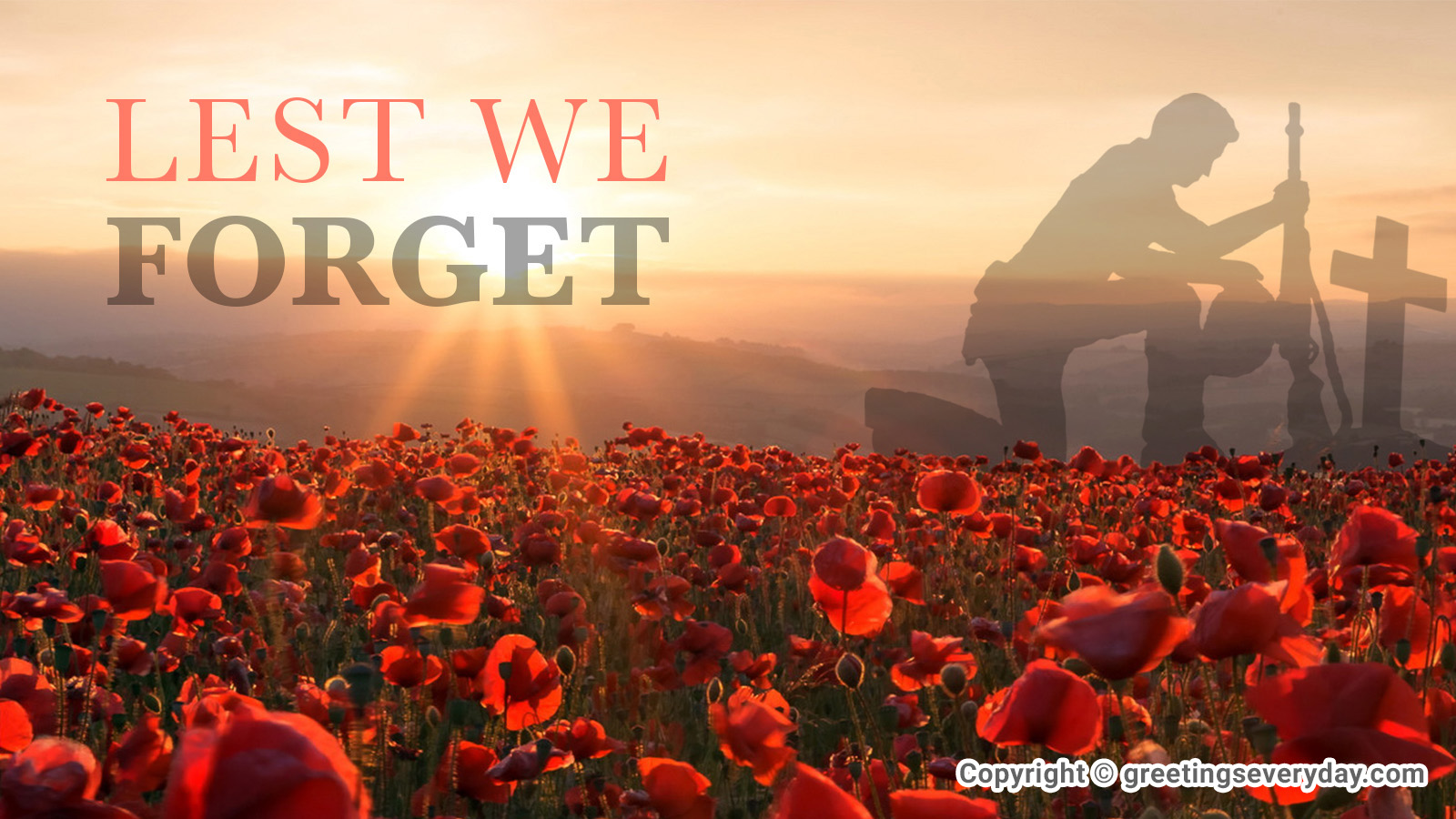
For the past few years I’ve been trying to read something to honour Remembrance Day, November 11. I was hoping others would join me this year.
“Remembrance Day (sometimes known informally as Poppy Day owing to the tradition of the remembrance poppy) is a memorial day observed in Commonwealth member states since the end of the First World War to remember the members of their armed forces who have died in the line of duty. Following a tradition inaugurated by King George V in 1919, the day is also marked by war remembrances in many non-Commonwealth countries.
Remembrance Day is observed on 11 November in most countries to recall the end of hostilities of First World War on that date in 1918. Hostilities formally ended "at the 11th hour of the 11th day of the 11th month", in accordance with the armistice signed by representatives of Germany and the Entente between 5:12 and 5:20 that morning. ("At the 11th hour" refers to the passing of the 11th hour, or 11:00 am.) The First World War officially ended with the signing of the Treaty of Versailles on 28 June 1919.
The tradition of Remembrance Day evolved out of Armistice Day. The initial Armistice Day was observed at Buckingham Palace, commencing with King George V hosting a "Banquet in Honour of the President of the French Republic" during the evening hours of 10 November 1919. The first official Armistice Day was subsequently held on the grounds of Buckingham Palace the following morning. During the Second World War, many countries changed the name of the holiday. Member states of the Commonwealth of Nations adopted Remembrance Day, while the US chose Veterans Day.” – wikipedia.org
So, read about war, soldiers, veterans, or if you have a hard time with that subject matter, read about poppies or even a book with a poppy or a soldier on the cover. (I want to make this as easy as I can think to!)
Suggestions (all of these have been on my favourites lists for the years I read them):
Fiction:
- The Alice Network / Kate Quinn (WWI, WWII)
- Blackout / Connie Willis (WWII)
- The Nightingale / Kristin Hannah
- Hotel on the Corner of Bitter and Sweet / Jamie Ford (WWII)
- Mudbound / Hillary Jordan
Nonfiction:
- The Longest Day: June 6, 1944 / Cornelius Ryan (WWII)
- Dead Wake / Erik Larson (WWI)
- Unbroken / Laura Hillenbrand (WWII)
Don't forget to add your read to the wiki:
https://wiki.librarything.com/index.php/2020_RandomCAT#November:_-_Theme:_Lest_W...

For the past few years I’ve been trying to read something to honour Remembrance Day, November 11. I was hoping others would join me this year.
“Remembrance Day (sometimes known informally as Poppy Day owing to the tradition of the remembrance poppy) is a memorial day observed in Commonwealth member states since the end of the First World War to remember the members of their armed forces who have died in the line of duty. Following a tradition inaugurated by King George V in 1919, the day is also marked by war remembrances in many non-Commonwealth countries.
Remembrance Day is observed on 11 November in most countries to recall the end of hostilities of First World War on that date in 1918. Hostilities formally ended "at the 11th hour of the 11th day of the 11th month", in accordance with the armistice signed by representatives of Germany and the Entente between 5:12 and 5:20 that morning. ("At the 11th hour" refers to the passing of the 11th hour, or 11:00 am.) The First World War officially ended with the signing of the Treaty of Versailles on 28 June 1919.
The tradition of Remembrance Day evolved out of Armistice Day. The initial Armistice Day was observed at Buckingham Palace, commencing with King George V hosting a "Banquet in Honour of the President of the French Republic" during the evening hours of 10 November 1919. The first official Armistice Day was subsequently held on the grounds of Buckingham Palace the following morning. During the Second World War, many countries changed the name of the holiday. Member states of the Commonwealth of Nations adopted Remembrance Day, while the US chose Veterans Day.” – wikipedia.org
So, read about war, soldiers, veterans, or if you have a hard time with that subject matter, read about poppies or even a book with a poppy or a soldier on the cover. (I want to make this as easy as I can think to!)
Suggestions (all of these have been on my favourites lists for the years I read them):
Fiction:
- The Alice Network / Kate Quinn (WWI, WWII)
- Blackout / Connie Willis (WWII)
- The Nightingale / Kristin Hannah
- Hotel on the Corner of Bitter and Sweet / Jamie Ford (WWII)
- Mudbound / Hillary Jordan
Nonfiction:
- The Longest Day: June 6, 1944 / Cornelius Ryan (WWII)
- Dead Wake / Erik Larson (WWI)
- Unbroken / Laura Hillenbrand (WWII)
Don't forget to add your read to the wiki:
https://wiki.librarything.com/index.php/2020_RandomCAT#November:_-_Theme:_Lest_W...

2LibraryCin
In Flanders Fields
By John McCrae
In Flanders fields the poppies blow
Between the crosses, row on row,
That mark our place; and in the sky
The larks, still bravely singing, fly
Scarce heard amid the guns below.
We are the Dead. Short days ago
We lived, felt dawn, saw sunset glow,
Loved and were loved, and now we lie,
In Flanders fields.
Take up our quarrel with the foe:
To you from failing hands we throw
The torch; be yours to hold it high.
If ye break faith with us who die
We shall not sleep, though poppies grow
In Flanders fields.
By John McCrae
In Flanders fields the poppies blow
Between the crosses, row on row,
That mark our place; and in the sky
The larks, still bravely singing, fly
Scarce heard amid the guns below.
We are the Dead. Short days ago
We lived, felt dawn, saw sunset glow,
Loved and were loved, and now we lie,
In Flanders fields.
Take up our quarrel with the foe:
To you from failing hands we throw
The torch; be yours to hold it high.
If ye break faith with us who die
We shall not sleep, though poppies grow
In Flanders fields.
3LibraryCin
I haven't even figured out yet what I'll be reading, but I usually try for some nonfiction. I will see what's on my tbr.
4majkia
I'll be reading the next Ian Rutledge mystery, The Confession. It's a terrific series about a man struggling with shellshock and his own personal demons following WWI.
5Robertgreaves
I think either Marcus Agrippa by Lindsay Powell, a biography of a general, or The Huntress by Kate Quinn, a novel about Soviet women pilots during WWII.
6dudes22
I was already considering The Alice Network by Kate Quinn for the Alpha Kit so I think that will be my choice.
7LittleTaiko
I’m leaning towards Beantown Girls but am also considering Simon the Fiddler or The Color of Lightning.
8VivienneR
Unpleasantness at the Bellona Club by Dorothy L. Sayers took place on Armistice Day 1928. I listened to an audiobook once but didn't care for the narrator so for this challenge I'll read a print copy.
9Robertgreaves
>8 VivienneR: I'd forgotten that. It's on my virtual TBR shelf to re-read.
10fuzzi
>1 LibraryCin: good topic! I agree with the recommendation of Unbroken by Laura Hillenbrand.
I'm going to recommend Walter Lord's Day of Infamy.
I've got three of his books on my shelves, unread, so this challenge would be a great opportunity to read at least one:
The Miracle of Dunkirk
The Dawn's Early Light
A Time to Stand
Some of you might recall reading another book by this author, A Night to Remember. I think it is probably the best book about the sinking of the Titanic out there.
I'm going to recommend Walter Lord's Day of Infamy.
I've got three of his books on my shelves, unread, so this challenge would be a great opportunity to read at least one:
The Miracle of Dunkirk
The Dawn's Early Light
A Time to Stand
Some of you might recall reading another book by this author, A Night to Remember. I think it is probably the best book about the sinking of the Titanic out there.
12markon
Though not fought in Europe, the following are two titles that present perspectives on wars involving poppies.
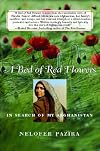
A bed of red flowers by Nelofer Pazirhttpa is a memoir of the author's time growing up in Afghanistan in the 1970s & 80s and her family's escape/immigration. Excerpt can be read here.

There is also Sea of poppies by Amitav Ghosh, his first volume in a triliogy about the poppy trade and how it connected England, India and China. This particular story follows a group of people sailing from India to China in the ship the Ibis. Read an excerpt here if you like.
A bed of red flowers by Nelofer Pazirhttpa is a memoir of the author's time growing up in Afghanistan in the 1970s & 80s and her family's escape/immigration. Excerpt can be read here.

There is also Sea of poppies by Amitav Ghosh, his first volume in a triliogy about the poppy trade and how it connected England, India and China. This particular story follows a group of people sailing from India to China in the ship the Ibis. Read an excerpt here if you like.
13Jackie_K
I've already got a relevant book lined up for the Non-fiction challenge in the 75 group, so am going to double up and read it for this one too - The Bletchley Girls, by Tessa Dunlop, about the women who worked at Bletchley Park, supporting Alan Turing and his team to crack the Enigma code.
14LadyoftheLodge
Thanks for suggesting this topic! My husband is a Navy veteran, so we both appreciate the thoughtfulness. Not sure what I will read yet.
15christina_reads
>6 dudes22: I had the same thought process! I'll probably go with The Alice Network as well, especially since it's already on my shelves.
16DeltaQueen50
I am hoping to read two books for this. The Wars by Timothy Findley is about one Canadian soldier's experience in World War I and Unknown Soldiers by Vaino Linna is about a group of Finnish soldiers during the 1940's fighting against the Russians.
17Helenliz
If sosmone is after somehting a bit different, I can suggest The First Casualty a work of detective ficiton ste in the trenches in WW1. It's an interesting juxtaposition.
18LibraryCin
>14 LadyoftheLodge: I'm glad to hear there are people who appreciate this theme. I was a bit worried!
19LibraryCin
>17 Helenliz: Oh, that does sound interesting!
20rabbitprincess
This will either be a kick in the pants to FINALLY read Blitzkrieg, by Len Deighton, which is in my Pool for this year, or an excuse to read Stalking Point, by Duncan Kyle, which I bought solely because of the seaplane on the cover.
21JayneCM
>18 LibraryCin: I think this is a wonderful topic - we must never forget.
Do you think a poetry collection is ok? I have been wanting to reread Wilfred Owen's The War Poems for a while.
My other choices would be Testament of Youth or Regeneration.
Do you think a poetry collection is ok? I have been wanting to reread Wilfred Owen's The War Poems for a while.
My other choices would be Testament of Youth or Regeneration.
22LibraryCin
>21 JayneCM: I think poetry is perfectly fine.
23NinieB
>21 JayneCM: Isn't Wilfred Owen's poetry one of the major literary products of WWI? Seems like a great choice to me.
24LibraryCin
I think I'll plan on this one:
Ghost Soldiers: The Epic Account of World War II's Greatest Rescue / Hampton Sides
Ghost Soldiers: The Epic Account of World War II's Greatest Rescue / Hampton Sides
25NinieB
A few I'm considering from my shelves:
Ruth Fielding at the War Front, an old juvenile from the Stratemeyer Syndicate
Barometer Rising, set during WWI in Halifax, Nova Scotia
The Thirty-Nine Steps, set in the tense atmosphere of early WWI
The Raft, shipwrecked sailors surviving on the Pacific Ocean during WWII
Great Escape Stories, escapes by prisoners of war
Ruth Fielding at the War Front, an old juvenile from the Stratemeyer Syndicate
Barometer Rising, set during WWI in Halifax, Nova Scotia
The Thirty-Nine Steps, set in the tense atmosphere of early WWI
The Raft, shipwrecked sailors surviving on the Pacific Ocean during WWII
Great Escape Stories, escapes by prisoners of war
27beebeereads
I'm not sure what I will read yet, but I will highly recommend A Testament of Youth for those who may not have read it yet.
28kac522
Don't know what I'll be reading either, but here are a few I can recommend. I don't read much fiction related to war, but all of these made an impression:
WWI:
--One of Ours by Willa Cather
--Return of the Soldier by Rebecca West -- very short but powerful
--All Quiet on the Western Front by Erich Maria Remarque -- from a German soldier's point of view
--A Month in the Country by J. L. Carr; written much later, but set in England during post-WWI era about soldiers re-adjusting to civilian life. If you can find it, there's a great movie based on this book with Colin Firth and Kenneth Branagh, an early movie for both.
--And I second Testament of Youth by Vera Brittain; memoir; long, but a page-turner
WWII:
--All the Light We Cannot See by Anthony Doerr
--Hiroshima by John Hersey (nonfiction)
Two by Mollie Panter-Downes:
--Good Evening, Mrs Craven; short stories written for the New Yorker from England during the War about British home life
--One Fine Day, a day in the life of a family and village in England adjusting to the new WWII postwar normal.
Vietnam
--The Things They Carried by Tim O'Brien. An unforgettable short story collection from the Vietnam War; the stories are connected by place and characters.
WWI:
--One of Ours by Willa Cather
--Return of the Soldier by Rebecca West -- very short but powerful
--All Quiet on the Western Front by Erich Maria Remarque -- from a German soldier's point of view
--A Month in the Country by J. L. Carr; written much later, but set in England during post-WWI era about soldiers re-adjusting to civilian life. If you can find it, there's a great movie based on this book with Colin Firth and Kenneth Branagh, an early movie for both.
--And I second Testament of Youth by Vera Brittain; memoir; long, but a page-turner
WWII:
--All the Light We Cannot See by Anthony Doerr
--Hiroshima by John Hersey (nonfiction)
Two by Mollie Panter-Downes:
--Good Evening, Mrs Craven; short stories written for the New Yorker from England during the War about British home life
--One Fine Day, a day in the life of a family and village in England adjusting to the new WWII postwar normal.
Vietnam
--The Things They Carried by Tim O'Brien. An unforgettable short story collection from the Vietnam War; the stories are connected by place and characters.
29fuzzi
>2 LibraryCin: I am not a "poetry person" and there are few poems that touch me. In Flanders Fields always does.
This one moves me as well. I hope you don't mind me including it here. It does match the challenge:
This one moves me as well. I hope you don't mind me including it here. It does match the challenge:
Grass by Carl Sandburg
Pile the bodies high at Austerlitz and Waterloo.
Shovel them under and let me work—
I am the grass; I cover all.
And pile them high at Gettysburg
And pile them high at Ypres and Verdun.
Shovel them under and let me work.
Two years, ten years, and passengers ask the conductor:
What place is this?
Where are we now?
I am the grass.
Let me work.
31LibraryCin
>29 fuzzi: I am not a "poetry person" and there are few poems that touch me. In Flanders Fields always does.
Agreed.
I don't think I'd read "Grass" before. Wow.
Agreed.
I don't think I'd read "Grass" before. Wow.
32kac522
Come vote on the Challenge Categories for 2021 at the Planning Thread:
https://www.librarything.com/topic/325375#7306342
Voting continues until Nov 8--sorry, no mail-in ballots!
https://www.librarything.com/topic/325375#7306342
Voting continues until Nov 8--sorry, no mail-in ballots!
33Robertgreaves
COMPLETED The Huntress by Kate Quinn
It follows a dual timeline: the life of a Soviet woman night-time bomber navigator/pilot during WWII and in 1950 we see the same character together with a former war correspondent and a former interpreter who are hunting a Nazi war criminal. The Russian and the British war correspondent are both suffering from PTSD from their wartime experiences.
It follows a dual timeline: the life of a Soviet woman night-time bomber navigator/pilot during WWII and in 1950 we see the same character together with a former war correspondent and a former interpreter who are hunting a Nazi war criminal. The Russian and the British war correspondent are both suffering from PTSD from their wartime experiences.
35dudes22
>33 Robertgreaves: - I'm actually reading her book The Alice Network for this challenge and the Alpha. I'm quite enjoying it.
36Robertgreaves
>35 dudes22: I read it 3 years ago and enjoyed it, though I read it with some trepidation. Her Roman series is also very good.
37dudes22
>36 Robertgreaves: - good to know.
38kac522
I'm planning on reading The Good Soldier by Ford Madox Ford.
39MissWatson
I have finished Für fremde Kaiser und kein Vaterland, a YA book from 1985 about a poor boy during the Napoleonic wars who gets drafted into the French army and deserts.
40LittleTaiko
I read and loved Beantown Girls set in WWII that features the Red Cross Clubmobile girls. Spent pretty much the last half of the book gently weeping.
41VivienneR
The Collected Poems of Rupert Brooke by Rupert Brooke
While known as a war poet most of Brooke's poetry was written prior to the Great War. When war was declared in 1914 he had his first experience of war on the disastrous expedition to Antwerp, spending a few days and nights being shelled in trenches. Early in 1915 he sailed with the Expeditionary Force to the Dardanelles, but died of blood poisoning on a French hospital ship at Scyros, Greece on April 23rd, Saint George's Day. He was buried at night, by torchlight, in an olive grove.
I found much of his words pompous by modern standards, generally glorifying war although he had so little experience of it, yet his voice called to mind the generation of young men who were lost.
While known as a war poet most of Brooke's poetry was written prior to the Great War. When war was declared in 1914 he had his first experience of war on the disastrous expedition to Antwerp, spending a few days and nights being shelled in trenches. Early in 1915 he sailed with the Expeditionary Force to the Dardanelles, but died of blood poisoning on a French hospital ship at Scyros, Greece on April 23rd, Saint George's Day. He was buried at night, by torchlight, in an olive grove.
I found much of his words pompous by modern standards, generally glorifying war although he had so little experience of it, yet his voice called to mind the generation of young men who were lost.
42LadyoftheLodge
Hi there! RandomCAT planning is up for 2021. Some months still do not have hosts, so check it out if interested--on the 2021 Category Challenges page.
43EBT1002
For this month's RandomCAT I read The Things They Carried by Tim O'Brien. I give it an enthusiastic 4.5 stars.
45nrmay
I read this bitter earth by Bernice McFadden. This was the follow-up novel to Sugar. Both are excellent.
Sugar's half-brother is a troubled Vietnam vet.
Sugar's half-brother is a troubled Vietnam vet.
46LibraryCin
Ghost Soldiers / Hampton Sides
3.5 stars
Close to the end of WWII, there were American (and a few other nationalities) prisoners of war being held by the Japanese in the Philippines. When one POW camp was brutally massacred, the American Rangers decided to go in to rescue the POWs at another one before the same thing could happen there. This book goes back and forth between the POWs: how they came to be in the camp and their life there leading up to the rescue and the rescuers and their dangerous mission to get them out. In the end, they saved over 500 POWs, many who were sick.
This was good. I found the POWs story more interesting than the rescuers, though there were still portions of both that held my interest. The book started with a “bang”, describing the other POW camp and how almost all of them were murdered except for a very few who managed to escape. Then, it switched to the story at hand, going back and forth. It did pick up in the last half to third of the book, as the rescue was about to happen, and as it happened.
3.5 stars
Close to the end of WWII, there were American (and a few other nationalities) prisoners of war being held by the Japanese in the Philippines. When one POW camp was brutally massacred, the American Rangers decided to go in to rescue the POWs at another one before the same thing could happen there. This book goes back and forth between the POWs: how they came to be in the camp and their life there leading up to the rescue and the rescuers and their dangerous mission to get them out. In the end, they saved over 500 POWs, many who were sick.
This was good. I found the POWs story more interesting than the rescuers, though there were still portions of both that held my interest. The book started with a “bang”, describing the other POW camp and how almost all of them were murdered except for a very few who managed to escape. Then, it switched to the story at hand, going back and forth. It did pick up in the last half to third of the book, as the rescue was about to happen, and as it happened.
47kac522
>43 EBT1002: The Things They Carried is probably one of the best collections of short stories I've ever read.
>38 kac522: I started The Good Soldier by Ford Madox Ford, but it really isn't about soldiers or war at all. I didn't like any of the characters or the very unreliable narrator or the circuitous structure and prose, so gave it up after 40 pages.
Have now started (for the 75ers AAC) Country Place by Ann Petry, which is about a WWII soldier returning to his Connecticut hometown in 1946. So it fits here as well. Once again the characters are not easy to like (with an admitted unreliable narrator), but the writing is accessible and straight forward.
>38 kac522: I started The Good Soldier by Ford Madox Ford, but it really isn't about soldiers or war at all. I didn't like any of the characters or the very unreliable narrator or the circuitous structure and prose, so gave it up after 40 pages.
Have now started (for the 75ers AAC) Country Place by Ann Petry, which is about a WWII soldier returning to his Connecticut hometown in 1946. So it fits here as well. Once again the characters are not easy to like (with an admitted unreliable narrator), but the writing is accessible and straight forward.
48VivienneR
I read The Unpleasantness at the Bellona Club by Dorothy L. Sayers which was set on Remembrance Day 1928, then known as Armistice Day. I listened to an audiobook a few years ago but recommend print.
49lowelibrary
For this challenge I read Rose Blanche by Roberto Innocenti and Christophe Gallaz. It was a realistic children's book about the Holocaust.
50clue
I have read We Band of Angels: The Untold Story of American Nurses Trapped On Bataan By The Japanese by Elizabeth M. Norman, a remarkable account of the nurses who served in the Army and Navy on Battan and Corregidor during World War II. The book follows some of them after they were liberted from prison camp through the end of their lives. Many never fully recovered from near starvation and disease.
51fuzzi
I started reading The Miracle of Dunkirk last night, and wow. I'd recalled that the author was wonderful but forgot just how good a writer he was. He makes history come alive.
52MissWatson
I have finished Das Phantom des Alexander Wolf which starts with a killing in the Russian Civil War. Years later the narrator finds this incident described in a book and wonders if he didn't kill his enemy, after all.
53majkia
I finished The confession the fourtheenth in the Ian Rutledge series. Ian is still dealing with the effects of fighting in WWI. Physical as well as mental. Excellent series.
54DeltaQueen50
I have completed Unknown Soldiers by Vaino Linna. This was an excellent book about a company of Finnish soldiers during WW II. I knew nothing about Finland during this time and found the history very interesting.
55fuzzi
Completed!

The Miracle of Dunkirk by Walter Lord
An engrossing history of the evacuation of Dunkirk as told through the eyes of survivors. There's no sugar-coating of the blunders made by those in command, errors that should have sunk this operation, but there are also many stories of bravery and courage. Upon reflection it is truly amazing that as many people were rescued considering the mistakes committed. A miracle, indeed.

The Miracle of Dunkirk by Walter Lord
An engrossing history of the evacuation of Dunkirk as told through the eyes of survivors. There's no sugar-coating of the blunders made by those in command, errors that should have sunk this operation, but there are also many stories of bravery and courage. Upon reflection it is truly amazing that as many people were rescued considering the mistakes committed. A miracle, indeed.

56dudes22
I've finished The Alice Network by Kate Quinn. I thought this was a fabulous book which is based on actual female spies during WW I.
57Jackie_K
I've finished The Bletchley Girls by Tessa Dunlop - she interviews 15 of the women who worked at, or were connected to (eg listening centres which transmitted messages to BP), Bletchley Park codebreaking centre during WW2.

