On This Page
Description
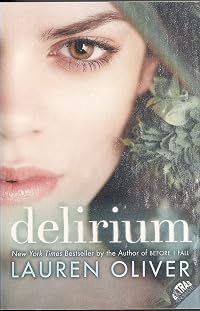
Lena looks forward to receiving the government-mandated cure that prevents the delirium of love and leads to a safe, predictable, and happy life, until ninety-five days before her eighteenth birthday and her treatment, when she falls in love.Tags
Recommendations












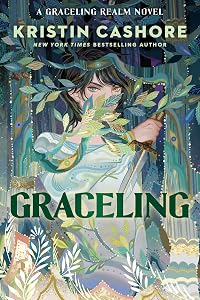
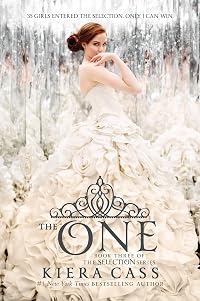

Member Recommendations
BookshelfMonstrosity In these intense dystopian novels, teenage girls start to question the life-changing operation their oppressive government mandates for teens. Both girls redefine their values and grapple with the possibility of escaping to a rebellious colony in the wilderness.
Also recommended by Kerian
90

Kritik Dystopia


atreic Both these books have a teenage protagonist who breaks out of her distopian existance because they suddenly fall in love...
01


Member Reviews
Delirium has a fantastic dystopian premise. What if love was considered a disease that could be vaccinated for? What would life be like for people in a love-free society? The concept was so full of potential, but the story inevitably got bogged down in the romance.
Lena isn't eighteen and hasn't been cured yet. This makes her still susceptible to love. She meets a boy and falls in love, causing her to be considered infected and much like a criminal. The problem I have with the relationship is that it is so convenient. Minors aren't allowed to spend time with uncureds of the opposite sex, so Lena predictably falls in love with the first one she talks to. The relationship continues with both of them falling deeper in love to the point show more where they are willing to give up everything to be together. It's very romantic. And stupid. Especially since they've known each other for about two months.
Is the love story in Delirium realistic in the society of the book? Sure, but it's also unbelievably annoying. I'm usually all for rebelling against dystopian society, but the argument against love in Delirium is rather convincing. Love is messy. It can make you seriously ill and possibly homicidal or suicidal. Can you really fault a government for trying to find a solution. The cure seems to be working, society is benefiting, and no one is complaining. Lena was excited to receive the cure until a boy paid her the slightest bit of attention. She acts in the exact way the society warns people about, yet we're supposed to see them as the villains.
I was disappointed with Delirium. The concept was promising, the hype was huge and other reviewers seem to absolutely love it. Yet, I just could not fathom someone throwing away a good future in the name of love. Or, more accurately, in the name of infatuation and lust given the length and super sexy secret nature of the relationship. When I wish for the dystopian society to win, I know something has gone horribly wrong with a story. show less
Lena isn't eighteen and hasn't been cured yet. This makes her still susceptible to love. She meets a boy and falls in love, causing her to be considered infected and much like a criminal. The problem I have with the relationship is that it is so convenient. Minors aren't allowed to spend time with uncureds of the opposite sex, so Lena predictably falls in love with the first one she talks to. The relationship continues with both of them falling deeper in love to the point show more where they are willing to give up everything to be together. It's very romantic. And stupid. Especially since they've known each other for about two months.
Is the love story in Delirium realistic in the society of the book? Sure, but it's also unbelievably annoying. I'm usually all for rebelling against dystopian society, but the argument against love in Delirium is rather convincing. Love is messy. It can make you seriously ill and possibly homicidal or suicidal. Can you really fault a government for trying to find a solution. The cure seems to be working, society is benefiting, and no one is complaining. Lena was excited to receive the cure until a boy paid her the slightest bit of attention. She acts in the exact way the society warns people about, yet we're supposed to see them as the villains.
I was disappointed with Delirium. The concept was promising, the hype was huge and other reviewers seem to absolutely love it. Yet, I just could not fathom someone throwing away a good future in the name of love. Or, more accurately, in the name of infatuation and lust given the length and super sexy secret nature of the relationship. When I wish for the dystopian society to win, I know something has gone horribly wrong with a story. show less
http://iwriteinbooks.wordpress.com/2011/02/05/delirium-lauren-oliver/
From the tradition of The Giver and 1984, Lauren Oliver’s Delirium taps into our desire to rid ourselves of human desire in hopes of a simpler tomorrow. Hauntingly hitting home through snippets of poetry, prose and plays, Oliver’s story tells of a world that ever so conveniently “relieves” its citizens of the burdens of love and other dangerous emotions, upon their arrival at adulthood.
Declaring love as a devouring, deadly, highly contagious disease, the United States government has done its best to help its citizens live unencumbered, healthy lives by removing the perils of passion, the dangers of desire and the liabilities of love through a compulsory, show more painless and simple procedure, upon each individuals coming of age. The beauty of such a clean, clutterless system is that each person is matched to his or her future spouse, given a job in science, technology, government, etc., and sent on his or her merry, emotionless way to serve, protect and prosper.
Sounds fabulous, right? Lena thought so for most of her life.
Of course, Juliet Capulet thought her life was grand, too.
There was that little distracting detail of a kid named Romeo, though. At least I think that’s how it went…
The most amazing thing about this story compared to other YA and even adult romances, is that there is something so sinister yet so abundantly prevalent in our current culture as mimicked and mocked in Delirium fantasy world, that the romance of the story is only second chair. We live in a time where faster and faster, we run through our lives, loves and relationships, texting, emailing and never stopping to think about the bonds that do or should hold us together. The perfect, presentable partner, the perfect occupation that must be a career, not just a job, and the kids who can photograph well, read aloud, long divide and score goals well before their fourth birthdays. We must have it all or we’re not doing it right.
Among this, who has time to love or feel or cry?
A beautiful romance at the surface but a powerful caution to those of us (and who doesn’t?) who run too fast, jump too high and love far too little, Delirium is not just another futuristic teen romance; it’s a tale as old as time about the perils of outlawing love and denying us what is truly in our hearts. show less
From the tradition of The Giver and 1984, Lauren Oliver’s Delirium taps into our desire to rid ourselves of human desire in hopes of a simpler tomorrow. Hauntingly hitting home through snippets of poetry, prose and plays, Oliver’s story tells of a world that ever so conveniently “relieves” its citizens of the burdens of love and other dangerous emotions, upon their arrival at adulthood.
Declaring love as a devouring, deadly, highly contagious disease, the United States government has done its best to help its citizens live unencumbered, healthy lives by removing the perils of passion, the dangers of desire and the liabilities of love through a compulsory, show more painless and simple procedure, upon each individuals coming of age. The beauty of such a clean, clutterless system is that each person is matched to his or her future spouse, given a job in science, technology, government, etc., and sent on his or her merry, emotionless way to serve, protect and prosper.
Sounds fabulous, right? Lena thought so for most of her life.
Of course, Juliet Capulet thought her life was grand, too.
There was that little distracting detail of a kid named Romeo, though. At least I think that’s how it went…
The most amazing thing about this story compared to other YA and even adult romances, is that there is something so sinister yet so abundantly prevalent in our current culture as mimicked and mocked in Delirium fantasy world, that the romance of the story is only second chair. We live in a time where faster and faster, we run through our lives, loves and relationships, texting, emailing and never stopping to think about the bonds that do or should hold us together. The perfect, presentable partner, the perfect occupation that must be a career, not just a job, and the kids who can photograph well, read aloud, long divide and score goals well before their fourth birthdays. We must have it all or we’re not doing it right.
Among this, who has time to love or feel or cry?
A beautiful romance at the surface but a powerful caution to those of us (and who doesn’t?) who run too fast, jump too high and love far too little, Delirium is not just another futuristic teen romance; it’s a tale as old as time about the perils of outlawing love and denying us what is truly in our hearts. show less
For me, at least, Delirium started off slowly. In fact, after reading the chapter where the character of Alex is first introduced (the laughing boy), I put the book down for something like a month because I didn't feel any urge to finish it. But then I picked it up again, and BAM, the next chapter sucked me in so much that I finished the book that day.
In a sea of young adult dystopian trilogies, Delirium stands out to me for a couple of different reasons. First, the author has a beautiful way of writing. There are some phrases that were just so amazing that I had to stop and read them over again. As someone who puts away on average at least a hundred books a year, I don't do that very often. So when I do, it's definitely noteworthy to show more me.
Second, I love the world that the author builds. In a world without love, so many things change, and I found myself thinking what it truly would be like to live in such a world. And the author starts each chapter with little snippets of that world, including passages from textbooks to forbidden sayings (often ones that we know by heart) to fragments of poetry. Altogether, it's amazing. And, impressively, cohesive. I could see this world existing in some alternate way, and I can't say that about most of the YA dystopian trilogies I have read.
Third, I adore the characters. Lena isn't the typical rebellious, spunky protagonist that populates dystopian fiction. In fact, she starts out eclipsed by her more daring friend, Hana. I like that the author did this, because we can see Lena's growth and internal struggle. She matures as a character, and quite nicely, might I add. There is genuine growth here. And I like Alex, too. Also, the situation feels more real because bad things happen to good characters. People make decisions that you don't think that they will. It's interesting.
Fourth, the ending! I won't give it away, but it definitely veers from the "oh yay we're together and that's all that matters yay!" ending that is so popular. There's a cliffhanger, which made me want to dive into Pandemonium right away (which I did, to be honest).
Even if you're a little burnt out on dystopian YA fiction, I'd suggest giving this series a try. It definitely isn't run of the mill. show less
In a sea of young adult dystopian trilogies, Delirium stands out to me for a couple of different reasons. First, the author has a beautiful way of writing. There are some phrases that were just so amazing that I had to stop and read them over again. As someone who puts away on average at least a hundred books a year, I don't do that very often. So when I do, it's definitely noteworthy to show more me.
Second, I love the world that the author builds. In a world without love, so many things change, and I found myself thinking what it truly would be like to live in such a world. And the author starts each chapter with little snippets of that world, including passages from textbooks to forbidden sayings (often ones that we know by heart) to fragments of poetry. Altogether, it's amazing. And, impressively, cohesive. I could see this world existing in some alternate way, and I can't say that about most of the YA dystopian trilogies I have read.
Third, I adore the characters. Lena isn't the typical rebellious, spunky protagonist that populates dystopian fiction. In fact, she starts out eclipsed by her more daring friend, Hana. I like that the author did this, because we can see Lena's growth and internal struggle. She matures as a character, and quite nicely, might I add. There is genuine growth here. And I like Alex, too. Also, the situation feels more real because bad things happen to good characters. People make decisions that you don't think that they will. It's interesting.
Fourth, the ending! I won't give it away, but it definitely veers from the "oh yay we're together and that's all that matters yay!" ending that is so popular. There's a cliffhanger, which made me want to dive into Pandemonium right away (which I did, to be honest).
Even if you're a little burnt out on dystopian YA fiction, I'd suggest giving this series a try. It definitely isn't run of the mill. show less
I can't even begin to imagine living in a time when love is viewed as a disease and the right to love is taken away from me and is punishable by death if I try escaping The Cure. Amor Deliria Nervosa, that was what you were supposedly at risk of contracting if you fell in love.
Lauren Oliver created a world in Delirium which never felt safe and felt so foreign that I couldn't believe I could actually see this happening. I mean, really, if you think about it, I could see there being a time when the government says humankind's downfall is our emotion, our love. That thought alone added another factor of fear to the story, one that was already elevated from the start.
Our main character, Lena, was about to turn eighteen, to graduate, and show more about to embark on what would be the test that eventually led her into the loveless, content, arms of a man she would be told to spend the rest of her life with. Her match. She would make a life with this man, have children with this man, yet never actually feel the driving passion behind what is otherwise considered Amor Deliria Nervosa.
Lena fears her government, with right, and despite what she has been trained to think and feel she can't help but see more then she should. She isn't the only one in her story that sees more then they should ever admit. Her best friend is who opens her clouded vision to a secret word that exist between their walls, one in which people hold on to every last bit of freedom before they are forced to give themselves up to The Cure.
Lena's struggle with accepting The Cure is rooted deeper then most. It isn't basic anxiety or the fear of being herded like cattle that truly hurt her, it is the story of her Mother and the fact that she is unable to pull her eyes away from a guy, Alex, who is introduced into her life in an abrupt and dangerous manner. By a second chance meeting her life is thrown into a whirlwind of struggle and acceptance for what are the truths behind her life, her government, and Amor Deliria Nervosa.
All of the characters I was introduced to played their parts well. The only characters I found flat, weren't really flat, just tight knit into their rolls in a society where the only emotion that really ran high was fear. Lena, despite being set in her ways, grew while her story did and most everything she did or said was justified by how she grew up, it wasn't just some random unexplained action void of motive. It only made her story that much more tragic as it began to unfold. Alex, was the perfect compliment to Lena. He was able to make her feel things she never had before, and it was more then just a flutter in her tummy. He was also able to show her truths about her life which helped her make the biggest decisions of her life. Even if their story would have ended when it came her time for The Cure, the only thing their time together lacked was more time to be together.
Despite the slow-going first part of this book, once I crossed that threshold I really couldn't put it down. I became immersed in a world I was scared to death of but felt like I was living in. Every anxiety felt like it was connected to me, every pitter-patter of Lena's heart, or Alex's, my own mimicked. The shade of the sunset let me fall in love, just as it had its affect of Alex and Lena. When you read it, you will know what I mean.
Read on from this point with caution, no big spoilers, just a nice warning to those weak of heart:
Prepare yourself for the cliff hanger and the possible ruin that will be yourself if you are not careful. There is a possibility you will need your inhaler, if you own one, and a box of tissue. I still haven't recovered from what has to one of the most intense and heart wrenching endings I have ever experienced.
Lauren Oliver brilliantly painted a portrait of a world we had reason to fear but wanted to fall into, if just to feel that longing and love Lena did. Book number two, Pandemonium, could not come fast enough. show less
Lauren Oliver created a world in Delirium which never felt safe and felt so foreign that I couldn't believe I could actually see this happening. I mean, really, if you think about it, I could see there being a time when the government says humankind's downfall is our emotion, our love. That thought alone added another factor of fear to the story, one that was already elevated from the start.
Our main character, Lena, was about to turn eighteen, to graduate, and show more about to embark on what would be the test that eventually led her into the loveless, content, arms of a man she would be told to spend the rest of her life with. Her match. She would make a life with this man, have children with this man, yet never actually feel the driving passion behind what is otherwise considered Amor Deliria Nervosa.
Lena fears her government, with right, and despite what she has been trained to think and feel she can't help but see more then she should. She isn't the only one in her story that sees more then they should ever admit. Her best friend is who opens her clouded vision to a secret word that exist between their walls, one in which people hold on to every last bit of freedom before they are forced to give themselves up to The Cure.
Lena's struggle with accepting The Cure is rooted deeper then most. It isn't basic anxiety or the fear of being herded like cattle that truly hurt her, it is the story of her Mother and the fact that she is unable to pull her eyes away from a guy, Alex, who is introduced into her life in an abrupt and dangerous manner. By a second chance meeting her life is thrown into a whirlwind of struggle and acceptance for what are the truths behind her life, her government, and Amor Deliria Nervosa.
All of the characters I was introduced to played their parts well. The only characters I found flat, weren't really flat, just tight knit into their rolls in a society where the only emotion that really ran high was fear. Lena, despite being set in her ways, grew while her story did and most everything she did or said was justified by how she grew up, it wasn't just some random unexplained action void of motive. It only made her story that much more tragic as it began to unfold. Alex, was the perfect compliment to Lena. He was able to make her feel things she never had before, and it was more then just a flutter in her tummy. He was also able to show her truths about her life which helped her make the biggest decisions of her life. Even if their story would have ended when it came her time for The Cure, the only thing their time together lacked was more time to be together.
Despite the slow-going first part of this book, once I crossed that threshold I really couldn't put it down. I became immersed in a world I was scared to death of but felt like I was living in. Every anxiety felt like it was connected to me, every pitter-patter of Lena's heart, or Alex's, my own mimicked. The shade of the sunset let me fall in love, just as it had its affect of Alex and Lena. When you read it, you will know what I mean.
Read on from this point with caution, no big spoilers, just a nice warning to those weak of heart:
Prepare yourself for the cliff hanger and the possible ruin that will be yourself if you are not careful. There is a possibility you will need your inhaler, if you own one, and a box of tissue. I still haven't recovered from what has to one of the most intense and heart wrenching endings I have ever experienced.
Lauren Oliver brilliantly painted a portrait of a world we had reason to fear but wanted to fall into, if just to feel that longing and love Lena did. Book number two, Pandemonium, could not come fast enough. show less
This is possibly one of the most difficult reviews I’ve ever written because, like many other people, I have been infected with amor deliria nervosa. Meaning: I loved this book.
Delirium was an exquisite read. Lena’s life, her world, is one of control and awareness. Her mother committed suicide when she was younger because she was afflicted with amor deliria nervosa – Lena vows to never be like that. She fears the procedure that will change her life forever, but she also welcomes it, wanting the normalcy that it will provide. Upon meeting Alex, a cured boy, things begin to change and Lena starts to see her world for what it really is.
Lauren Oliver has crafted this dystopian world that, on the surface, does not appear harsh or cruel show more or bad. But underneath, below the blank faces and the shiny atmosphere, is a world where people are losing their emotions, the feelings cut right out of them. The setting of Portland, Maine is a character all on its own. I felt like I was right there, in Portland, smelling the ocean and feeling the salt on my skin. Oliver’s writing is, for lack of a better word, breathtaking. Her characters are so human and filled with the life that the cure takes away.
I was instantly taken with Lena and her desire to hold onto her mother’s memory, but also to separate herself from it. She wants to be a good image in her family and knowing that the cure will tear her apart from her best friend Hana, is devastating. In Lena’s world, love is a disease and diseases must be inoculated. When Lena begins to have deliria-like feelings for Alex, she begins to see reasons why there are Invalids and people who would rather die than lose themselves to the cure. It is terrifying and tragic and haunting and beautiful all at the same time.
The premise of Delirium is so entirely captivating that I did not want to put the book down and I cannot stop thinking about it. Lena, Alex, Hana, even Gracie all tore into my heart and made me love them. If this is deliria, then I do not want the cure. Lauren Oliver’s writing is stunning and the ending, oh, the ending, it killed me. I implore you to buy Delirium, open it the second you get it, and don't stop until you reach the back cover. It’s amazing and incredible and this review does not do it justice.
Opening line: It has been sixty-four years since the president and the Consortium identified love as a disease, and forty-three since the scientists perfected a cure. ~ pg. 9
Favorite lines:
Sometimes I feel like if you just watch things, just sit still and let the world exist in front of you – sometimes I swear that just for a second time freezes and the world pauses in its tilt. Just for a second. And if you somehow found a way to live in that second, then you would live forever. ~ pgs. 110-111
And this one:
As I lie there with the hurt driving through my chest and the sick, anxious feeling churning through me and the desire for Alex so strong inside of me it’s like a razor blade edging its way through my organs, shredding me, all I can think is: It will kill me, it will kill me, it will kill me. And I don’t care. ~ pg. 166
*This is the e-ARC version and lines, pages, cover art may be subject to change before official publication show less
Delirium was an exquisite read. Lena’s life, her world, is one of control and awareness. Her mother committed suicide when she was younger because she was afflicted with amor deliria nervosa – Lena vows to never be like that. She fears the procedure that will change her life forever, but she also welcomes it, wanting the normalcy that it will provide. Upon meeting Alex, a cured boy, things begin to change and Lena starts to see her world for what it really is.
Lauren Oliver has crafted this dystopian world that, on the surface, does not appear harsh or cruel show more or bad. But underneath, below the blank faces and the shiny atmosphere, is a world where people are losing their emotions, the feelings cut right out of them. The setting of Portland, Maine is a character all on its own. I felt like I was right there, in Portland, smelling the ocean and feeling the salt on my skin. Oliver’s writing is, for lack of a better word, breathtaking. Her characters are so human and filled with the life that the cure takes away.
I was instantly taken with Lena and her desire to hold onto her mother’s memory, but also to separate herself from it. She wants to be a good image in her family and knowing that the cure will tear her apart from her best friend Hana, is devastating. In Lena’s world, love is a disease and diseases must be inoculated. When Lena begins to have deliria-like feelings for Alex, she begins to see reasons why there are Invalids and people who would rather die than lose themselves to the cure. It is terrifying and tragic and haunting and beautiful all at the same time.
The premise of Delirium is so entirely captivating that I did not want to put the book down and I cannot stop thinking about it. Lena, Alex, Hana, even Gracie all tore into my heart and made me love them. If this is deliria, then I do not want the cure. Lauren Oliver’s writing is stunning and the ending, oh, the ending, it killed me. I implore you to buy Delirium, open it the second you get it, and don't stop until you reach the back cover. It’s amazing and incredible and this review does not do it justice.
Opening line: It has been sixty-four years since the president and the Consortium identified love as a disease, and forty-three since the scientists perfected a cure. ~ pg. 9
Favorite lines:
Sometimes I feel like if you just watch things, just sit still and let the world exist in front of you – sometimes I swear that just for a second time freezes and the world pauses in its tilt. Just for a second. And if you somehow found a way to live in that second, then you would live forever. ~ pgs. 110-111
And this one:
As I lie there with the hurt driving through my chest and the sick, anxious feeling churning through me and the desire for Alex so strong inside of me it’s like a razor blade edging its way through my organs, shredding me, all I can think is: It will kill me, it will kill me, it will kill me. And I don’t care. ~ pg. 166
*This is the e-ARC version and lines, pages, cover art may be subject to change before official publication show less
Ever wanted to wipe a guy from your mind because he shattered your heart so soundly?
In Lena’s world, you can. However, like all small blessings, it comes with a catch, and it’s a biggie.
Lena lives in a future United States where a group called the ‘Consortium’ has taken over. In true dystopian fashion, the government, not individuals, make all major life decisions for citizens, including place of post-secondary education, profession and spouse. Lauren Oliver creates a future U.S. with beautiful, descriptive language, and sometimes you get lost in the loveliness and the originality of the sentences, especially when she writes comparisons. That being said, I found it difficult to ‘sink into’ this novel at first. When we first show more meet Lena, she is about to turn 18 and full of anxiety about her future. Because of this, Lena is an extremely introspective character, and at times, I think I would have liked some more dialogue or action to break it up a bit, but then Oliver would come out with a completely amazing sentence that would make me reread it with pleasure.
Lena's world is SUPER circumscribed, and this is where Oliver’s novel really differs from other dystopian reads for me: Lena’s world never feels safe, not even at first. Yes, she was told her world was safe, orderly and protected, but I never got that feeling. I was creeped out from the beginning by how regimented her life was: early curfews, absolutely no contact with boys who weren’t family or cured yet, and the constant reminders that if you are suspected of doing anything that smacks of civil disobedience, you will get a one-way to ticket to death or hell on earth. The government certainly has covered its tracks with the mother of all PR campaigns in Delirium; everything, from the Bible to national history to current events, has been rewritten. At times, it felt like something akin to Nazi Germany.
Lena's insecurities as a young woman are poignant and familiar. However, she mentions them enough times to make me think of other contemporary characters who also are self-deprecating. She feels that doesn’t measure up in the looks department and is nothing very special. Here family also lacks in social status and her legal last name is a burden because of the shady past of her parents. Because of these things, she actually is grateful for the procedure and her government’s system – it ensures she’ll have a place in the community and have someone in her life, albeit one who is chosen for her, not by her. You get the feeling that Lena isn’t happy to get the procedure so she can dodge the love sickness, but so she can escape her memories and feelings about the past.
She didn’t count on meeting Alex, who is a marvelous example of a loving, brave, and selfless guy (he’s my new lit crush). Alex has a few secrets of his own, and they both broaden Lena’s horizons and endanger her future at the same time. Oliver’s writing really shines at its best during the beautiful moments shared between Lena and Alex. I won’t spoil anything here, but let’s just say I said, “Ahhhhh,” and “ Awww,” several times. Outloud.
I have to admit, I had a hard time wrapping my brain around the premise. Who wants to get rid of love? Sure, it’s really inconvenient at times, but capable of being a national threat? No. And then I realized the catch. Remember the old saying, “It’s a thin line between love and hate?” It’s a thin line between a lot of different emotions: love, hate, passion, anger, etc., and all these different feelings provoke strong actions. Take away the ability to feel those emotions, and what sort of person do you have? A damn boring one who won’t cause trouble. This isn’t spelled out in Delirium, but I have seen this comment in a few reviews and wanted to add in my two-cents.
While I struggled to get into the first third, I couldn't stop reading the second half. Lena really develops in it and creates her own beautiful world within the one she has to live in. I hope we learn more about what circumstances the Consortium came to power under in book two, and gain more insight into what kind of world Lena is truly living in. I wish I had more background context for this book as I think it would have helped me get into it a bit earlier, but I will say that once I was hooked, I stayed that way. The world in Delirium is a refreshing, new dystopia we have not yet seen before with an original premise - a truly fascist, threatening government right from the start with a paranoid population in which a forbidden love flourishes and a young woman starts to find out what she is really made of. I think once we know more about the the reasons behind the premise and understand more about the world outside of Lena's immediate frame-of-reference, we will have a wholly satisfying trilogy in our hands. show less
In Lena’s world, you can. However, like all small blessings, it comes with a catch, and it’s a biggie.
Lena lives in a future United States where a group called the ‘Consortium’ has taken over. In true dystopian fashion, the government, not individuals, make all major life decisions for citizens, including place of post-secondary education, profession and spouse. Lauren Oliver creates a future U.S. with beautiful, descriptive language, and sometimes you get lost in the loveliness and the originality of the sentences, especially when she writes comparisons. That being said, I found it difficult to ‘sink into’ this novel at first. When we first show more meet Lena, she is about to turn 18 and full of anxiety about her future. Because of this, Lena is an extremely introspective character, and at times, I think I would have liked some more dialogue or action to break it up a bit, but then Oliver would come out with a completely amazing sentence that would make me reread it with pleasure.
Lena's world is SUPER circumscribed, and this is where Oliver’s novel really differs from other dystopian reads for me: Lena’s world never feels safe, not even at first. Yes, she was told her world was safe, orderly and protected, but I never got that feeling. I was creeped out from the beginning by how regimented her life was: early curfews, absolutely no contact with boys who weren’t family or cured yet, and the constant reminders that if you are suspected of doing anything that smacks of civil disobedience, you will get a one-way to ticket to death or hell on earth. The government certainly has covered its tracks with the mother of all PR campaigns in Delirium; everything, from the Bible to national history to current events, has been rewritten. At times, it felt like something akin to Nazi Germany.
Lena's insecurities as a young woman are poignant and familiar. However, she mentions them enough times to make me think of other contemporary characters who also are self-deprecating. She feels that doesn’t measure up in the looks department and is nothing very special. Here family also lacks in social status and her legal last name is a burden because of the shady past of her parents. Because of these things, she actually is grateful for the procedure and her government’s system – it ensures she’ll have a place in the community and have someone in her life, albeit one who is chosen for her, not by her. You get the feeling that Lena isn’t happy to get the procedure so she can dodge the love sickness, but so she can escape her memories and feelings about the past.
She didn’t count on meeting Alex, who is a marvelous example of a loving, brave, and selfless guy (he’s my new lit crush). Alex has a few secrets of his own, and they both broaden Lena’s horizons and endanger her future at the same time. Oliver’s writing really shines at its best during the beautiful moments shared between Lena and Alex. I won’t spoil anything here, but let’s just say I said, “Ahhhhh,” and “ Awww,” several times. Outloud.
I have to admit, I had a hard time wrapping my brain around the premise. Who wants to get rid of love? Sure, it’s really inconvenient at times, but capable of being a national threat? No. And then I realized the catch. Remember the old saying, “It’s a thin line between love and hate?” It’s a thin line between a lot of different emotions: love, hate, passion, anger, etc., and all these different feelings provoke strong actions. Take away the ability to feel those emotions, and what sort of person do you have? A damn boring one who won’t cause trouble. This isn’t spelled out in Delirium, but I have seen this comment in a few reviews and wanted to add in my two-cents.
While I struggled to get into the first third, I couldn't stop reading the second half. Lena really develops in it and creates her own beautiful world within the one she has to live in. I hope we learn more about what circumstances the Consortium came to power under in book two, and gain more insight into what kind of world Lena is truly living in. I wish I had more background context for this book as I think it would have helped me get into it a bit earlier, but I will say that once I was hooked, I stayed that way. The world in Delirium is a refreshing, new dystopia we have not yet seen before with an original premise - a truly fascist, threatening government right from the start with a paranoid population in which a forbidden love flourishes and a young woman starts to find out what she is really made of. I think once we know more about the the reasons behind the premise and understand more about the world outside of Lena's immediate frame-of-reference, we will have a wholly satisfying trilogy in our hands. show less
What an original and intriguing look at young love! I rushed through this book because it was such a novel way of dealing with its subject matter. Lena lives in an alternate future America where science has discovered a way to "cure" love, and Lena can't wait to have her procedure so she can escape the disease (sweaty palms, anxiety, elevated heart rate, delusions, depression, etc). But then she meets Alex, who shows her a different way of living.
The ending really caught me up. It seems pretty certain that there will be a sequel--the end is a little rushed, and I was surprised when I turned the last page that it was over (I read this on my iPod with pagination turned off, so I didn't know what page I was on). But the story is well show more written all over; the characters are well-developed, if somewhat leading, the imagery is well in place. Everyone has their own experience of young love, and you want Lena and Alex to be happy. I felt Lena's emotion clearly, so the author truly captured her character's voice. There's a great twist near the end of the book, and the way the story finishes, you will wish that the second book is already out.
This book will make you think with its alternate portrayal of the future. At first we see the world through Lena's eyes, where everyone is happy, but as she finds the hidden truths of life, utopia falls away.
A great YA novel that would be great to use as a discussion topic.
I received this book as an eARC from Netgalley. show less
The ending really caught me up. It seems pretty certain that there will be a sequel--the end is a little rushed, and I was surprised when I turned the last page that it was over (I read this on my iPod with pagination turned off, so I didn't know what page I was on). But the story is well show more written all over; the characters are well-developed, if somewhat leading, the imagery is well in place. Everyone has their own experience of young love, and you want Lena and Alex to be happy. I felt Lena's emotion clearly, so the author truly captured her character's voice. There's a great twist near the end of the book, and the way the story finishes, you will wish that the second book is already out.
This book will make you think with its alternate portrayal of the future. At first we see the world through Lena's eyes, where everyone is happy, but as she finds the hidden truths of life, utopia falls away.
A great YA novel that would be great to use as a discussion topic.
I received this book as an eARC from Netgalley. show less
Members
- Recently Added By
Lists

Best Dystopias
280 works; 272 members

NPRs your favorites: 100 Best Ever Teen Novels
237 works; 49 members

Top Five Books of 2021
604 works; 181 members

Biggest Disappointments
606 works; 168 members

SantaThing 2014 Gifts
299 works; 17 members

KayStJ's to-read list
1,616 works; 11 members

Books Read in 2014
2,343 works; 89 members

Books Read in 2021
5,361 works; 113 members

Books Read in 2013
1,630 works; 51 members
Author Information

Lauren Oliver (born Laura Schechter) was born in New York City in 1982. She received degrees in philosophy and literature from the University of Chicago in 2004. She graduated the MFA program at NYU in 2008. She worked briefly as an editorial assistant and an assistant editor at Razorbill, a division of Penguin Books. She left to become a show more full-time writer in 2009. Her first novel, Before I Fall, was published in 2010. Her other works include Delirium, Liesl and Po, and Pandemonium. Her title's Panic, Vanishing Girls and The Shrunken Head made The New York Times Best Seller List. She made the Hollywood Reporter's '25 Most Powerful Authors' 2016 list, entering at number 23. (Bowker Author Biography) show less
Some Editions
Awards and Honors
Awards
Distinctions
Series

Work Relationships
Is contained in
Common Knowledge
- Canonical title
- Delirium
- Original title
- Delirium
- Original publication date
- 2011-02-01
- People/Characters
- Magdalena "Lena" Ella Haloway (aka Lena Tiddle); Hana Tate; Alex Sheathes (aka Alex Warren); Grace Tiddle; Rachel [Delirium]; Carol [Delirium]
- Important places
- Portland, Maine, USA; USA; Maine, USA; Deering Highlands, Portland, Maine, USA
- Related movies
- Delirium (2013 | IMDb)
- Epigraph
- The most dangerous sicknesses are those that make us believe we are well.
--Proverb 42, The Book of Shhh - Dedication
- For all the people who have infected me with
amor deliria nervosa in the past--
you know who you are.
For the people who will infect me in the future--
I can't wait to see who you'll be.
And... (show all) in both cases:
Thank you. - First words
- It has been sixty-four years since the president and the Consortium identified love as a disease, and forty-three since the scientists perfected a cure.
- Last words
- (Click to show. Warning: May contain spoilers.)I love you. Remember. They cannot take it.
- Publisher's editor
- Brosnan, Rosemary
- Original language
- English
Classifications
- Genres
- Teen, Young Adult, Fiction and Literature, Science Fiction
- DDC/MDS
- 813.6 — Literature & rhetoric American literature in English American fiction in English 2000-
- LCC
- PZ7 .O475 .D — Language and Literature Fiction and juvenile belles lettres Fiction and juvenile belles lettres Juvenile belles lettres
- BISAC
Statistics
- Members
- 7,010
- Popularity
- 1,689
- Reviews
- 532
- Rating
- (3.88)
- Languages
- 16 — Catalan, Czech, Danish, Dutch, English, Estonian, Finnish, French, German, Italian, Lithuanian, Polish, Romanian, Spanish, Swedish, Portuguese (Portugal)
- Media
- Paper, Audiobook, Ebook
- ISBNs
- 65
- ASINs
- 23
