On This Page
Description
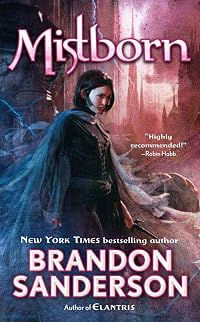
Experiencing an epiphany within the most daunting prison of the monstrous Lord Ruler, half-Skaa Kelsier finds himself taking on the powers of a Mistborn, and teams up with ragged orphan Vin in a desperate plot to save their world.Tags
Recommendations
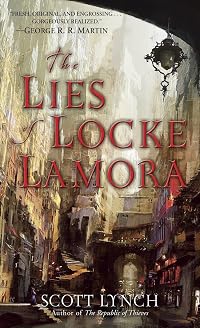
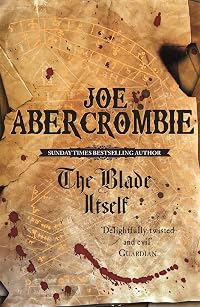
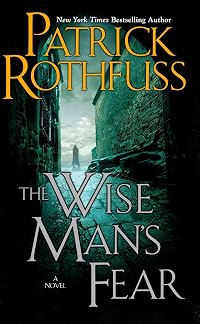
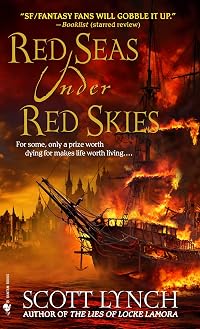

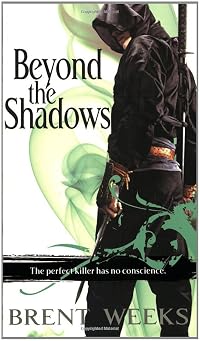
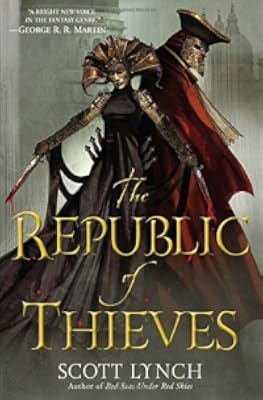
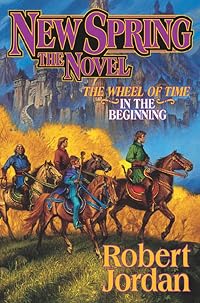
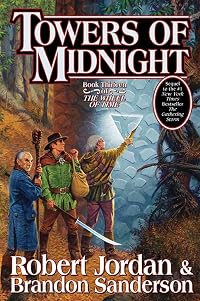
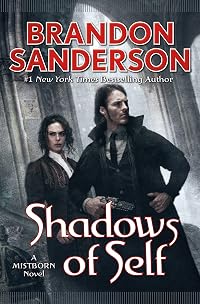
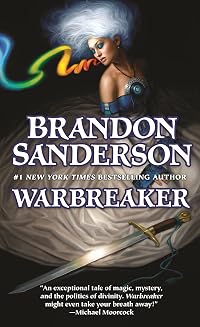
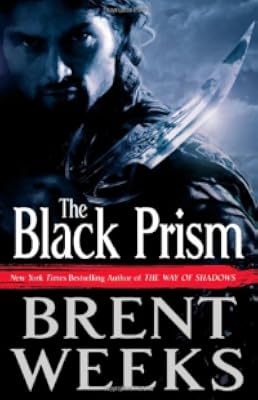
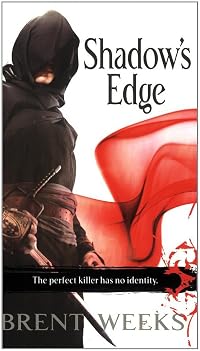
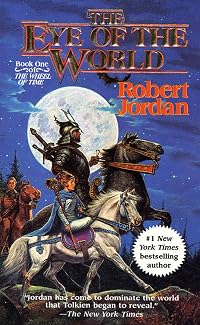
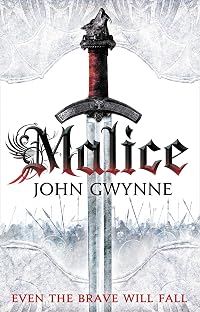
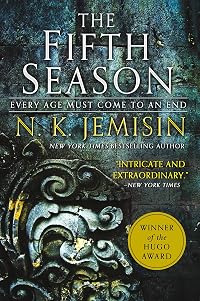
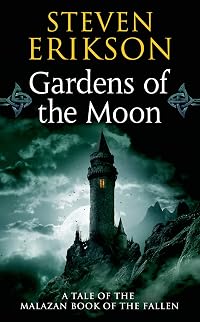

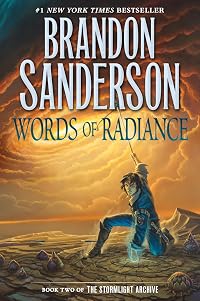
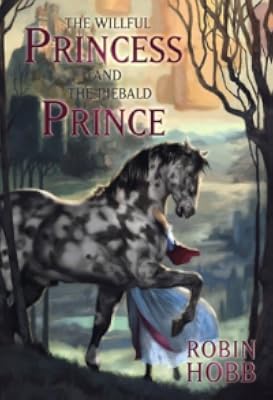
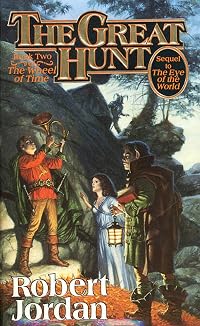
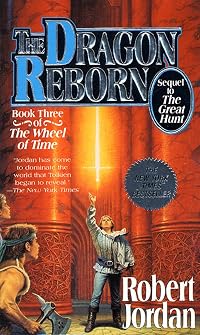

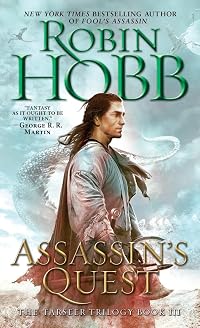

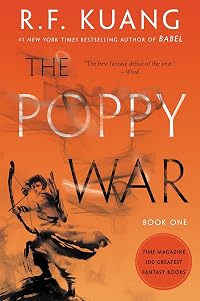
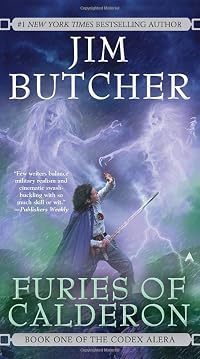
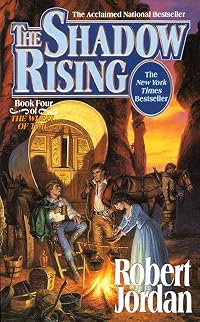

Member Recommendations
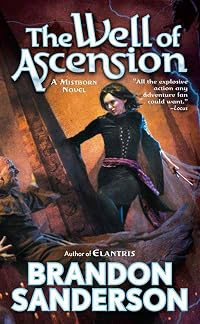
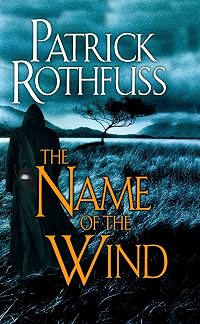
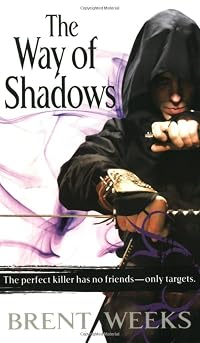
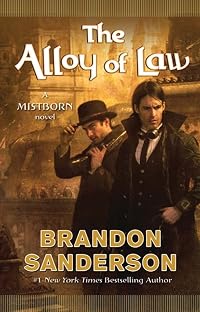
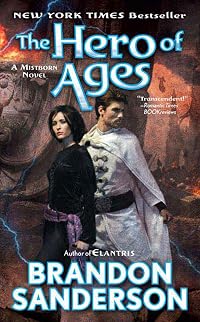
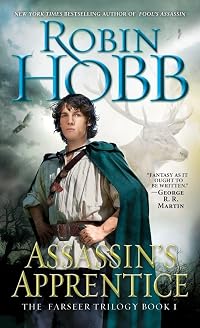
souloftherose Although the authors have different writing styles, both are epic fantasy books with a caper/heist/team of thieves at their centre
Also recommended by fyrefly98
192
Konran For those who were interested by the logbooks, Banewreaker is told from the point of view of the "evil" side of you traditional fantasy story.
30
wvlibrarydude Substance gives power to individual. Lots of political intrigue with interesting characters.
56
Katya0133 The tone of these two books is very different, but they way Katniss looked at the world, specifically the way she couldn't understand kindness as a motivation, reminded me of Vin in the first Mistborn book.
37
by kgriffith
Member Reviews
“Yes, I keep the flower,” Kelsier said. “I’m not really sure why. But… do you stop loving someone just because they betray you? I don’t think so. That’s what makes the betrayal hurt so much—pain, frustration, anger… and I still loved her. I still do.”
♯
wow. what a way to jumpstart 2025.
it feels like i’m running on caffeine, but i never drink coffee. was this really high fantasy? it felt like something else entirely. i was immersed. i was addicted. it felt like i slipped into the final empire without even realizing it. i love the characters (especially vin) and i can’t wait to continue the series. my father-daughter duo. my found family. those little scenes of high-society ball and intricate heist planning. it show more felt like i was breathing in the story and now i can’t cough it out.
i can’t stop thinking about the next book. someone stop me from scrolling through fanart because i have the tendency to get spoiled. holy shit and i hear the series only gets better? let’s go.
♯
4.5 stars.
pre-read: first book of the year and it’s a high fantasy? let’s see how confused i am by the end of it. show less
♯
wow. what a way to jumpstart 2025.
it feels like i’m running on caffeine, but i never drink coffee. was this really high fantasy? it felt like something else entirely. i was immersed. i was addicted. it felt like i slipped into the final empire without even realizing it. i love the characters (especially vin) and i can’t wait to continue the series. my father-daughter duo. my found family. those little scenes of high-society ball and intricate heist planning. it show more felt like i was breathing in the story and now i can’t cough it out.
i can’t stop thinking about the next book. someone stop me from scrolling through fanart because i have the tendency to get spoiled. holy shit and i hear the series only gets better? let’s go.
♯
4.5 stars.
pre-read: first book of the year and it’s a high fantasy? let’s see how confused i am by the end of it. show less
The Final Empire is a great read.
I love the worldbuilding. It's a weird world, with strange nightly mists and a near constant fall of ash that gets on everything. Even stranger, it's hinted that the world was once much more like our own. On top of that, you have a quasi-Feudal society ruled by a powerful, potentially immortal being. All of which leads to some pretty obvious seeds for some crazy stuff to go on.
Then (so crazy it gets its own paragraph), you have the magic systems. One thing I've always loved about Sanderson is how he does magic. In this case, you have a set of abilities all related to metals. In the main magic system (Allomancy), you consume metals to basically give you super powers. There are 8 (10? 11? more?) metals show more each of which does something different. Most are paired together in various ideas with related but opposite effects. It's very cool.
After that, I love the characters. Kelsier is a mad genius crime boss that's good with people (and oh that finale; that legitimately surprised me). Vin is grows from a scared little mouse just trying to stay alive to something of a badass. Sazed brings a bit of an 'other' perspective in more ways than one. I really grow to care about all of them, even if I don't necessary like them / agree with their worldview(s).
And finally, I love the plot. It's called the Final Empire for a reason. When you have an immortal, super powerful ruler, you really can build a society that can last a span of over a thousand years. Doesn't mean there won't be corruption though. That turns into part heist story, part action/thriller, part revolution. If all the rest weren't enough, I keep turning pages as I want to know more.
Side note: I am re-reading / re-listening to the Mistborn series before reading the two new ones that came out this year. I think this is only the second time I've read them and it's been a few years, so it's kind of crazy how much I had forgotten about the first book. At the same time, it's fascinating knowing how certain things will play out that are only hinted at now. show less
I love the worldbuilding. It's a weird world, with strange nightly mists and a near constant fall of ash that gets on everything. Even stranger, it's hinted that the world was once much more like our own. On top of that, you have a quasi-Feudal society ruled by a powerful, potentially immortal being. All of which leads to some pretty obvious seeds for some crazy stuff to go on.
Then (so crazy it gets its own paragraph), you have the magic systems. One thing I've always loved about Sanderson is how he does magic. In this case, you have a set of abilities all related to metals. In the main magic system (Allomancy), you consume metals to basically give you super powers. There are 8 (10? 11? more?) metals show more each of which does something different. Most are paired together in various ideas with related but opposite effects. It's very cool.
After that, I love the characters. Kelsier is a mad genius crime boss that's good with people (and oh that finale; that legitimately surprised me). Vin is grows from a scared little mouse just trying to stay alive to something of a badass. Sazed brings a bit of an 'other' perspective in more ways than one. I really grow to care about all of them, even if I don't necessary like them / agree with their worldview(s).
And finally, I love the plot. It's called the Final Empire for a reason. When you have an immortal, super powerful ruler, you really can build a society that can last a span of over a thousand years. Doesn't mean there won't be corruption though. That turns into part heist story, part action/thriller, part revolution. If all the rest weren't enough, I keep turning pages as I want to know more.
Side note: I am re-reading / re-listening to the Mistborn series before reading the two new ones that came out this year. I think this is only the second time I've read them and it's been a few years, so it's kind of crazy how much I had forgotten about the first book. At the same time, it's fascinating knowing how certain things will play out that are only hinted at now. show less
I thoroughly enjoyed this book!
Don't let the page-count dissuade you, Mistborn is an experience you'll be sad to see come to an end. Never a dull moment; never a dull character. I was impressed by how well the author developed unique, distinguishing traits and behaviors in each of his characters, making it easy to picture their faces, to relate to their circumstances, and to differentiate the many crew members from one another. It was fun learning the scientific rules of Allomancy and Feruchemy--how creative! Not once was the plot predictable; each new twist made the book more engaging. If you are seeking an exciting and imaginative series that stars a strong female heroine, look no further. I can't even express how eager I am to read show more the next books in the series! show less
Don't let the page-count dissuade you, Mistborn is an experience you'll be sad to see come to an end. Never a dull moment; never a dull character. I was impressed by how well the author developed unique, distinguishing traits and behaviors in each of his characters, making it easy to picture their faces, to relate to their circumstances, and to differentiate the many crew members from one another. It was fun learning the scientific rules of Allomancy and Feruchemy--how creative! Not once was the plot predictable; each new twist made the book more engaging. If you are seeking an exciting and imaginative series that stars a strong female heroine, look no further. I can't even express how eager I am to read show more the next books in the series! show less
Sometimes, I just crave a good epic fantasy. I mean, worldbuilding and magics, and loads of characters, good guys, bad guys, I just eat that shit up. Of course, it took one of my friends becoming a fan of Brandon Sanderson on facebook for me to actually pick up and read my copy of Mistborn: The Final Empire. Thank goodness. Honestly I don't know why I didn't pick up Mistborn sooner, especially because I was dancing around the room with pure joy after finishing the book. What? You don't dance like an idiot after reading an awesome book?Mistborn is set in a fictional world where a race of people, the Skaa are enslaved. The whole world is ruled by this dude called 'Lord Ruler.' All snickers aside, the back story of the Lord Ruler is rather show more interesting. The book doesn't focus on the Lord Ruler though. Rather, the focus is on a Skaa girl named Vin. Basically Vin doesn't trust anyone, because she's had a hard life. She grows dynamically, though. Sharing Vin's spotlight, is another character, Kelsier, who is basically a criminal genius. Oh, and Vin and Kelsier are allomancers, which basically means they metabolize metal and can do all kinds of cool things.I love a nice long adult fantasy book. I do enjoy worldbuilding and becoming immersed in an imaginary place. I love books as long as Mistborn because I feel like the characters are real people afterwards. Also, I loved the scope of Sanderson's imagination. I loved the idea of mistwraiths and of allomancy. I loved the small details he puts in, such as the tenets of religions which were destroyed when the Lord Ruler basically took over. I loved the characterization, and the band of thieves. I liked that for once, a long fantasy book has a female kicking ass and in such a prominent role. And can I fangirl a bit over the secondary characters. I loved Elend, I loved Sazed the terrisman and his stories of the religions.Also, I think the progression towards revolution shown within the book was pretty viable. I read a review of this book where it was stated that Sanderson gets society, as in he understands how and why people do what they do, which reflects in his writing. I have to say, I agree. The events of this book didn't feel contrived to me at all. Every thing didn't work out perfectly, although I have to say, the character of Kelsier was a frakken genius, and ahhh. I want to say more, but since people don't look very kindly on being spoiled, mum's the word! show less
I hated the piss-poor representation. Male characters in this book outnumber the women probably 10:1 ... I can't count the number of significant male characters, but I can count the number of women: Vin. Elend's former fiancée. The gossip who turned out to be a spy. The woman who cut Vin's hair. The girl whose near-rape was the impetus for Kell's slaughter at the beginning of the book. Kell's dead wife. One amazing female character does not make up for the almost complete erasure of the gender everywhere else. I hate how prevalent rape and the threat of rape was in the
Let's talk about race. The races as constructed in current American society don't exist in this fictional world, yes ... but that just makes it easy to assume that everybody is white. "Or you could assume that everyone is black!" That's not representation; that's plausible deniability.
Let's talk about the perpetuation of that over-used trope, the outsider savior. Kell is, for all intents & purposes, not a skaa; Vin herself points that out to him. He is an outsider who saves the skaa (okay, I'll be fair — plays a pivotal role in saving the skaa) by scamming them into thinking he's a goddamn god. He's the good guy.
Meanwhile, it turns out the bad guy — the tyrant, the murderer, the egomaniac, the oppressor of the entire empire — was the member of an oppressed group of people. They had a prophecy about a hero coming to save humanity; a hero who turned out to be a member of the group of people oppressing them. Our villain refused to believe that his oppressor was their destined hero, so he killed the other man & took his place ... and ended up becoming the embodiment of evil, essentially.
Woo hoo, moral fucking complexity, people who've been oppressed can be bad people too! And maybe it would have felt more like genuine moral complexity to me if there had been more diversity, if there had been an effort to acknowledge the real world issues that the conflicts in this book were playing off of. Instead, it feels like white guy philosophical masturbation.
Let's not forget that the man who takes over the leadership — the man who ends up preaching peace and stability and becoming king — is also an outsider to the skaa, a noble.
The more I think about this book, the more uncomfortable it makes me. The thing that's pissing me off the most, though, is that there are aspects of the world-building that interest me enough that I still want to read the second book. Kind of. Actually, you know what, I just Wiki-ed the next two books and I'm done.
Wow. This is undoubtedly one of the best fantasy books ever. There is so much to say about it, that it is hard to know where to begin. Most of it has probably been said already, so I'll try to keep this short.
First, the story. The story is highly original and intricate. Most epic fantasy books tell us the story of the hero's quest to save the world. Mistborn tells us what happens after the Hero fails. Fails, I hear you say? Yes, fails. And the world sucks as a result. It happened a thousand years ago, and ever since, the world has been barren and oppressive. Almost all people are oppressed by the Lord Ruler and his nobles. A small gang of thieves tries to make some changes...
A strong theme in the story is trust and betrayal. The show more original Hero was betrayed. The main character, Vin, grows up in a world where betrayal is normal. When she infiltrates the noble world, she is once more surrounded by it. On the other hand, the gang of thieves she has joined operates based on trust. You can imagine how she struggles with the concept.
Which sort of brings me to the characters. They are well done, and they develop throughout the books. Vin undergoes the largest changes, going from street urchin to mistborn spy among the nobles. However, also Kelsier, her mentor, undergoes changes, albeit not as drastic as Vin. On top of that, the group of thieves is highly attractive, as they really work together and operate as a group. The only thing I think could have been done better is the bond the reader develops with the characters. The bond is definitely there, but it could have been a bit more emotional. Oh, and it would have been nice if there had been more women on the good side. There are plenty of women Allomancers amongst the nobles; why wouldn't there be more amongst the thieves?
Then, the magic. The magic is really one of the strong points of Mistborn. It is wonderfully intricate and well thought out. I like that the magic has an inner logic, and that it interacts with the non-magical world in a logical way. Sanderson clearly gave quite some thought as to what could be done with this particular brand of magic. This is probably what sets Sanderson apart as one of the best fantasy writers of the moment: he comes up with the most original magic concepts.
Overall, this book is one of the best in fantasy out there, and I warmly recommend it to all fantasy fans. show less
First, the story. The story is highly original and intricate. Most epic fantasy books tell us the story of the hero's quest to save the world. Mistborn tells us what happens after the Hero fails. Fails, I hear you say? Yes, fails. And the world sucks as a result. It happened a thousand years ago, and ever since, the world has been barren and oppressive. Almost all people are oppressed by the Lord Ruler and his nobles. A small gang of thieves tries to make some changes...
A strong theme in the story is trust and betrayal. The show more original Hero was betrayed. The main character, Vin, grows up in a world where betrayal is normal. When she infiltrates the noble world, she is once more surrounded by it. On the other hand, the gang of thieves she has joined operates based on trust. You can imagine how she struggles with the concept.
Which sort of brings me to the characters. They are well done, and they develop throughout the books. Vin undergoes the largest changes, going from street urchin to mistborn spy among the nobles. However, also Kelsier, her mentor, undergoes changes, albeit not as drastic as Vin. On top of that, the group of thieves is highly attractive, as they really work together and operate as a group. The only thing I think could have been done better is the bond the reader develops with the characters. The bond is definitely there, but it could have been a bit more emotional. Oh, and it would have been nice if there had been more women on the good side. There are plenty of women Allomancers amongst the nobles; why wouldn't there be more amongst the thieves?
Then, the magic. The magic is really one of the strong points of Mistborn. It is wonderfully intricate and well thought out. I like that the magic has an inner logic, and that it interacts with the non-magical world in a logical way. Sanderson clearly gave quite some thought as to what could be done with this particular brand of magic. This is probably what sets Sanderson apart as one of the best fantasy writers of the moment: he comes up with the most original magic concepts.
Overall, this book is one of the best in fantasy out there, and I warmly recommend it to all fantasy fans. show less
Prior to reading this book I had read Sanderson's books Elantris and Warbreaker and loved them both. I was super excited to get started on this series. This book was everything I had hoped it would be and more. A wonderful epic fantasy, with a creative magic system, and characters you can really love.
This book goes between two main characters. The first is Kelsier, a member of the oppressed Skaa race who has escaped horrible punishment at the hand of the Lord Ruler and is determined to lead a rebellion to overthrow the Final Empire. The second is Vin, a skaa who is part of the thieving group. Vin gets entangled in Kelsier's scheme and finds out that she has powers of a Mistborn.
The setting for this book is pretty bleak. The Final Empire show more is located in a place where ash constantly rains down on the landscape and fields and forests are yellow and dying. The skaa is a race of serf-like humans who slave for the ruling class and are kept complacent through cruelty and Soothing by Mistlings.
The magic system is very creative, Sanderson has created a system where Mistlings or Mistborn swallow different metallic elements and can burn them to create various affects. He explains the complicated system in a way that is interesting and easy to understand; and shows creativity and flexibility to the magic system that makes it work in a wide variety of circumstances.
The plot is very complex, but not overwhelmingly so. Sanderson keeps the cast of characters manageable and makes characters easy to recognize. The characters are complex with rich histories and conflicted personalities but they are all somewhat lovable. A lot of the characters are grey in morale; they are thieves but they work for a cause, they try to do right but people suffer from their actions.
I loved these characters; especially Vin. Vin changes so much throughout the book. She starts out as a lowly thief eking out a living and ends up a power to be reckoned with. Kelsier is a force to be dealt with on his own; his character has a powerful personality that you love at times and dislike at others. This really is the place where Sanderson is exceptional; he creates a wonderful world but his characters are awesome. They bring humor and softness to a world that would be plain without them; these are some of the best characters in epic fantasy that I have read about for a while.
Overall I was very impressed, nothing to complain about...I loved it. The characters are entertaining and well done, the plot intriguing, the magic system creative. Sanderson has built a world and characters that you want to read about and turned them into a story that is very hard to put down. I am very eager to read the next book in this series "The Well of Ascension". show less
This book goes between two main characters. The first is Kelsier, a member of the oppressed Skaa race who has escaped horrible punishment at the hand of the Lord Ruler and is determined to lead a rebellion to overthrow the Final Empire. The second is Vin, a skaa who is part of the thieving group. Vin gets entangled in Kelsier's scheme and finds out that she has powers of a Mistborn.
The setting for this book is pretty bleak. The Final Empire show more is located in a place where ash constantly rains down on the landscape and fields and forests are yellow and dying. The skaa is a race of serf-like humans who slave for the ruling class and are kept complacent through cruelty and Soothing by Mistlings.
The magic system is very creative, Sanderson has created a system where Mistlings or Mistborn swallow different metallic elements and can burn them to create various affects. He explains the complicated system in a way that is interesting and easy to understand; and shows creativity and flexibility to the magic system that makes it work in a wide variety of circumstances.
The plot is very complex, but not overwhelmingly so. Sanderson keeps the cast of characters manageable and makes characters easy to recognize. The characters are complex with rich histories and conflicted personalities but they are all somewhat lovable. A lot of the characters are grey in morale; they are thieves but they work for a cause, they try to do right but people suffer from their actions.
I loved these characters; especially Vin. Vin changes so much throughout the book. She starts out as a lowly thief eking out a living and ends up a power to be reckoned with. Kelsier is a force to be dealt with on his own; his character has a powerful personality that you love at times and dislike at others. This really is the place where Sanderson is exceptional; he creates a wonderful world but his characters are awesome. They bring humor and softness to a world that would be plain without them; these are some of the best characters in epic fantasy that I have read about for a while.
Overall I was very impressed, nothing to complain about...I loved it. The characters are entertaining and well done, the plot intriguing, the magic system creative. Sanderson has built a world and characters that you want to read about and turned them into a story that is very hard to put down. I am very eager to read the next book in this series "The Well of Ascension". show less
Members
- Recently Added By
Lists

Best Fantasy Novels
821 works; 361 members

Top Five Books of 2013
1,562 works; 721 members

NPRs your picks: top 100 Sci-Fi/Fantasy books
297 works; 80 members

Favorite Series
238 works; 94 members

Farm Boy Fantasy
51 works; 21 members

Female Protagonist
1,056 works; 57 members

Recommend the 20 best books you've read in the last five years
2,168 works; 607 members

Fantasy novels with a female protagonist
76 works; 15 members

Epic Fantasy
12 works; 7 members

Speculative Fiction Heist/Caper Stories
10 works; 5 members

Connie53
5 works; 1 member
Best SciFi and Fantasy Classics
53 works; 6 members

The 100 Best Fantasy Books of All Time
100 works; 15 members

PASTE magazine The 50 Best Fantasy Books of the 21st Century (So Far)
15 works; 1 member

Books Read in 2023
5,638 works; 147 members

al.vick-wishlist-scifi-fant
181 works; 2 members

Best-selling Books by Latter-day Saints
58 works; 2 members

SantaThing 2014 Gifts
299 works; 17 members

BookTube Fantasy Recommendations
37 works; 1 member

Recommend Fantasy Books
100 works; 1 member

Recommended Fantasy Books
77 works; 5 members
Books We Couldn't Put Down
443 works; 197 members
.
184 works; 1 member

Top Five Books of 2023
767 works; 317 members

Best Audiobooks
240 works; 114 members

Reading Glasses Podcast
410 works; 3 members

Mind Expanding Books by hackerkid
581 works; 8 members
Overdue Podcast
808 works; 9 members

Books Read in 2021
5,361 works; 114 members

BookTok Adult
115 works; 2 members

Books Read in 2020
4,379 works; 123 members

Books Read in 2019
4,052 works; 110 members

Books Read in 2018
4,360 works; 110 members

Five star books
1,767 works; 110 members

Books Read in 2017
4,249 works; 130 members

Books Read in 2016
4,666 works; 197 members

Books Read in 2013
1,630 works; 51 members

Jean's Sci Fi/Fantasy Reading list
189 works; 12 members

Unread books
1,063 works; 82 members

Books - Sanderson, Brandon: Mistborn
7 works; 1 member
Talk Discussions
Past Discussions
Mistborn discussion (Possible Spoliers) in The Green Dragon (October 2011)
Author Information

Brandon Sanderson was born on December 19, 1975 in Lincoln, Nebraska. He received a bachelor's degree in English and a master's degree in creative writing from Brigham Young University. His first book, Elantris, was published in 2005. His other works include the Mistborn series, the Stormlight Archive series, Alcatraz Versus the Evil Librarians show more series, and the Reckoners series. In 2007, he was chosen by Harriet Rigney to complete A Memory of Light, book twelve in Robert Jordan's Wheel of Time series. He has continued the series with Towers of Midnight and A Memory of Light. In 2018 his title, White Sand Volume 2, made the Best Seller List. (Bowker Author Biography) show less

Brandon Sanderson is a LibraryThing Author, an author who lists their personal library on LibraryThing.
Some Editions
Awards and Honors
Awards
Distinctions
Series


Work Relationships
Is contained in
Has the (non-series) prequel
Common Knowledge
- Canonical title
- Mistborn: The Final Empire
- Original title
- Mistborn: The Final Empire
- Original publication date
- 2006-07
- People/Characters
- Vin (Valette); Kelsier; Dockson; Hammond; Breeze; Clubs (show all 19); Spook [Mistborn]; Rashek; Marsh [Mistborn]; Sazed; Elend Venture; Lord Renoux; Yeden; Demoux; Jastel Lekal; Straff Venture; Shan Elariel; Kar [Mistborn]; Camon
- Important places
- Luthadel; The Final Empire; Pits of Hathsin; Kredik Shaw
- Dedication
- FOR BETH SANDERSON,
Who's been reading fantasy
For longer than I've been alive,
And fully deserves
To have a grandson as loony as she is - First words
- Ash fell from the sky.
- Quotations
- Women are like ... thunderstorms. They're beautiful to look at, and sometimes they're nice to listen to--but most of the time they're just plain inconvenient. [p. 307]
- Last words
- (Click to show. Warning: May contain spoilers.)And realized that was all she had ever really wanted.
- Publisher's editor
- Feder, Moshe
- Blurbers
- Hobb, Robin
- Original language
- English
- Canonical DDC/MDS
- 813.6
- Canonical LCC
- PS3619.A533
Classifications
Statistics
- Members
- 17,865
- Popularity
- 364
- Reviews
- 537
- Rating
- (4.28)
- Languages
- 18 — Catalan, Chinese, Czech, Dutch, English, Finnish, French, German, Greek, Hungarian, Italian, Polish, Portuguese, Romanian, Russian, Spanish, Swedish, Turkish
- Media
- Paper, Audiobook, Ebook
- ISBNs
- 94
- UPCs
- 2
- ASINs
- 42