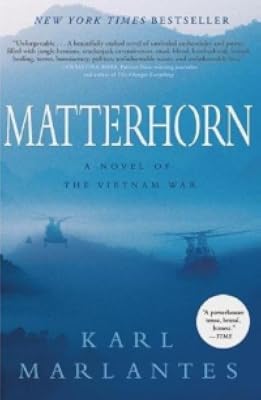
Matterhorn
by Karl Marlantes
On This Page
Description
Intense, powerful, and compelling, Matterhorn is an epic war novel in the tradition of Norman Mailer's The Naked and the Dead and James Jones's The Thin Red Line. It is the timeless story of a young Marine lieutenant, Waino Mellas, and his comrades in Bravo Company, who are dropped into the mountain jungle of Vietnam as boys and forced to fight their way into manhood. Standing in their way are not merely the North Vietnamese but also monsoon rain and mud, leeches and tigers, disease and show more malnutrition. Almost as daunting, it turns out, are the obstacles they discover between each other: racial tension, competing ambitions, and duplicitous superior officers. But when the company finds itself surrounded and outnumbered by a massive enemy regiment, the Marines are thrust into the raw and all-consuming terror of combat. The experience will change them forever. Written by a highly decorated Marine veteran over the course of thirty years, Matterhorn is a spellbinding and unforgettable novel that brings to life an entire world-both its horrors and its thrills-and seems destined to become a classic of combat literature. show lessTags
Recommendations

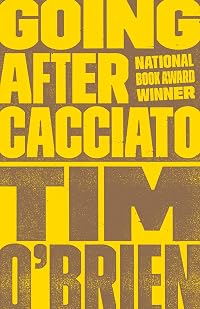


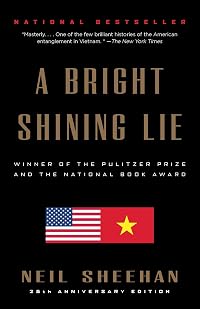
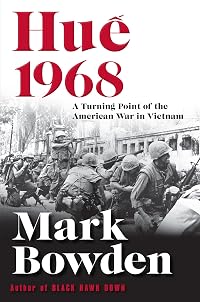
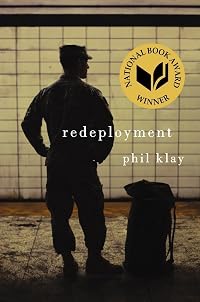
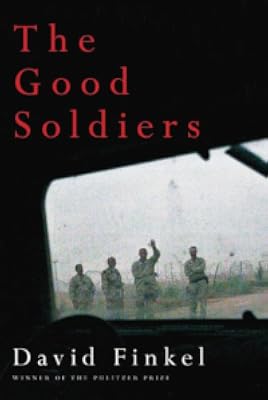



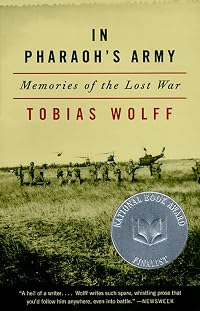
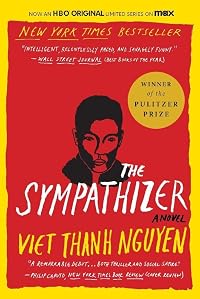
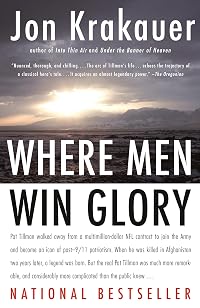


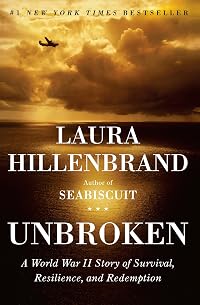
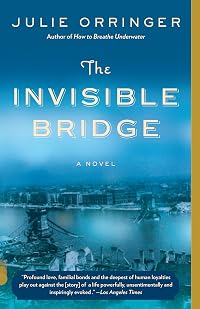
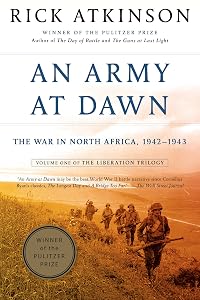

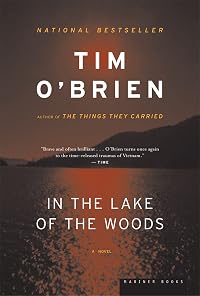
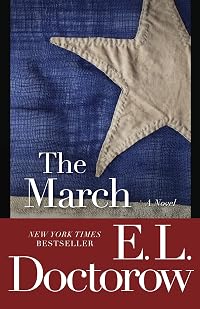
Member Recommendations
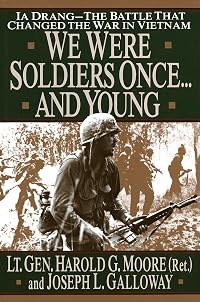
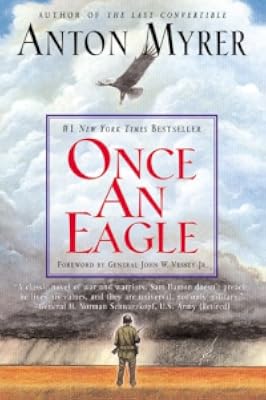
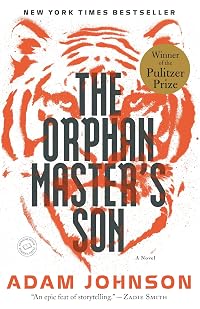
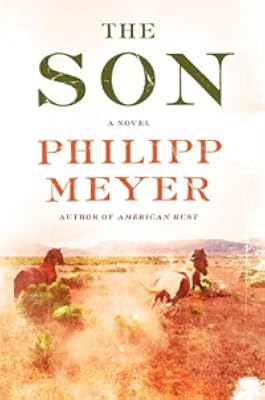
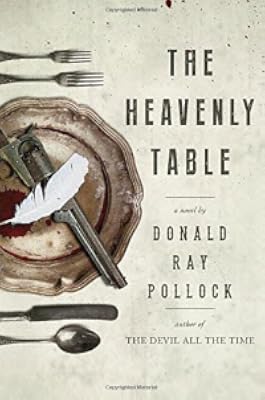
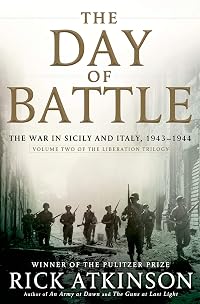
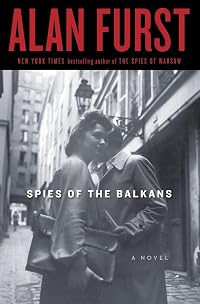
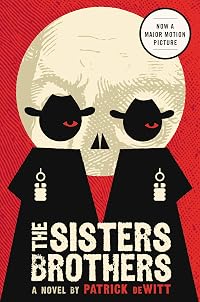
chrisharpe Both excellent fictional accounts based on Vietnam wartime experience.
91
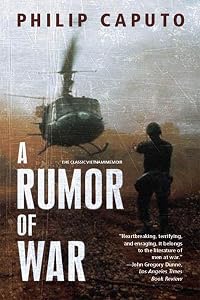
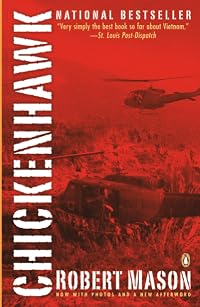
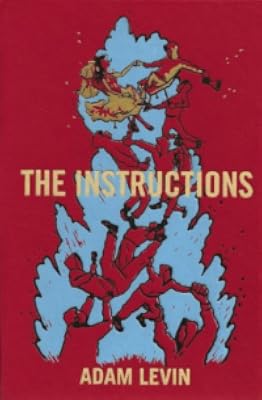
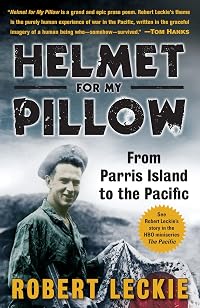
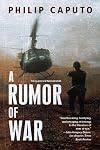
chrisharpe This memoir is a fitting complement to Matterhorn's grunt's perspective, giving an account from the point of view of a Huey pilot with the 1st Cav. One is nominally fiction and the other "fact", though it's hard, if not impossible, to tell which is which.
30
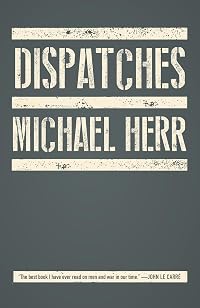
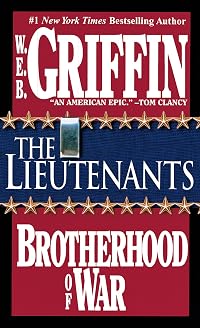
TooBusyReading Nonfiction by the author of Matterhorn, this one is a great look at war through the eyes of someone who has been there - what we've done right, what we've done wrong, what we have to change.
20
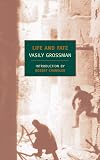
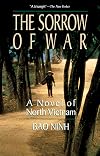
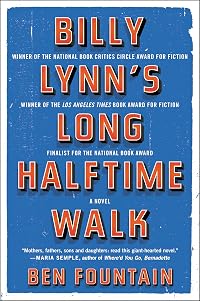
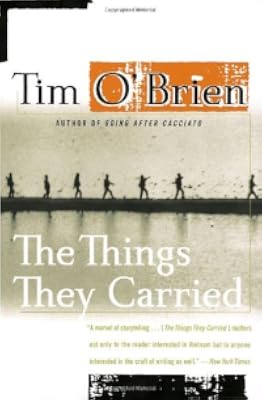
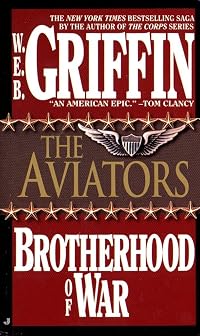
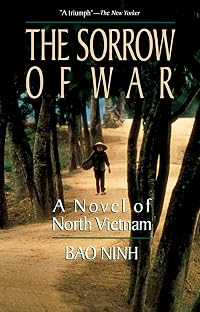
rebeccanyc Whether American or Vietnamese, the experience of the Vietnam/American war was shared, and these two books explore the experience of fighting and remembering from differing perspectives.

alanteder "Matterhorn" author Karl Marlantes has said that part of the inspiration for his Vietnam War novel also comes from the Parsifal (aka Parzival aka Percival) Arthurian/Grail legends. See his speaking engagement at the Pritzker Military Library for instance at http://www.pritzkermilitarylibrary.org/events/2010/09-23-karl-marlantes.jsp
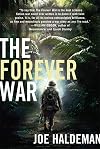

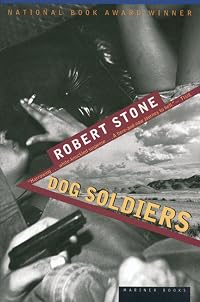
paulkid Similar books that explore the psyches of grunts and their lieutenants, focusing on a small number of company-sized military operations. Both are rich in character development, and capture how soldiers deal with the constant threat of unexpected death and pain. For example, compare Del Vechhio's mantra "Don't mean nuthin'" to Marlantes' "There it is". Both great books.
Member Reviews
I’ve read books about the war in Vietnam and I’ve seen a few films, (some of which are excellent) but nothing has had the impact, on me, like this stunning first novel, written by an ex-marine officer. It’s 1969 and Bravo Company is entrenched in the brutal hills of South Vietnam, spitting distance from the DMZ. They are given orders to hold these hill-tops, including Matterhorn, a slab of unforgiving stone. The story covers it all, from the soldier stuck in a damp foxhole, shivering from fear and dehydration, to the higher brass, comfortably in the rear, with their cigars and cognac, idly mapping out the fate of these grunts, like some cruel board game. The author unflinchingly captures the mud, the leeches, the sh*t and the show more jungle rot, placing the reader smack in this hellhole. Matterhorn may not be the last word on this horrendous, shameful conflict, but in my book, it comes pretty damn close. show less
Just as WWII was my parents’ war, the Viet Nam War belongs to me and those of my generation and since my spouse served in that war it is that much more personal. That is part of the reason that Karl Marlantes powerful, mesmerizing look at that war left me feeling totally drained emotionally. Or maybe that’s not it at all. Maybe it’s the fact that the author has such a compelling story to tell and he tells it so very well.
It’s 1969 and Waino Mellas has an Ivy League education and is looking forward to a legal career when he finds himself in Viet Nam leading the First Platoon of Bravo Company. In that opening chapter we learn of one of the insidious dangers of fighting in the jungles of Viet Nam: leeches. By the end of that first show more chapter I felt fully ingrained in the war and as if I was along for the ride of a lifetime. Marlantes is so adept at describing the lives of these Marines, the jungle where the battles take place, the unknown dangers lurking in the locale, and the desperate measures needed to stay alive that I found it impossible to put the book down.
Among the themes covered: Agent Orange (“It’s a defoliant…It won’t hurt you. It’s just to kill plants…It’s so the trees won’t give any shelter to the enemy. The Air Force has used it a lot, and it won’t bother humans.” Page 135); the role of the British (“How could the English, seemingly the most civilized of people, the people with whom they’d fought side by side against the Nazis, be aiding their enemy, the North Vietnamese Army?” Page 177); the stark differences between the lives of the young marines in battle and those of the brass calling the shots, far removed from the action, trying to advance their careers; the extreme danger from the jungle’s natural predators; the many and varied ways of dying in battle that have little to do with the enemy including immersion foot disease, starvation, dehydration, the extreme danger from the jungle’s natural predators, and friendly fire; the important role that racism played in the everyday lives of the Marines; and above all, the fact that these brave soldiers, for the most part, were just kids, the platoon leaders barely into their twenties and the grunts just teenagers. Kids fighting an old man’s war.
In the epigraph, Marlantes quotes “Parzival: “Shame and honor clash where the courage of a steadfast man is motley like the magpie. But such a man may yet make merry, for Heaven and Hell have equal part in him.”
Throughout the book, the author makes clear the “Parzival” theme of good and evil that eventually leads to this narrative piece:
“It occurred to Mellas that he could create the possibility of good or evil through caring. He could nullify the indifferent world. But in so doing he opened himself up to the pain of watching it get blown away. His killing that day would not have been evil if the dead soldiers hadn’t been loved by mothers, sisters, friends, wives. Mellas understood that in destroying the fabric that linked those people, he had participated in evil, but this evil had hurt him as well. He also understood that his participation in evil, was a result of being human. Being human was the best he could do. Without man there would be no evil. But there was also no good, nothing moral built over the world of fact. Humans were responsible for it all. He laughed at the cosmic joke, but he felt heartsick.” (Page 500)
Profound, gut-wrenching, devastating, visceral and thrilling, this is the book about that awful time in our country’s history that we’ve waited thirty years for. It was well worth the wait. Very highly recommended. show less
It’s 1969 and Waino Mellas has an Ivy League education and is looking forward to a legal career when he finds himself in Viet Nam leading the First Platoon of Bravo Company. In that opening chapter we learn of one of the insidious dangers of fighting in the jungles of Viet Nam: leeches. By the end of that first show more chapter I felt fully ingrained in the war and as if I was along for the ride of a lifetime. Marlantes is so adept at describing the lives of these Marines, the jungle where the battles take place, the unknown dangers lurking in the locale, and the desperate measures needed to stay alive that I found it impossible to put the book down.
Among the themes covered: Agent Orange (“It’s a defoliant…It won’t hurt you. It’s just to kill plants…It’s so the trees won’t give any shelter to the enemy. The Air Force has used it a lot, and it won’t bother humans.” Page 135); the role of the British (“How could the English, seemingly the most civilized of people, the people with whom they’d fought side by side against the Nazis, be aiding their enemy, the North Vietnamese Army?” Page 177); the stark differences between the lives of the young marines in battle and those of the brass calling the shots, far removed from the action, trying to advance their careers; the extreme danger from the jungle’s natural predators; the many and varied ways of dying in battle that have little to do with the enemy including immersion foot disease, starvation, dehydration, the extreme danger from the jungle’s natural predators, and friendly fire; the important role that racism played in the everyday lives of the Marines; and above all, the fact that these brave soldiers, for the most part, were just kids, the platoon leaders barely into their twenties and the grunts just teenagers. Kids fighting an old man’s war.
In the epigraph, Marlantes quotes “Parzival: “Shame and honor clash where the courage of a steadfast man is motley like the magpie. But such a man may yet make merry, for Heaven and Hell have equal part in him.”
Throughout the book, the author makes clear the “Parzival” theme of good and evil that eventually leads to this narrative piece:
“It occurred to Mellas that he could create the possibility of good or evil through caring. He could nullify the indifferent world. But in so doing he opened himself up to the pain of watching it get blown away. His killing that day would not have been evil if the dead soldiers hadn’t been loved by mothers, sisters, friends, wives. Mellas understood that in destroying the fabric that linked those people, he had participated in evil, but this evil had hurt him as well. He also understood that his participation in evil, was a result of being human. Being human was the best he could do. Without man there would be no evil. But there was also no good, nothing moral built over the world of fact. Humans were responsible for it all. He laughed at the cosmic joke, but he felt heartsick.” (Page 500)
Profound, gut-wrenching, devastating, visceral and thrilling, this is the book about that awful time in our country’s history that we’ve waited thirty years for. It was well worth the wait. Very highly recommended. show less
A brutal, compelling and believable (for all its unbelievable horrors and hardships) portrayal of the Vietnam war, through the eyes of a young Marine Lieutenant (closely based on the author).
In the early stages, it gives a convincing depiction of the banality and boredom of war. Then things start to get truly awful.
It is not without flaws - some of the characters were not tremendously convincing (one character never comes across as charismatic as we're told he is), and many more lacked distinction (ironically, an early point of the book is that the main character can't remember the names of the people in his platoon people's names - in the book, the names aren't the problem, it's telling the characters apart). Interestingly, one of the show more best defined characters is a fellow lieutenant with whom he has very little in common (although there exists a mutual respect).
But these feel like quibbles, and to dwell on them is to miss the point, and accomplishment, of the book: presenting a compelling and convincing account of the prosecution of the Vietnam war. It shows the waste and the pointlessness, but also demonstrates the pride, courage and commitment of the soldiers (the Marine Corps, interestingly enough). It shows the strains places on all levels of the military, and while it frequently shows the senior backroom military in a bad light, it also tries to show some of the circumstances they were working under, and hence contextualise their decisions. Finally, it also illuminates many possible reasons why the Vietnam war went so badly for the American military. show less
In the early stages, it gives a convincing depiction of the banality and boredom of war. Then things start to get truly awful.
It is not without flaws - some of the characters were not tremendously convincing (one character never comes across as charismatic as we're told he is), and many more lacked distinction (ironically, an early point of the book is that the main character can't remember the names of the people in his platoon people's names - in the book, the names aren't the problem, it's telling the characters apart). Interestingly, one of the show more best defined characters is a fellow lieutenant with whom he has very little in common (although there exists a mutual respect).
But these feel like quibbles, and to dwell on them is to miss the point, and accomplishment, of the book: presenting a compelling and convincing account of the prosecution of the Vietnam war. It shows the waste and the pointlessness, but also demonstrates the pride, courage and commitment of the soldiers (the Marine Corps, interestingly enough). It shows the strains places on all levels of the military, and while it frequently shows the senior backroom military in a bad light, it also tries to show some of the circumstances they were working under, and hence contextualise their decisions. Finally, it also illuminates many possible reasons why the Vietnam war went so badly for the American military. show less
The Publisher Says: Intense, powerful, and compelling, Matterhorn is an epic war novel in the tradition of Norman Mailer's The Naked and the Dead and James Jones's The Thin Red Line. It is the timeless story of a young Marine lieutenant, Waino Mellas, and his comrades in Bravo Company, who are dropped into the mountain jungle of Vietnam as boys and forced to fight their way into manhood. Standing in their way are not merely the North Vietnamese but also monsoon rain and mud, leeches and tigers, disease and malnutrition. Almost as daunting, it turns out, are the obstacles they discover between each other: racial tension, competing ambitions, and duplicitous superior officers. But when the company finds itself surrounded and outnumbered show more by a massive enemy regiment, the Marines are thrust into the raw and all-consuming terror of combat. The experience will change them forever.
My Review: Waino Mellas, newly minted Marine infantry lieutenant, arrives in the tender embrace of Bravo Company a scared, green, awkward, scared, stupid, scared kid and, after a huge amount of pain, loss, and hellish enraging waste of life and liberty, becomes a man.
No, really.
Marlantes was a Marine in Vietnam. He took thirty years...longer than most of this planet's people have been alive...to bring forth this horrifying, harrowing, agonizing artwork. I expect we will not see another book from him, or if we do, it will be so radically different from this one as to be unrecognizable as created in the same brain.
The pain and the horror are obviously not going to let him go. He's exorcised them as best a man can in writing this book. But I don't feel a sense of relief at the end of this book. I don't finish up when he stops writing. I think that's because the experience of reading this book is so shattering. OBVIOUSLY! OBVIOUSLY!! it's no smallest patch on actually living this book, but it's a rare experience to read something so complete, so clearly delineated in its scope and its prupose, and that has power...ask a demolitions person about the power of an explosion contained in a box...but more than that, it has purpose. I don't know Marlantes. I don't know that I want to. I know enough about him after reading this book to hate the idea of sending kids across oceans to kill other human beings before I think they're even ready to *love* other human beings, because so many of them won't live to become the man he has.
I hate that fact so much that I hurt inside. I want to scream and cry and rage and mourn and weep with the mothers and fathers whose souls are now scarred and deformed by the pain of losing a child. It won't help, they're launched on a horrible personal journey, but GODDAM IT they're people whose lives changed forever because of some stupid slogan like "national interest."
Ahem. The book.
So, what has Marlantes wrought? A long, hard journey of a book that millions will read some of, and back away scared...be one of the few who go the distance, and you will never, ever forget the journey or the guide. Worth it. show less
My Review: Waino Mellas, newly minted Marine infantry lieutenant, arrives in the tender embrace of Bravo Company a scared, green, awkward, scared, stupid, scared kid and, after a huge amount of pain, loss, and hellish enraging waste of life and liberty, becomes a man.
No, really.
Marlantes was a Marine in Vietnam. He took thirty years...longer than most of this planet's people have been alive...to bring forth this horrifying, harrowing, agonizing artwork. I expect we will not see another book from him, or if we do, it will be so radically different from this one as to be unrecognizable as created in the same brain.
The pain and the horror are obviously not going to let him go. He's exorcised them as best a man can in writing this book. But I don't feel a sense of relief at the end of this book. I don't finish up when he stops writing. I think that's because the experience of reading this book is so shattering. OBVIOUSLY! OBVIOUSLY!! it's no smallest patch on actually living this book, but it's a rare experience to read something so complete, so clearly delineated in its scope and its prupose, and that has power...ask a demolitions person about the power of an explosion contained in a box...but more than that, it has purpose. I don't know Marlantes. I don't know that I want to. I know enough about him after reading this book to hate the idea of sending kids across oceans to kill other human beings before I think they're even ready to *love* other human beings, because so many of them won't live to become the man he has.
I hate that fact so much that I hurt inside. I want to scream and cry and rage and mourn and weep with the mothers and fathers whose souls are now scarred and deformed by the pain of losing a child. It won't help, they're launched on a horrible personal journey, but GODDAM IT they're people whose lives changed forever because of some stupid slogan like "national interest."
Ahem. The book.
So, what has Marlantes wrought? A long, hard journey of a book that millions will read some of, and back away scared...be one of the few who go the distance, and you will never, ever forget the journey or the guide. Worth it. show less
Matterhorn is on track to be one of the classic books about men and warfare. An autobiographical account of battle by decorated Marine, Matterhorn reveals the essence of the war in Vietnam, the lies that men die for, and the truth that can be found at the limits of mortality.
Matterhorn is a code name for a mountain right at the border of North Vietnam and Laos, an isolated outpost far beyond Khe Sanh. Lt. Mellas is a green officer, trying to navigate the struggles of command and keep his men alive. Against life, he has the implacable jungle, the rigors of patrolling, a racially divided unit, the skilled enemy of the NVA, and above all a high command obsessed with looking good in the stats back home, willing to spend the lives of Mellas show more and his men for nothing at all. The blind brute stupidity of high command, their inability to understand how hard it is to move in the jungle and hills, to deliver supplies, let alone justice, comes through again and again.
Marlantes plays his book straight, drawing from Norman Mailer's The Naked and the Dead and the epic chivalric poem Parzival, rather than the fragmented, post-modern school. It works, it's entirely authentic, it goes beyond the strict limits of temporal order and a single point of view of the memoir to strive towards mythic resonance. Marlantes elegantly captures the strain of humping through the jungle, the human universe of an infantry unit, the terror and liberation and uncertainty of battle.
Take it from a guy who reads a lot of these books, Matterhorn is in the top tier. show less
Matterhorn is a code name for a mountain right at the border of North Vietnam and Laos, an isolated outpost far beyond Khe Sanh. Lt. Mellas is a green officer, trying to navigate the struggles of command and keep his men alive. Against life, he has the implacable jungle, the rigors of patrolling, a racially divided unit, the skilled enemy of the NVA, and above all a high command obsessed with looking good in the stats back home, willing to spend the lives of Mellas show more and his men for nothing at all. The blind brute stupidity of high command, their inability to understand how hard it is to move in the jungle and hills, to deliver supplies, let alone justice, comes through again and again.
Marlantes plays his book straight, drawing from Norman Mailer's The Naked and the Dead and the epic chivalric poem Parzival, rather than the fragmented, post-modern school. It works, it's entirely authentic, it goes beyond the strict limits of temporal order and a single point of view of the memoir to strive towards mythic resonance. Marlantes elegantly captures the strain of humping through the jungle, the human universe of an infantry unit, the terror and liberation and uncertainty of battle.
Take it from a guy who reads a lot of these books, Matterhorn is in the top tier. show less
This book is exhausting. If you are looking for some patriotic bullshit John Wayne sort of war story, you had best steer clear. This is rawer than The Naked and the Dead, and filled with more pus and blood and piss than The Things They Carried (which I love at least as much as this book.) Matterhorn is one very long entirely visceral rant. Marlantes wrote this clearly very autobiographical novel over 30 years, and I hope and pray it helped exorcise some ghosts. If 10% of this is accurate there have got to be a lot of ghosts. Anyone who hasn't served, and has the power to make decisions about sending people to war, should be required to read this.
I found myself lying in bed crying at parts of this book, and I am not a cryer. As I show more listened to the account of our troops going 10 days without food as they humped through the desert, their bodies literally rotting from the humidity and flora of the jungle, I was sad and angry. So sad and angry. As I understood why people came to enjoy killing, I was sad and angry. As I heard about the totally unnecessary maiming of a beautiful young man filled with potential I was sad and angry. As I worked through the impossibility of creating a cohesive group of soldiers, black and white, in a racist world, I was sad and angry. I had to walk away from this a couple times because I did not want to be so very sad and angry. But this book changed me. I read a fair amount about war, but I came away from this different than I went in. I am infinitely grateful to Marlantes, and to the people who served in this ridiculous war. Those men and women are not ridiculous, they are victims and they are heroes. Right at the end of the book there is a quote which I think sums things up nicely:
"Revenge would heal nothing. Revenge had no past. It only started things. It only created more waste, more loss, and he knew that the waste and loss of this night could never be redeemed. There was no filling the holes of death. The emptiness might be filled up by other things over the years—new friends, children, new tasks—but the holes would remain."
***I read and listened to this, and though I prefered the text to the audio overall, I think Bronson Pinchot's narration was excellent. show less
I found myself lying in bed crying at parts of this book, and I am not a cryer. As I show more listened to the account of our troops going 10 days without food as they humped through the desert, their bodies literally rotting from the humidity and flora of the jungle, I was sad and angry. So sad and angry. As I understood why people came to enjoy killing, I was sad and angry. As I heard about the totally unnecessary maiming of a beautiful young man filled with potential I was sad and angry. As I worked through the impossibility of creating a cohesive group of soldiers, black and white, in a racist world, I was sad and angry. I had to walk away from this a couple times because I did not want to be so very sad and angry. But this book changed me. I read a fair amount about war, but I came away from this different than I went in. I am infinitely grateful to Marlantes, and to the people who served in this ridiculous war. Those men and women are not ridiculous, they are victims and they are heroes. Right at the end of the book there is a quote which I think sums things up nicely:
"Revenge would heal nothing. Revenge had no past. It only started things. It only created more waste, more loss, and he knew that the waste and loss of this night could never be redeemed. There was no filling the holes of death. The emptiness might be filled up by other things over the years—new friends, children, new tasks—but the holes would remain."
***I read and listened to this, and though I prefered the text to the audio overall, I think Bronson Pinchot's narration was excellent. show less
Matterhorn by Karl Marlantes was quite an experience, I truly read this with my heart as well as my mind. The story quickly absorbs you into the routine of Bravo Company, a marine company that is sitting on top of a hill, called Matterhorn, in the northwest of Viet Nam not far from the border with Laos.
Thrust into jungle warfare with it’s associated horrors of leeches, diarrhoea, jungle rot and immersion foot these young marines appear to be little more than “cannon fodder” to the senior offices sitting many miles away in the safety of home base. They appear to view this war much like a balance sheet, wanting to justify their damages with greater amounts of “gooks” killed. Body count was everything and used as justification show more for men lost.
Ordered to abandon Matterhorn, only to be dropped back into the jungle a few days later and told to retake it, Bravo Company endures, trying to survive in spite of these futile and confused orders. Battling against a regiment of North Vietnamese Regulars they quickly find themselves in trouble, surrounded and being bombarded by shells and continuously micromanaged from headquarters with demands from incompetent officers. Surrounded, unable to retreat, they must dig in and hope the weather changes to allow the helicopters back in with reinforcements, food, ammunition, medical supplies and water.
This war comes to life as seen through the eyes of a young, ambitious officer, who soon learns to think more about survival than medals or promotion. Yet, there is so much more to this book than combat. Karl Marlantes absolutely nails the times and political feelings at all levels. This book is a vivid look at Viet Nam, and the men who fought there, in the late sixties, and with his realistic dialogue and characters, one that will remain unforgettable. show less
Thrust into jungle warfare with it’s associated horrors of leeches, diarrhoea, jungle rot and immersion foot these young marines appear to be little more than “cannon fodder” to the senior offices sitting many miles away in the safety of home base. They appear to view this war much like a balance sheet, wanting to justify their damages with greater amounts of “gooks” killed. Body count was everything and used as justification show more for men lost.
Ordered to abandon Matterhorn, only to be dropped back into the jungle a few days later and told to retake it, Bravo Company endures, trying to survive in spite of these futile and confused orders. Battling against a regiment of North Vietnamese Regulars they quickly find themselves in trouble, surrounded and being bombarded by shells and continuously micromanaged from headquarters with demands from incompetent officers. Surrounded, unable to retreat, they must dig in and hope the weather changes to allow the helicopters back in with reinforcements, food, ammunition, medical supplies and water.
This war comes to life as seen through the eyes of a young, ambitious officer, who soon learns to think more about survival than medals or promotion. Yet, there is so much more to this book than combat. Karl Marlantes absolutely nails the times and political feelings at all levels. This book is a vivid look at Viet Nam, and the men who fought there, in the late sixties, and with his realistic dialogue and characters, one that will remain unforgettable. show less
Members
- Recently Added By
Published Reviews
ThingScore 92
In zijn sublieme roman Matterhorn doorbreekt Vietnam-veteraan Karl Marlantes het stilzwijgen dat de maatschappij verwacht van hen die het smerigste werk moeten opknappen: de gevechtssoldaten.
Als verhalenverteller brengt Marlantes effectief het gevoel over wat oorlog is. De gekte, de pijn, maar ook de vriendschap en de liefde. Het maakte dit oorlogsboek populair bij vrouwen in Amerika.
Als verhalenverteller brengt Marlantes effectief het gevoel over wat oorlog is. De gekte, de pijn, maar ook de vriendschap en de liefde. Het maakte dit oorlogsboek populair bij vrouwen in Amerika.
added by sneuper
Chapter after chapter, battle after battle, Marlantes pushes you through what may be one of the most profound and devastating novels ever to come out of Vietnam — or any war. It’s not a book so much as a deployment, and you will not return unaltered.
added by Stbalbach
"It reads like adventure and yet it makes even the toughest war stories seem a little pale by comparison."
added by bookfitz
Lists

Recommend the 20 best books you've read in the last five years
2,168 works; 607 members

Top Five Books of 2013
1,562 works; 721 members

Best War Stories
87 works; 16 members

Top Five Books of 2014
1,064 works; 398 members

Top Five Books of 2015
811 works; 241 members

Powell's Indiespensable
79 works; 6 members

International IMPAC Dublin Literary Award
179 works; 6 members

2008-2012 Notable Books for Adults
127 works; 10 members

Books About the Vietnam War
15 works; 6 members

Global Reads: Books Set in East Asia
139 works; 12 members

to get
244 works; 2 members

THE WAR ROOM
813 works; 24 members

Books That Changed Our Perspective
423 works; 168 members

Books We Discovered On LibraryThing
530 works; 130 members
Author Information

Karl Marlantes grew up in Seaside, Oregon. He was a National Merit Scholar, attended Yale University, and was a Rhodes Scholar at Oxford. He served as a lieutenant in the United States Marine Corps during the Vietnam War. He received the Navy Cross, two Navy Commendation Medals for valor, two Purple Hearts and ten Air Medals. His first book, show more Matterhorn: A Novel of the Vietnam War, was written in 1977, but wasn't published until 2010. His other work, What It Is Like to Go to War, was published in 2011. (Bowker Author Biography) show less
Some Editions
Awards and Honors
Awards
Distinctions
Work Relationships
Was inspired by
Common Knowledge
- Canonical title
- Matterhorn
- Original title
- Matterhorn
- Original publication date
- 2010 (1e édition originale américaine, Atlantic Monthly Press) (1e édition originale américaine, Atlantic Monthly Press); 2012-08-29 (1e traduction et édition française, Calmann-Lévy) (1e traduction et édition française, Calmann-Lévy)
- People/Characters
- Waino Mellas, 2nd Lt.; Mellis; Ted Hawke; Vancouver; Fitch, Lt. Company Commander; Murphy (show all 12); Bass, Platoon Sergeant; Hawkins; Simpson, Lt. Colonel; Goodwin, 2nd Lt.; Blakely, Major; Mulvaney, Colonel
- Important places
- Vietnam; Quang-tri Province
- Important events
- Vietnam War
- Epigraph
- Shame and honor clash where the courage of a steadfast man is motley like the magpie. But such a man may yet make merry, for Heaven and Hell have equal part in him.
- Wolfram von Eschenbach "Parzifal" - Dedication
- This novel is dedicated to my children, who grew up with the good and bad of having a Marine combat veteran as a father.
- First words
- Mellas stood beneath the gray monsoon clouds on the narrow strip of cleared ground between the edge of the jungle and the relative safety of the perimeter wire.
- Quotations
- Between the emotion and the response, the desire and the spasm, falls the shadow (Matterhorn, p. 597)
- Last words
- (Click to show. Warning: May contain spoilers.)Only the shadows themselves could change.
- Blurbers
- Robb, Christina; Frazier, Charles; Rather, Dan; Butler, Robert Olen; Sides, Hampton; Finkel, David (show all 11); Stanton, Doug; Junger, Sebastian; Schaub, Michael; Memmott, Carol; Bowden, Mark
- Original language
- English
Classifications
Statistics
- Members
- 3,138
- Popularity
- 5,600
- Reviews
- 138
- Rating
- (4.33)
- Languages
- 8 — Dutch, English, French, German, Hungarian, Italian, Polish, Spanish
- Media
- Paper, Audiobook, Ebook
- ISBNs
- 44
- UPCs
- 1
- ASINs
- 26